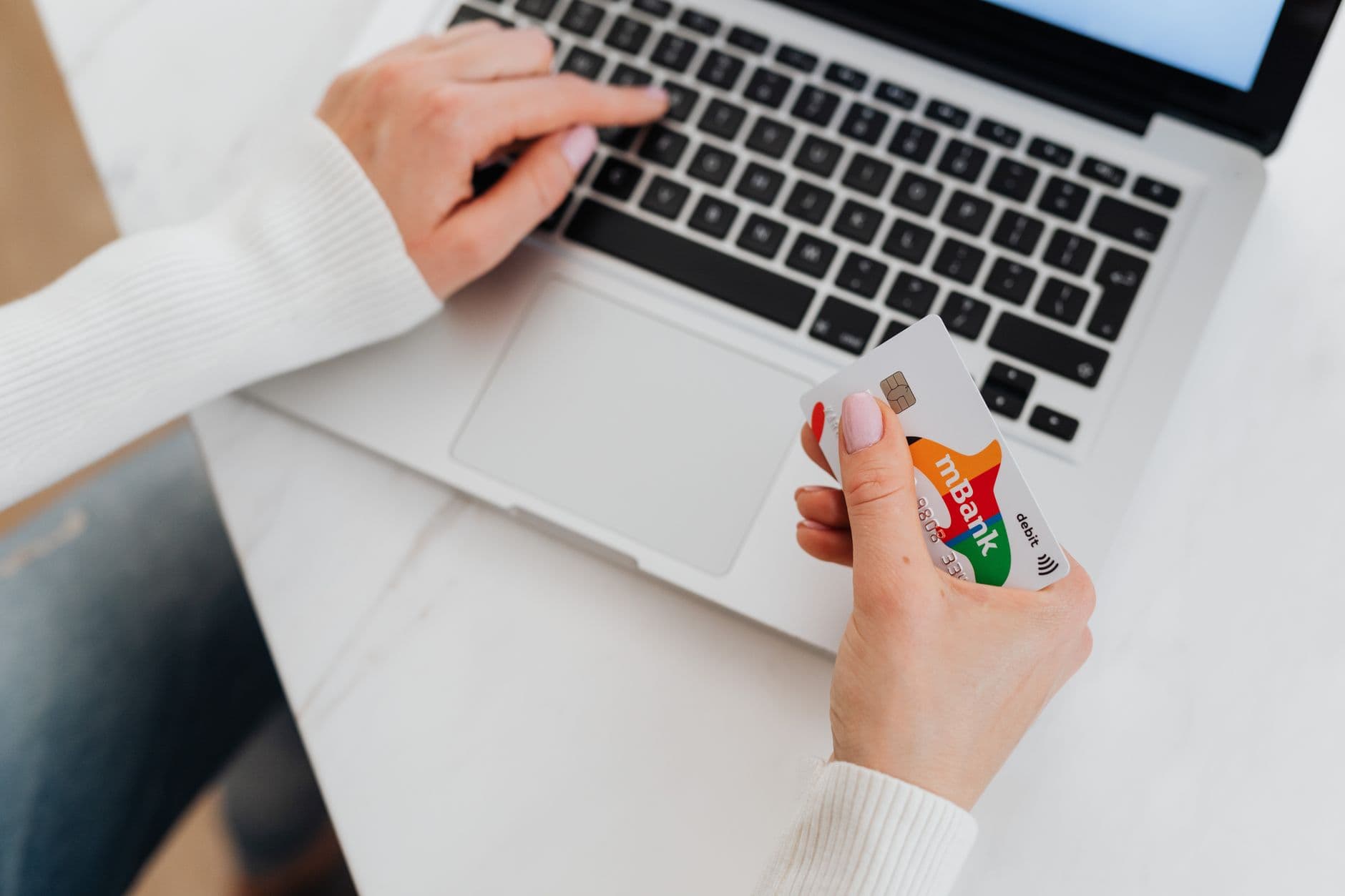
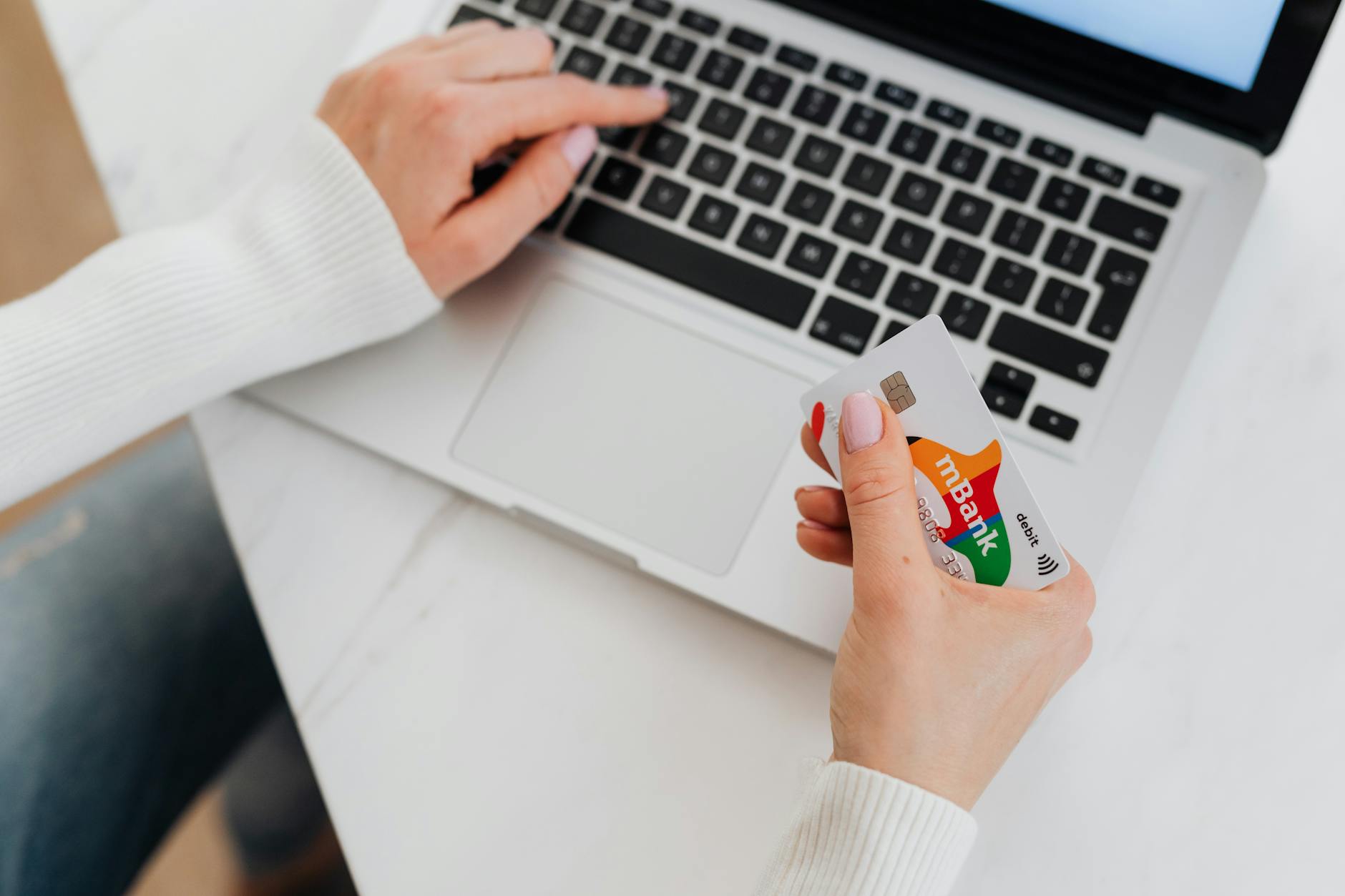
Valitse kortti, joka on laajalti hyväksytty kaupoissa, taksikuljetuksissa ja hotelleissa tässä maassa, ja joka mahdollistaa sujuvan rajojen ylittämisen, jossa maksutapahtumat ovat selkeitä.
Kansainvälisillä matkoilla varmista, että viisumit ja korttisi ovat yhteensopivia kotimaan terminaalien ja kumppaniverkostojen kanssa, jotta matkustaminen sujuu helposti. Etsi terminaaleista selvä hyväksymismerkki, jotta voit varmistaa luotettavuuden ostoksilla ja hotellien sisäänkirjautumisissa.
Varoita kompromissien merkkejä: jos havaitaan mitään hakatun tai muokattua, yhteyden pitää ottaa välittömästi yrityksen tukipalveluun, ja nopea tarkistus tilitapahtumista auttaa välttämään sakkoa.
Mieti, kuinka päivittäiset rutiinit etenevät: taksikuljetukset, hotellit, markkinat ja matkailun aikana käydyt paikat. Opettele alueisiin soveltuvia termejä, joissa on erilaisia rajoituksia; sisältää käytännön vinkkejä Iranista ja muista kohteista sekä neuvoja siitä, kuinka tarkistat tuloksesi ennen lähtöä kotiin.
Jos henkilökunta kysyy sinua, pysy rauhallisena, esitä selkeät henkilöllisyystodistukset ja luota tukipalveluun ratkaisemaan asian nopeasti; kokemuksesi on todennäköisesti sujuva ja vältyt sakkoilta.
MIR Venäjälle: Käytännön maksuvaihtoehtojen ja viisavaiheiden opas
Hae virallisen konsulaatin verkkosivulta; hanki kutsukirje matkan aikana. Käsittelyajat vaihtelevat: tavallisesti 5-10 työpäivää, kiireellisissä tapauksissa 2-3 päivää, jos pätevä.
Kantakortilla, joka on yhteensopiva laajalle levinnyt kotimainen korttijärjestelmä, on hyvä hyväksyntä hotelleissa, suurissa vähittäiskaupoissa ja monissa palveluissa suurkaupungeissa. Pietarissa hyväksyntä on erityisen laajaa, mutta joillakin erämaiden alueilla hyväksyntä voi olla rajallista.
Azerbaijanin kansalaiset voivat aloittaa hakemukset verkossa; viralliset portaalit vaativat usein kutsun tai hotellivarauksen lisäksi passitietoja ja matkasuunnitelmia.
Saapuessasi saatat joutua maksamaan takaisinmaksutettavan talletuksen hotelleissa; varmista, että kortillasi on tarpeeksi varoja talletusten, lisämaksujen ja joissain tapauksissa turvallisuusvarauksien katteeksi.
Kattavuus ei ole yhtäläinen Tšetšenian tai Luhanskin alueilla; suunnittele vaihtoehtoisia maksuvaihtoehtoja, jos haluat välttää hankaluuksia tapahtumien tai suurten kokousten aikana.
Visa-askelmat: 1) päättää reitin: standardi, kiireellinen tai sähköinen e-visa, jos saatavilla; 2) lähettää asiakirjat virallisella sivustolla; 3) maksaa konsulaarimaksun sivustolla; 4) antaa biometriset tiedot, jos vaaditaan; 5) saada visan hyväksyntä sähköpostitse; 6) noutaa passi visamerkinnällä; 7) kuljettaa passin kopio ja majoituspaikkojen tai isäntien yhteystiedot; 8) saapuessaan rekisteröityä paikallisessa maahanmuuttovirastoon, jos tarpeen.
Lähdössä pidä korttilaskut ja kuittit; jos vaadit takaisin maksettuja talletuksia, ota yhteyttä viralliseen hotelliin tai palveluntarjoajaan; välttää kassapainotteisia järjestelmiä, luottaa turvalliseen sivustoon varauksille.
Kokonaismatkabudjetit voivat sisältää majoituksen, kuljetukset, viisumimaksut ja talletukset; suunnittele asianmukaisesti ja luota virallisiin kanaviin riskin minimoimiseksi.
Tässä luotettavat lähteet virallisilla verkkosivuilla antavat päivityksiä kattavuudesta ja tapahtumista; paljon riippuu paikallisesta politiikasta ja matkustamisen järjestämisestä; aina tarkista sivusto ennen varauksia.
Nämä vaiheet auttavat saamaan ajankohtaisia tietoja ja suunnittelemaan etukäteen.
MIR perusteet: mikä se on, kuka sitä antaa ja missä sitä hyväksytään
Valitse pankin myöntämä kortti, joka on liitetty kansalliseen korttijärjestelmään, jotta se hyväksytään laajalti kaupoissa, pankkiautomaateissa ja verkkopalveluissa.
Yleiskatsaus: valtiotukema maksuväline, joka on luotu helpottamaan ostoksia, rahan nostamista ja siirtoja kauppiaiden terminaaleilla, pankkiautomaateilla ja digitaalisilla lompakoilla. Sillä on toimivuutta sisämaassa ja rajoitettu ulkomaan käyttö.
Issuers: suuret pankit yhteistyössä kansallisen operaattorin kanssa; ne luovat tilit, antavat fyysisiä kortteja ja tukevat mobiilimaksuja.
Tässä hyväksytään: kotimaiset kauppiaat, supermarketit, huoltoasemat, taksit, lentokentät, matkatoimistot ja verkkokaupat tukevat laajalti tätä järjestelmää; joitakin ulkomaisia paikkoja osallistuu kumppaniverkostojen kautta.
Bloggaajat venäläis-yhteisöistä mainitsevat, että tutkimukset tästä instrumentista viittaavat sen luomiseen keskitetyn toimijan toimesta ja yhteyksiin kotimaisiin kauppoihin ja matkoihin; tutkijat löytävät useita kaavoja. Yksi artikkeli mainitsee useita etuja ja varoituksia.
Useita analyysejä mainitsee, että matkailijoiden mielipiteet ottivat erilaisia näkökulmia; matkailijat tulkitsivat asioita eri tavoin. Joitakin kiinnosti moraalinen näkökulma, ja joillakin näkyi kokonaisriskin huomioiminen. Tapauskatsauksissa tulokset verrattiin ja keskusteltiin niistä.
Tunnistettuaan rajojen ylittävien rajoitteiden, on hyväksyttävä yhteistyöverkostojen kanssa; tehtynä oikein, tämä vähentää riskiä. Lentomatkat ja matkustaminen näkyvät rajoitetuissa konteksteissa.
Mene päivitettyjen kauppiaiden luetteloihin varmistamaan osallistuvien kauppojen osalta; nykyisen tilanteen tunnistaminen auttaa välttämään yllätyksiä matkojen aikana.
Artikkelin ytteenotto: tämä osio kerää käytännön tietoja, jotka auttavat matkoissa Venäjälle ja päivittäisissä kulutuksissa. Huomaa, että hinnat voivat vaihdella vuodesta, alueesta ja kumppanisopimuksista riippuen; se on huomioitava suunnittelijoille, jotka ovat ottaneet päätöksiä.
| Aspect | Kuvaus | Notes |
|---|
| Kotimainen ulottuvuus |
Hyväksytty miljoonissa kauppiaiden terminaaleissa, pankkiautomaateissa ja verkkokaupoissa suurkaupunkien ympäri |
Tämä sisältää vähittäiskaupan, polttoaineen ja liikenteen. |
| Lupaus |
Suurten pankkien myöntämät kansallisoperaattorin kautta; tilit linkitetty; mobiilivaihtoehdot |
Tunnistautuminen vaaditaan usein. |
| Rajojen ylittäminen |
Rajoitettu osallistuminen valittuihin kohteisiin kumppaniverkostojen kautta |
Joitakin lentoja, hotelleja ja kauppoja voi hyväksyä |
| Suositukset |
Valitse maksukortti, joka on laajalti käytössä ja joka päivitetään säännöllisesti. |
Tarkista meidän yhdysvaltalais-venäläiset matkailukeskukset |
MIR-ekosysteemin keskeiset osallistujat ovat pankit, kauppiaat ja kortinhaltijat.
Pankit avaavat tilit, antavat kortteja, hoitavat siirtoja ja hallinnoivat riskejä eri kanavilla.
Kauppiaat käyttävät myyntipisteissä laitteita, tukevat verkkokassan käyttöä ja ylläpitävät turvallisuustietojen noudattamista. Varmista päivitetty ohjelmisto, turvalliset terminaalit ja kätevä noutopalvelu tarvittaessa.
Kortinhaltijat pääsevät rahoihinsa puhelinsovellusten, korttien ja sähköisten lompakkojen kautta valiten turvalliset maksamistavat. Lisäksi pitää laitteisiin vakuutuksen, ottaa käyttöön biometriset tunnistusmenetelmät ja vahvistaa maksut salasanalla.
Kurskin alueella kauppaverkosto laajenee virallisen verkkosivun ja paikallisten toimistojen yhteistyön kautta. Kävijät näkevät päivitetyn sivusisällön, jossa on aktiivisia varauksia ja junareittejä asemakeskuksiin; tarkista listauksissa olevat päiväysmerkit.
Turvallisuusohjeet: kiellettyjä toimia ovat rajoitetun laitteen käsittely väkijoukkojen keskellä olevissa tiloissa; välttää drone-lentoja keskuksien läheisyydessä; välttää sotilasmielisten tunnusten näyttäminen palvelun asetuksissa. Viralliset ohjeet löytyvät viranomaisen verkkosivuilta. Enclave-varoitukset näkyvät päivityksissä.
Toimintatahdissa järjestelmäpäivitykset julkaistaan aikataulun mukaisesti; tarkista sivujen aikaleimat ja päiväysmerkit ennen kuin vahvistat mitään varauksia tai korttiläsnäolo-toimia. Pidä päivitettyjä tietoja.
Aluepolitiikan näkymät yhdistävät politiikan ja omaksumistrendit. Niiden riskinhallintamekanismit mukautuvat tietojen mukana. Rahoituslaitokset sopeutuvat tarjoamalla joustavia vaihtoehtoja, mukaan lukien kosketuksettomia, mobiili- ja offline-muotoja.
Arvioit riskit, vertaat toimittajia ja valitset sopivia palveluja. Nautit nopeammista kassaprosesseista eri kanavissa. Hyödyllinen vinkki: tarkista viimeisimmät päivitykset, tarkasta sivuston luotettavuus ja seuraa toimittajien varausprosesseja.
Tutustu luotettaviin kanaviin tarkistamalla virallisen sivuston, skannatessasi sivuston URL-osoitteita ja tarkistamalla päivityksiä. Vältä epäilyttäviä lähteitä tai epäilyttäviä sovelluksia; käytä aina turvallisia sähköisiä siirtoja.
Laitteiden suojaus vakuutuksella, vahvat tunnukset, ajantasaisten listojen säilyttäminen ja selkeiden vaihtoehtojen avulla sujuvat maksut.
Saada MIR-kortti: kelpoisuus, asiakirjat ja käsittelyajat
Suosittelen tarkistamista Kaliningradin virallisella verkkosivulla; valitse listattu paketti, sitten varaa aika; lukijan näkökulmasta korostuu varaukset viikkoja etukäteen.
- Kansalaiset tai pysyvät asukkaat pätevät; vaaditaan voimassa oleva henkilöllisyystodistus.
- Paikallinen osoitetodistus; sähkölasku hakemuksen nimellä tai vuokraussopimus.
- Aktiivinen pankkitili kumppanipankin kanssa; joitakin antajia hyväksyy esimaksutilejä perusasioihin.
- Ikävaatimus, jonka julkaisija on määrittänyt; tavallisesti 18+
- Tarkistus sisältää terrorismi- ja ääri-istatietojen tarkistuksen; RICO-tarkistus suoritettu.
- Ulkoilmo Kaliningradin ulkopuolella jotkin pankit vaativat lisätarkastuksia; esimerkiksi Komlev tai alueelliset toimipisteet saattavat olla tiukemmin sääntöjä noudattavia.
- Passporti tai kansallinen henkilökortti; ulkomaalaiset voivat sisällyttää passin viisumilla, joka hyväksytään monissa tapauksissa. Espanjakieliset hakijat tulee varmistaa, että käännökset täyttävät vaatimukset.
- Osoitteen todistus: sähkölasku, pankkitiliotteet tai vuokrasopimus.
- Vero- tai vastaava tunnus, jos paikallinen sääntely vaatii.
- Oleskelulupa tai rekisteröintidokumentit ulkomaalaisille asukkaille.
- Valokuvan tulee olla pankin sääntöjen mukainen; yleensä 35x45 mm, valkoinen tausta.
- Suostumus taustatietojen tarkastukseen; joillakin pankkeilla on virallisia lomakkeita tähän tarkoitukseen.
- Alustava tarkastelu tapahtuu yleensä 3-7 päivää asiakirjan jättämisen jälkeen.
- Taustatarkastukset kestävät 1-3 viikkoa; käytännössä kaksi viikkoa on yleistä Kaliningradissa.
- Aktiivointi ja toimitus: kortti valmis myöntämisen jälkeen; noutaminen konttorista tai kurjeritoimitus; varauksia saattaa vaatia etukäteen.
- Mahdolliset viivästykset: kieliongelmat, alueellisen toimiston kuormitus tai lisätarkastukset; suunnittele lisäviikkoja; suurkaupunkien ulkopuolella, kuten Kaliningradissa, voi olla eroja.
Nämä ohjeet koskevat kansalaisia, pysyviä asukkaita ja ulkomaalaisia asukkaita, ja niissä on todennäköisesti alueellisia vivahteita.
MIR-kortin käyttö ulkomailla: pankkiautomaattien käyttö, rajojen ylittäminen ja maksut
Nosta rahaa suurten pankkien pankkiautomaateista; paikoissa kuten Sotšissa tavalliset merkinnät saattavat harhauttaa postauksissa; lue aina näytöllä oleva postaus ennen vahvistusta; valitse paikallisen valuutan vaihtoehto; kieltäydy dynamisesta valuuttakaupasta. Säilytä kuittia raportteihin; tämä lähestymistapa on suosittu käyttäjien keskuudessa, jotka haluavat ennakoitavia kustannuksia. Ulkomailla asuvat kansalaiset tulisi suosia eurooppalaisia verkostoja, kun ne ovat saatavilla; muuttoliikkeet vaikuttavat pääsyyn. Selkeä perustelu jokaiselle maksulle auttaa matkailijoita vertailemaan kokonaiskustannuksia; median raportit ovat alkanut korostaa maksuerojen eroja.
- Pankkiautomaattien käyttö: Suosittele virallisia pankkiautomaatteja; tarkista maksu ennen nostamista; jos kaksi maksua ilmestyy, kokonaiskustannukset kasvavat; käytä mahdollisuuksien mukaan kumppaniverkostoja vähentääksesi maksuja; välttää katuautomaatteja; varoita laittomista skimmer-laitteista.
- Rajojen ylitys: Naapurimaiden ylityksessä voi olla erilaisia päivittäisiä rajoja; suunnittele noin 1-2 nostoa päivässä; pidä matkustamiseen varakassa; rajojen lähellä varo rajoitetusta ATM-kattavuudesta; media kertoo häiriöistä huippuvaellusaikoina.
- Maksuja ja valuutta: paikallisen operaattorin maksut plus kassan lisämaksu; tyypillinen vaihteluväli 2-7 % riippuen kassasta, verkosta; kumppanuussopimukset voivat perua maksut kansalaisille tai pitkäaikaisille asukkaille; kieltäydy aina ATM:n dynamisesta valuuttakäytöstä saadaksesi paremman vaihtokurssin; tilausnäyttö osoittaa tarkat määrät ja kurssit; kaupalliset verkot voivat tarjota satunnaisia maksuvapauksia.
- Siirrot, varaukset ja asuminen: Suurille kuluille, kuten hotellivarauksille tai ryhmämatkoille, suositaan luotettavia online-siirtoja; korttimaksut vähentävät käteisrahan käsittelyä; eurooppalaisissa kohteissa asukkaat raportoivat sujuvammista asioista; maasto-tarkastukset: pidä varauksista ja kuiteista kirjaa; majoitukset, kuten hostellien vuoteet lähellä liikennepaikkoja, voivat näyttää ilmoitettua hintaa; Sotšissa jousimiehet korostavat ilmoitettujen hintojen tarkistamista jokaisessa vaiheessa; median raportit huomioivat muutoksia muuttohuippujen aikana; jos kysytty, lähetä kiistakirjelmä; päivitetään uutisten mukana.
Venetyypit Venäjälle: matkailu-, liikematkailu-, opiskelija- ja perhevisat
Varatut matkailijat hyötyvät turistivaihtoehdon lyhyistä odotusajoista, joustavista oleskeluikkunoista ja yksinkertaisemmasta dokumentaatiosta; he saavuttavat nopeuden, kun suunnitelmat pysyvät kevyinä.
Liikematkailijoiden, opiskelijoiden ja perheiden matkat vaativat vahvistettuja kutsukirjeitä, opiskelutodistuksia tai sukulaisuusasiakirjoja, ja niiden käsittelyaika on usein pidempi; kiinnostuneet hakijat tulisi viitata virallisiin ehtoihin ja harkita luotettavia kanavia.
Aikataulut vaihtelevat: matkailuvisat 5-12 päivää; liikematkailuvisat 7-15 päivää; opiskelijavisat 2-6 viikkoa; perhevisat 10-20 päivää, riippuen asiakirjojen laadusta ja työmäärästä.
Talousmukaiset matkailijat tulisi vertailla online-sivustoja, tarkistaa ehtoja ja lukea matkailijoiden arvosteluja, jotka ovat varanneet samankaltaisia reittejä, jotta vältyttäisiin yllätyksiltä.
Joitakin hakijoita, mukaan lukien matkailijoita Virolta, raportoi useita vaiheita eri alueiden välillä; kokeneet edustajat korostavat luotettavien verkkosivustojen käyttöä ja varoittavat satunnaisten pyynnöiden liittymisestä.
Maahantulotoimistot ovat ensisijainen yhteyspiste; käy virallisella sivustolla, tarkista todistukset ja varmista tapaamisaikataulut ennen tietojen lähettämistä.
Virheetön virastojen ympärillä olevat auras osoittavat laillisuuden; maahantulovalvonta voi auttaa, mutta tarkista tunnisteet ennen kuin annat mitään tietoja.
Kiinnostuneet henkilöt voivat viitata ohjeisiin ja liittyä varmistettuihin yhteisöihin; välttää satunnaista liittymistä edustajiin, sillä kilpailukykyiset online-markkinat houkuttelevat alhaisbudjetilla olevilla tarjouksilla, jotka ovat johtaneet monia matkailijoita harhaan tietojen syöttämisen jälkeen.
Paikat, asiakirjat ja ehdot tulisi olla yhteensopivia viranomaisten kanssa; jos epäilet, ota yhteyttä niihin edustajiin, jotka toimivat vakiintuneella pohjalla, ei satunnaisiin sähköposteihin tuntemattomilta sivustoilta.
Kysy mitään ehdokkuuden kelpoisuudesta; älä lähetä mitään ennen kuin olet tarkistanut virallisten lähteiden kanssa.
Visa-hakemus: vaihe vaiheelta tarkistuslista, kutsuja ja lähetystippejä
Varaa tapaaminen heti varmistaaksesi haluamasi ajan ja vähentääksesi viime hetken stressiä.
Tarvitsee valmistella asiakirjoja: passin sivun, valokuvat, jotka täyttävät vaatimukset, lentomatkan varausvahvistuksen, kutsukirjeen, majapaikan todistuksen, pankkitilien tilitapahtumatiedot ja aktiivisen tilitapahtumakirjan. Lisää työnantajan tai opiskelupaikan kirje, jos saatavilla.
Chris aluevirasto voi ottaa sinuun yhteyttä; tarjoa pyydetyt tiedot nopeasti.
Kutsukirjeet: tyyppejä ovat yrityskirjeet, akateemiset, perhe- tai kulttuurikirjeet; varmista, että isäntähenkilön nimi, osoite ja yhteystiedot vastaavat tilin tietoja.
Lähetteen aitous: jos kutsu saapuu alueellisen toimiston tai postin kautta, tarkista lähettäjän tiedot, päivämäärä ja allekirjoitukset; välttää väärennetyt asiakirjat.
Viestintä isäntä- tai konsulatohenkilökunnan kanssa: varaa lyhyet esikeskustelupuhelut selvittääksesi epäselvyyksiä tilanteesta tai tarvittavista liitteistä.
Erityisohjeita sovelletaan vähemmistöryhmille, opiskelijoille tai alueellisille matkailijoille; tarvitaan lisäasiakirjoja, kuten työsopimuksia, kiinteistötietoja tai tukijakirjeitä; suunnittele kuukausia etukäteen työmäärän mukaan. Arabian tapauksissa saattaa tarvita lisätukijakirjeitä ja alueellisia yhteyksiä.
Vladimirin tapaus saattaa vaatia lisätarkastusta; vaikka alueelliset säännöt poikkeavat, tarvitaan todisteita yhteyksistä ja matkailusuunnitelmasta.
Yhteensä käsittelyaika vaihtelee maasta riippuen, yleensä useita viikkoja; siihen vaikuttavat määrät, turvallisuus tarkastukset ja hakijan luokka (ryhmät, perheet tai yksilöt).
Tarkista asiakirjat selkeällä laadulla, yhdistä ne PDF-tiedostoiksi, jotka ovat 5-10 MB kokoisia. Nimeä tiedostot muodossa *sukunimi_tyyppi.pdf*; varmista, että kaikki sivut ovat luettavissa. Säilytä alkuperäiset asiakirjat käsillä, jos viranomaiset pyytävät niitä joko hakemuksen yhteydessä tai sen jälkeen.
Postin lähettämisen jälkeen seuraa postiviestejä, tarkista tilanne online-tililläsi, vastaa 48 tunnin kuluessa, jos sinulta pyydetään lisätietoja; moni länsimaalainen kokee viivästyksiä taustatarkastusten vuoksi huolimatta nopeasta vastauksesta; ole kärsivällinen.
Lentohistorian ja maailmanlaajuisen kokemuksen merkitys: sisällytä tiivis matkaloki eurooppalaisista lentoista, alueellisista vierailuista ja vuorovaikutuksesta isäntäperheiden kanssa; tämä vahvistaa luotettavuutta, kun vähemmistötaustaisista ryhmistä tulee hakemuksia.
Tässä on nopea tarkistuslista, joka on sovitettu kutsujen ja lähetysten virtaukseen.
Hyökkäykset kohteisiin tai turvallisuusongelmat voivat pidentää kokonaisaikaa; suunnittele siihen varauksia.