
 Suomi
Suomi  English (UK)
  Русский
  العربية
  日本語
日本語  한국어
한국어  Magyar
  Türkçe
  Español
  Čeština
  Svenska
  Português
  Ελληνικά
  Nederlands
  Română
  Italiano
  Français
  Polski
  Українська
  Deutsch
  简体中文
简体中文  Slovenčina
  Moscow’s Wacky Street Art – Where to Find It (PHOTOS)">

Start at a central metro hub and head toward a cluster of decorated walls and a standout mural that welcomes your camera. Immediately locate a piece by graffiti-райтеры and decide whether this location is worth a longer stop. If you want a gift for your feed, shoot in natural light, capture the mural in a single frame to express its range of colors, and note whether other works nearby shift the mood.
Designated hubs sit near major stations where artists decorate walls with permission; central clusters around Arbat and Tverskaya offer pieces spanning playful abstracts to city portraits. Once you identify a handful of spots, you can map a personal route for a fast, photogenic loop. Over weeks, pieces become iconic landmarks; other crews contribute new works, so check back and compare styles. For an even better sense of the scene, plan a short loop across two or three districts; this is worth it for the variety and the chance to document a broad range of tones.
Bring a compact camera or a good phone; shoot in natural light; avoid flash on nearby windows. Photography is generally allowed on public walls, but respect civil spaces and the uses of the area; keep noise low and don’t block pedestrians. If a wall is fenced, respect boundaries and move on to the next spot.
When you took shots, help others by tagging the location and credits; you can osallistu to community guides that map the range of walls and their uses; the variety is broad, from bold outlines to subtle textures. If a piece mentions obama, note it as part of the city’s dialogue, while staying respectful to civil spaces and residents.
Walking Route from Trubnaya: Key blocks and turns to chase murals
Start by exiting Trubnaya and turning right into a narrow pereulok, then move through three short blocks until you spot a mural on a white wall with yellow accents.
Block sequence and key turns
Vaihe 1: From the station, proceed right, pass a quiet courtyard, and continue through the first pereulok. The first site presents a mural that blends architecture motifs with living figures, a solid opener for your movement through the route.
Vaihe 2: At the next corner, take a left into a tiny lane beside a former garage. The owner maintains a rotating project here; they come and go, so summer sessions often bring fresh murals that you can capture without trespassing. For those hunting vibrant murals, this site rewards persistence.
Vaihe 3: Walk to the following intersection, then turn right and immediately left into a second pereulok. Here white facades and bold yellow panels anchor a set of artworks that reflect city life, ideal for engaging shots that show how things connect with location and architecture.
Vaihe 4: Exit onto a short street that opens onto a small site with public access. This sequence ends near a living block where artists frequently come together, offering captures of new pieces as they arrive from nearby studios.
Practical notes for photography and respecting sites
In moscow, this route works best in summer when daylight is warm and colors pop; plan a late morning stroll to maximize color and movement through the walls.
For those hunting vibrant murals, photograph from public spaces without stepping into private areas. If you want interior shots, seek consent from the owner; murals often rotate, so revisiting later in the day can yield new artwork.
Look for white walls with yellow accents and architecture motifs that reflect the living vibe of the site. The engaging pieces and their location provide a compact project that you can explore step by step rather than trying to cover everything at once, and you can provide your own captures that tell a concise story through a short route rather.
Core Murals: Must-see works and their exact locations near Trubnaya
Begin walking from the north exit of Trubnaya station, head left and immediately you’ll spot a giant head by Rodchenko on a brick wall, a strong opener for a home tour of core murals.
-
Rodchenko Head – located on the west-facing wall of a red-brick workshop at the corner of Trubnaya and the alley behind a long-walled clothes shop; approximately 75 meters north of the station. The artwork is a high-contrast portrait readable from the main pedestrian route in the nearby centre.
-
Obama Portrait – found in a courtyard behind the central market blocks, reachable via the eastern alley between two stores. The giant figure faces the passage and offers a provocative societal reference for tourists; viewable immediately after passing the Rodchenko piece.
-
Paris Skyline Fragment – on a sunlit brick panel above the pedestrian crossing near the arcade; walk about 120 meters from the Obama mural, then turn into the narrow side street to see the silhouette above a simplified landscape.
-
Societal Landscape – spans a long concrete wall in the central courtyard block, roughly 40 meters north of Trubnaya square fountain. The composition combines silhouettes and textual fragments, with dozens of tiny elements contributing to a broader storyline about urban life.
Practical notes for the route
-
Tourists should follow the sequence from the station, keeping to the compact walk path for a smooth viewing experience.
-
Nearby businesses decorate façades; photograph during daylight and respect private areas to avoid interference with owners.
Photo Angles and Framing: Best viewpoints and light for street art
Start with a front, eye-level capture at early light to lock color and texture; this shot should provide a true impression of the work, and you can continue with other angles afterward.
To understand how pigment reads on different surfaces, rotate around and include back and side angles, especially along such areas as brickwork and plaster near buildings. This process also helps with finding prime vantage points quickly, which has been proven to improve coverage.
Angles to emphasize texture and context
Use three scales: wide to establish location, mid to reveal the central motif, and tight to study brushwork or spray can marks. The front frame should align with strong lines from adjacent buildings, window bands, and the wall’s rhythm to convey the designer’s style. For large-scale murals, include nearby architecture and landscape cues to communicate size and purpose, such as proximity to a museum façade or a hotel courtyard.
Pay attention to the back view as well; it often shows different textures and signs of wear, past repairs, and the amount of paint film left on brick or plaster. These details add authenticity to the story you’re telling about the works.
Lighting timing and exposure
Plan around early and late light: morning glow or blue hour can carve edges and soft shadows that separate pigment from the wall. Watch the amount of glare from glass or metal and adjust angles or exposure to keep true color. In dense areas like manhattan, canyon-like streets create dramatic side light that highlights linework and depth; when feasible, shoot across the wall so you catch reflected light along its texture.
Before a visit, plan with maps to locate location and routes through pereulok and other narrow passages, noting how nearby venues such as a hotel or estate might influence shadows. Such planning helps you continue a sequence and capture early angles, mid-day warmth, and late-sunset tone across different walls and works, while being mindful of passersby being present.
Hidden Gems: Lesser-known walls and canvases in the area
Start your exploration at the white wall behind the central metro entrance on the main avenue; that piece features a stylized woman whose silhouette morphs into the surrounding facades, reflecting them in constant transformation. Visit at off-peak times to capture sharper lines and avoid crowds, then note the location on your map for a second pass at dusk.
Nearby in the petro district, behind a discreet gate, a second canvas is part of moscows most intimate collection of street-art; the design contrasts the first work with a cooler palette and denser textures, using materials such as spray, acrylic, and plaster. The owner and the designer collaborated to stage it, so whether you’re photographing or sketching, while you’re there observe the subtle shifts as light changes. A small tag obama can be spotted near the base, a quiet nod to time and memory.
In a quieter pocket you’ll find a wall behind a white storefront along a narrow pedestrian lane; a rotating crew adds new pieces that grow into a collection over time, and the result feels different from the taller, bolder pieces nearby. If you visit, meet someone from the local artist circle to learn the backstory and the designer’s intent; the location tends to stay calm during mornings on weekdays.
Notable spots to plan a visit
Two sites worth plotting: the central-wall piece with the transformation motif and a secondary wall tucked near the petro district that changes with every season; both are accessible with a quick metro ride and a short walk, and both invite you to compare materials, weathering, and the designer’s cadence across time. Bring a compact camera or notebook to document the shifts without disrupting the wall’s integrity.
Practical tips for enthusiasts
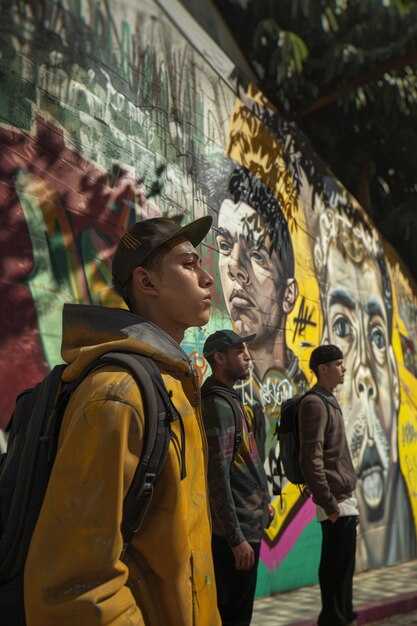
Time your visit for late morning or late afternoon when light emphasizes texture; ask the owner or a local guide before entering any gate; respect private entrances and stay on public sidewalks. If you’re unsure whether a wall is open to observation, observe from a distance or join a guided walk–this ensures you can see the transformation unfold without pressuring the artists or disrupt the location.
Kunnioitus ja turvallisuus: Vinkkejä valokuvaajille ja vuorovaikutukseen taiteilijoiden kanssa
Suostumus, etäisyys ja vuorovaikutusohjeet
Kysy aina lupa ennen kuin valokuvaat taiteilijaa työssään; jos hän kieltäytyy, kunnioita rajaa ja siirry eteenpäin. Kun lupa on myönnetty, pidä etäisyyttä, tarkkaile melua ja keskity prosessiin sivullisten reaktioiden sijaan.
Pysy kaukana installaatioista; jos teoksessa on lankaverkko tai -rengas, älä koske tai nojaudu; käytä pitkää objektiivia, jotta saat tallennettua kontekstin ilman, että ahdat kohdetta liikaa.
Tunnista lakisääteiset rajoitukset: tarkista opasteet ja kiinteistön säännöt; luvaton valokuvaus yksityisalueiden lähellä voi johtaa poistamiseen tai sakkoihin; jos olet epävarma, kysy henkilökunnalta tai koordinaattorilta ja vältä sellaisten kuvien jakamista, jotka loukkaavat oikeuksia tai lisenssiehhtoja.
Taiteilijoiden kanssa toimiessa: esittele itsesi lyhyellä projektikuvauksella, kysy millaista vuoropuhelua he pitävät parhaana ja haluavatko heidät valokuvattavan teostensa kanssa; tämä lähestymistapa johtaa usein rennompaan tunnelmaan ja parempiin sommitelmiin.
Teknisiä vinkkejä: käytä mahdollisuuksien mukaan huomaamatonta ja hiljaista suljinta, käytä pitkää objektiivia häiriön minimoimiseksi ja pyri sommitelmiin, jotka näyttävät sekä teoksen että sen ympäristön; korosta pintoja, värikontrasteja ja teoksen muuttumista ajan myötä.
Eettinen jakaminen: mainitse tekijät ja kuvauspaikka ja vältä vahvistamasta luvattomia väitteitä; mainos- ja promotionaalisessa käytössä on oltava lupa; kaupungeissa, joissa on aktiivinen julkisen taiteen kenttä – Lontoo mukaan lukien – säännöt vaihtelevat julkisten tilojen osalta, joten ajoita kuvaukset välttääksesi tapahtumia ja väkijoukkoja.
Kunnioita ihmisten yksityisyyttä kuvissa; jotkut taiteilijat eivät halua paljastaa kasvojaan tai henkilöllisyyttään julkisissa postauksissa; jos otat muotokuvan, sumenna kasvot tai pyydä lupa käyttöön mainonnassa tai huutokaupoissa välttääksesi oikeudellisia riskejä.
Käytännön aikataulutus: suunnittele kesällä kuvaus aamuun tai myöhäiseen iltapäivään; lyhyemmät aikaikkunat voivat tuottaa parhaat värit; vältä keskipäivän kuumuutta, joka voi vääristää sävyjä ja aiheuttaa turvallisuusongelmia; ajoita kuvaus niin, että minimoit itsesi ja teoksen kuumuudelle altistumisen.
 Aperture Tours Blog – Travel Photography Guides & Tips">
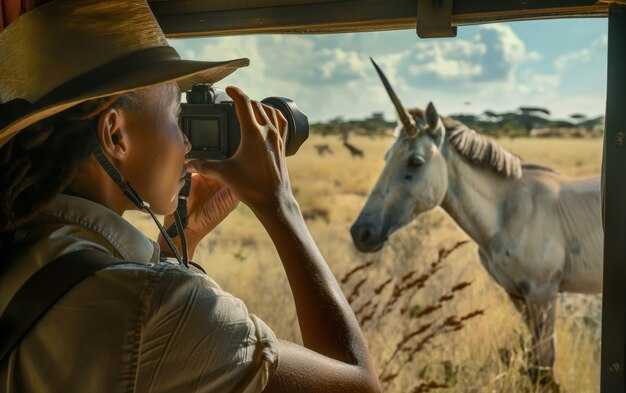 Safari Park Near Moscow – A Wildlife Escape">
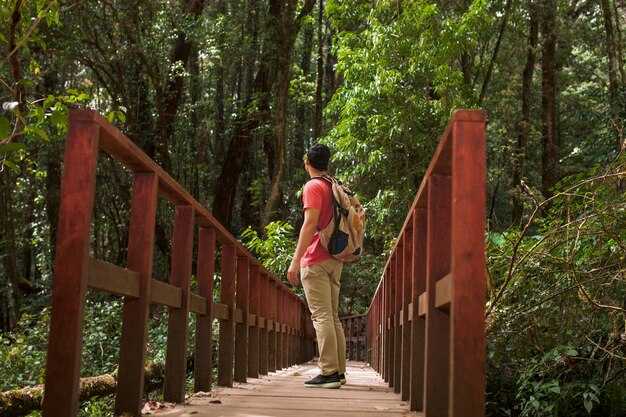 Malabar Hillin korotettu mikro-metsäpolku – Luontoa Mumbain kaupunkielämään">
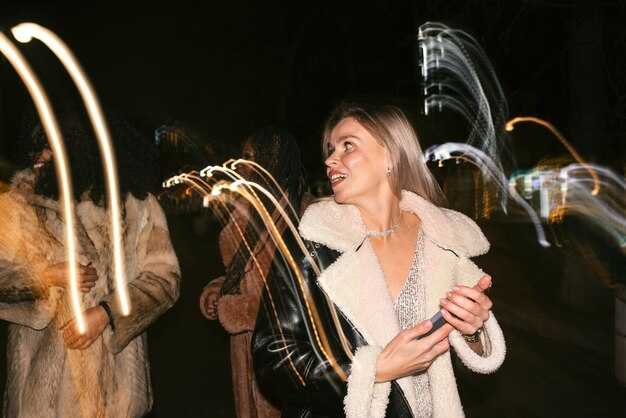 8 kokemusta, joita ei kannata jättää väliin Moskovan museoiden yössä">
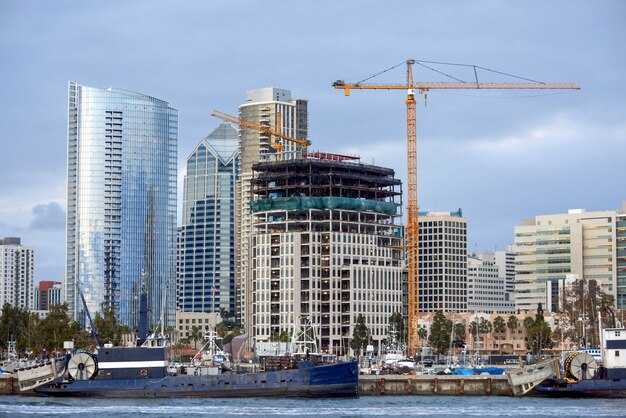 Valmistunut asuntoprojekti OKO Towerissa, Moscow Cityssä">
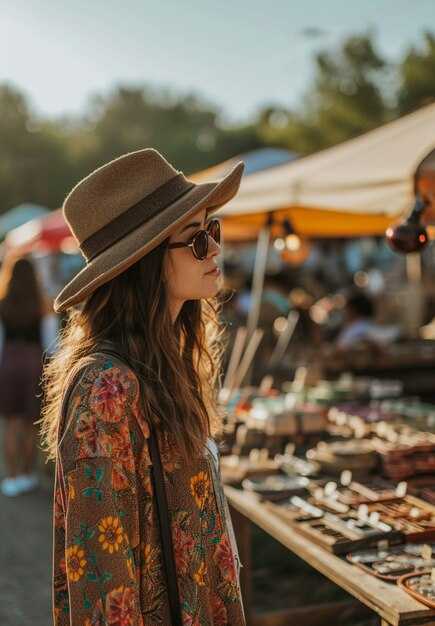 The 18 Best Flea Markets in Moscow – A Local Guide">
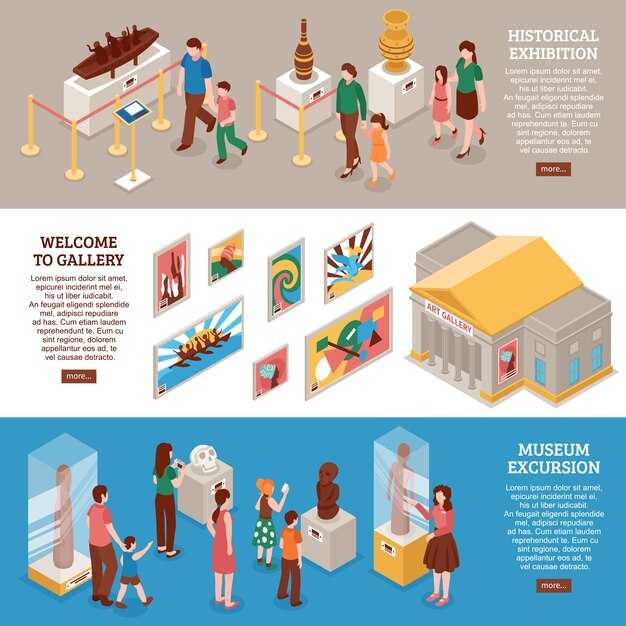 City History Museum – Explore Local Heritage, Exhibits & Timelines">
 Russian Culture in Landmarks – Iconic Sites Defining Russia">
 My 10 Favorite Lisbon Street Photography Spots – Best Photo Locations in Lisbon">
 The Best Free Things to Do in Moscow – A Budget Traveler’s Guide">