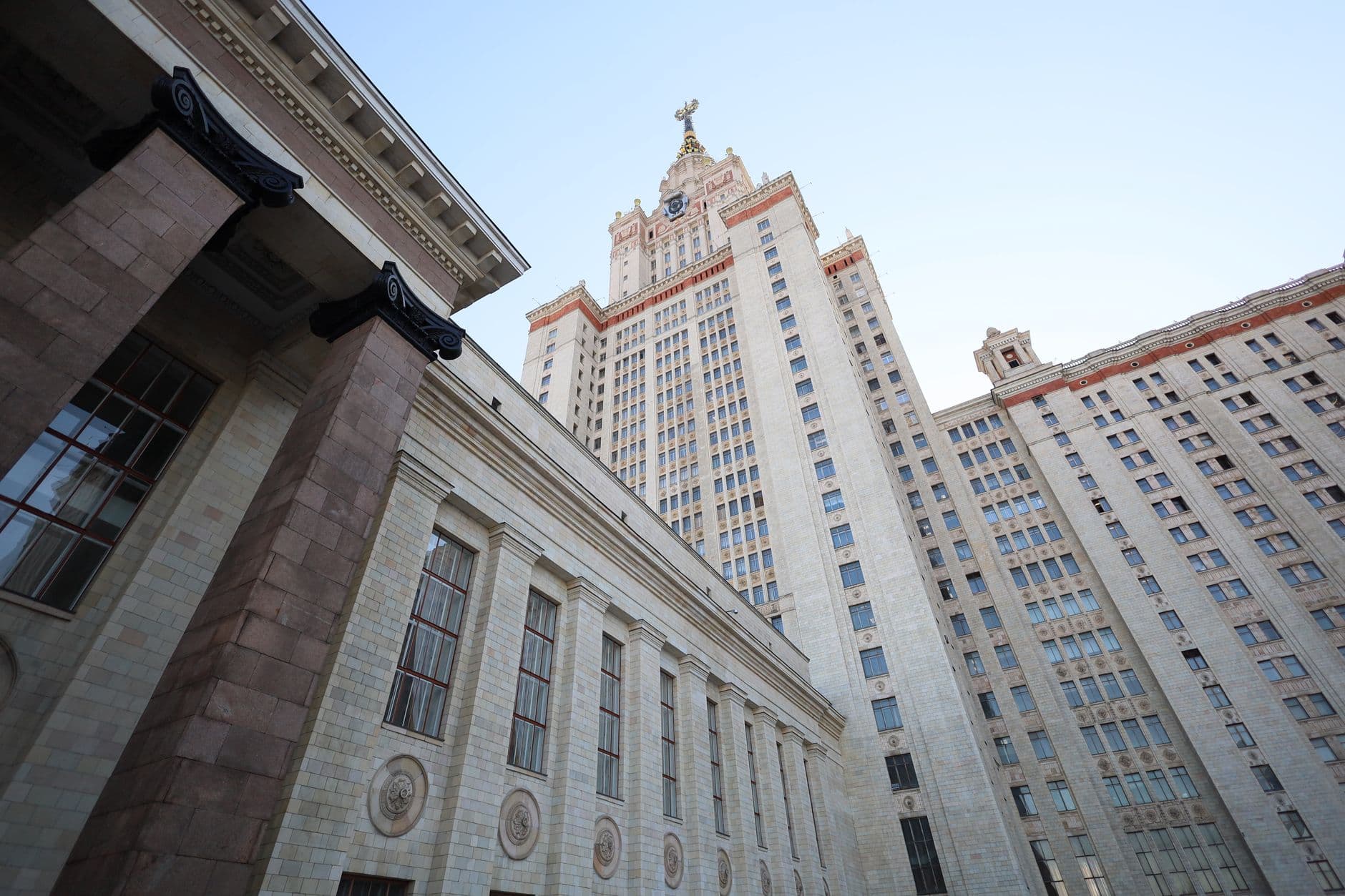
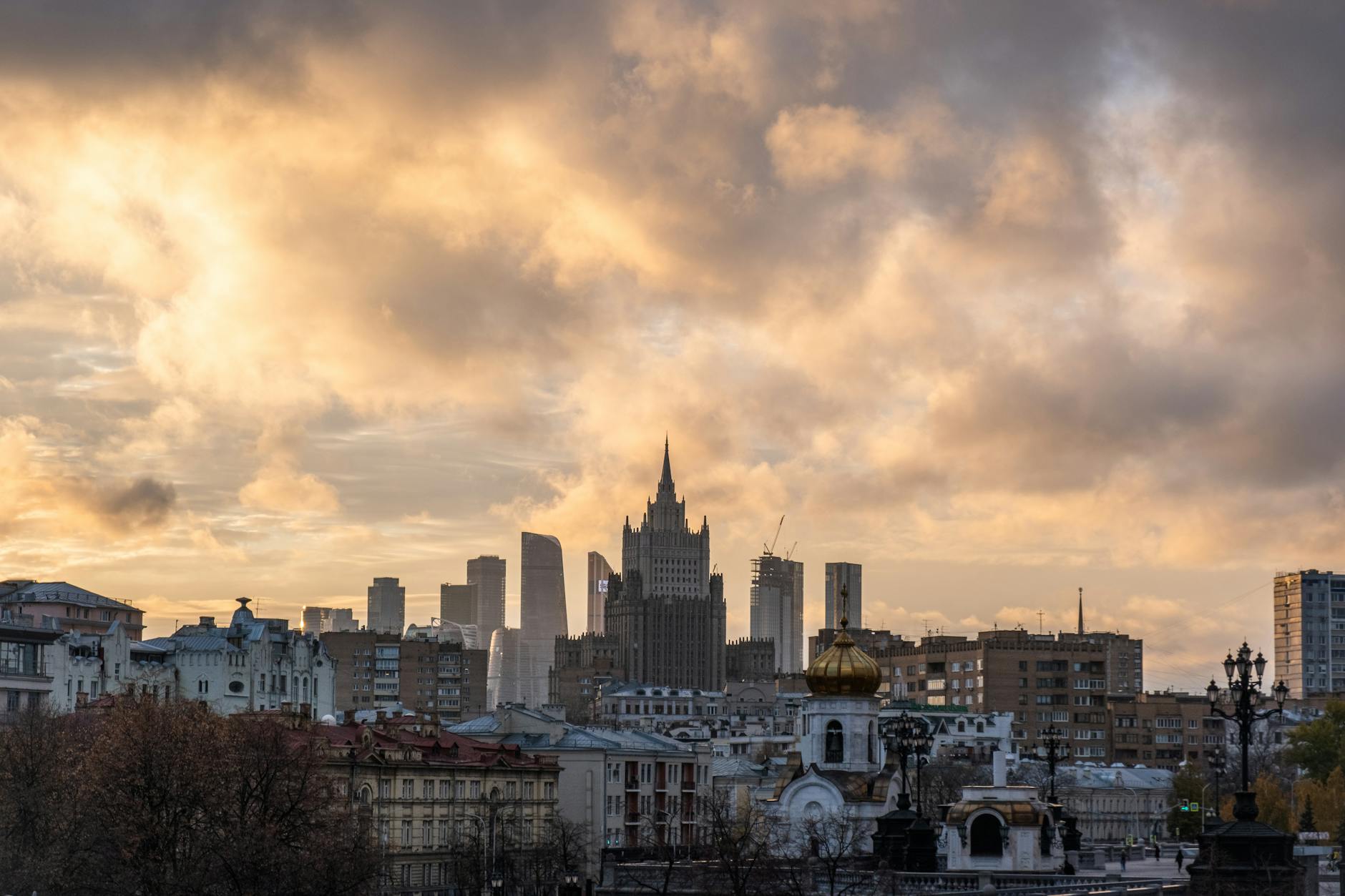
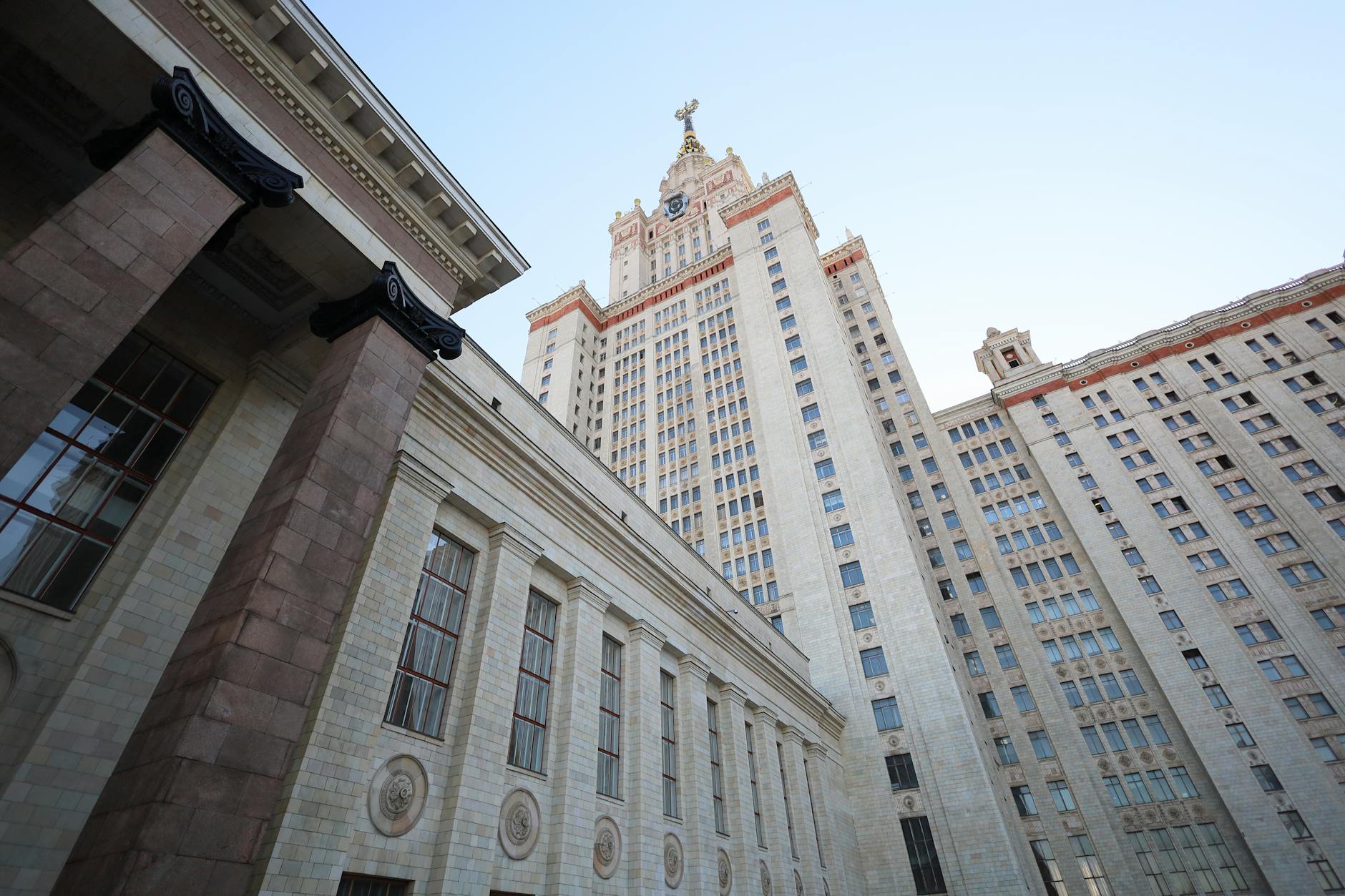
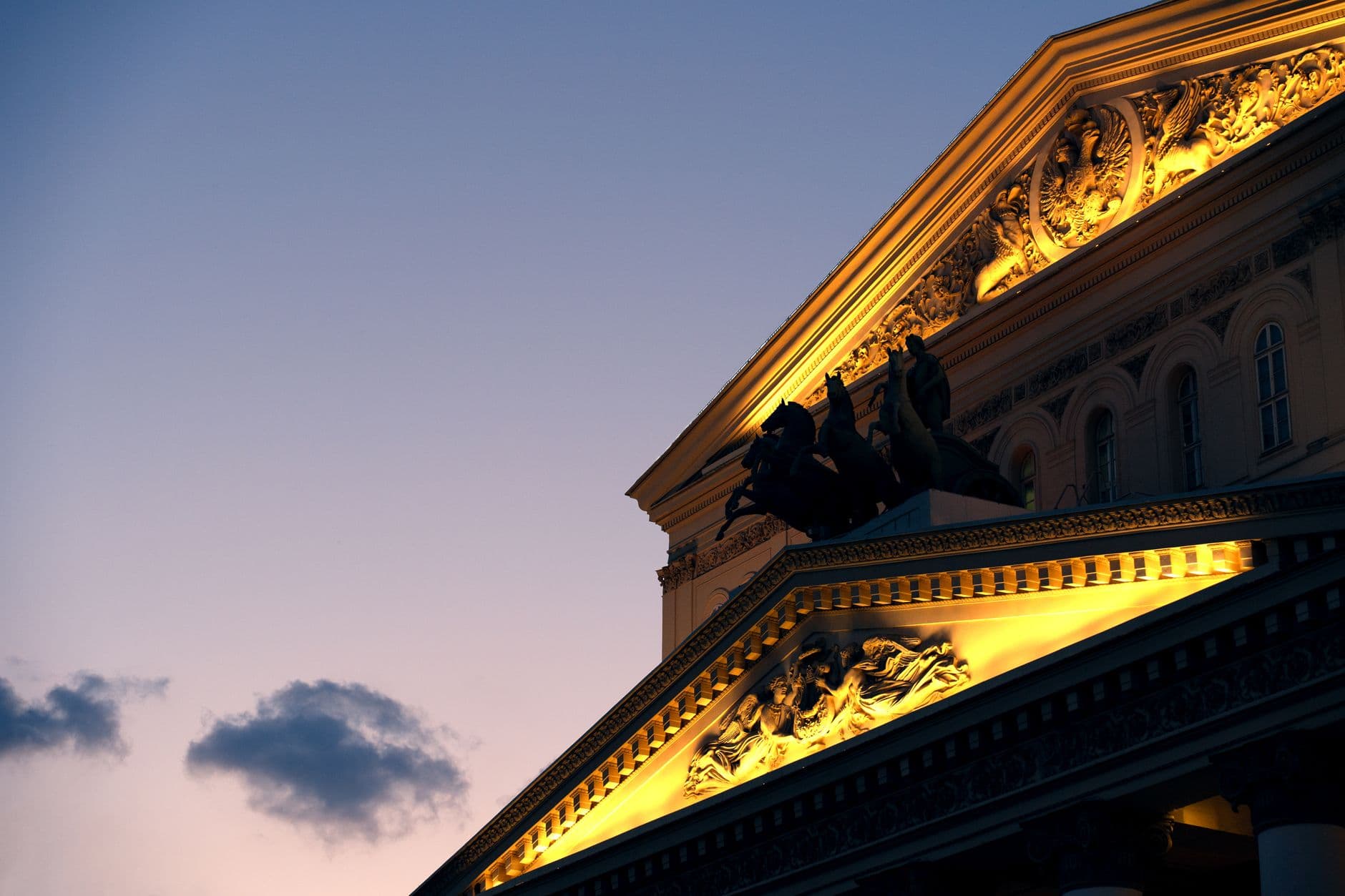
Moskovan kaupunkikuvaa hallitsevat näyttävästi Stalinin pilvenpiirtäjät, arkkitehtonisen dominoinnin muodostama tähtikuvio, joka esittelee toiminnallisuuden ja ideologian ainutlaatuista yhdistelmää. Pääasiassa Moskova-joen varrella sijaitsevat korkeat rakennukset, jotka tunnetaan paikallisesti nimellä "Seitsemän sisarta", palvelivat monenlaisia tarkoituksia, kuten asuinhuoneistoina, hotelleina ja hallintotoimistoina. Niiden U:n muotoiset suunnitelmat ja kunkin rakennuksen huipussa olevat viisikärkiset tähdet symboloivat kansakunnan pyrkimyksiä ja samalla vahvistavat kaupungin kulttuurista identiteettiä.
Näiden pilvenpiirtäjien ikonisimpia on Smolenskajan kadulla sijaitseva rakennus, jossa on, kuten muissakin sisarrakennuksissa, kaksiosainen julkisivu, jota koristavat monimutkaiset veistokset ja aikakauden arkkitehtonisia tavoitteita heijastava graniittiverhous. Kun Rostkovskin akatemian opiskelijat ensimmäisen kerran näkivät nämä vaikuttavat rakennukset, he tunsivat todennäköisesti kunnioitusta, sillä jokainen rakennus on varustettu valtavalla määrällä laitteistoa erilaisten toimintojensa tukemiseksi. Nämä rakennukset eivät ainoastaan palvelleet tarkoitustaan, vaan niistä tuli myös visuaalisia maamerkkejä Moskovassa vierailleille, kuvastaen taiteen ja insinööritaidon yhdistelmää.
Myöhemmin remonttihankkeet ovat päivittäneet näitä pilvenpiirtäjiä säilyttäen samalla niiden historiallisen viehätyksen, mikä on antanut niiden kestää aikaa. Hilton-hotelli, joka on yksi Sisarista korkeimmista, yhdistää modernit mukavuudet, jotka palvelevat uutta sukupolvea ja varmistavat niiden pysymisen relevantteina nykypäivän kulttuurimaisemassa. Alueet näiden pilvenpiirtäjien ympärillä, kuten Zaryadjen puisto, tarjoavat kansalaisille ja turisteille ilmaisia alustoja kävellä ja ihailla arkkitehtonista kauneutta, osoittaen harmonista suhdetta historian ja modernin kaupunkielämän välillä.
Valtavien jättiläisten rivissä Stalin-aikakauden pilvenpiirtäjät eivät ole pelkästään rakennuksia; ne heijastavat aikaa, jolloin arkkitehtuuri oli tehty kestämään, suunniteltu osoittamaan valtaa ja lupausta. Oletettavasti, kävellessään näiden merkittävien luomusten reunustamia katuja, kulkija ei voi olla ihailematta pieniä yksityiskohtia, suippoja kattoja ja huolellista harkintaa, joka jokaiseen suunnitelmaan sisältyi. Moskovan arkkitehtoninen perintö, joka ilmenee sen pilvenpiirtäjissä, inspiroi edelleen niitä, jotka asuvat ja vierailevat tässä eloisassa kaupungissa.
Stalinin ajan pilvenpiirtäjien historiallinen konteksti
Stalinin pilvenpiirtäjien, joihin usein viitataan nimellä "vysotki", rakentaminen alkoi aikana, jolloin Neuvostoliitto pyrki projisoimaan voimaansa ja sitkeyttään sekä kansalaisilleen että maailmalle. 1900-luvun alun myllerryksistä toipuneen kansakunnan pyrkimyksistä syntyneet, nämä vaikuttavat rakennukset suunniteltiin symboloimaan Moskovan arkkitehtonista ylivoimaa.
1930-luvulla, Stalinin vallan noustessa, kansakunnassa vallitsi tyyneys vuosien mullistusten jälkeen. Pilvenpiirtäjät suunniteltiin osana laajempaa kehitysstrategiaa, johon sisältyi kaupungin infrastruktuurin, kuten metron ja uusien rautatieasemien perustamisen, modernisointi. Näiden rakennusten vaikuttavien korkeuksien, joista jotkut ylsivät jopa 200 metriin, oli tarkoitus olla kaupungin korkeimpia kohtia, hallita siluettia ja esitellä sosialismin mahtavuutta.
Nimet, kuten Seitsemän sisarta, tulivat myöhemmin synonyymeiksi Stalinin Moskovan-visiolle. Näiden rakennusten rakentaminen vaati merkittäviä ponnisteluja, ja siinä käytettiin usein vankileirien vankien työtä, mikä oli raskas syytös hallintoa vastaan, vaikka rakennukset asetettiinkin edistyksen symboleiksi. Huomionarvoisia esimerkkejä ovat Smolenskajalla sijaitseva rakennus ja mahtava rakennus, jossa sijaitsee ulkoasiainministeriö, jota pidetään usein yhtenä arkkitehtonisilta ominaisuuksiltaan koristeellisimmista.
Pilvenpiirtäjien suunnittelua vaikutti voimakkaasti uusklassinen arkkitehtuuri, ja niihin sisällytettiin elementtejä, kuten suippoja kattoja ja koristeellisia keraamisia julkisivuja, jotka juhlistivat neuvostoidentiteettiä, ja koristeet liittyivät Venäjän historiaan ja kulttuuriin. Jokaista pilvenpiirtäjää suunniteltiin huolellisesti; eri instituttien arkkitehdit tutkivat luodakseen rakennuksia, jotka kestäisivät aikaa ja vahvistaisivat kaupungin asemaa maailmanlaajuisesti.
Näiden rakennusten valmistuessa ne merkitsivät myös muutosta Moskovan arkkitehtonisessa maisemassa, siirtyen pois pienemmistä ja vaatimattomammista rakennelmista. Muutos heijasti laajempaa pyrkimysten teemaa, jossa asukkaat ja hallitus yhdessä näkivät kaupungin, joka huokui valtaa. Samana ajanjaksona koettiin poliittisten jännitteiden vapautuminen Hruštšovin aikana, mutta pilvenpiirtäjät jäivät kestävänä todisteena edellisen hallinnon suuria kunnianhimoja.
Stalinin ajan pilvenpiirtäjät juurtuivat sittemmin kansalaisten arkeen ja ohjasivat heitä Moskovan valtavilla laajuuksilla. Lähellä merkittäviä suurlähetystöjä ja ravintoloita sijaitsevat rakennukset eivät ole vain arkkitehtonisia ihmeitä, vaan myös olennainen osa kaupunkielämää, jotka vangitsevat niin paikallisten kuin turistienkin huomion, jotka ihailevat niiden korkeutta.
Yhteenvetona voidaan todeta, että Stalinin pilvenpiirtäjien historiallinen konteksti liittyy vahvasti Venäjän kulttuuriseen kertomukseen. Ne edustavat aikakautta, jolloin kunnianhimoiset arkkitehtoniset projektit toteutettiin kaupungin nopean muutoksen taustaa vasten, kaupunkilaisten ja matkailijoiden tarkkaavaisten katseiden alla.
Alkuperä ja ideologinen merkitys
Stalinin ajan pilvenpiirtäjien juuret ulottuvat Neuvostoliiton varhaisvuosiin, jolloin vallan ja modernisuuden osoittamisesta tuli ensisijaisen tärkeää. Nämä ikoniset rakennukset, joita usein kutsuttiin lempinimellä "Seitsemän sisarta", pyrkivät esittelemään Neuvostoliiton voimaa ja ideologiaa ympäri Eurooppaa. Niiden nerokkaat U:n muotoiset suunnitelmat loivat vaikuttavan estetiikan, samalla maksimoiden valon ja tilan sisätiloissa.
Strategisesti merkittävillä paikoilla ympäri Moskovaa sijaitsevat pilvenpiirtäjät eivät olleet vain toiminnallisia vaan myös symbolisesti merkityksellisiä. Ne edustivat hallintojärjestelmää, jossa maa-, puolustus- ja ulkoasiainministeriöt laajensivat vaikutusvaltaansa koko kaupunkiin. Tämä arkkitehtoninen dominoivuus oli samankaltainen kuin muissa mahtavissa maissa havaittu, esimerkiksi suurkaupunkien Hilton-hotelleissa, joissa parhaat resurssit allokoitiin vieraiden ihastuttamiseen.
Rakennuksilla oli omat tarkoituksensa: niissä sijaitsi suurlähetystöjä, valtion virastoja ja jopa asuinalueita. Mihail Oltarževskin suunnitelmat korostivat muurattuja rakenteita ja sisälsivät viiden tähden mukavuuksia, houkutellen sekä paikallisia että kansainvälisiä vierailijoita. Esimerkiksi Ustinskin rakennuksessa on ainutlaatuinen suihkulähdekansi, joka toimii kokoontumispaikkana vieraiden keskuudessa, kun taas toisissa järjestetään edelleen näyttelyitä ja kulttuuritapahtumia.
Nämä rakennukset olivat hieman kalliimpia rakentaa kuin muut aikansa kehityshankkeet, mikä johti rakennusympäristön lamaantumiseen, kun resursseja kohdennettiin uudelleen niin suuriin hankkeisiin. Tästä huolimatta lopputuloksena oli kokoelma kaupungin suurimmista rakennuksista, joista jokainen oli yli 150 metriä korkea. Ne edustivat paitsi arkkitehtuurin muutosta, myös neuvostovallan ideologista vakuuttelua, sillä ne herättivät ihailua niinkin kaukaa kuin Ukrainasta.
Kun metroverkosto laajeni, näistä pilvenpiirtäjistä tuli maamerkkejä, jotka yhdistivät kaupungin eri alueita ja helpottivat sekä kansalaisten että matkailijoiden liikkumista. Tämä tarkoituksellinen pyrkimys luoda näkyvyyttä ja saavutettavuutta korosti Neuvostoliiton hallinnon kunnianhimoa projisoida vaikutusvaltaansa ja kykyjään sekä sisäisesti että ulkoisesti.
Venäjän keskuspankin kurssilla 29.09.2026 · powered by tutkakdoma
Vertailu aikakauden kansainvälisiin suuntauksiin
Stalinin pilvenpiirtäjien edustama arkkitehtoninen tyyli, jota usein kutsutaan "staliniistiseksi gootiikaksi", heijastaa merkittävästi 1900-luvun puolivälin vallitsevia trendejä, samalla kun se poikkeaa ainutlaatuisilla tavoilla. Kun Neuvostoliitto pyrki vahvistamaan dominanssiaan, nämä rakenteet palvelivat paitsi toiminnallisia rakennuksia myös suuruuden symboleja vallasta ja ideologiasta. Vaikka kansainväliset kaupungit kokeilivat modernistisia suunnitelmia, Moskovan pilvenpiirtäjien tähtikuvio sisälsi monimutkaisen sekoituksen tyylejä, jotka osoittivat sitoutumista suuruuteen.
Näiden rakennusten, kuten Lomonosov-yliopiston ja Radisson-hotellin, näyttävät siluetit sisältävät korkeita torneja ja koristeellisia räystäitä, jotka eroavat merkittävästi Bukarestin ja New Yorkin kaltaisten kaupunkien minimalistisista trendeistä. Täällä jokaisen rakenteen kokonaislaatu oli merkittävä; jokainen taso oli huolellisesti suunniteltu ja sisälsi koristeellisia elementtejä, kuten torneja ja lisäkoristeita. Näitä piirteitä ei tyypillisesti löydy länsimaisten pääkaupunkien nykyaikaisista rakennuksista, joissa suosittiin usein yksinkertaisuutta ylellisyyden sijaan niiden suunnittelussa.
Sitä vastoin interaktiiviset suihkulähteet ja julkiset tilat, jotka täydensivät pilvenpiirtäjiä, ovat lahja Moskovan kansalle, kutsuen niin asukkaita kuin vierailijoitakin vuorovaikutukseen ympäristönsä kanssa. Toisin kuin monet sen ajan länsimaiset rakennukset, jotka usein kärsivät huonosta kunnosta, neuvostoarkkitehtuurin perintö luotiin pysyvyyden tunteella. Stalinin aikakauden toiminnallisen hyödyllisyyden ja visuaalisen liiallisuuden (излишеств) kömpelö tasapaino toimi voiman ja sitkeyden projisoimiseksi, erityisesti aikana, jota leimasivat Gulag-konfliktit ja yhteiskunnalliset vaikeudet.
Vaikka kansainväliset arkkitehtuurin virtaukset tähän aikakauteen suosivat yhtenäisyyttä, Neuvostoliitossa omaksuttiin suunnittelussa monimuotoisuus, yhdistäen erilaisia elementtejä, jotka heijastivat kansallista ylpeyttä. Tämän seurauksena Moskovan arkkitehtoninen maisema esittelee kunnianhimoista tyylien vuorovaikutusta, joka inspiroi nykypäivän kävijöitä. Jokainen pilvenpiirtäjä on edelleen osoitus ajatuksesta, että dominanssi voidaan saavuttaa kauneuden ja monimutkaisuuden kautta, luoden dynaamisen siluetin, joka jatkaa ihailun keräämistä, mitta mitalta, arkkitehdeiltä, historioitsijoilta ja turisteilta.
Neuvostoliiton politiikan vaikutus arkkitehtuuriin
Moskovan arkkitehtonista maisemaa muokkasivat syvästi neuvostoliittolainen politiikka, mikä johti omaleimaiseen tyyliin, joka heijasti aikakauden ideologisia pyrkimyksiä. Korkeat pilvenpiirtäjät, joihin viitattiin myös Stalinin pilvenpiirtäjinä, suunniteltiin esittelemään valtion valtaa ja ylivaltaa, ja niiden elegantit siluetit muodostuivat neuvostoliittolaisen kunnianhimon ikonisiksi symboleiksi.
Näissä rakennuksissa vieraileminen tarjoaa vierailijoille ainutlaatuisen katsauksen siihen, miten politiikka vaikutti kaupunkikuvaan. Näitä rakennuksia koristaneet viisikärkiset tähdet symboloivat kommunistista puolueetta ja vakiinnuttivat paikkansa kaupunkimaisemassa. Aina kun uusi pilvenpiirtäjä rakennettiin, se ei ollut pelkästään rakennus, vaan valtion kontrollin ja vision ilmentymä. Rakentamispäätöksiä ohjasi usein poliittinen välttämättömyys, jonka tavoitteena oli saavuttaa arkkitehtuurin saavutusten korkeimmat katot.
Etenkin näiden pilvenpiirtäjien julkisivuja koristivat monimutkaiset kohokuviot ja kaaret, jotka lisäsivät niiden mahtavuutta. Alkuperäiset rakentajat käyttivät teräs- ja keramiikkamateriaaleja varmistaen kestävyyden ja arkkitehtonisen merkityksen. Erityisesti asuinkomplekseja suunniteltiin työläisten asuttamiseen, mikä heijasti neuvostoajan ihannetta yhteisöllisestä asumisesta. Suurista suunnitelmista huolimatta osa kulttuurisesta olemuksesta hävisi monumentalismin tavoittelussa, ja tietyt yksityiskohdat peitettiin tai yksinkertaistettiin rakentamisen aikana.
Näiden pilvenpiirtäjien sisällä funktiot jakautuivat eri laitosten ja tiedekuntien kesken, esimerkillisesti monipuolisena lähestymistapana asumiseen ja kulttuurikehitykseen. Vladimir Tšetšulinin ja muut arkkitehdit alkoivat yhdistellä elementtejä aikaisemmista tyyleistä luoden dioraaman neuvostoajan pyrkimyksistä. Tämä syvä yhteys poliittiseen maisemaan varmisti, että näiden rakennusten jokaisella nurkalla oli tarkoituksensa, ilmentäen kollektiivista ideologiaa.
Tänä aikana luodut perusteet ovat edelleen vaikuttaneet nykyarkkitehtuuriin, osoittaen perinteisten ja modernien tekniikoiden yhdistelmää. Näiden rakennusten perintö näkyy paitsi Moskovassa, myös Pietarin kaltaisissa kaupungeissa, joissa on otettu käyttöön samankaltaisia suunnitelmia. Menneisyyttä uudelleen kuvitellen neuvostopolitiikan vaikutus arkkitehtuuriin herättää edelleen ajatuksia valtion kontrollin ja kulttuurisen ilmaisun risteymästä.
Arkkitehdit
Keskeiset ominaisuudet
Sijainti
Mordvinov
Elegantit siluetit, kohokuvat
Moscow
Chechulins
5-sakaraiset tähdet, teräsrakenteet
Pietari
Rakentajien ryhmä
Keraamiset julkisivut, kaaret
Eri paikoissa
Triumph-palatsin arkkitehtoniset piirteet
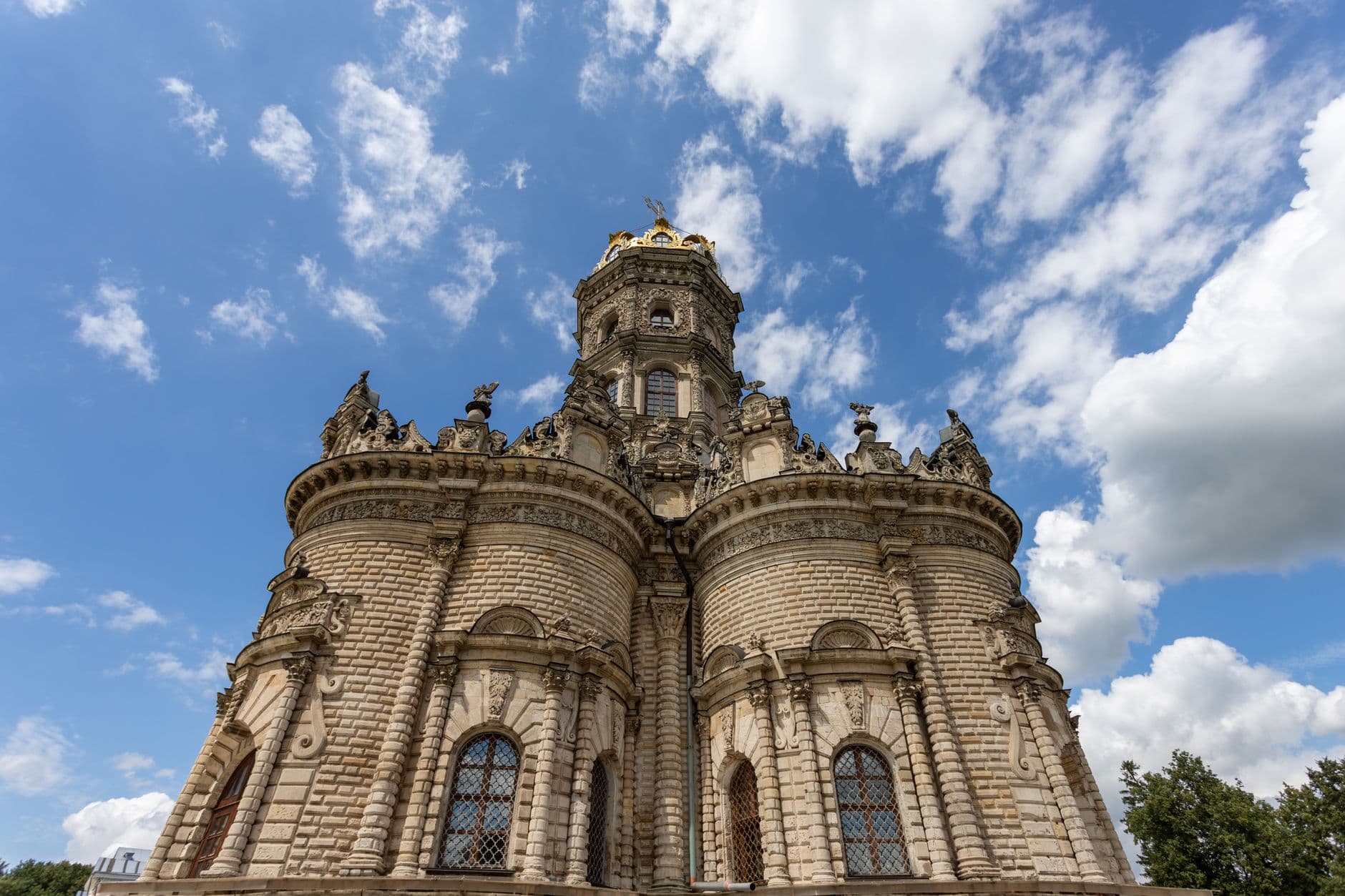
Triumfipalatsi on osoitus Moskovan arkkitehtonisesta kunnianhimosta, ja se esittelee laajan rakennuksen, joka vangitsee modernismin aikakauden neuvostoprioriteettien ytimen. Suunniteltu luksusasuntoalueeksi, tämä monumentaalinen rakennus oli ryhmän arkkitehtien suunnittelema, ja merkittäviä panoksia antoi Leonid Mordvinov. Tuloksena on kohoava rakennus, joka sisältää sekä toiminnallisia että koristeellisia elementtejä, jokaisen kerroksen edistäessä sen yleistä loistoa.
Triumfin palatsin päällä kohoaa erottuva torni, mikä tekee siitä yhden Moskovan korkeimmista pilvenpiirtäjistä, yltäen lähes 200 metrin korkeuteen. Tämä huippu ei ainoastaan toimi visuaalisena keskipisteenä, vaan siellä on myös viestintään käytettävä antenni. Rakennuksen alapuolella on laajat maanalaiset tilat, jotka lisäävät sen kykyä palvella asukkaiden asumistarpeita. Rakennus on suunniteltu tarjoamaan moderni elämäntyyli samalla kun se sisältää perinteisiä koristeellisia yksityiskohtia, jotka kunnioittavat Venäjän rikasta taiteellista perintöä.
Triumfipalatsin jokainen yksityiskohta oli huolellisesti suunniteltu, heijastaen puolueen halua luoda pysyvä perintö. Patsaat ja interaktiiviset elementit koristavat rakennuksen ulko- ja sisäpuolta, ilmentäen neuvostoliittolaisen ylpeyden henkeä. Rakennuksen julkisivussa yhdistyvät lakoniset linjat ja monimutkaiset kaiverrukset, tyyli, jonka juuret ulottuvat varhaisempaan neuvostoarkkitehtuuriin, mutta joka tarjoaa modernin vivahteen kilpaillakseen minkä tahansa nykyajan rakennuksen kanssa. Näin Triumfipalatsi ei ole vain asuinrakennus, vaan Moskovan arkkitehtonisen kehityksen ohjaava symboli.
Historiallisessa kontekstissa, vaikka rakennus rakennettiin aikana, jolloin sodan perintö vaikutti voimakkaasti suunnitteluun, se on edelleen lahja tuleville sukupolville. Sitä ovat käyneet monet, muun muassa arvohenkilöt ja matkailijat, jotka ihailevat sen kohottavaa läsnäoloa Moskovajoen rannalla. Rakennuksen sijainti kaupungin laitamilla korostaa Moskovan kaksinaisuutta - aluetta, jolle on ominaista sekä vilkas kaupunkielämä että tyynialueet.
Kaupungin kehittyessä myös Triumph Palace on sopeutunut ja nähnyt muutoksia muuttuvassa poliittisessa maisemassa. Rakennuksen elementtejä on lopulta muokattu vastaamaan uusia arkkitehtonisia virtauksia, varmistaen sen pysymisen relevanttina vuosikymmenten kuluessa. Jopa Nikita Hruštšovin, joka usein kritisoi stalinistisen arkkitehtuurin ylellisyyttä, johdolla palatsin ydinosat ovat säilyneet ennallaan, todisteena sen ajattomasta muotoilusta.
Aamun valossa Voittopaluu seisoo vankasti, muistutuksena siitä, mitä voidaan saavuttaa tieteen ja taiteen yhdistelmällä, jopa haastavimpina aikoina. Rakennus on vähintäänkin sen rakentamisesta lähtien symboloinut muutosprosessia Moskovan arkkitehtonisessa maisemassa - dynaamista kehitystä, joka jatkaa vaikuttamistaan nykypäivän kaupunkikuvaan.
Triumph Palatsin ainutlaatuiset suunnitteluelementit
Triumph Palace on merkittävä esimerkki arkkitehtonisesta suuruudesta Moskovan karujen pilvenpiirtäjien joukossa. Tämä 2000-luvun alkupuolella valmistunut rakennus tunnetaan omaleimaisista suunnitteluelementeistään, joissa yhdistyvät moderni estetiikka ja historialliset viittaukset. Rakennuksen siluetti sisältää useita kaaria, jotka antavat kaupunkikuvaan sulavan ja vaikuttavan etujulkisivun. Nämä kaaret toimivat paitsi koristeellisina elementteinä, myös antavat rakenteellista tukea pitkälle ja korkealle rakennukselle.
Yksi Triumph Palacen silmiinpistävimmistä piirteistä on sen torni, joka kohoaa merkittävään korkeuteen ja tekee rakennuksesta virallisen maamerkin kaupungin siluetissa. Tämä elementti parantaa rakennuksen yleistä asemaa ja luo visuaalisen hierarkian ympäröivien rakennusten joukossa. Suunnitteluun kuuluu perinteisen venäläisen arkkitehtuurin yhdistelmä nykyaikaisten elementtien kanssa, jotka heijastavat nykyisiä trendejä ja elämäntapoja. Ylellisten materiaalien, kuten marmorin ja korkealaatuisten laattojen, käyttö antaa sisätiloille arvokkaan tunnelman ja vahvistaa samalla rakennuksen asemaa haluttuna toimisto- ja asuinpaikkana.
Mihail Posokhinin suunnittelema projekti alkoi rohkeilla tavoitteilla, joiden päämääränä oli luoda tila, joka ei ainoastaan majoittaisi asukkaita ja yrityksiä, vaan toimisi myös matkojen ja näköalojen keskipisteenä. Triumph Palacen kerrosten kokonaismäärä ja vaihtelevat tilat varmistavat, että jokaisesta huoneesta avautuu ainutlaatuinen näkymä Moskovaan ja kaupungin vilkkaaseen elämään. Jotkut tarkkailualueista tarjoavat selkeät näkymät metropolin yli, antaen vierailijoiden paeta kaupungin laajoihin näkymiin, vaikka ovatkin vilkkaassa kaupunkiympäristössä.
Modernista ulkonäöstään huolimatta tietyt suunnitteluelementit heijastavat leningradilaiselle arkkitehtuurille tyypillisiä jämäköitä rakenteellisia tyylejä. Kokonaisuus sisältää piirteitä, jotka kunnioittavat Moskovan arkkitehtonista perintöä samalla kun integroidaan nykyaikaisia linjoja ja toimivuutta. Tämä yhdistelmä tekee Triumph Palacesta paitsi kodin myös kokoelman innovatiivisia, tilaa säästäviä toimistoja, jotka on suunniteltu tehokkuutta ja mukavuutta ajatellen. Kaiken kaikkiaan Triumph Palace edustaa uutta lukua Moskovan arkkitehtonisessa tarinassa, esitellen suunnittelufilosofioita, jotka vetoavat sekä asukkaisiin että tutkijoihin.
Rakenteelliset innovaatiot ja suunnitteluhaasteet
Stalinin pilvenpiirtäjien rakentaminen Moskovassa oli merkittävä insinööri- ja suunnittelusaavutus, joka esitteli modernin teknologian ja perinteisen estetiikan yhdistelmän. Rakennuksilla oli sekä toiminnallisia että sosiaalisia tarkoituksia, ja ne pyrkiivät herättämään kunnioitusta ja projisoimaan valtion valtaa. Matka niiden valmistumiseen oli kuitenkin täynnä merkittäviä haasteita ja innovatiivisia ratkaisuja.
Yksi keskeisistä rakenteellisista uudistuksista oli raudoitetun muurauksen käyttö. Toisin kuin monet aikakauden muut pilvenpiirtäjät, jotka usein nojasivat teräsrungkoihin, stalinistisen ajan arkkitehdit ja insinöörit korostivat tukevan muurauksen etuja, jotka tarjosivat sekä kestävyyttä että omaleimaista tyyliä. Tässä lähestymistavassa oli omat haasteensa, erityisesti tarvittavan korkeuden saavuttamisessa ja samalla vakauden varmistamisessa.
Kotelnitsheskajainrantakatu 1:n rakennus on ensisijainen esimerkki tästä innovaatiosta. Massiivisen perustuksensa päälle kohoten rakennus nousee sulavasti esitellen kultaisen, kruunua muistuttavan elementin. Se suunniteltiin korostamaan Moskovan horisontin majesteettisuutta. Muuraustyön etujen huolimatta rakennusprosessia hidastivat joskus saatavilla olevien materiaalien rajoitukset, mikä vaati huolellista hankintaa ja lisäresurssien suunnittelua.
Rakentamisen aikaiset suunnitteluhaasteet sisälsivät:
Painopisteen tasapainotus laajalle levinneissä rakenteissa.
Toteuttaen monimutkaisia koriste-elementtejä, jotka vaativat tarkkaa käsityötaitoa.
Varmistetaan, että sisäänkäynnit ja käytävät olivat sekä toimivia että koristeellisia.
Nykyisten valaistus- ja putkistojärjestelmien integrointi historiallisen rakennuksen suunnitteluvaatimusten mukaisesti.
Kun rakennustyöt aloitettiin, työntekijät kohtasivat toisinaan ongelmia katutason alapuolella olevien perustekerrosten kanssa. Nämä kerrokset vaativat lisähuomiota varmistaakseen näin suurten rakennusten vakauden. Valitettavasti viivästykset olivat yleisiä, ja jotkin projektit keskeytettiin tai pysäytettiin poliittisten muutosten tai resurssipulan vuoksi.
Stalinin ajan pilvenpiirtäjien arkkitehtoninen kokonaisuus edustaa tehtävää luoda ikonisia rakennuksia, jotka kestäisivät aikaa. Jokaista rakennusta, mukaan lukien Arbatin kadulla sijaitsevaa, on koristeltu huolellisesti sekä toiminnallisilla että koristeellisilla piirteillä, jotka parantavat niiden esteettistä vetovoimaa. Moskovan kävijät voivat ihailla lintuperspektiivinäkymiä näistä rakennuksista ja ihmetellä niiden mittakaavaa ja suuruutta.
Kaiken kaikkiaan Moskovan pilvenpiirtäjiin liittyvät insinööritaidot olivat ratkaisevan tärkeitä Neuvostoliiton kykyjen esittelemisessä, ja ne tarjosivat suurenmoisen vision, joka oli sekä arkkitehtoninen voitto että sosiaalinen kannanotto. Kuten Arkady Polyakov totesi hiljattain järjestetyssä seminaarissa, nämä pilvenpiirtäjät eivät ole vain insinööritaidon loiston esimerkkejä, vaan myös todiste aikansa kulttuurisista pyrkimyksistä.