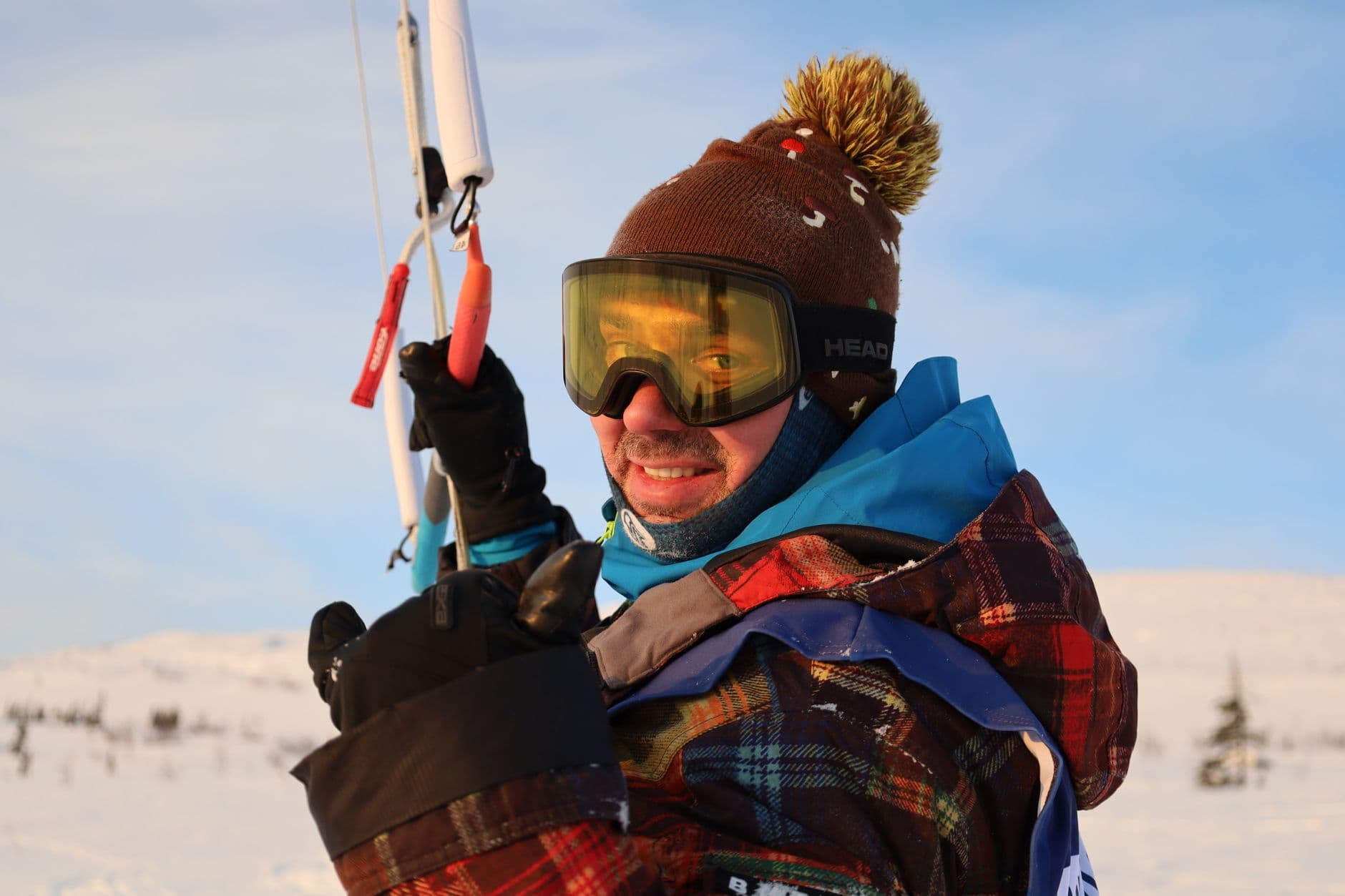
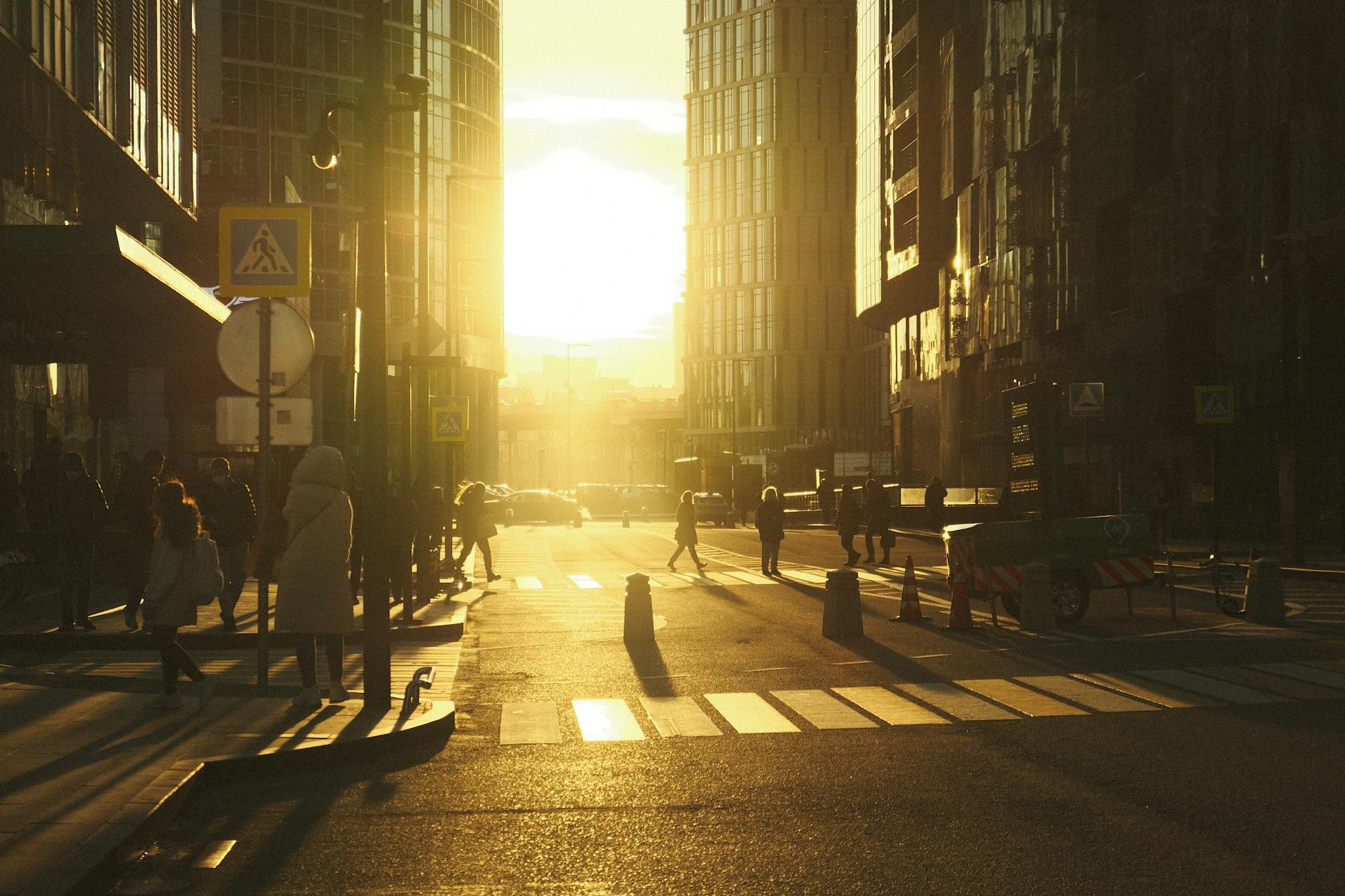
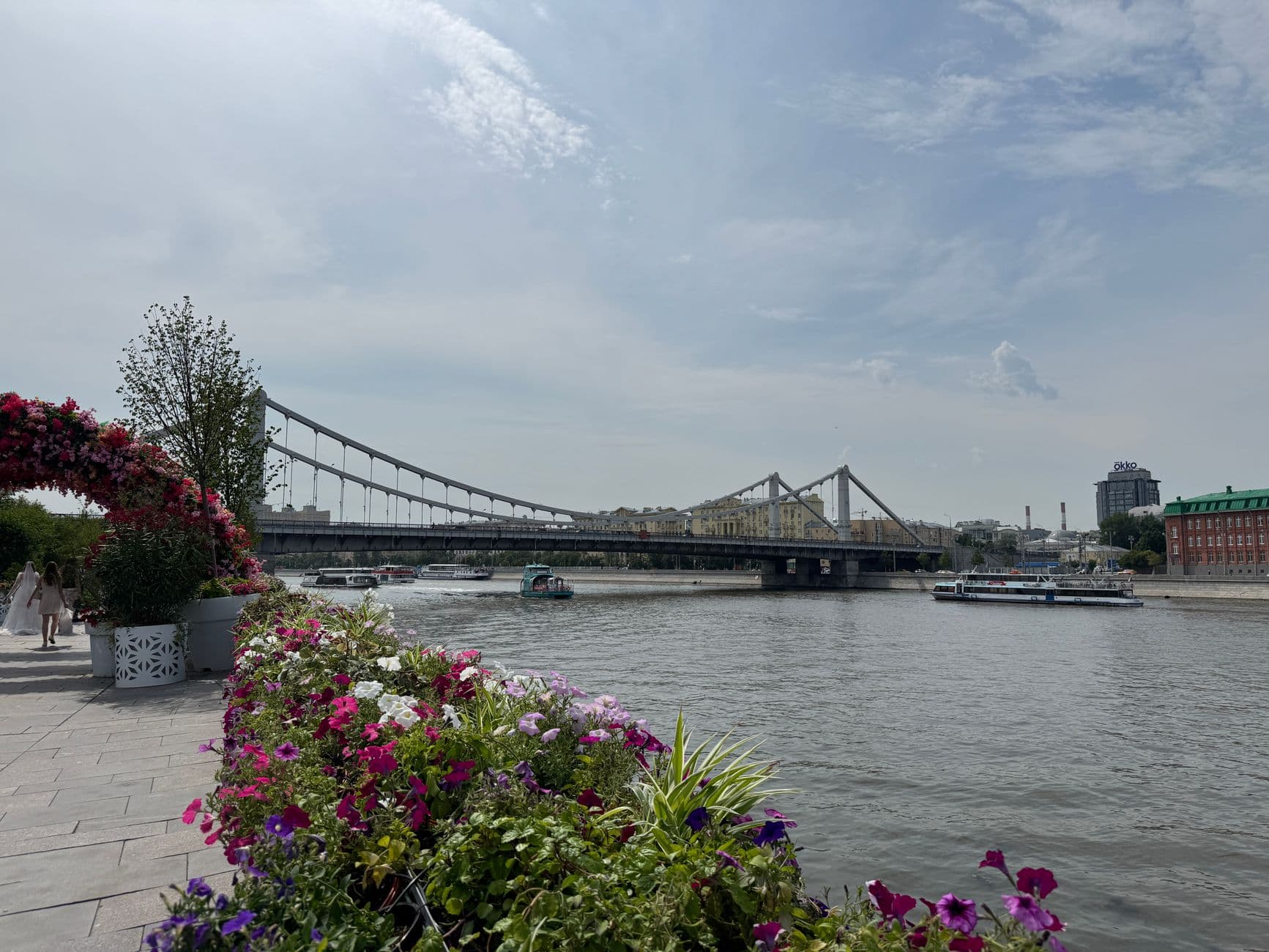
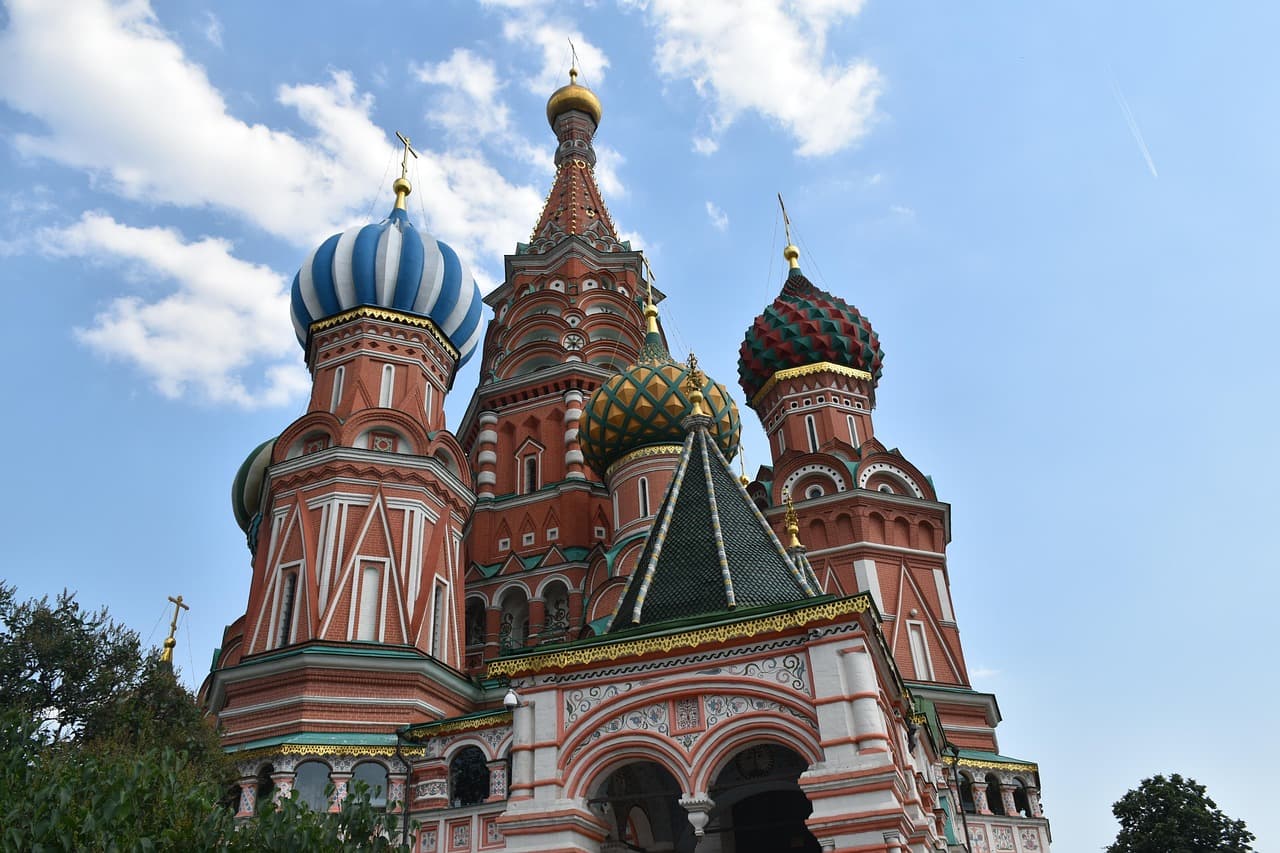
Commencez par une balade en motoneige sur les routes de l'est, puis retournez au camp de base avant la tombée de la nuit. Ce début offre une dose immédiate d'adrénaline tout en gardant une logistique serrée pour le premier jour.
Cette sélection, basée sur des itinéraires pratiques, met en avant des sites relativement isolés mais accessibles depuis les grands centres urbains ; attendez-vous à des forêts denses, des collines fascinantes et des surfaces glacées portées par le vent. Le temps passé sur le sentier se compte en heures, pas en hype ; le style de mouvement compte autant que la vitesse.
Les routes transsibériennes relient les villes de l'est et les avant-postes reculés ; soyez prêt à marcher sur des lacs gelés, dans des gorges éclairées par la neige, et le long de crêtes où le vent apporte un froid mordant. Dans ces paysages, des balises Uchar indiquent des arrêts insolites que peu de voyageurs visitent, tandis que d'autres offrent des yourtes accueillantes et des récits nocturnes.
Chaque étape associe une ou plusieurs fenêtres météo à un équipement pratique : des bottes épaisses, des couches isolantes et une carte fiable. Prévoyez du temps pour de courtes randonnées hors sentier afin d'observer les forêts de pins penchées sur des ruisseaux cristallins ; les heures s'écoulent rapidement sur des itinéraires circulaires, être préparé vous permet de rester à portée des points de ravitaillement.
Au-delà des sections de base, les traversées urbaines ajoutent de la culture et du contraste, avec des sites comme les artisanats locaux, les marchés et les repas adaptés au froid ; prévoyez plusieurs heures de trajet et quelques nuits en campement pour absorber les contrastes entre les forêts tranquilles et les villes animées.
Meilleurs endroits pour les levers de soleil et l'heure dorée en Altaï pour des photos de paysages dramatiques
Commencez par le flanc nord du massif de Beloukha à l'aube pour capturer l'alpenglow sur les faces enneigées, créant une scène montagneuse dramatique. Les silhouettes des montagnes dessinent une ligne nette contre un ciel qui s'éveille, et l'air est rare tandis que la vie dans l'Altaï se concentre en lumière et en couleur.
Entre les rivages et la surface vitrée du lac Teletskoye, la Sibérie s'éveille dans une lueur pastel ; ce spectacle transforme les paysages en mondes de couleurs. En haute saison, des groupes de Moscou affluent, alors prévoyez vos prises de vue pendant les moments plus calmes et tendez l'oreille pour entendre la musique lointaine portée par le vent.
La vallée de Chulyshman offre des falaises spectaculaires et des colonnes de basalte ; la lumière de l'heure dorée sculpte le paysage et crée des miracles sur la pierre. Les paysages changent avec les épaisses brumes et une atmosphère culturelle que les voyageurs emportent dans leurs souvenirs, enrichissant ainsi leurs récits de voyage.
Le col d'Aktach et les crêtes adjacentes offrent des horizons dégagés sur la neige et la steppe ; des silhouettes à la manière de l'Avatcha découpent la ligne d'horizon, apportant une ambiance altaïque avec des crêtes enveloppées d'un épais brouillard pendant les saisons intermédiaires. Prévoyez des vêtements superposés pour les vents froids et soyez prêt à des variations de lumière.
Après le lever du soleil, une courte boucle à vélo le long de la route de la Tchouïa apporte du mouvement à votre cadre, tandis qu'un train de lumière le long des crêtes lointaines crée une impression que la vie en Sibérie est dynamique. Terminez par une soupe chaude et un tchoulcha dans un village voisin, ancrant vos images dans la culture locale et les souvenirs de voyage.
Introduction à une journée de tournage dans l'Altaï, qui encadre le reste de ce voyage, vous invitant à contempler les paysages comme une série de mondes dans le monde.
Spot
Meilleure lumière de fenêtre
Accès & Conseils
Pourquoi c'est dramatique
Massif du Beloukha (versant nord)
05:00-07:00 (été)
sensibilisation aux zones frontalières ; un permis peut être nécessaire ; arrivée via les camps de base dans l'Altaï du Nord ; prévoir des vêtements chauds
massives silhouettes alpines ; lueurs alpestres sur la neige
Rive du lac Teletskoye
05:45-07:15
accès routier facile depuis les localités autour du lac ; possibilité de tirer depuis la rive ou d'un bateau
eau miroir ; reflet pastel et couleur du ciel
Vallée de Chulyshman
06:10-07:30
terrain éloigné ; route saisonnière ; vérifier la météo ; idéal avec une arrivée matinale
colonnes de basalte ; ombres dramatiques sur le paysage
Col de l'Aktach
06:30-07:45
point de vue en altitude ; la neige peut persister ; idéal de juillet à septembre
panoramas sur la neige et la toundra ; des crêtes de type Avacha
Liste d'équipement et de protection pour la photographie extrême en Altaï
La stratégie d'alimentation est cruciale : emportez deux batteries de rechange dans une poche chaude, ainsi qu'un chargeur USB compact et un chargeur solaire portable pour couvrir les tournages de plusieurs jours dans des zones inaccessibles où les distances entre les arrêts peuvent être longues.
Le superposition est essentielle : une base en laine mérinos ou synthétique, une couche intermédiaire en polaire, et une couche extérieure imperméable au vent. Pour la neige et les rafales le long des gorges et des côtes, choisissez une veste isolée inspirée du style nordique avec une capuche fiable et des manches scellées, et associez-la à des pantalons résistants aux intempéries. Gardez des chaussettes supplémentaires ; emportez des gants avec des pointes tactiles et une cagoule pour le froid du soir. Lorsque la flore printanière apparaît le long des rivières et des affluents, restez sur les sentiers balisés et évitez de perturber les sites culturels recherchés par les zones de patrimoine national ; en grande partie, la population vivait le long des berges et des plaines, interagissant avec les troupeaux de rennes lors des migrations saisonnières. Là où l'activité touristique se concentre, protégez les extrémités des sentiers et évitez de marcher sur les zones de nidification ; emportez un petit sac à déchets et respectez les règles locales.
au taux de la Banque de Russie du 17.10.2026 · powered by tutkakdoma
Vêtements et protection personnelle
Le layering reste essentiel dans les conditions changeantes de l'Altaï ; choisissez une couche de base en synthétique à mailles losangées ou en laine mérinos, une couche intermédiaire chaude et une coque extérieure résistante et respirante. Pour la neige et le vent sur les flancs des gorges et près des rives, assurez-vous d'avoir une capuche ajustée et des poignets scellés, ainsi que des guêtres pour la neige profonde. Gardez une paire de chaussettes de rechange compacte et une paire de gants supplémentaire, et emportez une cagoule pour les matinées précoces. Les voyages au printemps révèlent une flore délicate le long des berges ; restez sur les sentiers balisés et évitez de perturber les communautés vivantes et les sites culturels. Là où la lumière change, anticipez le besoin d'une plage dynamique plus large et d'un filtre neutre de densité compact pour les prises de vue des rivières et de leurs affluents.
Matériel photographique et protection sur le terrain
Protégez les appareils photo avec des boîtiers étanches ou des housses de pluie ; gardez un chiffon microfibre et des sachets de gel de silice dans un sac étanche. Utilisez un sac à dos robuste et imperméable avec des compartiments séparés pour l'électronique, les objectifs et les cartes mémoire. Pour les objectifs, emportez un grand-angle pour les gorges et les plaines, et un téléobjectif pour les sujets éloignés comme les troupeaux de rennes ; ajoutez un filtre polarisant pour réduire les reflets sur la neige et l'eau. Gardez deux cartes mémoire par boîtier et sauvegardez chaque soir sur un disque externe ; envisagez un SSD externe robuste pour une redondance sur le terrain. Utilisez une housse de pluie protectrice lors des prises de vue près des affluents pour éviter l'infiltration d'humidité. Les options de stabilisation incluent un trépied en fibre de carbone avec une tête sphérique ; verrouillez les pieds sur les berges inégales ou les côtés rocheux ; emportez un monopode compact de secours en remplacement. Les conditions extrêmes nécessitent de fixer le trépied avec des pinces anti-vent et d'éviter les étroites corniches. Plus tard, si vous divisez le tournage sur un site secondaire, vous aurez besoin d'un plan de transfert rapide pour maintenir la signification culturelle de la population ; cela symbolise l'importance durable de la région pour les visiteurs et les locaux.
Sécurité, Permis et Étiquette Locale pour les Sentiers de l'Altaï
Prévoyez les autorisations 2-3 semaines à l'avance via les portails officiels des parcs nationaux. Apportez les données de votre passeport et des copies traduites des documents. Engagez un ranger local pour accéder aux cols éloignés et effectuer des contrôles de sécurité. Pour les grands groupes, confirmez les autorisations à l'avance et précisez la taille du groupe.
Le temps dans l'Altaï peut changer rapidement ; habillez-vous en couches et emportez une veste imperméable. Les principaux dangers comprennent les rochers sur les sentiers et les rapides aux gués, ainsi que l'exposition près des langues glaciaires. Utilisez une carte, un GPS et une boussole ; maintenez un système de cordée et informez un contact en ville après avoir atteint chaque point de contrôle. Les jeunes voyageurs aux intérêts actifs doivent adapter leur acclimatation. Les randonneurs expérimentés équilibrent le rythme avec le repos.
Les permis varient selon la zone du parc national et la longueur du parcours ; pour les randonnées de plusieurs jours s'étendant sur des kilomètres, les autorisations de l'administration du parc sont nécessaires. Les frais servent généralement à l'entretien des attractions autour des glaciers et des sites anciens. Dans certains cas, les règles des zones frontalières s'appliquent, vérifiez donc si le passage dans les zones adjacentes est autorisé. Une introduction aux réglementations locales est généralement disponible en ligne sous forme traduite, avec des avis affichés tout au long des limites du parc.
L'étiquette met l'accent sur le respect des locaux et des populations locales. Approchez les communautés éloignées avec une attitude discrète ; demandez la permission avant de prendre des photos près des sites religieux ; gardez le bruit au minimum, emportez vos déchets et restez sur les sentiers balisés. Dans les lieux de culte, habillez-vous modestement et évitez de toucher les objets sacrés ; les esprits peuvent être vénérés par les communautés ici, alors acceptez les gestes coutumiers et respectez les panneaux affichés. Lors de séjours dans des maisons d'hôtes ou des homestays, offrez de petits pourboires après les repas et dépensez localement pour soutenir les familles.
Des conseils pratiques pour des randonnées reliant des points d'accès urbains à des vallées reculées. Arrivez préparé avec un équipement léger, incluant des piles de rechange et un guide de conversation traduit pour faciliter la communication sur place. Après chaque étape, revoyez les aspects de sécurité, de repos et ajustez votre programme pour préserver votre corps et votre moral. Les attractions le long des itinéraires comprennent des formations rocheuses anciennes, des monastères et des vues panoramiques sur des glaciers ; prévoyez des pauses pour profiter de ces paysages, plutôt que de vous précipiter à travers des kilomètres de terrain accidenté.
Techniques de composition pour des paysages et portraits distinctifs de l'Altaï
Commencez par une vue large qui place le Beloukha à l'horizon, laissant les prairies et les forêts de conifères encadrer un premier plan rural. Placez votre appareil photo bas pour intensifier la texture du premier plan et créer de la profondeur alors que les routes serpentent vers les crêtes lointaines. En traversant à pied ou en véhicule, photographiez près de l'heure dorée ; la couleur réchauffe les prairies et la distance entre les éléments devient dramatique.
Pour les portraits, invitez un voyageur dans la scène ; son regard relie les cultures et les générations. Apprenez à équilibrer trois éléments : un gros plan serré sur un arrière-plan vaste, un plan moyen au milieu des prairies et des pins, et un plan en pied dans un paysage de steppes le long d'une route. Comparez les arrière-plans comme les semi-déserts aux rives asséchées des rivières, les forêts de conifères et les ruisseaux tumultueux - chacun offre une ambiance et un potentiel narratif différents.
La session commence avec un rythme délibéré : se déplacer presque le long des routes aux moments calmes, ou grimper une petite côte pour changer de distance et de perspective. Cela crée un sentiment d'appartenance entre les cultures et la vie rurale vécue au rythme des cycles saisonniers. En saison où la lumière s'adoucit, utiliser un soleil bas pour éclairer les sujets par derrière ; cela ajoute une lueur sur les cheveux et les vêtements, et se termine par un contour net. Les touristes courent souvent après des scènes lointaines, mais le charme se trouve près des prairies, loin des foules.
Itinéraire pratique de 5 jours : itinéraire, horaires et étapes nocturnes en Altaï
Commencez la journée 1 par un départ à l'aube depuis Gorno-Altaysk, suivez la route du Tchouïsky, et passez la nuit dans une maison d'hôtes locale près d'Aktach pour optimiser le temps de randonnée à venir.
Jour 1 - Gorno-Altaysk à la vallée d'Aktash (environ 180-210 km) 07:00 départ de Gorno-Altaysk, suivre la route du Tchouï vers les contreforts de l'Oural.
11:00 arrêt à un marché local pour des collations fraîches, ce qui signifie que vous faites le plein pour les excursions en montagne.
13:00 arrivée dans la région d'Aktach, installation dans une petite guesthouse ; déballage et détente avant une courte boucle sur des sentiers locaux à travers de jeunes forêts de pins.
17:00 coucher de soleil sur les vallées voisines ; discussion du soir avec un guide local sur les traditions agricoles centenaires et les festivals à venir.
Nuitée : lodge douillet près d'Aktach ; récompenses prévues pour une séance photo de coucher de soleil chanceuse.
Jour 2 - Approche du plateau de l'Oukok via la vallée de l'Ouïmon et les contreforts du Korbu (aller-retour) 07:30 petit-déjeuner, puis transfert vers la base du plateau de l'Oukok via la route de la vallée de l'Ouïmon ; préparation pour une journée de paysages en haute altitude.
10:00 randonnée commence le long de sentiers anciens en direction du col de Korbu ; des paysages sauvages mêlent forêts naturelles et vastes étendues de steppe.
13:00 pique-nique déjeuner près d'un cairn abrité, savourant la signification des vastes panoramas et l'esprit reculé de l'Altaï.
15h30 : descente vers un abri rustique ; session à cheval en option pour visiter davantage d'endroits tout en gardant un rythme léger.
Nuitée : lodge dans la région de Korbu avec des repas traditionnels ; les programmes du soir mettent en avant les attractions locales et des démonstrations d'artisanat.
Jour 3 - Ukok uplift : option de ski hélicoptère et expédition en eaux vives (selon la saison) 06:30 briefing matinal pour les activités alpines ; si les conditions le permettent, vol en hélicoptère pour le ski vers des bassins plus élevés pour des descentes longues et des vues spectaculaires (selon la météo).
Rafting en eaux vives à 10:00 ou 11:00 sur un tronçon de rapides à proximité ; des guides expérimentés fournissent le matériel et les consignes de sécurité.
13:00 déjeuner près de la berge de la rivière ; repos ensuite puis une boucle sur des sentiers supplémentaires avec des terrains variés et des sections de canyon rapides.
16:00 retour à la base ; temps libre pour explorer les étals d'artisanat à proximité et se réhydrater après les efforts de la journée.
Nuitée : même base, avec une soirée détendue pour discuter du siècle d'histoire de l'alpinisme dans les communautés locales.
Jour 4 - Contreforts du Beloukha, forêts naturelles et visites culturelles
Départ à 07:00 vers les corridors forestiers du côté du Beloukha ; les sentiers mêlent ici des pins anciens et des prairies alpines.
10:30 visite d'un petit village pour rencontrer des familles locales, découvrir les artisanats traditionnels et déguster la cuisine régionale.
13:00 déjeuner près d'un ruisseau sacré ; passer l'après-midi à visiter les attractions voisines et à découvrir l'importance de Korbu et d'Ukok.
16:00 randonnée sur une boucle plus courte à travers des forêts variées, en gardant un œil sur la faune et les oiseaux.
Nuitée : une autre nuit dans une auberge locale ; une occasion de participer à un briefing sur les festivités du village si les emplois du temps le permettent.
Jour 5 - Retour par la route de Tchouïsky en direction de Gorno-Altaysk, avec du temps pour une dernière balade en ville
Départ à 07h30 vers Gorno-Altaysk ; les détours pittoresques le long des vallées fluviales offrent une variété d'arrêts photo.
12:00 déjeuner dans un café en bord de rivière, dégustant des spécialités locales et réfléchissant aux récompenses du voyage.
15:00 arrivée en ville ; temps libre pour visiter les marchés locaux, les musées ou un dernier regard sur un champ de rochers à proximité.
17:00 briefing de clôture avec un opérateur local sur les offres de ski hélicoptère pour la prochaine saison et, si vous avez de la chance, une courte cérémonie de célébration.
Nuitée : aucune ; les départs ou les voyages à partir de Gorno-Altaysk peuvent être organisés après le dîner.
Le long de cette boucle, vous rencontrerez une grande variété de lieux, des sentiers anciens aux lacs naturels et aux routes forestières. Pour les visiteurs arrivant de Mourmansk ou d'au-delà, cet itinéraire offre une introduction compacte aux sentiers, festivals et hospitalité locale de l'Altaï, avec des récompenses qui vont au-delà du paysage pour inclure des échanges culturels significatifs. Si les fenêtres hivernales s'alignent, le ski-hélicoptère ajoute une option à haute adrénaline, tandis que le trekking à cheval reste une manière peu exigeante d'explorer les plus longues crêtes et les points de vue environnants.