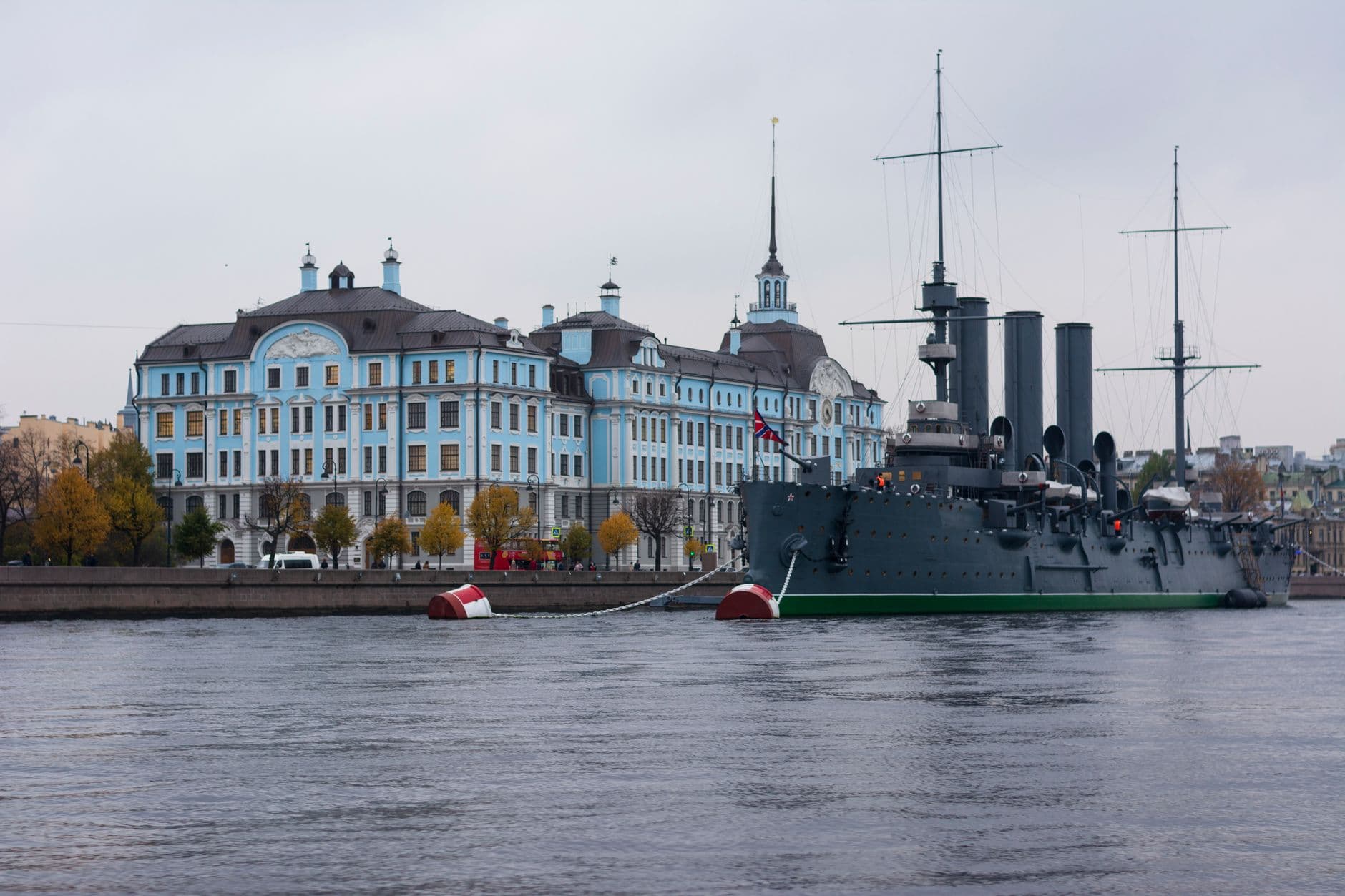
Choisissez un départ à la fin du printemps ou au début de l'automne pour profiter d'une lumière prévisible et de journées assez calmes, avec des expositions dans les villes côtières ajoutant une profondeur culturelle entre les escales.
Réservez un navire avec des chambres confortables et une stabilisation solide, où la communication entre l'équipage et les passagers est claire et où le personnel professionnel effectue les tâches avec efficacité et soin.
Pour les segments en direction du nord, attendez-vous à une traversée de chenaux peu profonds et à une série de lacs, avec des paysages qui passent des forêts aux petites villes côtières.
Du quai au point de départ à l'amarrage autour de villes tranquilles, vous pouvez juger de la taille de la flotte et choisir un navire adapté à vos besoins ; une planification minutieuse permet de maximiser le confort et le temps à terre.
Écoutez les conférences et les exposés à terre, maintenez une communication ouverte avec l'équipage et adaptez les expériences à vos intérêts, car le temps, le niveau de l'eau et les événements locaux varient ; les équipages professionnels effectuent des ajustements pour que les visites soient efficaces.
Croisière fluviale en Russie : un guide complet des voies navigables pittoresques
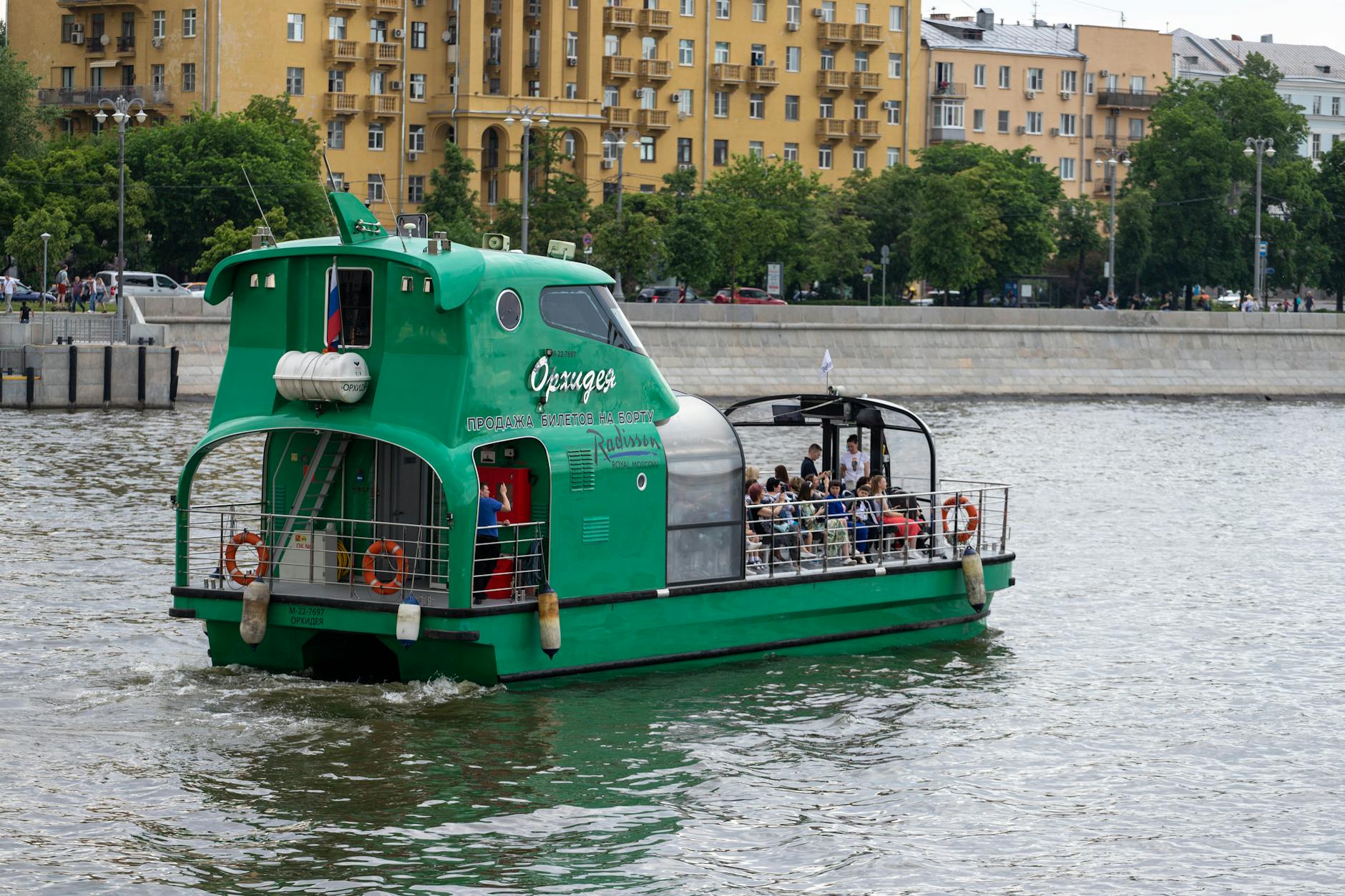
Confirmez vos dates auprès de l'opérateur et réservez une cabine sur un bateau de croisière pour au moins cinq nuits. L'arrivée à Yeniseïsk marque le début d'un vaste itinéraire le long du bassin ; vous avez appris des guides des informations sur Turukhansk et Norilsk, ce qui ajoute une texture culturelle à l'itinéraire. Ce type de plan vous aide à évaluer les distances et à planifier le repos, et il est agréable de se retrouver sur le pont à l'aube.
Les points forts à bord incluent une cabine compacte avec un canapé ; le restaurant sert des spécialités du nord ; la radio vous tient informé des arrivées et des amarrages. Les coûts varient selon la saison, le type de cabine et le nombre de nuits à bord ; vérifiez ce qui est inclus dans votre réservation pour savoir ce que vous obtenez réellement.
Yeniseïsk est située au bord du bassin, ce qui en fait la première étape de nombreux itinéraires ; Turukhansk se trouve à l'intérieur des terres à partir de là ; Norilsk se trouve loin au nord. L'ensemble des ports offre des paysages variés, de la taïga à la toundra, et les vastes paysages encadrent chaque jour, avec des ciels gris marbrés. Si vous contactez l'opérateur, vous pouvez organiser des nuits supplémentaires à Krasnoïarsk ou ajouter une journée à Turukhansk.
Le meilleur moment pour voyager est l'été, car la lumière du jour est la plus longue et les options sont nombreuses ; attendez-vous à des journées chaudes et des nuits fraîches, car le temps peut changer ; puisque vous vous déplacerez entre les colonies, emportez des couches de vêtements et une veste imperméable. Apportez un appareil photo, des chaussures robustes et un petit sac pour les excursions à terre. L'équipe à bord peut aider tout le monde avec un plan simple, et vous pouvez vous reposer en sachant que les moyens de se déplacer sont bien organisés.
Remarques sur le budget : les coûts couvrent généralement les repas et certaines excursions ; les extras optionnels comprennent les visites guidées, les séjours d'une nuit dans les villes et les billets de musée. Si vous en voulez plus, renseignez-vous sur les forfaits qui incluent un plus large éventail de ports. Étant donné que les ports varient, l'heure d'arrivée peut varier d'un jour ou deux ; vérifiez auprès de votre contact pour connaître le dernier horaire et les exigences en matière de visa ou de permis.
Voici quelques conseils rapides pour maximiser le plaisir : tout le monde devrait prendre le temps de se reposer sur les ponts tranquilles ; l'ensemble des arrêts à terre est diversifié ; vous pouvez y goûter à la cuisine du nord et profiter de paysages qui semblent infinis. De toute évidence, l'expérience dépend de l'opérateur, alors confirmez les détails avec l'agent ; renseignez-vous auprès d'autres personnes qui ont emprunté ces itinéraires pour choisir la meilleure option. Étant donné que ces voyages impliquent des climats de l'extrême nord, apportez des vêtements chauds et un sens de l'aventure.
Conseils pratiques pour planifier et profiter des croisières fluviales russes
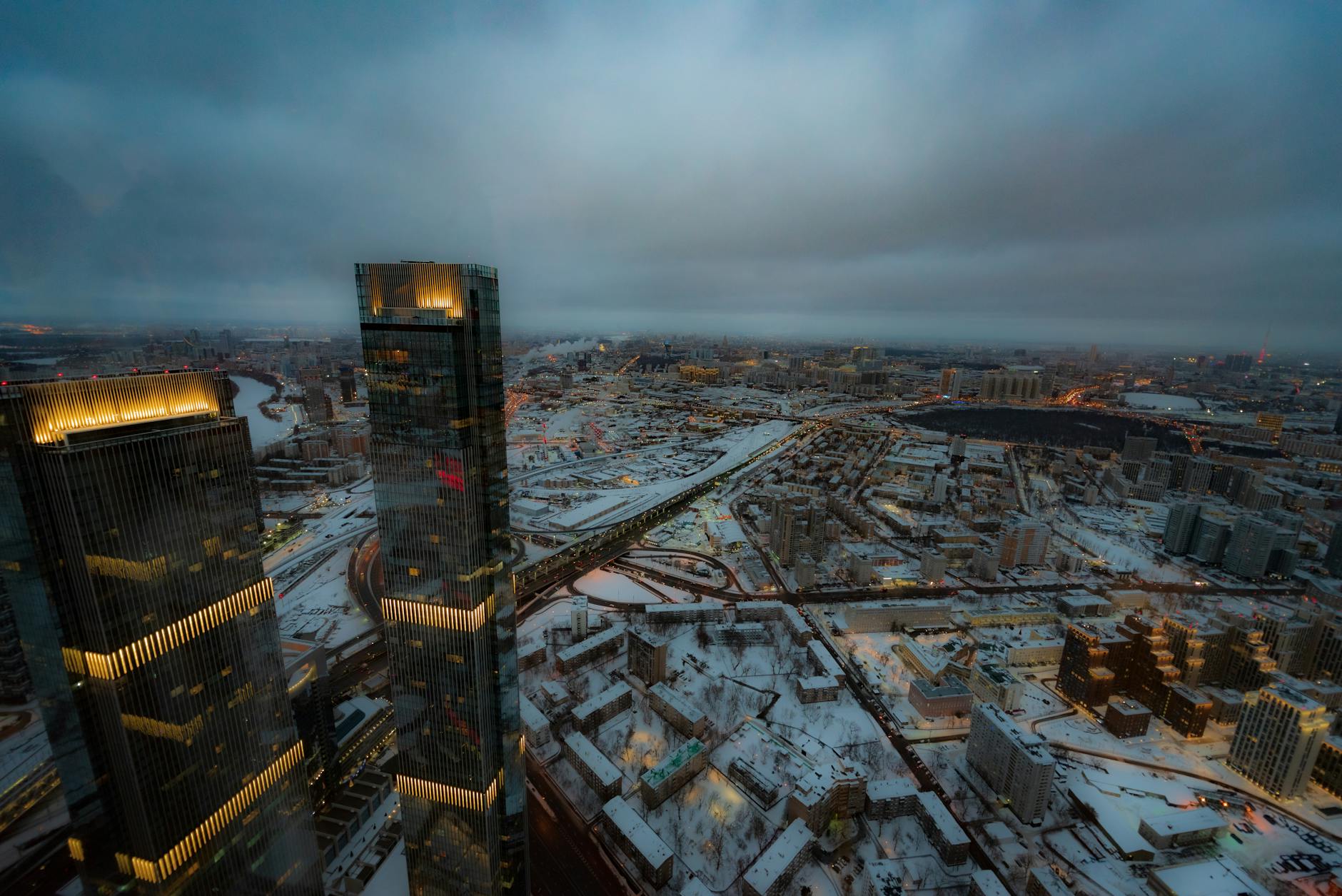
Planifiez à l'avance pour vous assurer un poste d'amarrage près de Yeniseïsk et un arrêt au musée ; cela maximiserait le temps à terre et vous permettrait de comparer les sites sans pression.
Maintenez une certaine flexibilité dans l'horaire ; les traversées entre les colonies peuvent changer en fonction du temps, de la profondeur ou des autorisations locales, alors gardez une heure d'arrivée flexible et coordonnez-vous avec l'équipe à bord et l'équipage du centre au sujet des itinéraires alternatifs.
Incluez des moments culturels : une promenade dans un quartier de musées, un hommage à l'artisanat régional et une démonstration de tambourin dans les rues ; c'est un jeu et cette exposition approfondit vraiment le sens des lieux et de leurs sites, les exemples les plus frappants que vous rencontrerez.
Rédigez un itinéraire axé sur la destination à l'avance, incluant Yeniseïsk et quelques colonies de l'intérieur ; définissez ce que vous voulez voir, des façades de marbre de la colonie centenaire elle-même aux musées modernes.
À bord, consultez les guides locaux pour adapter le plan et maximiser les expériences sensorielles ; vous partagerez des notes avec d'autres voyageurs et savourerez les idées qui découlent de la traversée de différents ports, y compris les coins les plus photogéniques.
Choisir le meilleur itinéraire fluvial russe : Volga, Neva ou voies navigables baltes
Recommandez le système de la Volga pour une immersion riche en patrimoine que de nombreux voyageurs ont appréciée. Un itinéraire de 7 à 12 jours couvre 8 à 10 ports de Moscou à Astrakhan en passant par une campagne accidentée, avec des arrêts à Iaroslavl, Ouglitch, Kazan, Nijni Novgorod et Samara. Les cabines et les chambres varient, allant des cabines intérieures compactes aux suites raffinées avec un salon sur le pont ; le décor allie tradition et confort moderne. La plupart des forfaits sont réservés avec les repas inclus, les excursions guidées et les visites de musées, ce qui donne un rythme complètement détendu. L'histoire et les différentes périodes que vous rencontrez en cours de route offrent une classe de maître en culture ; des guides parlant vous aident à comprendre ce qui est vu, et la fin offre un retour calme à votre rythme quotidien, quelque chose dont vous vous souviendrez.
Pour les programmes centrés sur Saint-Pétersbourg (Neva), attendez-vous à 5 à 7 jours de culture impériale concentrée. Les points forts incluent l'Ermitage, le palais Catherine, Peterhof et la grande architecture de la ville ; vous pouvez combiner des excursions d'une journée à Pouchkine et Pavlovsk si votre groupe est important. Les espaces à bord comprennent un salon confortable et un décor raffiné ; les chambres et les cabines offrent différentes vues. Des guides parlant et un maître historien dirigent les visites, et les entrées des musées ainsi que les promenades dans la ville sont incluses dans de nombreux itinéraires. Les coûts dépendent du type de cabine et de la saison ; les repas sont généralement inclus, et vous pouvez ajouter des activités post-débarquement pour prolonger votre exploration.
Les itinéraires baltes privilégient une saveur côtière multi-ports : 6 à 9 jours, avec Tallinn et Helsinki comme points d'ancrage et des extensions optionnelles à Stockholm. Le rythme est détendu, avec du temps de détente sur le pont et des possibilités de descendre à terre pour des promenades en ville et des arrêts dans les musées. Les cabines vont de l'intérieur au balcon ; les chambres peuvent être modernes mais confortables avec un décor raffiné. Les articles inclus couvrent souvent les repas, les promenades guidées et les entrées des musées ; les coûts augmentent avec les options de navigation unique ou les cabines de luxe. Les groupes d'amis ou les familles peuvent être réservés ensemble, et vous entendrez des voix locales parler d'histoire, de culture et de vie quotidienne. Certains itinéraires offrent des ajouts de dernière minute ; Yeniseïsk n'est pas sur ce circuit, mais illustre un voyage plus long qui se termine loin d'ici ; ce qui reste après votre étape baltique peut être une journée de flânerie ou un dîner au bord de la mer.
Conseils de décision : si votre objectif est un patrimoine profond et une histoire complètement immersive, choisissez le chemin de la Volga ; si votre objectif est la culture impériale et l'intensité des musées, la Neva gagne ; pour une ambiance de capitales côtières avec plusieurs ports, optez pour une navigation baltique. Comparez les coûts par personne, les types de cabines (y compris les cabines intérieures, extérieures et avec vue) et ce qui est inclus par rapport aux ajouts optionnels. Pour les familles et les groupes, recherchez les itinéraires qui offrent des guides parlant et des conférences adaptées aux adultes ; ce que vous réservez doit correspondre à votre horaire et à votre budget. Si vous voulez savoir ce qui se passe après le dernier port, renseignez-vous sur les options post-débarquement et la possibilité d'ajouter des extensions de niveau Yeniseïsk en tant que voyage séparé.
Saisonnalité, météo et bagages : quand partir en croisière et quoi apporter
Meilleure période pour la planification : de fin mai à début juin ou début septembre, lorsque la lumière du jour est longue, les conditions sont stables et les escales sont prévisibles ; la plupart des itinéraires durent de 7 à 12 jours.
Aperçu de la météo : en mai, les températures diurnes maximales varient de 15 à 20 °C avec des nuits de 7 à 12 °C ; juillet apporte des journées de 20 à 25 °C, des nuits de 12 à 15 °C ; septembre se refroidit à 13 à 18 °C. Attendez-vous à des averses occasionnelles et à une humidité variable le long de l'itinéraire, avec des brises près des sections d'eau expansives. Préparez-vous à un éventail de conditions et utilisez des tissus à séchage rapide.
Les arrêts d'intérêt incluent Peterhof situé juste à l'extérieur du centre principal, offrant des fontaines et des jardins, et Ouglitch sur la haute Volga avec une architecture en bois et des vues sur la rivière. Un itinéraire typique comprend une dernière escale dans des destinations riches en histoire, en culture et en paysages riverains.
Essentiels pour les bagages : conçus pour les conditions météorologiques changeantes, incluez une veste imperméable légère, une polaire de poids moyen et des chaussures de marche confortables. Emportez beaucoup de chaussettes et au moins une tenue plus agréable pour les soirées. Les marchés le long du chemin présentent des basilic et d'autres herbes fraîches : laissez de la place dans votre sac pour de petits souvenirs et des trouvailles comestibles.
Technologie et communication : les options pour rester connecté incluent le Wi-Fi à bord, une carte SIM ou eSIM locale et des cartes hors ligne. Confirmez les forfaits de données avant le départ et gardez un contact par courriel à portée de main pour les mises à jour des guides. L'alimentation est de 220 V avec des prises de type C et F ; apportez un adaptateur compact et un chargeur portable pour les excursions d'une journée.
Culture et logistique : vous rencontrerez des spectacles de cosaques dans certains ports, ajoutant de la variété vers les derniers jours. Les journaux et les horaires locaux vous aident à adapter les activités à vos intérêts, et les guides peuvent orienter les plans vers vos destinations préférées pour maximiser la valeur.
Conseils de planification : créez une boucle d'excursions à terre qui équilibre les visites de musées avec les points de vue extérieurs ; ils peuvent s'adapter à vos intérêts si vous partagez vos préférences à l'avance. Si vous devez confirmer un changement d'horaire, utilisez le courriel pour vous coordonner avec les opérateurs et le personnel, en gardant les renseignements personnels à portée de main et en documentant tout ajustement.
Types de navires, cabines et accessibilité : choisir votre hébergement
Choisissez un navire de taille moyenne avec des cabines accessibles et des plans de pont clairs pour le meilleur équilibre entre confort et temps à terre. Ces navires gèrent l'amarrage avec facilité, offrent un enregistrement flexible après une arrivée tardive et offrent des passages stables jusqu'à ce que vous atteigniez les étendues les plus au nord. Les soirées à bord comprennent une variété d'activités culturelles, vous pouvez donc participer sans transferts supplémentaires. Par exemple, les arrêts à Izmaïlovo et Peterhof présentent souvent des programmes incroyables. Arrivées tardives ? ils apprécieront un enregistrement flexible. En parlant avec l'équipage, vous pouvez adapter le programme à bord à vos intérêts.
Les options de cabine vont des cabines intérieures aux cabines extérieures avec vue, aux suites lumineuses avec balcon et aux hébergements junior. Pour les longs voyages ou les familles, une immense cabine extérieure avec balcon offre un espace supplémentaire et la possibilité de profiter des lacs et des paysages à la lumière du jour. Si vous voyagez avec un compagnon, une catégorie junior ou de luxe peut mieux correspondre à vos besoins, avec des commodités incluses et des aménagements plus flexibles. Le décor d'inspiration sibérienne apparaît parfois sur les navires, ajoutant une touche culturelle à l'intérieur.
Les caractéristiques d'accessibilité comprennent généralement des ponts sans barrières, des portes élargies pour les fauteuils roulants, des commandes plus basses dans les cabines, un accès par ascenseur à la plupart des espaces publics et des salles à manger accessibles. Si un navire n'a pas une caractéristique dont vous avez besoin, renseignez-vous sur les escales qui vous placent à proximité des centres culturels. Pour l'accès à Internet, la plupart des navires offrent un Wi-Fi fiable, ainsi que des chaînes de radio à bord et un simple portail en ligne pour planifier les horaires et les excursions à terre. Les nuits à bord et à terre sont équilibrées avec les jours sur l'eau, et le personnel peut aligner un ensemble d'activités qui correspondent à vos intérêts.
| Type de navire |
Options de cabine |
Points forts de l'accessibilité |
Notes pratiques |
| Petit navire à moteur |
Intérieur, Extérieur avec hublot, Suite junior |
Ponts plus courts à naviguer ; ascenseurs compacts ; portes plus larges dans la mesure du possible |
Embarquement plus rapide ; bon pour les itinéraires les plus au nord ; connectivité à bord disponible |
| Navire de taille moyenne |
Intérieur, Extérieur, Balcon, Junior, Luxe |
Accès complet par ascenseur ; couloirs plus larges ; salles à manger accessibles |
Meilleur équilibre entre prix, espace et activités culturelles ; les exemples d'itinéraires incluent les arrêts à Izmaïlovo et Peterhof |
| Grand paquebot |
Balcon, Suites de luxe, Options exécutives |
Accessibilité étendue ; plusieurs salles à manger ; centre médical à bord |
Immense capacité ; nombreuses nuits à bord et à terre ; les comptoirs d'enregistrement gèrent les arrivées tardives |
Expérience à bord : restauration, Wi-Fi, activités et soutien linguistique
Recommandation : réservez une cabine de luxe au milieu du navire pour maintenir le mouvement stable ; confirmez un sèche-cheveux et des commodités de style résidence ; demandez un journal quotidien pour la lecture en cabine ; demandez aux guides qui parlent des ports de Moscou et des calendriers de Gorki afin de pouvoir planifier les escales ; veuillez participer aux séances d'information de bienvenue pour rester informé.
Restauration et cuisines : la sélection propose des options d'inspiration russe et internationale ; les menus d'échantillons mettent en évidence les plats de poisson et les choix végétariens ; les repas sont servis dans deux salles à manger avec des places assises flexibles ; les clients connus apprécient l'étiquetage clair des ingrédients et les options pour les besoins alimentaires ; les coûts des cours de dégustation de luxe sont indiqués séparément ; le personnel maintient une atmosphère forte et heureuse ; les notes alimentaires doivent être communiquées aux chefs.
Connectivité : le Wi-Fi est disponible dans les salons publics et les cabines, avec des vitesses variables ; pour les tâches légères, il suffit, tandis que les forfaits de luxe offrent un accès plus rapide ; gardez les appareils chargés et synchronisés ; le journal et les calendriers aident à planifier les activités et à rester connecté ; vous pouvez rester en contact avec la maison, ce qui aide les croyants et les familles.
Activités et soutien linguistique : des musiciens à bord se produisent le soir, et il y a des stands de commerce avec des artisans offrant des ateliers d'échantillons ; participez à des séances pratiques et à des discussions guidées ; les calendriers décrivent un programme actif d'événements, de la pratique linguistique aux conférences culturelles ; les guides et l'équipage parlent plusieurs langues, ce qui facilite les interactions pour les locuteurs non natifs ; les histoires et les visites d'églises enracinées à Moscou fournissent un contexte aux croyants ; restez connu pour la riche sélection d'expériences culturelles et profitez de repas qui se marient bien avec les spécialités de poisson locales.
Ports, excursions à terre et points forts locaux : tirer le meilleur parti de chaque arrêt
Planifiez un itinéraire de quatre arrêts qui combine les grandes fontaines de Peterhof, l'architecture du Kremlin, une visite de la ville à travers les vieux quartiers et une promenade dans le port naturel avec des poivrons et des basilic sur un quai animé. Vérifiez les fenêtres d'enregistrement et coordonnez-vous par courriel pour confirmer les guides et les points de rencontre.
- Arrêt 1 - Peterhof : Situé juste à l'extérieur de la ville, cet ensemble offre des sculptures préservées au milieu de jardins naturels et de fontaines. Allouez 3 à 4 heures pour marcher sur les terrasses supérieures, descendre vers les cascades inférieures et attraper un point de vue où les navires se regroupent au port. Une visite matinale est extrêmement efficace pour la lumière et les foules.
- Arrêt 2 - Kremlin : Une forteresse centenaire avec des murs archaïques et des dômes de cathédrale, offrant des possibilités de photos majeures pour les guides parlant et les clients seuls. Concentrez-vous sur les cloches les plus anciennes, les expositions d'armurerie et une brève boucle de visite de la ville qui reste dans des itinéraires compacts. Prévoyez 2 à 3 heures, avec du temps réservé pour une courte pause assise près d'un marché de basilic à proximité (là, des poivrons et d'autres produits locaux vous attendent).
- Arrêt 3 - Visite de la ville dans la vieille ville : Un parcours soigneusement choisi à travers des ruelles étroites révèle des couches urbaines préservées construites à travers les siècles plus anciens. Recherchez des sculptures le long de la place principale, arrêtez-vous à une chapelle basilique et écoutez les habitants qui partagent des contes de peuples qui ont façonné la région. Cet arrêt est conçu pour être concis mais immersif, idéalement de 2 à 2,5 heures.
- Arrêt 4 - Exploration du port et saveurs locales : Une promenade le long du quai offre un contraste naturel avec les grands sites, avec des marchés qui présentent des poivrons, des herbes et d'autres spécialités régionales. Engagez-vous avec les habitants et les vendeurs, puis montez à bord d'un bateau à voile rapide pour retourner au navire. L'ambiance ici est détendue, une façon parfaite d'équilibrer les sites lourds avec l'ambiance là-bas et les conversations avec les habitants sur leur vie quotidienne.
- Vérifications pratiques : gardez votre bagage à main léger, rangez de l'eau et des couches pour le temps et gardez votre passeport et votre carte de navire accessibles pour l'enregistrement à chaque arrêt.
- Horaire et itinéraires : cartographiez le parcours et les itinéraires avant l'amarrage ; visez une fenêtre de navigation qui laisse suffisamment de tampon pour les transferts et les considérations de foule.
- Communication : confirmez tous les plans par courriel avec votre guide local ; notez les points de rencontre situés près de la porte du port pour éviter les retours en arrière.
- Conseils pour les habitants : saluez avec une brève phrase parlante, respectez les espaces sacrés et attardez-vous là où les peuples se rassemblent pour goûter aux aliments de saison comme les poivrons.
Idées de transport après l'arrêt : apportez une couche de pluie légère, des chaussures de marche confortables et un petit sac pour les achats ; gardez une note de la sélection de produits artisanaux pour comparer les prix et la qualité. Si un arrêt dure longtemps, vous pouvez revenir sur vos pas jusqu'au quai principal où les navires attendent et rejoindre l'horaire de navigation avec un minimum de perturbations.