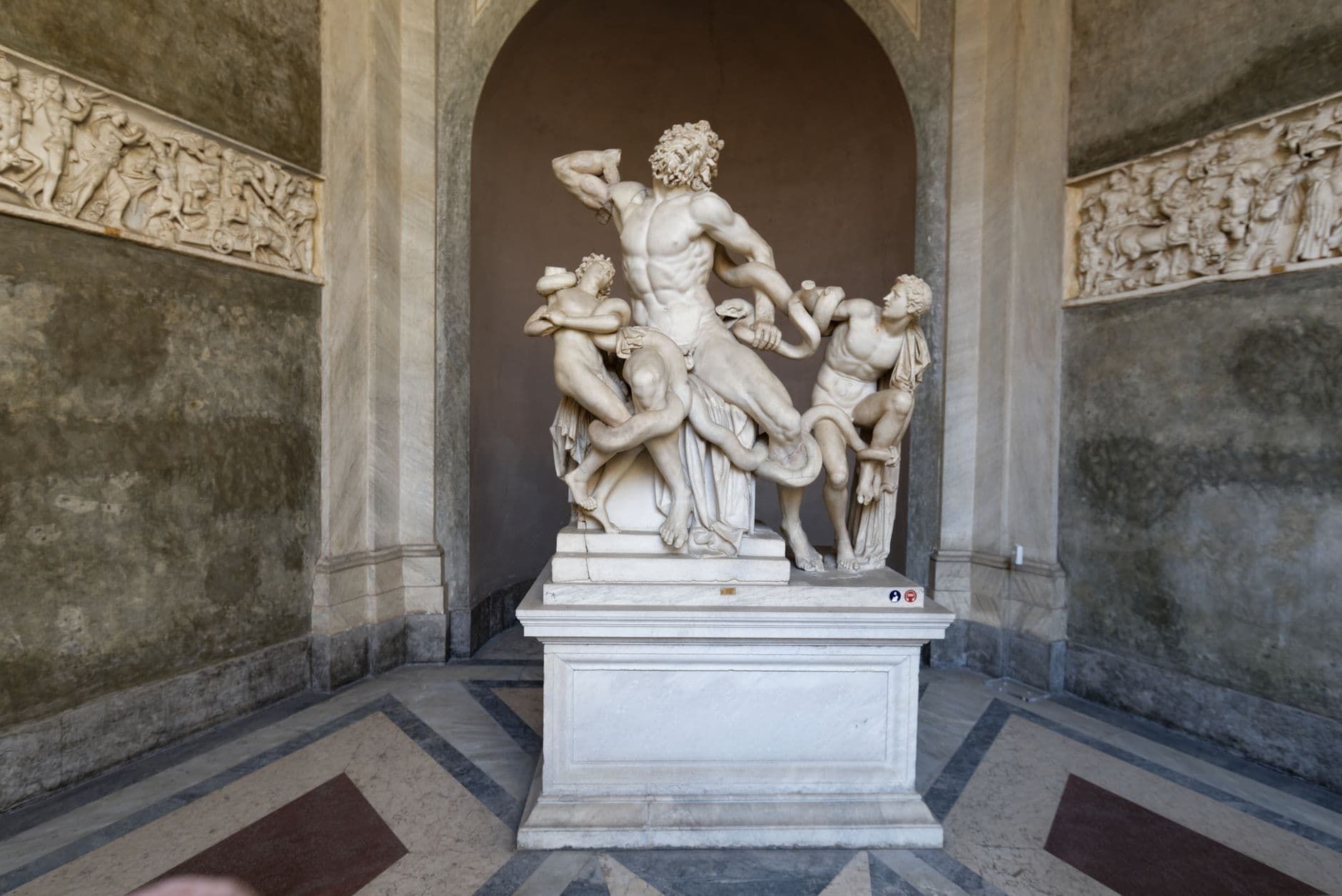
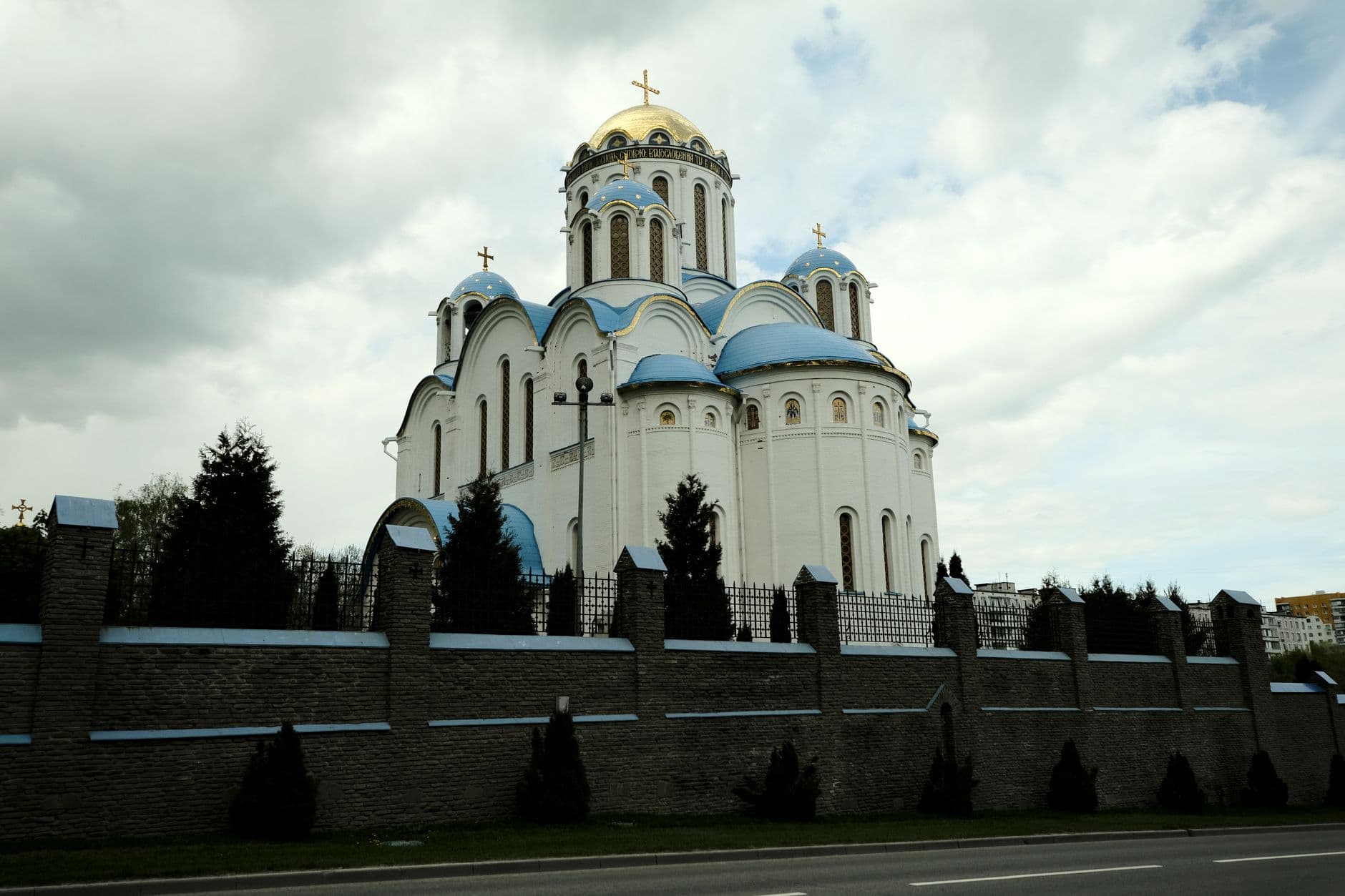
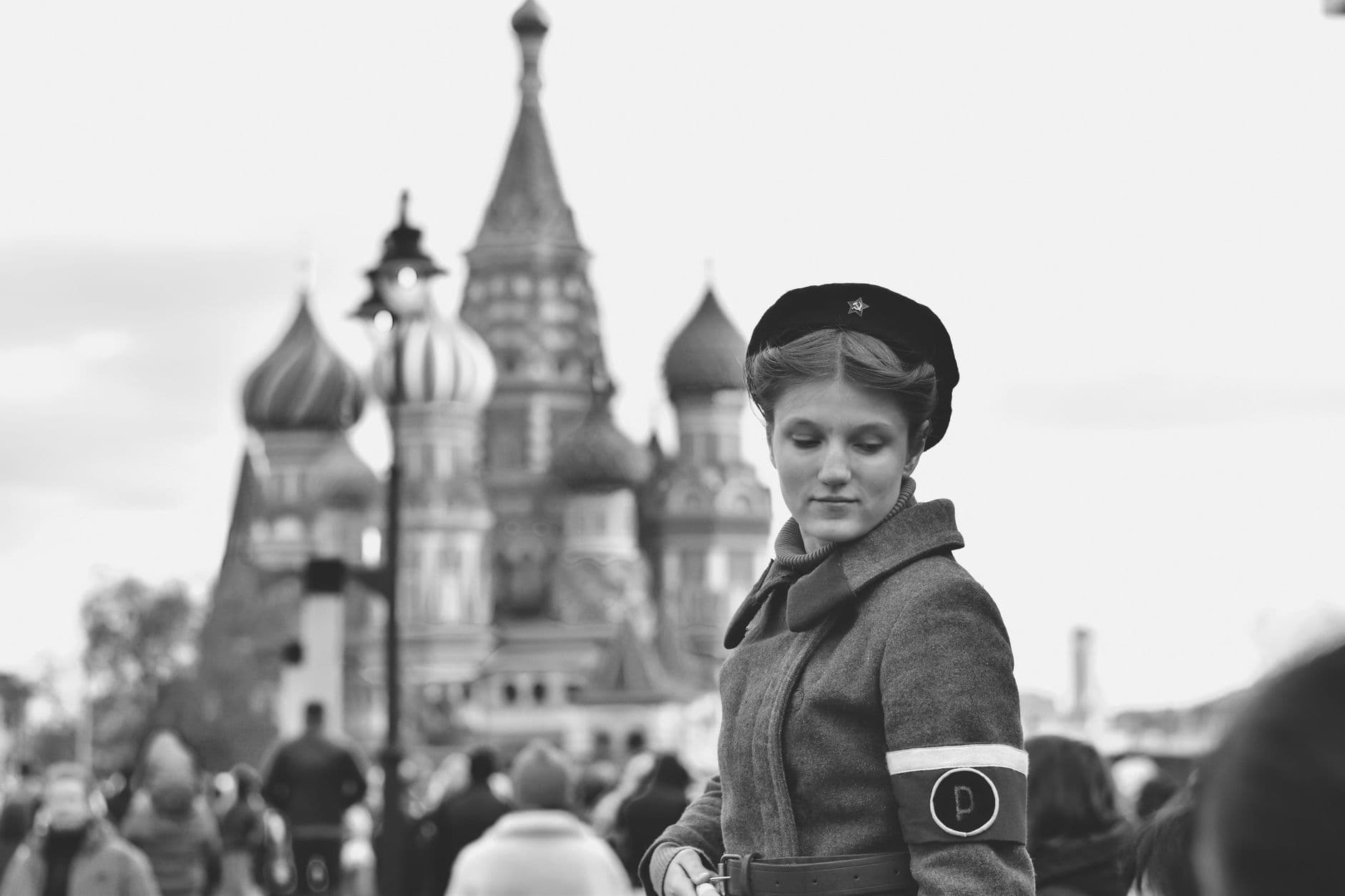
Les Musées du Vatican, une institution renommée pour leur vaste collection d'art et d'objets historiques, présentent désormais une exposition remarquable qui retrace la lignée de l'art russe depuis ses débuts jusqu'à l'ère moderne. Cette occasion rare offre aux visiteurs une chance unique d'explorer les styles et techniques dynamiques qui ont défini la créativité russe. L'exposition, qui se déroule au cours des mois de printemps, promet d'être un guide pour les amateurs d'art avides de découvrir les mouvements avant-gardistes qui ont prospéré au XXe siècle.
Parmi les œuvres remarquables exposées figurent des travaux d'artistes emblématiques tels que Kazimir Malevitch et Pavel Filonov, dont la maîtrise de la couleur et du travail du pinceau ont transformé le paysage artistique de leur époque. L'exposition met également en lumière des artistes moins connus, offrant une plateforme à leurs œuvres qui sont restées trop longtemps dans l'ombre. Chaque pièce révèle les liens profonds entre l'Église et les artistes, illustrant comment la foi a inspiré certaines des œuvres les plus évocatrices qui ornent les murs du musée.
Cette exposition permet aux visiteurs de parcourir un itinéraire soigneusement sélectionné, combinant le contexte historique de l'art russe avec une compréhension contemporaine de sa signification. Les commissaires ont employé une stratégie innovante pour présenter ces œuvres, offrant des perspectives qui comblent le fossé entre les générations d'artistes. Des portraits populaires du XVIe siècle aux tons expressifs des peintures modernes, cette collection rassemble la richesse du patrimoine artistique russe, invitant les spectateurs à réfléchir sur leur sens et leur place dans la scène artistique mondiale.
En visitant les Musées du Vatican et en explorant cette exposition unique, prenez un moment pour apprécier la beauté architecturale qui abrite ces trésors. C'est un moment pour se connecter avec le passé et les émotions puissantes que l'art peut évoquer. Ne manquez pas l'occasion de voir de vos propres yeux comment les coups de pinceau de ces peintres talentueux continuent d'influencer le monde de l'art aujourd'hui. Cette exposition n'est pas seulement une présentation de peintures ; c'est une invitation à s'engager dans une expérience culturelle profonde qui transcende le temps.
La Galerie Tretiakov - L'art russe comme vous ne l'avez jamais vu
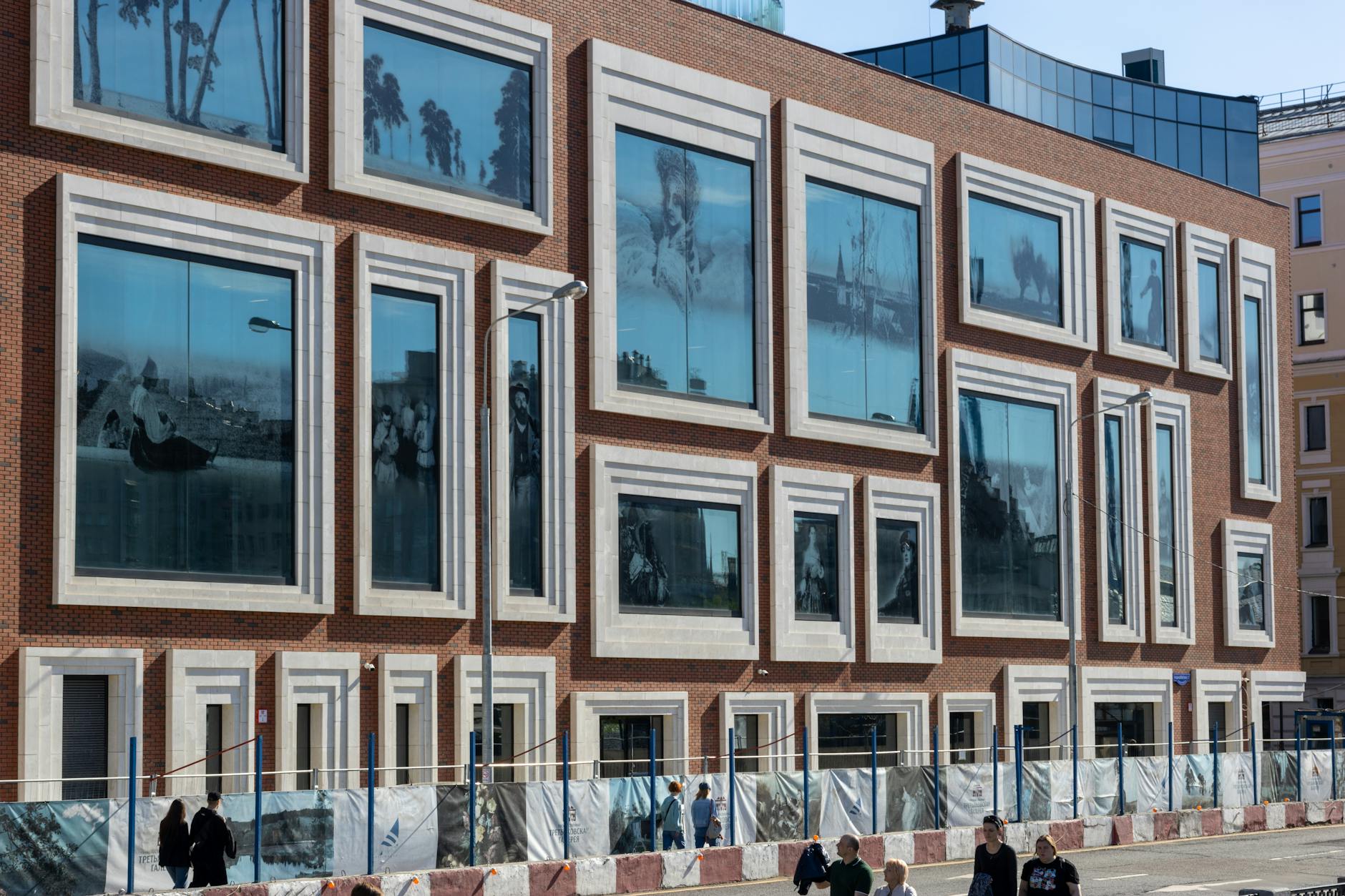
La Galerie Tretiakov se dresse comme un bastion monumental de l'art russe, offrant aux visiteurs une expérience immersive qui dépasse l'ordinaire. Ce musée, avec sa riche collection, présente des œuvres de diverses époques, des thèmes sacrés du XIe siècle jusqu'au réalisme vibrant de l'ère soviétique. La galerie accueille de manière unique des œuvres qui exhibent à la fois des contrastes et des équilibres dans le style et le récit.
Parmi les expositions les plus célébrées figurent des œuvres d'artistes renommés tels que Marc Chagall et Boris Koustodiev, dont les créations se distinguent par leurs motifs magnifiques et leur profondeur émotionnelle. Les commissaires de la galerie, dont Mikhail Krimsky, se sont consacrés à la présentation minutieuse de ces pièces. Ils s'engagent dans une analyse détaillée, veillant à ce que chaque œuvre soit mise en scène pour raconter une histoire qui dépasse le cadre physique.
| Artist |
Œuvre célèbre |
Period |
| Marc Chagall |
L'anniversaire |
Modernisme |
| Boris Koustodiev |
La Femme du Marchand |
Realism |
| Dionysius |
La Vierge du Signe |
Médiéval |
En entrant dans les salles sacrées de la Galerie Tretiakov, on a l'impression de pénétrer dans un atelier de patrimoine culturel. Les émotions transmises par les formes visuelles sont puissantes, et les récits représentés par les artistes incarnent l'esprit du peuple russe à travers différentes périodes de l'histoire. Des peintures sacrées d'église aux représentations poignantes de la vie villageoise, la galerie incarne l'essence de la créativité russe.
Notant l'évolution de l'art russe, les commissaires ont attiré l'attention sur certains thèmes issus de la période totalitaire, aidant à encadrer le dialogue sur la manière dont ces questions ont influencé l'expression artistique. Le travail d'artistes comme Alexandre Mashkov démontre une perspective unique sur les complexités auxquelles la société est confrontée, créant un discours pertinent à la fois en ligne et hors ligne.
Pour les amateurs d'art avides de découvrir cette vaste collection, les billets peuvent être achetés à l'avance en ligne ou à la station de métro à proximité. C'est une occasion rare de témoigner de la fusion de l'histoire, de l'art et de l'émotion incarnés dans les murs de la Galerie Tretiakov, en faisant une destination incontournable pour quiconque s'intéresse à l'art russe comme jamais auparavant.
Ce qu'il faut attendre de l'exposition rare
Les Musées du Vatican organisent une exposition unique qui présentera des versions rares d'art russe, offrant un lien dynamique entre des artistes célèbres et leurs homologues moins connus. Les visiteurs découvriront des salles remplies d'œuvres de pionniers tels qu'Ilya Repin et Filonov, aux côtés des paysages vibrants de Kuindzhi et des portraits émouvants de Perov. Cette exposition est conçue pour mettre en lumière les contrastes entre divers mouvements artistiques, y compris les influences avant-gardistes et totalitaires qui ont façonné la culture russe.
Attendez-vous à découvrir une série soigneusement sélectionnée d'œuvres reflétant des idées innovantes, avec les travaux de Kandinsky et Dionysius offrant un aperçu des diverses stratégies créatives des artistes russes. Chaque pièce a été choisie pour aider les visiteurs à comprendre la relation complexe entre ces artistes et les enjeux culturels de leur époque. Notamment, l'exposition inclura également des œuvres d'Olga Svetlyakov, mettant en lumière les contributions des artistes femmes trop souvent négligées dans l'histoire.
Cette expérience ne se limitera pas à la contemplation de l'art ; chaque trait et choix de couleur raconte une histoire de risque et de résilience. L'exposition vise à provoquer la réflexion et à inciter les visiteurs à méditer sur le lien entre l'art et la société. Les invités auront l'occasion d'échanger avec un guide qui leur apportera un éclairage plus approfondi sur le processus de création de ces œuvres impressionnantes.
En plus de l'art, il y aura un restaurant sur place où les visiteurs pourront se détendre et échanger leurs impressions sur l'exposition. La combinaison d'art et d'offres culinaires est conçue pour plonger les visiteurs au cœur de cette exploration culturelle. Cette exposition est un incontournable pour tout collectionneur ou passionné souhaitant s'immerger dans la tradition artistique russe.
Œuvres majeures de l'art russe exposées
Les Musées du Vatican ont sélectionné une remarquable collection d'art russe, mettant en lumière des œuvres clés qui illustrent le riche héritage artistique du pays. Parmi les pièces les plus importantes figure une peinture d'Ilya Repine, connue pour sa représentation vivante de la vie au début du XXe siècle, qui oppose les tons sombres de l'ère soviétique à la vivacité éclatante de l'âme russe.
Un autre élément marquant est une œuvre de Kuznetsov, qui illustre l'approche unique d'utiliser des palettes traditionnelles russes. Cette peinture raconte une histoire à travers des couleurs vibrantes et des formes, mettant en lumière les expériences des travailleurs, avant et pendant les années transformatrices de l'URSS.
L'exposition comprend également des portraits de Mashkov et Krimsky, qui mettent en avant les détails complexes et la profondeur personnelle de leurs sujets. Ces artistes, grâce à leurs méthodes d'atelier, ont créé des œuvres qui résonnent avec le public, permettant à celui-ci de s'imprégner du contexte historique de la Russie.
Notamment, l'œuvre de Kuindji se distingue, car elle embrasse différentes formes de lumière et d'ombre, révélant la beauté profonde du paysage russe. Sa technique a construit un pont entre les interprétations traditionnelles et modernes, un aspect qui résonne tout au long de l'exposition.
On ne peut ignorer les œuvres de l'époque des Streltsy, qui offrent un aperçu d'une période où le vocabulaire artistique a commencé à évoluer. L'inclusion d'œuvres antérieures de Dionysius met en lumière un autre aspect important de l'art russe, éclairant ses racines historiques et son développement.
Cette sélection, issue de diverses collections, ne comprend pas seulement des artistes célèbres, mais présente également des peintres moins connus qui ont contribué à la riche tapisserie de l'art russe. Chaque tableau accroché au mur a son propre récit, évoquant des émotions et invitant chaque spectateur à s'immerger davantage dans le parcours artistique de la Russie.
En parcourant l'exposition, les visiteurs sont rappelés de l'importance de ces œuvres, qui reflètent collectivement les expériences diverses et les paysages de vie de la Russie, touchant chaque recoin du récit culturel de la nation.
Contexte historique des œuvres sélectionnées
L'exposition d'art russe aux Musées du Vatican révèle une trajectoire unique de créativité et d'échange culturel qui a influencé à la fois les récits artistiques russes et mondiaux. Parmi les chefs-d'œuvre sélectionnés figurent des œuvres d'artistes renommés comme Petrov-Vodkin et Mashkov, qui ont embrassé le modernisme, reflétant les thèmes complexes de leur époque. Ces artistes ont créé des interprétations visuelles de la société russe en rapide mutation, reliant le traditionnel au contemporain.
Les toiles de Petrov-Vodkine mettent souvent en lumière la spiritualité et la profondeur de la vie russe, mettant en avant le rôle de la femme dans le paysage culturel plus large. Son travail pictural créatif, allié à une compréhension profonde de la couleur et de la forme, permet de maintenir un lien avec l'essence spirituelle des sujets, offrant aux spectateurs la possibilité de s'imprégner des courants émotionnels de son œuvre. En parallèle, les contributions de Marc et Klutsis explorent davantage le vocabulaire moderniste, élargissant la voie vers de nouvelles formes d'art.
Les commissaires de cette exposition ont méticuleusement rassemblé des œuvres qui reflètent le contexte historique de ces artistes, notant comment ils ont réagi aux bouleversements sociaux et aux idées révolutionnaires présentes dans la Russie du début du XXe siècle. Chaque œuvre offre des aperçus de la mentalité de l'époque, révélant comment des artistes comme Boris et d'autres ont tracé leur voie artistique, même face à des défis tels que la censure ou les attentes sociétales.
En tant qu'étudiants de l'art russe, les visiteurs de cette exposition peuvent retracer la lignée de l'innovation à partir de ces pionniers, dont les œuvres continuent d'inspirer les artistes contemporains du monde entier. Cette expérience culturelle unique ne se contente pas de présenter des pièces rares, mais invite également à une compréhension plus approfondie de l'évolution de l'art russe, qui conserve sa pertinence dans le discours artistique actuel.
Les bâtiments qui abritent ces œuvres ajoutent une dimension supplémentaire de sens, alors que les visiteurs parcourent les salles remplies d'histoire, réfléchissant à l'impact de l'art sur la société. Chaque fois que les thèmes de cette période sont explorés en profondeur, ils révèlent comment l'interaction entre les récits personnels et collectifs façonne le continuum de l'expression artistique.
Cette exposition fait plus que présenter de l'art ; elle propose une étude complète qui allie l'esthétique visuelle à un récit historique riche, invitant chaque visiteur à s'imprégner des traditions profondément enracinées et des interprétations modernes qui caractérisent l'art russe.
Informations pratiques : Dates et billets
L'exposition d'art russe aux Musées du Vatican offre une occasion unique aux visiteurs d'explorer une série importante de chefs-d'œuvre. Cette exposition présente des œuvres d'éminents peintres avant-gardistes, dont des figures renommées comme Vereshchagin et Petrov-Vodkin. Des icônes aux portraits, les œuvres exposées reflètent des arrière-plans et des motifs cruciaux qui plongent dans les changements spirituels et sociaux vécus durant l'époque de l'URSS.
Les visiteurs qui souhaitent vivre cet événement remarquable doivent noter que l'exposition se tient du 1er mars au 30 juin. Les billets peuvent être achetés en ligne pour éviter les longues files d'attente. Les créneaux horaires en début de matinée, en particulier en semaine, sont recommandés pour ceux qui souhaitent visiter les expositions plus confortablement.
Les Musées du Vatican sont accessibles en métro, et des installations comme des boutiques sont disponibles pour ceux qui souhaitent acheter des articles liés à l'art. Gérer les billets en ligne peut grandement améliorer votre stratégie de visite, vous permettant de vous concentrer sur les aspects analytiques des œuvres exposées tout en parcourant les différentes galeries.
Les participants peuvent s'attendre à une expérience soigneusement sélectionnée qui met en lumière l'équilibre entre l'art et la science, offrant des perspectives sur les récits en évolution des mouvements artistiques russes. C'est une occasion essentielle de s'engager avec le patrimoine culturel profond qui continue d'inspirer à la fois les institutions locales et internationales.
Pour ceux qui souhaitent explorer ce festin visuel, l'exposition promet véritablement de révéler la signification de ces œuvres et leurs liens avec les origines de chaque visiteur. Pensez à bien planifier votre visite pour vous immerger pleinement dans ce voyage culturel.
Consignes pour les visiteurs pour une expérience enrichie
Pour profiter pleinement des Musées du Vatican et de leur rare exposition d'art russe, les visiteurs sont invités à prendre note des directives suivantes. La sélection présentée dans ces murs met en lumière des motifs culturels importants du XVIe au XXe siècle, avec des œuvres d'artistes renommés comme Popova et Marc, qui manifestent des styles et des thèmes contrastés.
En parcourant le musée, prenez un moment pour étudier les esquisses graphiques et les panneaux qui capturent l'essence de l'histoire russe, en particulier durant les périodes de grands bouleversements. Autant que possible, observez de près les interprétations modernes intégrées à cette exposition, qui allie avec harmonie des formes épurées et des verts vibrants contribuant à l'ambiance générale.
Les conservateurs ont soigneusement rassemblé une sélection de versions qui rendent hommage au passé tout en reliant les visiteurs aux pratiques artistiques contemporaines. Il s'agit d'une partie importante des efforts du musée pour encourager l'échange culturel entre différentes institutions et pour offrir des perspectives sur la relation complexe entre l'Église et la communauté artistique en Russie.
L'expérience aux Musées du Vatican est conçue pour solliciter tous les sens. Prenez le temps d'apprécier les différentes saveurs et techniques que les artistes ont utilisées au fil des siècles. N'oubliez pas de visiter chaque section de l'exposition, car elle a été organisée pour offrir une vue d'ensemble complète de l'évolution artistique à travers les âges.
Pour plus de commodité, nous vous suggérons de planifier votre visite en fonction des heures d'affluence et d'utiliser l'option de service en 5 minutes disponible sur place, qui facilite l'accès aux informations et à l'assistance. Soyez attentif aux actualités et mises à jour des équipes du musée et des commissaires d'exposition, qui partagent souvent des informations éclairantes sur l'exposition et son importance.
En conclusion, votre visite des Musées du Vatican sera assurément enrichie par ces conseils. Saisissez l'occasion de vous immerger dans les œuvres d'art et les histoires qui les entourent, pour établir un lien profond avec le patrimoine culturel de la Russie et au-delà.
Se connecter avec les artistes : biographies et influences
L'exposition des Musées du Vatican offre une occasion unique d'explorer les vies et les influences des artistes russes qui ont façonné le paysage culturel de leur époque. Chaque œuvre présentée révèle non seulement une maîtrise artistique, mais aussi les liens essentiels que les artistes entretenaient avec leur environnement et le contexte socio-politique plus large.
Parmi les artistes présentés, Ilya Repin se distingue par ses compositions habiles qui allient réalisme et profondeur émotionnelle. Ses œuvres représentent souvent des scènes mettant en lumière les luttes du peuple russe, en se concentrant sur les paysans et les défis quotidiens qu'ils affrontaient. En observant les influences de Repin, on peut identifier des éléments de l'art occidental qui l'ont aidé à forger son style distinctif tout en intégrant des thèmes russes authentiques.
En revanche, l'œuvre de Kazimir Malevitch marque un tournant significatif vers le modernisme. Ses pièces abstraites, notamment celles issues du mouvement constructiviste, invitent les spectateurs à repenser l'essence même de l'art. Cette approche stratégique de la composition le place parmi les icônes de l'art du XXe siècle, permettant un dialogue sur le rôle de l'art en période de turbulence.
Un autre personnage clé est Petrov-Vodkine, dont la palette unique et la maîtrise de la couleur éclairent les profondeurs de la spiritualité russe. Ses représentations de la boyarine et d'autres sujets révèlent une profonde connexion à l'identité nationale et au symbolisme, faisant de son œuvre un élément essentiel de cette exposition.
- Ilya Repin : réalisme, compositions émotionnelles, focus sur le peuple russe.
- Kazimir Malevitch : modernisme, abstraction, influence du constructivisme.
- Pierre Petrov-Vodkine : symbolisme, représentation spirituelle, utilisation distinctive de la couleur.
Cette rare exposition ne met pas seulement en lumière le génie artistique de ces figures, mais souligne également les changements qui ont eu lieu dans l'art russe du XVIe siècle à l'époque moderne. Elle sert d'étude de cas pour comprendre comment les récits personnels et politiques ont façonné les expressions artistiques.
En visitant les musées du Vatican, les visiteurs découvriront que la biographie et les influences de chaque artiste sont essentielles pour comprendre le contexte plus large de l'art russe. La présentation de ces œuvres, ainsi que les stratégies d'interprétation, permettent une immersion plus profonde dans l'art et les histoires qui se cachent derrière chaque pièce.
En conclusion, entrer en contact avec ces artistes à travers leurs biographies et leurs influences enrichit l'expérience de l'exposition. L'occasion d'explorer leurs œuvres offre des perspectives sur les cadres culturels et historiques qui continuent d'influencer les pratiques artistiques contemporaines. Par conséquent, cette exposition se distingue comme une destination essentielle pour les amateurs d'art et les visiteurs occasionnels.