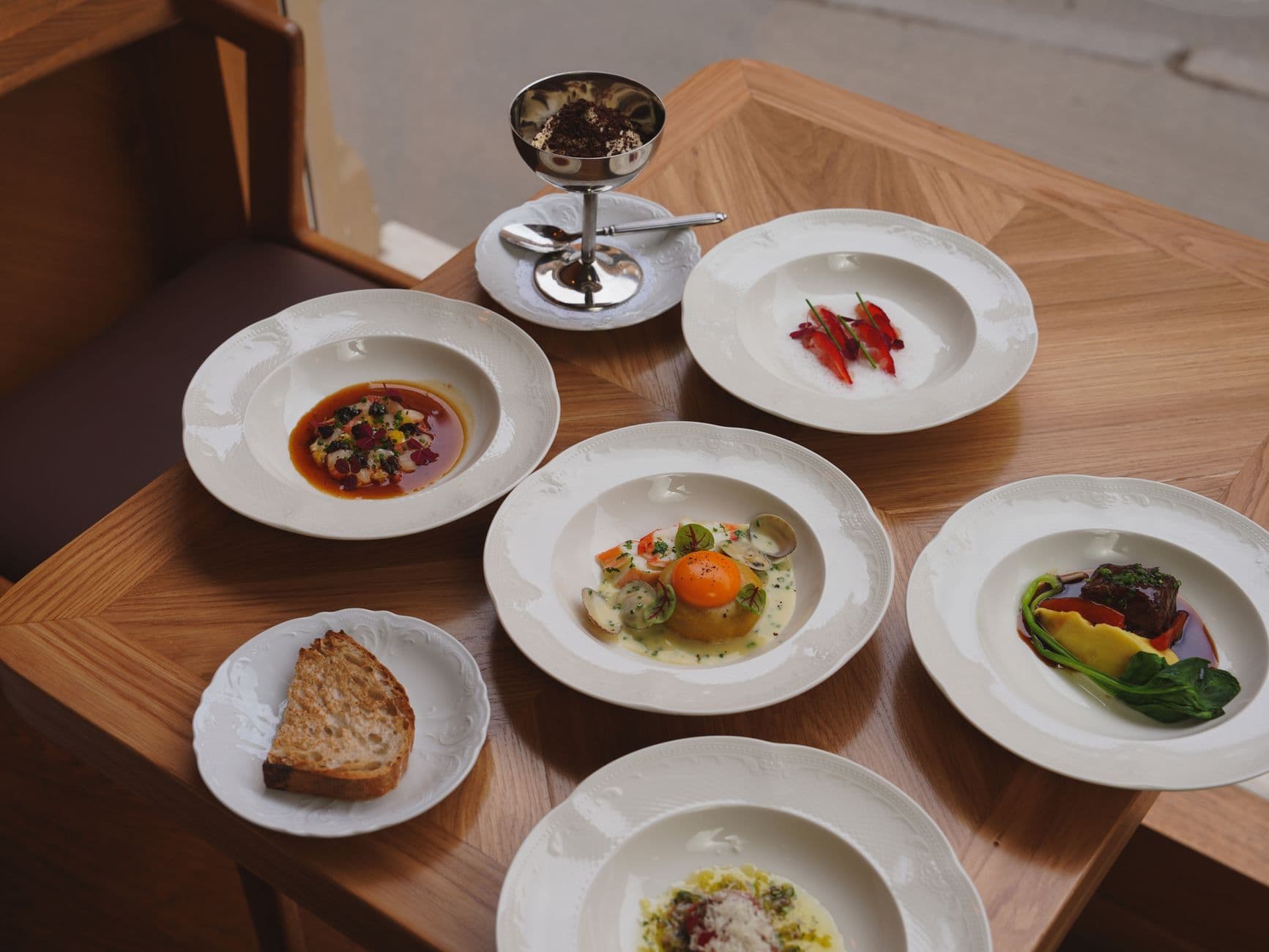
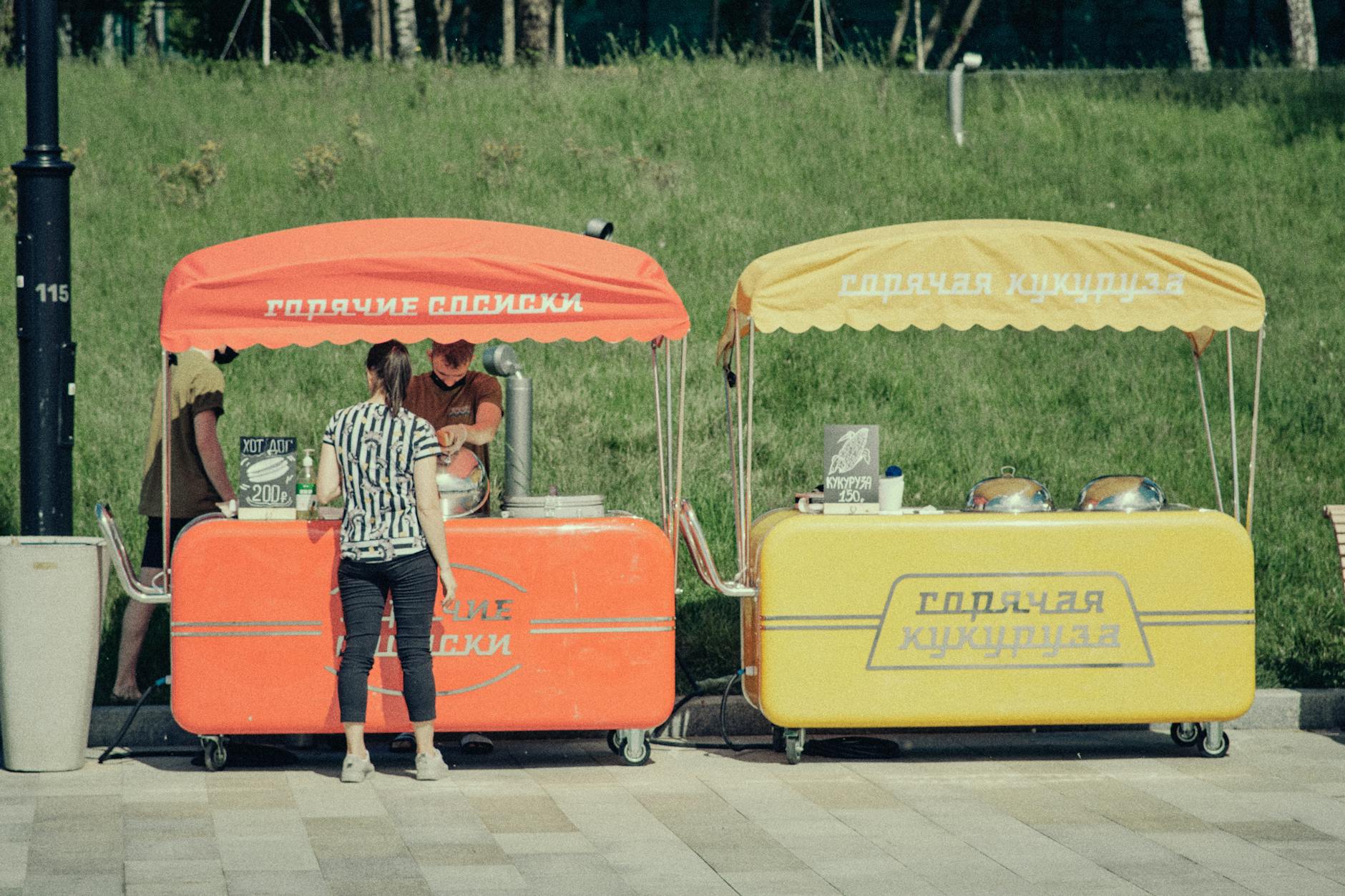
Moszkva piacairól indulj, és vegyél fel egy báránykötöttet egy forgalmas grilltől; azokat fényes vásznak alatt kínálják, és egy fényes, savanykás szósztól díszítik.
Gyors reggeli energiának, próbáljon meg egy forró blinyit tejföllel, majd ízlelje meg a tésztákat és egy szelet tortát; a töltelék változatos, a vegetáriánus gombaváltozatoktól a húsos ötletekig terjed, és egy tál borstcs csukja be az étkezést.
Az etnikus folyosón ízleljed a gombócokat és a grillszeletelt kolbászt; néhány kioszkot egy maison konyha üzemeltet, amely falusi kenyereket kínál, fűszerekkel porzott krémes külsővel.
Akkor, akik felfedezték, olyan mártásokat találtak, amelyek tökéletesen illenek a bárányhúshoz, kolbászhoz vagy tésztákhoz; keressen egy állványt, amely gyors ízpróbát kínál, és cseréljen tálakat, amíg halad.
Ékszerek várnak a főutcákon túl, és egy finom pékségben készülhet el a nap egy finom süteménnyel. Egy könnyű enni előtt indulhat tovább a következő állomás felé.
Gyakorlati ízlelési terv ikonikus helyszínekben, mint a Khinkali Point, Pirogi, Pelmeni, Danilovszkij Piac, LavkaLavka, Mari Vanna és több más.
Kezdjük a Danilovszkij-piacon, egy pelmenyízes és vastag marhalevessel, hogy alapozd meg a napodat, majd járj végig a LavkaLavka, Khinkali Point, Pirogi, Pelmeni, Mari Vanna és néhány környékbeli kávézóban, hogy egy kerek térképet kapj az ízekből, amelyet minden évben megismételhetsz.
- Danilovszkij piac - kezdje el a napját egy széles alapon. Válasszon pelmenit és varenikit burgonyás vagy gombás töltéssel, egy tányér olivierzsalátát, és egy káposztás köretet. Ismerje meg a forró leves ízét, majd hasonlítsa össze a két kioszk pelmenijeit, hogy megfigyelje a finom fűszeres hangokat és a tésztakéreg textúráját. Ez az elrendezés biztosít egy világos referenciapontot a további napra. pelmeni, varenik, burgonya, gomba
- leves, sűrű, saláták, káposzta
- hagyományos, piacok, emberek, ünnepek
- LavkaLavka - farm-to-table hangulatba. Rendeljen egy gazdag, szezonális salátatriót, gombaragutú burgonyával, és egy friss fűszerekkel ízesített egyszerű káposztasalátát. A stílus egyszerű, hogy a terroir minden harapásban érezhető legyen. Ha elérhető, próbáljon egy kis plovot, mint a Közép-Ázsiai ízekhez való átmenetet. saláták, gomba, burgonya, káposzta
- fűszerek, gazdag, hagyományos, specialitások
- plov (ha kínálják), burgonyák, kunyhók, túró finomságok
- Khinkali Point - próbálja ki a pörkölt dumplingokat. Próbálja meg a három tölteléket (marhahús, sertéshús és bárányhús) és mártassa a fokhagymás-gyógyfüves levesbe. Összehasonlítva, hogy a hasonló tészták milyenek különböző fűszerkeverékek alatt. A savanyúságok oldják fel a krémes és savanyú egyensúlyt. dumplingok, fűszerek, leves, fokhagyma
- utolsó harapás, néha, szolgál, kedvel
- káposzta, gombák, gazdag ízek
- Pirogi - felfedezd a tészták és a péksütemények világát. Rendelj ízletes tésztákat, amelyek főleg káposztás, burgonyás és húsos töltelékkel készülnek, majd fejezd be egy édes opcióval. A palacsinták is megjelenhetnek a menüben, mint egy könnyebb, rugalmasabb lehetőség, amely jól utazik az ízlelési időpontokon. tészták, hagyományos, káposzta, burgonya
- krémes, töltelék, gazdag, ünnepek
- étteremek, szeretlek, a tiéd
- Pelmeni - visszatérés az eredeti orosz pelyhenékhez, a töltelék mélységére összpontosítva. Próbáljon meg egy húsos pelmenit és egy könnyebb varenikit. Párítsa egy savanyú tejföl csomaggal vagy egy csípős fűszeres olajjal, hogy hangsúlyozza a kontrasztot. Figyeljen meg, hogy a húskeverék változtatja az összhatást több ízlés után. pelmeni, vareniki, utolsó
- leves, sűrű, fűszerek
- hagyományos, piacok, emberek
- Mari Vanna - otthoni kényelmet finom környezetben. Várhatja a vendéggépes leveseket, tápláló salátákat és zöldségalapú ételkészítést, amely a kiegyensúlyozottságra törekszik. A túrós sütemény vagy az Olivier-saláták ihlette elemek új színt adhatnak a ismerős ízeknek, nosztalgiás hangulatban. saláták, szerelem, gazdagság
- burgonyák, káposzta, hagyományos
- kunyhó, olivier, leves
- Pushkin kávézó és egy Szentpétervár-i vonás - szünet a kultúrára. Próbáljon egy kávét vagy teát egy kis péksüteménnyel, és merüljen be az atmoszférába, amely a irodalom ikonjairól kapta a nevét. Ez a megálló megerősíti a helyérzést, anélkül, hogy lassítaná a tempót. kávézó, kávézó hangulat, puskin, szentpétervár
- palacsinták, tészták, péksütemények
- Évek, preferált, a tiéd
- Indiai kávézó - tisztítsd meg ízlelőszerved egy kis, fűszeres opcióval. Egy könnyű curry vagy zöldségdús étel más illatprofilt és egy friss kontrasztot nyújt a húsos és gombócos ételvonalhoz. indiai, fűszerek, kávézó
- burgonyák, gombák, élénk fűszerek
- szolgál, néha, ünnepségekre
- Végső ízlelési kör - krémes palacsintákkal és egy utolsó kör pitekkel. Keressen egy gazdag, sűrű leves alapú előételt, ha elérhető, és zárja be egy klasszikus olivier-saládával vagy túrós tésztával egy tartós emlékért. palacsinták, pite, palacsinták
- olivier, saláták, túrós
- szeretet, évek, a tiéd
Khinkali Point - a legjobb gyümölcsöskenyér, töltelék és az evés módja
Rendeld meg először a gombás galuskát; a meleg levese és a parasztos tészta egy melegítő kezdet a moszkvai étteremtúrának.
A töltési lehetőségek a klasszikus marhahús-bárányhús és sertéshús keverékekből a spenóttal és sajtjal készült vegetáriánus keverékekig terjednek. A gombák is megjelennek a vegetáriánus keverékekben, és lehet hozzáadni egy sült gombócot extra ropogós ízért. A konyha hagyományos indiai fűszerekkel és olasz fűszerekkel készített keverékeket használ, hogy ízletes profilokat hozzon létre, amelyek naponta változnak, és általában elégítik ki az éhes vendégeket, ízeket a földies-től a frissig.
Ennihez tartsa meg a tetején lévő csomót, harapjon egy kis lyukat a levet kiszabadítani, szippantsa, majd enni a maradékot néhány rágással a tésztával. A csepp alakja megőrzi a forró belsejét, így lassan élvezze az ízek rétegeit.
Több moszkvai üzletben, főleg szállodák és közlekedési csomópontok közelében, a Khinkali Point kedvező árakat tart. Hat gombóc típustól 350-420 rubel között várhat, ebédidőn még olcsóbbak. A peterburgi kiképzésű személyzet segít a menü választásban, és a Vanna megmutatja a legjobb kombinációkat, valamint, hogyan kell a rendelést időzíteni.
Azt ajánljuk, próbáljon ki kurzét, grabli-sütött gombócokat; a pirogi-lemezek kiegészítik az asztalt. Egy rend gyakran jól illik egy könnyű sörrel, egy fekete tea pohárral vagy minerálvízzel, így az étkezés ízletes és kielégítő megálló lesz a szállodák között vagy a látnokút után.
Az élmény kiváló reggeli lehet, ha valami sóskos, de mégis kényelmeset vágyik, egy egyszerű salátával a mellé és egy forró teával. Sok vendég előbb fényképet készít, mielőtt belerágna, hogy megőrizze az íz és a textúra minden töltelékét, és néhányan meglepődnek, amilyen egészséges lehet egy egyszerű gombóc, még egy hosszú városnézési nap után is.
Pirogi - kipróbálni kell a tészták, a tésztafajták és a kiemelkedő töltelék
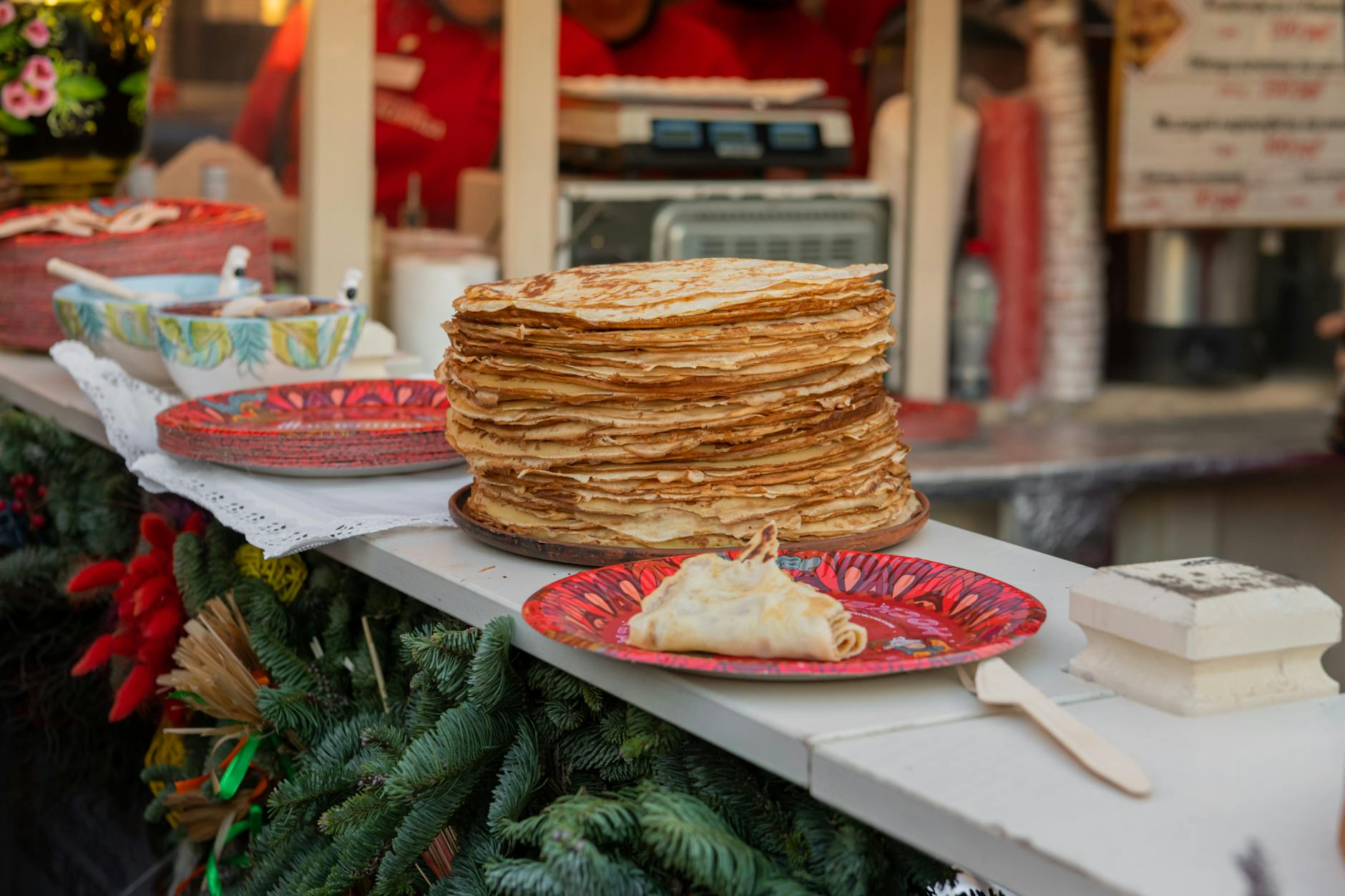
A forró burgonyás-salátás piroggal kezdd, amely könnyű sült tésztából készül; egyszerűen tojással kenj be, hogy sárga, fényes bevonatot és friss, krepeszes szélű tésztát kapj. Ez a egyszerű recept oroszok kedvence, és családi kedvencé válhat, legyen szó egy egyszerű vacsoráról vagy egy hétvégi ízlelő estéről; van egy cselle, hogy a tészta krepeszes maradjon: forró kőre süssd, és egy gyors gőzöztetéssel fejezd be.
A tészták fajtái ragyognak: a sűrű tölteléket is kitartó, keményítőben gazdag élesztős tészta; a sima, egyenletes, könnyen formázható vékony tészta; és a tejfölös tészta, amely a hűtés után is puha marad. Mindegyik stílus hagyományos vonalakat és modern finomításokat ötvöz, így a kedvenced szerint választhatsz. A bemutatáshoz kis mintákat tegyél fából készült táblára, hogy a piaci kiskereskedőket idézd, és barátságos, udvarias beszélgetést kezdj a legjobb ízekről és a győztes tésztafajta kiválasztásáról - egy beállítás, amit sok vendég szeret, bár néhánynak jobban tetszik a vastagabb tészta. Mindegyik sor esetében a textúra és a belsejűség más-más történetet mesél.
Töltési ötletek bőven vannak: egy kedvelt burgonyakapros, amit a oroszok generációk óta fogyasztanak; a marhahúsonyalma bőséges ízt nyújt; a káposzta-sárgarépa könnyebb; a gomba-búzavirágos nutty textúrát ad; és egy krémes sajtos változat utal a szirnikire. Etnikus fordulatokra a grúz ihletű fűszeres sajt ragyog, és egy kebab ihletű marhahús, füstös paprikával bővelkedve, merész hangokat ad, amelyek a tavaszi zöldségekkel párosulnak. Az utolsó fordulat utal a utcai ételek egyensúlyára, miközben a tésztát kezelhetővé tartja.
Kicsi tészták varázsolnak: helyezzen el tizenkét darabot egy fából készült deszkára, locsoljon meg vajjal, és nézze meg, hogy a vendégek melyiket választják. Minden harapásban meg fogja tapasztalni a kenyérhéj kerepacsszerűségét és a töltelék puhaságát, ízekben pedig a friss fűszeres ízektől a földies gombáig terjedő változatosságot, ami mind a bátrabb, mind a finomabb ízléseknek tetszik. Ha szeretné korlátozni a választékot, ajánljon pár tésztát és néhány tölteléket, hogy ne legyen túl sok. A káposzta-burgonya páros olcsóbb és általában kedvelt, míg a gomba-sajtos kombináció mélységet ad, amit az oroszok generációk óta szeretnek. Tartson kész állapotban egy felvert tojásos bevonatot, és egy egyszerű, meleg, minden összejövetelen kiváló ízű ételt kap. Általában gyorsan eltűnnek a tömegben.
Pelmeny és borscs - klasszikus pelyhék és vigasztaló levespárok
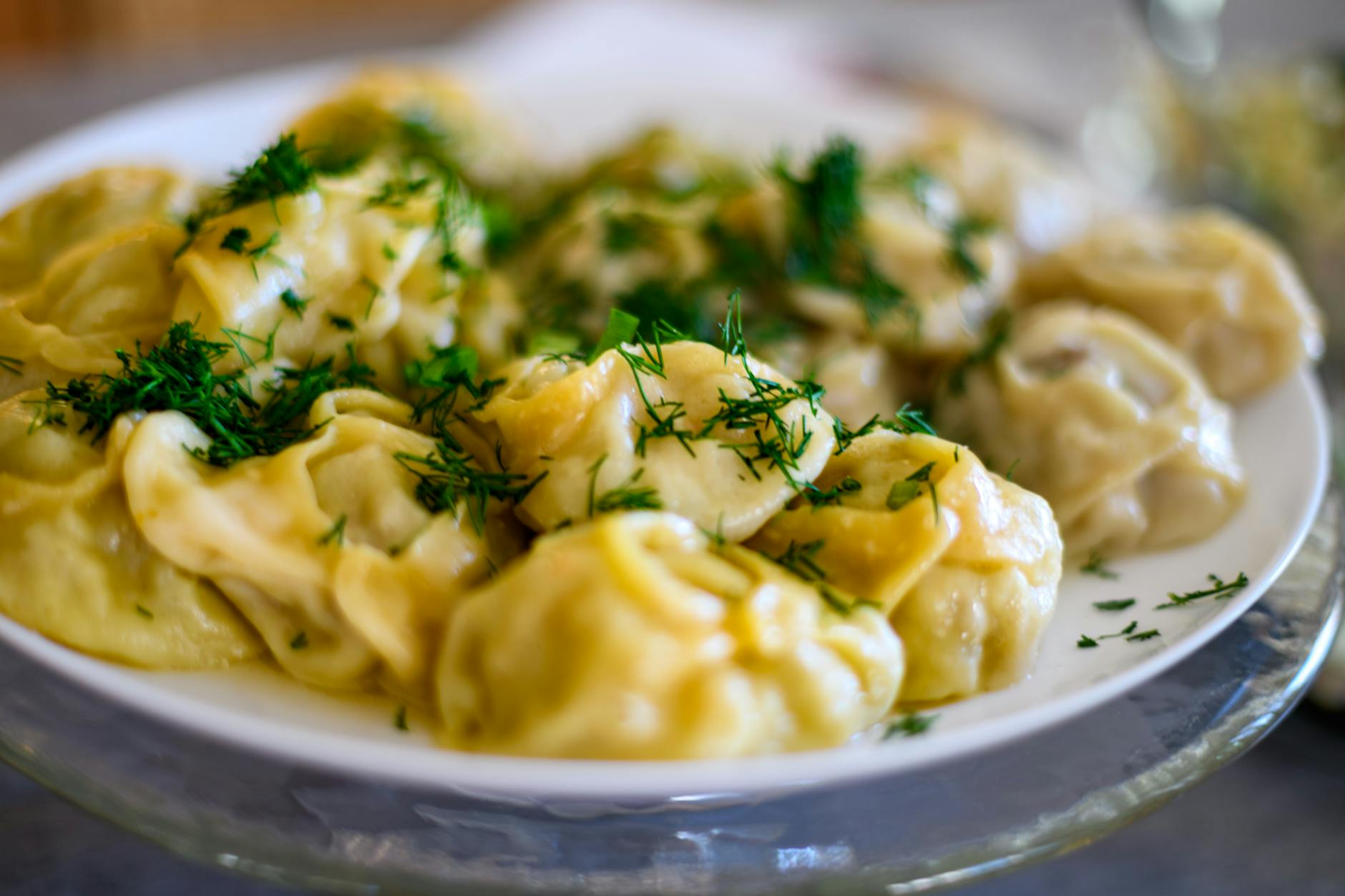
Grab pelmenit (húsos töltelékkel) és dobd őket egy forró levesbe; ezek a gombócok 6-8 perc alatt készülnek, és egy csipet tejföllel, fokhagymával és apróra vágott zöldségekkel tálalva finomak.
Erős borscsot készítsünk: egy nagy lábasban főzd puhára a répát, amíg sárgára nem sül, majd add hozzá a reszelt káposztát, burgonyát, karalábét és fokhagymát, valamint a hagymát és egy kevés zöldséget. Öntsön rá zöldséges levet és főzd addig, amíg az ízek össze nem olvadnak. Tálaláskor egy felvert tojáscsíkkal és egy kanál tejföllel kínáljuk.
Fedezd fel a moszkvai etnikai különbségeket: ezek az étkek fényesen tűnnek, ha hagyományos orosz borst és pelmenit párosítod kaukázusi kenyerekkel, mint a csudu, vagy örmény lapátkendivel; jól illik hozzájuk a palacsinta is, mint könnyű mellékétel, hogy felnyeljék a levesből. Azoknak, akik változatosabb ízeket keresnek, tartson egy kis gyűjteményt kéznél.
A városban látogasson el egy üzletben, ahol etnikus részleg van, és vegyen pelmenit, káposztát, burgonyát, fokhagymát és répát; ellenőrizze a mennyiséget és azt, hogy hol fogyasztja el azokat, és ha még nem főzött el őket, fagyassza be a maradékot. Mikor a legjobb idő az vásárláshoz?
Később kiegészítheti az étkezést extra palacsintákkal vagy csudával, átállhat egy hosszabb réteggombóclevesre, vagy hozzáadhat főtt burgonyát és fokhagymát egy egyszerű köretként; Oroszország konyháin a pelmeny és a borscs még mindig megbízható párosítást jelent néhány éhes tömeg eléten, és négy-hat személynek is kínálhat, az étvágy függvényében; ez az hosszú, vigasztaló kombináció kielégíti nagyon különböző ízléseket.
Danilovszkij piac - navigáljon a kioszkok között, válasszon ki a kötelezően kipróbálandó finomságokat, és időzítse be látogatását
Látogasson el a Danilovszkij piacra délután előtt, hogy nyugodtabb folyosókat és gyorsabb falatokat kapjon. Kezdjen a Puskin pékségcsoportnál, vegyen egy zöldséggel teli blinyit, és válasszon egy csudut, amivel kicsit rágoghat, miközben tervezgeti az útvonalat.
Innentől próbáljon ki néhány must-have-t: vastag gombás sztrogonoffot, pasztrámi szeletet rozskenyéren, és a kocsi mellett gőzölgő hinkalit. Minden harapás más a textúrája és azok merész ízei. Az időtartam a pulttól függ, próbáljon ki néhány harapást a textúrák összehasonlításához.
A vietnámi pult felé mozduljon, friss ételekért és fűszeres opciókért, majd térjen vissza a központi állványokhoz további falatokért. Egy közeli üzletből egy hamburger, egy tojásalapú snack és egyszerű chudu adja meg a napi ritmust, amit követhet.
Időzítse be a látogatását a forgalomhoz: célszerű a késő reggeli vagy korai délutáni időpontot választani, 2-3 órát szánjon rá, és zárja le egy fényképpel a piac előtt. A közeli metróállomás könnyűvé teszi a visszautazást, és ha a várost járja, gyorsan megtehet egy rövid megállót a szállodák körében is egy kényelmes szálláshoz.
Praktikus tippek: sok kioszkban még mindig hasznos a pénznem, de számos üzlet elfogadja a bankkártyát. Kérdezd meg a receptet, ha egy eladó megoszt egyet; jegyzd meg, hol lehet friss zöldséget, például petrezselymet és gombát vásárolni, és mit vegyél egy vidéki stílusú vacsorához hazafelé.
Moszkva ikonikus klasszikusai - Olivier saláta, Szirnik, Blini, Saslik, Ika és hol találhatók
Olivier-salátával kezdjünk a Mari Vanna-ban, egy híres moszkvai klasszikus étteremben, amely ezeket az ikonikus ételeket bemutatja. Az összetevők burgonyát, karalábét, zöldborsót, savanyúságot és majonézt tartalmaznak, egy gyökérzöldség-alapú töltéssel, amely jól ellenáll a bátra fűszerezésnek. Ha asztalra rendel, kérjen extra zöldséget a gazdagság kiegyensúlyozásához.
A syrniki követte. A moszkvai menükön három változatban jelenik meg: hagyományos túrós palacsinták mézzel, mézes bevonattal törött dióval, vagy egy könnyebb változat ricottával és vaníliával. Ez a syrniki évtizedek óta alapétel, általában melegítve, tejföllel és évszakos bogyókkal tálalva.
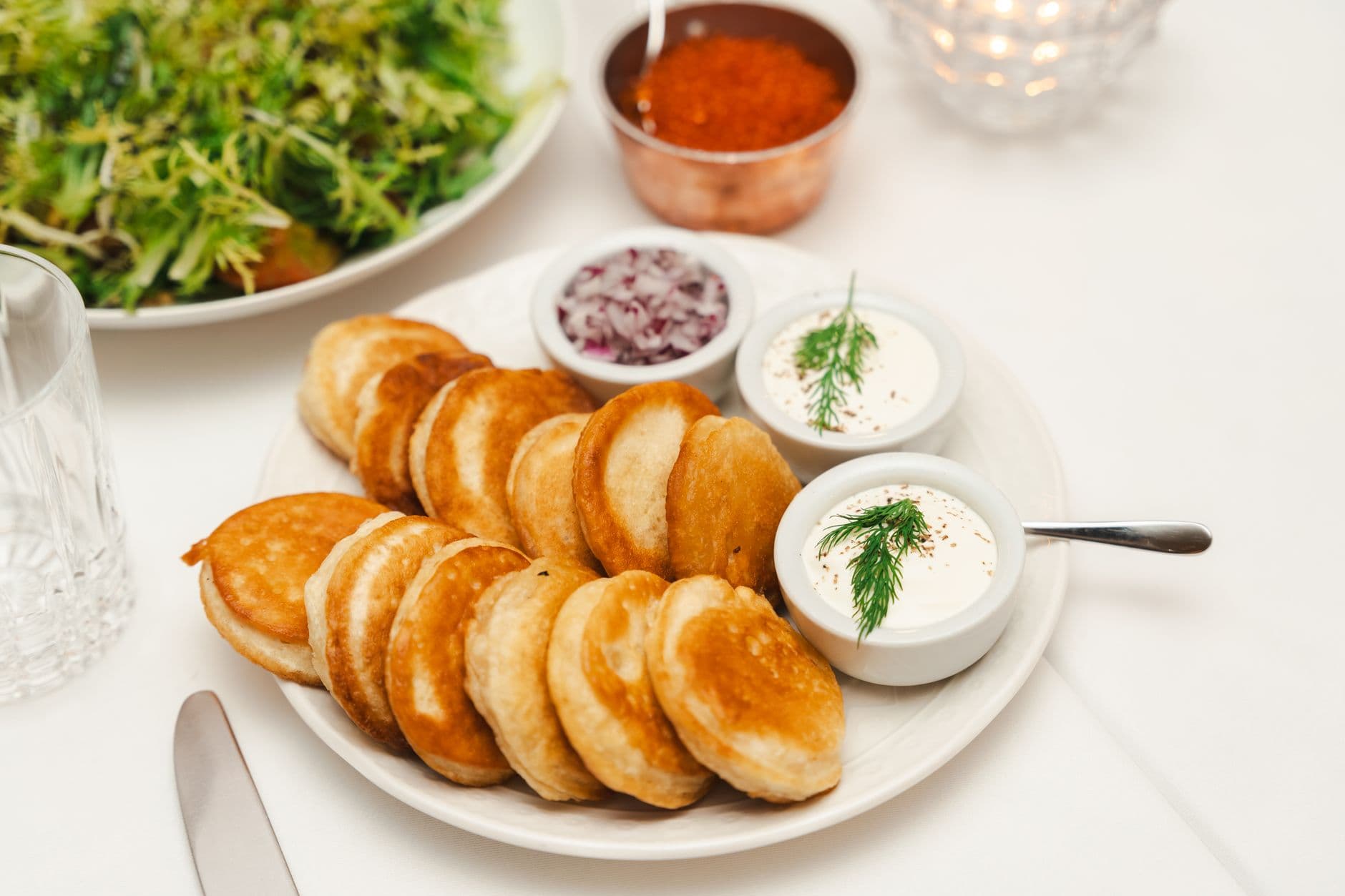
Blini meleg, vékony és bőkezűen érkezik, a tetejére pedig tejföl, kaviar, füstölt hal vagy fokhagymás vaj is lehet, hogy melegebb ízvilágot nyújtson. Keress egy helyet, ahol blini-választékot kínálnak, így összehasonlíthatod a finom hajlékokat és a tetejeket, amelyek megkülönböztetik Moszkva változatát e klasszikusról.
Ika, a hering, egy sós, friss ízt nyújt. Várhatod az ikát hagymával, savanyúsággal és citrommal, néha pedig egy könnyű fokhagymás vagy kaporos befejezéssel. Az ikát charcuterie tárolókban és tenger gyümölcsei tálakon találod a városi éttermekben, tükrözően Moszkva kulturális keverékét és a grúz hatást a bátrabb salátákra és snacks-re.
A sáslik füstös, puha húst szolgáltat a grillről, legyen az sertés, bárány vagy marhahús. Keressük a grillra specializálódott helyeken és nyíltvásári piacon, ahol egy kemény tálat egyszerű salátával és egy pohár borral párosíthatunk.
Modern moszkvai konyhák georgiai és még vietnámi hatásokat is beolvasztanak ezekbe a klasszikusokba, főleg szószok vagy mellékletek formájában, anélkül, hogy megváltoztatnák a tányéron a lényeges rituált.
- Olivier saláta - a legjobb Mari Vannánál és a Volkonszkijban; ezek a ismert helyek hagyományos profilban maradnak, és gyakran megtalálható az Olivier a kioszkban vagy a kávézó deli szekrényében.
- Syrniki - keress kávézókat és pékséget, amelyek reggeli menüjükön tartják a syrniki-t; párosítsd a pirogi-val ugyanabból a boltból, hogy kiterjedjen a édes és sóskos reggeli.
- Blini - széles körben kapható palacsintázó helyeken és bisztrókban, különböző töltelékkel, a kaviar-tól a bogyós gyümölcsökig; kérjen egy melegítő fokhagymás vajjal készült változatot, ha savanykás ízre vágyik.
- Saslik - süteményített opciók nyílt téren álló pavilonokban és grillházakban találhatók; keress helyeket parkok közelében vagy nagyobb éttermek külön grill szakaszában.
- Ika - megtalálható halpultokon, delikateszeken és tengeri halas táblákon számos étteremben; az ika jelenléte egy jól kidolgozott delikátessz- és salátakínálat jele.