


Javasolt: vegyen egy gyorsvonatot egy jelentős átszállási csomópontig, majd utána metróval utazzon a központi területekre. Ez az ideális megoldás egyedül utazó számára, előre meghatározott menetrenddel és rövid összesen utazási idővel. A közlekedési rendszer vonatokat, metróvonalakat és világos jelzéseket kombinál. Egyedül utazó számára ez a út elérhető, hatékony és csökkenti a közúti forgalomnak való kitettességet. Csak egy átszállás tartja egyszerűnek.
A lehetőségek közé tartozik egy közvetlen gyorsvonat egy központi csomópontba, majd egy metrószakasz. A vasúti rész átlagos utazási ideje 35-45 perc, ráadásul 15-25 perc a metróval a kívánt belvárosi szakaszhoz. Az menetrend szerint nappali órákban várhatóan 15-30 percenként járnak vonatok, míg csúcsidőn kívül rövidebb a várakozás. A csomópontok környékén ez az útvonal könnyű hozzáférést biztosít a látnivalókhoz, üzleti negyedekhez és közlekedési kapcsolatokhoz.
Alternatív lehetőségek közé tartozik az autóbusz és a taxi. Az autóbusz menetrend szerint közlekedik, de az utazási idő a forgalomtól függ. A taxi 24 órán keresztül elérhető, és a csomaggal utazóknak ez lehet a leggyorsabb opció; a költségek átlagosan 1000-2000 rubel között mozognak csúcsidőn kívül, csúcsidőben pedig magasabbak. Ha több emberrel utazik, a közös utazás költséghatékony lehet egy rugalmas keretben. Ez a tényező befolyásolja az összesen eltöltött utazási időt és a kényelmet, egyaránt az egyedül utazóknak és a csoportoknak.
A tervezés során gondoljon arra, hogy melyik útvonal a legjobb egyensúlyt biztosít a távolság, költség és látnivalók között. A legjobb opció a menetrend, a táblák és a minimális gyalogos távolságú átszállások lehetősége alapján dönthető el, különösen a városokban és a látogatók számára. Egyedül utazó számára ez a vasúton alapuló stratégia marad az ideális, gyors és kényelmesen eljut a központi kerületekbe. Ha kérdései vannak, ellenőrizze az hivatalos táblákat minden átszállási ponton és használja a metrótérképet a előzetes navigáláshoz. A csomaggal való utazás könnyebb, ha a megismert útvonalakat követi és kerülgeti a nagy forgalmú szakaszokat a csúcsidőben.
3 A városi busz A legolcsóbb opció
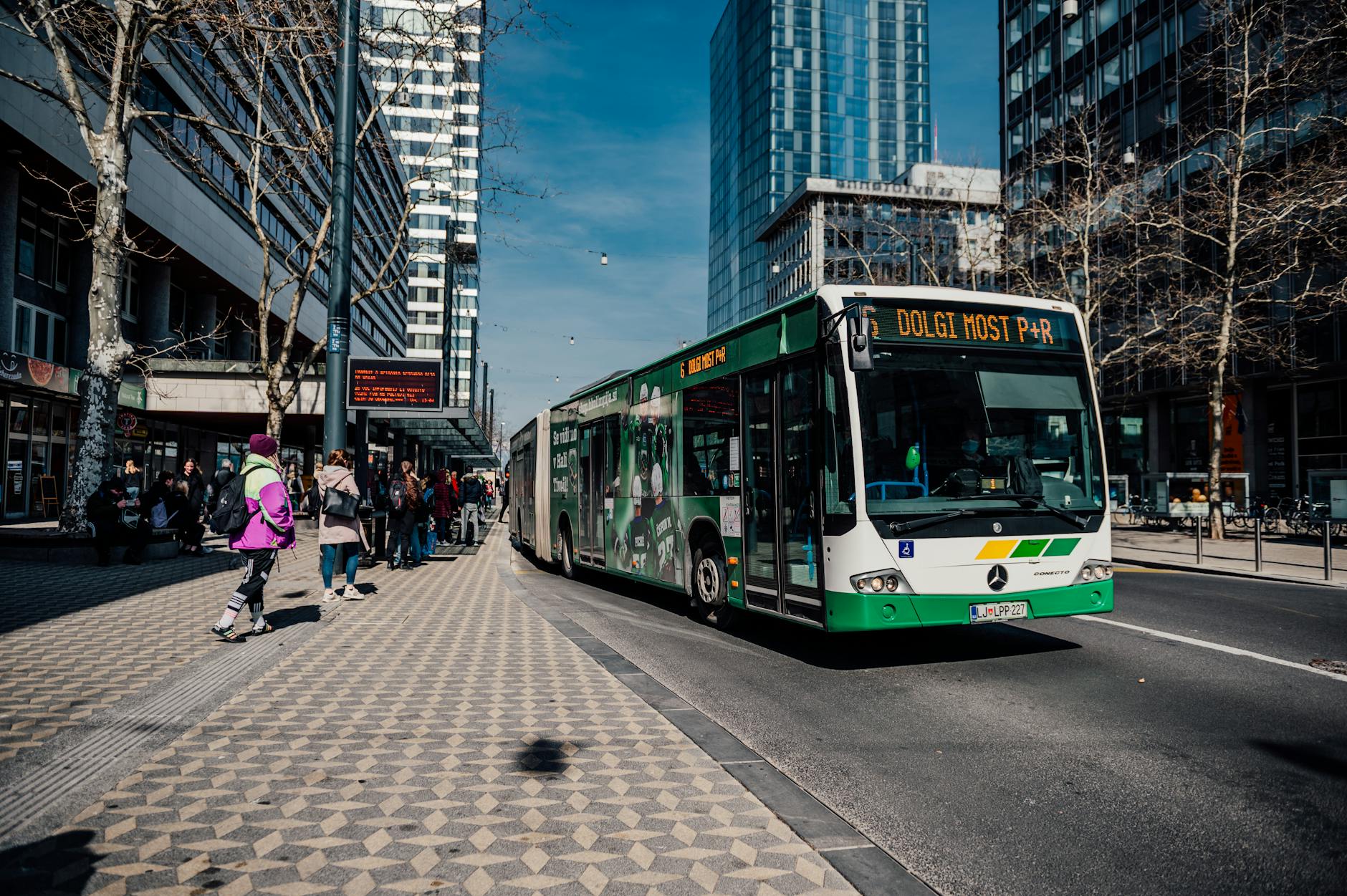
A gyakorlati opció egyensúlyt teremt a hosszú utazási idő és a széles körű fedettség között, valamint az árakkal; egy költségvetésen tartó utazó számára ez a útvonal értéket és elérhetőséget nyújt Nikolszkaja és más látnivalók felé.
Amennyiben egy utazás költsége 60-90 ₽; az utazási idő 60-75 perc, a forgalomtól függően; csúcsidőben 10-25 perc várakozás. Az vonal Nikolszkaja utcát és több közeli látnivalót is kiszolgál, így a továbbjutás vagy kapcsolódás egyszerű.
Hol fogadhatod és hogyan fizethetsz: szállj fel a hivatalos megállóhelyeken a terminál komplexum közelében; fizetheted kontaktalan kártyával, pénzzel a járműben, vagy mobilalkalmazás segítségével; jegyeket vásárolhatsz a terminál körül található automata jegykiadó gépeknél. Gazdaságos utasok számára, nem szükséges magánbérlés, ha nem komfort vagy időpont prioritás, és a szükséges váltót a járműben is megoldhatod.
Akihez illik: Azoknak illik, akik költségvetésen belül akarnak maradni, miközben a fontos kerületek között mozogni akarnak; ez minimalizálja a hosszú várakozási időt a magánszállítmányokban. Azoknak, akik további magánszférát keresnek, létezik egy magánszállítmányi (серебряный) opció, de ez megemeli az árat.
Érkezés után keresse meg a megfelelő kikötőt, kövesse az autóbuszra utaló táblákat, várjon a megjelölt területen, majd szálljon fel; a járat a központi kerületekbe megy és eléri a Nikolszkaja utcát. Onnan maradhat a környéken vagy átszállhat a metróra gyorsabb hozzáférést biztosítva több látnivalóhoz. Ez a választás egyensúlyt tart a költségek és a elérhetőség között, és marad a költségvetéses utazók fő ajánlása.
Miért a városi autóbusz a legolcsóbb módszer Moszkva központjába
Vegyél egy városi buszt; ez a legolcsóbb módszer a főváros központi kerületeinek megközelítésére. Ha rendelkezel egy újratölthető jegyvel, például egy Troika kártyával, minden utazásnál megtakaríthatod a pénzt. Az utazás ára általában 50-60 rubel között mozog; a серебряный билет vagy vállalati bérletek további kedvezményt jelenthetnek. Mindig ellenőrizd az menetrendet az hivatalos weboldalon, és olvasd el a járatok és megállók leírását; így megtakaríthatod, ha a megfelelő vonalat választod, és szükség esetén más közlekedési módot is kombinálsz. A járművezetők rendkívül pontosak, és a járatok rendszeressége hasznosnak teszi a hálózatot a régióban.
- Ár és érték: a egyszeri jegy ára körülbelül 50-60 rubel; Troika vagy más kedvezmények használatával gyakori utazásokkor csökkentheted az árat. Ne bízj csak pénzzel; a kártya használata maximalizálja a megtakarítást.
- Hálózatfedés és menetrend: a hálózat a legtöbb kerületet lefedi; a szolgáltatások a nappali órákban gyakoriak, főbb vonalakon gyakran 6-15 percenként járnak. Ellenőrizze a menetrendet a weboldalon vagy közlekedési oldalakról; az információk a vonalrészekben szerepelnek.
- Kedvezmények és jegyek: Troika, ezüst passes, és vállalati opciók is léteznek; megfelelő tervezéssel egy héten jelentősen megtakaríthat.
- Gyakori tanácsok: ne felejtsd el ellenőrizni; vigyél magadnál a megfelelő kártyát vagy pénzt; ellenőrizd a megállókat és átszállási lehetőségeket; a közlekedési időtartamok a forgalomtól függnek; olvasd el a frissítéseket az hivatalos oldalon.
A költségvetésre figyelő utazók számára a városi busz a legjobb választás a központi terület eléréséhez. Többet takaríthat, ha megtekinti az hivatalos weboldalt, ellenőrzi az menetrendet, és összehasonlítja a vonatokkal vagy repülőkkel hosszabb utazások esetén; a régió városai és kerületei gyakori járatokkal vannak összekötve, így ez az alapvonal az olcsóbb utazások számára.
A repülés Vnukovó repülőtérről: Hol találja a buszmegállót és hogyan léphet be
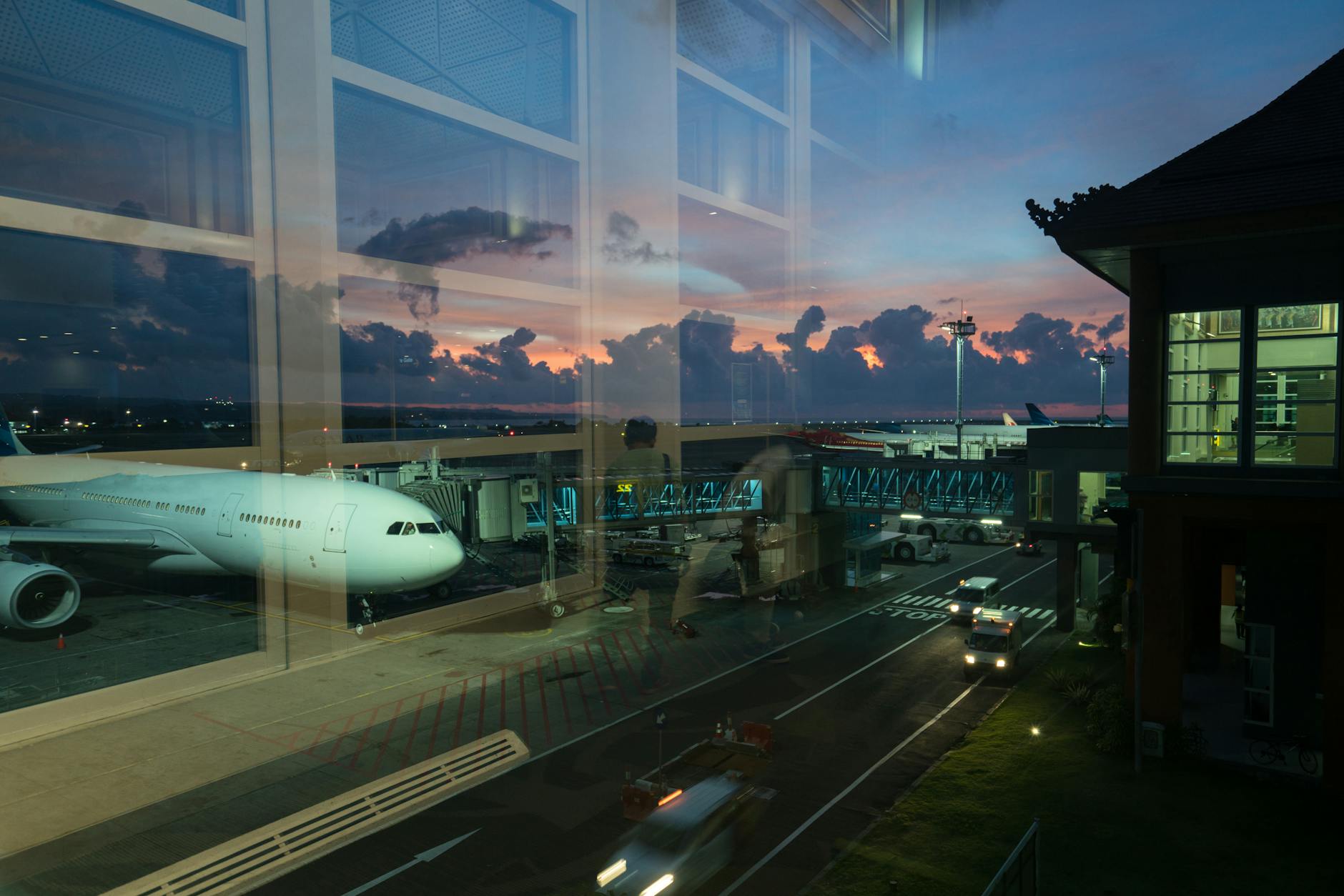
A földszinten, a érkezési terület mögött találja a buszmegállót. A táblák megmutatják a kijáratot és az útvonalat; ez a kialakítás kényelmes a utazóknak. Egy kijárat a tetőszékely alatt vezet a peronra; ha elhibázza azt, egy másik út is elvisz ugyanoda. A kialakítás lehetővé teszi, hogy közvetlenül a központi kerületekbe, valamint több útvonalon keresztül a látnivalókhoz és célpontokhoz juthasson. A jelzés szép, így könnyű a megfelelő busz felismerése egy pillantásból.
Jegyek és költségek: A jegyeket a megálló közelében lévő automata segítségével lehet megvásárolni, vagy a járműben is lehet fizetni; a költségek a távolságtól és a forgalomtól függnek; a belvárosba való átlagos díj 150-350 RUB között mozog. Ellenőrizze a megérkezési táblákat a pontos időpontokért; érkezzen 10-15 perc múlva a indulás előtt, hogy elkerülje a késéseket. A rendszer elfogadja a készpénzt és a kontaktmentes kártyákat. Kényelmet kedvezve egyes szolgáltatások digitális jegyet kérek meg. taxileadernet
A felszállás és belépés: lépjen be az előcsarnok bejáratán; mutasson egy érvényes jegyet vagy bérletet; a sofőrök megerősíthetik az útvonal nevét és a célállomásokat; a buszok egy meghatározott kijáróban várják a utasokat, ahol világosan láthatóak a vonalszámok; gyorsan felszállnak; a várakozás rövid, ha korán sorba áll. A folyamat egyszerű, és a személyzet segít, ha eltévesztette a kezdeti irányjelzéseket.
Moszkva metróhoz való kapcsolatok: több útvonal is közel ér véget egy metrócsomóponthoz, ami gyors utat biztosít a belvárosba; ez az opció ideális azoknak, akik meg akarnak spórolni a taxiidőre. Ha gyorsabb megoldást keres, vegye figyelembe egy közvetlen szolgáltatást egy központi átszállóponthoz. Az árösszehasonlítások és menetrendmódosítások érdekében nézze meg a taxileadernet oldalt; ez mutatja a tanácsokat és az átlagos költségeket különböző időpontokban. Többféle célpontot érnek meg és kapcsolódnak a moszkvai metróvonalakhoz. A LED táblákon látható információk segítik, hogy a megfelelő vonalat válassza ki késés nélkül.
A Sheremetyevo repülőtérhez hasonlóan, itt is gyakrabban indulnak járatok, és az átlagos költségek is alacsonyabbak lehetnek, a forgalomtól függően, míg az utazási idő az útvonalak szerint változik. A csúcsidőben történő érkezés megváltoztathatja a várakozási időt, ezért érdemes figyelni a táblákat és előre tervezni.
Jegyek vásárlási lehetőségek: pénznem, automata, és bérletek
Tipp: használjon újratölthető utazási bérletet, hogy minden kilepéskor maximális kényelmet élvezzen és hosszabb sorokat kerüljen meg; egy tapogatás több szakaszt is lefed és segít gyorsan áthaladni a központi hálózaton.
Pénzes opció: fizethess a teljes díjat a pultokon vagy önkiszolgáló terminálokon; elérhető a legtöbb csomópontban, de csúcsidőben hosszú sorok alakulhatnak ki. Várható díj: 60-65 rubel egy átlagos utazásért; ha lehet, vigyél pontosan meg a pénzt, és tartsd meg a számlát, ha utána ellenőrzésre vagy kiegészítésre kerül. Tartsd biztonságos helyen a pénzedet.
Gépek: az önkiszolgáló automatak bankkártyát és kontaktmentes fizetést fogadnak; itt töltheti fel a bérletet vagy vehet egy egyéni jegyet. Ha nyelvi lehetőségekre van szüksége, válassza az angol nyelvet; sok eszköz kijelzőjén elérhető a wi-fi, hogy ellenőrizze a egyenleget és az utolsó tranzakciókat. Amikor feltölt, az új egyenleg azonnal megjelenik a képernyőn. A jelzés gyorsan eléri a központi zónákat és a lehetőség kényelmes késő esti utazásokhoz. Ha szüksége van rá, választhat magán- vagy közös (megosztott) bérleteket.
Passzok: gyakori utazások esetén megtakarítást nyújthatnak; a kínálat tartalmaz többnapos és heti formátumokat. Például a kazanyi és más ázsiai városok hasonló passzokat használnak; a passzok működnek a moszkvai központi kerületek vonalain, és ugyanaz a kártya használható óránkénti útvonalakon vasúti és közúti járatokhoz. Az előny az, hogy a gyakori használat esetén olcsóbb az egyéni járat, és a rendszer támogatja a vasúti és közúti járatokat városi és elővárosi útvonalakon. Magánopciók közé tartozhat egy sofőrszolgálat is. Azonban nincs garantált visszajáró a vásárlás után; ha bizonytalan, kezdjen egy rövidebb időtartamú passzal és tesztelje az egyenleget. Ez az eljárás általános a légitársaságok és közlekedési hálózatok között, és segítség elérhető figyelmeztető üzenetek és ügyfélszolgálat útján.
| Kategória | Elérhetőség | Legjobb használat | Átlagos ár / érték |
|---|---|---|---|
| Cash | Fülkék és automatak rendelkezésre állnak | Egyéni utazások; azonnal hozzáférés | 60-65 RUB utazás (kb.) |
| Gépek | Állomások bejáratainál széles körben elterjedt | Jegyeket töltse fel; vásároljon egyszeri jegyeket | Ugyanaz az ár, mint a készpénzzel; bankkártya díjak lehetnek. |
| Passes | Újratölthető kártyák; a regionális elérhetőség eltérhet | Többszörös utazás; a leggyorsabb megoldás gyakori utazáshoz | Tartamalapú; nagyobb használattal olcsóbb az utazás. |
Időpont és megbízhatóság: Utazási idő napidél szerint
Éjszakai Aeroexpress a központi pályaudvar területére a legmegbízhatóbb időbeosztás és a legkisebb késésveszély miatt. Mintegy 30-40 percenként indul; az utazás a csomópontig 35-45 perces, majd egy rövid metróátmenet (a Troika-kártya működik) hozzáad még 10-20 percet a belvárosi magba való eljutáshoz. Ez a választás olcsó és kényelmes, egy átmenettel, ami a útvonalat egyszerűvé teszi. A terv vonat és metró szakaszt is tartalmaz, így ellenőrizd az időbeosztást az alkalmazásokkal és bízj rájuk; ezt az ajánlatot számos hazai utazó dicsérte, és jól működött az utóbbi években. A szolgáltatás, amely az urbanizált terület déli részén található, erős első lépésnek bizonyul, a pálya alapú időbeosztással, ami segít a lépések időzítésében és a felesleges várakozás elkerülésében. Röviden, az éjszakai választás megbízható időbeosztást, egy korridor körül, és könnyen ellenőrizhető.
Reggeli órákban (04:30-09:00) stabil menetrend van; a vonatok gyakoriak, a forgalom pedig ritka, így bár autóval is lehet utazni, de gyakran lassabb, mint a vonattal. Az átlagos vonatút a központba 40-55 percet vesz igénybe, plusz 10-15 perc metróval. Ha extra magánszobát szeretne, több szállító is kínálja a premium transzfer szolgáltatást; ez a lehetőség kimerült utazóknak is előnyös. A rendszer a város központjától délre található és jól működik, a Troika érvényes a metrószakaszokra. Ellenőrizze, hogy a alkalmazások mit mutatnak, és tervezzen előre, beépítve őket a rutinjába.
Nappali (09:00-16:00) időben a vasút gyorsabb: 35-50 perc a főpályaudvarra, majd rövid metróút. Autóval 60-90 perc lehet a forgalom miatt. Több útvonallal is megközelíthető; nézd meg, mit mutatnak az applikációk élő frissítésekkel és követd a pontos időpontokat. Az egyetlen átszállási útvonal megbízható, és rögzített áron autóval is lehetséges, de a vasút gyakran olcsóbb marad.
Este délutáni csúcsidőszak (16:00-19:00) forgalmi késéseket okoz; az autóval való közlekedés időtartama 60-90 perc között változik, a útvonal függvényében. A vasúti járatok gyakoriak, 15-30 perces követéssel; ez a közlekedési mintázat előnyös a megbízhatóság szempontjából. Ha extra kényelmet kíván, egy premium autószolgálat biztosít közvetlen utat, átállás nélkül; ez a vacsora időpontjában is lehetséges, de drágább. Egyébként a vasút marad a legmegfelelőbb választás.
Éjszakai órákban (21:00 után) kevesebb járat közlekedik, de a megmaradt szolgáltatások stabilak maradnak; várjon 30-60 percet a vasúti szakaszra és 10-20 percet a metrószakaszra. Ellenőrizze a legfrissebb időpontokat az alkalmazásokban; ha a közlekedésben született, a Troika-kártyával működő hálózat marad a legjobb választás. Az egyszerűségre törekvő utasok számára rövid autóút is lehetséges, és olcsó hazai opciók is elérhetők. A pálya és a csomópont körül számos vonallal kapcsolódik, így a bejelentkezések gyorsak és egyszerűek. A hazai repülőjáratok is lehetőségként szolgálhatnak, de a repülőutak általában hosszabbak a vasúti szakasznál; a repülés megfontolása ritkán előnyös. A Troika-kártya itt továbbra is működik és csökkenti a átállások nehézségeit.
Poggyász, ülőhelyek és biztonsági tanácsok városi buszútra
Ajánlott, hogy töltsd fel a troika kártyád a terminál gépeken, és taposd be a belépéskor; így egy korlátozott, előre meghatározott díjat fizetsz, ami csökkenti a várakozás időtartamát és segít a navigálásban ide. A kártya számos állomáson található meg a fővárosi régióban, biztosítva simább átszállást és rövidebb várakozásokat a forgalmas vonalakon.
Poggyász: legfeljebb két tárgyat vihet magával; a nagyobb táskákat csak a poggyászteremben vagy a ajtók közelében rakhatja le, ha van hely, különben tartsa a térdén vagy a szék alatt. A nagyobb állomásokon rövid ideig tartó tárolók és poggyászrácsok állnak rendelkezésre; mindig tartsa szem előtt az értékes tárgyakat és kerülje az ajtók elzárását. Ha szűk a hely, várjon a következő indulásra; számos vonallal rendelkezik, így a lehető legrövidebb várakozási időt választhatja.
Ülőhelyek: a gyorsabb kiszállás érdekében a középső ülőhelyeket részesítsék előnyben, és kerüljék a ajtók közelében történő tömörülést; az idősebb utasok és a mozgássérültek számára biztosítsanak előnybevételi lehetőséget; a csomagokat a lábuknál vagy a karjukon tartsák, hogy ne akadályozzák a járást. Egyes buszokon Wi-Fi áll rendelkezésre, így kapcsolatot tud tartani, miközben navigál; az LED képernyők a következő állomásokat és gyakori bejelentéseket mutatják.
Biztonság és átutazás: tartsa meg a fogantyúkat, rögzítsen a laza tárgyakat, és ne támaszkodjon az ajtókra. Egyéni leszállítást igénybe vevő utasok számára a gettransfer használható, ahol elérhető. Az órák és költségek a vonalak szerint változnak; a legfrissebb adatokért forduljon a pályaudvarokhoz. Néhány kazanyi alapú útvonal, amely regionális csomópontokat szolgál ki, előnyöket kínál, mint rövidebb várakozás és egyszerűbb navigáció; ezek a lehetőségek érdemesek figyelmére, hogy minimalizálja a várakozás időtartamát.
forrás: a közlekedési szolgálat hivatalos adatai


