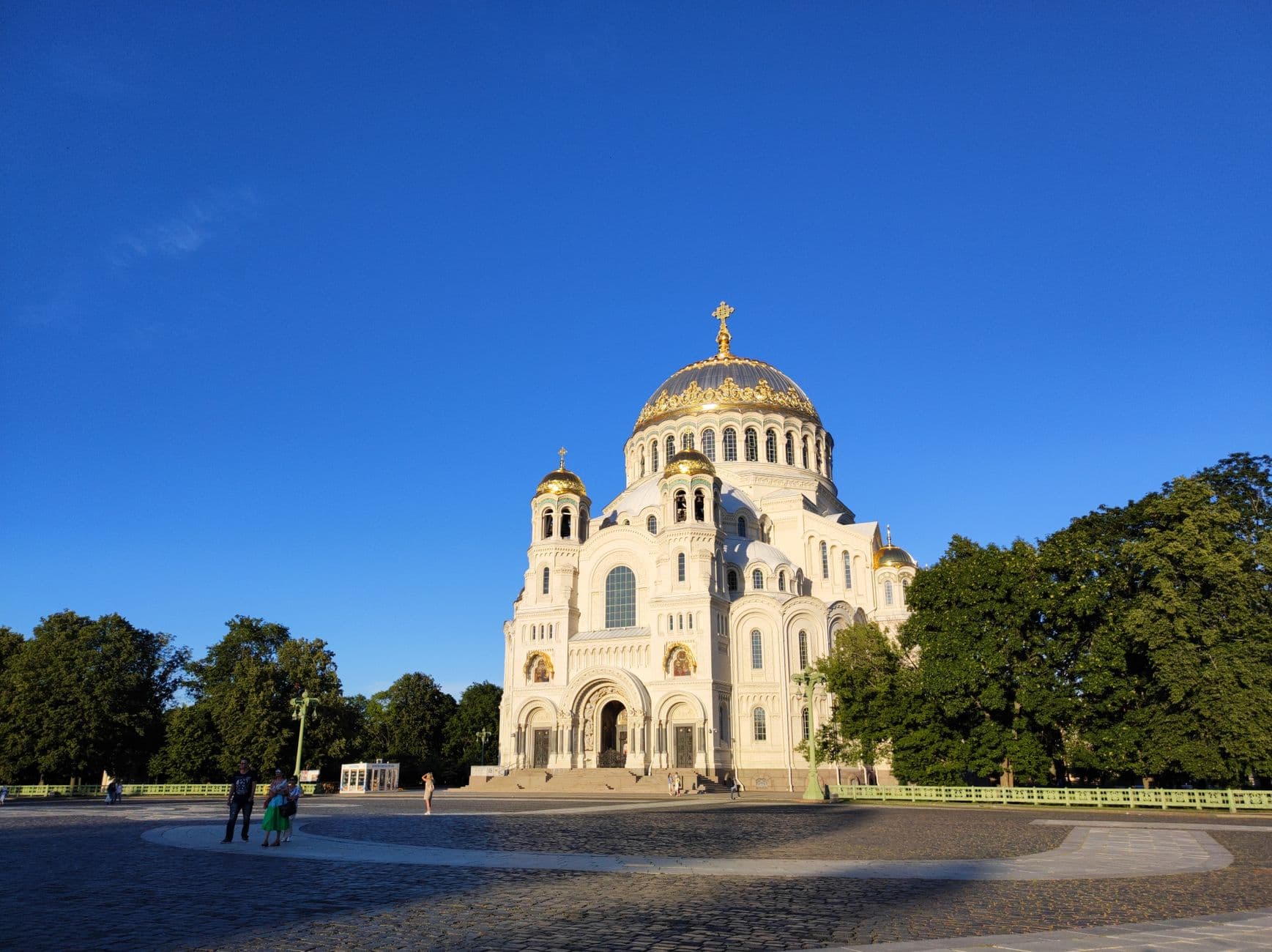
Ajánlott egy hónapos utat tervezni, amely vasúti járatokra épül, kényelmes, tágas csomópontvárosok között, reggeli bejuttatással rendelkező szálláshelyekkel. Ez megközelítőleg előreható napi rutint biztosít, miközben felfedezheti a fő látnivalókat; foglaljon egy éjszakát a Bolsoj közelében egy ikonikus élményért.
A városok között távolsági taxitúrák helyett vonatokat válasszon, így kevesebb időt és pénzt takarít meg. Csúcsidőszakban előre foglaljon, hogy a legolcsóbb jegyeket és rugalmas változtatási lehetőségeket biztosítsa; megfelel-e ez a tervének? Fontoljon meg egy többvárosos bérletet, ha elérhető.
Mi a következő lépés? A kérdések közé tartozik, hogy milyen a napi ritmusod, hol szállhatsz a metró közelében, és mennyit tervezsz múzeumlátogatásra. Ez a terv megfelelőnek tűnik? Kérdezd meg a koncierget a városi bérletekről, a múzeumbejárati díjakról, és arról, hogy a hangosvezetők benne vannak-e; térképezd fel egy tipikus napot, amely a legjobb látnivalókat, kényelmes ebédlelékeket és egy fix reggeli helyszínt kapcsol össze.
Szállásstratégia: válasszon opciókat, amelyek reggelit és vacsora lehetőséget kínálnak; célzó a legolcsóbb hiteles alapokra jó negyedekben; ez csökkenti a naponta kiadott összeget, megtartva a kényelmet. Egy telített naphoz párosítson egy tápláló reggelit egy helyi kávézóban való ebéddel és egy közepes árú bisztróban vacsorával, hogy maximalizálja az értéket.
A nagyvárosok között, kategóriánként értékelje a jellemző kiadások mértékét: szállás, étkezés, közlekedés. Egy mintamonthon alapuló becslés segít megtervezni, mit tegyen, mit kérdezzen meg, hol szálljon meg, mit nézzen meg, és mikor foglalja le a belépőket és vonatokat, hogy maximalizálja az értéket.
Utazási költségek Oroszországban: Olcsó-e vagy drága?
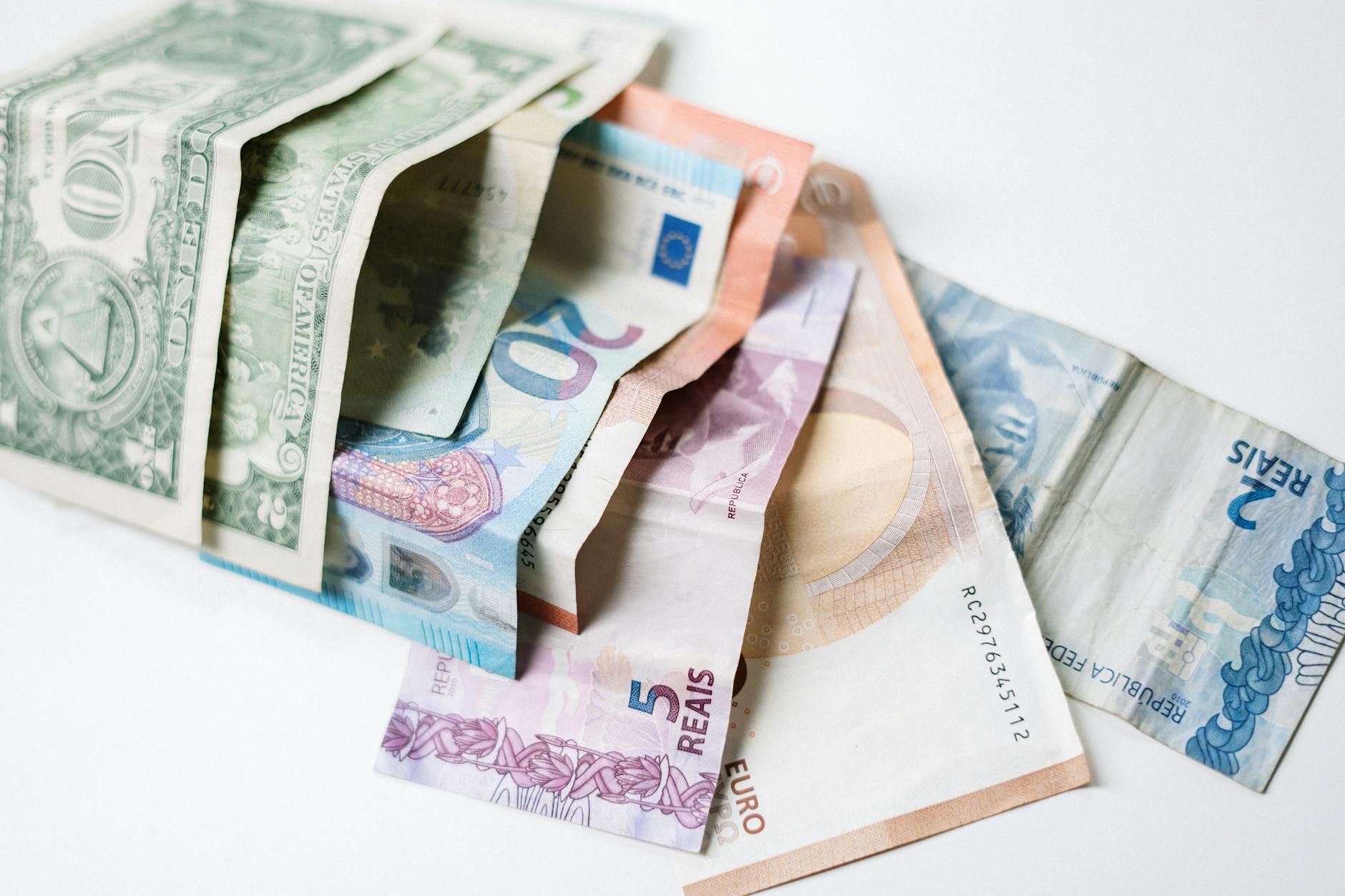
2000-4000 RUB naponta ajánlott a legkisebb fővárosban a csúcsidőszakon kívül, egyedülálló szobával és hagyományos piacokon vásárolt étkezéssel; a legtöbb kapcsolatot a metróval oldja meg, és ha lehet, előre vásároljon jegyet, hogy időt takarítson meg.
A gyakorlatban a legnagyobb megtakarítások egy olcsó szállás, költséghatékony étkezés és hatékony közlekedés keverékéből származnak. Csúcsidőszakban a központi szobák árai magasabbak; a csúcsidőszakon kívüli hónapokban 30-40%-kal csökkentheti a naponta befektetett összeget, ha a központtól távolabb lévő szálláshelyeket választ és költséghatékony tervet követ. Egy tipikus hét olcsó étkezésből, néhány múzeumlátogatásból egyéni jegyekkel, és helyi közlekedésből áll, mindent úgy tervezve, hogy a felesleges taxiköltségeket minimalizálja.
- Szállás: egyágyas szobák olcsó vendéglőházakban vagy szobafogadóban, de nem a központban, a csúcsidőszakon 2000-4000 RUB/éjszaka lehet; magánszobák a belvárosban elérik a 4000-6000 RUB-t. A költséghatékonyság érdekében keressen helyeket reggelivel és hagyományos hangulatú helyeket.
- Ételek és italok: a piacok és a egyszerű éttermek ételárak 250-500 RUB/darab, egy liter tej 60-100 RUB, egy kávé pedig 150-200 RUB. A naponta 700-1,200 RUB-t célozzon el az élelmiszerre, és tartson valamennyi pénzt az utcai snacksre.
- Közös közlekedés: a metrójegy ára 60-65 RUB; a taxik induló díja 100-150 RUB, utána kilométerenként számolnak; hosszabb utazásokra vonatok és távolsági buszok ajánlottak. Használjon napidíjtételt (napidíjtételt) a költségek stabilizálásához.
- Jegyek és helyszínek: a múzeumok vagy galériák egybejárati belépőjegyének ára általában 300-700 RUB; koncertek vagy különkiállítások gyakran 1000-2500 RUB. Online foglaláskor, ha érvényes kedvezmény van.
- Útikalauzok és kirándulások: a csoportos túrák ára 1.000-2.500 RUB főnként; magánútonkalauzok 3.000 RUB-tól felfelé. A legtöbb napra jól működnek az önálló útvonalak, amiket hivatalos portálok biztosítanak megbízható útikalauzokkal.
- Piacok és bevásárlás: a piacokon friss gyümölcs, kenyér és készételek kaphatók olcsóbb áron, mint a turisták által látogatott területeken. Összehasonlítsa a kioszkokat, és válasszon áttetszően megjelölt árakkal ellátott termékeket, hogy ne legyen kellemetesség; ez a módszer hónapok óta működik.
- Siklók és felvonók: a üdülőhelyeken vagy látnivalókkal teli hegyekben egy irányú siklóút utazás 300-700 RUB lehet; napijegyek csökkenthetik az utazás költségeit, ha többször is használni akarod.
- Évszakok és tervezés: az egész évben utazhat, de a legmelegebb hónapokban a legnagyobb a tömeg és a szállásárak is magasabbak, míg az ősz végén és a tavasszal elején gyakran a legjobb ajánlatokat találhatjuk. Ha sok múzeumot látogat, keressen városi bérleteket vagy jegyeket, és ellenőrizze érvényességüket a vásárlás előtt.
Azon ázsiai bloggerek gyakorlati tanácsai szerint egy szilárd, naponta korlátozott költségvetés és egy központi helyszín választása hosszabb tartamra - lehetővé teszi a főváros látnivalóinak felfedezését anélkül, hogy túlzottan költenénk. A legtöbb orosz kedveli a piacokat friss ételekért, reggeli rutinként, és a városrészek könnyű összeköttetése miatt. Reggelente általában kedvezőbb árakat találhat a közlekedésben és a népszerű látnivalókon, ezért tervezze meg előre a napját, és kerülje el a nyári csúcsidőszakban a legmelegebb órákat. Ez az eljárás már évek óta sikeresen működik sok utazó számára.
Alapvetően egy tisztán meghatározott költségvetéssel és hagyományos piacok könnyed hozzáférésével élvezheti a széles körű élménytartományt, még akkor is, ha több várost is meg akar látni egy évben. Ha egy kompaktnak szánt menetrendet preferál, kezdje el egy hetes tervvel, amely a fővárosra koncentrál, majd bővítsen ki a közeli városokra olcsó vonatokkal vagy busszal, hogy maximalizálja az értéket, miközben a ország kulturális örökségét fedezi fel.
Városi költségvetés felbontás: Moszkva, Szentpétervár és a regionális városok
Alapítsd meg a tartósan olcsóbb területeken, és használj vasútit a napjáratú kirándulásokhoz, majd értékes étkezési lehetőségeket válassz a kávézókban és a Sandunyban, hogy ízletes egyensúlyt érj el. Fogadja el a szálláshelyeket a központtól távolabbi részeken, hogy csökkentse a naponta felmerülő költségeket, és vásároljon tejtermékeket és kenyért a helyi üzletekben, hogy a rendszeres étkezéseket fedezze. Oroszország két legnagyobb központjában, Moszkvában és Szentpéterváron, nagy a különbség a központ és a külső területek árai között, ezért tervezzen olyan specifikus negyedeket a látogatáshoz, amelyek a turisták körén kívül esnek, hogy hiteles és megfizethető élményt éljen meg.
Moszkvában naponta körülbelül 4000-7500 rubelt tervezzen ki, a szálláshely választás függvényében. Válasszon költségvetésbarát szálláshelyeket a külső területeken vagy hosteleket a város övezetében; itt egy szoba ára körülbelül 3500-5500 rubel/éjszaka. Az étkezésre naponta 1200-2000 rubelt célozzon, keverve kávézókat egyszerű, ízletes étkezéssel, mint gombás étel vagy saláták; vásárolhat gyalogos kenyér és tejtermékeket a piacokon, hogy megfosszák a költségvetést. Az utazás a metróval költséghatékony, egy irányú jegy körülbelül 60 rubel, naponta pedig körülbelül 250 rubel. A múzeumok és a túrák jegyárak általában 400-1200 rubel között mozognak, bizonyos napokon ingyenes lehetőségek is vannak; válasszon meghatározott útvonalakat, hogy csökkentse a visszajárásokat; ajánlataik a körülmények függvényében változnak.
Szentpétervárban naponta kissé kevesebbet költhet: szállás 2,900-5,000 rubel; étkezés 1,100-1,800; közlekedés Moszkvához hasonló; múzeumjegyek 350-1,000 rubel. Gazdaságos menetrendhez maradjon a Vasziljevszkij-szigeti vagy Admiralitászkij kerületekben, és használjon olcsóbb, helyi lehetőségeket. Ízletes, hagyományos étel után keressen egyszerű kávézókat, helyi éttermeket (cans) és szendvicsközpontokat, amelyek a költségeket előrejelezhetik. Az egyirányú vonatjegy a fővárosok és a közeli városok között olcsó lehet, ha előre foglalja, és egy napot egy ingyenes sétával a folyónál és pár múzeumlátogatással lehet megtervezni, ahol bizonyos napokon vezetett túrákat is kínálnak.
A régiók kisebb városai a legjobb ár-érték arányt nyújthatják. A szállás ára 1,800-3,500 rubel között mozog; az étkezés 800-1,400 rubel; a városközpontok közötti közlekedés gyakran olcsó, alacsony áron egyirányú vasúti jegyekkel. A helyi piacok és az útszéli kávézók a legkönnyebb és legköltséghatékonyabb étkezési lehetőséget kínálják. Keressük meg azokat a helyeket, ahol a helyiek étkeznek, és ne a nagy turistacafékat - a költségkülönbség valódi. Egy napot egy ingyenes városi sétával, egy helyi parkkal és egy könnyű ebéddel, amely rozskenyérből és tejtermékekből áll, lehet megtervezni; elegáns élményt élvezhetünk anélkül, hogy túlzottan költenénk.
Gyors ellenőrzési lista: írd meg leveléd a jövőbeli magadnak, állítsd be a naponta célba vett költségvetésed, követd a költségeket egy egyszerű naplóban, és igazítsd utána; ellenőrizd, hogy a regionális vasúti jegyek naponta korlátozzák-e a költségeket; majd válassz olyan opciókat, amelyek minimalizálják a visszameneteket és maximalizálják az időt a helyiekkel és hagyományaikkal. Az időjárás, a kérés, és a központi elhelyezkedés határozza meg, mit kínálnak, ezért tervezd előre és tartsd egyszerűen a rutinedet, különösen a csúcsidőszakokban.
Smart Booking: Mikor foglaljunk és hol találunk olcsó szálláslehetőségeket
Azonosítsd meg a 6-8 hetet előre a hazai városi tartózkodásokhoz és a 2-3 hónapot a nagy keresletű nemzetközi útvonalakhoz; állítsd be az árfigyelmeket és hasonlítsd össze a közvetlen oldalak és az aggregátorok között. Ez különösen hatékony az év bizonyos időszakokban, amikor a kínálat ingadozik, így lehetőséged van a szabad szobák felfedezésére és a költségvetésed megőrzésére. Ha a múlt évben csúcsidőszakban jártál, most cselekedj, hogy alacsonyabb árakat biztosítsd magadnak.
A szállás foglalásakor különböző csatornákat kell figyelembe venni: hivatalos ingatlanoldalakat, megbízható foglalási platformokat és olyan szűkös oldalakat, amelyek hazai vagy külföldi látogatók számára készülnek. Mindig ellenőrizd a frissített elérhetőséget naponta. Az időtakarékosság a hétköznapi szállásfoglalásból származik. A megfontolásodat részletes jegyzetekkel kell megvilágítani, hogy összehasonlíthassad a lehetőségeket, és ez magában foglalja egy gyors ellenőrzést a tisztaság és a vélemények tekintetében. Városi utazások esetén egy városi jegy lehetővé teszi a közlekedés és a múzeumok látogatását, így szabadon rendelkezésre áll a szállás költségekre. Ha már korábban jártál egy városban, használd azt az élményt, hogy finomítsd a figyelmeztetéseidet és kerülj el olyan helyeket, amelyek korlátozott visszamondási lehetőségekkel rendelkeznek. A lehetőségek áttekintése segít a döntésod finomításában.
Gyors, rugalmas kirándulásokhoz ajánlott a belváros közeli, de nem a fő turistaövezetben lévő negyedekben szállásolni; így gyorsan módosíthatod a terveket, és mégis jó lehetőségekre találsz. Egy francia hétvégére nézd meg, hogy a helyszínen elérhető alkoholos italok között van-e konyak vagy borlisták, de a fő hangsúly a szállásra esik. A házigazdákkal vagy ingatlankezelőkkel való kommunikáció során derülhet ki későbbi bejelentkezési lehetőség és potenciális extrak. Ellenőrizd a pohárkészletet és a felszereltséget is, hogy egy kényelmes tartózkodást biztosítson a kompakt szobában, ami növelheti az ár-érték arányt.
A következőket jegyezd fel a dátumok és időpontokkal, amikor meglátogatod a piacokat és a múzeumokat, beleértve, hogy éttermekben vagy éjszakai szórakozásban vesz részt a negyedekben (tejtermékek, kenyér, káposzta stb. lehetnek a költségvetéses étkezésben). Használd ezt a felosztások kezeléséhez és a valósággal való egyeztetéshez.
| Jelenleg nem rendelkezem a szükséges információkkal a szöveg pontos fordításához. Kérlek, adj meg egy szöveget, amit magyarra fordíthatok, és követem a megadott szabályokat. | Legjobb foglalási időszak | Éjszakai átlagdíj (USD) | Notes |
|---|---|---|---|
| Belföldi városi szünet (2-4 nap) | 14-28 nap előtt | 60-110 | Hétköznapi tartózkodások gyakran több helyet kínálnak; a hazai utazók esetleg kedvezményezettebb árakat találhatnak. |
| Nemzetközi városhopp (4-7 nap) | 60-90 nap előtt | 90-180 | Városi passzok kombinálhatók; rugalmas dátumok. |
| Hétvégi kiruha (2 nap) | 21-40 nap előtt | 75-140 | Keress olyan különleges negyedeket, amelyek könnyen megközelíthetőek a tömegközlekedéssel. |