Látogasson el az Ostankinói Toronyhoz, ahol a Moszkva egyedülálló kilátásait élvezheti. A legjobb élményt érdekében előre jegyet foglaljon és érjen korán; a kilátóterasz a városról széles körű látványt nyújt, amely megörül a turistáknak és a családoknak egyaránt. A szerkezet egy építész által vezetett megközelítést testesít meg monumentális méretekben, ami az egyik legismertebb látványosságává teszi a várost.
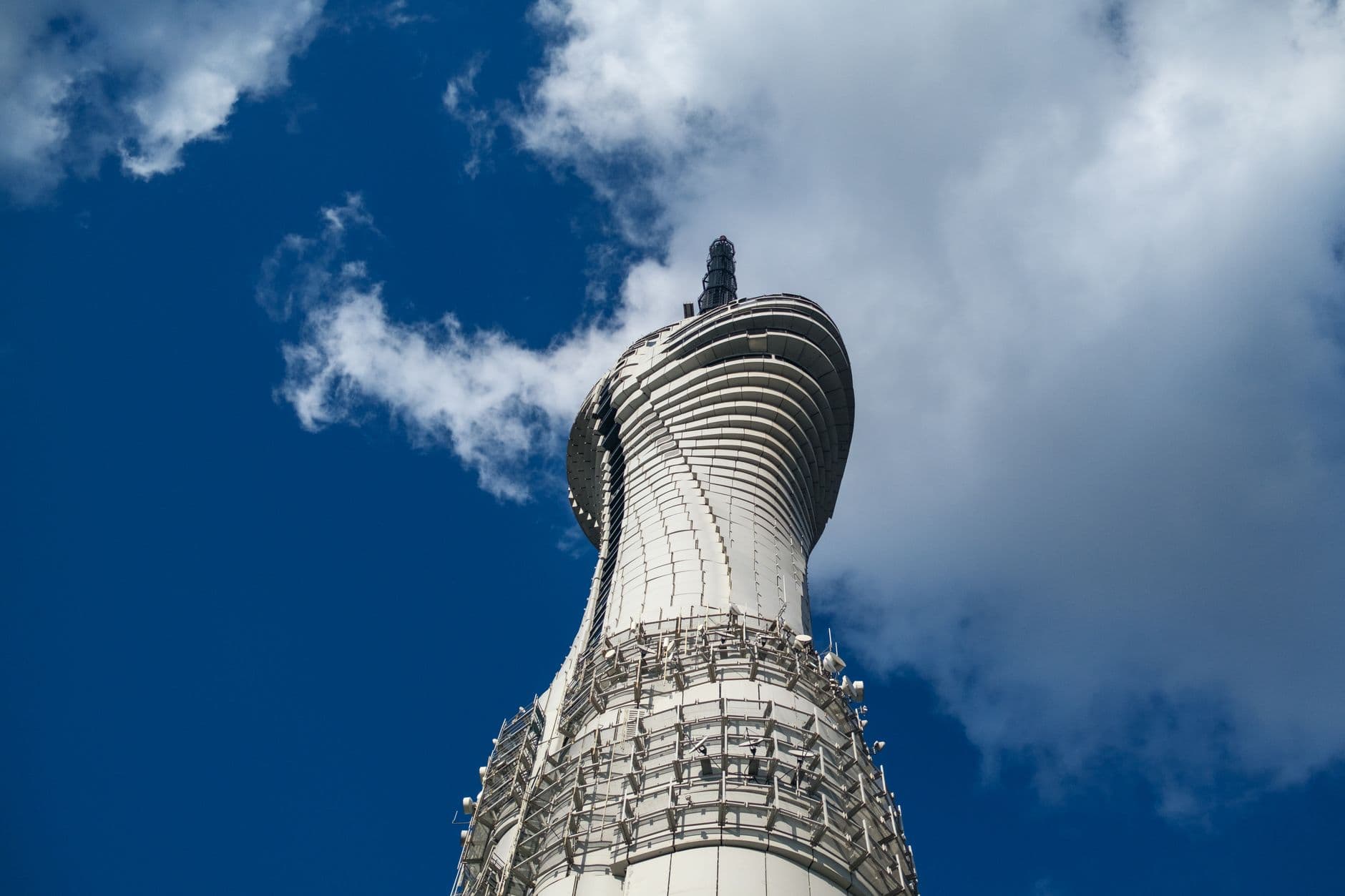
A magasság 540 méter, ami az Osztankinó toronyból egy monumentális 20. századi alkotást tesz, amely továbbra is Oroszország legmagasabb épülete. A moszkvai sugárzási hálózat legszembetűnőbb része, és egy kulcsfontosságú nézőpont a fővárosra felülről. A torony aktív sugárzási szerepet tölt be, míg a kiállításai a rádió és a televízió történetét mesélik el, a látogatóknak egy érzékelhető benyomást adva a karbantartási rutinokról, amelyek évről évre biztosítják a létesítmény biztonságos és működőképes állapotát.
A látogatás során nem csak a magasság a fő vonzerő. A kiállítások a sugárzás történelmet, technológiáját és a torony hatását Moszkva médiapiacán mutatják be. Megismerkedhetsz a fotózás gyakorlati tippeivel és a legjobb fényképezési szögökkel, míg az alsó szinten gyermekbarát kiállítások várják a családokat és az első alkalommal látogatókat. A felső szinten egy kis kávézó gyors frissülést biztosít, anélkül, hogy késedelmet okozna a feljutásban.
A legjobb eredmény érdekében ellenőrizze az hivatalos nyitvatartási időket és az időjárás előrejelzéseit - a tiszta napok élesebb városi sziluettet és gazdagabb naplemente színeket eredményeznek. Érkezzen 20-30 perc múlva a megadott időpont előtt, hogy átmenjen a biztonsági ellenőrzésen és időben érjen a lifthez, és tartsa kész a kamerákat, ugyanakkor tartsa be a terasz korlátozásait. Ez a megálló a turisták és a város lakóinak kedvence, állandó látogatók forgalma van a karbantartási szezon alatt, és rendszeres koncertbarát események a környéken.
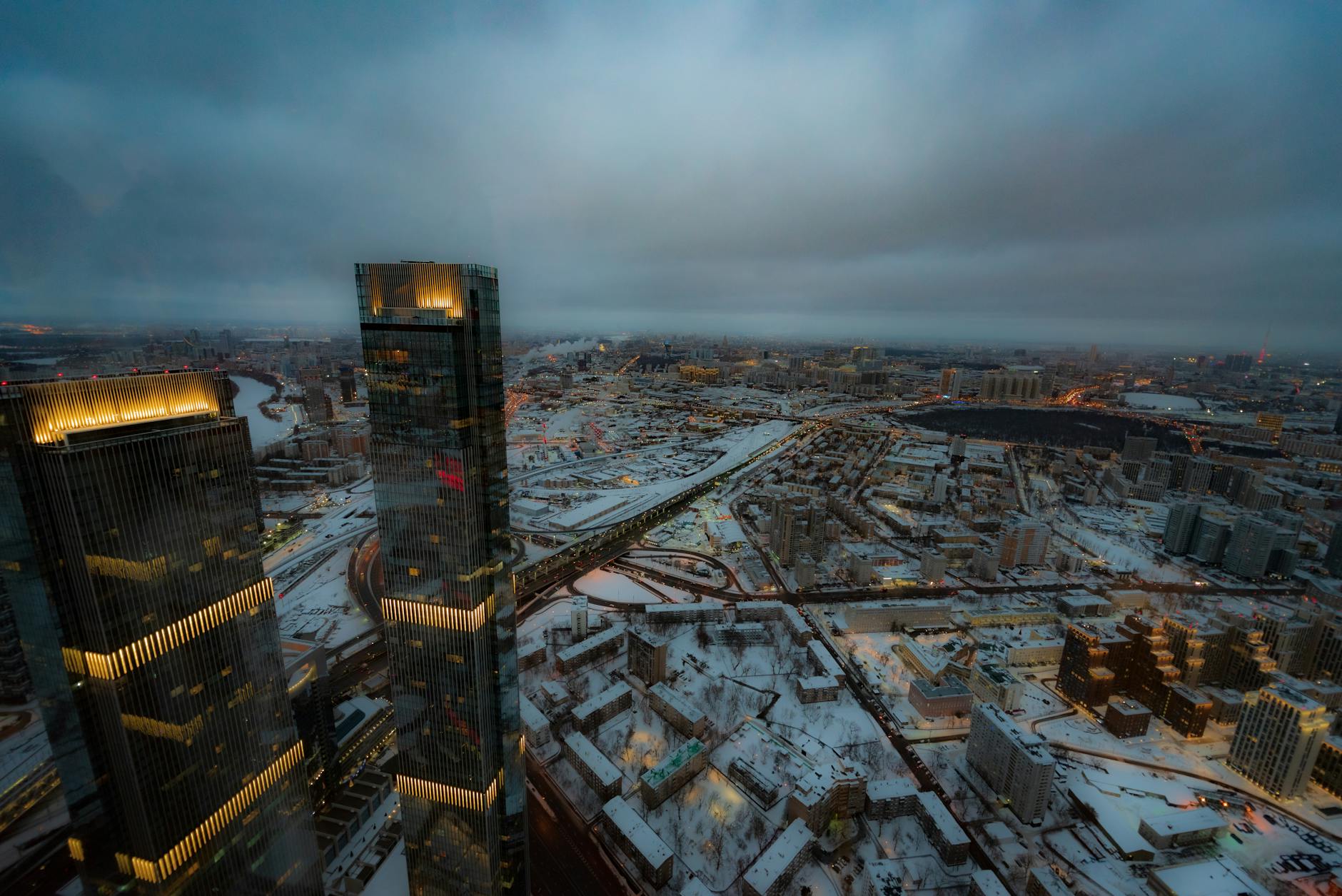
Esténked a városi látvány egy élő panoráma: a folyó kanyarog, a Hét Testvér torony a horizonton emelkedik, és a városi fények egy csendes színkoncertet alakítanak az utcák felett. Az Osztankinó torony a moszkvai rádió- és televíziótörténet gyakorlati kapuja, egy monumentális szimbólum, amely még mindig vonzza a kíváncsiak figyelmét, akik közelebb akarnak látni Oroszország médiavállalati infrastruktúrájához. Ha hosszabb időt tervez a városban, vegye össze a látogatást a közeli parkokkal és múzeumokkal, hogy meghosszabbítsa a napot a város felfedezésével és olyan látványokkal, amelyek sokáig maradnak az emlékezetben.
Oszankinó-torony, Moszkva: Látogatók útikönyve
Vásároljon jegyeket online, hogy biztosítsa a helyét és kerülje ki a sorokat. Egy különleges sétatúra vezet az kilátóhoz, és érdemes a látogatást úgy tervezni, hogy teljes élményt éljen.
Az Ostankinói-dombon, Moszkva Ostankinó-i kerületében álló torony Oroszország legmagasabb építménye és a modern sugárzás jelképes építménye. A torony a közeli Ostankinói sugárzóközpont mellett helyezkedik el, ezzel megerősítve szerepét a város médiahálózatában. A tervezés a tornyot jelként emeli ki.
Az építkezés 1963-ban kezdődött, és a projektet az orosz Nikolai Nikitin építész irányította.
A nagy teljesítményű adóállomásai a nemzeti televízió és rádió műsorszóró központjává tették az Ostankinót Moszkva sugárzási üzletében. Az adóállomások teljesítményének értékszáma meghatározta a nemzeti médiának a hatóköre.
A torony belseje acélrácsos szerkezetet, pontos liftet és pánorámaablakokat tartalmaz, amelyek keretbe foglalják a várost. A lift másodperc alatt mozog. A belépőjegy tartalmazza a kilátóterasz látogatását; a helyszínhez tartozik egy kávézó és egy kis bolt is.
A kilátószintről Moszkva széles pánorámája nyílik; tiszta napokon Kolomenszkoje is látszik a horizonton. Az utolsó fényben az épületek narancssárgákká váltak, a folyó pedig csillog.
Valószínűleg a legalkalmasabb időpontok a hétköznapi késő délutánok, amikor a tömeg csökken és a fény enyhül.
Ez az élmény emlékeket hagy a orosz fővárosról, amit felülről láttunk.
kokoshkinglobal szervezhet egy magánkörútot, ha több állomásos napot tervez.
A útikalauz megjegyezi, hogy a helyszín Moszkva 19. századi kommunikációs történetét kapcsolja össze a város újabb ambícióival.
Egy ilyen megálló tökéten illik egy közeli parkok között való sétálással vagy egy rövid sétával a város fényeinek megtekintésére.
A fényképészeknek, családoknak és kíváncsi utazóknak ideális megállóhely.
Műszaki üzemidő és a látogatás legjobb ideje
Vásárolja meg előre az Ostankino-torony jegyét online, és lépjen be az első elérhető időponthoz, hogy elkerülje a sorokat és teljes, zavartalan kilátással kezdjen.
Jelenleg a nyitvatartás hétköznapokon általában 10:00-kor kezdődik és 18:00 körül zárul, nyári hétvégén pedig hosszabb nyitvatartással. Az utolsó feljutás általában a zárás előtt kb. 60 percben történik. Az online vásárolt jegyek előnyös belépést biztosítanak, de minden látogatónak át kell mennie a biztonsági ellenőrzésen, és kötelezőek a kilátóterasz biztonsági szabályai.
A legjobb időpontok reggel vagy késő délután, amikor a központi városrész intim hangulatú és kevesebb a tömeg. A nyári szezonban tervezzen be a napnyugta látványát, hogy megörökítse Moszkva szívét, amikor a városi világítás bekapcsol. Ha este is marad, a leégett horizont drámás fotókat ad a város fölötti térből. Egy jól összerendezett naphoz párosítsa az Ostankino tornyot más központi látnivalókkal, például operaházakkal vagy közeli múzeumokkal, és élvezheti a látnivalók kompakt összegyűlését. A látogatást könnyen össze lehet illeszteni a Muzeonnal vagy más múzeumokkal egy gazdagabb kulturális élmény érdekében.
A menetrend optimalizálásához ajánlott egy rövid kávézószünet után érkezni és egy közeli szállodát foglalni rugalmas időtartamra. Ha több látványosságra egyidejű jegyet vásárolt, maximalizálja az értéket és csökkenti a visszamenetel szükségességét. A torony tűszerű szilettje a központi Moszkva jellegzetes vonása, és egy nyári estei látogatás kellemes időjárást és tágas kilátást nyújt, anélkül, hogy sietni kellene.
Jegyek, Árak és Vásárlási Lehetőségek
Vásároljon jegyeket előre online, hogy biztosítsa a kívánt időpontot, majd érkezzen QR-kódjával és személyazonossági igazolványával a sima belépés érdekében.
A lehetőségek közé tartozik a Standard jegy, a Premium opció, amely felvonó előnyökkel jár a felső szintekhez, valamint az Estei program, amely pánoráma kilátást és egy könnyű ebédet kombinál. A két nyilvános szinten a látogatók különböző szögből csodálhatják meg a moszkvai tájat, míg a torony tűszerű szilhouettja hozzátartozik magas profiljához.
Árak a választási lehetőségek és látogatók kategóriája szerint változnak. A standard felnőtt jegyek általában 900 és 1.100 RUB között mozognak, a gyermekeknek 450 és 650 RUB, míg a Premium élmények 1.800 és 2.400 RUB között vannak. Az Estei programhoz a vacsora és a vezetett kommentár miatt kb. 500-700 RUB extra kerül. Diákok, idősek vagy családcsomagok esetében kedvezmény lehet, a részleteket az hivatalos oldalon közlik.
Hol vásárolhat és hogyan fizethet: használja az hivatalos Ostankinó-torony weboldalt a foglalásokhoz, vagy vásároljon az helyszínen lévő pultnál, ha elérhető. A fizetést bankkártya és készpénz formájában fogadják el. A vásárlás után egy elektronikus jegyet (QR-kódot) kap, amelyet a belépőnél mutat be; a nyomtatás opcionális. Ha egy közeli szállodában száll meg, kérdezze meg a portásnál a szállítás lehetőségeit a helyéről - egy felvétel megrendezésével a út teljesen sima és könnyű lehet.
A gyorslift körülbelül egy perc alatt felvisz a felső szintre, és a feljutás egy csendes liftben történik, ahol a kilátás nyílik. Este a városi látkép a naplementés színes tükrében ég, egy drámai tájat alkotva, amit meg akarsz fotózni. A hely közel van a metróállomásokhoz, így könnyű eljutni, és a terület egy kertet is tartalmaz, ahol kinyújtani lehet a lábakat a feljutás után. A torony, amelyet 1967-ben emeltek, története egy ambiciózus mérnöki ígéretet tükröz; magas profilja a késő szovjet korszak óta vonzza a látogatókat, és ma is állandó vonzerő a turisták számára. Családok, katolikus csoportok vagy vállalati csapatok számára a program igény szerint alakítható, így hazatérhetsz a szállodába vagy otthonába olyan emlékekkel, amelyek hosszabb ideig maradnak, mint egy gyors fénykép. Ha ezt egy hosszabb moszkvai látogatással kombinálod, tervezd be a napodat úgy, hogy élvezd a tájat, majd egy közeli szállodában pihenj ki, mielőtt hazamegyél. A csúcsidőszakban nehéz helyet foglalni, ezért előre való foglalás javasolt.
Látóteraszok: Kilátások, Magasság és Fotózási Tippek
Tervezd meg, hogy körülbelül 337 méteren lépj be a felső szintre, és foglald le a gyors belépési csomagot, hogy hatékonyabb legyen a látogatásod; 60 percet szánj a látogatásra, beleértve a kiállítások és a fényképezés idejét.
A üvegfalú kilátóról Moszkva látképe tárul elénk: a Kreml kupolái, a Moszkva-folyó a városon átkanyarodva, és a kerületek szélesedése tiszta napokon. Napos esteken messzebbről is látszik a Cvetnój negyed, és a városkép népszerűsége évek óta nő minden alkonyattal. A középső szint csendesebb kilátást nyújt, míg a fő deck a városi panorámák elsődleges helye marad. Több kiállítás emlékeztet a 20. századi rádiózás történelmére, és jelentősen kontextusosít a megállók között, hogy fényképezz és olvass a kilátás vonalai között.
Fotósok néhány nehéz pillanatot kell átélniük: a üveg tükröződése, a tömeg, amely a megállókkal közben mozog, és a szél, amely rázza a stabilizált kézüket. Használjon széles szögű objektívet a teljes szélesség megörökítéséhez, fotózz RAW-ban, és tartsa a lehető legalacsonyabb ISO-t, miközben 1/125 másodperc alatt marad, hogy elkerülje a mozgásfolyást. Döntsön kissé a kamerát, hogy csökkentse a fényverést, nyomja a lencsét a üveghez, és gyorsan komponáljon, hogy a tömeg visszatérése előtt belehúzódjon a jelenetbe. Sok gyors képre lesz szüksége - másodpercek számítanak, amikor a fény változik és a város ragyog.
Itinerary notes: érkezz korán, lépj be a épületbe, utazz fel a tetejére, és töltse el a perceket minden szinten, mielőtt leereszkedne. Ha egy nyugodtabb tempót szeretne, járja be a szomszédos területet a fedélzetek között, hogy összehasonlítsa a nézőpontokat, majd fejezze be egy rövid sétával egy közeli szállodába vagy kávézóba egy könnyű enni valamihez. Ez az eljárás egyedi marad, és jól paces, a csomag pedig igény szerint testreszabható, hogy ne hagyjon ki fontos kiállításokat vagy fényképezési lehetőségeket.
| Feature | Details |
|---|
| Magasság | 337 m (felső fedél) |
| Liftidő | 60-90 másodperc emelkedés, két szakasz |
| Legjobb látogatási idő | Aranyóra; tiszta estei maximalizálják a látható területet |
| Fényképészeti tanácsok | Üveglámpa ellenőrzés, széles szögű objektív, RAW, zárás ~1/125 s, alacsony ISO |
| Kiadványok | 20. századi rádiózás története; a csomag része |
| Access | Lépjen be a főbejáraton; fontoljon meg egy csomagot gyors belépéssel és kiállításokkal. |
Útiközlekedés, parkolás és hozzáférhetőség
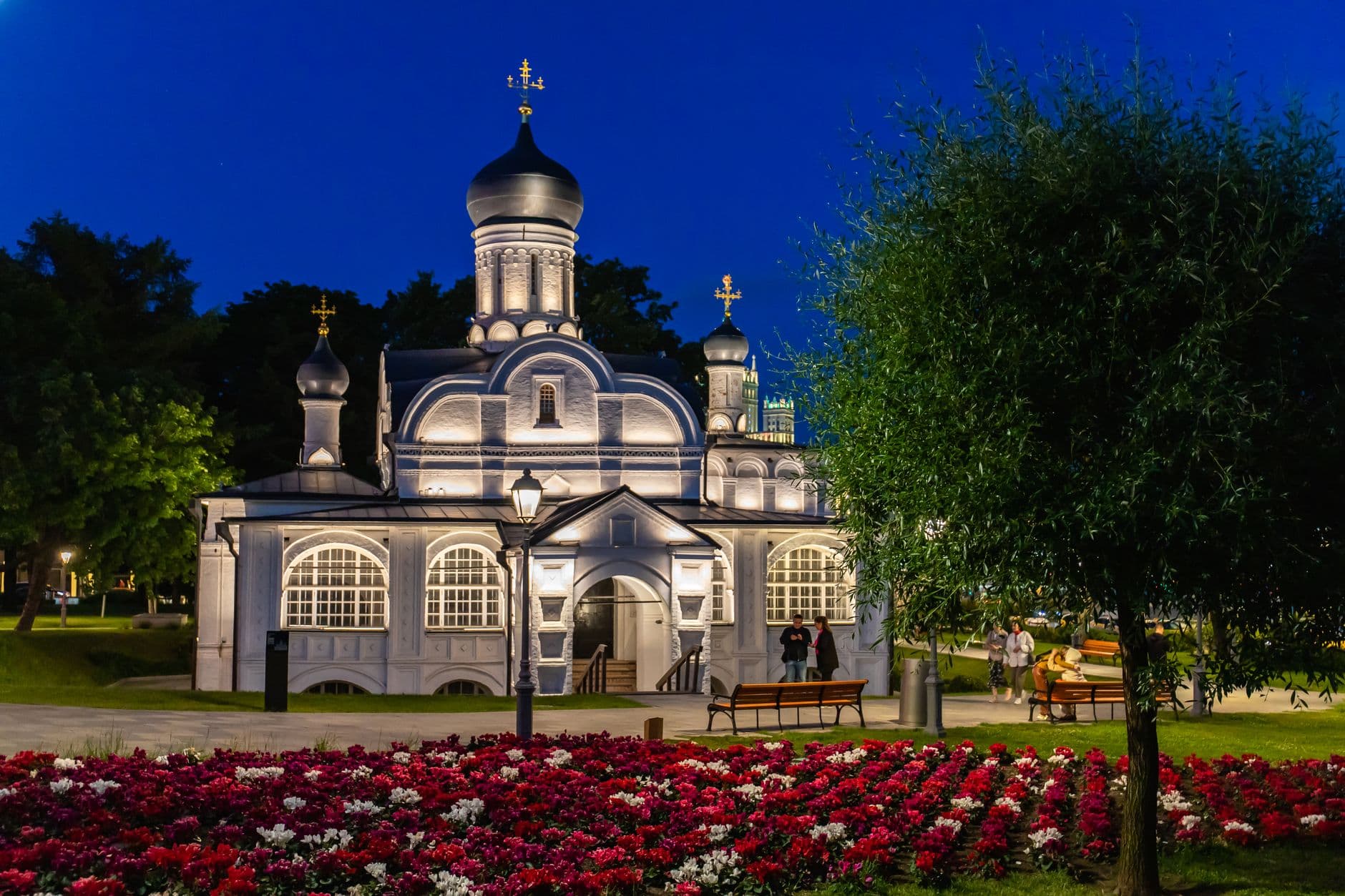
A metróval Ostankinóba utazik, majd 10-15 perc gyaloglás után ér a helyszínhez; ez a télen, a csúszós utakon a leggyorsabb megoldás, és minden utas megbecsüli a megbízhatóságot. Az útvonal házsorok és egy ortodox templom mellett vezet, keretezve az 1967-ben emelt ikonikus tornyot, amely a Szovjet Birodalom központi építménye volt az Ostankinszkij kerületben. A torony egy nagyobb építészeti komplexum része, amely meghatározza az egész területet.
Moszkva központjából taxival vagy közlekedési alkalmazással is eljutsz. A város közlekedési hálózata megbízható, de a forgalom befolyásolhatja az érkezési időt. Ha a nyilvános közlekedést választod, használj metrót és egy rövid autóbuszút, hogy csökkentsd a sétálást hideg napokon, valamint családoknak, akik kereket vagy táskát visznek.
Mint állami intézmény, a látogatók és más, különböző igényű vendégek számára is érvényben vannak a belépési és biztonsági szabályok. Minden utazó meglepődött a belépés tisztaságán és világosságán a látogatás során.
- Transzit: Kilépve a metróból kövesd a világító táblákat az Ostankinó-torony irányába. Téli időben tartson extra időt a jéges járdák és a biztonsági ellenőrzések miatt; a kilátóteraszra való feljutás másodperc alatt megtörténik, miután a liftbe szállt.
- Parkolás: A helyszínen parkolási lehetőség van, de az események idején gyorsan elfoglalódnak a helyek. Ha a parkoló tele van, használjon a közeli önkormányzati parkolókat 500-800 méter távolságban, és használjon gyalogátkelőket a torony eléréséhez. Csoportok vagy vezetett látogatások esetén gondoljon arra, hogy parkolási engedélyt szerezzen a pulton vagy a turisztikai ügynökségen keresztül.
- A helyszín közterületei lépcsőmentesen elérhetők, az kilátóteraszhoz lift áll rendelkezésre, és a vendégek rendelkezésére állnak a mozgáskorlátozottak számára kialakított mosdók. Ha különleges igényeket kell kielégítenie, előre lépjen velünk a kapcsolatra, hogy a személyzet segítse a bejutást és a helyet biztosítsa a zökkenőmentes látogatáshoz.
A kokoshkinglobal csomagok a közlekedési útmutatással, a sorállás elkerülésével és a torony gyűjteményének rövid áttekintésével párosulnak. Ezek a finom megoldások minden utazó számára ideálisak, különösen a családok számára, akik egy egyszerű, emlékezetes napot keresnek.
A környék gazdag kerületek és látnivalók keverékéből áll. A télen bepólyozott látogatók élvezhetik a tisztaságot és kényelmes sétát a közeli helyszínekhez; rövid kitérővel meg lehet gazdagítani egy nap emlékeit a kuskovói történelmi házakkal vagy gyors látogatással a muzeon gyűjteményeit a moszkvai központban. Bármely utat meg lehet tervezni az állami támogatással rendelkező szolgáltatásokkal és helyi ügynökökkel, így a családok és az utazók számára könnyű a hozzáférés.
Tretyakov Galéria közelben: nyitvatartás, jegyek és gyakorlati útvonala az Ostankinóból
Vásároljon jegyeket előre online, hogy időintervallumot biztosítson magának, és érkezzen korán. A Tretyakov Állami Galéria 10:00-18:00 között nyitva van, csütörtökre meghosszabbított nyitvatartással 21:00-ig; hétfőn zárva. A belépőjegy ára körülbelül 700 rubel, kedvezményes jegy 350 rubel, és a 18 év alatti látogatók ingyenesen látogathatnak. Családi csomagok és csoportár is elérhető az hivatalos weboldalon. A gyűjtemény a 18. századtól a modern művekig terjed, számos híres alkotóval, ami egy rövid, értékes látogatást biztosít a művészetek szeretőinek, ahol a fontosabb alkotásokra összpontosíthatnak.
Ostankinótól indulva, minimalizálva a csereutakat, tervezzen ki egy gyakorlati útvonalat. Kezdjen egy megbízható utazással egy központi metrócsomópont felé, majd utazzon a zöld vonalon Tretyakovszkaja irányába, és lépjen ki egy rövid sétára Lavrusinszkij utca felé. Az út általában 60-75 perc alatt fejeződik be, és a költség körülbelül egy normál városi jegy plusz egy lehetséges átszállás. Útközben áthalad a VD Nh területén és más történelmi negyedeken, amelyek utalnak Moszkva császári magjára. Ha más látnivalókat is felfedez, ezt az útvonalat össze lehet kapcsolni a kremllel, vagy egy hosszabb napba bele lehet foglalni a Kolomenszkoye, a Carićino és egy kolostor területet - mindegyik saját ízét adja, a nagyszerű birtokoktól a csendes kolostorudvarokig, a szökőkutakkal és tornyokkal, amelyek jó időben élvezhetők.
Tipp a sima látogatáshoz: ellenőrizd az időpontokat a tervezett látogatási napra, különösen kiállítások idején, és figyelj a utolsó belépési időpontokra. Családoknak ajánlott figyelmet fordítani a hozzáférhetőségre és a babakocsó lehetőségekre, míg egyedül utazók a világos jelzéseket és a többnyelvű útmutatókat fogják értékelni. Esős napokon a galéria belsejében való tartózkodás okos döntés, míg a napos időszakok a közeli utcákban való széles körű sétálásra ösztönöznek. Ha a kirándulásod a környéken ér véget, folytathatod a további látnivalók és múzeumok felfedezését, hogy a napot hatékony és élvezetes legyen.