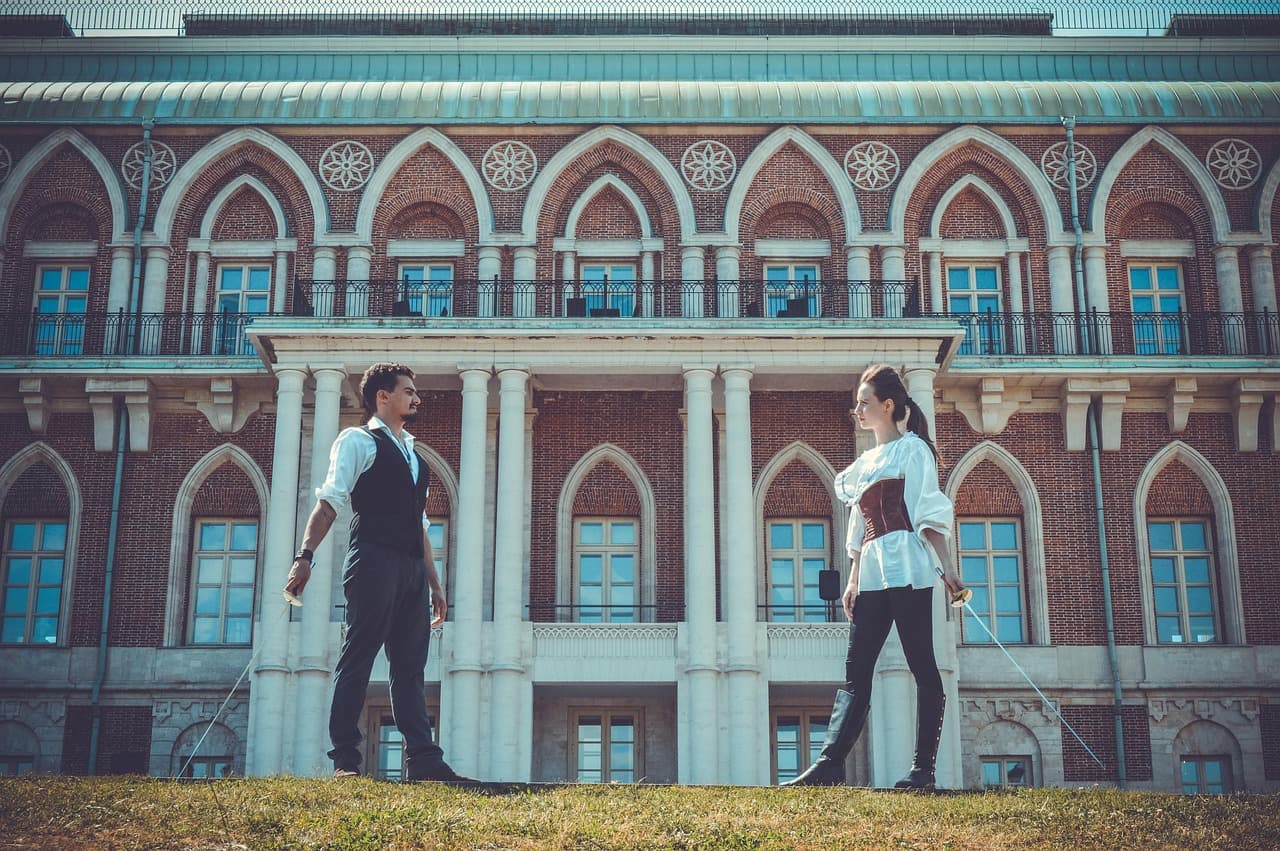
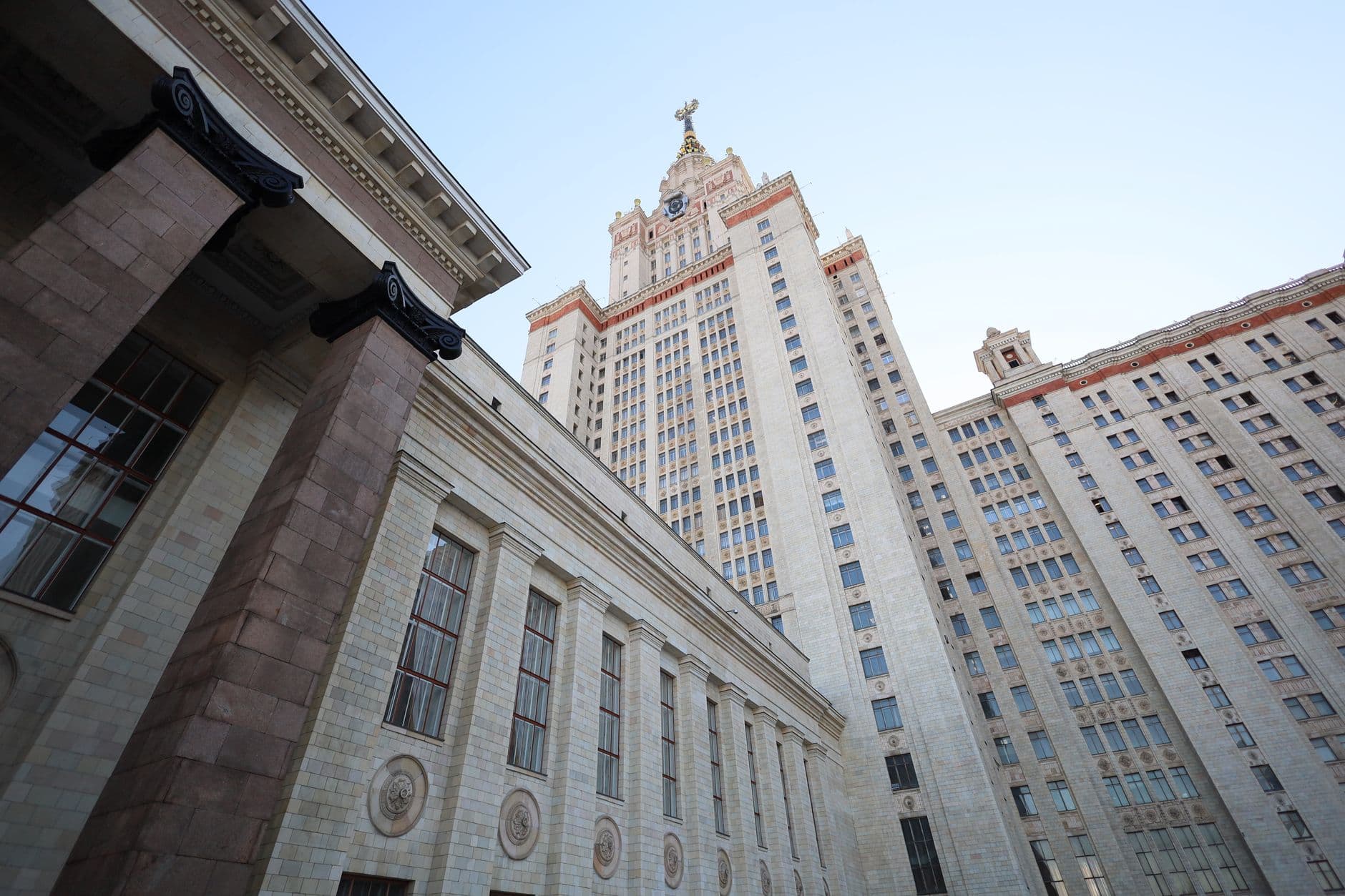
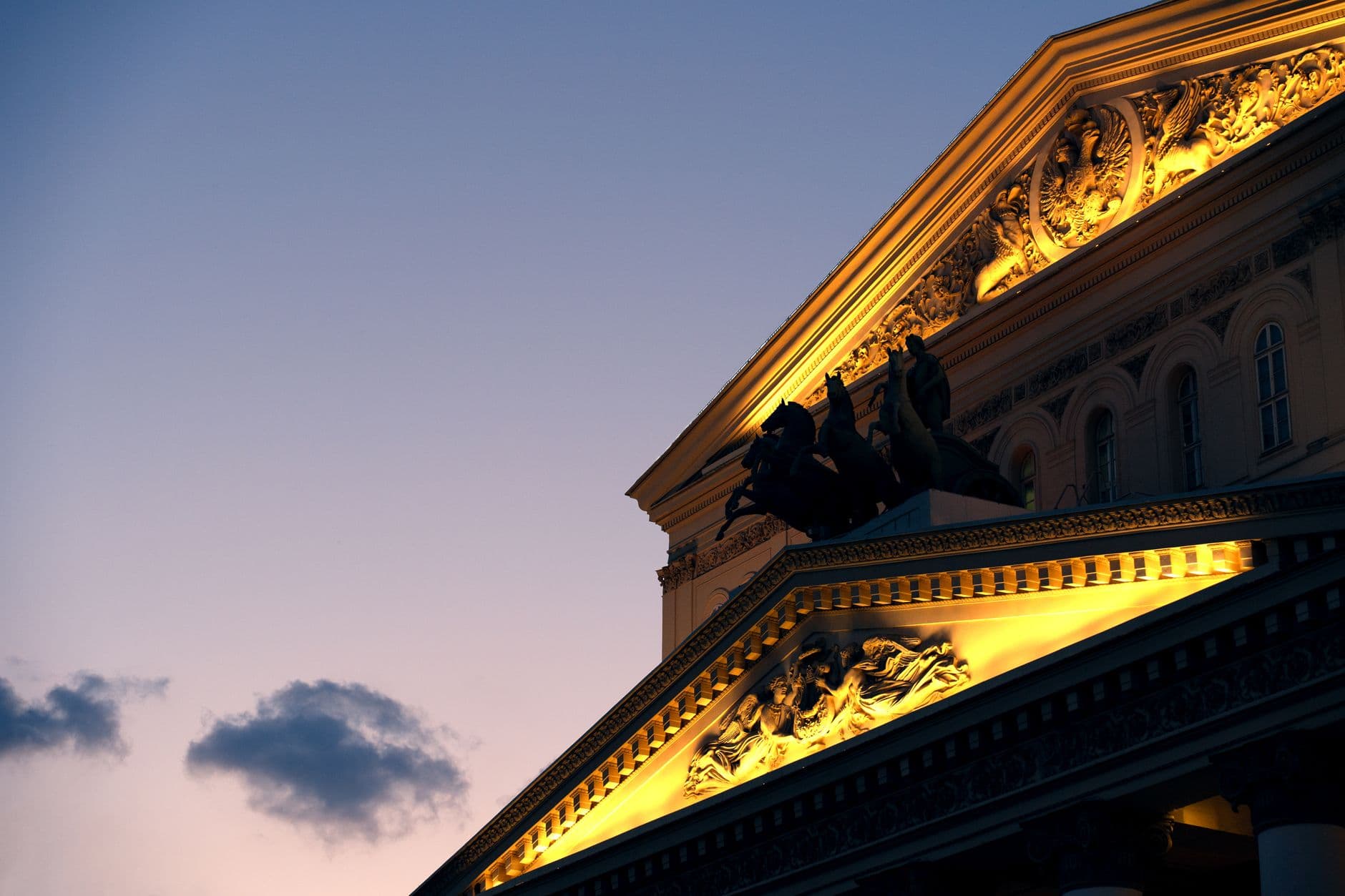
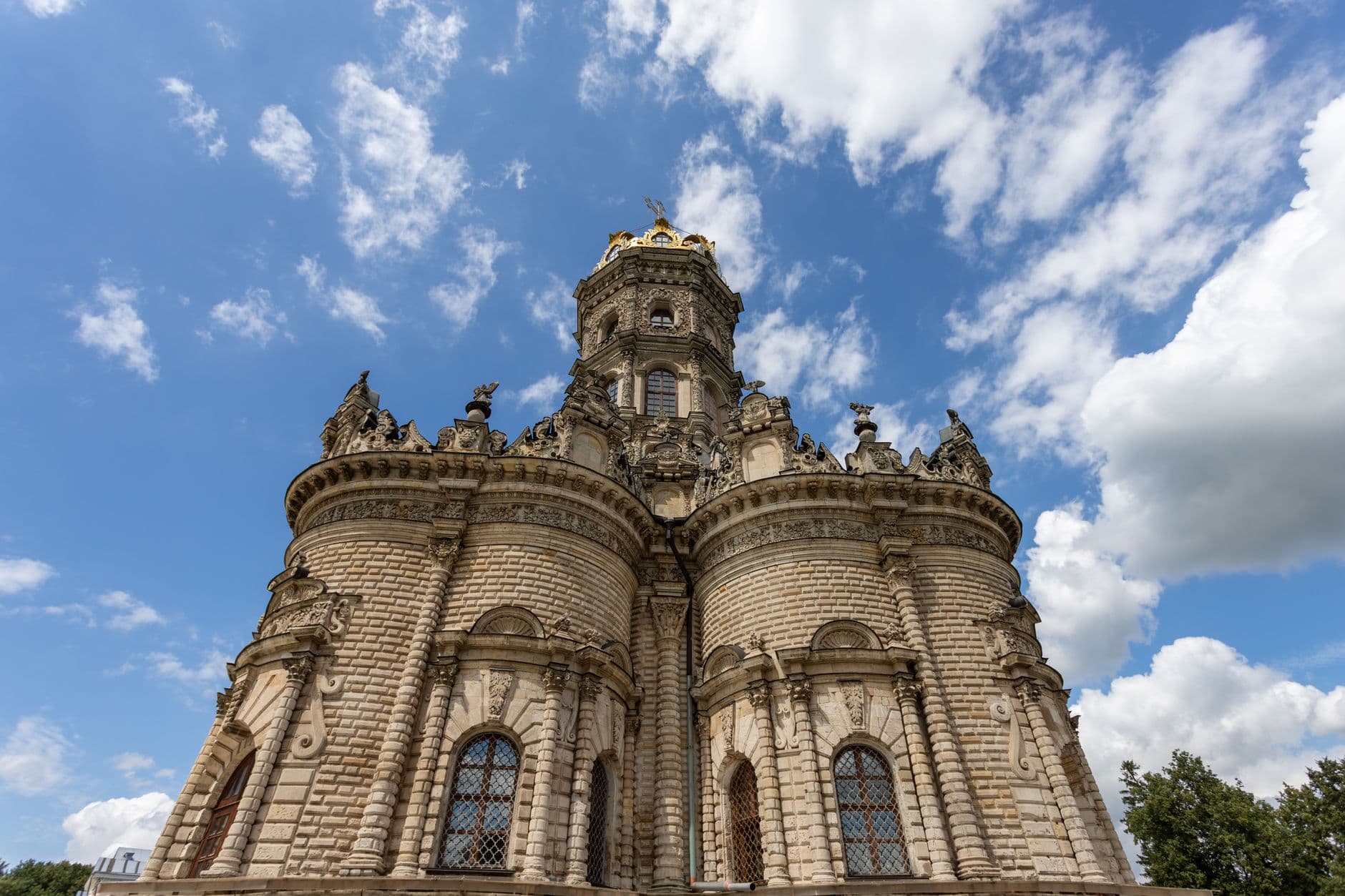
Inizia con il parco di Kolomenskoye all'alba per ammirare le immense distese e i riflessi dell'acqua. C'è una vasta scelta di percorsi per passeggiate, con torri nominate e un interno che suggerisce la vita nei secoli passati. L'insieme del palazzo esisteva come residenza reale dal XVI secolo, e c'erano ingressi sorvegliati da coloro che occupavano i dintorni, che hanno dato forma a questa destinazione. Ci sono stati secoli di cambiamenti; c'erano tempi, che hanno lasciato strati sulle pietre. Un'antica portineria segna l'ingresso all'area centrale.
La tenuta di Tsaritsyno dimostra una scala di progettazione diversa. Il restauro alla fine del XX secolo ha ripristinato i colori e la disposizione degli interni; le sale più grandi ospitano mostre e concerti. Una serra in vetro e canali d'acqua circondano il palazzo, aumentando la bellezza del luogo. Il complesso è stato occupato dai residenti, conferendo al posto una storia stratificata.
Practical steps: pianifica un giro di un giorno che copra Kolomenskoye e Tsaritsyno, con una breve sosta ai circuiti esterni del Cremlino. Le fermate della metropolitana (метро) rendono facile combinarlo con altre attrazioni. I biglietti d'ingresso sono modesti per la maggior parte degli interni, e ci sono visite guidate per chi vuole contesto. Se stai correndo o preferisci un ritmo più tranquillo, ci sono sentieri dedicati e panchine lungo l'acqua. Alcune opzioni di alloggio nelle vicinanze aiutano i visitatori a pianificare un soggiorno più lungo.
Per fotografi e amanti della storia, il fascino risiede nella varietà: facciate in mattoni rossi, elementi in vetro, giochi d'acqua e ampi prati. Questa destinazione fonde design antico e moderno, mostrando come si sia evoluta l'architettura dei palazzi. Un percorso ben studiato permette di ammirare sia la grandiosità esterna che alcune sale interne; l'esperienza ripaga la pianificazione accurata. Ci sono luoghi in cui potresti godere anche di comfort moderni.
Un breve itinerario attraverso queste fortificazioni e palazzi rivela una grande varietà di storia, movimento e arte - una vera meta per i viaggiatori in cerca di bellezza e tranquillità nel caos cittadino.
Castelli di Mosca da esplorare
Inizia al complesso della fortezza del Cremlino, il punto di partenza essenziale, poi prosegui verso le fortezze minori lungo il fiume, spostandoti da un sito all'altro per un senso stratificato della storia. Gli ingressi da Piazza Rossa sono facilmente accessibili; pianifica le tue giornate per visitare l'Armeria, le cattedrali e le alte torri. La grandiosità di questo luogo sembra una vittoria dell'arte sull'ora, e le viste più impressionanti si ammirano dalle terrazze superiori; alcune sezioni sono cadute in rovina, ma i restauri hanno preservato l'atmosfera originale. L'atmosfera generale invita a un ritmo tranquillo piuttosto che a una visita frettolosa.
Poi dirigiti verso il Cremlino di Izmailovo, un complesso colorato e fortificato adiacente al mercato che contrasta con il centro storico. È facilmente raggiungibile con la metropolitana, e le torri si ergono come scenografie contro un cielo tropicale. Un vicino monastero aggiunge una nota quieta e contemplativa, mentre una breve passeggiata ti porterà a una panetteria dove puoi prendere una pasta e ricaricarti. Se preferisci un'atmosfera più leggera, questa zona spesso sembra più giocosa che solenne, il che è perfetto per una giornata rilassata.
Oltre a ciò, il complesso di Novodevichy offre una dose compatta di storia statale e spirituale. Gli edifici sembrano una scuola di architettura nella loro simmetria, e l'area del laghetto offre viste riflessive e un senso di pace. Se è in corso una funzione, è possibile pregare silenziosamente in una cappella. Le date e gli orari variano a seconda della stagione; pianifica di trascorrere qui 60-90 minuti, poi prendi la metropolitana per un ultimo sguardo alla zona. Cerca dettagli retrospettivi nelle arcate e dai un ultimo sguardo al fiume prima di un piacevole ritorno all'ingresso.
Castelli da visitare assolutamente a Mosca con informazioni rapide
Inizia alla fortezza più antica della capitale, dove il potere tradizionale dell'epoca zarista incontra tre chiese e muri di mattoni ricchi di antichità. Esiste dal XII secolo, conservando lo spirito della vittoria.
Fatti veloci: fondata nel 1156; il territorio si estende per circa 27 ettari, situato vicino alla piazza centrale e al complesso del Cremlino. Le intricate mura si ergono intorno a tre torri con cupole di vetro sopra le chiese; il complesso è famoso per i suoi tesori, tra cui la Camera dell'Armeria. Sono disponibili tour, biglietti e guide esperte; pianifica un breve itinerario per visitare le principali attrazioni e catturare momenti fotografici memorabili.
Il Cremlino di Izmailovo, originariamente costruito come un omaggio regale giocoso e completato in tempi moderni, è una replica creativa affiancata da un quartiere di mercatini delle pulci. Le torri di legno si mescolano con accenti in vetro; caffè e negozi costeggiano i vicoli, rendendo facile combinare il turismo con un boccone o un souvenir.
Kolomna Kremlin, fondato nel XVI secolo lungo il fiume Oka, è una fortezza ben conservata che rappresenta un'ottima opzione per una gita di un giorno. Le sue mura e torri offrono punti di osservazione fotografici drammatici; puoi assumere una guida esperta o optare per un'auto a noleggio per esplorare a tuo ritmo, e le panetterie nelle vicinanze offrono pane e pasticceria per uno spuntino veloce.
Itinerario: un breve percorso di tre tappe, partendo dalla fortezza centrale, poi Izmailovo per un'atmosfera da fiaba, e infine Kolomna per una vista panoramica sul fiume e qualche altra sessione fotografica.
Ecco alcuni consigli pratici: prenota i biglietti online quando possibile, verifica gli orari di apertura, indossa scarpe comode e considera di noleggiare un veicolo per maggiore flessibilità. In ogni sito troverai caffè e piccoli negozi dove puoi acquistare souvenir, bere un tè e scattare foto spontanee per ricordare il viaggio. Questo itinerario si adatta a ogni tipo di viaggiatore, dai fotografi esperti agli esploratori occasionali.
Orari di Apertura, Accesso Stagionale e Migliori Periodi per Visitare
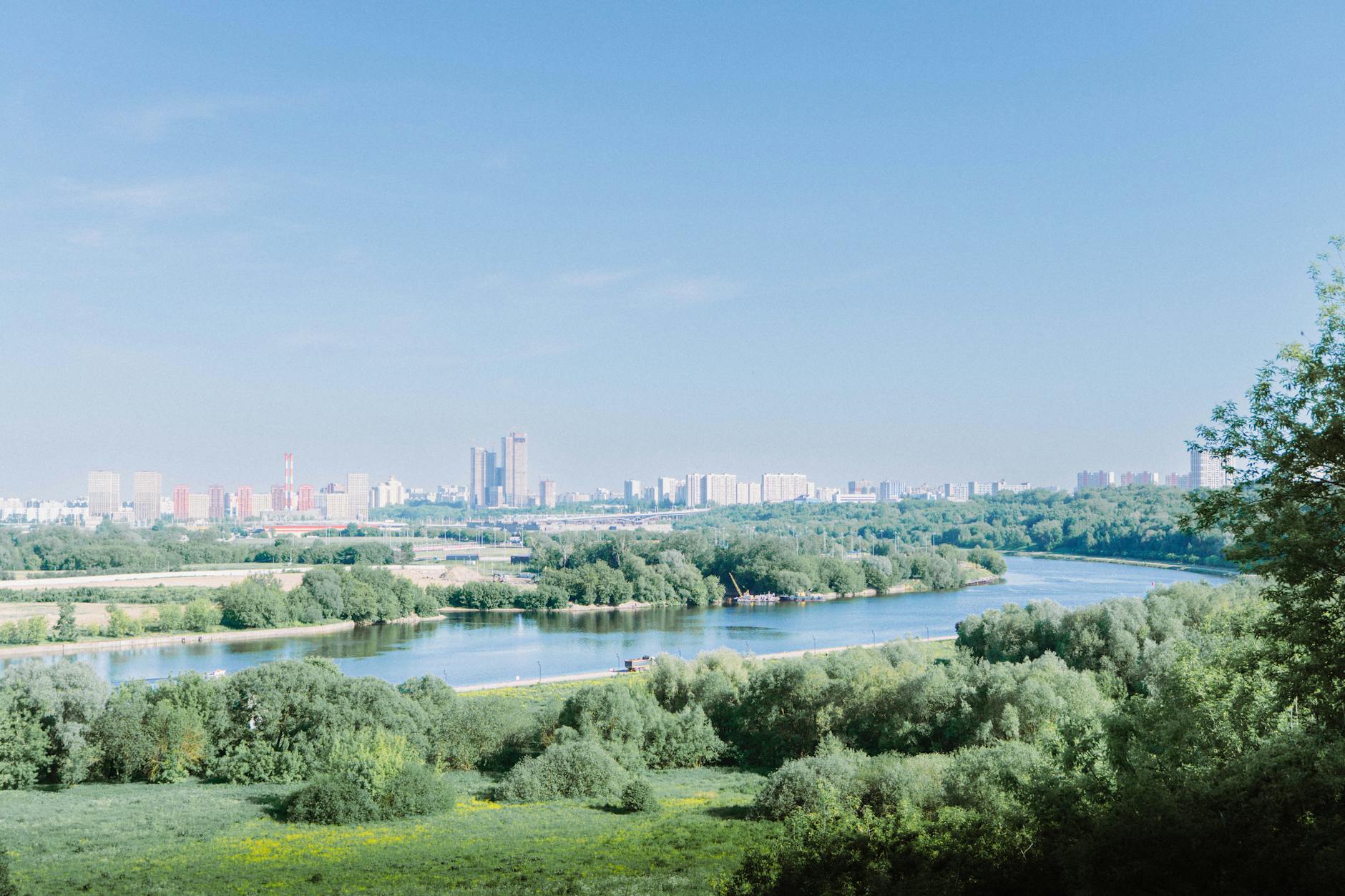
Arriva prima delle 11:00 nei giorni feriali per evitare la folla e goderti i giardini centrali nel parco Izmailovsky; Julia alla reception può fornirti gli orari aggiornati e strumenti come mappe e audioguide; il parcheggio vicino alla fontana rende l'accesso semplice, e inizierai dai lati est e passerai attraverso edifici con fascino storico.
Orari di apertura: la maggior parte delle sezioni è aperta tutti i giorni dalle 9:00 alle 18:00; nella stagione di punta (maggio-settembre) alcune aree restano aperte fino alle 20:00 nei fine settimana; i monasteri e le chiese potrebbero chiudere per le funzioni religiose dalle 12:00 alle 14:00, quindi pianifica di conseguenza; controlla il tabellone informativo centrale per gli aggiornamenti e usa le guide mobili per catturare i dettagli pittoreschi e la spiritualità che anima il sito.
Accesso stagionale: le condizioni invernali riducono i percorsi aperti su diversi lati del complesso Izmailovsky, e alcune aree del giardino potrebbero essere chiuse per manutenzione; primavera e autunno offrono un piacevole svago con un clima più mite; i visitatori provenienti da paesi al di fuori dell'area centrale dovrebbero prevedere più tempo per il trasferimento; durante le festività pubbliche, alcune sezioni potrebbero essere occupate da eventi, quindi preparate percorsi flessibili e piani alternativi; tenete a portata di mano una mappa come strumento utile.
Migliori orari e percorso per la visita: per ammirare le meraviglie pittoresche e vivere un'esperienza significativa, puntare alla prima mattina tra le 7:30 e le 9:30, quando la folla è meno numerosa rispetto a mezzogiorno; il tardo pomeriggio tra le 16:00 e le 19:00 offre una luce calda per le fotografie; dedicare 2-3 ore per esplorare i terreni del monastero storico, le chiese e il parco circostante; indossare scarpe comode e portare acqua per una giornata confortevole.
Ecco alcuni consigli pratici: usa il parcheggio vicino all'ingresso principale e segui le indicazioni per le entrate centrali per ridurre al minimo la camminata; nei fine settimana affollati arriva presto per assicurarti un posto comodo e ridurre il tempo impiegato a cercare parcheggio; per una panoramica concisa, unisciti alle visite guidate nell'area centrale, poi esplora gli angoli pittoreschi del parco da solo; se hai bisogno di un rapido ripasso, chiedi a Julia un breve briefing e un paio di percorsi locali d'impatto che mettano in risalto la fontana, gli interni delle chiese e la vita che ruota attorno a questi edifici, assicurandoti che la tua visita sia piacevole e rispettosa del tuo tempo.
Attrazioni vicine e percorsi a piedi
Inizia dal sito di Zaryadye per un percorso compatto e ampio che collega i principali monumenti e musei, tra cui un tratto lungo il fiume lungo la riva vicina. Il percorso rivela la città stessa, mescolando padiglioni in vetro con facciate in mattoni, e rimane confortevole per i pedoni anche nei giorni più affollati. Se le indicazioni sono poco chiare, affidati ai consigli degli abitanti del posto.
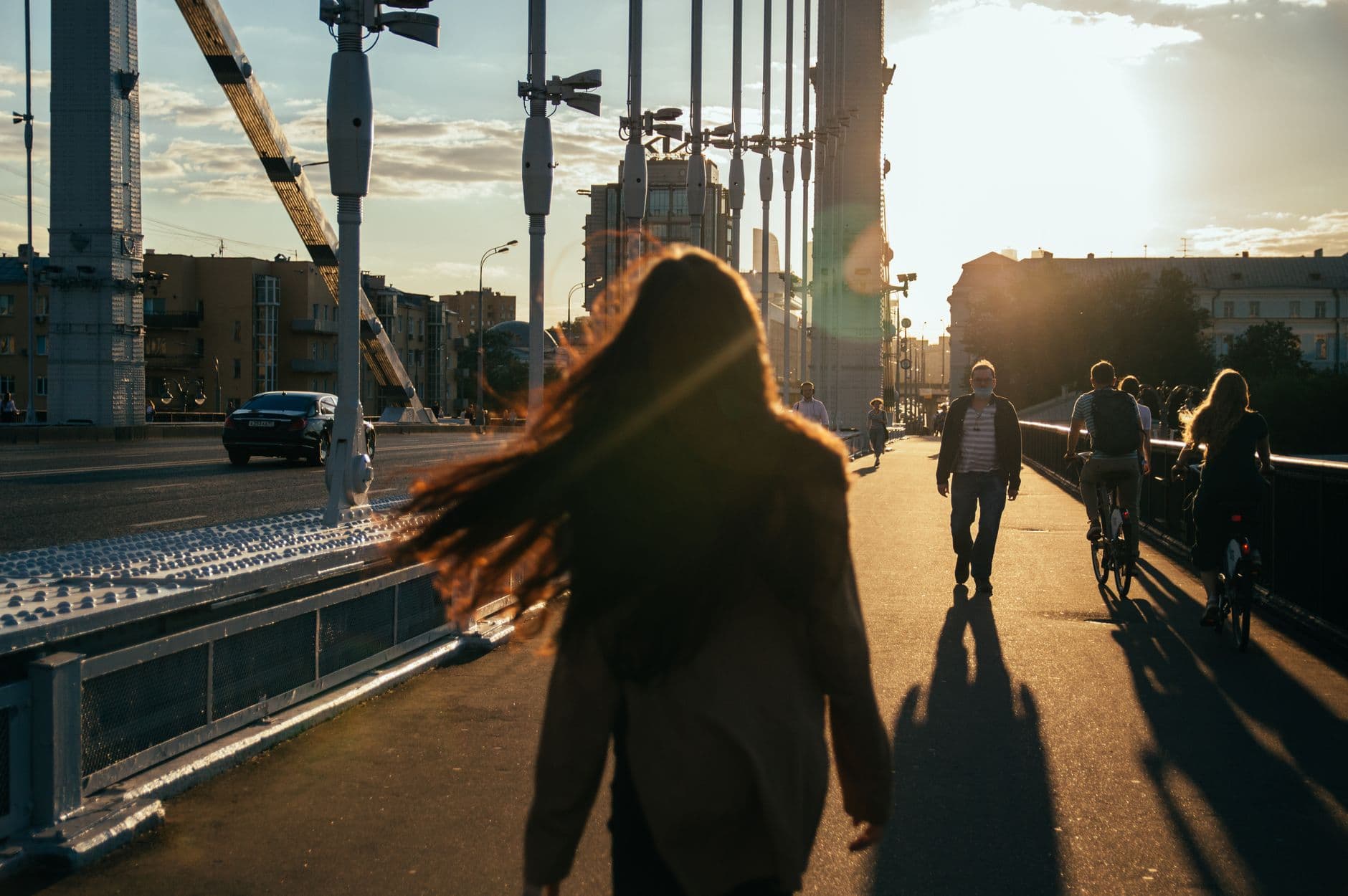
Prosegui lungo il lungofiume verso le piazze centrali, entrando nel cuore storico. Il percorso di 2,5 km richiede solitamente 40-60 minuti a passo rilassato, con panchine per sedersi e punti panoramici per fotografare le cupole e le torri. Il tragitto è ben segnalato, vicino alle piste ciclabili per chi preferisce una pedalata veloce invece di percorrere l'intero tratto a piedi.
Olga e Gulnara, guide esperte, offrono tour specializzati ufficiali; le opzioni di datazione si allineano con la luce dell'ora dorata. Personalizzano i percorsi per gruppi scolastici e club, incontrandosi vicino a un bancone di una panetteria all'uscita della metropolitana. Scoprirete storie specifiche del luogo, tra cui arte pubblica e l'evoluzione dei principali monumenti.
Along the way, you'll encounter skating areas in winter and tropical-inspired courtyards that remain lively in the warmer months. Several major museums line the route, along with events organized by city institutions. For families and students, Nikita provides maps and quick tips. The itinerary can be followed completely, with the next visits and opportunities to return for more detailed insights.
Consigli fotografici per le fortezze: esterni e interni
Usa un treppiede robusto, scatta in RAW e fai bracketing delle esposizioni per catturare i dettagli del cielo e la texture della pietra.
Esterni
- Identifica le facciate principali, i cortili e le torri lontane; crea un itinerario per coprire ogni angolazione in una singola sessione.
- La luce dorata dell'ora del crepuscolo rivela i rilievi scolpiti; includi i fiori vicini per aggiungere un contrasto di colore contro la pietra consumata dal tempo.
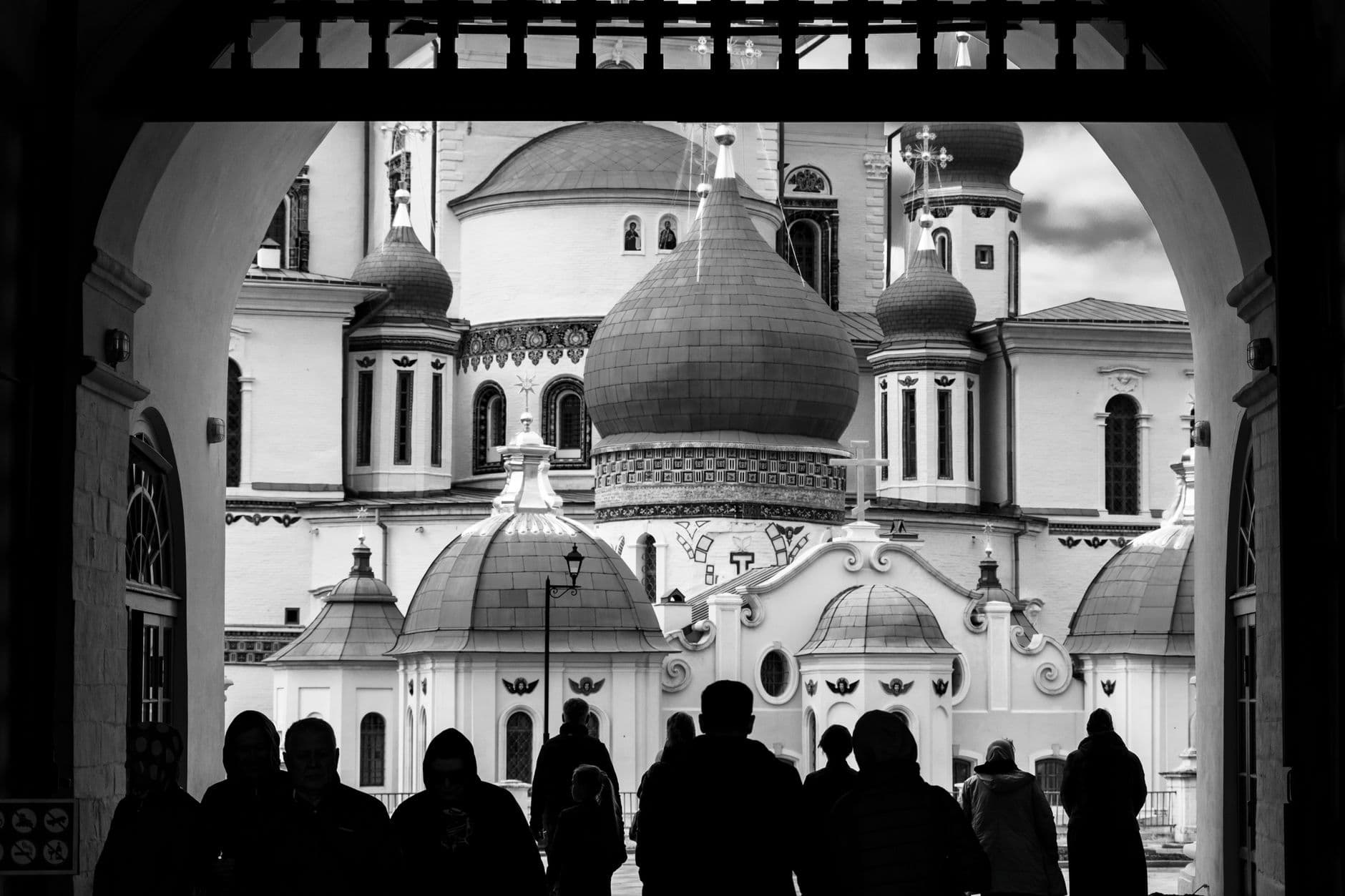
- Simmetria e archi: incornicia porte e finestre con un allineamento preciso; inserisci una silhouette di un passante o di una statua per dare un'idea delle dimensioni.
- Obiettivi e impostazioni: 14-24mm o 16-35mm per viste ampie; apertura f/8-f/11 per bordi nitidi; ISO 100-400 in luce diurna.
- Filtri e tecniche: polarizzatore per ridurre i riflessi su superfici lucide, ND per cieli luminosi, scatto a esposizioni multiple per HDR quando il contrasto è difficile.
- Dettagli da rintracciare: accenti dorati, icone in rilievo, trafori ornati sulla pietra; nota l'azimut del sole per posizionare luce e ombra; segna la tua inquadratura migliore per una revisione rapida in seguito.
- Osserva le diverse texture, dalla muratura grezza alle riflessi del vetro; un campanile o la sagoma di una stazione in lontananza aggiungono profondità alla scena.
Interni
- Stanze con poca luce: usa un obiettivo fisso veloce (f/1.8-2.8) o uno zoom stabilizzato; appoggiati a un treppiede per esposizioni più lunghe e mantieni l'ISO in un intervallo lavorabile.
- Bilanciamento del bianco: scatta in RAW e imposta manualmente per evitare riflessi caldi da torce o luci artificiali; quando possibile, sfrutta la luce ambientale delle finestre e i pannelli riflettenti per schiarire le ombre.
- Composizione: scatta da mezz'altezza per catturare volte, archi e affreschi; guarda verso l'alto per i motivi del soffitto e includi le linee strutturali che guidano lo sguardo.
- Dettagli: iscrizioni, figure in rilievo e foglia d'oro; variare gli angoli e le aperture per separare primo piano dallo sfondo.
- Movimento e atmosfera: mantenere il movimento minimo durante le riprese, ma immaginare una narrazione-spirituale del luogo, una quieta reverenza e l'amore senza tempo per la storia.
Flusso di lavoro e prontezza
- Durante una sosta, immagina qualche scena in anticipo; usa scorciatoie da tastiera nel tuo software di editing per accelerare il processo.
- La pianificazione dell'itinerario ti aiuta a mantenere il controllo; traccia il percorso della luce e annota gli orari di massima luminosità per ogni stanza.
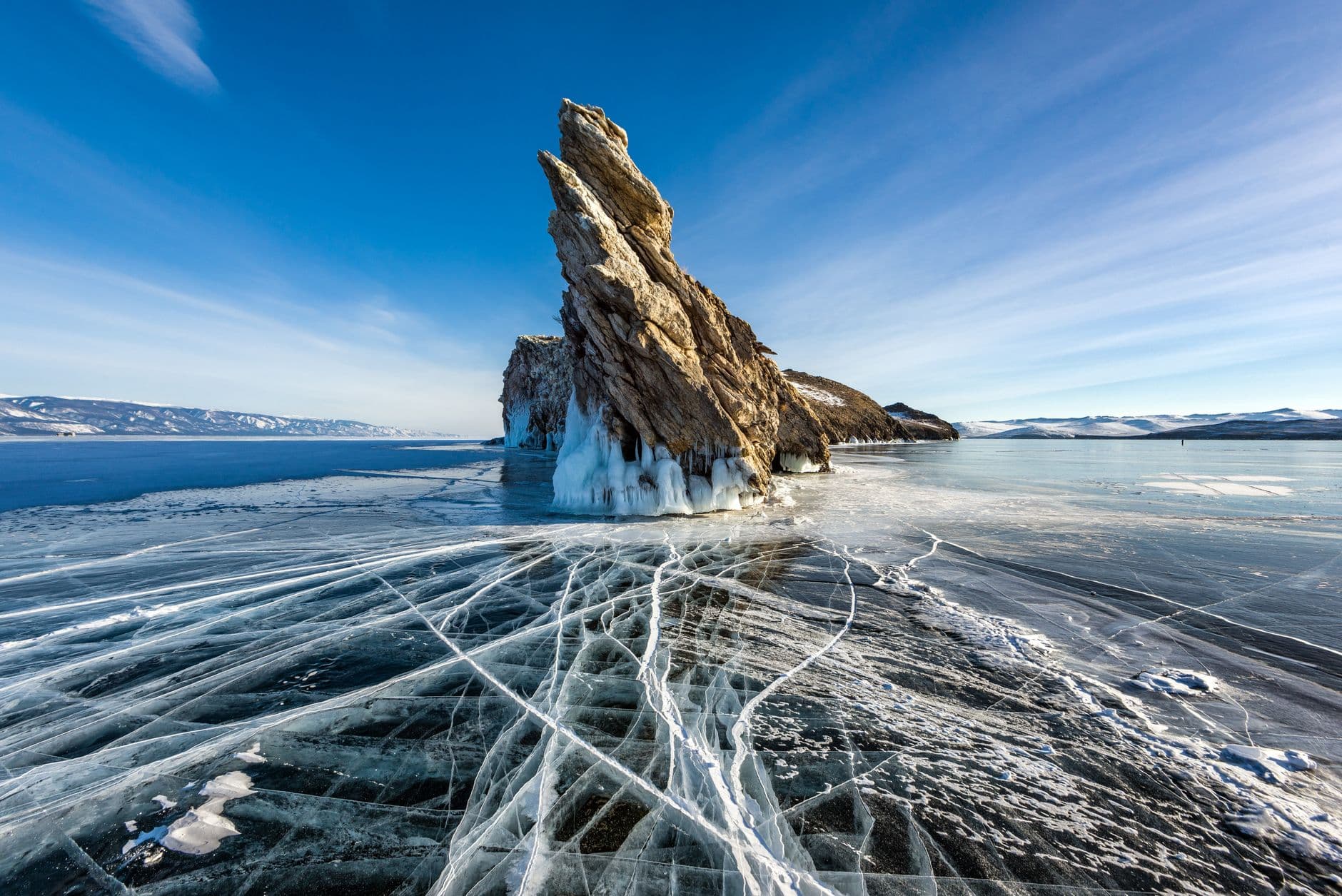
- In inverno, i riflessi su una pista di pattinaggio vicina o il ghiaccio vicino alle mura possono creare immagini suggestive.
- Ecco la traduzione:
Incorporare la scala umana: una guida come Ivan o Alexei può fornire contesto e scala nelle tue inquadrature.
- Tieni a portata di mano una batteria di riserva e schede di memoria; pianifica un piano di backup rapido per completare le riprese senza ritardi.
Biglietteria, Tour Guidati e Opzioni di Accessibilità
Acquista online in anticipo per assicurarti un ingresso con orario prenotato e salta le code; un biglietto combinato con visita guidata è la soluzione ideale per una pianificazione efficiente e un miglior rapporto qualità-prezzo.
Dettagli sui biglietti: I biglietti sono emessi per fasce orarie fisse presso il sito del Cremlino; nella stagione di punta si esauriscono rapidamente, quindi prenota in anticipo; le opzioni linguistiche includono inglese, francese e russo; sono accettati i biglietti mobili; i biglietti restituiti possono essere riprogrammati secondo la politica; per iniziare la tua giornata senza intoppi, arriva 15 minuti prima del tuo turno e tieni a portata di mano il tuo documento d'identità; il sito dispone di stazioni di rifornimento d'acqua, servizi igienici e un servizio clienti utile; proteggi questo patrimonio mentre pianifichi.
Tour guidati: disponibili in formato inglese e francese; i gruppi piccoli massimizzano l'interazione e permettono una vista ravvicinata delle colorate facciate e delle fontane presenti nei giardini; le durate tipiche vanno dai 90 ai 120 minuti; le guide intrecciano potenti narrazioni sulla grandezza e la storia, mettendo in risalto le figure e gli eventi che hanno plasmato il sito; potrete ammirare le meraviglie del Cremlino fin dall'inizio della vostra visita; durante la stagione di punta, questi tour si esauriscono rapidamente, quindi è importante prenotare in anticipo; portare un amico può arricchire l'esperienza e creare ricordi insieme.
Biglietto/servizio
| Accessibilità |
Ecco la traduzione in italiano:
San Pietroburgo è una città affascinante con una ricca storia e una cultura vibrante. La Cattedrale di Sant'Isacco è una delle sue attrazioni principali, insieme al Museo dell'Ermitage, che ospita una delle collezioni d'arte più importanti al mondo. Mosca, la capitale della Russia, è famosa per la Piazza Rossa e il Cremlino, simboli del potere e della storia russa.
Se ami la moda, Milano è la città perfetta per te, con il suo Duomo e le boutique di lusso lungo la Galleria Vittorio Emanuele II. Roma, la Città Eterna, offre il Colosseo, il Vaticano e le sue meraviglie artistiche.
Per un'esperienza unica, visita Venezia e perditi tra i suoi canali e la Piazza San Marco. Firenze, con la sua Cattedrale di Santa Maria del Fiore, è un tesoro rinascimentale.
Se hai bisogno di assistenza, contattaci al numero +123 456 7890 o visita il nostro sito web www.example.com. |
Durata tipica |
Notes |
| Ingresso base |
Rampi agli ingressi principali; alcuni percorsi interni sono senza gradini; i sentieri del parco sono ben segnalati |
Guide audio disponibili in inglese, russo e francese |
Autoguidata, circa 60-90 minuti |
Buono per una panoramica veloce; pianifica di iniziare all'inizio della giornata per massimizzare le viste |
| Tour guidato (in inglese o francese) |
Piccoli gruppi; la maggior parte dei percorsi è accessibile; assistenza disponibile su richiesta |
Inglese, francese |
90-120 minuti |
Migliore per comprendere il contesto e scoprire le meraviglie e la storia del sito |
| Biglietto Combinato |
Accessibilità completa dove possibile; posti riservati per le esigenze di mobilità |
Inglese, francese, russo |
120-150 minuti |
Ottimo rapporto qualità-prezzo; segna attentamente l'orario a causa della limitata disponibilità giornaliera. |