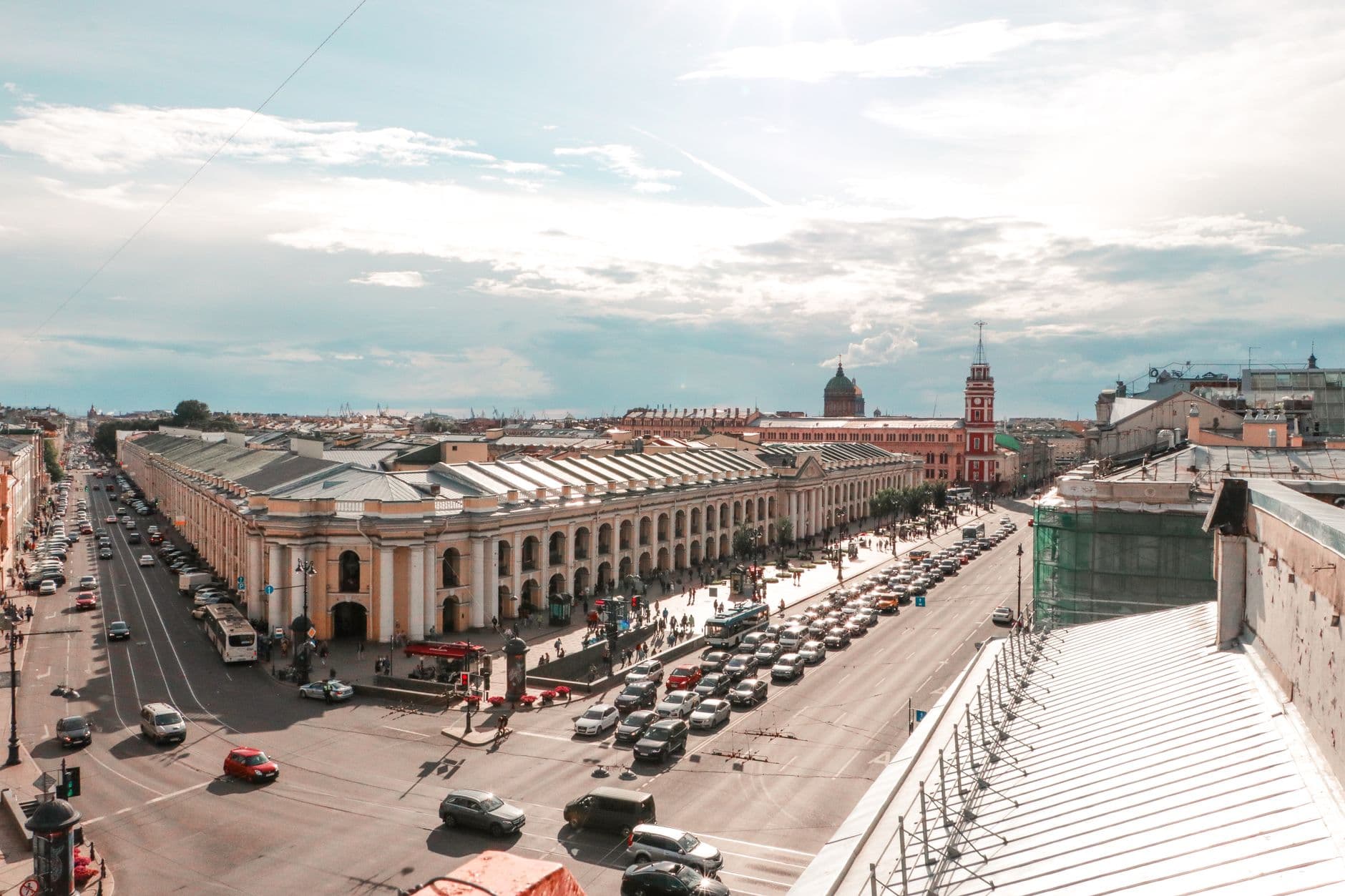
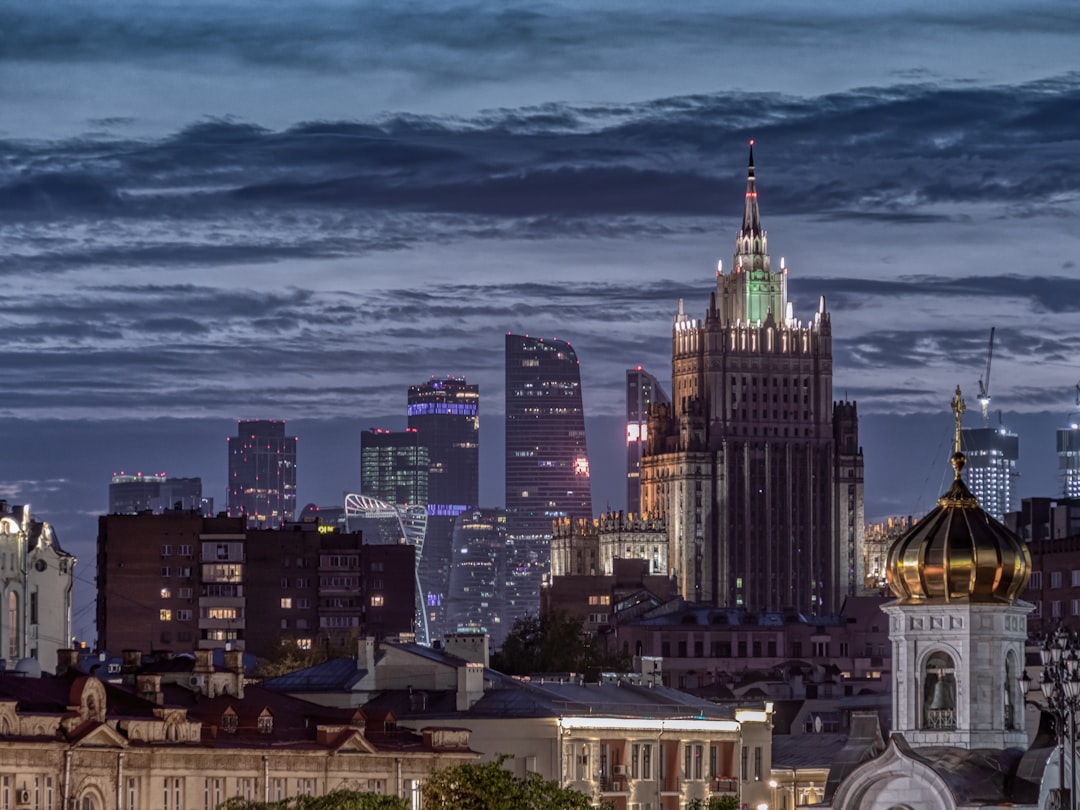
Primo passo consigliato: inizia con le opzioni di alloggio studentesco in luoghi a basso costo, mantieni le spese prevedibili, mentre testi i piani. Si applicano le normali aspettative di budget; una vita economica è possibile quando scegli la città giusta, trasporti affidabili, spazi condivisi.
Panoramica della città: centro di Mosca 70.000-120.000 RUB al mese per un appartamento con una camera da letto; centro di San Pietroburgo 45.000-80.000; Kazan 25.000-40.000; Novosibirsk 20.000-35.000. Utenze 6.000-12.000 RUB; internet 500-1.000; abbonamento ai mezzi pubblici 1.800-3.800 RUB. I prezzi riflettono la domanda, la posizione, l'età dell'edificio; hai opzioni per compensare i costi vivendo in periferia o condividendo; tieni presente le variazioni stagionali. In pratica, questo quadro ti aiuta a rimanere in carreggiata.
Quadro di budgetnote copre generi alimentari, utenze, trasporti; generi alimentari mensili per una persona 15.000-25.000 RUB nelle città più piccole; 25.000-40.000 RUB nelle grandi città; utenze 6.000-12.000 RUB; internet 500-900 RUB; abbonamenti ai mezzi pubblici 1.800-3.800 RUB; mangiare fuori 400-1.200 RUB a pasto; i mercati iconici offrono opzioni più economiche; devi dimenticare gli snack di lusso; mentre testi le offerte, mantieni il piano snello.
Opzioni copre dormitori, appartamenti condivisi, micro-appartamenti; la guida beta continua a evolversi; le corrispondenze consigliate derivano dai test sul campo; domanda da porre: quale città si adatta alla tua normale routine; parte del piano è tenere un registro dei prezzi; i membri delle cerchie studentesche condividono meraviglie sui percorsi più economici; i piani saltano tra i luoghi, hai scelte più economiche; gli iconici skyline distraggono dalle vere realtà dei prezzi; concentrati sui numeri.
Ripartizione pratica di prezzi e alloggi
Raccomandazione: Affitta una stanza compatta, adatta al budget studentesco, in un appartamento condiviso vicino al campus; confronta con le offerte di Yandex prima di firmare; evita i quartieri premium; dividi i costi con un coinquilino per ridurre al minimo gli obblighi mensili; semplificherà anche la gestione delle utenze.
Lo snapshot mostra i tipici obblighi mensili per uno studente a Mosca: stanza in un appartamento condiviso 18.000-28.000 RUB; utenze 4.000-7.000; internet 400-700; abbonamento ai mezzi pubblici 2.600-3.800; generi alimentari 8.000-12.000; pasti 3.000-5.000; snack 1.000-2.000; frutta 1.000-2.000; totale 38.000-60.000. San Pietroburgo simile; Kazan più economico 12.000-20.000; utenze 3.000-5.000; cibo 7.000-10.000; totale 25.000-40.000.
Corridoio di Mosca: stanza 18.000-28.000 RUB; centro 28.000-38.000 RUB; periferia 12.000-22.000 RUB; utenze 4.000-7.000; trasporti 2.600-3.800; internet 500-700; generi alimentari 8.000-12.000.
Costi della vita notturna: uscite notturne in genere 2.000-5.000 RUB al mese; corse occasionali dopo le serate fuori 300-600 RUB a viaggio; esborso mensile totale relativo alla notte 3.000-8.000 RUB.
Budget alimentare: pasti gustosi dalle bancarelle di strada 150-350 RUB; pasti casalinghi 300-700; frutta 120-250 al kg; snack 100-250; bevande 100-200; generi alimentari mensili totali 7.000-12.000.
Nozioni di base sui trasporti: abbonamenti alla metropolitana 2.400-3.800 RUB; corse occasionali 300-600 a viaggio; trasporto mensile tipico 2.500-4.800 RUB; scegli un abbonamento per coprire le corse frequenti; allineati con l'orario delle lezioni; considera le serate con attività culturali nei quartieri con eventi gratuiti; aiuterà ad allungare il budget.
Nota culturale: scegliere un quartiere vicino a un campus consente frequenti scambi culturali; ciò che è economico spesso si trova oltre i viali centrali; cerca all'estero programmi di scambio; scopri la cultura attraverso i club del campus; lo snapshot aiuta a pianificare in anticipo; guiderà cosa spendere per snack, frutta; pasti gustosi mantenendo un margine ragionevole per le serate.
Parametri di riferimento per l'affitto per città: Mosca contro città regionali
Prendi di mira le città regionali con trasporti veloci verso un centro principale; ridurrai i livelli di affitto preservando l'accesso al lavoro, allo studio, alle visite.
Nel centro di Mosca, un appartamento con una camera da letto costa circa 70k-95k rub al mese; nei distretti vicini si aggira intorno ai 50k-70k; nelle città regionali la gamma è 25k-40k (rubcost) al mese.
Gli appartamenti vicino agli snodi di transito nelle città regionali offrono valore; le tariffe del centro iconico stabiliscono una base di partenza elevata; per le esigenze adatte al budget studentesco, i monolocali variano da 25k a 40k rub; appartamenti più grandi da 40k a 60k rub.
Le serate vicino al centro comportano un affitto più alto; i luoghi vicini offrono pasti economici; ti atterrai a una guida per le visite, imparando a conoscere la copertura per utenze, trasporti, generi alimentari; i ristoranti vicini offrono sapori.
Le voci dagli elenchi rivelano modelli per distretto; le note sugli articoli evidenziano la vicinanza alla metropolitana, le opzioni di generi alimentari, le ore tranquille; non si possono ignorare gli orari dei trasporti; non si può ignorare la stagionalità; rubcost rimane gestibile con contratti di locazione più lunghi.
Rivela scelte rapide per i lettori, le città vicine con accesso al sottocentro ti insegnano valore, sapori, mercati; le esperienze di punta nelle zone del centro iconico richiedono pianificazione; non puoi impegnarti eccessivamente in un'unica opzione; puoi bilanciare serate, pasti, apprendimento attraverso una guida mirata; la copertura migliora quando si confrontano le voci tra le regioni, mostrano i risultati.
al cambio della Banca di Russia del 20.10.2026 · powered by tutkakdoma
Utenze, internet e costi di manutenzione dell'appartamento
Scegli un unico piano mensile: raggruppa internet con le utenze; opta per un pacchetto di manutenzione a tariffa fissa. Questo semplifica la definizione del budget per il tuo anno a venire; riduce le commissioni; aumenta i risparmi.
Nelle località russe, gli addebiti variano in base al clima, al tipo di edificio, all'utilizzo. Per un tipico appartamento di 42 m2, le bollette mensili al netto delle imposte (escluso l'affitto) sono:
Elettricità: 5-7 rub/kWh; stagione calda 600-1.500 rub; stagione fredda 1.500-3.500 rub.
Riscaldamento: addebiti del sistema centralizzato; intervallo invernale 2.000-6.000 rub per un'unità di medie dimensioni; i suggerimenti per il risparmio energetico possono ridurre la spesa del 20-40% con il controllo del termostato; ridurre l'uso di acqua calda.
Acqua e fognatura: 400-900 rub al mese; l'acqua calda varia in base al consumo.
Internet: 500-900 rub; velocità più elevata 1.000-1.400 rub; piano telefonico 250-700 rub; l'opzione combinata produce un risparmio di 100-300 rub.
Spese di manutenzione per l'edificio: 200-1.200 rub al mese; ascensore, sicurezza, pulizia, manutenzione dei giardini inclusi.
Stolovaya, strutture in loco: il pranzo nella stolovaya russa costa in genere 150-350 rub; i menu vicini offrono prezzi simili; esci per risparmiare 50-150 rub a pasto in alcuni distretti.
Altri addebiti: pass o tessera di accesso 50-200 rub all'anno; smaltimento dei rifiuti 100-300 rub al mese a seconda della posizione.
Un esempio di ripartizione mensile per una coppia in una città di medie dimensioni mostra come determinare i risparmi annuali: elettricità 2.200 rub, riscaldamento 3.000 rub, acqua 650 rub, internet 800 rub, telefono 500 rub, manutenzione 600 rub, pasti stolovaya 500 rub, altre commissioni 150 rub. Totale ≈ 8.800 rub. vedrai come la scelta della posizione, dei menu e del tipo di piano influisce sui risparmi.
Rispetto alle opzioni all'estero, le località urbane russe spesso hanno costi invernali più elevati; la scelta della posizione insieme ai menu stolovaya può determinare i risparmi annuali. Per ridurre al minimo la spesa, installa un piano mensile fisso, preferisci i contatori che riflettono l'uso effettivo e sali le scale durante i periodi di punta per ridurre i tempi di utilizzo dell'energia. Se possiedi un'auto o parcheggi all'esterno, considera uno spazio compatto con giardini attraversati dai residenti, riducendo le tasse di abbonamento e le quote di manutenzione.
Generi alimentari e ristoranti: budget mensili per alimenti base
Destina il 40% della spesa mensile delle famiglie ai generi alimentari di base; le guide alla pianificazione si adeguano in base alle dimensioni della città. Le famiglie private russe in genere vivono in appartamenti; i costi di trasporto influenzano le corse ai mercati; due adulti in una città di medie dimensioni spendono in genere 18.000-28.000 rubli al mese per i prodotti di base; nella capitale questa cifra sale a 28.000-40.000 rubli.
Gli articoli principali includono pane, latticini, uova, cereali, verdure, frutta, carne, pesce, oli, spezie; la spesa mensile tipica per questo paniere nei contesti russi varia in base alla stagione, al formato del negozio e al ritmo dei pasti.
Budget per mangiare fuori: due adulti, città di medie dimensioni 2.000-4.500 rubli; capitali 4.500-9.000 rubli; i pasti presso gli stabilimenti iconici con menu variano; le offerte speciali per il pranzo in luoghi famosi possono costare 600-1.200 rubli per due; si applicano costi di ammissione privati in alcuni locali.
Anche le gite negli stabilimenti iconici sono importanti; i biglietti d'ingresso ai musei costano 350-800 rubli a persona; i pasti durante le gite aggiungono 600-1.200 rubli a persona; il budget mensile per i trasporti per tali uscite si attesta a 2.000-4.000 rubli.
Suggerimenti per ottimizzare: la pianificazione rimane essenziale; la consegna gratuita per ordini di alto valore esiste con alcuni servizi; le offerte combinate riducono le spese; destina una fascia oraria settimanale per lo shopping; dimentica gli acquisti d'impulso; usa prodotti a marchio privato; acquista verdure di stagione; scegli articoli con una lunga durata di conservazione; fai acquisti durante le ore non di punta per ottenere un prezzo più basso; a seconda delle dimensioni della famiglia, adatta il paniere; le luci nelle vetrine dei negozi aiutano a individuare i prodotti più freschi; evita le etichette premium; il ritmo dello shopping è importante.
Tariffe dei trasporti pubblici e abbonamenti mensili nelle principali città
Scegliere gli abbonamenti mensili a Mosca, San Pietroburgo e altri grandi centri consente di risparmiare al meglio sui costi di trasporto; le tariffe cambiano di anno in anno. Questo piano aiuta a risparmiare denaro.
A Mosca, una singola corsa costa circa 60 rubli; un abbonamento mensile Troika copre la maggior parte dei percorsi per circa 2.700 rubli.
San Pietroburgo offre una singola corsa vicino a 55 rubli; gli abbonamenti mensili di solito si attestano nell'intervallo di 2.200-2.800 rubli.
Altre città russe come Kazan, Novosibirsk, Ekaterinburg offrono opzioni più economiche; un abbonamento mensile include i trasferimenti tra metropolitana, autobus, tram; intervallo di spesa tipico 1.900-2.500 rubli; corse singole 24-50 rubli.
Per utilizzare gli abbonamenti, cerca i segnali ufficiali nelle stazioni; carica Troika o simili tramite app internet; i chioschi degli uffici offrono ricariche rapide; i punti di pagamento vicino agli ingressi accettano ricariche; evita ricariche errate.
Pagare con un abbonamento condiviso mantiene prevedibile il viaggio quotidiano; i viaggiatori di ritorno confrontano i percorsi, soppesandoli rispetto al tempo; gnocchi, set per il pranzo vicino alle stazioni aiutano a bilanciare i pasti; ottenere più mobilità evitando i contanti ai cancelli.
I monolocali vicino alle linee sono comuni nei distretti esterni; gli appartamenti vicino alle linee tendono ad essere popolari; gli affitti in genere variano da 25k a 50k rubli al mese nei principali centri.
La cultura dell'ufficio prospera vicino ai centri; musei, siti offrono varietà; goderne diventa più facile con un trasporto efficiente; questo equilibrio aiuta a guardare la vita cittadina attraverso una lente più ampia; imparare di più sulla disposizione, i percorsi tramite internet supporta un piano annuale più intelligente.
Costi aggiuntivi della vita: assistenza sanitaria, istruzione e tempo libero in base al livello di reddito
Scegli un piano sanitario di fascia media che combini la copertura pubblica con visite private selettive per mantenere prevedibili le spese vive nell'arco di un anno. Nei centri urbani, piccole cliniche efficienti offrono un accesso rapido; i policlinici pubblici rimangono gratuiti o a basso costo per i servizi essenziali; le opzioni private e costose coprono test di routine, consulti specialistici, medicinali, con bollette mensili che rientrano negli intervalli di 1.500-6.000 rubli a seconda delle necessità. Questo mostra un percorso chiaro per bilanciare qualità e convenienza.
Le tasse scolastiche in base al livello di reddito si dividono in due percorsi: le università pubbliche forniscono quote a zero tasse scolastiche per i residenti; le istituzioni private addebitano 150.000-350.000 rubli all'anno per i corsi di laurea triennale; i partecipanti internazionali devono affrontare numeri più alti. L'alloggio nel campus costa in genere 4.000-12.000 rubli al mese; pasti vicino al campus 2.000-4.000. Un'impostazione adatta al budget studentesco si basa su dormitori, borse di studio; pasti sovvenzionati per mantenere le spese gestibili.
La spesa per il tempo libero in base al livello di reddito varia ampiamente. Le tipiche esperienze turistiche includono musei 300-900 rubli; teatri 800-2.000; pasti nella vita notturna 1.000-3.000; tour turistici 1.000-3.000 al giorno; abbonamenti al tram 30-60 rubli a corsa; mobilità mensile vicino a 2.000-3.500. Il turismo interno rimane parte del quadro; i fine settimana lunghi, i viaggi fuori stagione producono un valore extra.
I prodotti, compresi i latticini, nei tipici supermercati producono un totale mensile di fascia media vicino a 8.000-15.000 rubli per una singola persona; inferiore per una coppia o una famiglia condivisa. Un piano di fascia media si basa su un gustoso mix di pasti casalinghi; cene occasionali fuori; morsi veloci per riempire una giornata intensa. I mercati del campus offrono prezzi più bassi; latticini, frutta fresca; le verdure costituiscono il nucleo di una routine; i suggerimenti per il budget includono l'acquisto all'ingrosso quando possibile.
Di seguito è riportato un piano pratico: la tempistica del trasferimento di ritorno al campus si allinea con la primavera o l'autunno quando si aprono i posti vacanti nei dormitori; le prenotazioni anticipate per servizi medici o esami riducono i picchi di tariffa; cerca offerte notturne fuori orario; consolida lo shopping presso i produttori lattiero-caseari locali; esplora i percorsi del tram per un viaggio urbano efficiente; usa le risorse del campus per guida; spiegazione; feedback per rimanere entro il budget.