ロシアの伝統的な15の料理を紹介します。訪れる人ならぜひ試してほしいのは、ボルシチ、ペルメニ、ブリニ、オクローシカ、シチ、ソリャンカ、オリビエサラダ、シーバ(ヘリング・アンダー・ア・フアコート)、ヴィネグレット、ヴァレーニキ、ピロシキ、スィルニキ、クヴァス、キセリ、ドラニキです。これらの料理は、スープ、ダンプリング、サラダ、パンケーキ、飲み物といったロシアの家庭料理やレストランのメニューを代表するもので、モスクワ旅行の際の実用的な味わいリストになります。
ロシア料理は、辛くない代わりに、ビート、キャベツ、ライ麦、ジャガイモ、淡水魚、サワークリーム、ディルなどの食材を使い、煮込み、発酵、焼き上げるなどのゆっくりとした調理法で作られます。軽い味から濃い味へと進めるのがおすすめです。塩漬けの前菜やサラダから始め、次にスープ、その後はピロシキや肉料理、最後に甘いブリニや発酵飲料のクワスで締めくくります。各料理の味わいと提供方法を紹介します。
15 個のロシア伝統料理を試すべきです
1. ビーフストロガノフ ロシアで最も有名な料理の一つ。薄切りの牛肉、玉ねぎ、マッシュルーム、スメタナ(サワークリーム)を使ったクリーミーなソースが特徴です。
2. ボルシチ 赤いビーツをベースにしたスープで、ロシアの国民食。肉、野菜、酸味のあるスメタナが入っています。
3. ペリメニ 小麦粉の生地で包んだ小さな肉まん。シベリアの伝統料理で、スープやバターで提供されることが多いです。
4. オリガルキ 焼いた小麦粉の生地に、肉や野菜を挟んだ料理。ロシアのファストフードのようなもので、街角で売られています。
5. プチン ジャガイモ、キャベツ、肉を重ねて焼いた料理。ロシアの家庭料理で、シンプルだが栄養豊富です。
6. シチミ 粥のような料理で、米や小麦粉を使います。ロシアの伝統的な朝食や病人の食事として親しまれています。
7. ブリニ 薄いパンケーキで、バターやジャム、スメタナなどで食べます。マスレニツァ(謝肉祭)の時期に特に人気です。
8. ピロシキ 小麦粉の生地で包んだ焼きまんじゅう。肉、野菜、チーズなど、具材は様々です。
9. ソルヤンカ 赤いスープで、肉、野菜、スパイスが入っています。ロシアの冬の定番料理です。
10. クレープ ロシアのクレープは薄く、バターやジャム、チーズなどで食べます。フランスのクレープとは異なります。
11. オシコフスキー 焼いた魚の料理で、特にオシコフスキーという種類の魚が使われます。塩漬けやスモークで提供されることもあります。
12. バラニキ 小麦粉の生地に肉や野菜を挟んだ料理。ロシアの伝統的なスナックです。
13. クルペニク 焼いた小麦粉の生地に、チーズやハチミツを塗ったスイーツ。ロシアの伝統的なお菓子です。
14. メドフェニク ハチミツを使ったスイーツで、小麦粉の生地にハチミツを塗って焼きます。
15. ヴァレニエ 果物やベリーを砂糖漬けにしたもの。ジャムのような食べ物で、パンやクレープに塗って食べます。
ボルシチ - 赤いビートをベースにキャベツ、にんじん、玉ねぎを加えた深みのあるスープで、熱々に提供されてサワークリームが添えられます。その驚くべき古代のルーツは多くの村の台所を横断し、地域料理の背景を探るのに最適な前菜です。
ペルメニ - 小さな肉入りの餃子で、茹でてバターで仕上げます。家族の集まりや市場の屋台で人気のある料理で、生地の技術と柔らかい中身とカリッとした縁の対比を楽しめます。
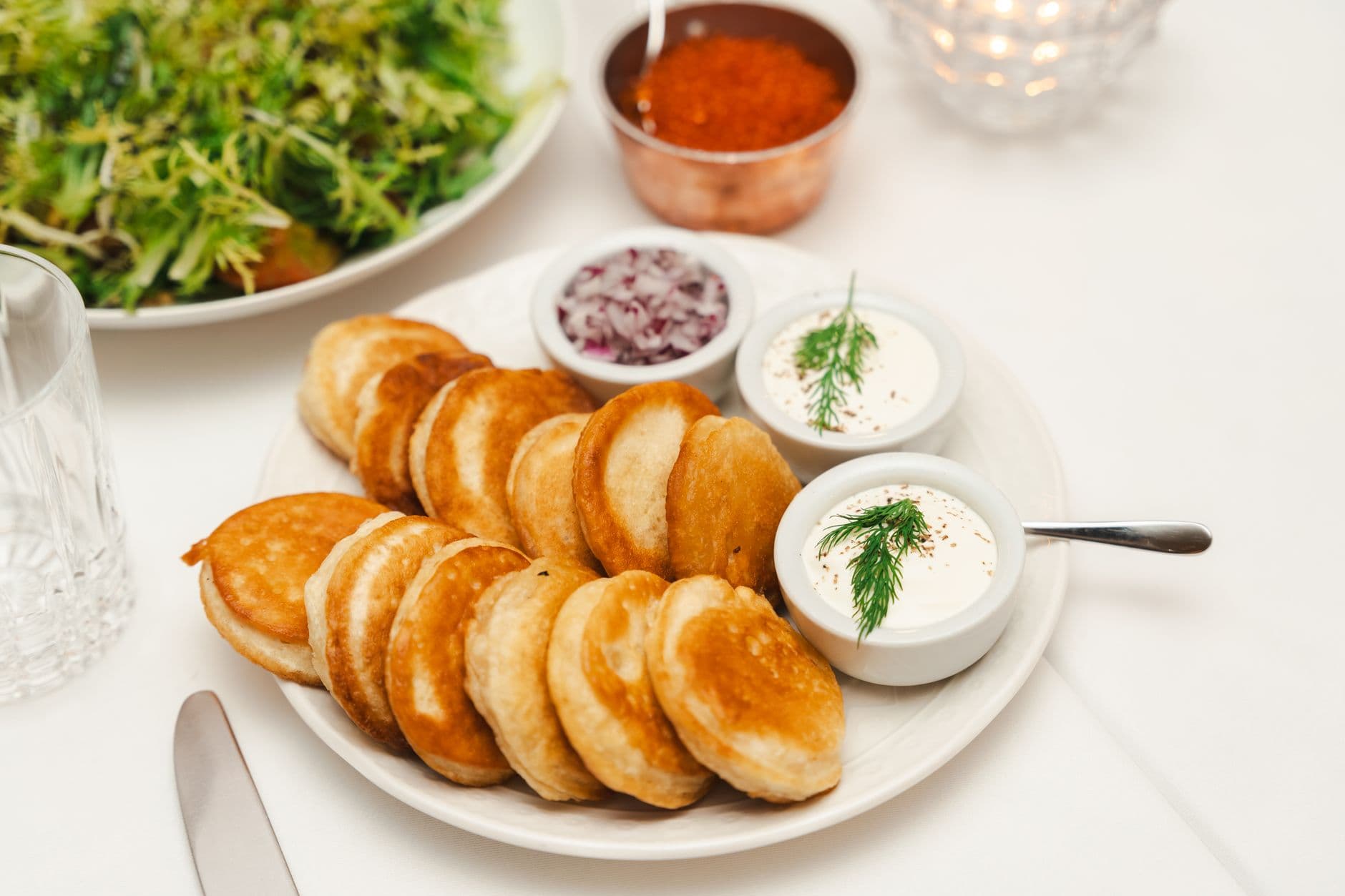
3) ブリニ - カビアやスメタナ、ジャムをトッピングした薄いパンケーキ。朝食から祝祭のテーブルまで幅広く使われるため、ゲストにとって柔軟なコースとなり、祝祭の定番料理です。
4) オクローシカ - クワスをベースにした冷たい夏のスープで、キュウリやダイコンなどの刻んだ野菜が入っています。暑い日に街の広場やダーチャで食べると、とても爽やかです。
5) シチー - キャベツや酸っぱいキャベツを使ったスープで、肉やキノコで味を添えることが多い。田舎の台所の古典的な料理で、家族の食事に大量に作り置きするのに適している。
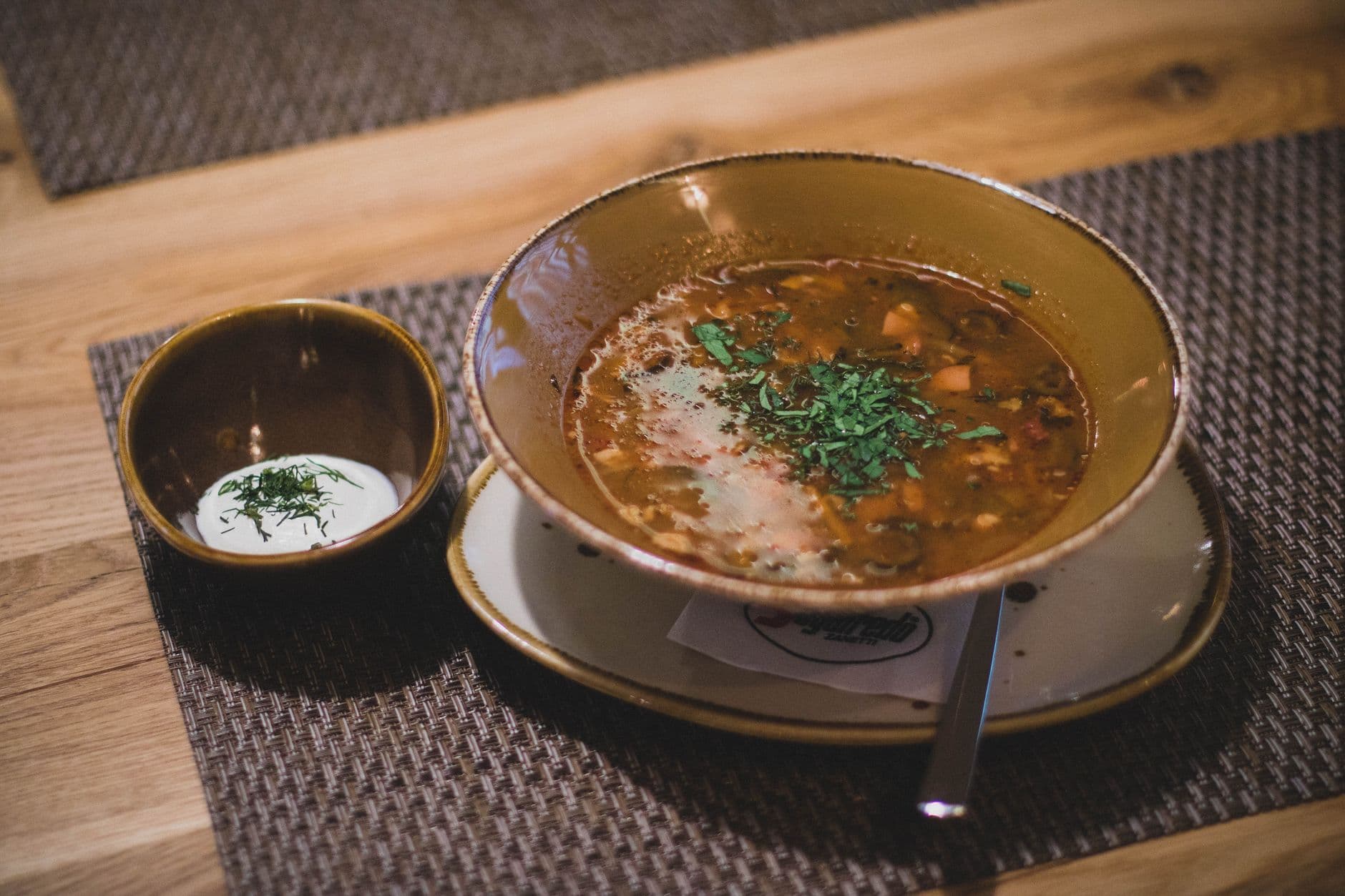
6) ソリャンカ - ピクルス、オリーブ、キャパリ、肉を使ったこくのある酸味のあるスープで、その大胆な味わいは共同のテーブルで目を引き、地域ごとのアレンジによって味のプロファイルが進化する良い例です。その特徴には、より濃厚な料理の味を引き立てる明るく酸っぱいフィニッシュが含まれます。
7) オリビエサラダ - 卵、ジャガイモ、ピクルス、そしてマヨネーズでまとめた刻み肉。祝祭の席で人気のこの料理は、都市のカフェから村の台所まで、さまざまな影響を受けながら広まり、独特の食感を楽しませてくれます。
8) シューバー - ヘリングの毛皮の下;ビート、ジャガイモ、マヨネーズを重ねたもので、冬の祝祭や長い家族の集まりと関連付けられ、多くのホストが必須の料理と考える、パリッとした食感とクリーミーなコントラストを提供します。
ビネグレットは、ビーツとジャガイモをベースにしたピクルス野菜を加えたサラダで、鮮やかな色合いと歯ごたえが特徴。シンプルで栄養豊かな食材を活かしたこの前菜は、多くのテーブルで定番として親しまれ、伝統的な味わいを引き立てています。
10) ヴァレーニキ - ジャガイモやチーズ、フルーツなどを詰めた餃子のような料理で、フルーツ入りのものはデザートやスナックとしても楽しめるバリエーションを提供します。家庭や市場で愛されてきた本格的な一品です。
ピロシキ - 小さく焼いたり揚げたりしたパイで、肉やキャベツ、キノコなど様々な具材が詰まっています。この手軽なサイズのお菓子は、ピクニックや集まりに持ち運びが便利で、よくスナックとして提供され、人気のあるお菓子です。
シルニキ - コッテージチーズを使ったパンケーキで、砂糖をふりかけジャムと一緒に提供されます。カフェや家庭で人気の朝食で、中はクリーミーで外は繊細なカリッとした食感が特徴。ゆっくりと会話を楽しみながら食べたくなるような一品です。
クワス - 軽く発酵させたパン飲料で、優しく爽やかな味わい。食事に合わせたり、祭りの際に客に振る舞われたりすることから、長い発酵の伝統と日常の水分補給の習慣を物語る飲み物です。
キッセル - ベリーを使ったフルーツベースのデザート飲料で、滑らかで少し甘いソース状に作られます。温かい状態でも冷たい状態でも提供され、秋の収穫の物語の一部であり、食事の心温まる締めくくりとして楽しまれます。
15) ドラニキ - ジャガイモをフライパンでカリッと焼いたポテトパンケーキ。ジャガイモの多才さを引き立てるシンプルな料理で、スメタナやハーブと一緒に提供されることが多い。テーブルを囲むと、さまざまな肉料理や野菜とともに、味わいのフィナーレを飾る信頼できる一品となる。
ペルメニ、ボルシチ、ブリニ:基本技術、伝統的な具材、提供のコツ
生地を作る:小麦粉3カップ、大卵1個、冷水1/2カップ、塩小さじ1。滑らかになるまでこね、ラップで包み、30分休ませる。1.5~2mmに伸ばし、円形に切り、1杯の具(豚肉・牛肉・玉ねぎ)を入れ、しっかりと縁を閉じる。塩水でふつふつと沸騰するまで茹で、水気を切り、バターをのせる。余ったものはパラフィン紙に並べ、冷凍保存。多くのレシピでこの方法が紹介されており、忙しい週でもテクスチャーを保つことができる。
ペルメニの具は伝統的に、豚ひき肉と牛ひき肉を等量に、細かく刻んだ玉ねぎ、塩、胡椒を混ぜたものです。一部の人々は風味を深めるためににんにくやきのこを加えることもあります。この組み合わせは、特にソビエト時代の台所で広く親しまれ、最も古いバリエーションはより豊かなブレンドを特徴としています。味に合わせて調整を加えると、このベースが地域の微妙なニュアンスを表現するキャンバスになることがわかります。
ビーツを前面に出したスープを作る:ビーツをローストまたは茹でて色を引き出し、キャベツ、ジャガイモ、ニンジン、玉ねぎと共に煮込む。トマトペースト大さじ1、ベイリーフ、ニンニク、そして少量の酢で味を調え、熱い状態か冷たい状態で提供する。最後にサワークリームと新鮮なディルを添える。多くの家庭では、この料理は集まりの季節や健康を支える温もりを象徴する。塩漬けのキュウリを添え、蒸留器から出た小さなグラスのウォッカで、ビーツの鮮やかな風味に対比を添える。西市場のバリエーションでは、甘いビーツやフルーツを前面に出したトッピングを強調することもあり、経験が好みを形作り、イベントが味わいの機会となることを示している。
ブリニの生地は、牛乳、卵、小麦粉を混ぜて柔らかいパンケーキのベースにします:2カップの牛乳、3個の卵、1 1/2カップの小麦粉、2大さじの砂糖、1/2小さじの塩。20分休ませた後、熱した軽く油を引いたフライパンで泡が浮かび、縁が固まるまで焼きます。典型的な丸い積み重ねはふわふわに盛り上がり、清潔な布の下で温かいまま保ちます。詰め物には、煙製魚、ソテーしたキノコ、塩漬けチーズ、またはミンチ肉が使われます。トッピングにはバター、マヨネーズ、またはスメタナが添えられます。横にはピクルスやフルーツコンポートが爽やかなコントラストを提供し、カビアの粒が盛り付けを引き立て、特に祝祭の際には格別です。この組み合わせは、食感や健康的なバランス、文化的な味わいを探求する柔軟な方法であり、多くの家庭で定番となった料理です。これは、国境を越えて持ち運びが良く、集まりの際の飲み会でも手軽に心温まる一品を提供する手段です。
| Dish | コアテクニック | フィリングと提供アイデア |
|---|
| Pelmeni | 生地を薄く伸ばし、丸く切り、縁を押し合わせて封じ、塩水で茹でてふくらませ、バターで仕上げます。 | フィリング:豚肉・牛肉・玉ねぎ;バリエーション:ラム、キノコ;付属品:スメタナ、ディル、ピクルス;オプション:マヨネーズ別添え |
| Borscht | ビートベースのスープにキャベツ、ジャガイモ、にんじんを加え、煮込み、サワークリームとディルで仕上げます。 | ビーツが色を添えます。トッピングはサワークリーム、付け合わせはライ麦パンと塩漬けキュウリ。イクラはオプションです。 |
| Blini | 薄い生地で、フライパンを熱して金色になるまで焼き、重ねて温かい状態に保つ | フィリング:煙製魚、キノコ、塩漬けチーズ;トッピング:バター、マヨネーズ;サイド:ピクルス、フルーツコンポート |
ピロシキ、シルニキ、バレニキ:生地、具材、そして持ち歩きに最適な組み合わせ
ピロシキはイースト生地で作られ、チーズとジャガイモの詰め物が入ったものを選ぶと、手軽に持ち運べる信頼できるサイズの食事になります。
- ピロシキ生地:牛乳とバターで豊かにしたイースト生地は、大きくふわふわの食感を生み出します。卵は生地をまとめ、少しのサワークリームが柔らかさをプラスします。
- フィリング:最も一般的なのはチーズとジャガイモの組み合わせです。他の固形の選択肢には、マッシュルーム、ビート、そして持ち運びしやすいようにまとまったチーズミルの組み合わせがあります。
- 移動中のペアリング:小さなフルーツコンポットの瓶、新鮮なハーブ(ディルやネギなど)、そしてより濃厚な味わいを求めるなら、対比としてスモーク・スタージオンの薄切り。コンポットの一口で口直しを。
- シルニキの生地/具材: 太いカッテージチーズ(トヴォログ)を牛乳と卵で混ぜ、軽く小麦粉を加えます。具材は甘い(バニラ、レーズン)が、少量の塩を加えると塩味に調整できます。
- 移動中のペアリング:サワークリームまたは明るいフルーツジャムがふわふわの中心を引き立てます。バランスの取れた一口を楽しむために、小さなベリーのアソートメントをご検討ください。
- 動かす際は、軽くフライにしてから、外側を固めつつ中身をジューシーに保つように優しくオーブンで焼き上げてください。
- バレーニキ生地:小麦粉と水(卵は任意)で作る薄い皮は、さまざまな具材に対応する繊細なポケットを作ります。この生地は、後で調理するために凍らせて保存するのに適しています。
- フィリング:ジャガイモとフライドオニオンはクラシックな組み合わせ;チーズとジャガイモは人気;キャベツ、キノコ、ビーツは色とバリエーションを添える;現代的なアレンジでは、チョウザメなどの魚を少量使い、煙りの効いた味わいを追求することもある。
- 移動中の組み合わせ:軽いビーツのスロー、刻んだハーブ、フルーツコンポットの瓶がコントラストを提供します。ミルクまたはケフィアで迅速な水分補給に;移動中の食事に適したコンパクトな分量にします。
ウクライナのテーブルでは、これらのダンプリングはビーツとオリヴィエサラダと一緒に提供されることが多く、ジョージアの影響でハーブのブレンドや煙の香りが加わることもあります。驚くべきことに、炭で焼いた野菜やキノコを詰め物に使うと、手間をかけずに風味を引き立てることができます。過去の試食者によると、複数の生地と詰め物を用意しておくのが最も柔軟な方法で、安価で高品質なスナックを作ることができ、本当にユニークな味わいに仕上がります。ディル、パセリ、ミントなどの「機能的な」トッピングを加えると、食欲に応じてヘビーな食事や軽い食事にアレンジできます。持ち運びに便利な設計ですが、詰め物はしっかりとまとまり、風味も保たれるため、信頼できる品質の証です。
ビーフストロガノフ、シチ、ソリャンカ:調理法、スープのベース、地域ごとのバリエーション
実用的な計画から始めましょう:牛肉をバッチごとに深い金色まで焼き、軽い飲み物でデグラーゼし、フンドをかき取り、頑丈な容器で層状のソースを作ります。安定した沸騰を維持し、最後に酸味のあるサワークリームで仕上げます。この方法は、地域によって基準が変わっても技術が一貫している柔軟なトリオを生み出します。この意味は、国民的な集まりや祭りにも見られます。
- ビーフストロガノフ(ストロガノフ)の作り方:牛肉を薄切りにし、バッチごとに焼き色がつくまで炒め、取り出す。同じ油で玉ねぎとキノコを炒め、肉を戻し、スープと少量のジュースまたは白ワインを加え、15~25分煮込む。最後にサワークリームを加え、温度を低く保ちながら混ぜることで凝固を防ぐ。
- 牛肉のスープストックをベースに、キノコのだし汁で深みを加えます。少量の鶏ガラスープを加えると、味わいを軽やかにすることができます。地域によっては、ボルシチのような酸味が加わることもあり、豊かな味わいをバランスよく調整します。
- ブリャンスク地方のキッチンでは、乾燥したキノコを使って深みを出すことが多く、マラニの粘土製容器は一部の村で熱の分布を調整するために使われます。ジャガイモ、卵麺、またはトーストしたパンの上に提供されます。祭りや家族の祝宴では、ストロガノフが文化的な料理の中心に置かれます。国の基準ではクリーミーでバランスの取れた仕上がりが重視され、テーブルの心となる料理です。
キャベツを主役にしたシュチの作り方:ビーフか野菜のスープでとても柔らかくなるまで煮込む;体を作るためにライ麦パンのクロトンか乾燥したキノコを加える;好みでサワークリームで仕上げる。 野菜ベースのスープの素:牛肉または混合スープをベースにしたキャベツを前面に出したスープ。キノコや肉の切れ端が風味を深め、トマトや塩漬けのアクセントで明るさを調整しながらクリアな味わいを保つ。 地域によって異なるバリエーションがあり、ウクライナ風のものはザワークラウトやキノコの風味が強く、ブリャンスク地方のものは乾燥肉や煙肉を加えることもあります。ハーブを刻んだものやサラダを添えてバランスを取り、祭りの席ではシチ(シチー)を黒パンやビーツと共に提供し、文化的な盛り合わせとして楽しまれます。 ソリャンカの作り方:牛肉、豚肉、ソーセージを混ぜて刻み、刻んだ玉ねぎと一緒に炒め、透明になるまで炒めます。次に、ピクルス(ピクルスキュウリ、オリーブ、キャベツ)やトマトペーストまたはトマトを粉砕したもの、スープの素を加え、濃厚で酸味のある状態になるまで煮込みます。最後にレモン汁とハーブを加え、爽やかな味わいに仕上げます。 ブロスベース:肉ダシをコアに、トマトベースと塩漬けが酸味を提供。野菜ダシでボディを調整可能。乾燥フルーツや柑橘類の皮を加えることで、風味を引き締めることも。 ブリャンスク地方のキッチンでは、深みを出すために乾燥したキノコを使います。ウクライナのバリエーションには、ディルとコショウが加えられます。祭りのメニューでは、ソリャンカがボルシチや文化的なサラダとともに広い選択肢の一部として提供されます。この料理は、温かみのある塩辛く酸っぱい味わいを持ち、世界のキッチンや祝祭の場で特別な位置を占めています。 ニシンのシューバ、イクラ、ホロデツ:テクスチャー、組み立て、季節の行事
おすすめは、3つのコアアイテムを中心にしたプレートの構成です。テクスチャのコントラストと明確で実用的な組み立てを実現するために、セリョード・ポ・シュウボイ、イクラ、ホロデツを選びます。各コンポーネントは異なる食感と層を提供し、テーブルをしっかりと支えます。
テクスチャーが重要な役割を果たしています:ヘリングをベースとした層の上部は、野菜を細かくすりおろすことでクリーミーなコントラストを提供し、イクラはシルクのような塩辛さを添え、ホロデツは柔らかいゼリー状の質感で積み重ねをまとめます。層状の装飾アプローチは、視覚的なバランスを保ち、食感の変化を楽しむことができます。クリアップから口どけの良い味わいまで、さまざまな食感を楽しめます。
セッティングの詳細:どの順序がきれいな分量を保証しますか? 細かく刻んだキャベツの冷たいベースか、薄いジャガイモの層を作り、ビーツやニンジンの目立つストライプを加え、ヘリングを「セリョドカ」の一部分の下に置くか、イクラを薄く塗り、最後に型に入れたホロデツの層を形のあるリングで整え、状態をきれいに保ちます。 隠れたサプライズのために、スライスする直前に型を逆さまにして、ゼリーが現れるようにします。玉ねぎと漬けキュウリをサクサクとしたアクセントとして刻み、キノコは控えめで土っぽいアクセントとして含めることができますが、これはオプションです。 この手順のリストは、ストロヴァヤ様式の皿に盛り付けたときに形を保つ素晴らしい結果を保証します。
夏の季節のイベントでは、キエフ近郊の食堂テーブルを囲む集まりに、軽めの付け合わせがおすすめです。漬け物やスライスしたフルーツを別々のセクションに分けて並べることで、それぞれの風味を保つことができます。市場では柔らかいビート、新鮮なキャベツ、そしてオプションのキノコが手に入ります。刻んだ玉ねぎやハーブで仕上げることで、大勢の人にも楽しめるアレンジにしつつ、予算面でもお得に済ませることができます。
このトリオは、シャキシャキのキャベツから柔らかいゼリー、そして滑らかなイクラまで、テクスチャーのバランスが取れた典型的な組み合わせです。正直、このコントラストが、一品として楽しむか、小さな一口のリストとして楽しむか、どちらの形でも味わいを引き立てています。層状の装飾や、各コンポーネントの明確な区別を重視するゲストにとって、非常に魅力的な選択肢です。
クワス、メドヴィク、ナポレオンケーキ:発酵食品、スイーツ、デザートのペアリング
冷たいクヴァスに、薄切りのメドヴィクとナポレオンの角切りを添えて、軽いペアリングを楽しんでください。
クワスはアルコール度数の低い、小麦を原料とした飲み物です。醸造業者は、マルトの風味と軽い酸味を持つクワスを作り出し、これはメドヴィクのハチミツのグレーズやナポレオンケーキのクリーミーな層とよく合います。
メドヴィクは、蜂蜜を浸した多層構造のケーキで、クリーミーなフィリングが層の間に挟まれています。フィリングには通常、スメタナ(サワークリーム)やバタークリームが使われ、ケーキ全体は心地よく豊かな味わいを提供します。食べ進めるうちに、異なる食感のコントラストが楽しめます。
ナポレオン・ケーキは、ミルクバニラクリームを挟んだサクサクのパイシートで、フィリングは軽くて満足感がある。クワスやメドヴィクの甘さに対して滑らかな対比を提供する。全体の食感は異なるが、まとまりがある。
イベントやレストランでは、コンパクトなボードがよく機能します:スメタナを添えた黒パンのクリップスに、キュウリのスライス、そしてメドヴィクとナポレオンケーキの数片。これは、各成分がどのように貢献するかを明らかにするバランスの取れた試食です。読者は、塩味の魚と乳製品がハチミツとペイストリーを中和し、キュウリがサクサク感を加えることを知っています。
ロシアの伝統料理に関するよくある質問
ロシアで最も有名な伝統料理は何ですか?
ボルシチは、ビートルートを使った深紅色のスープで、スメタナ(サワークリーム)とディルを添えて熱々で提供される、ロシアを代表する料理です。次に人気なのは、ペルメニ(肉まん)とブリニ(薄いパンケーキ)です。
ロシア料理店で最初に何を注文すべきですか?
まずはボルシチやシチーのようなスープから始め、ペルメニやヴァレーニキのようなダンプリング料理に移り、シルニキやブリニで締めくくりましょう。クワスやコンポートの一杯は、料理の味を損なわずに調和します。
ロシア料理は辛いですか?
ロシア料理は辛いのではなく、風味豊かで心温まるものです。味付けには、ディル、スメタナ、ピクルス、キノコ、ライ麦が使われます。ソリャンカは、ピクルスやカペルを使った酸味の強い代表的な料理です。
伝統的なロシアのデザートは何ですか?
メドヴィク(蜂蜜層ケーキ)とナポレオン(バター生地のパイ生地ケーキにバニラクリームを挟んだもの)は、祝賀ケーキの定番です。一方、キセリ(果物の厚手の飲み物デザート)は、日常的な甘いものの伝統的なものです。