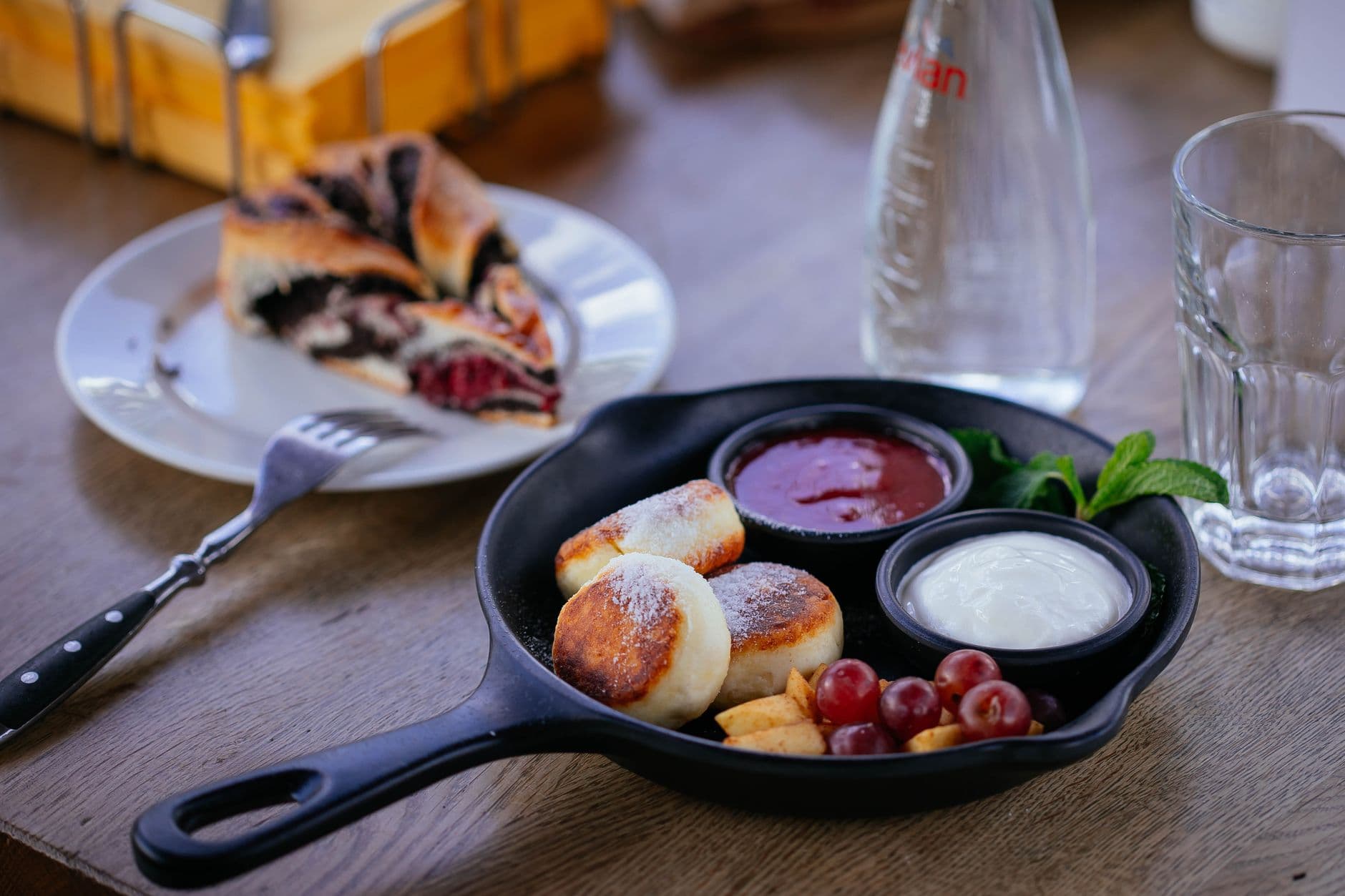
牛乳を約85℃に加熱し、凝固するまでレモン汁を加え、5〜10分間放置してしっかりとした凝乳を作ります。 待てない場合は、5分程度に短縮できますが、長く休ませるほど乾燥した、よりまとまりのある塊になります。このバージョンのポイントは、プロセス全体を通してきめ細やかな食感を保つことです。
凝乳と乳清を細かい布に注ぎ、15〜20分間水気を切り、布をまとめて軽く押さえ、全体を一つにまとめます。水分は乳清です。そば粥のために保存することも、捨てることもできます。このチーズは用途が広く、ハーブや少量の塩と合わせて、手軽で柔らかいバージョンにできると言われています。この方法は特別な器具を必要とせず、バッチ全体で食感を均一に保つのに役立ちます。
食感の多様性を出すには、プレス時間を調整します。軽くプレスすると柔らかいチーズになり、長くプレスすると乾燥した塊になります。ごく低温で短時間焼くことで表面を固めることができ、その後冷やして保存します。文字通り、これは市販品との比較を提供します。
香りと食感はそばやライ麦パンによく合うと言われています。このバージョンでは塩分を控えめにしています。刻んだディルやチャイブを加えて、明るい風味を出すこともできます。鮮度を保つため、チーズは包むか容器に入れて保存してください。ハーブを加えることもあり、例えば、好みに合わせて緑野菜と組み合わせることもあります。
市販品と比較して、このバージョンはきれいな材料とより新鮮な香りで作られています。収量は牛乳の品質に依存し、1リットルあたり約200〜260gの範囲です。既知の要因には脂肪含有量と酸度が含まれます。文字通り、手順が単純であるほど、凝乳の在庫は予測しやすくなります。
核となる手順と実践的なテクニック
推奨事項:新鮮な全乳とプロバイオティクススターターから始めます。75〜80℃に加熱し、短時間保持した後、36〜38℃に冷却します。プロバイオティクスを接種し、優しく扱い、凝乳と乳清を分離させます。温度、時間、食感に関するキッチンジャーナルまたはジャーナリズム風のメモを記録し、結果を再現できるようにします。
- 牛乳の準備:添加物のない、牛の殺菌済み全乳を1リットル選びます。市場の品質が異なる場合は、信頼できる供給元から購入し、その日に使用する分だけを温めます。
- 加熱と制御:厚手の鍋またはマルチクッカーの低温設定で、75〜80℃に加熱し、2〜3分間維持します。温度計を使用し、焦げ付かないように注意します。マルチクッカーを使用する場合は、温度保持機能を選択して安定させます。
- 培養温度まで冷却:牛乳を36〜38℃まで、水浴または扇風機を使用して素早くしかし優しく冷却します。火傷を防ぐため、鍋をミトンで扱います。
- 接種と酸性化:プロバイオティクススターター(生きた培養ヨーグルトまたは粉末を大さじ2〜3杯)を混ぜ込むか、オプションの酸味料としてレモン汁または酢を大さじ1〜2杯加えます。泡立て器で優しくかき混ぜて均一に分散させます。将来の凝乳を壊すような激しい動きは避けてください。
- 凝固と分離:10〜25分後、凝乳が形成され、乳清から分離し始めます。凝乳に明確なピークが見られる場合、それは良好な構造を示しています。そうでない場合は、少量の酸味料を追加すると役立ちます。この段階は分離が目的であり、急速な沸騰ではありません。
- 水切りと成形:ざるにチーズクロスを敷き、凝固した混合物を注ぎ、乳清を水切りします。軽く押して余分な液体を取り除きます。結果はしっかりしていながらも柔軟な塊であるべきです。清潔な手またはヘラを使って凝乳をコンパクトな形にまとめ、形を保つディスクまたはブロック(トヴォロジョクの食感)を作成します。
- 風味と保存:必要に応じて軽く塩を振ります(1リットルあたり約小さじ1/4)。容器に移し、冷蔵庫で保存します。クリーミーさを出すために、少量のサワークリームを混ぜることを好む人もいます。サラダ、スムージー、またはソフトチーズに使用します。ビーツやその他のビーツベースの料理は、サラダの穏やかな酸味から恩恵を受けます。最高の食感と味のために3〜4日以内に消費してください。
一貫性のためのヒント:凝乳を無傷に保つために攪拌を少なくし、よりしっかりした製品にするために長く水切りし、成形するときは優しくかき混ぜます。名称は地域によって異なりますが、核となるのは同じ凝乳と乳清の分離です。素早くテストするには、少量を泡立て器で泡立てて、大量に作る前に食感を比較します。このアプローチは、食品、トッピング、スプレッドのための信頼性の高い多用途なベースを生産するのに役立ちます。これには、ビーツや緑野菜への滑らかな追加、トヴォロジョクベースのスプレッドのクリーミーなベースが含まれます。
本格的な食感のための牛乳の選択と酸源
推奨事項:冷蔵庫の全乳とケフィアを酸源として使用し、水切り後もまとまりのある、ピリッとしたしっかりとした食感を実現します。
ケフィアが手に入らない場合は、レモン汁または白酢を酸として使用できます。牛乳を約40〜45℃に冷やした後、レモン汁の場合は1リットルあたり大さじ2〜3杯、酢の場合は1リットルあたり大さじ1〜2杯を加えます。どちらの選択肢も、さわやかな酸味のある凝乳を生成します。ケフィアは発酵中および発酵後の段階でプロバイオティクスを供給します。
牛乳の品質は重要です。人気があり信頼できる選択肢は、ほとんどの店で見られる標準的な殺菌済み全乳です。超高温殺菌された品種は、凝固しにくく、より柔らかい食感になる可能性があるため避けてください。牛乳は使用するまで冷蔵庫に保管してください。適切な温度を維持するために慎重な取り扱いが必要です。
手順:牛乳を約40〜45℃に加熱し、選んだ酸源を泡立て器で混ぜ込みます。乳製品の酸を使用する場合、適度な酸味を求めるなら1リットルあたり大さじ2〜3杯を使用します。優しくかき混ぜ、凝乳が乳清から分離するまで10〜15分間放置します。糸状の塊が見られる場合、それは正しい方向に向かっています。
器具の準備:ざるにチーズクロスまたは細かいストレーナーを敷き、ボウルの上に置きます。凝固した牛乳をそこに注ぎ、水切りします。よりしっかりした食感にするには、キッチンの涼しい場所または水切り後に冷蔵庫で20〜40分間水切りします。軽く押してさらに乳清を取り除くことができます。
仕上げと保存:水気を切ったら、カードを清潔な容器に移します。食事の時間になると食感に気づくでしょう。結果を「自家製カード」と呼んでも構いません。やさしい仕上げにするには、少量の塩または少量の砂糖を混ぜます。味を変えるには、レーズンを混ぜます。毎回同じ食感にしたい場合は、同じ牛乳と水切り時間を使用する習慣をつけましょう。このアプローチにより、過酸性化のリスクが最小限に抑えられ、ケフィアが混合物の一部である場合にプロバイオティクスが保存されます。バッチ後、冷蔵庫で保存します。
正確な加熱:温度、タイミング、焦げ付き防止
牛乳を72°Cに加熱して15分間保持し、その後38°Cに冷ましてからスターターを加えます。この具体的な目標により、焦げ付きのリスクが軽減され、しっかりとしたカードが得られます。熱を均等に分散させ、かき混ぜながら回転させることで底の焦げ付きを防ぎます。
- 加熱段階 - 機器と制御:目盛り付き温度計を備えた厚底鍋またはエナメル鋳物を使用します。65〜75°Cを目標とし、10〜15分間維持します。熱を均等に分散させ、焦げ付きを防ぐために、2分ごとに攪拌と回転を続けます。
- 冷却段階 - 発酵温度まで下げる: 鍋を氷水または冷たい表面に移し、5~8分以内に38~40℃まで下げます。42℃を超えたり、34℃を下回ったりすると発酵が妨げられる可能性があるため、避けてください。
- 発酵/カード形成 - タイミングと食感:38〜40°Cで30〜90分間保持し、カードがホエイから目に見えて分離するまで待ちます。できたカードは触ると形を保ち、滑り落ちないようにします。
- 水切りと食感の制御 - ストレーナーの使用と時間:ストレーナーにチーズクロスを敷き、冷蔵庫で6〜12時間水切りして、希望の固さにします。より固い製品にするには、水切り時間を長くします。よりクリーミーにするには、短くします。
- 量に関する注意 - 収量と実用的な調整:1ガロン(3.8 L)の牛乳から、ホエイを含むかなりの量のバッチが期待できます。牛の牛乳は脂肪分が異なるため、それに応じて水切り時間を調整してください。このプロセスの各部分は連携して、バッチ間の均一性を保ちます。文字通り、わずかな温度のずれが重要になります。
ヒント:焦げ付きが見られる場合は、さらに火を弱め、より広い鍋を使用してください。底をきれいに保ち、回転させると役立ちます。多くの人は、わずかな温度変化が食感をどのように変えるかを認識していませんでした。そのため、信頼できる温度計を信頼し、頻繁に確認してください。ここでは、オンラインのヒントと、自分の方法を裏付けるリンクを見つけることができます。また、ヒントを共有する他の人と一緒にテストすることもできます。手順を飛ばすと、水っぽい結果になるリスクがあります。ベリーと一緒に提供するか、パンに塗って新鮮な味を楽しみ、残りは清潔な容器に密閉蓋をして保存してください。慎重な管理と忍耐力があれば、できたカードはしっかりとして滑らかで、毎日の使用に準備ができています。牛の牛乳は異なる場合があります。各バッチのメモを取り、キッチンで何が最適かを知ってください。
凝固とカードの取り扱い:休ませる、砕く、ホエイを分離する
凝固後、カードを12〜15分間休ませます。休ませると、水分が再分配され、カードがわずかに固まります。本質的にホエイが沈殿し、より明確な分離が見られます。
清潔なナイフを使ってカードを約1〜2cmの均一な大きさに切り、その後、小さくてクリーミーな塊をそのままにするために優しくかき混ぜます。砕く速度が重要です。ゆっくりと切ると均一で繊細なカードが得られます。素早く刻むと、大きくて不均一な塊になる可能性があります。いずれにしても、食感を制御するために、すべての塊がほぼ同じ大きさになったら止めます。
酸を賢く選びましょう。レモン汁が一般的ですが、薄い酢溶液も使えます。カードの形成を開始するために少量の塩と少量のレモンを加え、その後酸度を監視します。酸が多すぎると、バッチが酸っぱくなるだけでなく、後で扱いにくい凝乳を引き起こす可能性があります。
最初の凝固後、混合物をゆっくりとかき混ぜながら約70〜75°C(158〜167°F)に優しく加熱します。これによりホエイの分離が促進され、カードが固まります。目標温度に達したら、火を止め、塊を5〜10分間休ませて分離を完了させます。
小さなふるいにチーズクロスを敷き、ボウルの上に置きます。カードを注ぎ、過剰なホエイを絞り出さないようにゆっくりと水切りします。より滑らかで、より制御された食感にするには、布を集めてホエイを5〜10分間水切りし、その後、軽い重りまたは手で軽く押します。より固い結果が必要な場合は、より重い重りを使用し、水切り時間を長くします。
水切り後の取り扱いが重要です。カードを清潔な容器に移し、必要に応じて追加の風味(刻んだハーブを少し、またはお気に入りのスパイスをほんの少し)を混ぜ込み、冷蔵庫に入れます。分離したホエイは、乳製品スムージーや紅茶やスープの風味付けに保存してください。この余分な液体は、廃棄物ではなく、しばしば軽いベースとして使えます。
一貫した食感のための水切り、圧搾、水分管理
カードをチーズクロスを敷いた細かいストレーナーで15〜20分間水切りし、ホエイを効率的に分離します。その後、水切りした塊を0.8〜1.0kgの重りの下に10〜15分間置き、完全で滑らかな食感にします。
ストレーナーをボウルの上に置き、安定した冷却が必要な場合は、圧搾中に冷蔵庫に移動します。これにより、水分を制御し、暖かいキッチンでの過度の軟化を防ぎます。これは、そうでなければ水っぽい食感を生み出す可能性があります。この記事は、実用的な水切りと水分管理に焦点を当てており、食感の背後にある科学の一部を理解するのに役立つでしょう。
水分管理は信頼できる製品の一部です。ホエイを分離する背後にある科学は単純です。十分な圧力が液体を除去し、カードを保存します。正確な時間は牛乳の脂肪と鮮度によって異なります。この方法は多くの食品やレシピに有効であり、各バッチに小さな調整が必要であることを理解できるでしょう。
ヒント:安定した清潔な重りを使用し、カードを潰さないでください。圧力を均等にするために時々ひっくり返してください。数滴のレモン汁は分離を助け、微妙な酸味を加えることができますが、果物の風味を自然に保ち、乳製品の甘さを圧倒しないように控えめに使用してください。
保存方法:絞った後、容器に移して冷蔵庫で保存してください。3〜4日以内に消費するか、長期間保存する場合は小分けにして冷凍してください。この方法はスラブ料理では一般的で、スムージー、ソース、運動後の軽食のベースになります。このテクニックは、プレス後の食感管理について議論する多くの記事やレシピで説明されています。
| ステップ | アクション | 時間 | 重さ | 食感の結果 |
|---|
| 水切り | チーズクロスで凝乳をザルで水切りする | 15-20分 | - | 乳清が分離し、水分レベルが減少する |
| プレス | 塊に重しをかける | 10-15分 | 0.8-1.0 kg | 食感が濃密で滑らかになる |
| テスト | 広げ、凝乳を裏返し、必要に応じて重さを調整する | 5分 | - | 均一な水分分布 |
| 冷却 | 使用前に固めるため冷蔵庫に入れる | 20-30分 | - | スライスやトッピングに十分な固さ |
最高の鮮度を保つための風味付け、冷却、保存のヒント
食感と鮮度を閉じ込めるため、完成した凝乳をボウルから20分以内に冷やしてください。この急速な温度低下は、余分な水分分離を防ぎ、クリーミーさを保つのに役立ちます。
風味付けは水切り後、グループごとに行うべきです。明るさを出すには焼いたベリー、酸味を出すにはヨーグルト、またはバニラを少し加えます。優しく混ぜるのが、生地のような食感ではなく、滑らかな仕上がりにする秘訣です。ベリーが熟していれば、シロップを加えることなく自然に果汁が凝乳に混ざり、予想よりも砂糖を少なくすることができます。
冷却と提供:清潔なボウルまたはガラス瓶に移し、しっかりと密閉し、適切な範囲で冷蔵してください。蓋をしないと水蒸気が薄い膜を形成するので、かき混ぜた後は蓋をしてください。最良の結果を得るには、後で同じブレンドを再現できるように、風味添加物の名前をラベルに記載してください。これにより、キッチンのメモにジャーナリズムのような明瞭さが保たれます。
保存期間:風味のピークを最大限に楽しむには3〜4日以内です。さらに時間が必要な場合は、食感を固めるためにもう一度少し水切りをしてから冷やしてください。食品の相互汚染を避けてください。乳製品は他の食品とは別に、専用の容器に入れるか、しっかりと密閉された瓶に入れてください。
長期保存の選択肢:小分けにして冷凍し、パッケージにラベルを貼ってください。冷蔵庫で解凍し、ベリーやヨーグルトを少し混ぜると、より新鮮な仕上がりになります。この方法では、水分の損失が少なく、よりクリーミーな食感になる可能性があります。サワードウスターターがあれば、ほんの少し加えるだけで風味がリフレッシュされます。そうでなければ、バニラを少し混ぜるだけでも構いません。ベースの牛乳を温めるのにインスタントポットを使うと時間を節約できるかもしれませんが、過熱は避けてください。結果として得られる食感は滑らかで、ざらざらしていないはずです。