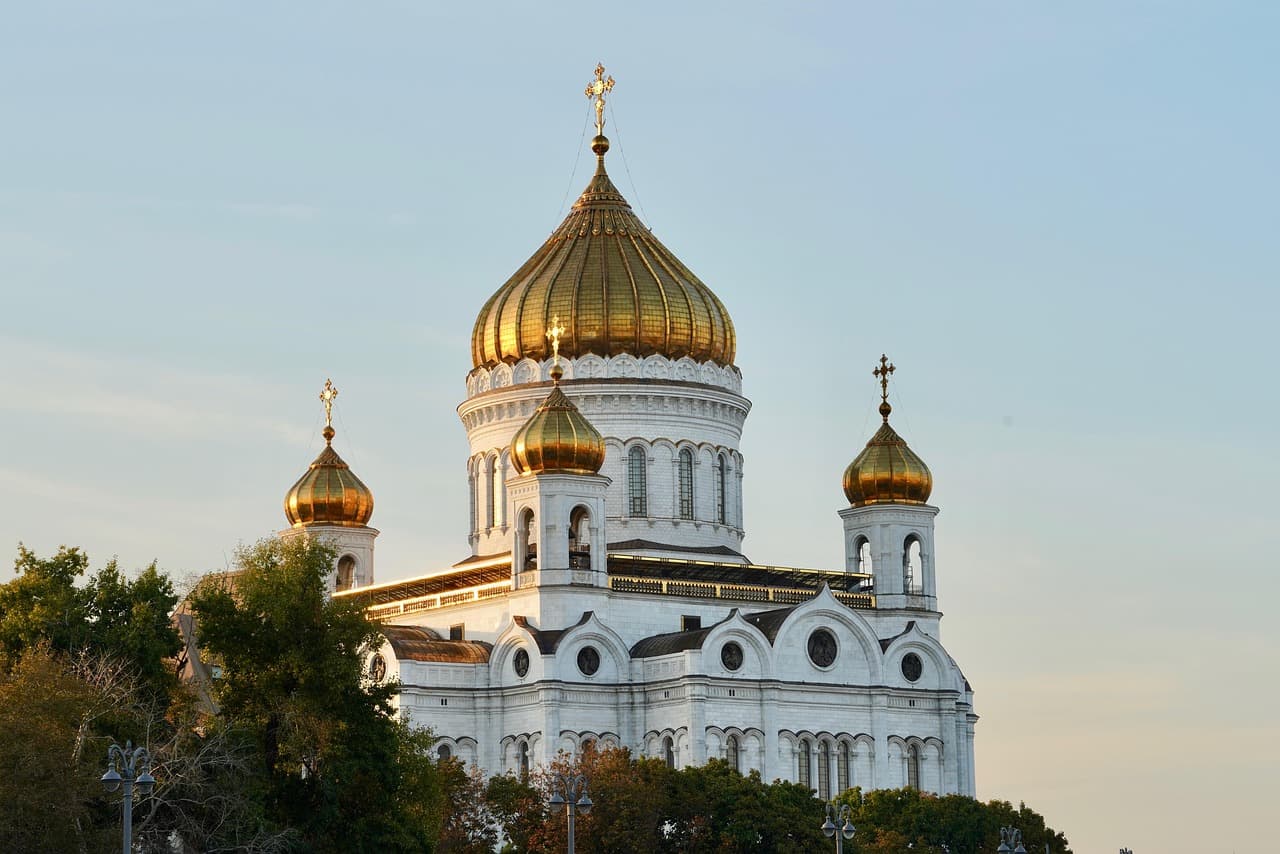
Zaplanuj swoją wizytę w Moskwie na wczesny ranek, aby złapać światło na kopułach katedry nad brzegiem rzeki.
Ten faktów o projekcie katedry, jej erze ZSRR i odrodzeniu, które przywróciły symbol ceniony przez cesarzy i carów. Budowę rozpoczęto w 1839 roku, a ukończono w 1883, co czyni ją kamieniem milowym XIX wieku, łączącym architekturę z wiarą publiczną. Łączy sztukę, wiarę i życie publiczne dla wiernych.
Ułożony na brzegu rzeki w sercu Moskwy, świątynia pozostaje symbolem miłości do wiary i przyciąga wiernych, którzy przychodzą na codzienne modlitwy i rytuały sezonowe, inspirowane łaską Bożą.
Otoczające go tereny gością liczne dzieła sztuki i historii, w tym ikonostasy, mozaiki i inskrypcje, które łączą świątynię z przeszłością klasztorną miasta i pamięcią publiczną.
Katedra powstała z projektu urodzonego z woli cara i cesarzy oraz carów, z wsparciem książęcych княжеских majątków i miejskich darczyńców, którzy sfinansowali fundację.
W czasach ZSRR rosły plany zastąpienia kościoła pałacem państwowym (1931), co odzwierciedlało ambicje epoki Sputnika w dziedzinie monumentalnej architektury, aż do odrodzenia w latach 90.
Dziś katedrala gości codzienne nabożeństwa i ważne święta, takie jak Wniebowstąpienie, a uroczystości Wniebowstąpienia przyciągają wiernych z całej Moskwy i zza jej granic; dzwony oznaczają rytm życia miasta i przypominają odwiedzającym o ciągłej miłości świątyni dla wierzących.
Jego architektura łączy styl moskiewskiego odrodzenia z wielkimi kopułami i dramatyczną dzwonnicą, podczas gdy niektóre motywy dekoracyjne nawiązują do XVI-wiecznego poczucia uroczystości, łącząc przeszłość z teraźniejszością w charakterystyczny dla Rosji sposób.
Ten kompleks pozostaje kulturalnym i duchowym centrum: gości liczne dzieła sztuki, historii i nabożeństwa, a znajduje się w pobliżu nabrzeża, gdzie odwiedzający mogą zreflektować nad warstwowymi historiami wiary i władzy miasta.
Aby zaplanować świadomą wizytę, sprawdź harmonogram mszy i wycieczek na miejscu, a także przeznacz czas na spacer po ścieżkach nadbrzeżnych, które łączą katedrę z nowoczesnym życiem Moskwy, jej historią i trwałą miłością do tego świętego miejsca.
Katedra Chrystusa Zbawiciela w Moskwie: Przewodnik praktyczny
Zaplanuj swoją wizytę na 22 września, aby złapać korzystne światło na elewacji i cichszy dziedziniec. Przyjedź wcześnie, aby dołączyć do wycieczki z przewodnikiem i zrobić zdjęcia bez tłumu, podczas gdy imponująca sylwetka oferuje panoramiczny widok na Moskwę i okoliczne tereny nad rzeką.
Wnętrze łączy motywy z XVI wieku z nowoczesnymi materiałami, tworząc imponującą konstrukcję, która sygnalizuje ambicje na poziomie imperium. Zaplanowany projekt miał dominować nad panoramą miasta, z funduszami podpisanymi przez carów, którzy objęli tron, oraz długim programem restauracji, który kształtuje dzisiejsze doświadczenia zwiedzających budynek.
W środku postępuj główną trasą od wejścia przez halę do ołtarza. Hala prowadzi ku prezbiterium, z rzeźbionymi detalami i sztuką liturgiczną odzwierciedlającą staranną pracę restauracyjną. Platforma widokowa powyżej oferuje szeroki widok na miasto, jednocześnie szanując przestrzeń kultu.
Odbudowa i dostępność: Odnowa opierała się na funduszach pochodzących zarówno od darczyńców publicznych, jak i prywatnych. Prace prowadzono zgodnie z jasnym planem, a decyzje podpisywali urzędnicy, którzy traktowali katedrę jako symbol narodowy. Siły napędowe projektu utrzymały go w ścisłym terminie, a efekt końcowy wydaje się dobrze utrzymany i dostępny dla odwiedzających.
Wskazówki dla odwiedzających: Ubierz się skromnie, zachowaj ciszę i sprawdź aktualne godziny w recepcji. Fotografowanie jest dozwolone w niektórych strefach, ale ograniczone w innych; przestrzegaj wywieszonych zasad. Jeśli chcesz poznać więcej kontekstu, dołącz do wycieczki z przewodnikiem, aby dowiedzieć się o tematyce wniebowstąpienia, roli katedry w życiu duchowym Moskwy oraz o tym, jak pan i przestrzenie kultu są traktowane z szacunkiem.
Wokół kompleksu soborowego, plac i otaczający park zapraszają do spokojnego spaceru, a kontekst dzielnicy moskiewskiej sprawia, że wizyta staje się częścią szerszego doświadczenia miejskiego. Mieszkańcy uwielbiają katedrę jako punkt orientacyjny w centrum, a wielu podróżników wraca, aby podziwiać jej elewację z różnych perspektyw.
10 Główne Fakty o Soborze Chrystusa Zbawiciela w Moskwie; Krótka historia Soboru Chrystusa Zbawiciela w Moskwie
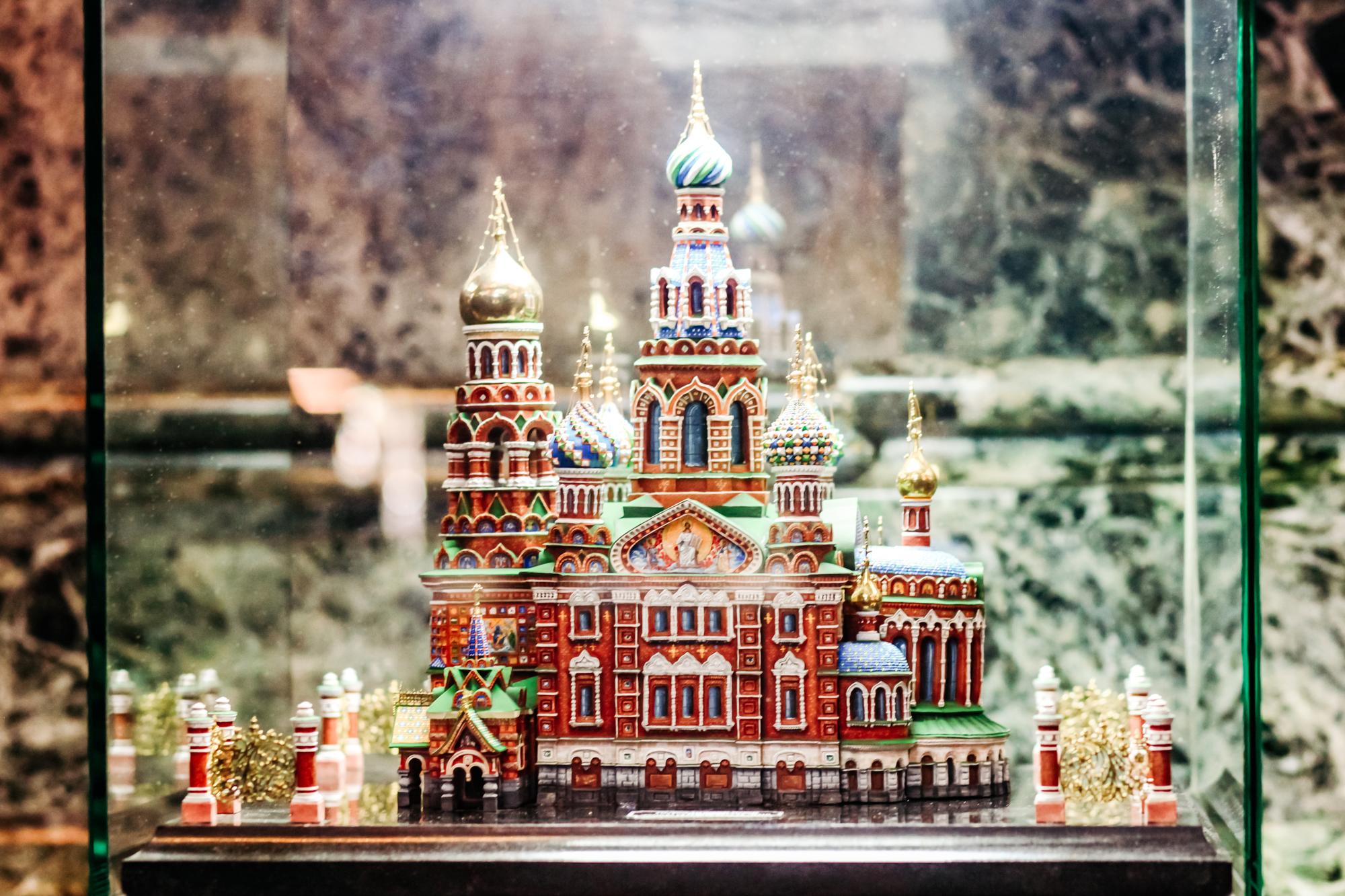
Planuj wizytę w poniedziałek lub środę, aby dołączyć do wycieczki z przewodnikiem i obejrzeć freski z bliska.
Projekt rozpoczął się po kampaniach Napoleona, przyjmując styl odrodzenia rosyjskiego; plan budynku podpisał Mikołaj, a poparł go Aleksy, wysoki duchowny, aby zapewnić właściwe rytuały komunii i publiczną pobożność.
Budowa trwała od 1839 do 1883 roku na działce nadbrzeżnej w pobliżu Czertolje, z kopułą wieńczoną krzyżem, który koronował budynek i definiował horyzont Moskwy.
Pieniądze napływały z całej imperium, finansując budowę, a wspólne wysiłki duchowieństwa, darczyńców i sił utrzymywały projekt; rozwijał się on w jedną z największych świątyń w Rosji, przechowując liczne relikwie.
1931 roku rozbiórka zrównała z ziemią katedrę, aby zrobić miejsce na Pałac Rad. Dziś pustość i wspomnienie soboru kształtowały życie religijne Moskwy.
Odbudowa rozpoczęła się w 1994 roku i zakończyła w 2000 roku; odnowienie było obchodzone na całym kraju, a projekt zapoczątkował nową erę dla wiary w Moskwie.
Architektura prezentuje wysoką kopułę zwieńczoną pozłacanym krzyżem i sylwetkę przypominającą drapacz chmur, która wznosi się nad zakrętem rzeki, sygnalizując odnowę w panoramie miasta.
Wewnątrz ściany zdobią freski; ołtarz stanowi centralny punkt głównej sali, podczas gdy dolna część kościoła przechowuje relikwie i cenne przedmioty sakralne, które zachęcają do spokojnego oglądania.
Ikony przedstawiają scenę przemienienia i nawiązują do św. Mikołaja w programie artystycznym, łącząc wnętrze z wiekami pobożności i stałą tradycją kościoła.
Jako symbol miłości dla Pana, katedra pozostaje latarnią dla modlitwy i nauki, doceniana zarówno przez duchowieństwo, jak i wiernych.
Dla odwiedzających miejsce oferuje możliwość oglądania zewnętrznych i wewnętrznych części; wycieczki odbywają się w poniedziałki i środy, z przewodnikami wyjaśniającymi historię budynku, relikwie i sztukę kościoła. Bliskie czertolje i Moskwa również oferują możliwość szybkiego kąpieliska w letnich miejscach do pływania.
| Fact | Oto tłumaczenie:
Kluczowe szczegóły |
|---|
| 1 | Rozpoczęto po kampaniach Napoleona; styl odrodzenia rosyjskiego; podpisane przez Mikołaja; Aleksy nadzorował wczesny nacisk na komunię. |
| 2 | Budowa 1839-1883 na działce nadbrzeżnej w pobliżu Czertolje; kopuła zwieńczona krzyżem. |
| 3 | Fundusze z całej imperium sfinansowały budowę; duchowieństwo i wojska wspierały wysiłki; jedna z największych świątyń i obiektów sakralnych. |
| 4 | 1931 roku rozebrano Pałac Rad, ale pamięć o soborze utrzymała się w życiu miasta. |
| 5 | Odbudowa rozpoczęła się w 1994 roku i zakończyła w 2000 roku; świętowała odrodzenie i odnowę. |
| 6 | Kopuła zwieńczona; sylwetka przypominająca drapacz chmur dominuje nad panoramą miasta. |
| 7 | Wnętrze posiada freski, główny ołtarz, dolną cerkiew, relikwie i przedmioty sakralne. |
| 8 | Przemienienie Pańskie w ikonografii i nawiązania do Mikołaja; związki z długą tradycją nabożeństwa. |
| 9 | Symbol odnowy i miłości dla Pana; świętowany przez duchowieństwo i wiernych. |
| 10 | Goście mogą oglądać przestrzenie; wycieczki w poniedziałki i środy; Chertolje i pływanie w pobliżu. |
Pochodzenie i oryginalne daty budowy
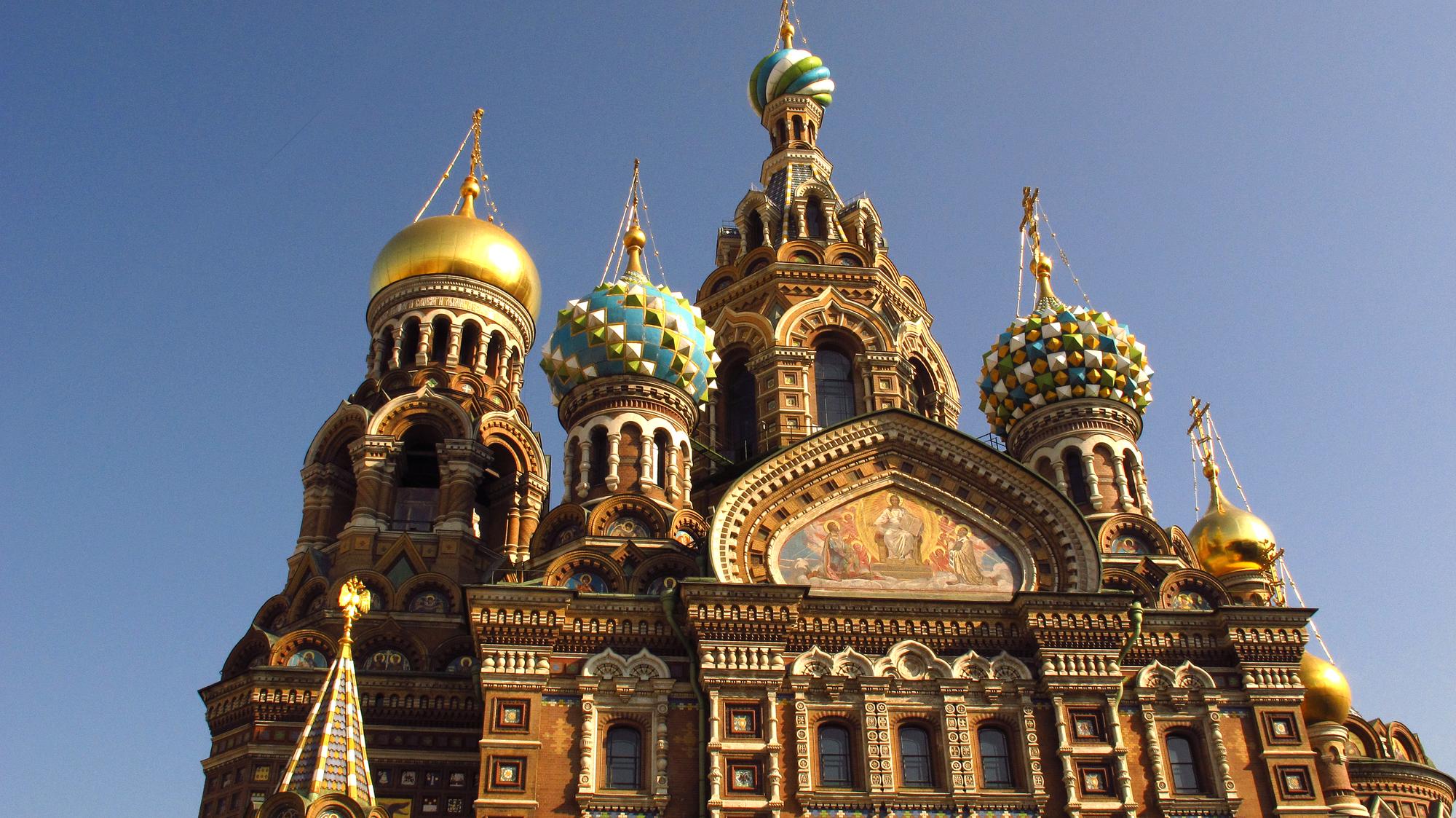
1839 i 1883 to daty, które zakotwiczą pochodzenie tej katedry. Kamień węgielny położono w 1839 roku, a budynek otwarto w 1883 roku, co oznaczało czterdziestoletni projekt, który powstał z pamięci o wojnach napoleońskich i lojalności wobec wiary prawosławnej.
Projekt opierał się na wizji Konstantina Thona, mistrza stylu bizantyjskiego odrodzenia, który wkomponował wpływy słowiańskich rytuałów liturgicznych w monumentalny, krzyżowy plan. Ten sposób podkreślał poziom architektury sakralnej, która miała inspirować nabożeństwo poprzez formę i proporcje, z wyraźnym naciskiem na tradycję ikonograficzną, która później towarzyszyła budowli.
Jego masyw cechował się wielką centralną kopułą, wysoką dzwonnicą i posągiem Zbawiciela nad głównym wejściem, wszystkie te elementy ułożone tak, aby stworzyć punkt centralny w miejskim krajobrazie stolicy. Posąg i kopuła dominowały w widokach, podkreślając rolę katedry jako symbolu narodowego, jednocześnie zapraszając do wnętrza na msze poranne i inne nabożeństwa.
Przed otwarciem projekt był promowany jako ważne wyznanie wiary i lojalności wobec cesarstwa, mający posłużyć jako trwały pomnik dla przyszłych pokoleń. Wnętrze, mozaiki i ikonografia odzwierciedlały zaangażowanie w korzenie stylistyczne słowiańskie i bizantyjskie, łącząc rytuał kościelny z życiem publicznym w Moskwie.
Zniszczenie nastąpiło w latach 1931-1932, kiedy reżim Stalina zburzył katedrę, aby zrobić miejsce na Pałac Rad, co na dekady zacieniowało religijną pamięć miasta i zmieniło oś północ-południe centrum miejskiego. Los tego miejsca stał się symbolem radzieckiego ateizmu, jednak fundamenty oryginalnego projektu pozostały punktem odniesienia dla późniejszej odbudowy.
Po upadku ZSRR miasto przyjęło ruch odrodzeniowy. Nowa katedra powstała na tym samym miejscu, a uroczyste otwarcie odnowionego kościoła miało miejsce pod koniec lat 90. do 2000 roku, zapewniając, że dziedzictwo Zbawiciela kontynuowało się w nowej erze. Współczesne odniesienia do tego pochodzenia, w tym dyskusje na YouTube i krąg informacyjny Sputnika, pomagają utrzymać Кирилла i tradycję słowiańską w pamięci publicznej, nawet gdy święto duchowego życia Moskwy idzie do przodu, a pamięć o ważnych datach budowy pozostaje jasnym punktem odniesienia dla odwiedzających i badaczy.
Zniszczenie w 1931 roku i wpływ wyburzenia
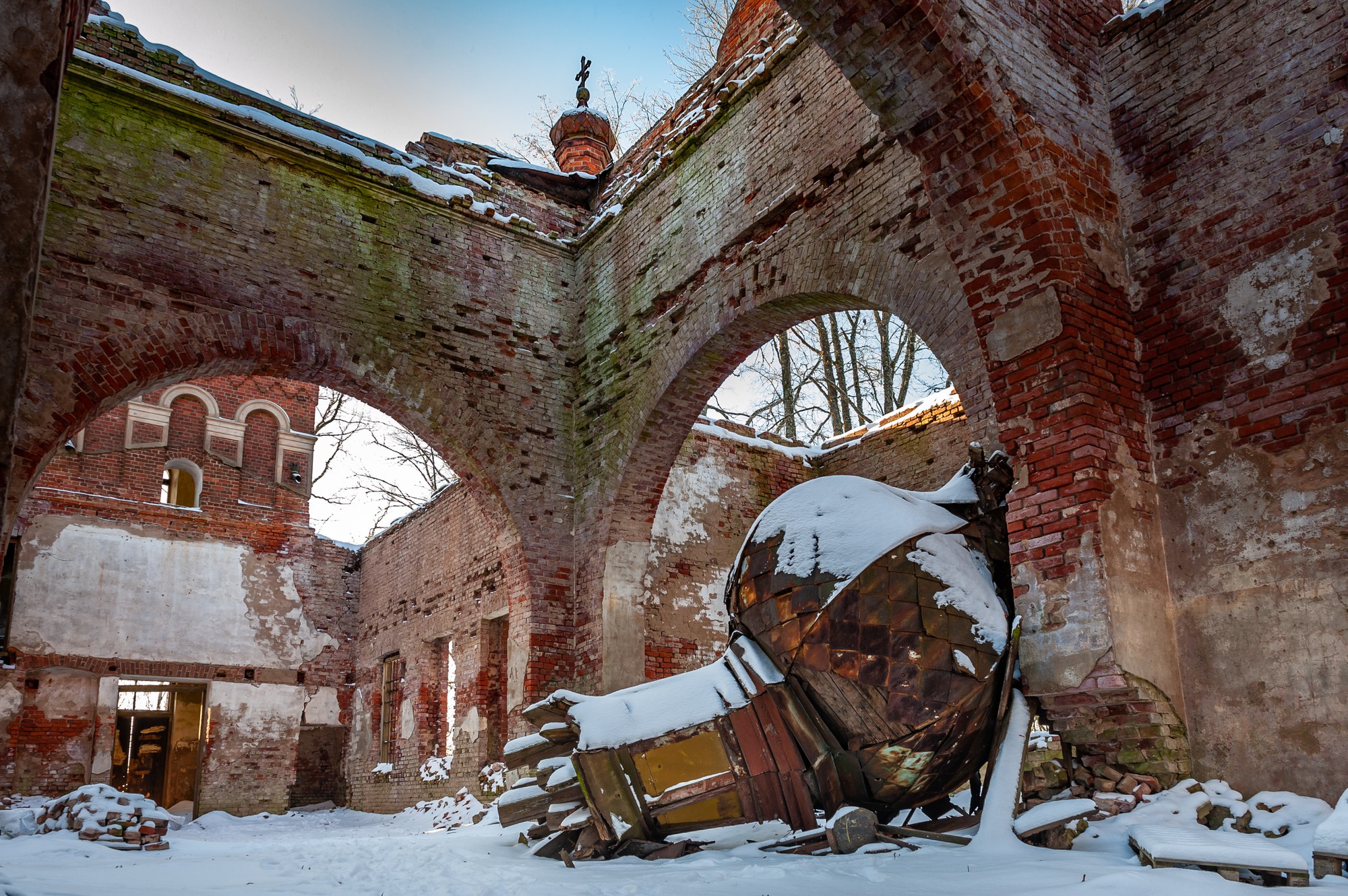
Dokumentuj zniszczenia z 1931 roku, aby zrozumieć, jak wiary i retoryka patriotyczna splatały się z władzą państwową i polityką miejską w historii Moskwy.
- Timeline i działania w piątek: W piątek, 1931 roku, ekipy demontażowe rozpoczęły pracę od usunięcia kopuły i murów; rusztowania wznosiły się wokół świętej fasady, podczas gdy ciężkie maszyny usuwały gruz z cegieł i chertolye; w ciągu kilku tygodni na miejscu pojawił się pusty plac zamiast miejsca kultu.
- Polityczne uzasadnienie i zatwierdzenia: Liderzy postępowali zgodnie z planem zastąpienia katedry Pałacem Rad. Lenin wcześniej zaakceptował koncepcję, a projekt otrzymał formalne zatwierdzenie od kierownictwa partii; plan obejmował nawet kolosalny pomnik Lenina i rozbudowane rusztowania, z pomysłem na basen pojawiającym się w wczesnych propozycjach; walka między wiarą a modernizacją zdefiniowała następne lata.
- Religijna reakcja i głosy lokalne: Wikary moskiewskiej diecezji publicznie sprzeciwił się wyburzeniu, podczas gdy delegaci Świętego Synodu argumentowali, że epoka wymagała postępu; wielu ludzi popierało ten krok jako patriotyczny, jednak urzędnicy i inni opłakiwali utratę centrum duchowego i symbolu kultury.
- Pamięć, symbolika i wpływ na obywateli: zniszczenie zakłóciło liturgię i rytuały oglądania na pokolenia; posąg i rusztowania wokół miejsca stały się ikonami władzy państwowej i pamięci, kształtując sposób, w jaki obywatele i goście postrzegali tożsamość i historię Moskwy.
- Długoterminowe konsekwencje i perspektywa XXI wieku: Pustka na tym terenie wpłynęła na wybory architektoniczne Moskwy przez dziesięciolecia; w XXI wieku widok pustego wykopu wzbudza dyskusje na temat historii, tożsamości i sposobu upamiętnienia zarówno wiary, jak i postępu w przestrzeni miejskiej; pamięć pozostaje elementem patriotycznym w dyskusjach o przeszłości miasta.
Wskazówki dla badaczy i czytelników: korzystajcie z źródeł pierwotnych, w tym oficjalnych dekretów, oświadczeń wikariuszy, notatek św. m., a także zdjęć okresowych przedstawiających rusztowania i planowaną statuę; bierzcie pod uwagę 25-lecie rocznice jako punkty odniesienia dla zrozumienia, w jaki sposób kształtuje się pamięć; dla perspektywy dziedzictwa moskiewskiego porównajcie mapy, plany i współczesne widoki, aby zrozumieć zmiany w przestrzeni publicznej; dla uczniów i odwiedzających przygotujcie trasę obejrzenia, która zestawi zdjęcia archiwalne z dzisiejszym placem, aby lepiej zrozumieć trwały wpływ demolacji i lekcje dla przyszłych decyzji urbanistycznych.
Odbudowa: odrodzenie powojenne i ukończona rekonstrukcja
Zaplanuj wycieczkę z przewodnikiem do sanktuarium i tronu, aby zrozumieć, jak odrodzenie powojenne przywróciło główną salę do życia i odnowiło wspólnotę dla wyznawców prawosławia. Rekonstrukcja połączyła sztukę, pamięć i potrzeby liturgiczne, przywracając katedrze jej rolę jako żywego centrum duchowego życia Moskwy.
- Zniszczenie oryginalnej katedry miało miejsce w 1931 roku, a budynek był zamknięty przez dziesięciolecia; miejsce stało się surowym przypomnieniem represji, aż rozpoczęło się odrodzenie.
- rozpoczęto w latach 1994-95: powstał plan odnowy pod przewodnictwem patriarchy, z udziałem architektów, ikonografów i darczyńców, którzy utworzyli komisję soborową w celu określenia wiernej rekonstrukcji kompleksu, w tym sanktuarium i tronu wzdłuż osi centralnej.
- Wielka rekonstrukcja: główna konstrukcja, kopuły i wnętrze zostały odbudowane; projekt odrodził estetykę XVIII wieku i zachował kluczową ikonografię, używając przy tym nowoczesnych materiałów dla trwałości.
- Umieszczone z precyzją: tron, ołtarz i elementy liturgiczne zostały rozmieszczone wzdłuż głównej osi, aby zachować widoczność dla procesji i zapewnić godne sanktuarium dla nabożeństw w sali.
- Wśród licznych partnerów: wysiłek cieszył się wsparciem wielu darczyńców, kilku cerkwi w Rosji oraz instytucji prawosławnych związanych z społecznością, co umożliwiło koordynowaną konserwację i pracę rzemieślniczą.
- środy i piątki liturgiczne: gdy nabożeństwa wznowiono, komunia i modlitwy liturgiczne wróciły do cyklu tygodniowego, przyciągając duże tłumy, zwłaszcza w środę i piątek.
- zniszczenie i pamięć: projekt przyznawał zniszczeniu miasta w przeszłości, jednocześnie oferując przestrzeń do modlitwy, edukacji i wydarzeń kulturalnych, w tym dyskusji na temat rytuałów zielonych świąt (пятидесятнице) i dziedzictwa katedry, z trasami nawiązującymi do obszaru vorobyovy, aby kierować pielgrzymów.
- 25-lecie milestonesu: ukończenie zostało uczczone jako kamień milowy w duchowym odrodzeniu Moskwy, podkreślone wycieczkami, odnowionymi mozaikami i uroczystościami publicznymi, które potwierdzają rolę katedry w narodowej pamięci prawosławnej.
- Współczesne projekty czerpały z motywów inspirowanych cesarską tradycją oraz tradycji soborowej, aby połączyć nowoczesną świątynię z historyczną formą, zachowując jednocześnie dostępność dla wszystkich wiernych i odwiedzających.
Architektoniczne atrakcje: elewacja, kopuła i sztuka wnętrz
Na zewnątrz zauważysz skalę i zamiar tego monumentu. W Moskwie Katedra Chrystusa Zbawiciela wieńczy Wzgórze Borowickie i prezentuje śmiałą sylwetkę w stylu rosyjskiego odrodzenia autorstwa Konstantego Thona, zaprojektowaną w 1839 roku i ukończoną w 1883 roku. Plan łączy w sobie elementy bizantyjskie z wysokimi pionami, mającymi podkreślić religijne stanowisko imperium zarówno dla mieszkańców, jak i gości. Z tego punktu widzenia zauważysz masywność, białą kamienną elewację i pozłacane cebulaste kopuły, które akcentują panoramę miasta. Układ terenu umieszcza monumentalne fasady w kierunku rzeki Moskwy, zapraszając do spaceru wokół, aby przyjrzeć się rzeźbionym gzymsom i sposobowi, w jaki światło odbijając się od kamienia.
Detale zewnętrzne podkreślają program rzeźbiarski: płaskorzeźby, motywy łuków i rytm ceremonialny w elewacji. Kamieniarstwo wykorzystuje białe wapienie z polerowanymi granitowymi podstawami, aby podkreślić pionowe wieże i bęben kopuły. W latach po restauracji rusztowania otaczały ściany; rzemieślnicy przywracali fragmenty, czyścili powierzchnię i odnawiali gzymsy, aby zachować wygląd z XIX wieku. Narracje czerpią z tradycji preobrażeńskiej poprzez płaskorzeźby i sceny symboliczne, które nadają ton dramaturgii wnętrza.
Centralna kopuła wieńczy kompozycję, pozłacana i osadzona na bębnie przebitym łukowymi oknami. Jest to największy rozpoznawalny element, otoczony przez cztery mniejsze pozłacane kopuły. Pozłacanie chwyta słońce, zamieniając linię horyzontu w latarnię, gdy patrzy się z rzeki Moskwy. Rytm elewacji pociąga wzrok ku krzyżowi na szczycie głównej kopuły, sygnalizując duchowy cel budynku jako miejskiej atrakcji i narodowego symbolu.
W środku program artystyczny wnętrza podkreśla ambicję zewnętrzną. Ołtarz i ogromna ikonostaza definiują sanktuarium, a mozaiki i freski wypełniają ściany. Program obejmował liczne sceny autorstwa czołowych rosyjskich mistrzów, a atmosferę porannej modlitwy tworzy światło dzienne, które przeciska się przez okna kopuły na złoto i kolory. Wśród scen teofanii i cykli świątecznych paleta zmienia się wraz z kalendarzem liturgicznym, zapraszając do ciągłego odczytywania opowieści sakralnych podczas przemieszczania się po przestrzeni. Niegdyś wnętrze stanowiło diadem cesarskiego nabożeństwa w Moskwie, zachęcając wiernych do zatrzymywania się i studiowania każdego malowanego panelu i pozłacanego elementu.
Odbudowa łączy przeszłość z teraźniejszością. Katedra przetrwała zniszczenia radzieckie i została odbudowana w latach 90. XX wieku, aby odzyskać dawną świetność. W projekcie pracował Witberg, który miał dostęp do archiwalnych planów i badań pigmentów, a także używał rusztowań do precyzyjnej rekonstrukcji sztukaterii, mozaik i ikonografii. Ostateczny etap zakończył się, gdy patriarcha przeprowadził ponowne poświęcenie, a nabożeństwa wznowiły się w odnowionym wnętrzu. Cesarzowie i carowie sfinansowali pierwotne przedsięwzięcie, a dzisiaj budynek nosi ich dziedzictwo z odnowioną sztuką wnętrz, trwałym kamieniem i żywym programem kultu z ołtarzem w centrum.
Wskazówki dla odwiedzających: godziny otwarcia, wycieczki, dostępność i najważniejsze atrakcje.
Sprawdź najpierw dzisiejsze godziny na oficjalnej stronie lub przy bramie; zaplanuj 60-90 minut na zwiedzanie z uwagą, wliczając czas na pobyt na placu i podziwianie kopuł. Zewnętrzna połyskliwa eleganckość budynku przypominająca satelitę zachęca do zatrzymania się przed wejściem, wprowadzając w atmosferę przestrzeni sakralnej.
Godziny otwarcia: Katedra jest zwykle otwarta codziennie od 9:00 do 20:00, z pewnymi zmianami podczas nabożeństw i wigilii świątecznych; sprawdź szczegóły na recepcji lub online, aby uniknąć niespodzianek. Plac przed katedrą przyciąga mieszkańców, pielgrzymów i turystów przez cały dzień, dając poczucie rytmu miasta podczas przyjazdu i wyjazdu.
Tury: Wycieczki z przewodnikiem są oferowane w języku angielskim i rosyjskim przez zespół dziedzictwa katedry; obejmują one 60-minutowy przegląd ikonostazu, mozaik i wizerunków bogurodzicy. Wycieczki w języku angielskim zazwyczaj odbywają się o godzinie 11:00, 13:00 i 15:00; prywatne wycieczki można zorganizować w biurze dla odwiedzających. Zurab, przyjacielski przewodnik, który często witaje grupy przy głównym wejściu, uzupełnia szczegóły opowieściami o Aleksandrze i carach, którzy kształtowali historię tego miejsca.
Dostępność: Kompleks zapewnia dostęp bez schodów przez boczny wejście i obsługiwany windą do przystosowanych przestrzeni; wózków inwalidzkich i wózków dziecięcych serdecznie witamy, a personel jest gotowy do pomocy. W przypadku uczestnictwa lub obserwacji komunii lub liturgii ubierz się skromnie i przyjdź wcześniej, aby uczestniczyć lub obserwować z szacunkiem; personel może poprowadzić Cię do miejsc siedzących i podać godziny nabożeństw przed momentem, gdy nawę zacznie wypełniać tłum.
Należy zobaczyć: bizantyjski ikonostas ramuje ikonę bogurodzicy i wielką boską atmosferę w nawie, uzupełnioną pozłacanymi sufitami i skomplikowanymi freskami. Plac przed katedrą podkreśla jej monumentalny sylwet, przyćmiony przez skyline Moskwy i poczucie historii. Miejsce to nosi również pamięć o pierwotnej świątyni, która stała tutaj przed wyburzeniem w 1931 roku i została później odbudowana, z historią, którą można wzbogacić dzięki przewodnikom takim jak Aleksiej i notatkom udostępnianym przez kolegów Aleksieja; posiadanie tego kontekstu sprawia, że każdy szczegół staje się bardziej znaczący. Jeśli planujesz spójny wizyt, skup się na nawie, galerii ikon i przestrzeniach muzealnych przylegających do katedry, i bądź świadomy okresów Kanalôn (канун), kiedy tłumy są największe.