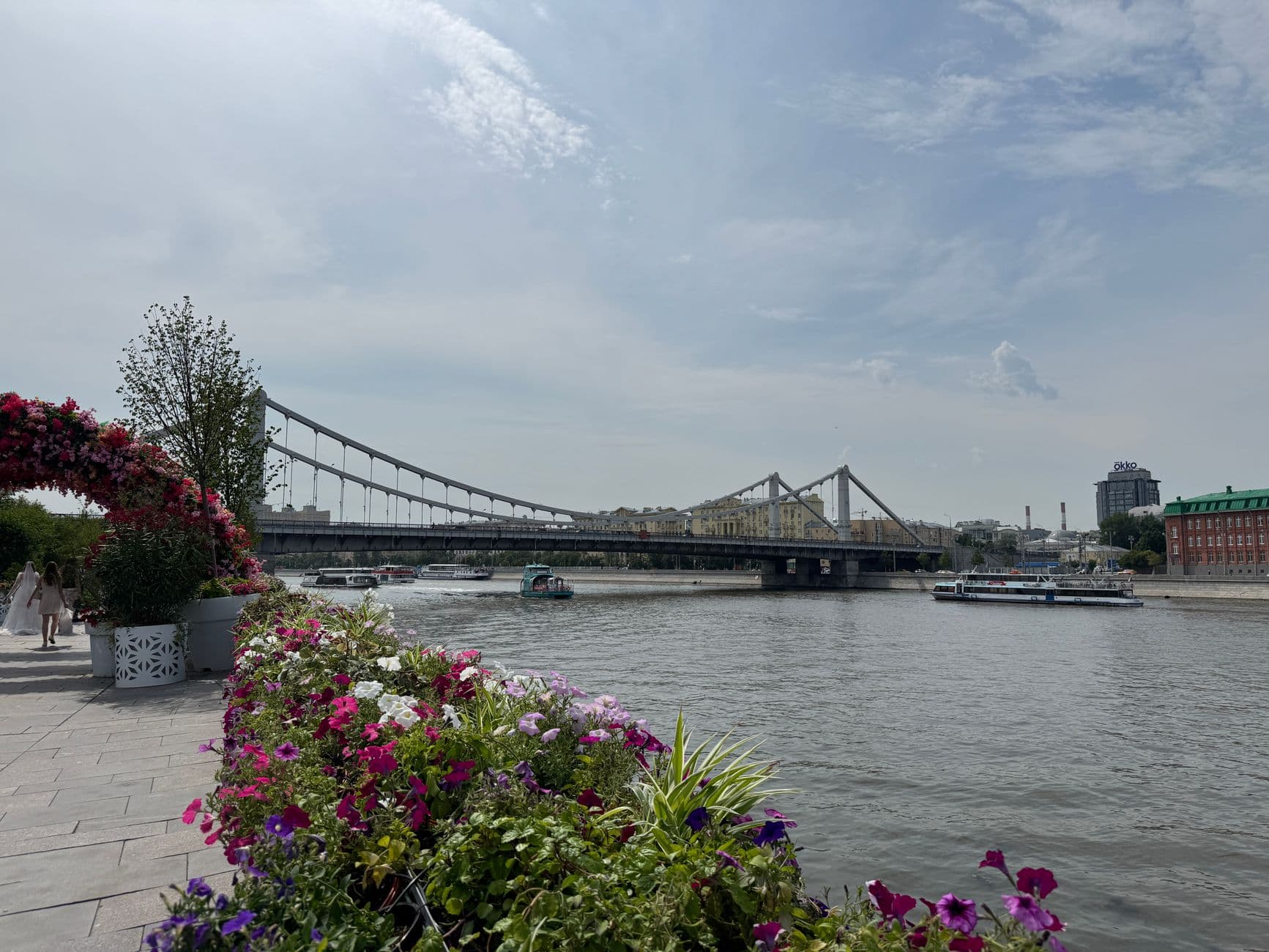
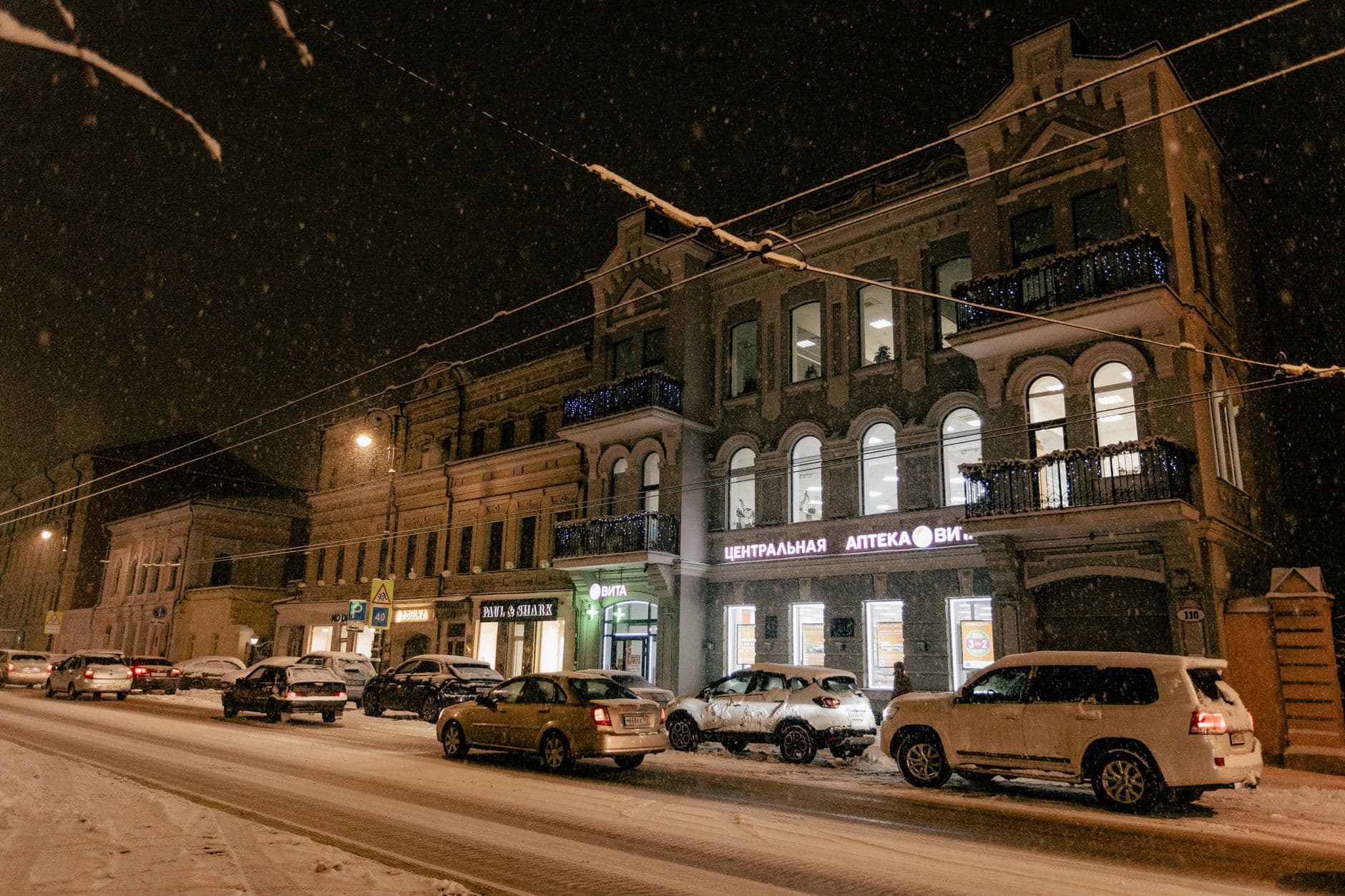
Kolej ekspresowa to mój główny wybór dla tych dwóch miast, oferując szybsze połączenie między centrami miast i przewidywalne rozkłady jazdy.
Na kolei ekspresowej podróże zazwyczaj trwają około czterech godzin, z częstymi odjazdami w ciągu dnia i komfortowymi wagonami. Ceny wahają się w zależności od sezonu, ale wcześniejsza rezerwacja i wybór podróży w środku tygodnia mogą obniżyć koszty. Karty są akceptowane na większości terminali, a opcje krok po kroku pozwalają dostosować usługę do własnego tempa. Jeśli odwiedzasz muzeum lub chcesz zobaczyć wspaniały widok na miasto, ta trasa zapewnia bliskość dworców centralnych, gdzie skupione są te atrakcje.
Usługi lotnicze oferują około 1,5 godziny w powietrzu, ale krążenie po lotnisku, kolejki do kontroli bezpieczeństwa i transport do centrum miasta nie zawsze są szybkie, więc ostateczny wynik może różnić się od podróży koleją. Okres świąteczny może podnosić ceny, a czas podróży zależy od pogody; jeśli przyjeżdżasz ze ścisłym harmonogramem, przewidywalność może być mniej niezawodna.
Jazda samochodem daje swobodę zatrzymania się tam, gdzie chcesz, gdzie możesz sprawdzić bloga lub zatrzymać się w kawiarni, muzeum miejskim, albo u podnóża wzgórza z pięknym widokiem. Odległości przekładają się na około siedem godzin jazdy w normalnym ruchu drogowym, ale możesz napotkać opłaty drogowe i roboty drogowe, które Cię spowolnią. Jeśli chcesz uniknąć lotniska i dworców kolejowych, ta opcja pozwala Ci kontrolować harmonogram, chociaż ceny mogą wzrosnąć, gdy popyt jest wysoki. Dla pragmatycznych podróżnych te czynniki, które można kalkulować - czas, koszt i komfort - pomagają w kształtowaniu planu.
W odpowiedzi na Twoje pytanie, te opcje oferują alternatywy; możesz wyjść z planem, który ułatwi podróż, utrzyma rozsądne koszty i uszanuje Twoje tempo. Jeśli zakupy świąteczne lub wizyty w muzeach są częścią planu podróży, ten blog pomoże Ci zdecydować, jak najlepiej wykorzystać czas, a te wskazówki mają na celu pozostawienie niczego przypadkowi. Mam nadzieję, że to pomoże.
Czas podróży historycznej: Moskwa-Petersburg pociągiem, samolotem i samochodem
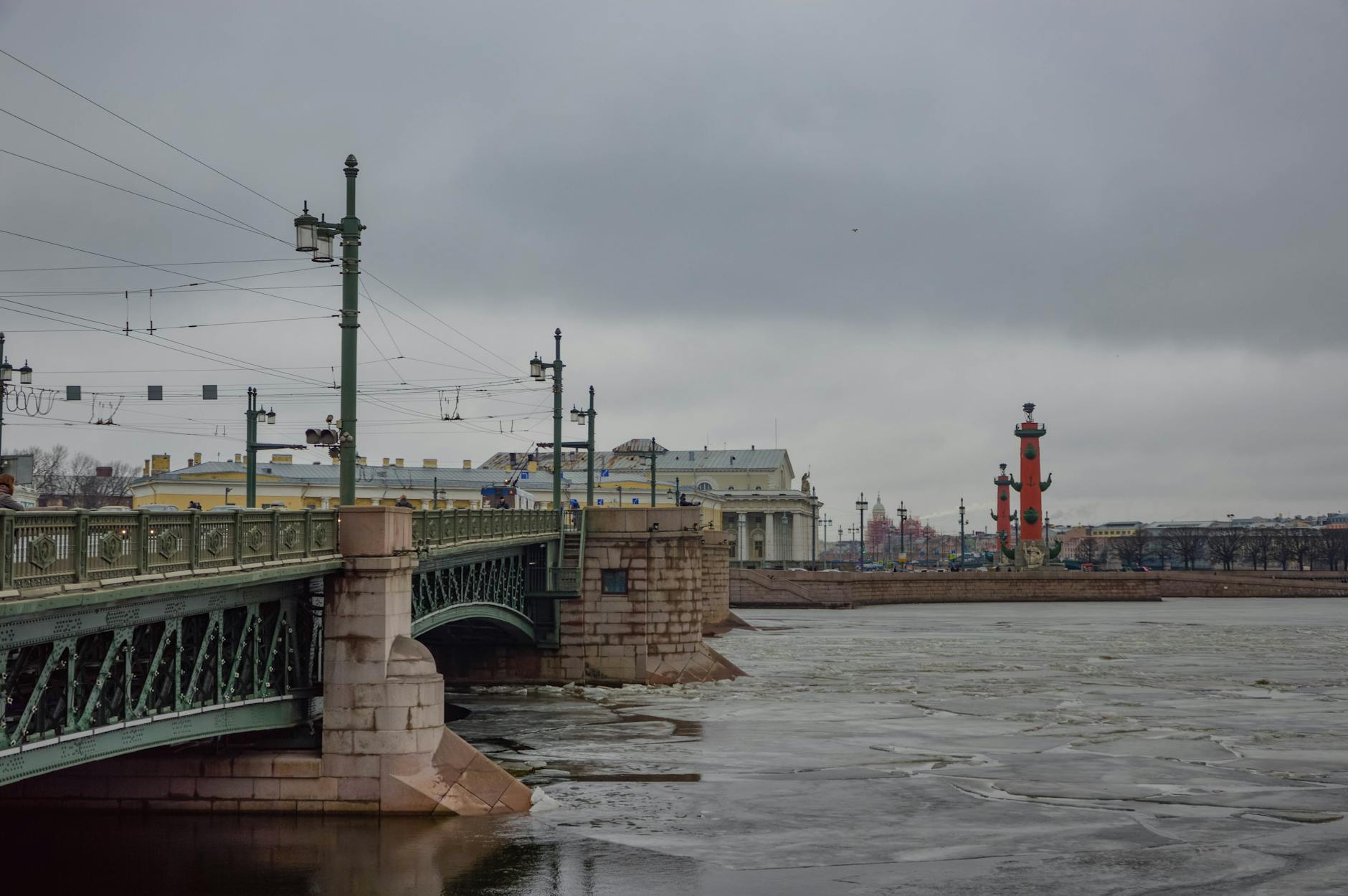
Rekomendacja: jeśli zależy Ci na czasie, wybierz dzienny transport lotniczy, ponieważ całkowity czas podróży zazwyczaj wynosi 2,5-3,5 godziny, z czego lot trwa około 60 minut, a transfery lądowe łącznie 30-60 minut. W szczycie sezonu jest ograniczona liczba miejsc w ciągu dnia, więc wcześniejsza rezerwacja pomoże Ci dotrzeć bliżej preferowanej godziny. Dla osób szukających okazji, szybka kolej zapewnia około 3h20m-4h łącznie, plus 20-40 minut na dotarcie do centralnych dzielnic z głównej stacji. Jeśli wybierzesz podróż drogą, zaplanuj 6-9 godzin jazdy, w zależności od ruchu drogowego w ciągu dnia i przerw na odpoczynek. Ta opcja pozwala na zwiedzanie, z przystankami kulinarnymi i jednym lub dwoma katedralnymi wzdłuż zabytkowego pierścienia miast. Podsumowując, dokładne czasy nie są ustalone; nie ma uniwersalnej zasady, dlatego należy uwzględnić oficjalne rozkłady jazdy i możliwe zmiany wynikające z sankcji lub pogody. Stolica, będąca bramą do Petersburga, oferuje niezwykłe krajobrazy, szczególnie latem, gdy dzień jest długi; jarmark bożonarodzeniowy jest tam miłym dodatkiem.
Praktyczne uwagi: podczas planowania dziennego, letnie światło dnia wydłuża możliwości zwiedzania i może przesunąć preferowaną godzinę rozpoczęcia, chociaż rozkłady jazdy nadal różnią się w zależności od trasy. W okresie świąt Bożego Narodzenia pogoda i ograniczony personel mogą wydłużyć każdą część podróży o minuty, dlatego należy uwzględnić dodatkowy margines. Połączenia kolejowe odjeżdżają z głównych stacji, oferując niezawodną obsługę z różnymi opcjami miejsc siedzących i bagażu; podróż prywatnym samochodem zapewnia kontrolę nad trasą i możliwość włączenia postojów kulinarnych oraz krótkich wizyt w katedrach wzdłuż pierścienia historycznych miasteczek. Tam panorama Petersburga staje się satysfakcjonującym widokiem, zwłaszcza podczas zbliżania się do stolicy północy. Sporządzając zestawienie opcji, należy wziąć pod uwagę oficjalne rozkłady jazdy i przesiadki, a także szukać rozwiązań minimalizujących przesiadki w ruchliwych węzłach. Jeśli liczy się bogactwo, przejazd z kierowcą dodaje komfortu i elastyczności, podczas gdy podróżni z ograniczonym budżetem mogą połączyć transport publiczny z krótkimi przejazdami taksówką. Nie ma jednej najlepszej opcji; różnica między opcjami kolejowymi a lotniczymi polega na szybkości, cenie i komforcie.
Migawki czasu trwania według trybu
Transport lotniczy: od drzwi do drzwi zazwyczaj 2,5-3,5 godziny; faktyczny przelot około 60 minut, plus 30-60 minut na formalności lotniskowe i transfer do centrum miasta. Kolej: około 3h20m-4h trasą szybkiej kolei, z 20-40 minutami dojazdu do centralnych dzielnic z głównego dworca. Drogowy: około 6-9 godzin jazdy, w zależności od dziennego natężenia ruchu, postojów i objazdów na krótkie wizyty w katedrach lub nad nabrzeżem wzdłuż szeregu miasteczek. Warunki letnie lub świąteczne mogą wydłużyć te czasy o godzinę lub więcej, zwłaszcza jeśli dodasz przystanek w piekarni lub na lokalnym targu.
Praktyczne notatki planistyczne
Stacje na trasie oferują różne punkty dostępu do centrum miasta, dlatego wybieraj węzły z bezpośrednimi lub krótkimi przesiadkami. Miej ręce na pulsie, rezerwując bilety z wyprzedzeniem i potwierdzając bieżące sankcje, które mogą wpłynąć na koszty paliwa lub częstotliwość kursowania. Dolna część planu podróży powinna równoważyć szybkość, koszty i chęć spróbowania lokalnej kuchni w małych miasteczkach - ten kulinarny akcent może sprawić, że cała podróż będzie odczuwalnie bogatsza, z widokami obejmującymi kopułę katedry lub dwie oraz rzuty oka na wspaniałą architekturę w kluczowych węzłach komunikacyjnych. Chociaż krajobrazy podczas dziennych przejazdów są niezwykłe, warunki zimowe w okresie świąt Bożego Narodzenia mogą ograniczyć możliwości; w takim przypadku prywatne opcje mogą zapewnić stabilniejszy harmonogram i przewidywalny czas. We wszystkich przypadkach silnym punktem odniesienia pozostaje stolica, z Petersburgami tworzącymi uzupełniający łuk, który podkreśla bogactwo historii i kultury regionu. Plan powinien zatem uwzględniać ograniczenia zasobów, preferencje rodziny i realistyczny harmonogram, abyś przybył zrelaksowany i gotowy do zwiedzania.
Kamienie milowe infrastruktury: Rozwój kolei, lotnisk i dróg
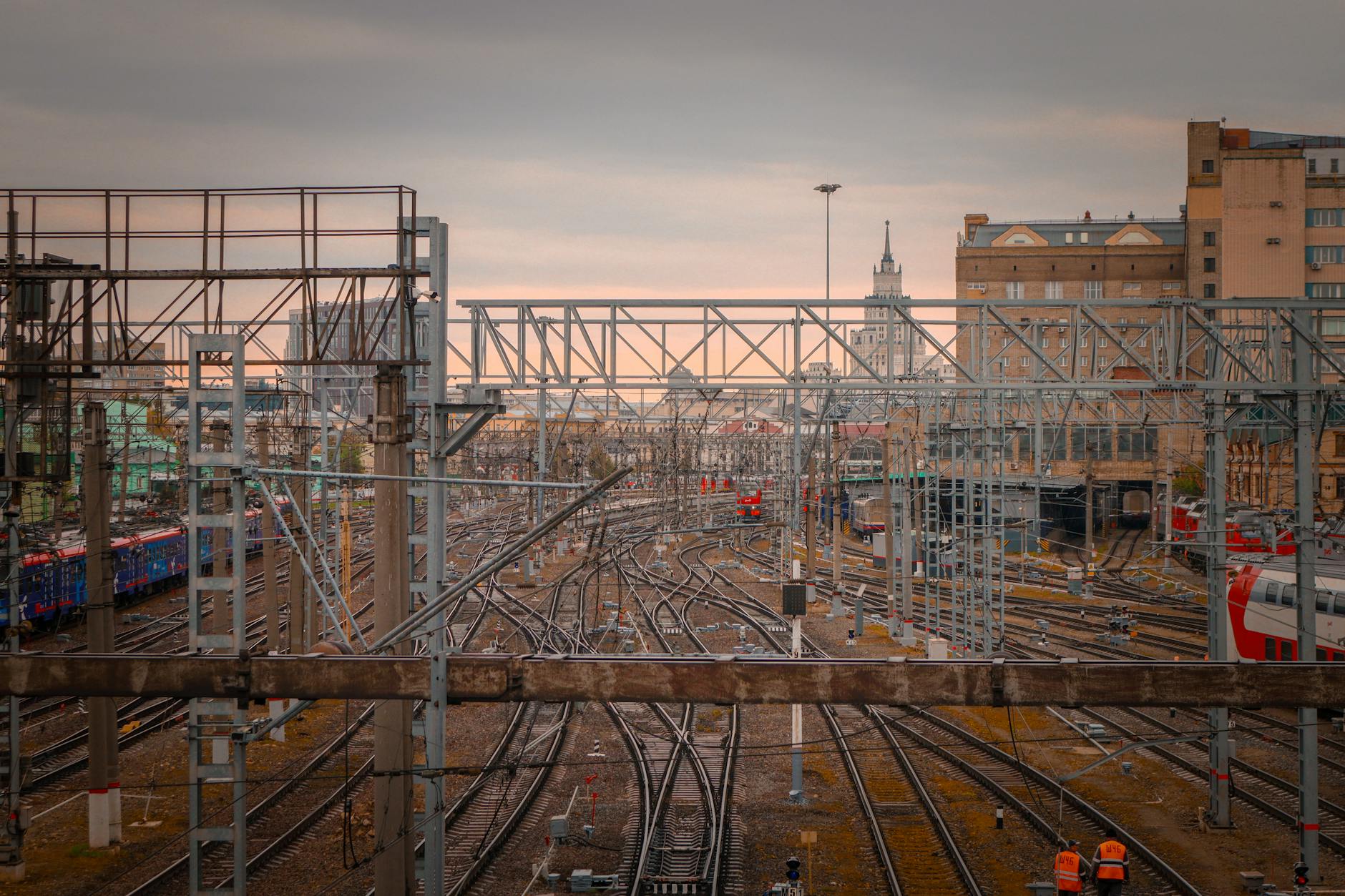
Zalecenie: oprzyj się na kolei dużych prędkości jako kręgosłupie korytarza; najtańsze bilety pojawiają się przy rezerwacji z kilkumiesięcznym wyprzedzeniem, a następnie opcja ze średniej półki cenowej równoważy prędkość z kosztem. W przypadku szybkich przelotów na tym samym odcinku podróż samolotem pozostaje wykonalna, ale należy spodziewać się wyższych cen i dłuższego odprawienia; jazda samochodem po odbudowanych autostradach zapewnia elastyczność na odcinkach regionalnych. Sylwetka Kremla i pałace na jego terenie to częste widoki na tej trasie, co sprawia, że dłuższa podróż jest nadal angażująca dla dzieci.
Kamienie milowe kolei
Główne modernizacje obejmują elektryfikację głównych linii, nowoczesne sygnalizację i nowy tabor, które zwiększają liczbę codziennych odjazdów i skracają czas podróży; ceny biletów są zróżnicowane, najtańsze bilety dostępne są w przedsprzedaży lub przez aplikacje, a niektóre miejsca pozostają drogie w godzinach szczytu. Oficjalne konto potwierdza krótsze przestoje i szybsze tempo. Post od władz kolejowych podkreśla modernizację. Oficjalne posty szczegółowo opisują modernizacje. Kilka lat inwestycji zwiększyło niezawodność. Modernizacje odbywały się rok po roku. Ceny biletów są zróżnicowane. Pomnik w pobliżu Kremla oznacza historyczną trasę, a na terenie wspomniano o fortyfikacjach bitewnych. Władze kolejowe wzywają do dalszych modernizacji; bilety ze zniżkami dla dzieci i rezerwacje grupowe poprawiają dostępność, a osoby korzystające z tej opcji często zgłaszają zadowalającą równowagę między komfortem a ceną. Widok po drodze i artykuły wspominają o pałacach z epoki Katarzyny, które wzbogacają wrażenia z podróży.
Lotniska i Autostrady: kamienie milowe
Modernizacje lotniska obejmowały większe terminale, szybsze punkty kontroli bezpieczeństwa i zwiększoną przepustowość obsługi naziemnej; loty zagraniczne zwiększyły możliwości, a usługi po przylocie poprawiły się dzięki lepszym opcjom kulinarnym w strefach terminali. Aplikacje do rezerwacji biletów ułatwiają wyszukiwanie cen i miejsc; w ciągu roku kilkakrotnie zwiększono przepustowość pasów startowych i liczbę stanowisk postojowych, co umożliwiło jednoczesne odloty. Po stronie dróg ekspresowych M11 „Neva" skróciła czas jazdy do około sześciu do siedmiu godzin przy normalnym natężeniu ruchu; obowiązują opłaty, więcej jest miejsc odpoczynku i stacji obsługi, a jazda samochodem pozostaje elastyczną opcją na malownicze postoje, które prezentują miejscowości i widoki wzdłuż trasy. Koszt się różni; najtańsze trasy prowadzą drogami regionalnymi, choć niezawodność i czas podróży różnią się w zależności od pogody i pory roku. Ta kombinacja nadal czyni ten korytarz praktyczną opcją planowania podróży, zwłaszcza dla rodzin z dziećmi podróżującymi samochodem.
Koszty podróży: Bilety lotnicze tam i z powrotem we wczesnej historii
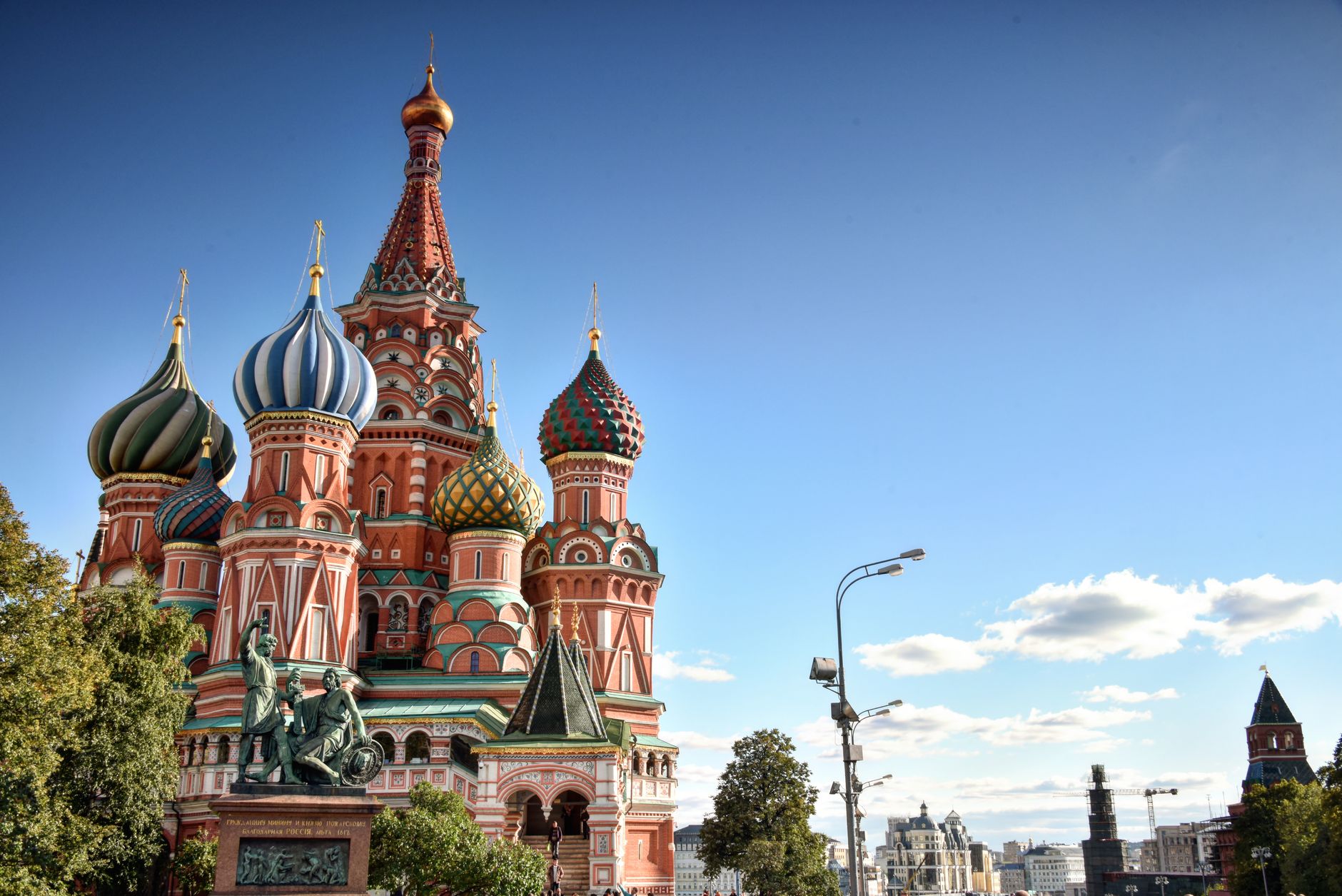
Te podróże kolejowe oferują najlepszy stosunek kosztów do szybkości dla planu podróży korytarzem moskiewskim. Dla rodzin z dziećmi bilet powrotny w przedziale niższej klasy często oznaczał mniejsze wydatki niż alternatywy, w tym posiłki wliczone w niektóre pakiety i schronienie podczas zimowych podróży. Znaczenie wartości mierzy się tu komfortem, niezawodnością rozkładu jazdy i możliwością odwiedzania pałaców lub katedr bez nadwyrężania budżetu; dlatego rezerwacja z wyprzedzeniem, a następnie wybór okresów poza szczytem, zapewniają najlepszą kombinację ceny i dostępności poniżej szczytu sezonu.
- Struktura cen według klasy i konfiguracji: Przedziały drugiej klasy lub wspólne: zazwyczaj najtańsza opcja podróży w obie strony, z kosztami, które wczesne zapisy określają jako kilka rubli na podróżnego, w zależności od dekady i przewoźnika.
- Wagony pierwszej klasy z przedziałami: znacznie wyższe, często dwu- lub trzykrotność ceny bazowej, odzwierciedlające więcej przestrzeni i prywatności dla rodzin lub grup.
- Pakiety specjalne: oferty wieloprzejazdowe lub karnety, które można znaleźć w rozkładach jazdy i które mogą obniżyć koszt przejazdu na trasie dla osób często podróżujących.
- Sezonowość i różnice w usługach Podróże zimowe generalnie wiązały się z mniejszym popytem i czasami niższymi cenami biletów, chociaż pogoda mogła wydłużyć czas podróży i dodać pośrednie koszty.
- Międzynarodowe połączenia do szerszych sieci były zazwyczaj droższe, ale na niektórych trasach występowały zniżki rodzinne lub grupowe.
- Inne koszty i wygody Układ przedziałów często uwzględniał stopień posiłków lub serwisu napojów w cenie, zmniejszając impulsywne zakupy na stacji poniżej zwyczajowego zapotrzebowania stacji na dodatki.
- Obsługa stacji, bagaż i niewielkie opłaty serwisowe przyczyniły się do ostatecznej kwoty, ale zazwyczaj były przewidywalne podczas planowania wizyt na terenie Kremla, pałaców lub dzielnicy katedralnej.
- Praktyczne wskazówki dotyczące budżetowania Zarezerwuj bilety powrotne z dużym wyprzedzeniem; takie oferty były powszechne i mogły oznaczać oszczędności, które kumulują się podczas wizyt w moskiewskich muzeach lub na międzynarodowych wystawach.
- Łącząc dwa lub więcej pobytów w miastach, można skrócić całkowitą liczbę dni podróży; takie podejście jest odpowiednie dla rodzin planujących odwiedzić ozdobne wnętrza i historyczne dworce, gdzie wspomnienie zimowych krajobrazów pozostaje długo po podróży.
Podsumowując, podróże kolejowe tam i z powrotem oferowały największą wartość, ze znacznie niższymi kosztami niż loty czy podróże samochodowe na początku historii, zwłaszcza przy rezerwacji z wyprzedzeniem i poza sezonem. Dla tych, którzy chcieli odwiedzić kreml, zespoły katedralne i inne miejsca w Moskwie i na północy, te ceny oferowały najlepszy zwrot z zainwestowanego czasu, a kompaktowe przedziały zapewniały rodzinom takim jak Twoja komfort i bliskość, co stanowi praktyczne zwycięstwo w podróżach podczas trudnych zim.
Dostępność i dostęp do centrum miasta: wtedy i teraz
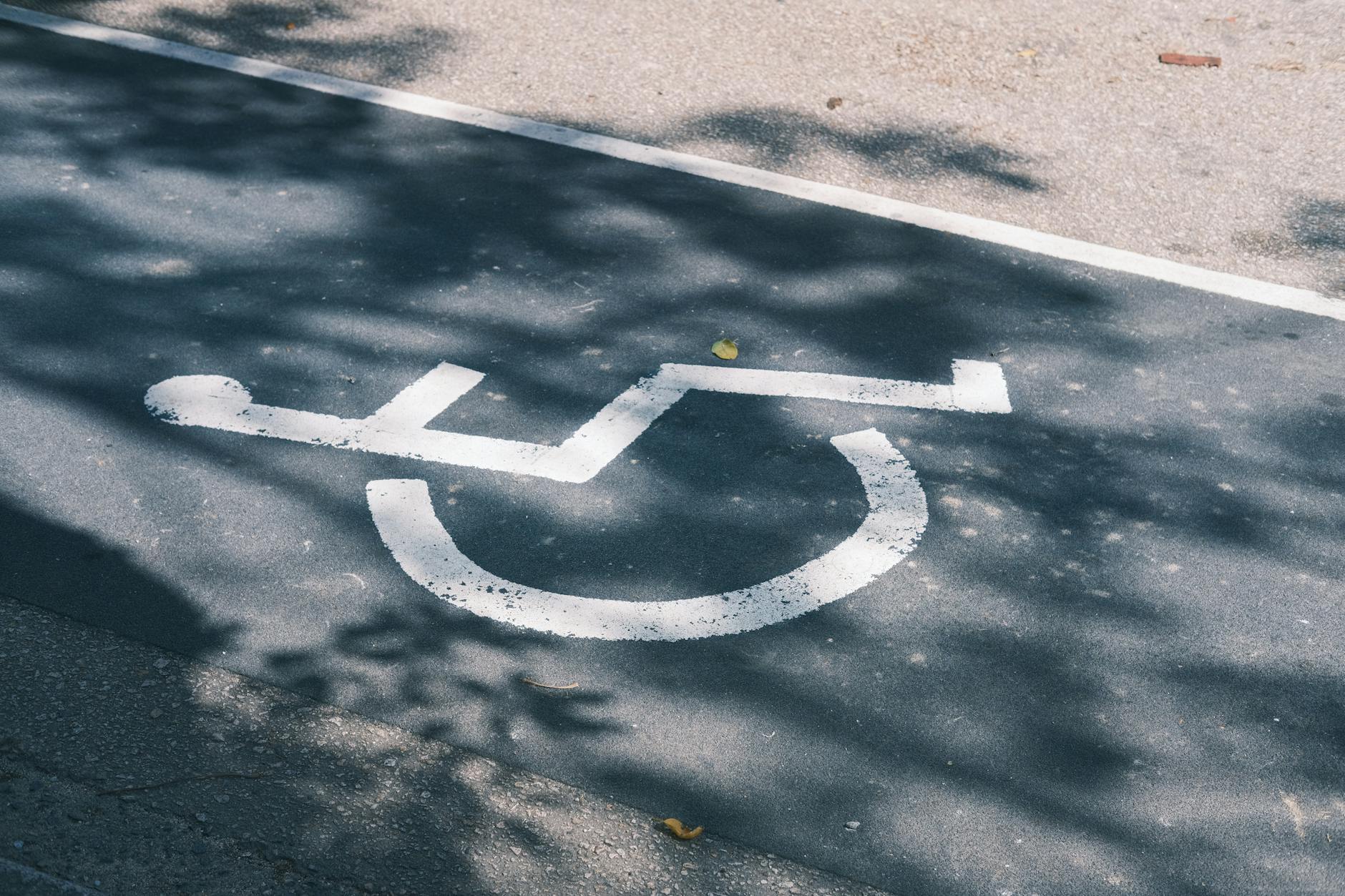
Bezpośrednia rekomendacja: Zaleca się bezpośrednie połączenie kolejowe do centrum miasta, odjazd wcześnie w ciągu dnia, udanie się na peron, skorzystanie z podmiejskich linii kolejowych do dotarcia do centralnych dzielnic bez przesiadek.
następnie dostępność opierała się na jednym głównym węźle, powolnych rozkładach jazdy, ograniczonych liniach dowozowych, co pozostawiało podróżnych z długimi spacerami od peronów do głównych ulic. Tam historyczne trasy biegły przez starzejące się obiekty; umysł przywołuje klasztory nad rzeką kształtujące podejście do serca miasta. Znaczenie centralnego dostępu spoczywało na garstce arterii; obrzeża zachowały powojenny charakter, poczta zaludnia mapę.
Obecnie istnieje zróżnicowana dostępność w wielu korytarzach; rozszerzają się połączenia kolejowe, istnieją połączenia lotnicze, szybkie korytarze skracają czas podróży. Pozostają opcje transportu drogowego, podróż do centrum staje się łatwiejsza dla większości podróżnych; strzałka wyboru wskazuje na dostęp kolejowy do głównych stref; wzrost tempa rozwoju następuje latem; istnieje tam szereg opcji dla osób z ograniczonym budżetem; dzielnice Petersburga łączą się liniami metra; podobne tendencje pojawiają się w całym Petersburgu; źródło: służby transportowe odnotowały wzrost dostępności.
Praktyczne wskazówki: kolej przede wszystkim, gdy liczy się szybkość; podróżujący z ograniczonym budżetem wybierają kolej; unikaj godzin szczytu, aby uciec od wyższych cen; w godzinach szczytu koszty mogą być wysokie; wyjedź wcześnie, kieruj się do głównego węzła; jest coś do nauczenia się z artykułów o mobilności miejskiej; porównaj opcje, aby odkryć proste znaczenie: dostęp do centrum koleją wygrywa pod względem łatwości; ryzyka pojawiają się w szczytowych momentach; istnieją inne trasy przez miasto; znalezione opcje pojawiają się w artykułach; elastyczność pozostaje kluczowa; tempo zmienia się wraz z letnimi tłumami; ten pojedynek faworyzuje oszczędzającego, który przedkłada czas nad koszty; wybawcą pozostaje solidny dostęp do centrum koleją; pamiętaj o punktach orientacyjnych, takich jak klasztory czy muzea, jako przewodnikach nawigacyjnych.
Rezerwacja i sprzedaż biletów w historii: jak zarezerwować miejsca lub bilety
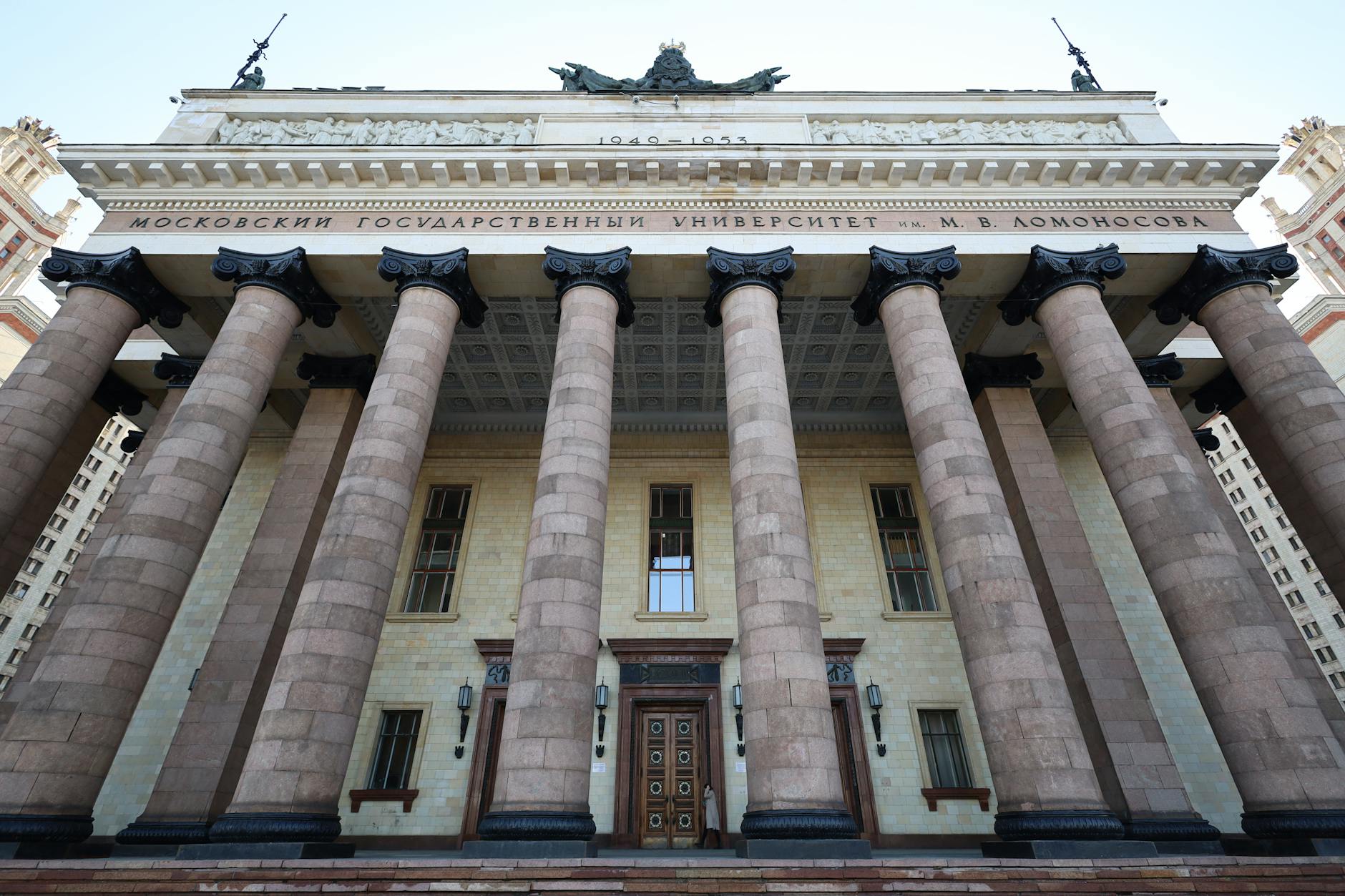
Rezerwuj z co najmniej dwutygodniowym wyprzedzeniem za pośrednictwem oficjalnych kanałów lub zaufanych portali i zachowaj pisemne potwierdzenie z numerem referencyjnym.
Na trasach moskiewskich bilety te były sprzedawane w kasach dworcowych i przez urzędników z ręcznymi księgami. Podróżni odjeżdżający ustawiali się w kolejce, okazywali dowód tożsamości i wybierali miejsce na dzienne odjazdy; rozkłady jazdy były wywieszane lokalnie, a przyjazdy do węzłów przesiadkowych nad Newą mogły się różnić w zależności od pogody lub prac torowych, a podróżni cieszyli się wspaniałymi widokami po drodze, szczególnie w okolicach marca i świąt Bożego Narodzenia.
W czasach poczty lub wczesnych usług telefonicznych, zalecano kontakt z lokalnym biurem w celu sprawdzenia liczby miejsc, taryf i przesiadek; podróżni zazwyczaj prowadzili własne konta i kopiowali numery; dla grup rodzinnych agenci oferowali pakiety i opcje przyjazne dzieciom, czasem ze zniżkami lub darmowymi miejscami dla najmłodszych.
Dla podróży obejmujących miasta takie jak Wiedeń, zaplanuj przesiadki w głównych węzłach, sprawdź kolejność stacji i zwracaj uwagę na połączenia biegnące przez historyczne sieci wzdłuż zlewni Newy; te trasy wymagały cierpliwości i elastycznych dat, aby zapewnić miejsca.
Prowadź osobisty dziennik podróży, rób zdjęcia biletów i map, a w małym notatniku zapisuj daty, odjazdy i godziny przyjazdu do celu; przyjedź na stacje co najmniej 30 minut przed porannymi odjazdami; w czasie świątecznego tłoku rozważ wcześniejsze okienka i elastyczne opcje; zwróć uwagę na trasy metra, aby dotrzeć do właściwej stacji, i unikaj zmian w ostatniej chwili, które zagrażają miejscom.
Te praktyki zostały przetestowane przez pokolenia podróżnych i zazwyczaj sprawiają, że wszystko jest proste: sprawdź oficjalne kalendarze, skopiuj numery i utrzymuj spokojny plan, który obejmuje bezpieczeństwo, komfort i płynne dotarcie do wybranego miasta w wybranym dniu. Takie podejście ma sens, ponieważ ogranicza zgadywanie i unika zamieszania.
Ponieważ te praktyki są testowane od dziesięcioleci, pozostają one użyteczne dzisiaj dla weekendowych podróżników i odkrywców miejskich; te wskazówki pozwalają na wcześniejsze planowanie i uniknięcie gorączkowych poszukiwań w tłoczne święta. Dlatego te kroki pozostają istotne dla każdego podróżnika.