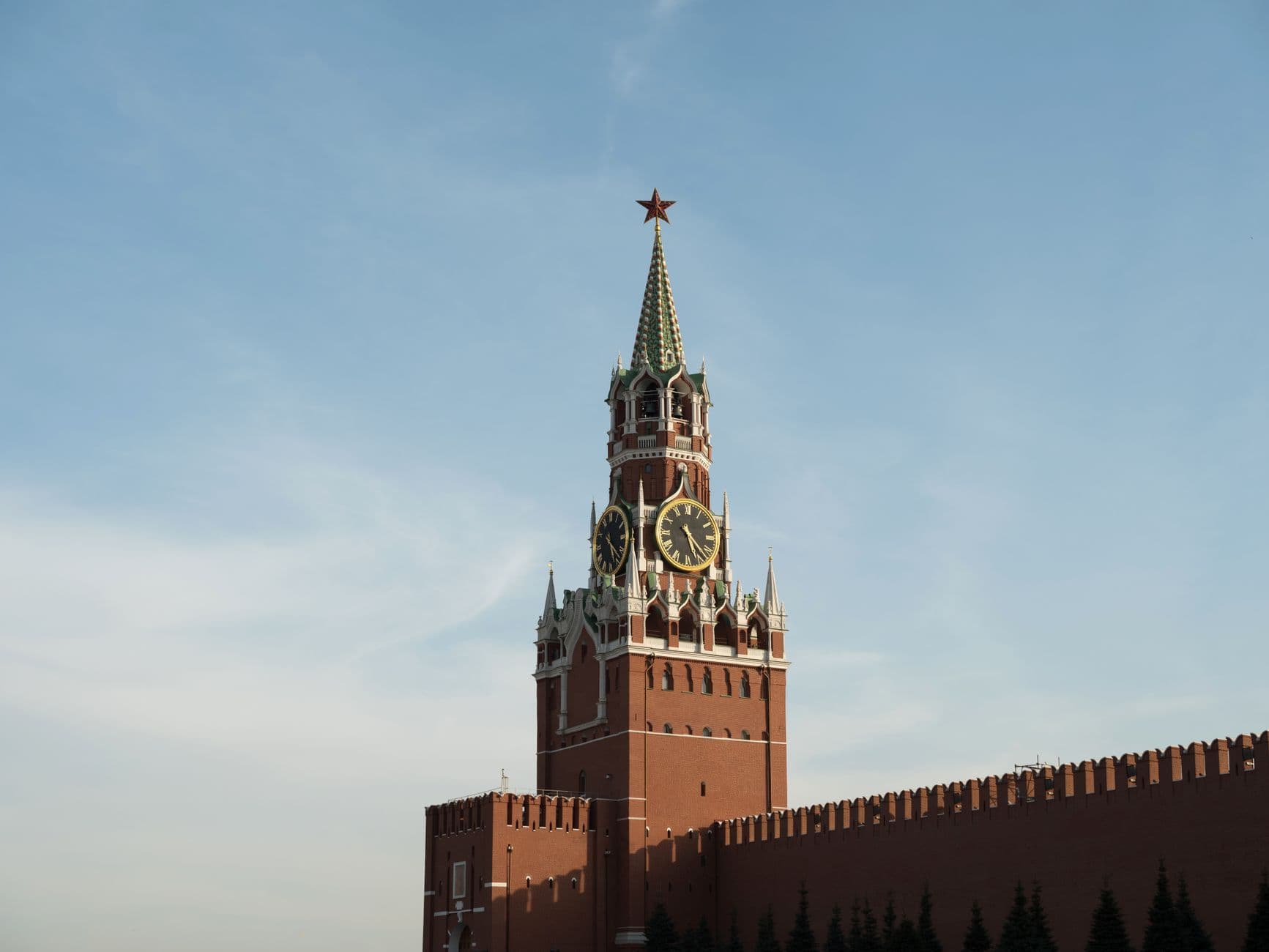
Ten przewodnik dla studentów i wnioskodawców wyjaśnia uzyskanie zaproszenia turystycznego na wizę rosyjską wraz z wymogami dotyczącymi potwierdzonego programu i certyfikatów. Dowiedz się, jak zaoszczędzić czas, przejść przez proces online i zrozumieć standardowe kroki przyjęte przez rejestr i władze konsularne. Niezależnie od tego, czy pochodzisz z Chin, Armenii czy Kanady, to wyjaśnienie pomoże Ci skontaktować się z najbliższym konsulatem i pewnie rozpocząć proces. Poważni podróżni nie mogą go zignorować.
Umowa z władzami konsularnymi jest jasno wyjaśniona, ze szczególnym uwzględnieniem tego, jakie dokumenty należy przygotować: nazwisko, nazwisko panieńskie, prawdziwe nazwisko oraz certyfikat, którego możesz potrzebować. Obejmuje ona wpisy do rejestru, adres i lokalizację tłumacza, jeśli jest wymagany. Nasze treści pokazują, co jest dostępne na oficjalnych stronach internetowych, a co można uzyskać offline, pomagając zrozumieć różnicę między oficjalnymi a opcjonalnymi krokami.
Instrukcje krok po kroku przeprowadzają Cię przez etapy rezerwacji, ukończenia i dostarczenia materiałów. Nauczysz się, jak weryfikować dowody i jak dołączać zrzuty ekranu, gdy są wymagane, jak wypełniać formularze online oraz jak podać adres miejsca spotkania. Jeśli zastanawiasz się, czy możesz użyć PayPala do płatności lub jak ubezpieczenie wpływa na uprawnienia, ten przewodnik wyjaśnia to i ujawnia korzyści z przygotowania wszystkiego z wyprzedzeniem, aby uniknąć kontrowersyjnych opóźnień przekraczających terminy. Nie zastąpi on oficjalnych instrukcji, ale sprawi, że proces będzie płynniejszy.
Ten zasób internetowy jest przeznaczony do legalnego i zgodnego z prawem użytku, zawiera praktyczne wskazówki ułatwiające proces zarówno obywatelom, jak i gościom. Jest szczególnie przydatny, niezależnie od tego, czy masz zarezerwowaną podróż do Rosji, czy po prostu badasz swoje możliwości. Treść kładzie nacisk na staranność, dokładność i weryfikację przez władze, a także pomaga w poruszaniu się po stronach internetowych, rejestrach i kolejności dokumentów. Skorzystaj z interaktywnych materiałów, aby uczynić proces zapraszania łatwym i rekomendowanym.
Praktyczne kroki, aby uzyskać zaproszenie turystyczne do Rosji
Krok 1 - Zdefiniuj swoją ścieżkę wizową i okres podróży. W przypadku zaproszenia turystycznego potrzebujesz oficjalnych dokumentów z hotelu lub licencjonowanej firmy turystycznej. Zaproszenie to formalny dokument, który stanowi podstawę Twojego wniosku wizowego i musi zawierać Twoje pełne imię i nazwisko, numer paszportu, planowane daty wyjazdu i pobytu oraz miasto przylotu. Korzystaj wyłącznie z zaproszeń wydanych legalnymi kanałami, aby zminimalizować ryzyko i zapewnić płynny proces. Planowanie wyjazdu i szczegóły planu podróży pomagają konsulatowi w ocenie Twojej sprawy.
Krok 8 - Przygotuj logistykę podróży. Po zatwierdzeniu potwierdź daty wyjazdu i upewnij się, że zaproszenie oraz szczegóły dotyczące zakwaterowania są dokładne. W kwestii zakwaterowania możesz wybrać hotel lub mieszkanie; w każdym przypadku zachowaj kopię adresu i danych kontaktowych pod ręką. Podczas podróży, najistotniejsze dokumenty przechowuj w miejscu łatwo dostępnym, ale bezpiecznym. Jeśli jesteś obcokrajowcem, powinieneś mieć wszystkie niezbędne dokumenty gotowe do kontroli granicznej oraz na czas pobytu.
Czym jest zaproszenie turystyczne (wizowe) i co ono obejmuje?
Zaproszenie turystyczne, zwane również zaproszeniem wizowym, to oficjalny dokument wydany przez gospodarza w Rosji na poparcie wniosku wizowego zagranicznego podróżnego. Potwierdza cel podróży (turystyka), planowane daty oraz chęć gospodarza przyjęcia gościa. Zaproszenie jest zazwyczaj wydawane przez uprawnionego gospodarza, takiego jak hotel, licencjonowana agencja turystyczna lub osoba fizyczna mieszkająca w Rosji i zarejestrowana w odpowiednim rejestrze. Dla podróżnych z różnych państw, w tym przyjeżdżających z York i Ottawy, zaproszenie pomaga ustalić plan pobytu na potrzeby rozpatrzenia wniosku o wizę. Zaproszenie jest zwykle dołączane do pakietu wniosku online i może być uzupełnione o certyfikat lub inne dokumenty potwierdzające ze strony podmiotu zapraszającego. Gospodarz musi przestrzegać zasad, podać dokładne informacje i zapewnić, że przedstawione dane są zgodne z resztą wniosku.
Zaproszenie obejmuje pełne imię i nazwisko zapraszanej osoby oraz datę urodzenia zgodne z paszportem, pełne imię i nazwisko gospodarza, adres w Rosji i dane kontaktowe, a także planowany okres pobytu (godzina i daty) wraz z miastem lub regionem pobytu. Określa również rodzaj zakwaterowania (hotel, mieszkanie, Airbnb itp.). Zaproszenie może wskazywać liczbę wjazdów (jednokrotny lub wielokrotny) oraz ważność zaproszenia, a także numer referencyjny lub certyfikat od wydającego podmiotu. Do dokumentów wizowych może być wymagane zdjęcie paszportowe, a dokument ten stanowi uzupełnienie wniosku, a nie gwarancję wjazdu. Pomaga konsulatowi ocenić plan podróży pod kątem bezpieczeństwa i zgodności z przepisami imigracyjnymi.
Wystawcą może być hotel, licencjonowana agencja turystyczna lub osoba prywatna mieszkająca w Rosji, zarejestrowana u odpowiednich władz. Zaproszenie powinno zawierać aktualne i weryfikowalne dane, w tym ważny certyfikat lub numer referencyjny zaproszenia, i musi być zgodne z ujednoliconym procesem zapobiegania oszustwom. W niektórych przypadkach zaproszenia prywatne wymagają notarialnego poświadczenia lub towarzyszącego certyfikatu. Konsulat lub ambasada będzie opierać się na tych szczegółach podczas rozpatrywania wniosku, a wszelkie zmiany czasu lub daty powinny zostać odzwierciedlone, aby uniknąć problemów. Treść często obejmuje podstawowe oczekiwania stosowane przez agencje i platformy internetowe w ramach ogólnego planowania podróży.
Obywatele Armenii i innych krajów podlegają tym samym wymogom dotyczącym zaproszeń przy ubieganiu się o rosyjską wizę turystyczną. Wnioskodawcy mogą wybierać zakwaterowanie w oparciu o jakość i niezawodność - typowe opcje obejmują hotele, apartamenty lub oferty Airbnb - i powinni upewnić się, że zaproszenie jest zgodne z zarejestrowanym adresem i datami. Zaproszenie stanowi część ogólnej procedury składania wniosku i, jeśli jest prawidłowo przygotowane, przyczynia się do płynniejszego przebiegu procesu, zapewniając komfort podróżnemu i większe poczucie pewności podczas poszczególnych etapów składania wniosku. W przypadku pytań prosimy o kontakt z agencją wydającą zaproszenie lub najbliższą ambasadą w celu uzyskania szybkiej odpowiedzi i uniknięcia opóźnień.
Kto może wystawić zaproszenie: hotele, biura podróży czy rosyjscy gospodarze?
Hotele należą do najczęstszych wystawców zaproszeń turystycznych. Zapewniają one listy wizowe, które potwierdzają Twój pobyt i są akceptowane jako część wniosku wizowego. Zaproszenie hotelowe jest zazwyczaj generowane po potwierdzeniu rezerwacji i podaniu pełnego imienia i nazwiska oraz danych paszportowych, dat pobytu i adresu w Rosji (na przykład w pobliżu Newskiego Prospektu). Dokument może być wydrukowany na papierze i podpisany przez kierownika hotelu, lub wydany elektronicznie i dostarczony kurierem w razie potrzeby. Rozpoczynając proces, kliknij oficjalną stronę hotelu i przejdź do sekcji pomocy wizowej; większość hoteli znajdujących się w rejestrze akredytacji oferuje tę usługę. Zaproszenie zazwyczaj zawiera nazwę hotelu, numer akredytacji lub licencji, adres oraz dane osobowe gościa. Jeśli podróż planowana jest na styczeń, upewnij się, że daty odpowiadają Twoim planom; jeśli daty się zmienią, hotel może zaktualizować zaproszenie i wydać je ponownie. Ta opcja jest zazwyczaj szybka, wysoce niezawodna i szeroko dostępna, a jej główną zaletą jest to, że prawdziwe zaproszenie z renomowanego hotelu zapewnia prostą ścieżkę wjazdu i jest zgodne z wymogami ministerstwa, jeśli jest prawidłowo wystawione i podpisane przez upoważniony personel. Witaj, pamiętaj, aby zabrać ze sobą zarówno wersję drukowaną, jak i cyfrową, i pamiętaj, że niektóre ambasady wymagają oryginalnego zaproszenia papierowego.
Biura podróży mogą wystawić listy wizowe lub vouchery dla grup lub osób indywidualnych. Akredytowane biura dostarczają dokumenty zgodne z głównymi ścieżkami przetwarzania wiz. Biuro wystawia zaproszenie w imieniu podróżnego i może również zorganizować zakwaterowanie, transfery i wycieczki, co może podnieść wartość Twojego wniosku. Zaproszenie może być wysłane w formie wydrukowanego dokumentu lub dostarczone cyfrowo, ale wielu wnioskodawców preferuje wersję drukowaną, podpisaną i uwierzytelnioną. Sprawdź, czy biuro jest wykwalifikowane i posiada akredytację ministerstwa; jednolity format pomaga uniknąć nieporozumień między urzędami. Daty w zaproszeniu muszą być zgodne z Twoim planem podróży, a w przypadku zmiany polityki biuro zaktualizuje list odpowiednio. W przypadku zaufanych biur przetwarzanie może odbywać się offline lub online; niektóre międzynarodowe biura mogą obsługiwać klientów w Seattle lub Kanadzie, wysyłając zaproszenie kurierem lub dostarczając je elektronicznie. Biuro zazwyczaj dostarcza pisemny zbiór dokumentów, który zawiera dowód płatności, list przewodni wyjaśniający podróż i dane gościa; upewnij się, że otrzymasz oryginalne papierowe zaproszenie lub jego wydrukowaną kopię, wraz z kopiami cyfrowymi. W większości przypadków ta opcja jest wygodna dla grup i może usprawnić cały czas przetwarzania.
Rosyjscy gospodarze - osoby prywatne zapraszające zagranicznych gości - mogą również wystawiać zaproszenia. Gospodarz musi być rzeczywistą osobą zamieszkałą w Rosji, posiadającą ważny status i dostępny adres, pod którym gość będzie przebywał. Gospodarz pisze list zapraszający z danymi gościa, datami i celem wizyty; list jest podpisany przez gospodarza i może zawierać dane kontaktowe. Zaproszenie od gospodarza może wymagać akredytacji lub rejestracji w lokalnym ministerstwie lub urzędzie migracyjnym, chociaż niektóre ustalenia są akceptowane z odpowiednią dokumentacją. Gospodarz może posiadać dokumenty takie jak kopia jego paszportu, dowód zamieszkania i dowód zakwaterowania. Zaproszenie może być dostarczone w formie wydrukowanego listu lub wysłane kurierem. Witam ponownie: jeśli dokumenty gospodarza zostaną sprawdzone, a zaproszenie zostanie wystawione w legalny sposób, zostanie zaakceptowane; jeśli dokumenty gospodarza okażą się skradzione lub podrobione, konsulat odmówi. Aby zminimalizować ryzyko, zaproszenie powinno zawierać imię i nazwisko gospodarza oraz adres, jasne oświadczenie o zakwaterowaniu, daty pobytu gościa i podpis gospodarza, a także być poparte załączonymi kopiami paszportu i zezwolenia na pobyt gospodarza, jeśli tego wymaga odpowiedni urząd konsularny. Podsumowując, zaproszenia od prywatnych gospodarzy są powszechną opcją na prywatne wizyty i spotkania rodzinne, ale wymagają starannego sprawdzenia w celu zapewnienia autentyczności i zgodności z terminami realizacji, datami oraz weryfikacją bankową lub dochodów, jeśli zażąda tego ministerstwo. Ogólną wytyczną jest wybór sprawdzonego wystawcy - hotelu, agencji lub odpowiednio akredytowanego rosyjskiego gospodarza - oraz uzyskanie podpisanego, wydrukowanego zaproszenia zgodnego z wymaganym formatem papierowym lub drukowanym, aby podróż od zaproszenia do wizy mogła przebiegać sprawnie. zebrane informacje powinny być jasno spisane i utrzymywane w porządku w odpowiednich sekcjach, aby uniknąć opóźnień w przetwarzaniu w biurze.
Jakie informacje należy podać zapraszającemu (dane paszportowe, daty, zakwaterowanie)
Aby stworzyć uzasadnione zaproszenie na wizę turystyczną, należy dostarczyć zapraszającemu wszystkie określone dane w jasnej, kompletnej i uporządkowanej formie. Pomaga to specjalistom i urzędom w Waszyngtonie i za granicą w dokładnym przygotowaniu wniosku, zmniejszając ryzyko opóźnień lub błędnej interpretacji przez personel ds. konsularnych i ministerstwa.
Dane paszportowe: pełne imię i nazwisko dokładnie tak, jak widnieje w paszporcie, numer paszportu, narodowość, data urodzenia, płeć, organ wydający, data wydania i data ważności. Dołącz skan strony z danymi paszportowymi i upewnij się, że informacje te są zgodne z Twoimi dokumentami osobistymi. Daty ważności muszą obejmować planowany okres pobytu z marginesem bezpieczeństwa, a wszelkie rozbieżności należy wyjaśnić przed przesłaniem danych do strony zapraszającej.
Daty i czas trwania: podaj dokładne planowane daty przyjazdu i wyjazdu, całkowitą liczbę dni oraz zamierzony plan podróży po kraju. Jeśli potrzebujesz wizy wielokrotnego wjazdu, zaznacz to jasno i wyjaśnij przewidywane daty każdego wjazdu. Jeśli składasz wniosek jako student, podróżnik edukacyjny lub z powodów humanitarnych powodów, opisz, w jaki sposób daty są zgodne z Twoim programem, w sposób zgodny z określonymi przepisami konsulatu i procedurami wewnętrznymi.
Szczegóły zakwaterowania: podaj pełny adres miejsca pobytu, w tym ulicę, miasto, kod pocztowy i kraj. Jeśli zatrzymujesz się u gospodarza, podaj jego pełne imię i nazwisko, relację z Tobą, numer telefonu kontaktowego i adres e-mail. Dołącz potwierdzenia rezerwacji lub list z hotelu lub organizacji goszczącej jako dodatkowy dowód lokalizacji i bezpieczeństwa na czas wizyty. Wszelkie odniesienia do ulicy "Bolshaya" lub biura "Bolshaya" powinny zostać wyjaśnione, jeśli znajdują się w dokumentacji zaproszenia.
Wsparcie finansowe i zaplecze bankowe: wskaż, kto pokryje Twoje koszty, w tym zakwaterowanie, wyżywienie i codzienne wydatki. Jeśli wsparcie zapewni zapraszający, uzyskaj od niego formalne oświadczenie określające kwotę i warunki lub dołącz listy bankowe z instytucji zapraszającego. Jeśli finansujesz się sam, przedstaw najnowsze wyciągi bankowe lub inne dowody posiadania środków w celu potwierdzenia zakresu cenowego Twojego pobytu. Wszystkie szczegóły finansowe muszą być opisane w sposób przejrzysty i możliwy do zweryfikowania przez władze konsularne.
Informacje o relacji i kontakcie: opisz swoją relację z zapraszającym w zwięzły, zgodny z prawdą sposób i podaj jego oficjalne dane kontaktowe. W liście należy wspomnieć o biurze zapraszającego, rodzaju organizacji (firma, instytucja edukacyjna, program humanitarny lub organ dyplomatyczny) oraz o tym, jak zostaniesz przyjęty podczas podróży. Podaj bezpośrednią osobę kontaktową, adres e-mail i numer telefonu do wszelkich dalszych pytań, które konsulat może mieć.
Dokumenty pomocnicze i tło: wraz z zaproszeniem zbierz dokumenty potwierdzające podany cel podróży. W przypadku celów edukacyjnych lub humanitarnych dołącz listy przyjęcia, opis programu lub misję. W przypadku celów turystycznych dołącz jasno określony plan podróży i wszelkie istotne informacje dotyczące wnioskodawcy. Upewnij się, że wszystkie dokumenty są dodane w logicznej kolejności i są jasno nazwane, aby ułatwić proces przeglądu przez personel konsularny.
Przygotowanie zgłoszenia: wnioskodawca i zapraszający powinni uzgodnić wspólny format zgłoszenia i upewnić się, że wszystkie pozycje są dostarczane bezpiecznymi kanałami. Nie należy polegać na nieformalnych wiadomościach ani nieoficjalnych platformach; należy korzystać z oficjalnych kanałów i, jeśli to możliwe, z formalnej wiadomości od zapraszającego biura lub agencji. Ważne jest, aby pamiętać o zachowaniu kopii wszystkiego; dodane dokumenty powinny uzupełniać, a nie zastępować, kluczowe zaproszenie.
Zgodność i świadomość ryzyka: bądź świadomy wewnętrznych zasad i zewnętrznych regulacji dotyczących zaproszeń wizowych w kraju przyjmującym. Jeśli jakikolwiek punkt jest nieokreślony lub niepewny, skonsultuj się z bardziej znanymi specjalistami lub doradcami prawnymi, aby potwierdzić jego poprawność. Nie postępuj z niekompletnymi lub zmienionymi informacjami, co mogłoby zostać uznane za wprowadzenie w błąd przez władze konsularne i wpłynąć na przyszłe wnioski.
Kroki składania wniosku i końcowe sprawdzenie: po zebraniu wszystkich wymaganych danych, osoba zapraszająca przygotowuje list zaproszeniowy z uwzględnieniem tych informacji w jasno zdefiniowanych sekcjach. Wnioskodawca powinien sprawdzić treść pod kątem dokładności, upewnić się, że daty odpowiadają planom podróży i potwierdzić, że szczegóły zakwaterowania są zgodne z rezerwacjami hotelowymi lub ustaleniami z gospodarzem. Jeśli wszystko jest w porządku, należy przejść do oficjalnego złożenia wniosku zgodnie z określonym zestawem zasad konsulatu lub ministerstwa i informować osobę kontaktową o wszelkich zmianach. Dziękujemy za dostarczenie kompletnych, przejrzystych informacji wspierających proces składania wniosku i za pomoc w sprawnym przebiegu procesu zarówno dla wnioskodawcy, jak i organizacji zapraszającej.
Krok po kroku: od wyboru hotelu lub operatora do otrzymania zaproszenia
Krok 1 - Określenie celu i kwalifikowalności. Należy określić rodzaj wizyty i przedstawić dowód kwalifikowalności. Kandydat musi wykazać zatrudnienie, rezydencję w danym stanie lub bycie studentem uniwersytetu; jako dowód należy przedstawić zaświadczenie uniwersyteckie lub list od pracodawcy. Kandydaci z Ameryki, Australii, Łotwy, Azerbejdżanu i innych krajów muszą zweryfikować główne wymagania na wybranej stronie. Należy zwrócić uwagę na różnicę między zaproszeniem turystycznym a biznesowym, ponieważ ta różnica może wpłynąć na wymagane dokumenty i czas przetwarzania. Ten krok określa, co jest potrzebne do dalszych działań i pomaga uniknąć zagubienia się na późniejszych etapach.
Krok 2 - Wybierz hotel lub opcję operatora. Przejrzyj hotele i operatorów oferujących usługi zapraszające. Każda opcja ma swoje zalety i koszty; wybierz konkurencyjną ofertę, która pasuje do Twojego planu podróży. Podaj nazwę hotelu lub operatora, daty pobytu oraz informację, czy oferują oni zaproszenie we własnym zakresie. Istnieją setki opcji online, dlatego priorytetowo traktuj renomowane strony i weryfikuj daty ważności na ich pismach, aby uniknąć niespodzianek podczas składania wniosku.
Krok 3 - Zbierz wymagane dokumenty i certyfikaty. Zbierz dane swojego paszportu, ostatnią stronę paszportu, dowód zatrudnienia, certyfikat ukończenia uniwersytetu, wyciągi finansowe lub potwierdzenie sponsoringu oraz dowód zamieszkania. Zebrane dokumenty muszą być aktualne i ważne do złożenia i przetworzenia. Jeśli przebywasz w Ameryce, Australii lub na Łotwie, dostosuj dokumentację do lokalnych wymagań; niektórzy wnioskodawcy z Azerbejdżanu mogą mieć dodatkowe formularze. Minimalny zestaw musi być kompletny, aby uniknąć opóźnień.
Krok 4 - Składanie dokumentów online za pośrednictwem oficjalnych stron. Skorzystaj z Internetu na portalu operatora lub stronach powiązanych z ambasadą, aby przesłać paczkę. Za pośrednictwem bezpiecznych portali przesyłasz skany i wypełniasz formularze; zwracaj uwagę na formaty plików i limity rozmiaru. Wymiana informacji odbywa się elektronicznie i po przesłaniu możesz otrzymać numer potwierdzenia. Jeśli jakikolwiek plik będzie brakował, będziesz musiał przesłać go ponownie, dlatego dokładnie sprawdź przed naciśnięciem „Wyślij".
Krok 5 - Zaplanuj spotkanie i oczekuj wystawienia zaproszenia. Niektóre programy wymagają spotkania w ambasadzie lub centrum wizowym; umów się na nie za pośrednictwem systemu operatora lub bezpośrednio z służbami konsularnymi. List zapraszający jest wystawiany po weryfikacji i musisz otrzymać zaproszenie przed złożeniem wniosku o wizę. Termin spotkania i numer zaproszenia są kluczowe, należy również pamiętać o potencjalnych zasadach anulowania i terminach.
Krok 6 - Weryfikacja, odpowiedź i wymiana danych. Wydawca wymienia informacje z odpowiednimi organami w celu weryfikacji autentyczności. Wynik może być natychmiastowy lub zająć kilka dni, w zależności od kraju i programu. W przypadku zatwierdzenia otrzymasz zaproszenie z unikalnym numerem; przechowuj je bezpiecznie i skontaktuj się z wydawcą w przypadku pytań. W przypadku odmowy zostaniesz poinformowany o przyczynie i kolejnych krokach, abyś mógł dokonać korekty i ponownie złożyć wniosek w razie potrzeby.
Krok 7 - Otrzymanie zaproszenia i planowanie podróży. Data ważności zaproszenia określa okno czasowe na złożenie wniosku wizowego; zaplanuj rozpoczęcie procesu wizowego przed upływem terminu. Główne zalety formalnego zaproszenia to płynniejsze przetwarzanie wniosku i jaśniejsza dokumentacja na lotnisku. Zaproszenie zwiększa zaufanie konsulatu, ale nie gwarantuje zatwierdzenia. Jeśli Twoja podróż obejmuje postój w Waszyngtonie lub rejs, dopasuj daty do harmonogramu zaproszenia i zweryfikuj ustalenia dotyczące lotniska. W przypadku Łotwy lub innych państw, bądź świadomy lokalnych procedur i punktów wjazdu. Tutaj koordynujesz z hotelem i operatorem, aby potwierdzić swój pobyt i uniknąć zmian w ostatniej chwili lub anulacji.
Krok 8 - Ostateczne sprawdzenie, kontakt i bieżące działania. Utrzymuj kontakt z operatorem lub wyznaczoną osobą kontaktową. W przypadku zmiany planów lub przeprowadzki do innego kraju może być konieczne ponowne przesłanie dokumentów lub zainicjowanie zaktualizowanej wymiany informacji. Ponosicie odpowiedzialność za aktualizowanie dokumentacji i monitorowanie dat ważności, aby uniknąć przerw. Cały proces został zaprojektowany tak, aby był jasny i systematyczny, minimalizując zwykłe opóźnienia i wspierając wnioskodawców na każdym etapie.
Step
| Action |
Dokumenty do przygotowania |
Notes |
| Step 1 |
Określ cel i uprawnienia |
Strona danych paszportu; ostatnia strona; dowód zatrudnienia; dyplom uniwersytecki; dowód zamieszkania; status |
Turystyka kontra biznes; zwróć uwagę na różnicę; z Ameryki, Australii, Łotwy, Azerbejdżanu |
| Step 2 |
Wybierz opcję hotelu lub operatora |
Umowa z hotelem/operatorem; daty pobytu; szczegóły zaproszenia |
Setki opcji istnieją online; wybierz konkurencyjnych i sprawdzonych dostawców; określ wybraną opcję |
| Step 3 |
Zbierz dokumenty i certyfikaty |
Kopie paszportu; list od pracodawcy; świadectwo ukończenia uniwersytetu; dowód posiadania środków finansowych; dowód zamieszkania |
Minimum zestaw musi być kompletny; sprawdzić daty ważności; koordynować z wymogami kraju |
| Step 4 |
Prześlij online |
Skanowane dokumenty; formularze; dane kontaktowe |
Poprzez oficjalne strony; wysłać przez bezpieczny portal; uważać na rozmiary plików; otrzymasz potwierdzenie |
| Step 5 |
Zaplanuj wizytę i czekaj na zaproszenie |
Potwierdzenie wizyty; wszelkie formularze z prośbą o zaproszenie |
Data spotkania i numer zaproszenia są kluczowe; należy wziąć pod uwagę zasady anulowania rezerwacji |
| Step 6 |
Weryfikacja i odpowiedź |
List zaproszenia; wymagane formularze; dane kontaktowe |
Wymiana informacji z władzami; kontakt w przypadku pytań |
| Step 7 |
Odbierz zaproszenie i zaplanuj podróż |
List zaproszenia; wnioski wizowe; plan podróży |
Termin wyznacza okno do składania wniosków; zalety obejmują płynniejsze przetwarzanie; względy związane z Waszyngtonem, rejsem, lotniskiem |
| Step 8 |
Końcowe poprawki i dalsze działania |
Zaktualizowane dane kontaktowe; potwierdzenia zaproszeń; wszelkie zaktualizowane dokumenty |
Ponosić odpowiedzialność za dokładność; monitorować terminy ważności; unikać zmian w ostatniej chwili |
Czasy przetwarzania, opłaty i jak planować harmonogramy
Wstęp: Czasy przetwarzania zaproszeń turystycznych i wiz rosyjskich zależą od poszczególnych urzędów w federacji. W większości przypadków na stronach urzędowych podany jest typowy zakres. Treść stworzona na podstawie praktycznych doświadczeń pozwoli Ci zaoszczędzić czas i po prostu przeprowadzi Cię przez wszystko, czego potrzebujesz. Przepisy dotyczące Covid-19 nadal mogą wpływać na przetwarzanie wniosków w niektórych urzędach, dlatego przed dokonaniem rezerwacji sprawdź najnowsze ogłoszenia. Wnioski składane przez Waszyngton, Petersburg lub inne urzędy mogą podlegać innym procedurom przetwarzania. Pamiętając, że musisz podać dokładne informacje, ten przewodnik obejmuje kroki, opłaty i wskazówki dotyczące planowania.
- Etap rozpoczęcia i sekwencjonowania Proces rozpoczyna się walidacją zaproszenia lub potwierdzeniem umowy, która określa cel Twojej wizyty.
- Następnie przygotuj pakiet dokumentów (kopie papierowe i cyfrowe) oraz wypełnij każdy formularz.
- Złóż w odpowiednim urzędzie lub centrum wizowym; niektóre lokalizacje akceptują zgłoszenia online, inne wymagają osobistej wizyty.
- Opłaty i zwolnienia
Opłata za rozpatrzenie wniosku wizowego i opłaty za usługi są powszechne; niektórzy klienci mogą być zwolnieni z części opłat w zależności od kategorii lub narodowości; należy sprawdzić na oficjalnej stronie odpowiedniego urzędu.
- Metody płatności różnią się w zależności od biura; niektóre umożliwiają płatność online, inne wymagają płatności w kasie, a w większych miastach mogą istnieć nocne terminy.
- Przygotowanie dokumentacji i wypełnienie formularzy
Przygotuj komplet dokumentów: paszport ważny przez co najmniej sześć miesięcy od planowanej daty powrotu, list zapraszający, potwierdzenia rezerwacji hotelu/hostelu, dowód zatrudnienia (umowa lub zaświadczenie), wyciągi bankowe, ubezpieczenie podróżne oraz wypełniony formularz wniosku; upewnij się, że treść dokumentów jest zgodna z Twoimi oświadczeniami.
- Sprawdź kopie pod kątem uszkodzeń i wymień je; noś zarówno oryginały papierowe, jak i kopie tam, gdzie jest to wymagane; uszkodzony dokument może opóźnić przetwarzanie.
- Dołącz dokumenty dodatkowe, jeśli o to proszą; noszenie dodatkowych dokumentów często pomaga, ale unikaj niepotrzebnych rzeczy.
- Planowanie harmonogramu i praktyczne kroki Zacznij planować tak wcześnie, jak to możliwe; rozpoczęcie oznacza stworzenie kalendarza projektu z kamieniami milowymi dla każdego etapu, w tym gromadzenia dokumentów, wypełniania ich i składania.
- Umawianie wizyt tylko po potwierdzeniu dat; nie zakładaj możliwości wejścia bez zapowiedzi; biura w Waszyngtonie i inne mogą mieć rezerwacje online, podczas gdy niektóre biura w Kazachstanie wymagają osobistych wizyt.
- Rozważ czas podróży i unikaj bezzwrotnych rezerwacji do czasu poznania decyzji wizowej; to proste zabezpieczenie oszczędza pieniądze i stres.
- Kluczowe kwestie dotyczące czasu realizacji: czasy przetwarzania różnią się w zależności od lokalizacji i pory roku; czasy nie będą identyczne we wszystkich biurach i mogą się wydłużyć w okresach szczytu.
- Pamiętanie o sprawdzaniu aktualności dotyczących covid-19 i ograniczeń w transporcie; niektóre okazje wymagają dodatkowych weryfikacji lub dokumentów, co może wydłużyć czas realizacji o kilka dni. Protokoły z potwierdzeń online czasami mogą poprzedzać rzeczywiste decyzje.
- Zadbaj o bezpieczne przechowywanie dokumentów, zarówno oryginałów papierowych, jak i kopii cyfrowych; obowiązek dostarczania dokładnych informacji pozostaje przez cały proces; musi być spójny w każdym dokumencie.
Zalety proaktywnego planowania obejmują płynniejsze uzyskiwanie zgód, mniej niespodzianek i bardziej niezawodne planowanie podróży. Treść uwzględnia wymogi poszczególnych biur, zwracając uwagę na osobisty status zatrudnienia i szczegóły umowy; postępując zgodnie z tymi krokami, możesz pewniej przejść przez proces i zmniejszyć opóźnienia. Jeśli podróżujesz przez Kazachstan lub między różnymi krajami, miej przy sobie niezbędne dokumenty i pamiętaj o spójności treści we wszystkich dokumentach. Takie podejście pomaga pewniej zaakceptować proces i uniknąć niekorzystnych wyników.