


Recomendação: Escolha um banco local que tenha emitido um cartão Visa e ofereça uma plataforma online segura. Compare duas ou três opções na cidade usando fontes confiáveis (источник), focando em recursos de segurança, taxas mensais e limites. Acelere o processo fornecendo documentos precisos e pergunte sobre uma opção de compartilhamento de salário que se adapte à sua situação. Sua configuração deve ser projetada para pagamentos diários rápidos e confiáveis.
Documentos a apresentar: seu passaporte com um cartão de migração válido, comprovante de residência na cidade e um número de identificação fiscal (INN) ou SNILS, se disponível. Funcionários municipais verificarão a identidade e avaliarão a elegibilidade. Cidadãos do Egito ou Omã podem enfrentar requisitos adicionais, como verificação de telefone local ou comprovante adicional de estadia; verifique antecipadamente se o seu status de visto permite pagamentos e transferências.
No balcão, você pode receber um cartão imediatamente ou após um breve período de processamento; alguns emissores fornecem um cartão provisório ou exigem um pequeno depósito inicial em valores como 1.000-3.000 RUB. Confirme a marca do cartão e se ele possui um logotipo Visa local ou internacional. Pergunte sobre restrições de comerciantes, limites de saque em dinheiro e a taxa de manutenção mensal. Se precisar compartilhar o acesso com seu empregador ou alguém de confiança, organize isso com antecedência.
Após receber o cartão, financie-o com um valor inicial, se necessário, e ative as medidas de segurança: autenticação em dois fatores, senhas fortes e limites de gastos. Guarde os recibos e responda prontamente a solicitações de documentos adicionais. Verifique os termos do emissor (источник) e entenda o ciclo de faturamento mensal. Se você se mudar entre cidades, avise o atendimento para que possam atualizar seu perfil; a maioria dos credores permite o uso contínuo com um endereço atualizado e operações interestaduais. Use esse processo para proteger seu dinheiro e manter-se em conformidade, especialmente se sua mãe faz parte das finanças domésticas.
Quem pode abrir uma conta: elegibilidade para residentes e não residentes
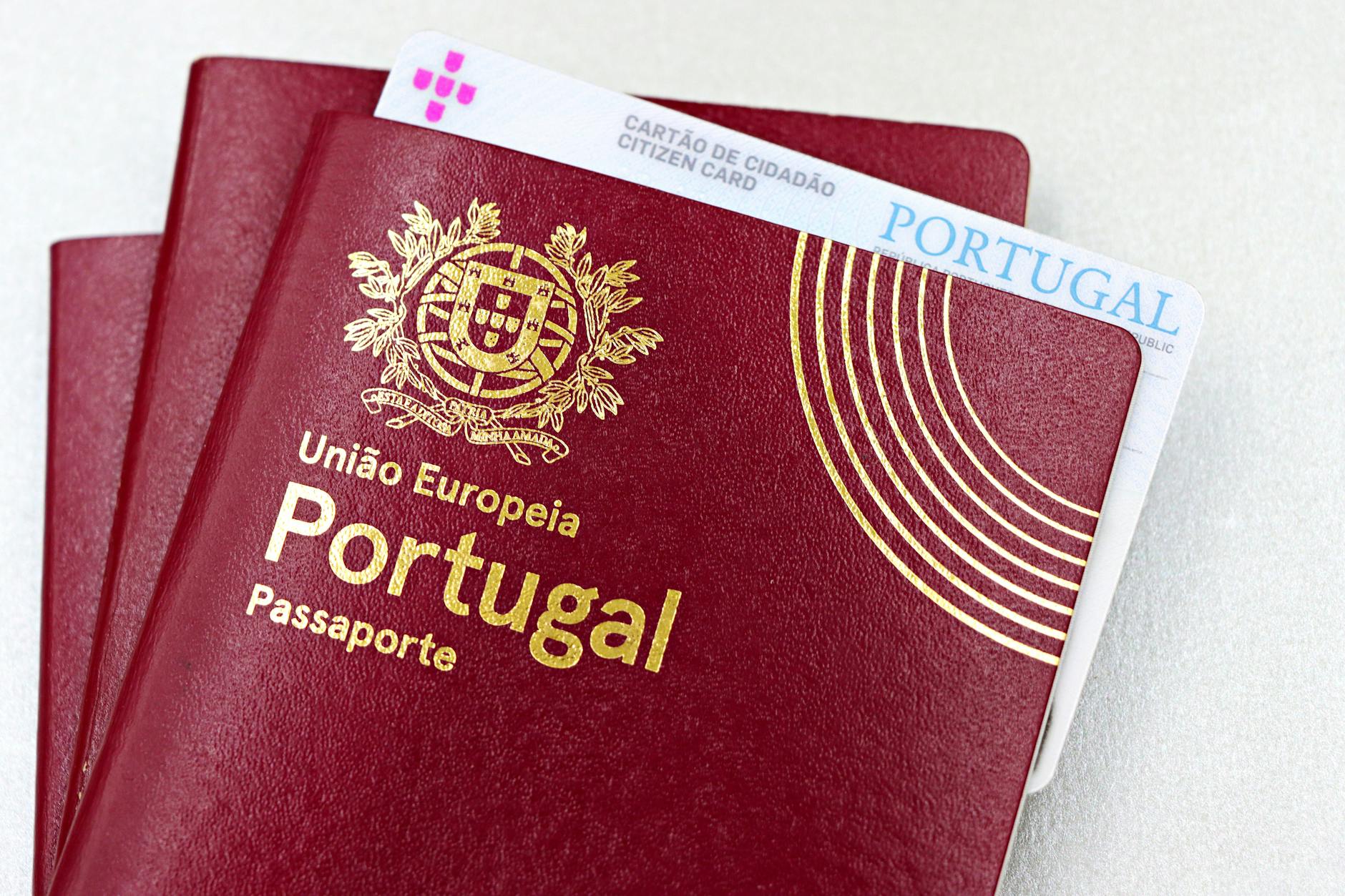
Recomendação: os residentes devem visitar um escritório local com passaporte e comprovante de registro ou residência temporária; os não residentes devem começar pelo formulário online e pressionar o botão "aplicar", em seguida, fornecer passaporte, visto, cartão de migração e um endereço local, se necessário. Atualmente, a maioria das instituições exige documentos adicionais, como uma carta de emprego ou comprovante de renda. Planeje com antecedência as opções de financiamento (transferência salarial, transferência internacional ou depósitos em dinheiro) e escolha uma instituição financeira com uma marca forte e termos de serviço claros.
Residência elegível
Condições para residentes: idade 18+, passaporte válido, comprovante de registro e, em muitos casos, um número de telefone móvel e comprovante de renda ou referência do empregador. Alguns escritórios exigem um identificador fiscal local (INN); outros não. A maioria das instituições oferece processamento presencial em escritórios, enquanto algumas disponibilizam verificações online; no entanto, o processamento mais rápido costuma ser nas grandes cidades, como São Petersburgo ou Moscou. Observe que a política varia por região e instituição; atualmente, documentos adicionais podem ser necessários se você possui residência temporária ou dependentes.
Não residentes e nacionalidades
Não residentes podem começar com um passaporte válido, um visto e um cartão de migração; alguns escritórios exigem um endereço local ou um patrocinador. Muitas instituições financeiras oferecem perfis para não residentes, mas as taxas podem ser mais altas e os limites mais restritos. Cidadãos do Tajiquistão, Catar e Turquia podem ser aceitos sob condições de não residentes, mas as condições variam conforme o escritório e o plano. Se você se inscrever online, role até o final da página para ver a lista completa de documentos solicitados; também pode ser solicitado comprovante de fundos e referência de patrocinador. Aviso: os tempos de processamento podem ser mais longos, especialmente em outubro; você pode precisar visitar vários escritórios se alguns documentos forem deixados de fora. Por meio do canal online, você pode enviar documentos por meio de um formulário seguro; pode ser solicitado que você forneça uma versão em inglês ou no idioma local do seu plano. Se surgirem dúvidas, entre em contato com os escritórios regionais ou a linha de suporte. A maioria das ofertas inclui uma opção multimoeda com compatibilidade de visto e serviços de cartão de pagamento; observe que nem todas as instituições estendem o acesso de não residentes a todos os produtos.
Documentos de que necessitará: passaporte, visto de residência, número de identificação fiscal (INN) e comprovativo de residência.

Prepare cópias originais e claras de cada documento antes da sua visita para agilizar as verificações. Reúna o passaporte, o visto de residência, o número de identificação fiscal (INN) e o comprovativo de morada, depois mantenha cópias digitais num dispositivo Android. Partilhe por e-mail, se solicitado pelo pessoal.
A validade do passaporte é importante. Certifique-se de que o passaporte seja válido por pelo menos seis meses além da sua estadia planejada. Para identificação, esses quatro itens são geralmente aceitos quando apresentados em sua forma original; traga um certificado adicional ou qualquer nota oficial se as autoridades emissoras fornecerem um.
Permissão de residência e INN. Leve a permissão de residência para comprovar sua estadia legal e um certificado ou impresso do Número de Identificação Fiscal (INN) se você tiver. Se não possui INN, leve uma nota emitida pelo governo indicando o status fiscal ou um certificado correspondente que possa ajudar durante verificações formais e processamento alfandegário, sempre mantendo a segurança em mente.
Comprovantes de residência. Opções aceitáveis incluem contas de serviços públicos, contratos de aluguel ou cartas oficiais endereçadas a você. Se sua residência for no Quirguistão ou Tailândia, certifique-se de que o documento contenha seu nome completo e endereço atual e tenha sido emitido nos últimos três meses. Esses detalhes são importantes para a verificação de identidade antes de uma viagem ou estudos no exterior.
Manuseio e compartilhamento seguros. Evite enviar documentos completos por meio de conversas informais; utilize um portal seguro ou e-mail com criptografia. Aqui está uma dica de segurança: limite a exposição de dados sensíveis e mantenha cópias familiares para referência se estiver viajando com parentes. Para um atendimento expresso, mencione-o com antecedência e tenha suas cópias de certificados prontas para agilizar o processo, especialmente quando estiver lidando com procedimentos do exterior.
Passos iniciais: aplicação online vs. visita a uma agência e prazo de verificação

Comece com um pedido online para o caminho mais rápido de acesso; isso minimiza visitas presenciais e reduz o período de verificação para até 5 dias úteis, dependendo das verificações específicas do país. Se mudar de ideia, pode cancelar no portal antes de finalizar o envio. O sistema funciona melhor quando você fornece todos os documentos necessários de forma clara e nos formatos solicitados.
Se preferir apoio presencial, pode visitar uma agência local. Uma visita geralmente leva meio dia, incluindo tempos de espera; os funcionários verificam os documentos no local e emitem um login provisório ou número de referência. Planeje para estas etapas: verificar o horário da agência, confirmar se é necessário agendamento e levar originais e cópias para facilitar a verificação. Em alguns casos, o processamento presencial é mais rápido para certos bancos e outras instituições, mas os resultados dependem do tamanho da fila e da preparação dos documentos.
Documentos que deve ter à mão incluem: passaporte ou cartão de identificação nacional, comprovativo de residência, número de contribuinte, se aplicável, e quaisquer documentos de apoio que o emissor solicite. Para vias online, faça o upload de cópias digitais de alta qualidade (jpeg, png ou PDF) e certifique-se de que cada arquivo é fornecido da forma mais legível possível. Se algo estiver em falta, o sistema solicitará que faça o upload novamente, e pode verificar o estado no painel de controle.
Verificações de identidade podem usar verificação por câmera ou chamadas de vídeo; siga as instruções na tela e certifique-se de que seu rosto esteja claramente visível com iluminação suficiente. Se a plataforma pedir um passo curto de instalação para um aplicativo de verificação, complete-o antes de enviar. Para segurança, forneça qualquer permissão ou consentimento necessário para realizar as verificações. Mais adiante, você receberá uma mensagem com os próximos passos para concluir a verificação.
Os prazos de verificação variam conforme o caminho: a via online geralmente ocorre dentro de 24 a 72 horas após o envio de todos os documentos, enquanto as verificações em agência podem adicionar 1 a 3 dias extras, especialmente se houver fins de semana. Após a aprovação, você receberá uma notificação com os dados de login ou um número de referência; então, terá um prazo para revisar os termos e poderá cancelar dentro desse período se tiver preocupações. Esses prazos pressupõem conectividade estável e que não sejam necessárias revisões adicionais de documentos.
Se estiver no Quirguistão ou em regiões próximas, utilize a versão regional do serviço quando disponível; ela oferece suporte linguístico localizado e reduz mal-entendidos. Observe que esses portais estão relacionados a bancos e outras instituições financeiras, e alguns provedores podem exigir verificações adicionais. Como as configurações regionais variam, sempre verifique as orientações fornecidas sobre idioma, números de contato e serviços disponíveis para evitar confusões.
Após a verificação ser concluída, você pode selecionar quais contas ativar e iniciar transferências entre elas ou para outras instituições; pode vincular contas externas, definir limites diários de transferência e ativar notificações. Verifique cuidadosamente os detalhes do destinatário para evitar transferências mal direcionadas e use o painel para monitorar saldos, transferências e histórico de transações em todas as contas.
Segurança e privacidade são importantes: nunca compartilhe códigos de uso único por mensagem e confirme qualquer solicitação por meio de um canal oficial antes de responder. Se encontrar prompts pouco claros, esclareça pelo canal de suporte oficial em vez de responder a uma mensagem inesperada. Se algo parecer estranho, você pode cancelar o processo no portal antes da ativação final. A plataforma pode exigir verificações de câmera ou etapas de instalação para prosseguir, então mantenha seus dispositivos atualizados e siga um caminho seguro em cada interação.
Plano para uma rota prática: após concluir os passos online ou no banco, você pode passar por lojas do distrito de Polyanskaya ou por locais de entretenimento próximos para resolver pendências e aproveitar ao máximo a viagem. Essas comodidades ajudam a combinar tarefas, e você pode finalizar o processo com um clique no site para confirmar a ativação. Como os passos se desenrolam ao longo de alguns dias, ficar atento ao portal garante que você não perca uma atualização crítica.
Tipos de contas e recursos: contas correntes e poupança, cartões de débito e banco online.
Escolha um produto atual para pagamentos diários e uma opção de poupança para crescimento; planeje com antecedência e complete a verificação para acessar todas as funcionalidades.
Aqui estão algumas distinções-chave, como liquidez, juros e limites mensais. Abaixo estão dicas práticas para comparar e decidir.
- O produto atual (liquidez diária) facilita pagamentos frequentes, transferências e pagamentos com cartão com mínima fricção. Espere taxas mensais baixas ou nulas se manter um saldo básico, mas fique atento aos limites de saque e possíveis cobranças por excedê-los.
- Opção de poupança (foco em crescimento) prioriza juros mais altos ao longo do tempo, com menos transferências gratuitas por mês e possíveis penalidades por resgate antecipado. Consulte a nota do plano para o rendimento máximo exato e as restrições de resgate.
- Cartões de débito estão vinculados ao produto selecionado, permitindo compras e saques. Use caixas eletrônicos para acesso a dinheiro; muitos caixas eletrônicos suportam pagamentos sem contato. Se precisar de um substituto ou cancelar o cartão, siga o procedimento do emissor nas agências ou por telefone.
- Segurança: ative alertas, habilite etapas de verificação e mantenha seus dados do cartão em privado. Se suspeitar de fraude, cancele o cartão imediatamente para minimizar o risco.
- Limites de uso: os limites diários de gastos e saques variam conforme o emissor; confirme os máximos antes de compras grandes.
- Bancos online e acesso móvel permitem visualizar saldos, enviar transferências, pagar contas e gerenciar cartões. Você pode navegar por uma interface simplificada a partir de um telefone ou computador; transferências expressas aceleram o pagamento para outros destinatários.
- Configuração de segurança: ative a verificação em dois fatores, use credenciais fortes e aprove novos dispositivos apenas após verificar a identidade.
- Disponibilidade: a maioria dos serviços funciona dentro do horário padrão; alguns escritórios oferecem ajuda presencial, se necessário. Um blog frequentemente compartilha dicas e atualizações para um uso mais suave e orçamento.
- Elegibilidade e documentos exigem comprovante de residência e status legal; dentro do país, os requisitos são simples, enquanto candidatos estrangeiros podem enfrentar verificações adicionais. Para clientes com sede no Egito, podem ser aplicados documentos extras. Tenha os documentos prontos antes de se candidatar.
- Acesso familiar: se permitido, você pode adicionar parentes de confiança como usuários autorizados; isso é comumente suportado pelo plano que você escolher. Eles o guiarão por quaisquer etapas pessoalmente ou online.
- Escritórios e suporte remoto: você pode visitar os escritórios locais ou entrar em contato com o suporte por telefone para esclarecimentos e assistência com a verificação.
Notas para uma configuração mais suave: certifique-se de ter o endereço correto, prepare os documentos com antecedência e mantenha seu plano alinhado com as necessidades de pagamento. Por favor, leia as regras legais e lembre-se de que algumas funcionalidades não estarão disponíveis para todos os perfis de clientes. Se um serviço não for visível, consulte o blog como referência e verifique o site oficial para alterações.
Declarações de dinheiro e regras cambiais: limites, obrigações de declaração e penalidades
Declare todo o dinheiro e instrumentos monetários acima do limite imediatamente nos controles de fronteira ou ao iniciar transferências transfronteiriças; a não declaração pode levar à apreensão, multas e sanções. O conjunto de provas que você carrega deve responder a perguntas, e as autoridades operam um sistema baseado em risco para detectar fundos não declarados. Ao viajar para países como o Egito ou a Tailândia, planeje com antecedência as regras locais; durante qualquer viagem, evite carregar grandes quantias sem um plano declarado; depois declare qualquer dinheiro acima do limite. Se precisar acessar fundos, use caixas eletrônicos e certifique-se de acompanhar a taxa, os recibos e as fontes. Fluxos de caixa relacionados a entretenimento ainda estão sujeitos a essas regras, mesmo em compras de alimentos e outras despesas diárias; opte por documentar tudo bem e manter o cliente informado sobre seu plano.
Limiares e obrigações de relatório
Limites são definidos por cada jurisdição; um gatilho comum é o equivalente a 10.000 USD em diferentes moedas; esses limites se aplicam a dinheiro e instrumentos negociáveis; algumas regiões exigem níveis ainda mais baixos para residentes ou viajantes frequentes. O sistema de relatórios opera com códigos nos formulários de declaração; você recebe confirmação e deve atualizar o registro. Se os fundos estiverem relacionados a atividades corporativas, grandes empresas devem seguir as mesmas regras; você pode baixar o formulário oficial do blog ou portal e mantê-lo em arquivo; os limites permitidos devem ser verificados antes da partida. Ao transferir dinheiro para ou de lugares como o Paquistão, Egito ou Tailândia, verifique se são necessárias notas ou certificados adicionais; atualize seus arquivos regularmente para refletir mudanças nas taxas e políticas. Este plano ajuda você a responder prontamente e a permanecer em conformidade com o status de residência, produtos e operações transfronteiriças.
Penalidades e medidas práticas
Penalidades incluem multas, confisco de fundos e possíveis acusações criminais; a gravidade aumenta com o valor, a intenção e as reincidências. Algumas permissões permitem movimento limitado para viagens essenciais; a não declaração pode acionar sanções; antes de viajar, crie um plano e designe um cliente ou consultor para supervisionar o cumprimento. Mantenha um corpus bem organizado de recibos, ordens de compra e certificados; notifique as autoridades dentro do prazo permitido e certifique-se de receber a documentação adequada. Para fornecedores internacionais do Paquistão ou do Egito, garanta que as faturas e pagamentos dos produtos estejam alinhados com os valores declarados; se receber dinheiro de projetos de turismo ou entretenimento, trate-o como parte do valor declarado. Para permanecer em conformidade, baixe e revise a última atualização do blog; atualize seu plano conforme as regras mudam; escolha um repositório que suporte códigos e documentação; mantenha o certificado exigido pronto e de fácil acesso ao cruzar fronteiras. Essa abordagem ajuda a responder rapidamente a consultas e evita sanções.

