
 Português
  English (UK)
  Русский
  العربية
  日本語
日本語  한국어
한국어  Magyar
  Türkçe
  Español
  Čeština
  Svenska
  Ελληνικά
  Suomi
Suomi  Nederlands
  Română
  Italiano
  Français
  Polski
  Українська
  Deutsch
  简体中文
简体中文  Slovenčina
  Mausoléu de Lenine – História, Arquitetura e o Seu Legado Simbólico em Moscovo">

Plan a visit at dawn or late afternoon; observe the guards’ routine with fewer travelers around; entering the site feels smoother in calmer moments; check the official schedule for opening hours, when the guard changes occur; tour availability may vary by season; Interested travelers should review security guidelines for accessing the chamber interior, which remains a reserved space.
The origins lie in the early Soviet period, when this burial complex was conceived as a ceremonial center on the capital’s central square; built with a restrained yet very solemn geometry using luxury materials like black basalt, red granite, polished marble; the outer form locates visitors into a unique corridor that extends toward the life of public ritual; this is russias historical real estate where travelers pause to study objects of state memory; as explored by scholars, they note that this site extends the public memory beyond a single moment.
For many observers, the purpose extends beyond memory; the configuration emphasizes ritual discipline, official timekeeping; the quiet beauty of restrained design emerges; within the chamber, the glass sarcophagus housing remains is staged with smooth lighting; entering the chamber, visitors experience a ceremonial stillness; although the atmosphere remains austere, though it remains rooted in national memory.
Travelers seeking a tour should know that access is controlled by official procedures; queues form briefly when forecasts predict many visitors; the experience is shaped by the time of day; during entering, the path is smooth; the surrounding objects of the plaza reveal a layered life of the city, from czarist monuments to Soviet-era sculpture; the site also extends into historical memory through inscriptions, plaques, official photographs, official statements; without exaggeration, crowds vary in rhythm; the ceremony preserves dignity.
Travelers leave with a sense that this site extends beyond mere ritual; its influence on russias public life persists through official ceremonies, through the curation of historical objects, through the smooth transitions between solemnity, quiet luxury; although the structure remains austere, beauty rests in simple lines, repetition, rhythm of entering visitors; extra meaning emerges for those who are very interested.
In-Depth Look at a Central Soviet Tomb
Plan to arrive before eight in the morning during Agosto heat to shorten linha ao longo de river embankment; bring water, wear respectful shoes, keep a camera ready for brief, solemn moments.
O public mourning mood surrounds a grandioso, solemn site; the subterrâneo chamber houses the revered figure, kept in controlled lighting, cool air for long sessions of reflection.
Beyond routine tours, observers from distant regions join crowds; others share stories from childhood, noting the ceremonial rhythm, distant bells, historical gravity. In tone, the space feels like a museum without walls.
Presidential delegations pass via a riverside route, crossing a nearby bridge; the moment feels removed from daily politics, a public ritual shaping collective memory; national change remains visible in the reflections of onlookers. The scene is very calm, despite the crowds.
Visitors with criança companions notice a lineage of memory; nearby igrejas, a distant street market, a city rhythm shaped by heritage, vendors offer drinks plus snacks to those waiting in the line.
Practical notes: dress modestly; pass through security calmly; photography restricted inside; shoes kept clean; the line moves slowly, providing time to study marble textures, tiny brush marks that hint at a historical process of construction.
Nearby stalls sell drinks, snacks; smoking zones, official guidance, accessible restrooms; information boards provide historical context for tourists seeking a quick overview of mid twentieth century life.
Bottom line: this site functions as a paradox within a modern metropolis; a grandioso monument inside a civil framework that measures public devotion, historical memory, the national self-image.
Timeline of the Mausoleum: From Lenin’s Death to the Present
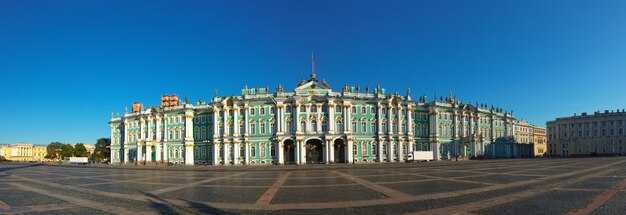
Recomendação – Visit during hours 10:00–13:00; enter calmly, avoid holiday crowds; bring a light snack for a short trip along the riverfront; the surrounding square offers a serene image of the place; this practical window keeps lines manageable, limits disruption; if you ride, plan a river view extension after your trip.
1924 – The statesman dies; embalming chosen; the body placed in a sarcophagus within a temporary chamber beside the wall facing the river; this moment becomes pivotal in national memory; their image becomes real to millions; their plan for a ceremonial tomb begins immediately; the decision connects to later continuity in public rituals.
1930 – A permanent funerary monument opens, merging a strong stone massing with an architectural silhouette; workers finish the outer shell; the interior keeps a serene mood; the tomb becomes a focus for the square, a perfect image of memory; the design emphasizes practical crowd control; opening hours run 10:00–13:00; last entry 12:45; security protocols exist to limit lines; visitors learn something about their tradition.
1945 – Wartime regime maintains the ritual; the wall remains the backdrop, the tomb the focal point for millions; the hours stay consistent; this era solidifies the sacred routine; visitors arrive with quiet resolve, linking personal memory to national narrative.
1953 – The rituals persist; the wall remains the backdrop for the process; access remains limited to the hours previously stated; crowd management remains practical; people connect to the image via memory; the trip continues to be a public act.
1991–2000 – Post‑Soviet changes shift policies; vitrines replaced; curatorial decisions tighten; the rite still centers on the sarcophagus; hours stay consistent; the trip to the site becomes a different experience for locals, travelers; snacks sold nearby; security checks tightened to maintain calm.
2000s–2010s – Digital era shifts storytelling; images flood social feeds, including tiktok clips; viewers seek a real vibe, curious about the story’s pivot; line lengths shortened; guided tours offered in multiple languages; the site remains restricted to preserve the sarcophagus’ value and dignity; visitors must pass through security; comply with the limit on personal items.
2010s–present – Modern media, live streams, casual video culture shift expectations; visitors use phones to capture a moment without disturbing the environment; respect remains pivotal; tours emphasize practical steps: keep noise low; walk with measured pace; stay on the designated path; their routes connect to nearby riverfront walks; a river ride or stroll often accompanies the trip; the value of this site grows for tourists, locals; the mood remains serene, though it tests limits of public memory.
Política – Photography outside the tomb is allowed; inside, flash prohibited; tripods not permitted.
Holiday periods – Holiday periods swell lines; access remains within the same hours; snacks outside remain common; visitors value the chance to reflect on the precinct’s meaning; though crowds grow, the calm tone of the site still holds.
Architectural Form and Materials: Core Design Elements
Recommendation: solid, mausoleum-like centered form built from local stone; without ostentation, create a majestic, grand, modest presence that captures mourning, childhood memory, reverent visit rituals.
- Form massing: centered plan; base larger; silhouette reads as a vertical monument; height 15-30 meters; visibility from the street.
- Material palette: solid local stone such as granite or limestone; bronze accents; glass elements to admit dawn light.
- Texture and finish: matte field surfaces; smooth capstones; subtle chisel work to catch light without excessive decoration.
- Structure: reinforced concrete core; stone envelope; structural rhythm extends along façade.
- Ornament: strictly restrained decor; minimal bas-reliefs; mourning motifs.
- Context and site: relation to local street grid; axis centered; plazas extend outward to capture crowds; view from novokosino; nearby districts; street vantage points.
- Environmental resilience: materials chosen for russiable climate; frost resistance; low maintenance; color shifts with light.
- Public perception: grand yet modest; millions visit; frequently observed from street; centerpiece for mourning and reflection.
- Durability: countless years; adding minimal detailing; preserving the core form.
- Symbolic language: orthodox motifs interpreted through restrained modern language; misses literal replicas; miss.
The layout remains cohesive; it invites flexible reception from local communities, with novokosino cited as a nearby reference point; even in lively evenings, the center extends a centering calm.
Visitor Guidance: Visiting the Memorial Today – Hours, Rules, Accessibility
Arrive early to minimize queues. Planning around peak periods helps; tickets available online or at the office. Waiting times usually 15-30 minutes. Hours vary by season; verify current opening hours on the official site or city info office before arriving. Entering windows are strictly posted; comply with posted times.
Dress code requires modest attire; shoulders covered; hats removed before entering; bulky outerwear may be checked. Prohibited items include large bags, weapons, cameras with professional lenses, tripods, food, beverages. Media devices restricted; flash photography forbidden.
Accessibility features: entrances via metro area; elevator access; ramps; seating along routes; staff can provide assistance, which helps visitors with mobility. Wheelchair friendly viewpoints; rest areas near green gate; arriving with a companion is recommended for better navigation.
Notes for planning around august heat: bring water; dress lightweight clothes; pretty comfortable attire helps. Views extend toward river; surroundings offer nostalgic mood; nearby attraction around the square includes river views; orthodox quarter nearby provides cultural context; alexanders offer quick orientation services; there are shopping locations around the square for souvenirs; tickets issued via the official portal or office; entering early improves entry chances. During mourning periods, schedules may adjust. Arriving early would improve entry chances.
| Aspeto | Detalhes | Notas |
|---|---|---|
| Horas | Morning sessions; last entry around 12:45; seasonally adjusted; verify via official sources | Entering windows posted; check metro notices |
| Bilhetes | Online portal; office purchases; price modest; discounts for students or families may apply | Bring printed or mobile ticket |
| Artigos Proibidos | Large bags; weapons; food; beverages; cameras with professional lenses; tripods; drones | Leave valuables before entering |
| Acessibilidade | Metro stop nearby; elevators; ramps; seating along route; staff assistance; wheelchair access | Companion recommended for navigation |
| Etiquette; photography | Modest attire; shoulders covered; hats removed; no flash; media devices restricted | Respectful behavior requested during mourning periods |
Cultural and Political Symbolism: The Mausoleum as a City Icon
Position the monument as a living emblem shaping local memory; today its presence informs public life, not a static relic.
- Local identity shapes the public space; former rites resurfaced during annual ceremonies, like wreath-laying rituals; were observed by millions of residents, your city’s patriotic mood enriched by the statue’s presence; public institutions served civic memory; photographs testify to beauty, majestic silhouette.
- Over decades, the site became a focal point for civic memory; its context blends ritual practice, among urban spaces, daily routines; visitors verify narratives through guided tours along archival materials, tons of photographs behind the scenes.
- Headquarters of local administration nearby reinforce the connection; the armory district offers spaces for exhibitions, decorated façades, a special pace for public reflection; today, within the core, this site is managed by municipal bodies, serving a patriotic purpose for millions of residents, supporting a respectful society.
- Shushchev era reforms influenced square design; when reforms were implemented, the space retained its dignified character; dont treat it as a mere backdrop for parades.
- Educational programs highlight places linked to former rulers, alexanders, palaces; whose memory guides school programs; millions of schoolchildren learn to identify symbolism through visual materials, photographs, maps, a dedicated, patriotic curriculum.
- Media campaigns deploy special exhibits, tons of archival photos, a respectful tone; visitors gain insight into the societal impact of this place today.
- Verifications come from local museums, university archives, town records; verify stories through primary sources, oral histories, public photographs to place the former narrative within a coherent arc.
Today the monument remains a guiding presence; its appeal lies in beauty, widely recognized by millions, while the local population preserves respect for the shared past.
Preservation and Maintenance: How the Structure is Cared For
Recomendação: Establish continuous climate control; a dedicated on‑site crew; a centralized log system to track conditions, rituals, access; spending patterns monitored via automated alerts.
Interior spaces keep a classic, restrained palette; staff wear non‑abrasive attire, clothes that minimize dust; translation panels accompany tours for international visitors; some background notes highlight shushchev period motifs.
Located near a central station; sensors measure temperature, humidity; particulate matter levels recorded; bell signals mark daily check‑ins; a second shift accompanies morning procedures.
From the background perspective with ussr era context; routine maintenance covers masonry joints; gilded ornaments require periodic re‑coating; the front entrance adorned with protective screens during winter; extra funds cover security, lighting, preservation materials.
Specialized conservators perform embalming rituals only within sealed spaces; tons of protective measures ensure no contamination of the interior; staff follow strict attire; equipment rules guide daily operations.
Tour programs emphasize respectful experiences; guides provide background notes; translation panels assist international audiences; visitors follow a reminder to maintain silence; bell signals mark ceremonial moments.
For families, child visitors receive printed tips on dress codes; staff enforce modest attire; comfortable shoes help along long passages; quiet spaces around the site offer moments of reflection.
Archivists store object records, photographs, clippings in a secure station; access to archival material remains controlled; researchers capture insights through guided sessions; materials are cataloged with translation metadata.
Within tours the site functions like a museum context; many museums nationwide maintain long‑term preservation programs; the squares around the precinct are measured precisely; they benefit from clear signage guiding routes; your experience hinges on quiet behavior, proper attire, mindful movement.
Staff training yields practical insights; observers learn to capture subtle shifts in material condition; every routine task is designed to take into account maximum protection for the structure, its surroundings; visitors themselves remain the priority.
Nostalgia and Modern Perceptions: Why the Mausoleum Remains a Nostalgic Spot
Plan a spring visit at golden hour to catch the smooth glow on the cube‑like volume, evoking nostalgia for travelers who mark this period as special.
From the kremlin perimeter, this solid, grand silhouette extends skyward, remaining a travel spot that anchors incredible cultural discourse on tiktok, blog posts, informal recaps.
These experiences stay part of a small, yet significant, memory bank used by visitors; the buried past of upheaval becomes a narrative that visitors absorb simply by observing the surface, the rarely interrupted smooth lines of the cube silhouette.
Practical travel advice: aim for late morning or spring evening, avoid crowds, read brochures at the nearby exhibition, then approach the foot of the monument to observe the cube from a low angle.
Although this spot remains a special, enduring symbol for many travelers, it attracts curious voices from other cities, expanding travel culture beyond brochures into casual posts on tiktok, long-form pieces on blogs.
Dont confuse this with mere spectacle; its significance stays relevant because these wonders linger, a compact reminder that a buried past has a grand, intricate presence; the footprint it leaves extends beyond a single visit, inviting future stays in the memory of culture researchers, blog posts, casual travellers.
Travel planners treat this as a compact, practical stop; a 60 minute visit works, followed by a stroll to nearby spots, other squares, alleys, museums.
 Taimen em Junho – Guia Definitivo para a Pesca de Taimen em Junho, Locais e Equipamento">
 Subdivisões do Gabinete Executivo Presidencial – Estrutura e Funções">
 Preparar-se para o Frio – Como a Roupa de Inverno se Torna um Fenómeno Cultural na Rússia">
 Top Must-Visit Shopping Destinations Across Russia | Ultimate Guide">
 16 Melhores Cervejarias de Moscovo & Cervejas Artesanais na Rússia – O Guia Definitivo">
 Visiting Mosfilm in Moscow – A Guide to the Heart of Russian Cinema">
 Descubra as Maravilhas Escondidas da Rússia – Atrações Secretas Imperdíveis">
 A Guerra da Vodka – Como as Marcas Globais Lutam por Quota de Mercado e Prestígio">
 MIR para a Rússia – Como o MIR Molda o Futuro da Rússia">
 Gestão das Pescas no Ártico – Canadá vs. Rússia – Complexidades, Semelhanças e Contrastes">