15 традиционных русских блюд, которые должен попробовать каждый гость: борщ, пельмени, блины, окрошка, щи, солянка, салат Оливье, селёдка под шубой, винегрет, вареники, пирожки, сырники, квас, кисель и драники. Вместе они охватывают супы, пельмени, салаты, блины и напитки, которые определяют как домашнюю русскую кухню, так и меню ресторанов — практичный список дегустации для поездки в Москву.
Русская кухня сытная и сезонная, а не острая, основанная на свёкле, капусте, ржи, картофеле, пресноводной рыбе, сметане и укропе, а также на медленных техниках, таких как тушение, ферментация и выпечка. Начните дегустацию с лёгкого закусочного блюда или салата, затем перейдите к супу, затем к пельменям или мясному блюду, и завершите сладкими блинами или ферментированным напитком, таким как квас. Вот каждое блюдо, его вкус и способ подачи.
15 Традиционных русских блюд, которые обязательно стоит попробовать
Борщ — густой красный суп из свёклы с капустой, морковью и луком; подаётся горячим с ложкой сметаны; его невероятные, древние корни пересекают множество сельских кухонь, делая его отличным блюдом для знакомства с историей региональной кухни.
Пельмени — небольшие варёные пельмени с мясным фаршем, завершаемые в масле; основное блюдо для семейных встреч и рынков, любимое блюдо, демонстрирующее мастерство теста и контраст между нежными начинками и хрустящими краями.
3) Блины — тонкие блинчики с икрой, сметаной или вареньем; эти круглые лепёшки подходят и для завтрака, и для праздничного стола, что делает их универсальным блюдом для гостей и любимым угощением на праздниках.
4) Окрошка — холодный летний суп на основе кваса с нарезанными овощами, такими как огурцы и редис; освежающее блюдо, которое можно попробовать в тёплые дни на городских площадях и дачах.
5) Щи — капустный суп с квашеной или свежей капустой, часто с добавлением мяса или грибов; древнее блюдо крестьянской кухни, простое в приготовлении большими порциями для семейных обедов.
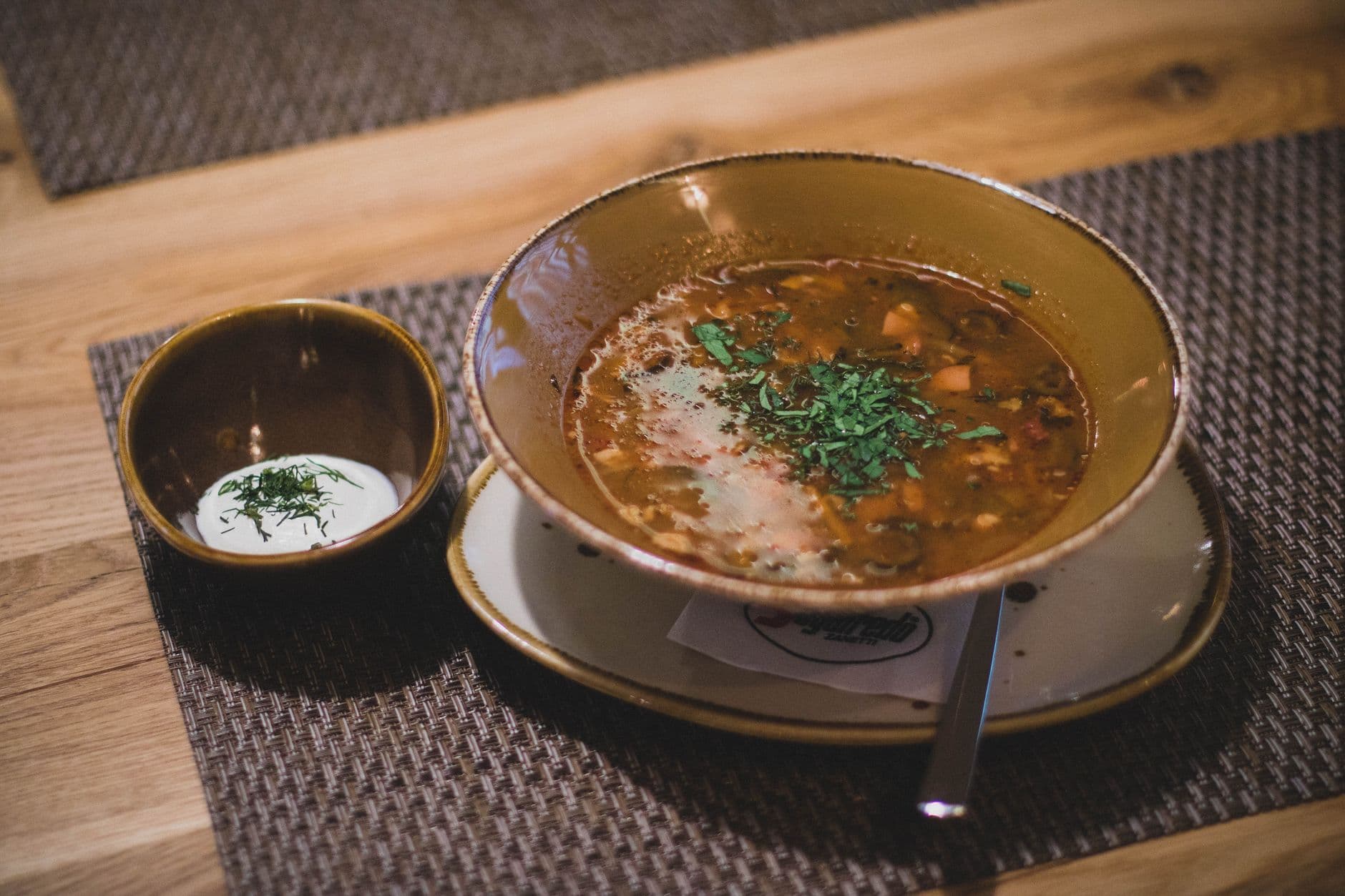
6) Солянка — сытный, насыщенный суп с солёными огурцами, оливками, каперсами и мясом; его насыщенный вкус делает его изюминкой застолья и отличным примером того, как вкусовые профили меняются в зависимости от региона; его особенности включают яркую кислинку, которая отлично сочетается с более плотными блюдами.
7) Салат «Оливье» — яйца, картофель, маринованные огурцы и мелко нарезанные мясные продукты, скреплённые майонезом; любимое блюдо на праздничных приёмах, история которого ведёт от городских кафе до сельских кухонь, отражая смешение влияний и запоминающийся набор текстур.
8) Шуба — сельдь под шубой; слои из свёклы, картофеля и майонеза, ассоциируется с зимой, праздниками и долгими семейными застольями, сочетает хрустящий вкус и нежную текстуру, которую многие хозяева считают обязательным блюдом.
9) Виноград - салат на основе свёклы и картофеля с маринованными овощами; его яркие цвета и хруст делают его надёжным первым блюдом на многих столах, что помогает укрепить традицию простых и полезных ингредиентов.
Вареники — пельмени, начиненные картошкой, сыром или фруктами; фруктовая версия расширяет список десертов и закусок, предлагая универсальное блюдо, которое любят в домах и на рынках, подлинная часть списка.
11) Пирожки — это небольшие пирожки, печёные или жареные, с различными начинками, такими как мясо, капуста или грибы; эти небольшие пирожные удобно брать с собой на пикники и встречи, часто подаются в качестве закусок и легко нравятся всем.
12) Сырники — творожные оладьи, посыпанные сахаром и подаваемые с вареньем; любимое утреннее блюдо в кафе и домах, внутри нежное и кремовое, снаружи хрустящая корочка, располагающая к долгим разговорам.
13) Квас — слегка заквашенный хлебный напиток, мягкий и освежающий; его подают к еде и угощают гостей на праздниках, что отражает давнюю традицию брожения и повседневных привычек гидратации.
14) Кисель — это фруктовый десертный напиток, приготовленный из ягод для создания гладкого, слегка сладкого соуса; подаётся тёплым или холодным, он является частью осенних историй о сборе урожая и уютным завершением трапезы.
15) Драники — картофельные оладьи, обжаренные до хрустящей корочки; простое блюдо из натуральных продуктов, демонстрирующее универсальность картофеля, которое обычно подают со сметаной и зеленью. За столом их сопровождают разными мясными блюдами и зеленью, делая их надежным завершением дегустационного списка.
Пельмени, борщ и блины: базовые техники, традиционные начинки и советы по подаче
Замесить тесто: 3 стакана муки, 1 большое яйцо, 1/2 стакана холодной воды, 1 ч. л. соли. Месить до гладкости, завернуть, дать постоять 30 минут. Раскатать до 1,5-2 мм, вырезать кружочки, положить по чайной ложке начинки (свинина-говядина-лук), защемить плотно; варить в подсоленной воде до всплывания, откинуть, завершить кусочком сливочного масла. Заморозить остатки на пергаменте для последующего использования; многие рецепты описывают этот метод, и текстура остаётся надёжной даже в периоды занятых недель.
Начинка для пельменей остаётся классической: равные части фарша из свинины и говядины, мелко нарезанный лук, соль и перец; некоторые добавляют чеснок или грибы для насыщенности. Эта смесь даёт сытный вкус и стала продуктом региональной практики, особенно в советских кухнях, где самые старые варианты склонялись к более насыщенным составам. Исследуйте конкретные вариации, чтобы подстроить вкус под себя, и вы увидите, как эта основа становится полотном для региональных нюансов.
Для борща готовят насыщенный свекольный бульон: свеклу запекают или варят для насыщенного цвета, затем тушат с капустой, картофелем, морковью и луком; ложка томатной пасты, лавровый лист, чеснок и капелька уксуса дополняют вкус. Подают горячим или холодным, завершая сметаной и свежей укропом. В многих семьях это блюдо символизирует время встреч и уютного тепла; солёные огурцы в придачу и рюмочка водки — часто из самогонного аппарата — создают контраст с яркими свекольными нотами. Западные варианты иногда делают акцент на более сладкой свекле или фруктовых добавках, показывая, как опыт формирует предпочтения, а события становятся поводом для гастрономических открытий.
Блинное тесто соединяет молоко, яйца и муку в нежную основу для блинов: 2 стакана молока, 3 яйца, 1 1/2 стакана муки, 2 столовые ложки сахара, 1/2 чайной ложки соли; дать постоять 20 минут, затем жарить на горячей, слегка смазанной маслом сковороде до появления пузырьков и закрепления краёв. Типичные круглые стопки блинов мягко поднимаются и остаются тёплыми под чистой салфеткой. Начинки включают копчёную рыбу, обжаренные грибы, солёный сыр или фарш; дополнения — масло, майонез или ложка сметаны. Сбоку маринованные огурцы или фруктовое варенье создают хрустящий контраст, а несколько зёрен икры могут придать блюду изысканность, особенно во время праздников. Такое сочетание остаётся универсальным способом исследовать текстуры, сбалансированное питание и культурный вкус, ставшее основой во многих домах, предлагая быстрый путь к сытной трапезе, которая хорошо переносит переезды и подходит для застолий.
| Dish | Основная техника | Начинки и идеи для подачи |
|---|
| Pelmeni | Раскатайте тесто тонко, вырежьте кружки, залепите края, сварите в подсоленной воде до всплывания, завершите маслом. | Начинка: свинина-говядина-лук; варианты: баранина, грибы; подача: сметана, укроп, огурцы; по желанию: майонез отдельно |
| Borscht | Свекольный суп с капустой, картофелем и морковью; тушить, завершить сметаной и укропом. | Свёкла придаёт цвет; добавки: сметана; гарниры: ржаной хлеб, солёные огурцы; икра по желанию. |
| Blini | Тонкое тесто; жарить на горячей сковороде до золотистого цвета; складывать и держать в тепле | Начинки: копчёная рыба, грибы, солёный сыр; добавки: масло, майонез; гарниры: маринованные огурцы, фруктовый компот. |
Пирожки, Сырники и Вареники: Тесто, Начинки и Сочетания для Перекуса
Выбирайте пирожки с дрожжевым тестом и начинкой из сыра и картофеля для надёжного, компактного перекуса в пути.
- Тесто для пирожков: дрожжевое тесто, обогащённое молоком и маслом, даёт более крупную и воздушную крошку; яйца помогают связать, а небольшое количество сметаны придаёт нежность.
- Начинки: чаще всего это сыр с картофелем; другие плотные варианты — грибы, свёкла и комбинация сыра и муки, которая не рассыпается при употреблении в движении.
- На ходу: небольшая баночка фруктового компота, свежие травы, такие как укроп или зеленый лук, а если хочется более насыщенного вкуса, полоска копчёного осетра для контраста; глоток компота освежает между укусами.
- Тесто для сырников: густая творожная масса смешивается с молоком и яйцами, затем аккуратно перемешивается с мукой; начинки преимущественно сладкие (ваниль, изюм), но можно добавить щепотку соли для пикантного оттенка.
- На ходу: сметана или яркий фруктовый джем подчеркнут воздушную начинку; для идеального баланса попробуйте небольшую ассорти из ягод.
- Советы: чтобы они оставались функциональными при перемещении, обжарьте их в легком слое и завершите мягкой запеканием, чтобы закрепить внешнюю часть, сохраняя при этом внутреннюю часть влажной.
- Вареники из теста: тонкая оболочка из муки и воды (по желанию с яйцом) даёт нежный карман, подходящий для разных начинок; это тесто легко заморозить для приготовления блюд впрок.
- Начинки: картофель с жареным луком остаётся классикой; сыр с картофелем — любимый вариант; капуста, грибы или свёкла добавляют цвета и разнообразия; современные вариации могут включать небольшое количество рыбы, например осетра, для дымного оттенка.
- На ходу: лёгкий салат из свёклы, рубленые травы и банка фруктового компота создают контраст; подавайте с молоком или кефиром для быстрого увлажнения; держите порции компактными для еды в пути.
Украинские столы часто подают эти пельмени с свёклой и салатом Оливье, в то время как грузинское влияние проявляется в травяных смесях и дымных акцентах; удивительно, но угольная копчёность овощей или грибов может придать начинке изысканность без усложнения вкуса. По словам предыдущих дегустаторов, наиболее универсальный подход — держать под рукой несколько видов теста и начинок, что позволяет готовить недорогие, но качественные закуски с уникальным вкусом. Добавление нескольких «функциональных» компонентов — укропа, петрушки и мяты — позволяет адаптировать блюдо под более сытный или лёгкий вариант в зависимости от аппетита. Они созданы для еды на ходу, но их начинка остаётся плотной и ароматной — признак качества, которому можно доверять.
Говядина по-строгановски, щи и солянка: методы приготовления, основы бульонов и региональные вариации
Начните с практичного плана: обжарьте говядину партиями до глубокого золотистого цвета, снимите корочку с помощью легкого напитка, соберите пригоревшие частицы и приготовьте многослойный соус в прочных посудинах. Поддерживайте стабильное кипение, а затем завершите соус кисловатой сметаной. Такой подход дает гибкую тройку, где стандарты адаптируются в зависимости от региона, но техники остаются неизменными. Это значение видно и на национальных праздниках, и на фестивалях.
- Техника приготовления бефстроганова: нарежьте говядину тонкими ломтиками, обжарьте порциями до золотистого цвета, уберите, в том же жире обжарьте лук и грибы, верните мясо, добавьте бульон и немного сока или белого вина, тушите 15-25 минут, затем введите сметану, помешивая; поддерживайте низкую температуру, чтобы не свернулась.
- бульонные основы: говяжий бульон в качестве базы; жидкость для замачивания грибов придаёт глубину; небольшое количество куриного бульона может осветлить профиль; иногда в региональных вариантах появляется лёгкая кислинка, напоминающая борщ, сбалансированная с насыщенностью.
- Региональные вариации: в брянских кухнях часто используют сушёные грибы для насыщенности; в некоторых деревнях применяют глиняные сосуды марани для регулирования распределения тепла; подают с картофелем, яичной лапшой или поджаренным хлебом; на фестивалях и семейных пирах строванов занимает центральное место в культурном угощении; национальные стандарты подчёркивают кремовую, сбалансированную завершённость, и он становится сердцем стола.
Техника приготовления щей: капуста — главный ингредиент; тушить на говяжьем или овощном бульоне до мягкости; добавить сухарики из ржаного хлеба или сушёные грибы для насыщенности; завершить ложкой сметаны по желанию.
бульонные основы: капустный бульон на основе говяжьего или смешанного бульона; грибы и мясные обрезки усиливают вкус; по желанию можно добавить томат или рассол, чтобы отрегулировать яркость, сохраняя при этом прозрачность.
региональные вариации: украинские версии делают акцент на квашеной капусте и грибном бульоне; в брянских блюдах могут добавлять сухое мясо или копчёности; тарелка с рубленой зеленью и салатом для баланса; на праздничных столах Щи часто подают с ржаным хлебом и свёклой как часть культурного угощения.
Солить солить: соедините смешанные мясные продукты (говядина, свинина, колбаса) с мелко нарезанным луком; обжарьте до прозрачности; добавьте маринованные овощи (маринованные огурцы, маслины, каперсы), томатную пасту или томатное пюре и бульон; тушите до густой, кисловатой консистенции; завершите лимонным соком и зеленью для свежести.
бульонные основы: мясной бульон как основа; томатная основа и рассол обеспечивают кислотность; овощной бульон может регулировать плотность; некоторые вариации включают несколько сухофруктов или цедру цитрусовых, чтобы подчеркнуть нотки.
Региональные вариации: в брянских кухнях добавляют сушёные грибы для глубины вкуса; украинские варианты включают укроп и перец; меню фестивалей подают солянку вместе с борщом и культурными салатами в рамках более широкого ассортимента; это блюдо обладает согревающим солёно-кислым вкусом, которое занимает особое место в мировых кухнях и на праздничных столах.
Сельдь под шубой, икра и холодец: текстура, сборка и сезонные поводы
Рекомендация: Соберите тарелку вокруг трёх ключевых ингредиентов — селёдки под шубой, икры и холодеца — для контраста текстур и удобного сборки. Каждый компонент даёт уникальное ощущение во рту и набор наполняющих слоёв, которые удерживают блюдо на столе.
Текстура играет важную роль: верхний слой из рыбных слоёв даёт кремовую контрастность, когда овощи натираются мелко, икра добавляет шёлковую солёную волну, а холодец обеспечивает нежный желеобразный слой, который скрепляет стопку. Подход с многослойной декорацией сохраняет визуальный баланс и соответствует нескольким переходам во время еды, от хрустящего до тающего во рту вкуса.
Сборка деталей: какая последовательность гарантирует аккуратные порции? Начните с охлаждённой основы из мелко нарезанной капусты или тонкого слоя картофеля, добавьте заметную полоску свёклы или моркови для цвета, затем положите селёдку под шубой или нанесите икру тонким слоем, и завершите формованным слоем холодеца в кольцеобразной форме, чтобы сохранить форму. Для скрытого сюрприза переверните форму непосредственно перед нарезкой, чтобы желе открылось. Нарежьте лук и солёные огурцы мелкими кубиками в качестве хрустящих акцентов; грибы можно добавить как более земляной оттенок, хотя они необязательны. Этот список шагов гарантирует отличный результат, который сохраняет форму при подаче на столовом блюде.
Летние мероприятия: сборища у столовой рядом с Киевом выигрывают от более лёгких дополнений, таких как маринованные овощи и нарезанные фрукты, с тремя компонентами, расположенными в отдельных сегментах, чтобы сохранить каждый вкус. Поход на рынки даёт нежную свёклу, свежую капусту и по желанию грибы для украшения. Используйте мелко нарезанный лук и травы для завершения; такой подход делает последовательность привлекательной для компании, оставаясь при этом бюджетным с точки зрения финансов.
Значение и свойства: тройка предлагает типичный баланс текстур — от хрустящей капусты до нежной желе и шелковистой икры. Честно говоря, контраст делает вкусы легкими для восприятия как в виде одного блюда, так и в качестве стандартного набора закусок, привлекая гостей, которые ценят многослойное оформление и четкое различие между компонентами.
Квас, медовик и Наполеон: ферменты, сладости и сочетания десертов
Для быстрого первого знакомства подавайте охлаждённый квас с тонким кусочком медовика и кусочком Наполеона.
Квас — это напиток с низким содержанием алкоголя на основе пшеницы. Пивоварни создают солодовый, слегка кисловатый вкус, который очищает вкусовые рецепторы между глотками, и эти напитки отлично сочетаются с мёдовой глазурью Медовика и сливочными слоями Наполеона.
Медовик состоит из нескольких слоёв, пропитанных мёдом, с кремовой начинкой. Начинка находится между коржами, чаще всего это сметанный крем или масляный крем, а сам пирог остаётся уютным и насыщенным. В процессе дегустации проявляются контрасты разных текстур.
Наполеонский торт подаётся с хрустящими слоями теста и сливочно-ванильным кремом; начинка лёгкая, но сытная, создавая плавный контраст с кислинкой кваса и сладкостью Медовика. Общая текстура отличается, но при этом гармонична.
На мероприятиях или в ресторанах отлично подходит компактная доска: сельдь на ржаных хрустящих хлебцах со сметаной, ломтиками огурца и несколькими кусочками медовика и Наполеона. Это сбалансированная дегустация, которая раскрывает вклад каждого компонента. Читатели знают, что солёная рыба и молочные продукты уравновешивают мёд и выпечку, а огурцы придают хруст.
Часто задаваемые вопросы: Традиционная русская кухня
Какое русское блюдо самое известное?
Борщ, густой красный суп из свёклы, который подают горячим со сметаной и укропом, — это блюдо, которое чаще всего ассоциируется с Россией, а следом за ним идут пельмени (мясные пельмени) и блины (тонкие блины).
Что мне заказать в первую очередь в русском ресторане?
Начните с супа, например, борща или щи, затем перейдите к блюдам из теста, таким как пельмени или вареники, и завершите сырниками или блинами. Стакан кваса или компота отлично дополнит трапезу, не перебивая вкус блюд.
Русская кухня острая?
Нет. Русская кухня сытная и уютная, а не острая; вкус придают укроп, сметана, соленья, грибы и рожь. Солянка, приготовленная с соленьями и каперсами, самая кисловатая из распространённых блюд.
Какие десерты традиционны для России?
Медовик (мёдовый слоёный торт) и Наполеон (торт из слоёного теста с ванильным кремом) — это классические праздничные торты, а кисель, густой фруктовый напиток-десерт, — традиционная повседневная сладость.