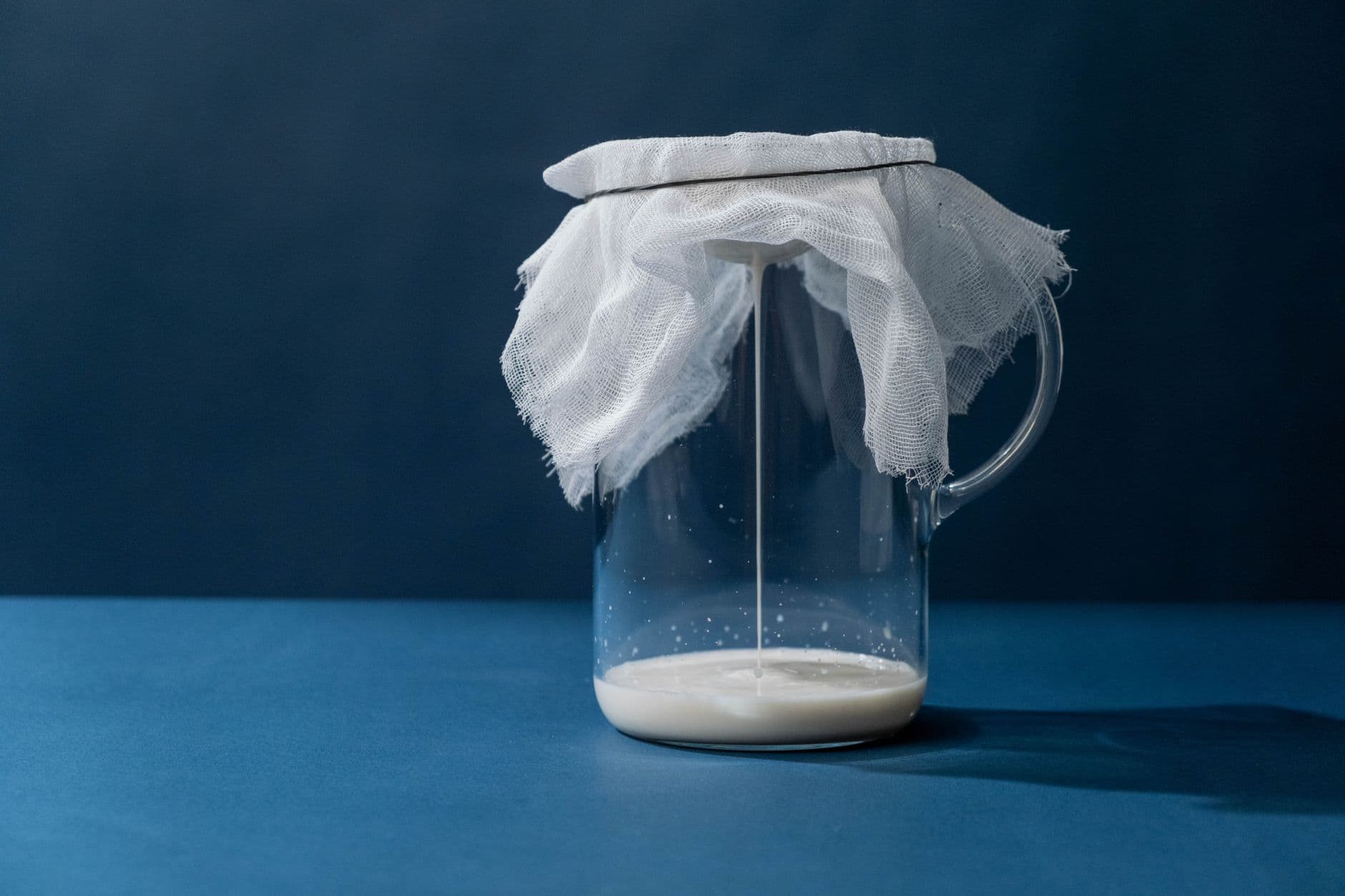

Začnite s 2 polievkovými lyžicami živých symbiotických zŕn a 1 litrom plnotučného mlieka, potom to nechajte pri izbovej teplote asi 24 hodín. Výsledkom je šumivý nápoj bohatý na probiotiká s jemnou pikantnosťou a hladkou textúrou. Keď je pripravený, všimnete si mierne šumenie a ľahkú mliečnu arómu. Nikdy nevynechajte počiatočné obohatenie; tvorí základ pre každú dávku.
Použite sklenenú nádobu s priemerom okolo 10 cm a širokým hrdlom, aby sa umožnila výmena vzduchu; prikryte priedušnou látkou a zaistite gumičkou. Vyhnite sa kovovým viečkam, pretože kyseliny môžu reagovať. Pre dosiahnutie najlepších výsledkov začnite so štartérom ruského pôvodu, aby ste udržali konzistentné dávky. Nádobu umiestnite na kuchynskú linku a počas hlavného kultivačného okna, ktoré zvyčajne trvá 20-28 hodín v závislosti od izbovej teploty, sa vyhýbajte chladničke. Potom preceďte, keď sa na povrchu objavia jemné bublinky a vôňa sa zmení na pikantnú.
Po 24 hodinách preceďte nápoj cez plastové sitko, pričom si zrná odložte na ďalšiu dávku. Zrná krátko opláchnite čistou vodou a potom ich vráťte do štartovacej nádoby. To udržuje symbiotickú kultúru; chuť rastie a sýtenie oxidom uhličitým sa objavuje aj po prvom spustení. Ak je v miestnosti chladno, môže to trvať dlhšie; v teplejších kuchyniach očakávajte prechod v priebehu 18-26 hodín.
Preložte precedený nápoj do chladničky, aby ste spomalili proces a vytvorili chladivé osvieženie; časom získa hĺbku a hladší pocit v ústach. Spotrebujte do 5-7 dní, pričom ráno používajte ako pravidelný rituál. Pre dosiahnutie najlepších výsledkov ho nechajte čistý alebo zmiešajte s ovocím, štipkou soli alebo kvapkou bieleho jogurtu. Nápoj obsahuje probiotiká a vitamíny a môže sa konzumovať s jednoduchým syrom alebo ako základ pre smoothies; niekoľko dávok zlepší celkovú rovnováhu.
Udržujte čistotu rukami a vyhýbajte sa kovovým nástrojom; vždy používajte čisté poháre a náradie. Ak je to možné, odmerajte prísady polievkovými lyžicami a sledujte hodiny pre konzistentnosť. Nikdy nepreplňujte nádobu a nikdy sa neponáhľajte - nechajte pokojný bioproces rozvinúť a dostanete najčerstvejšiu a najlepšie vyladenú dávku.
Mliečny kefír: Praktický domáci sprievodca
Odporúčanie: Použite sklenenú nádobu (0,5-1 liter), pridajte 400-500 ml čerstvého mliečneho nápoja a 1-2 polievkové lyžice spoľahlivého štartéra, kultivujte pri 20-22 °C po dobu 24-36 hodín, potom preceďte a naplňte fľaše na chladenie.
Udržujte výstroj čistú a vyhýbajte sa kovu počas miešania a manipulácie. Miešajte drevenou lyžicou, preceďte cez plastové alebo nerezové sitko a prelejte tekutinu do fliaš s tesnými uzávermi. Tento prístup minimalizuje kontamináciu a udržuje stabilné chute; niektoré domácnosti zdieľajú štartér v vreckách alebo pohároch medzi priateľmi, čo pomáha zostať v spojení so širšou komunitou a znižuje obavy o získavanie každej dávky.
Na kvalite ingrediencií záleží: zamerajte sa na mliečne výrobky s obsahom tuku približne 2-3 %; ultra-pasterizované produkty môžu spomaliť aktivitu, takže si vyberte pasterizované alebo ľahko spracované mliečne výrobky. Kultúra je dobre tolerovaná väčšinou mliečnych základov. Ako ukázalo mnoho testerov, štipka minerálov obsahujúcich horčík môže zlepšiť textúru. Pre rastlinnú alternatívu vyskúšajte mandľový alebo kokosový nápoj, pričom si všimnite, že chuť a rovnováha kyselín sa budú líšiť. V teplejšom jarnom počasí má kultúra tendenciu pracovať rýchlejšie, zatiaľ čo chladnejšie obdobia si vyžadujú dlhší čas; napriek tomu načasovanie ukazuje predvídateľný rozsah 24-48 hodín pri normálnych izbových teplotách.
Bežný problém: nápoj je príliš kyslý alebo príliš riedky. Ak ich chuť nie je vyvážená, skráťte cyklus alebo znížte štartér a uistite sa, že nádoba je čistá. Ak sa objaví nepríjemný zápach alebo pleseň, dávku zlikvidujte a začnite s novým štartérom. Po precedení si môžete všimnúť oddelenie srvátky; to nie je nebezpečné a môže sa primiešať späť alebo použiť v receptoch. Ako ukázali praktické testy, úprava času a teploty pomáha kontrolovať hladinu kyselín.
Skladovanie a opätovné použitie: preceďte a fľaškujte, potom chlaďte; z každej dávky si môžete odložiť 2-3 polievkové lyžice štartéra, ktoré nakŕmite čerstvým mliekom na ďalšie spustenie. Fľaše by mali zostať uzavreté a uložené na chladnom mieste; štartér môžete zdieľať s ostatnými alebo si zaistiť malé množstvo z dôveryhodného zdroja. Pri starostlivej starostlivosti môže vaša tradícia zostať aktívna roky; mnohé domácnosti udržiavajú aktívne kultúry častým kŕmením a občasným odpočinkom na parapete kuchynského okna počas jarného slnka. Ak potrebujete krátku prestávku, štartér sa môže uchovávať zavesený v chladnom kúte až týždeň. Pre ďalšie usmernenie vám informácie o možnostiach trhu a zdieľané tipy od barcharov a iných skúsených výrobcov pomôžu zostať informovaní.
Ako si doma vyrobiť autentický mliečny kefír: Plán krok za krokom
Odporúčanie: majte pripravenú čistú fľašu, sitko a štartér typu jogurt; udržujte mliečny nápoj pri stabilnej teplote 22-25 °C, kým si nevšimnete jemné penenie a skutočnú pikantnosť, potom fľaškujte a chlaďte pre najlepšiu textúru.
Prvá fáza - príprava: dezinfikujte sklo, pripravte fľašu s priedušným krytom a majte po ruke sitko. Zhromaždite štartovaciu kultúru, lyžicu a malé množstvo čerstvého mliečneho nápoja. Základným pravidlom je čisté vybavenie na dosiahnutie konzistentných výsledkov.
Druhá fáza - kultivácia: nalejte mliečny nápoj do fľaše, pridajte štartér a jemne premiešajte. Voľne prikryte, aby sa umožnila výmena vzduchu, a potom umiestnite na teplé miesto mimo priameho slnka. V závislosti od tepla môže táto relácia trvať 24-48 hodín; ak chcete miernejší profil, skráťte čas. Hoci uvidíte menej peny s ľahším štartérom, skutočným cieľom je vyvážená pikantnosť typu jogurt.
Tretia fáza - preceďte a fľaškujte: preceďte tuhé látky pomocou sitka cez čistú nádobu a jemne stlačte, aby ste získali precedený nápoj. Preložte do novej čistej fľaše, pričom nechajte trochu priestoru na vrchu, a prikryte. Označte dátumom a decembrovými alebo marcovými číslami dávok, aby ste mohli sledovať zmeny chuti v priebehu času. Tento krok zachytáva čistú, hladkú textúru, ktorú hľadáte, a proces sa stáva opakovateľnou rutinou.
Štvrtá fáza - skladovanie a použitie: chlaďte fľaškový nápoj a spotrebujte do 5-7 dní, alebo dlhšie, ak uprednostňujete pevnejšie uhryznutie. Použite precedenú tekutinu ako základ pre smoothies alebo nalejte na cereálie a zvážte dvojitý fermentačný cyklus, ak chcete silnejšiu chuť - len vedzte, že dlhšie ponechanie pri izbovej teplote zvyšuje kyslosť. Nasledujúce tipy pomáhajú: pred podávaním jemne premiešajte, zabráňte krížovej kontaminácii a majte samostatné náradie na naberanie tuhých látok a tekutín.
Poznámky: tento nápoj sa bežne porovnáva s kombuchou pre jeho pikantnosť a šumivosť, no zostáva voľbou na báze mlieka. Ak sa vyskytne otázka, začnite s malou dávkou a upravte načasovanie, potom fľaškujte na okamžité použitie. Tento prístup dáva lepšie výsledky ako ponáhľanie sa cez cykly a nevyžaduje žiadne tabletkové doplnky, aby bol účinný. Ďakujeme za prečítanie; ak máte ďalšie otázky, odpovedzte s tým, čo chcete upraviť, a ja prispôsobím plán podľa toho, v závislosti od vášho prístupu k čistému sitku a stabilnému teplému miestu.
Krok 1 Zásoby: Zhromaždite mlieko, kefírové zrná, sklenenú nádobu a dezinfekčné nástroje
Pripravte si čistú, zakrytú nádobu so širokým hrdlom a zhromaždite tieto položky z miestneho zdroja; vďaka tomu je inkubácia predvídateľná a bezpečná. Udržujte si plnohodnotné pracovisko, ktoré zostane organizované; rozdiel sa ukáže po rokoch praxe. Použite pomer 2-3 polievkové lyžice štartovacích kultúr na liter mliečnej tekutiny; v priebehu 24-48 hodín pri 20-24 °C sa usadia do hladkých, trpkých profilov. Toto nastavenie je oveľa lepšie ako otvorená misa pre konzistentnosť a chuť a zachováva profil mlieka bohatý na vitamíny.
- Nádoba a kryt: 1-litrová sklenená nádoba so širokým hrdlom s priedušnou látkou alebo papierovým vekom zaisteným gumičkou; zakryté nastavenie minimalizuje prach a prúdenie vzduchu počas inkubácie.
- Mliečna tekutina: Čerstvé, miestne mlieko z dôveryhodného zdroja; pasterizované je v poriadku, ale nehomogenizované možnosti často poskytujú plnšie telo.
- Štartovacie kultúry: 2-3 polievkové lyžice na liter; vyhnite sa nadmernému množstvu, ktoré môže spomaliť fermentáciu alebo viesť k hustejšej textúre.
- Sitko: Jemné, nereaktívne na zachytenie tuhých látok po inkubácii; medzi dávkami dobre opláchnite, aby ste zabránili prenosu.
- Náradie: Drevená alebo plastová lyžica na miešanie, odmerky a čistá kefka na fľaše na poháre; vyhnite sa reaktívnym kovom.
- Dezinfekčné nástroje: Jemné mydlo, horúca voda, uteráky a voliteľný dezinfekčný prostriedok bezpečný pre potraviny alebo 5% roztok octu na rýchlu sterilizáciu; pred manipuláciou si umyte ruky.
- Teplomer alebo časovač: Časovač pomáha sledovať čas; teplomer pomáha monitorovať teplotu inkubácie pre konzistentné výsledky.
- Označovanie a skladovanie: Navyše použite vodotesný fix alebo pásku na zaznamenanie dátumu dávky, zdroja mlieka a poznámok o textúre; to pomáha pri sledovaní popularity a budúcich úprav, ako je zmena zdroja alebo úprava pomeru.
Robte si poznámky podľa mesiaca; mnohí výrobcovia si všímajú vyššiu aktivitu v marci a novembri. Pred manipuláciou si umyte ruky, skontrolujte príjemnú arómu a sledujte kolónie; s rastúcou aktivitou sa môžu objaviť drobné púčiky. Ak to bude mať nepríjemnú chuť, začnite znova s čerstvou dávkou a upravte pomer podľa toho.