Začnite na hlavnom metrostanici a vyberte sa k skupine ozdobených stien a výraznému muralu, ktorý vás privíta s vašou kamerou. Okamžite nájdite dielo od graffiti-umelcov a rozhodnite sa, či je toto miesto hodné dlhšieho zastavenia. Ak chcete darček pre váš feed, fotografujte pri prírodnom svetle, zachyťte mural v jednom snímku, aby ste vyjadrili jeho farebné spektrum, a pozorujte, či iné diela v blízkosti zmenia náladu.
Vybavené centra sa nachádzajú blízko hlavných staníc, kde umelci s povolením zdobia steny; centrálne klostry okolo Arbatu a Tverskej ulice ponúkajú diela od hravých abstraktov po portréty mesta. Keď si identifikuješ pár miest, môžeš si naplánovať osobitú trasu pre rýchlu a fotogénnu smyčku. Po týždňoch sa diela stávajú ikonickými pamiatkami; ďalšie skupiny pridávajú nové diela, tak sa vraciaj a porovnáva štýly. Pre lepšie pochopenie scény naplánuj si krátku trasu cez dva alebo tri okresy; to stojí za to pre rozmanitosť a možnosť zdokumentovať široký rozsah tónov.
Prineste si kompaktnú fotoaparát alebo dobrý telefón; fotografujte pri prírodnom svetle; vyhýbajte sa blesku na blízko okien. Fotografovanie je v zásade povolené na verejných stenách, ale dbať o občianske priestory a ich využitie; udržiavať nízký hluk a neblokovať chodcov. Ak je stena ohrazená, dodržiavať hranice a pokračovať na ďalšie miesto.
Keď ste robili snímky, pomôžte ostatným označením miesta a uvedením zdroja; môžete prispieť do komunity sprievodcov, ktorí mapujú rozsah stien a ich využitie; rozmanitosť je široká, od drzých kontúr po jemné textúry. Ak je na dielku spomenutý obama, označte to ako súčasť mestského dialógu, pričom zostaňte úctiví k verejným priestorom a obyvateľom.
Chodníková trasa od Trubnaja: Kľúčové bloky a zvierania na stopách muralov
Opustite Trubnaja a otočte sa doprava do úzkého pereulku, potom prejdite cez tri krátke bloky, kým neuvidíte na bielej stene s žltými akcentmi mural.
Bloková sekvencia a klúčové zátvory
Z stanice sa vydajte doprava, prejdite tichým dvorm a pokračujte prvým pereulkom. Prvou zastávkou je mural, ktorý spája architektonické motívy s živými postavami - skvelý úvod do vašej trasy.
Krok 2: Na nasledujúcom rohu zvoľte doľava do úzkej uličky vedľa bývalej garáže. Majiteľ tu udržiava rotujúci projekt; umelci prichádzajú a odchádzajú, takže letné sezóny často prinášajú nové muraly, ktoré si môžete pozrieť bez neoprávneného vstupu. Pre tých, ktorí hľadajú živé muraly, toto miesto odmení trpezlivosť.
Krok 3: Prejdite na nasledujúci križovatku, potom otočte sa doprava a okamžite doľava do druhého pereulku. Tu biele fasády a odvážne žlté panely zakotvujú sadu umení, ktoré odrážajú mestský život, ideálne pre zaujímavé snímky, ktoré ukazujú, ako sa veci spájajú s miestom a architektúrou.
Krok 4: Vystúpiť na krátku ulicu, ktorá vedie na malú verejne prístupnú plochu. Táto sekvencia končí blízko bytového domu, kde sa často stretávajú umelci a prezentujú nové diela, ktoré prichádzajú z blízkych ateliérov.
Praktické poznámky k fotografovaniu a úcte k miestam
V Moskve je táto trasa najlepšia v lete, keď je denné svetlo teplé a farby sa jasne prejavujú; plánujte si prechádzku neskorým ráno, aby ste maximálne využili farebnosť a pohyb cez steny.
Prechádzajúcich, ktorí hľadajú živé múry, fotografujte z verejných priestorov bez vstupu na súkromné pozemky. Ak chcete fotky z interiéru, požiadajte o súhlas majiteľa; múry sa často menia, takže návšteva neskôr v priebehu dňa môže priniesť nové diela.
Hľadajte biele steny s žltými akcentmi a architektonické motívy, ktoré odrážajú živý charakter miesta. Zaujímavé diela a ich umiestnenie vytvárajú kompaktný projekt, ktorý môžete preskúmať krok za krokom, namiesto toho, aby ste sa snažili pokrývať všetko naraz. Môžete pridať vlastné zábery, ktoré vyprávajú stručnú príbeh cez krátku trasu.
Core Murals: Must-see works and their exact locations near Trubnaya
Začnite chodiť od severného výstupu stanice Trubnaja, otočte sa doľava a okamžite uvidíte obrovskú hlavu od Rodčenka na cihlovom múre, silný úvod pre domácu prehliadku hlavných múrov.
Rodčenkova hlava - nachádza sa na západnej stene červenohlavovej dielne na rohu Trubnaja a uličky za dlhým obchodom s oblečením; približne 75 metrov severne od stanice. Dielo je kontrastný portrét, ktorý je čitateľný z hlavnej pešej trasy v blízkom centre.
Obama Portrét - nájdete v dvore za centrálnymi trhovými blokmi, dostupný cez východnú uličku medzi dvoma obchody. Obrovská postava je otočená k prechodu a ponúka provokatívnu spoločenskú referenciu pre turistov; viditeľná hneď po prechode pri Rodčenkovej dielnej.
Parížsky fragment obzoru - na slnečnom cihelnom paneli nad chodníkom pri arkáde; prejdite asi 120 metrov od murálu Obamy, potom zvoľte do úzkej bočnice, aby ste videli siluetu nad zjednodušeným krajinou.
Spoľ societný krajina - rozkladá sa na dlhú betónovú stenu v centrálnom dvore, približne 40 metrov severne od fontány na Trubnej námestí. Kompozícia spája siluety a textové fragmenty, s desiatkami malých prvkov, ktoré prispievajú k širšej príbehu o mestskom živote.
Praktické poznámky pre trasu
Turisti by mali sledovať postupnosť od stanice, držať sa kompaktného chodníka pre hladký prehľadový zážitok.
Blízke podniky ozdobujú fasády; fotografujte za svetla a dôsledne dodržiavajte súkromné priestory, aby ste nezasahovali do vlastníkov.
kurzom Ruskej centrálnej banky k 24.10.2026 · powered by tutkakdoma
Fotografické uhlové a rámovanie: Najlepšie výhľadové body a svetlo pre uličné umenie
Začnite s priamym zvierkou z úrovne očí pri skorej svetle, aby ste zafixovali farbu a textúru; tento snímek by mal poskytnúť pravdivý dojem z diela, a potom môžete pokračovať s ďalšími úhlmi.
Chcete-li porozumieť, ako pigment vyzerá na rôznych povrchoch, otáčajte sa a zahrňte zádne a bočné úhly, najmä v oblastiach ako je cihelná stena alebo omietka pri budovách. Tento proces tiež pomáha pri rýchlej nájdení najlepších pozícií, čo bolo dokázané, že zlepšuje pokrytie.
Uholky na zdôraznenie textúry a kontextu
Použite tri stupne: široký pre zistenie lokácie, stredný pre odhalenie hlavného motívu a úzky pre štúdium štetcov alebo značiek sprejového plechu. Predná ráma by mala byť zosynchronizovaná s výraznými čiarami z okolných budov, pásmi okien a rytmom steny, aby sa prejavil štýl dizajnéra. Pri veľkoplošných muraloch zahrnite okolité architektúru a krajinné prvky, aby sa prejavila veľkosť a účel, ako napríklad blízkosť k fasáde múzea alebo dvora hotela.
Dávejte pozor aj na zadnú stranu; často ukazuje rôzne textúry, známky opotrebovania, minulé opravy a množstvo farby, ktoré zostalo na cihle alebo omietke. Tieto podrobnosti pridávajú autentičnosť príbehu, ktorý o dielach vyprávate.
Osvetlenie, časovanie a expozícia
Plánujte podľa raného a neskorého svetla: ranný žiar alebo modrá hodina môžu vytvoriť ostré okraje a mäkké tieňe, ktoré odlíšia farbu od steny. Dbať na množstvo odrazov od skla alebo kovu a upravte uhol alebo expozíciu, aby ste zachovali pravú farbu. V hustých oblastiach ako Manhattan vytvárajú uličky podobné kaňonám dramatické bočné svetlo, ktoré zdôrazňujú čiarovú prácu a hĺbku; ak je to možné, fotografujte proti stene, aby ste zachytili odrazené svetlo podľa jej textúry.
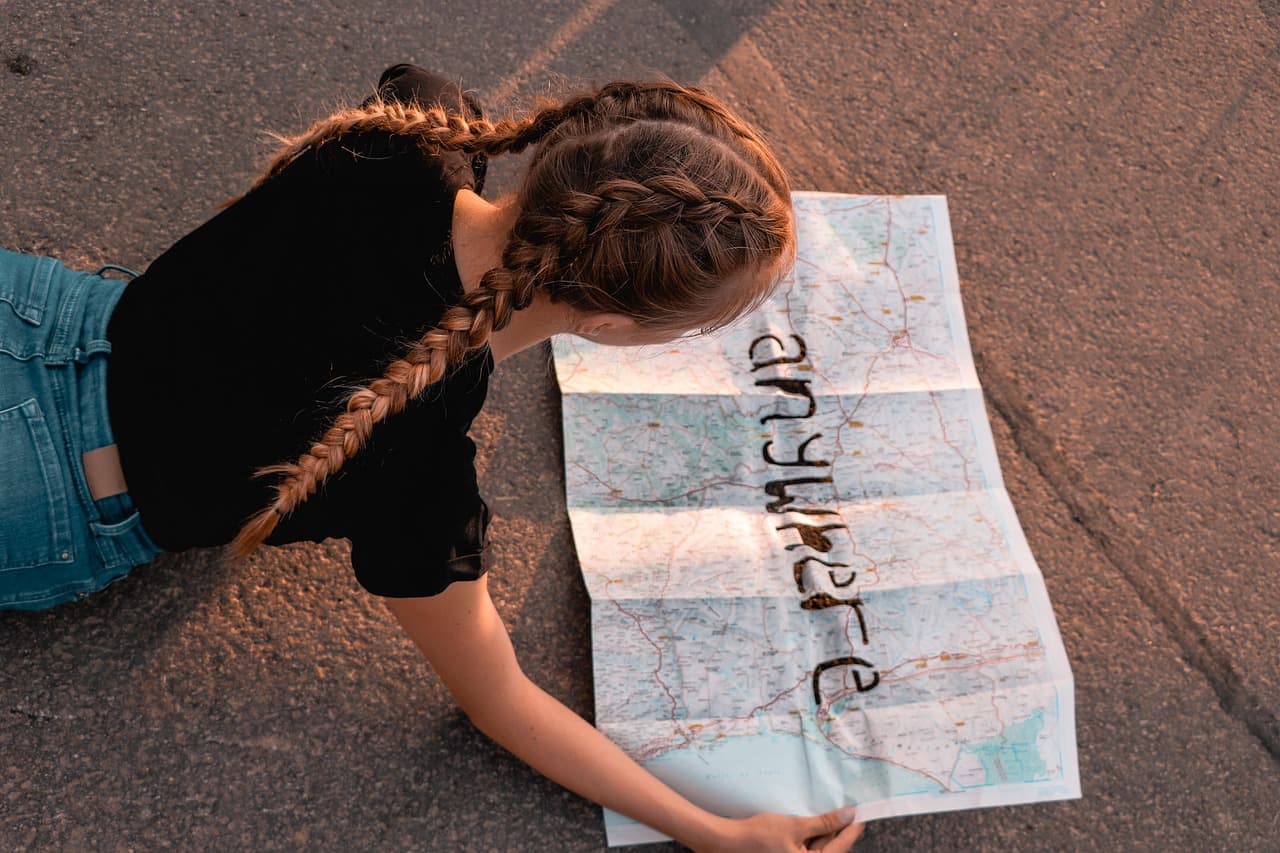
Pred návštevou naplánujte si pomocou mapy polohu a trasy cez pereulok a iné úzke priechody, zistite, ako v blízkosti umiestnené objekty, ako sú hotely alebo sídla, ovplyvňujú tieň. Takéto plánovanie vám pomôže pokračovať v sekvencií a zachytiť rané úhly, poludňové teplo a večerné svetlo na rôznych stenách a dielach, pričom si budete vedomi prítomnosti prechádzajúcich ľudí.
Skryté klenoty: Menej známe steny a plátna v okolí
Začnite svoju výpravu pri bielej stene za hlavným vchodom do metra na hlavnej avenue; tento diel zobrazuje stylizovanú ženu, ktorú jej silueta prechádza do okolitého fasád, odrážajúc ich v neustálej transformácii. Navštevujte v mimočasových hodinách, aby ste zachytili ostré čiary a vyhli sa davom, a potom si zaznačte miesto na mape na druhý prehľad pri súmraku.
V blízkosti v petrogradejskom obvode, za diskrétnou bránou, je druhá plátno súčasťou najintímnejšej zbierky múrskej umeleckej tvorby v Moskve; návrh kontrastuje s prvou dielom chladnejšou paletou a hustšími textúrami, využívajúcich materiály ako sprej, akryl a sádru. Majiteľ a dizajnér spolupracovali na jej umiestnení, takže či fotografujete alebo kreslíte, pozorujte priamo na mieste jemné zmeny, ako sa mení svetlo. Blízko základne sa dá nájsť malý tag obama, tichý poklon času a pamäti.
V tichšom rohu nájdete stenu za bielou predajňou podél úzkej pešej uličky; rotujúca skupina umelcov pridáva nové diela, ktoré sa postupne menia na kolekciu, a výsledok sa líši od vyšších, odvážnejších diel v okolí. Ak navštívite toto miesto, stretnete sa s niekým z miestneho umelcovského kruhu, aby ste sa dozvedeli o pozadí a zámeroch autora; miesto sa obvykle udržiava pokojné v ranných hodinách v pracovné dni.
Významné miesta na návštevu
Dve miesta, ktoré stojí za navštívením: centrálna stena s motívom transformácie a sekundárna stena skrytá blízko petro štvrti, ktorá sa mení s každým rokom; obidve sú dostupné po krátkej metróvke a krátkej prechádzke, a obidve vás pozývajú porovnať materiály, opotrebovanie a rytmus návrhu v čase. Vezmite si kompaktnú fotoaparát alebo zápisník, aby ste zdokumentovali zmeny bez narušenia integrity steny.
Praktické tipy pre nadšencov
Čas návštevy naplánujte na neskoré ráno alebo neskorý popoludnie, kedy svetlo zdôrazňuje textúru; pred vstupom do brány sa opýtajte majiteľa alebo miestneho sprievodcu; dôsledne dodržiavajte súkromné vchody a zostaňte na verejných chodníkoch. Ak nie ste istí, či je stena prístupná pre pozorovanie, pozorujte z diaľky alebo pripojte sa k sprievodcovskej prechádzke - tak si môžete pozrieť, ako sa transformácia odohráva, bez toho, aby ste tlačili na umelcov alebo narušili miesto.
Respekt a bezpečnosť: Tipy pre fotografov a interakcie s umelcami
Súhlas, vzdialenosť a pravidlá interakcie
Požiadajte o súhlas pred fotografovaním umelca pri práci; ak odpovedia "nie", dodržte túto hranicu a pokračujte ďalej. Keď je súhlas udelený, udržiavajte vzdialenosť, sledujte hluk a sústreďte sa na proces, namiesto reakcií divákov.
Odstúpte od inštalácií; ak dielo obsahuje drôtový rám alebo prstenec, nedotýkajte sa ho ani neopierajte; použite dlhý objektív, aby ste zachytili kontext bez zbytočného zblíženia k predmetu.
Identifikujte právne obmedzenia: skontrolujte vyvesené tabule a pravidlá majetku; neautorizované fotografovanie v súkromných zónach môže viesť k odstráneniu alebo pokute; v prípade pochybností sa opýtajte personálu alebo koordinátora a vyhnite sa šíreniu obrázkov, ktoré porušujú práva alebo licenciové podmienky.
Interakcia s umelcami: predstavte sa krátkou charakteristikou projektu, opýtajte sa, čo preferujú ohľadom komunikácie, a či chcú byť vyfotografovaní s ich dielami; tento prístup často viedie k uvoľenejšej atmosfére a lepším kompozíciám.
Technické tipy: fotografujte s tichým, nenápadným spúšťacím mechanizmom, ak je to možné, používajte dlhý objektív na minimalizáciu narúšania a snažte sa o kompozície, ktoré zobrazujú dielo aj jeho okolie; zdôrazňujte textúry, kontrasty farieb a transformáciu diela v čase.
Etické zdieľanie: citujte autorov, uvádzajte miesto, a vyhýbajte sa neautorizovaným tvrdeniam; reklamné a propagandistické použitie vyžaduje povolenie; v mestách s aktivnou scénou verejného umenia - vrátane Londýna - sa pravidlá pre verejné priestory líšia, takže plánujte natáčanie tak, aby ste sa vyhli udalostiam a davom.
Respektujte súkromie ľudí na fotografiách; niektorí umelci nechcú zverejňovať svoje tváre alebo identitu v verejných príspevkoch; ak zachytíte portrét, rozmazajte ho alebo získajte súhlas na použitie v reklame alebo aukciách, aby ste sa vyhli legálnym rizikom.
Praktické plánovanie: plánujte na ráno alebo neskorý odpoledňový svetlo v lete; kratšie okienka môžu priniesť najlepšie farby; vyhýbajte sa opičiemu slnku, ktoré môže zfalsifikovať tóny a vytvoriť bezpečnostné obavy; plánujte strelbu tak, aby ste minimalizovali vystavenie teplu pre seba a predmet.