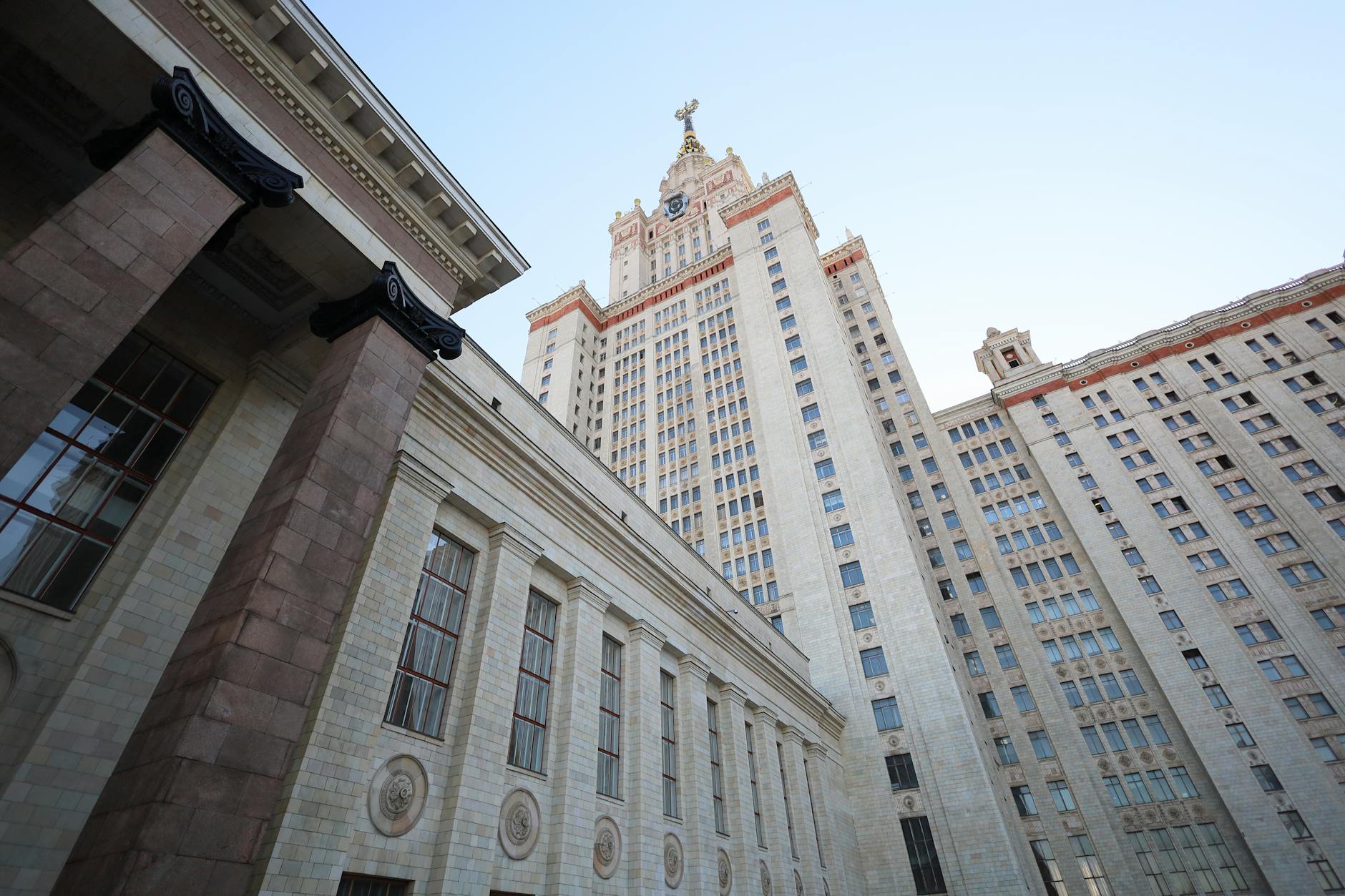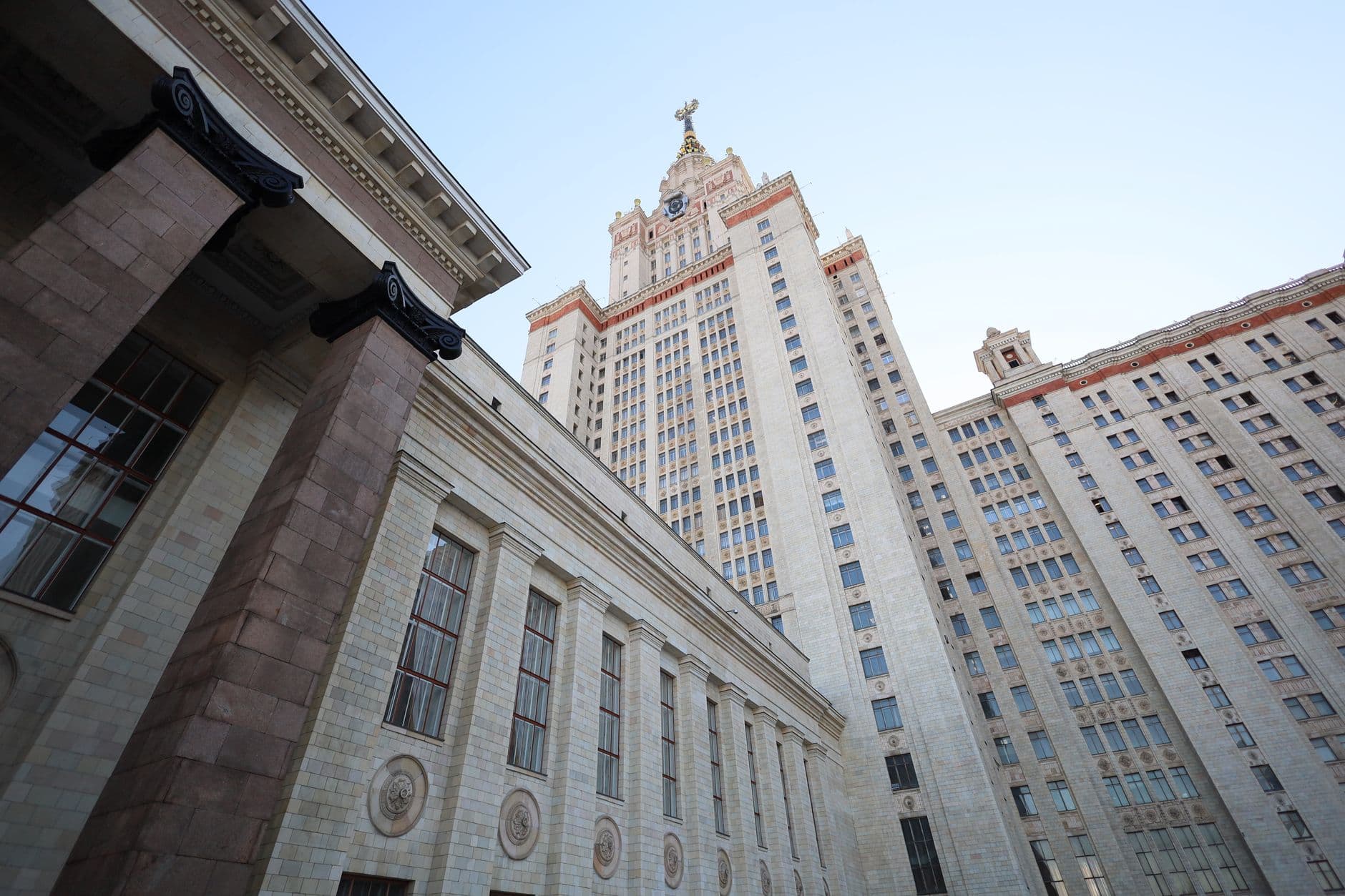

Silueta Moskvy je charakteristická impozantnou prítomnosťou Stalinových mrakodrapov, súhvezdia architektonickej dominancie, ktoré ukazujú jedinečnú zmes funkcionality a ideológie. Tieto týčiace sa stavby, známe v miestnom jazyku ako „Sedem sestier", sa nachádzajú predovšetkým na brehoch rieky Moskovy a slúžili na rôzne účely, vrátane obytných apartmánov, hotelov a administratívnych budov. Ich U-tvarové návrhy a 5-cípé hviezdy na vrchole každej budovy symbolizujú ambície národa a zároveň posilňujú kultúrnu identitu mesta.
Medzi najikonickejšie z týchto mrakodrapov patrí ten na Smolenskej ulici, ktorý, rovnako ako jeho náprotivky, má dvojitú fasádu zdobenú zložitými sochami a žulovou úpravou, ktorá odráža architektonické ciele tej doby. Keď študenti z Rostkovskej akadémie prvýkrát zazreli tieto impozantné stavby, pravdepodobne cítili úžas, keďže každá budova je vybavená množstvom techniky na podporu jej rôznych funkcií. Tieto budovy nielenže slúžili svojmu zamýšľanému účelu, ale stali sa aj vizuálnymi dominantami pre návštevníkov Moskvy, ilustrujúc zmes umenia a inžinierstva.
Neskôr modernizačné projekty vylepšili tieto mrakodrapy, pričom si zachovali ich historický šarm, čo im umožnilo obstáť v skúške času. Hotel Hilton, jeden z najvyšších z „Sestier", zahŕňa moderné vybavenie, ktoré uspokojuje novú generáciu, čím zabezpečuje ich relevantnosť v dnešnej kultúrnej krajine. Okolie týchto mrakodrapov, ako napríklad park Zariadje, poskytuje bezplatné priestranstvá pre občanov a turistov na prechádzky a obdivovanie architektonickej krásy, čím sa ukazuje harmonický vzťah medzi históriou a moderným mestským životom.
V rade týčiacich sa obrovských stavieb nie sú Stalinove mrakodrapy len budovy; odrážajú dobu, keď sa architektúra stavala, aby vydržala, navrhnutá tak, aby označovala moc a prísľub. Pravdepodobne, keď sa človek prechádza ulicami lemovanými týmito významnými výtvormi, nemôže si nevšimnúť malé detaily, špicaté strechy a starostlivé zváženie, ktoré sa vložilo do každého návrhu. Architektonické dedičstvo Moskvy, prejavené v jej mrakodrapoch, naďalej inšpiruje tých, ktorí v tomto pulzujúcom meste žijú a zostávajú.
Historický kontext Stalinových mrakodrapov
Stavba Stalinových mrakodrapov, často označovaných ako „vysotky", vznikla v čase, keď sa Sovietsky zväz snažil prezentovať svoju silu a odolnosť svojim občanom aj svetu. Tieto pôsobivé stavby, zrodené z ambícií národa zotavujúceho sa z nepokojov začiatku 20. storočia, mali symbolizovať architektonickú dominanciu Moskvy.
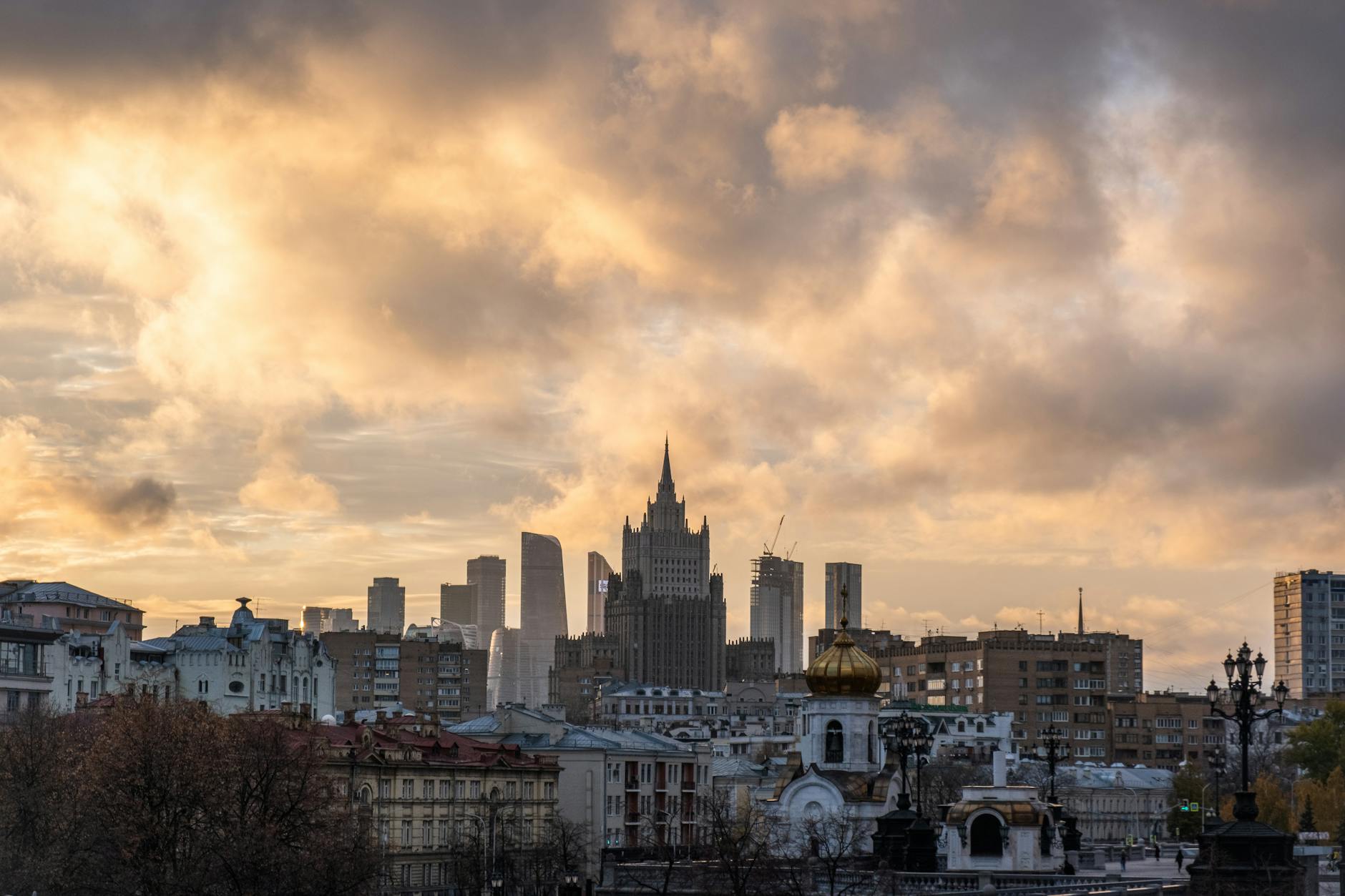
V 30. rokoch 20. storočia, s rastúcou mocou Stalina, nastalo v krajine po rokoch otrasov upokojenie. Mrakodrapy boli plánované ako súčasť širšej rozvojovej stratégie, ktorá zahŕňala modernizáciu mestskej infraštruktúry, ako je metro a zriadenie nových železničných staníc. Impozantná výška týchto budov, niektoré dosahujúce až 200 metrov, mala predstavovať najvyššie body v meste, dominovať panoráme a ukazovať silu socializmu.
Názvy ako Sedem sestier sa neskôr stali synonymom Stalinovej vízie pre Moskvu. Budovanie týchto stavieb si vyžiadalo značné úsilie, často s využitím práce väzňov z gulagov, čo bolo vážnym obvinením režimu, aj keď budovy prezentoval ako symboly pokroku. Pozoruhodné príklady zahŕňajú budovu na Smolenskej a impozantnú stavbu, v ktorej sídli Ministerstvo zahraničných vecí, často považovanú za jednu z najzdobnejších z hľadiska architektonických prvkov.
Dizajn mrakodrapov bol silne ovplyvnený neoklasicistickou architektúrou a zahŕňal prvky ako špicaté strechy a ozdobné keramické fasády, ktoré oslavovali sovietsku identitu, s dekoráciami spojenými s ruskou históriou a kultúrou. Každý mrakodrap bol starostlivo naplánovaný; architekti z rôznych inštitútov sa zapojili do výskumu s cieľom vytvoriť stavby, ktoré obstoja v skúške času a posilnia postavenie mesta na svetovej scéne.
Ako tieto budovy nadobúdali tvar, značili aj posun v architektonickej krajine Moskvy, odklon od menších, skromnejších stavieb. Premena odrážala širšiu tému ambícií, kde si obyvatelia aj vláda predstavovali mesto vyžarujúce moc. V rovnakom období došlo k otepleniu politického napätia počas Chruščovovej éry, napriek tomu mrakodrapy zostali ako trvalé svedectvo veľkých ambícií predchádzajúceho režimu.
Stalinské mrakodrapy sa neskôr stali neoddeliteľnou súčasťou každodenného života občanov a viedli ich cez rozsiahle priestranstvá Moskvy. Nachádzajú sa v blízkosti významných ambasád a reštaurácií a slúžia nielen ako architektonické skvosty, ale aj ako neodmysliteľná súčasť mestského života, priťahujúc pozornosť miestnych obyvateľov aj turistov, ktorí obdivujú ich veľkosť.
Stručne povedané, historický kontext Stalinových mrakodrapov je silne spojený s kultúrnym naratívom Ruska. Predstavujú éru, kde ambiciózne architektonické projekty stáli na pozadí mesta prechádzajúceho rýchlou transformáciou, týčiace sa pod bdelými pohľadmi obyvateľov aj cestovateľov.
Pôvod a ideologický význam
Pôvod stalinských mrakodrapov siaha do raného sovietskeho obdobia, keď sa potreba presadiť moc a modernosť stala prvoradou. Tieto ikonické budovy, často prezývané „Sedem sestier", mali ukázať silu a ideológiu ZSSR v celej Európe. Ich dômyselný dizajn v tvare U vytvoril silnú estetiku a zároveň maximalizoval svetlo a priestor pre interiéry.
Tieto mrakodrapy, strategicky umiestnené na prominentných miestach po celom Moskve, neboli len funkčné, ale aj symbolicky významné. Reprezentovali systém vládnutia, kde ministerstvá poľnohospodárstva, obrany a zahraničných vecí rozširovali svoj dosah po celom meste. Táto architektonická dominancia bola podobná tomu, čo sa pozorovalo v iných mocných krajinách, napríklad hotely Hilton vo veľkých metropolách, kde sa najlepšie zdroje alokovali na ohromenie hostí.
Každá budova mala svoj vlastný účel, sídlili v nich veľvyslanectvá, vládne úrady a dokonca aj obytné priestory. Návrhy Michaila Oltarzhevského kládli dôraz na tehlové murivo a zahŕňali päťhviezdičkové vybavenie, čím priťahovali miestnych aj medzinárodných návštevníkov. Napríklad budova Ustinsky sa pýši jedinečnou fontánovou terasou, ktorá slúži ako priestor na stretávanie sa hostí, zatiaľ čo iné stále hostia výstavy a kultúrne podujatia.
Tieto stavby boli o niečo drahšie na výstavbu ako iné súčasné projekty, čo viedlo k paralyzovanému stavebnému prostrediu, keďže zdroje boli presmerované na takéto veľkolepé projekty. Napriek tomu výsledkom bola kolekcia najväčších budov v meste, pričom každá z nich dosahovala výšku cez 150 metrov. Predstavovali nielen posun v architektúre, ale aj ideologické presadenie sovietskej moci, keďže vzbudzovali obdiv v krajinách až po Ukrajinu.
S rozširovaním metra sa tieto mrakodrapy stali orientačnými bodmi, ktoré spájali rôzne časti mesta a uľahčovali pohyb občanov aj turistov. Toto zámerné úsilie o vytvorenie viditeľnosti a dostupnosti zdôrazňovalo ambíciu sovietskeho režimu premietnuť svoj vplyv a schopnosti interne aj externe.
Porovnanie s medzinárodnými trendmi danej éry
Architektonický štýl, ktorý stelesňujú Stalinove mrakodrapy, často označovaný ako „stalinistická gotika", výrazne odráža prevládajúce trendy polovice 20. storočia a zároveň sa jedinečným spôsobom od nich odlišuje. Keďže sa Sovietsky zväz snažil presadiť svoju dominanciu, tieto stavby slúžili nielen ako funkčné budovy, ale aj ako veľkolepé symboly moci a ideológie. Zatiaľ čo medzinárodné mestá experimentovali s modernistickými návrhmi, moskovská konštelácia mrakodrapov zahŕňala zložité spojenie štýlov, ktoré ukazovalo odhodlanie k veľkoleposti.
Nápadné siluety týchto budov, ako napríklad Lomonosovova univerzita a hotel Radisson, sa vyznačujú týčiacimi sa vežičkami a zdobenými rímsami, ktoré zostávajú dosť odlišné od minimalistických trendov viditeľných v mestách ako Bukurešť a New York. Tu bola celková kvalita každej stavby významná; každá úroveň bola precízne navrhnutá, pričom zahŕňala dekoračné prvky, ako sú vežičky a ďalšie ozdoby. Tieto prvky by sa zvyčajne nenašli v súčasných budovách západných metropol, ktoré vo svojich návrhoch často uprednostňovali jednoduchosť pred prepychom.
Naopak, interaktívne fontány a verejné priestranstvá, ktoré sprevádzali mrakodrapy, slúžia ako dar pre obyvateľov Moskvy a vyzývajú obyvateľov aj návštevníkov, aby sa zapojili do svojho okolia. Na rozdiel od mnohých západných stavieb z tej doby, ktoré často chátrajú, dedičstvo sovietskej architektúry bolo vytvorené s pocitom trvácnosti. Nemotorná rovnováha medzi funkčnou užitočnosťou a vizuálnym nadbytkom (излишеств) stalinskej éry slúžila na premietnutie sily a odolnosti, najmä v čase poznačenom gulagovými konfliktmi a spoločenskými ťažkosťami.
Zatiaľ čo medzinárodné architektonické hnutia v tomto období obhajovali uniformitu, Sovieti vo svojich návrhoch prijali rozmanitosť, začleňujúc rôznorodé prvky, ktoré odrážali národnú hrdosť. V dôsledku toho architektonická krajina Moskvy predstavuje ambicióznu súhru štýlov, ktorá inšpiruje súčasných návštevníkov. Každý mrakodrap zostáva svedectvom myšlienky, že dominancia sa dá dosiahnuť prostredníctvom krásy a zložitosti, čím sa vytvára dynamická panoráma mesta, ktorá naďalej priťahuje obdiv, meter po metere, od architektov, historikov aj turistov.
Vplyv sovietskej politiky na architektúru
Architektonická krajina Moskvy bola hlboko formovaná sovietskou politikou, čo viedlo k osobitému štýlu, ktorý odrážal ideologické ambície danej éry. Vysoké mrakodrapy, označované aj ako Stalinove mrakodrapy, boli navrhnuté tak, aby ukazovali moc a dominanciu štátu, pričom ich elegantné siluety sa stali ikonickými reprezentáciami sovietskych ambícií.
Návšteva týchto stavieb ponúka hosťom jedinečný pohľad na to, ako politika ovplyvnila mestskú štruktúru. Päťcípe hviezdy korunujúce tieto budovy symbolizovali Komunistickú stranu, čím si pevne upevnili svoje miesto v panoráme mesta. Zakaždým, keď bol postavený nový mrakodrap, nešlo len o budovu, ale skôr o stelesnenie štátnej kontroly a vízie. Rozhodnutie o výstavbe bolo často diktované politickou nevyhnutnosťou s cieľom dosiahnuť najvyššie méty v architektonických úspechoch.
Predovšetkým fasády týchto mrakodrapov zdobili zložité basreliéfy a oblúky, ktoré pridávali na ich honosnosti. Pôvodní stavitelia použili oceľ a keramické materiály, čím zabezpečili odolnosť a architektonický význam. Konkrétne, obytné komplexy boli navrhnuté tak, aby ubytovali pracovníkov, čo odrážalo sovietsky ideál komunitného života. Napriek veľkolepým návrhom sa v honbe za monumentalizmom stratila časť kultúrnej podstaty, pričom niektoré detaily boli počas výstavby zakryté alebo zjednodušené.
V týchto mrakodrapoch boli funkcie rozdelené medzi rôzne inštitúty a fakulty, čo demonštrovalo mnohostranný prístup k bývaniu a kultúrnemu rozvoju. Vladimir Čechulin a ďalší architekti začali integrovať prvky z predchádzajúcich štýlov a vytvárať tak diorama sovietskych ambícií. Toto hlboké spojenie s politickou krajinou zabezpečilo, že každý kút týchto budov mal svoj účel a stelesňoval kolektívnu ideológiu.
Základy položené počas tohto obdobia naďalej ovplyvňujú súčasnú architektúru a ukazujú zmes tradičných a moderných techník. Odkaz týchto budov je zrejmý nielen v Moskve, ale rozširuje sa aj do miest ako Petrohrad, kde boli prijaté podobné návrhy. Prehodnotenie minulosti, vplyv sovietskej politiky na architektúru naďalej podnecuje premýšľanie o prieniku štátnej kontroly a kultúrneho vyjadrenia.
| Architekti | Kľúčové vlastnosti | Miesto |
|---|---|---|
| Mordvinov | Elegantné siluety, reliéfne nápisy | Moscow |
| Čechulínovci | 5-cípe hviezdy, oceľové konštrukcie | Petrohrad |
| Skupina stavbárov | Keramické fasády, oblúky | Rôzne lokality |