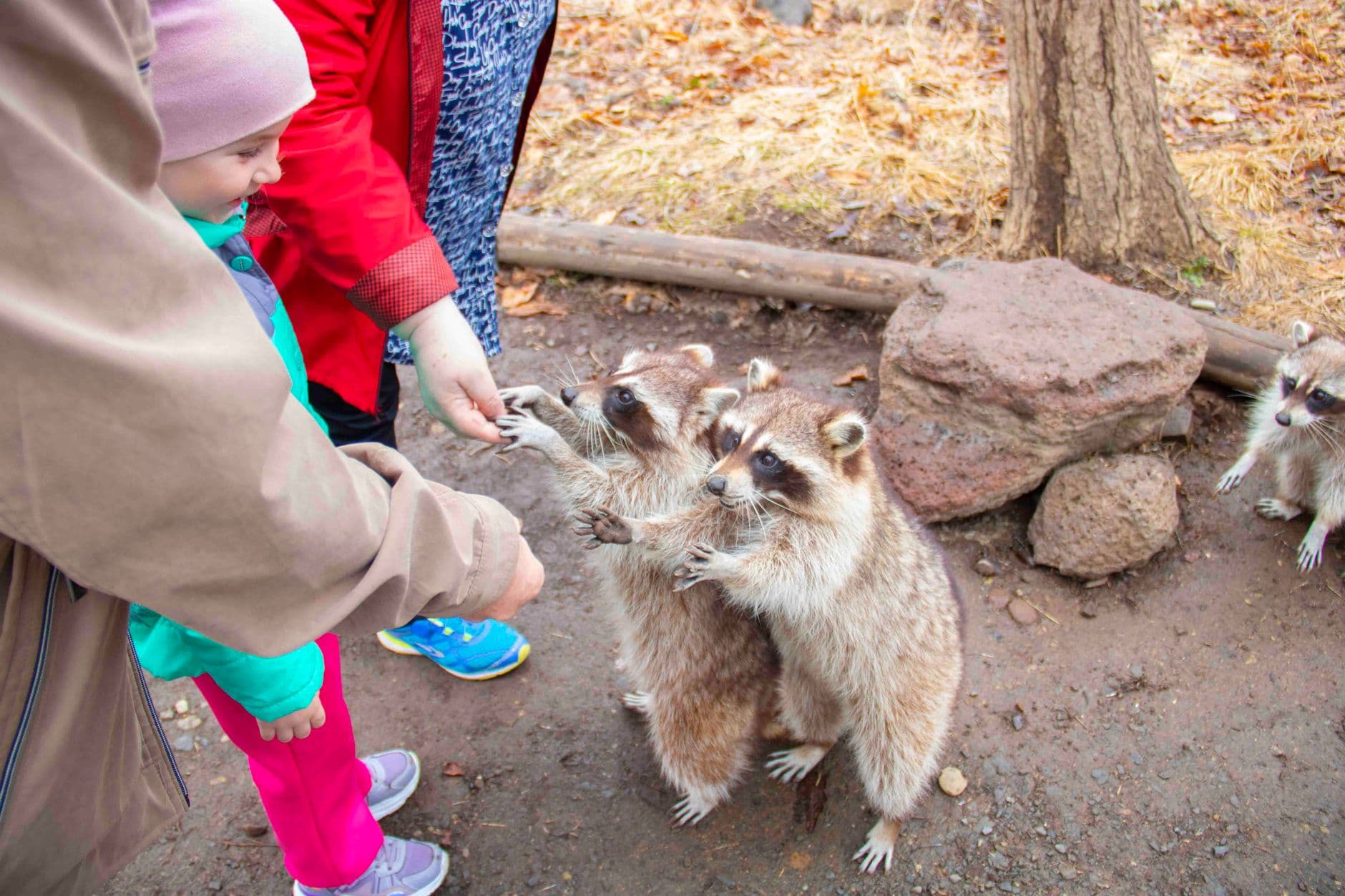
Začnite s malými, obmedzenými skupinami so šiestimi až ôsmimi účastníkmi, aby ste minimalizovali rušenie. Ak je to možné, vyžadujte si vyškolených sprievodcov, ktorí udržiavajú tiché pozorovanie a udržiavajú dostatočnú vzdialenosť od oblastí s výskytom divokej zveri.
Miestny sprievodca, povedzme Aľoša, poukáže na rozmanitosť druhov, ktoré skutočne žijú v danej oblasti, a na to, ako ich pozorovať z diaľky, ktorá rešpektuje ich životné cykly, čo usmerňuje vaše správanie.
Časovanie pozorovania a vzdialenosti: Pre solídny výhľad zamerajte sa na úsvit alebo súmrak, keď aktivita vrcholí; noste so sebou ľahký ďalekohľad, terénny zápisník a objektív s dlhým ohniskom na dokumentovanie správania bez toho, aby ste sa tlačili. Dodržujte vzdialenosť, aby ste chránili populáciu a hniezda v chránených zónach.
Ak chcete efektívne plánovať, zahrňte plán prepravy s minimálnym dopadom, ktorý uprednostňuje malé skupiny a člny s tichými motormi. Hľadajte operátorov, ktorí zahrňujú pravidlá vzdialenosti a vyhýbajú sa prieskumu mimo chodníkov. V pobrežných vodách umožňujú zodiaky stabilné sledovanie s nízkou hlučnosťou; plavby cez chránené oblasti ponúkajú bezpečné platformy pri zachovaní biotopu. Vždy vykonajte vyhľadávanie zodpovedných postupov a overte, či počet účastníkov zodpovedá kapacite lokality na ochranu populácie.
Okrem pozorovania pridanie relaxačných zastávok umožňuje návštevníkom oddýchnuť si bez toho, aby stresovali divokú zver. Postupom času tento prístup podporuje stabilnú populáciu a umožňuje návštevníkom vidieť skutočnú rozmanitosť života s menším zasahovaním, vďaka čomu sú zážitky skutočne obohacujúce a ľahko škálovateľné do rôznych oblastí biotopu.
Wrangelov ostrov: Praktický sprievodca pre bezpečné a ekologické pozorovanie divokej zveri
Zarezervujte si malú prehliadku s tímom so sídlom v Čukotke; počet účastníkov je obmedzený na osem a trasa otvára prístup k nádhernej krajine pozdĺž severného pobrežia, vrátane kolónií aliek a iných morských vtákov; plavby sa môžu rozšíriť do okolitých vôd, kde fotografie odhaľujú tisíce vtákov.
Bezpečnosť pred medveďmi: držte sa v kruhu pozorovateľov a udržiavajte si úctivú vzdialenosť; nikdy nekŕmte medvede; ak sa medveď priblíži, pomaly cúvajte a vyhýbajte sa priamemu očnému kontaktu; držte sa vyznačených chodníkov a táborujte iba vo vyhradených zónach.
Sezónna dynamika: od mája do augusta ponúkajú výlety na otvorenej vode príležitosť spozorovať skupiny veľrýb a siluety ľadovcov; alky sa rozmnožujú na skalných rímsach a ponúkajú množstvo fotografických momentov; môžete byť svedkami tisícov morských vtákov zhromaždených na hlavných hniezdiskách.
Zapojenie a prístup domorodého obyvateľstva: miestne komunity v Čukotke prispievajú tradičnými znalosťami a podporujú trvalo udržateľnú dopravu; koordinujte sa s regionálnymi úradmi, aby ste si zabezpečili povolenia; politika môže ovplyvniť načasovanie a trasy, preto plánujte s dostatočným predstihom.
Environmentálna etika a vybavenie: zaobchádzajte s Wrangelovým ostrovom ako so živým monumentom; minimalizujte odpad, držte sa vyznačených chodníkov a vyhýbajte sa narúšaniu brlohov alebo hniezdísk; používajte opakovane použiteľné vybavenie a vynášajte všetky odpadky ako súčasť prehliadky s nízkym dopadom.
Praktické poznámky pre fotografov a milovníkov prírody: vyberte si plavby s pevnými krídlami alebo ľadovou triedou so skúsenou posádkou; očakávajte obmedzenú infraštruktúru; prineste si teleobjektívy, pevnú obuv a teplé vrstvy; aj po rokoch návštev každá cesta pridáva nové údaje a úžasné fotografie.
Povolenia, ročné obdobia a cestovná logistika pre Wrangelov ostrov
Zabezpečte si povolenia prostredníctvom licencovaného prevádzkovateľa expedície aspoň šesť mesiacov vopred; Wrangelova ostrovná rezervácia vydáva povolenia organizovaným skupinám a konečný harmonogram sa potvrdzuje po kontrole ľadu a počasia, čo zabezpečuje stabilný a zodpovedný plán.
Povolenia sa vydávajú iba organizovaným tímom. Rezervácia vyžaduje podrobný plán, údaje o plavidle a zoznamy účastníkov; osobný prístup nie je povolený. Váš operátor podá žiadosť, koordinuje sa s kapitanom a tímom rezervácie a zabezpečuje dodržiavanie prísnych limitov na ochranu okraja a fauny. Spracovanie zvyčajne trvá 4-8 týždňov; očakávajte formálny potvrdzovací balík, ktorý obsahuje bezpečnostné pokyny a núdzové postupy.
Hlavné obdobie trvá približne od polovice leta do začiatku jesene (júl - september). Vtedy ustupuje okraj ľadu a aktivita zvierat vrcholí. Drsné podmienky neskorej jari alebo skorej jesene môžu stále priniesť mimoriadne pozorovania, ale počasie sa môže rýchlo zmeniť; buďte pripravení na zmeny trasy na poslednú chvíľu. Príkladom dňa môže byť ranná hliadka pozdĺž pobrežia, výstup na malý hrebeň pre výhľady a krátka prechádzka medzi miestami pristátia, ak to podmienky dovolia.
Prístup sa zvyčajne začína letom do Anadyru, Peveku alebo Tiksi, po ktorom nasleduje pozemný presun do nástupného bodu a prechod cez more na Wrangelov ostrov. Celá cesta závisí od ľadu a morí a plány sa môžu upravovať, kým sa ľad neuvoľní. Mnohé programy zahŕňajú krátky pobyt v neďalekej dedine na pevnine, aby ste si ponaťahovali nohy, prispôsobili sa časovým pásmam a koordinovali sa s miestnymi službami; udržiavajte komunikáciu s kapitanom a tímom, aby ste dostávali aktualizácie.
Na pevninskej etape poskytuje koordinácia s neneckými sprievodcami kultúrny kontext; kapitan a tím riadia bezpečnosť a logistiku expedície so zameraním na minimalizáciu rušenia divokej zveri. Pridanie kultúrnej zastávky v malej dedine ponúka dobré tajomstvá o tradičnom živote a remeslách, čím obohacuje svety cesty a zároveň zachováva prísny rámec ochrany.
Tipy na vybavenie a plánovanie: zbaľte si veci na aktívne dni s viacerými prechádzkami a výstupmi do terénu; vrstvy, vetruodolná bunda, zateplené topánky a kompaktný denný batoh sú nevyhnutné. Prineste si ďalekohľad, náhradnú batériu, opaľovací krém a základnú lekárničku. Operátor zabezpečuje stravu a hygienu v teréne; zvážte ľahký varič, ak plánujete dlhšie zastávky. Upozorňujeme, že akácia sa objavuje iba ako kontrastný príklad pre pevninské ekosystémy, nie na samotnom Wrangelovom ostrove, aby ilustrovala rôzne prostredia, s ktorými sa môžete stretnúť inde.
Náklady pokrývajú povolenia, prenájom plavidla alebo lode, sprievodcov, bezpečnostné vybavenie, poistenie a pobyty na pevnine pred a po ceste; typické trasy trvajú 12-20 dní v závislosti od ľadu, počasia a obmedzení ochrany prírody. Ak chcete zachovať flexibilitu plánov, rezervujte si vratné možnosti, ak je to možné, a zabezpečte si cestovanie s rovnakým tímom, aby ste dosiahli lepšiu kontinuitu, čo zlepšuje súdržnosť a bezpečnosť celej prehliadky. Pre tých, ktorí sa usilujú o dokonalú rovnováhu medzi nezávislosťou a podporou, ponúka táto štruktúra silný rámec a jasné miesta, kam sa vrátiť s presvedčivými spomienkami.
Čakajú na vás svety arktickej krehkosti a drsnej krásy; úspech závisí od skúseného tímu, prísneho dodržiavania predpisov a ochoty prispôsobiť sa okrajovým podmienkam. Vráťte sa domov s poznatkami a príbehmi, ktoré pretrvajú celý život.
Pozorovacie vzdialenosti a etiketa pre ľadové medvede, pižmone a morské vtáky
Vždy dodržujte vzdialenosť najmenej 100 metrov od ľadových medveďov. Na pozorovanie používajte teleobjektívy; nepokúšajte sa zmeniť polohu, aby ste sa priblížili. Toto pravidlo chráni aj návštevníkov aj zvieratá. Na východných arktických plavbách a plavbách dodržiavajte pokyny vedúceho expedície na udržiavanie rozostupov; takéto denné rutiny zdôrazňujú disciplínu potrebnú na bezpečný a zodpovedný prieskum. V týchto zasnežených ríšach môžu strážcovia zaznamenať lokality bohaté na fosílie, ktoré signalizujú epickú krajinu, kde kedysi žili mamuty. Získate tiež spoľahlivé údaje o pozorovaniach a hlbšie spojenie s prírodou počas prieskumných behov, ktoré sú dobre koordinované tradičnými hostiteľskými tímami a ruskými arktickými trasami.
Pre pižmone dodržujte vzdialenosť 50 metrov. Približujte sa pomaly pozdĺž boku stáda, nikdy neprechádzajte cez pasienky alebo kruh zvierat. Ak si všimnete rozrušenie - uši pritlačené, hlava sklonená alebo zmeny v pohybe stáda - zväčšite vzdialenosť a ustúpte. Smer vetra a sneženie môžu znížiť viditeľnosť, preto udržiavajte extra priestor okolo teliat a veľkých býkov a vyhýbajte sa jazde alebo prenasledovaniu. Držte sa vyznačených chodníkov s malým tímom a koordinujte sa s hostiteľskou agentúrou alebo expedíciami vedenými Wrangellom, aby ste riadili riziká a dodržiavali denné bezpečnostné protokoly.
Kolónie morských vtákov si vyžadujú starostlivé rozostupy: dodržujte vzdialenosť 20-30 metrov, pozorujte z bočného uhla a vyhýbajte sa hniezdnym zónam. Minimalizujte hluk a rýchle pohyby; neblokujte štartovacie alebo pristávacie dráhy. Nevytvárajte kruh okolo hniezd, a keď sa používajú člny, držte sa oficiálnych vyhliadkových bodov, aby ste rešpektovali prístupové cesty. V júli môže hniezdenie vrcholov zintenzívniť dopad, preto plánujte okolo vyznačených chodníkov a zamerajte sa na tiché a spoľahlivé pozorovania, ktoré môžete zdieľať so svojím tímom. Pre širší kontext zostáva tento prístup spojený s tradičnými pobrežnými postupmi, pričom mnohé plavby ponúkajú najlepšie výhľady z diaľky bez toho, aby rušili kŕmenie alebo nocovanie vtákov.
| Druh | Odporúčaná vzdialenosť (m) | Tipy na etiketu |
|---|
| Ľadové medvede | 100 | Používajte teleobjektívy; zostaňte vo svojom vozidle alebo za bariérami, ak je to možné; pomaly cúvajte, ak sa priblížite; vyhýbajte sa blokovaniu prístupu; rešpektujte matky s mláďatami. |
| Pižmone | 50 | Zostaňte na vyznačených trasách; sledujte smer vetra; ustúpte, ak sa objaví rozrušenie; doprajte priestor teľatám; nepreháňajte ani nejazdite bližšie. |
| Morské vtáky | 20-30 | Pozorujte z bočných uhlov; vyhýbajte sa hniezdnym zónam; minimalizujte hluk; neblokujte štartovacie dráhy; žiadne drony v blízkosti kolónií. |
Tieto postupy chránia prírodu aj návštevníkov a prinášajú epické a spoľahlivé zážitky na plavbách vedených skúsenými tímami s dôrazom na zodpovedné a trvalo udržateľné prieskumy.
Počasie, bezpečnosť a pripravenosť na núdzové situácie v arktických podmienkach
Vždy noste satelitný núdzový maják a obojsmerné rádio a podáte podrobný plán expedície so svojím operátorom a dôveryhodnou kontaktnou osobou doma. Zahrňte denné body, odhadovaný čas príchodu a náhradnú únikovú trasu. Okrem toho zdokumentujte tábory nachádzajúce sa v blízkosti známych geografických orientačných bodov, aby ste uľahčili navigáciu.
Predpovede v arktických zónach sú nestále; priaznivé okno počasia sa môže zatvoriť v priebehu niekoľkých hodín. Očakávajte teploty od -25 do -40 stupňov Celzia, nárazy vetra 20-40 m/s a pocit chladu až do -50 stupňov. Zamrznuté moria, tlakové hrebene a nestabilné snehové záveje zvyšujú riziko akéhokoľvek pohybu; plánujte krátke dni cestovania a potenciálne zastavenie počas búrok.
Vybavenie a oblečenie by sa mali spoliehať na vrstvený systém: základná vrstva, izolácia a vetruodolná bunda. Prineste si aspoň dva páry ponožiek, teplé rukavice, kuklu a okuliare. Zbaľte si kompaktný varič s extra palivom, náhradné batérie, lekárničku, tablety na čistenie vody a kompaktný núdzový prístrešok. Rýchlo si postavíte blízky prístrešok, keď sa zdvihne vietor a zníži sa viditeľnosť.
Navigácia a výber lokality: Používajte GPS s offline mapami a noste so sebou vodotesnú papierovú mapu ako zálohu. Zaznamenajte každú etapu a označte zóny trhlín, nestabilné police a týčiace sa ľadové útvary. Všimnite si trasy prechodu sobov a malé pobrežné trasy, ktoré ovplyvňujú váš plán, najmä v blízkosti ruského arktického pobrežia; navštevujte iba s riadnymi povoleniami na určených miestach. Vyhýbajte sa citlivým hniezdnym oblastiam a držte sa mimo vyznačených vylúčených zón.
Núdzové postupy: Ak búrka izoluje skupinu, zriadte chránený tábor a šetrite energiou; počkajte na denné svetlo, ak sa únava zväčšuje. Použite satelitný maják alebo rádio na upozornenie úradov; uveďte súradnice, trasu a odhadované časy príchodu. источник советует держать связь через спутниковый маяк и обновлять погодные оповещения. Ak ste sa oddelili, znova sa stretnite na vopred naplánovanom zhromaždisku a udržiavajte kontakt hneď, ako to viditeľnosť dovolí.
Tento článok ponúka praktické rady pre plavby na ruské arktické pobrežie. Destinácie sa líšia od odľahlých ostrovčekov po pobrežné stanice a zistíte, že skutočne dobrodružné trasy môžu priniesť mimoriadny čas a nezabudnuteľné zážitky. Očakávajte úzke interakcie so stádami sobov a malými moriami, ale vždy navštevujte iba s povolenými povoleniami na určených miestach. Výzvou je vyvážiť riadenie rizík s príležitosťou preskúmať ako prieskumník v krehkom polárnom prostredí.
Kontrolný zoznam vybavenia: Oblečenie, optika, bezpečnostné vybavenie a tipy na fotografovanie
Vrstvenie inteligentne: začnite so základnou vrstvou odvádzajúcou vlhkosť, pridajte strednú vrstvu z flísu a zakončite vodotesnou, priedušnou vonkajšou vrstvou. Tento prístup vás chráni v premenlivom počasí a šetrí životnosť batérie počas chladných sedení.
Stratégia obliekania pre náročné destinácie
- Základné vrstvy: 2-3 kusy na osobu (vrchný a spodný) z merino vlny alebo vysokokvalitných syntetických materiálov; vyhýbajte sa bavlne; naplánujte si množstvo možností na zvládnutie vlhkých rán a suchých večerov.
- Stredné vrstvy: flís alebo páperová bunda, vybraná pre rovnováhu tepla a objemu; noste so sebou jednu ľahkú možnosť a jednu ťažšiu vrstvu na skoré rána alebo búrky.
- Vonkajšia vrstva: laminovaná bunda s vodotesnou, vetruodolnou a priedušnou membránou; utesnené švy a búrková kapucňa sa dôrazne odporúčajú; vetracie otvory v podpazuší pomáhajú pri vetraní v meniacich sa podmienkach.
- Izolačné kúsky: kompaktná páperová vesta alebo podobná môže žiť pod bundou v oblastiach ako Čukotka alebo severné Rusko; majte extra rukavice a teplú čiapku na nočné zmeny v zamrznutom prostredí.
- Obuv a doplnky: zateplené, vodotesné topánky s pevnou podrážkou; návleky na hlboký sneh; vlnené alebo syntetické ponožky (plus náhradný pár); teplá kukla alebo ohrievač krku a extra pár rukavíc do silného chladu.
- Poznámky k lokalite: v oblastiach okolo dediny Preobraženija a iných severných osád je vietor vytrvalý; uistite sa, že máte kapucňu, ktorá sa zmestí cez čiapku, a oblečenie, ktoré sa dá ľahko vyzliecť v teplejších oknách.
- Správa balenia: používajte vodotesné vrecká alebo suché vrecká a označte vrecká, aby ste sa rýchlo dostali ku každej základnej položke a vyhli sa prehrabávaniu sa vo výbave.
Optika a nastavenia fotoaparátu
- Ďalekohľad: 8x42 alebo 10x50, vodotesný a odolný voči zahmlievaniu; uchovávajte v ochrannom puzdre s pohodlným popruhom; zvážte adaptér na statív pre dlhšie sledovanie v chladných podmienkach.
- Primárne objektívy: štandardný zoom (približne 24-70 mm) plus dlhší teleobjektív (70-200 mm alebo 300 mm pre vzdialenú faunu) v závislosti od vašich destinácií; noste so sebou náhradné pamäťové karty a extra batérie; uchovávajte náhradné diely vo vnútornom vrecku, aby ste zachovali teplo.
- Ochrana: slnečná clona, pláštenka, handrička z mikrovlákna; používajte suché vrecká alebo ochranné vrecká na elektroniku pri presúvaní sa medzi vlhkým prostredím alebo na malých člnoch; kompaktný statív z uhlíkových vlákien šetrí miesto.
- Statív a podpery: ľahký cestovný statív s robustnou hlavou; zvážte možnosti stabilizácie pri snímaní na palube počas plavieb; udržiavajte všetky ťažké súpravy zaistené počas pohybu.
- Poznámka: niektorí fotografi, ako napríklad Johnson, uprednostňujú kompaktné súpravy na rýchle zmeny v teréne.
- Tipy na zariadení: pre scény s prirodzeným svetlom snímajte vo formáte RAW, aby ste zachovali dynamický rozsah; povoľte stabilizáciu obrazu, ak ju vaše objektívy podporujú; nezabudnite pravidelne utierať objektívy, aby ste sa vyhli škvrnám.
Bezpečnostné vybavenie a pripravenosť na núdzové situácie
- Prvá pomoc a osobné lieky: kompaktná súprava so starostlivosťou o pľuzgiere, antiseptické obrúsky, analgetiká, obväzy; pridajte všetky osobné lieky; zahrňte elektrolytické nápoje.
- Navigácia a komunikácia: podrobná mapa oblasti, kompas, GPS; satelitný posol pre vzdialené úseky; v chránených oblastiach sa držte vyznačených trás a skontrolujte miestne pravidlá.
- Ochrana a signalizácia: píšťalka, čelovka s extra batériami, reflexná páska; núdzová deka; vetruodolná vrstva; opaľovací krém a balzam na pery na ochranu pred slnkom a vetrom.
- Hydratácia a jedlo: energetické tyčinky, metóda úpravy vody; noste so sebou malý varič alebo možnosť horúceho nápoja, ak je to povolené a bezpečné; takéto predmety by sa mali používať opatrne v krehkom prostredí.
- Poznámky: ruské severské a východné regióny vyžadujú prísne dodržiavanie miestnych pokynov; informujte kontaktnú osobu o svojom itinerári; majte aspoň jeden záložný plán pre prípad zmien počasia.
Tipy na fotografovanie, ako premeniť scény na trvalé spomienky
- Svetlo a expozícia: vonku v snehu alebo ľade nastavte vyváženie bielej okolo 6000-7500 K alebo snímajte vo formáte RAW; použite kompenzáciu expozície, aby ste sa vyhli orezaniu svetiel; prirodzené svetlo je najlepšie skoro ráno alebo neskoro popoludní.
- Kompozícia: používajte vodiace čiary a prirodzené rámy; riaďte sa pravidlom tretín; snímajte z rôznych uhlov, aby ste zdôraznili textúru na zamrznutých povrchoch; udržiavajte pozadie jednoduché, aby ste sa vyhli rozptyľovaniu.
- Starostlivosť o fotoaparát v chlade: udržiavajte vybavenie v teple, obmedzte zahmlievanie objektívu, noste so sebou ohrievač alebo náhradné batérie; možnosti ukladania vo vnútorných vreckách, keď sa nepoužívajú; používajte pláštenku v daždivých alebo striekajúcich dňoch na lodi alebo v doku.
- Nastavenia pre akciu: pre vzdialené objekty, 1/750-1/1000 s; pre krajiny, 1/125-1/250 s; zvýšte ISO podľa potreby na udržanie expozície pri slabom osvetlení; snímajte v sériách počas pohybu objektu.
- Pamäť a zálohy: noste so sebou viacero kariet s vysokou kapacitou a denne zálohujte; uložte druhú zálohu do suchého vrecka; ste pripravení na celoživotné krásne spomienky.
- Destinácie a načasovanie: v destináciách, ako sú ruské severské pobrežia alebo východné regióny, plánujte podľa dátumu a počasia; skoré svetlo ponúka najväčšiu farbu; takéto načasovanie zvýrazňuje dramatické scény pozdĺž zamrznutých brehov.
- Etika a etiketa: dodržujte úctivú vzdialenosť od tvorov a miestnych obyvateľov; dodržiavajte miestne zvyky v oblastiach s bohatým kultúrnym dedičstvom a chráňte prostredie pre budúcich prieskumníkov.
- Ďalší tip: príprava je dôležitá pre prieskumníka, ktorý cestuje do exkluzívnych, odľahlých lokalít; plánujte čo najskôr a noste so sebou základné vybavenie pre svoje ďalšie dobrodružstvá.
Oblasť s výskytom divokej zveri a osvedčené trasy na Wrangelovom ostrove
Vyberte si licencovaných operátorov a obmedzte veľkosť skupiny na štyroch alebo menej, čím zabezpečíte minimálne rušenie a dodržiavanie pravidiel Wrangelovej ostrovnej rezervácie.
Medzi oblasti s výskytom patria pobrežia pokryté ľadom, kde medvede hliadkujú na starších plávajúcich ľadových kryhách, rozsiahly interiér tundry so skupinami pižmoňov a pobrežné police, kde sa počas jesene objavujú výtrysky veľrýb. Najdôležitejšie príležitosti na pozorovanie sa vyskytujú pozdĺž severného a západného pobrežia, pričom kolónie vtákov na malých ostrovčekoch poskytujú každodenné pohľady pre návštevníkov. Krátky múzejný program v regionálnom terénnom centre pridáva kontext o ekológii a histórii pre návštevníkov, aby prehĺbili pochopenie izolácie a života na okraji sveta.
Trasa A: Základňa s príletom a pobrežnými prechádzkami. Zarezervujte si charter z Anadyru alebo Providenije do terénneho tábora na pobreží pokrytom ľadom; zostaňte 4-6 dní s dennými itinerármi, ktoré sa pohybujú pozdĺž plážových hrebeňov a prílivových plošín; držte sa v licencovaných zónach pre zamestnancov a dodržiavajte pokyny pre vzdialenosť v blízkosti medveďov alebo veľrýb; pravdepodobne budete mať široký výhľad na aktivitu veľrýb na mori na jeseň.
Trasa B: Plavba okolo ostrova. Malé plavidlo s licencovaným kapitánom sleduje prísnu trasu, aby sa minimalizoval dopad; 7-10 dní s 2-3 pristátiami; pozorovanie skupín veľrýb na mori je bežné; plavba kladie dôraz na bezpečnosť, starostlivosť o životné prostredie a neustálu komunikáciu s operačným centrom.
Trasa C: Terénny program spojený s múzeom. Skombinujte 2-3 dni na mieste s návštevou vzdialenej múzejnej zbierky, ktorá dokumentuje polárnu ekológiu, paleontológiu a dynamiku ľadu; dĺžka 10-14 dní; táto cesta prináša bohatší kontext pre rozsiahlu krajinu a formy života; cestovanie sem je celoživotná skúsenosť s riadnymi povoleniami a overeným operátorom.
Jeseň je hlavnou sezónou pre aktivitu medveďov a veľrýb, pričom morský ľad postupne ustupuje a viditeľnosť sa zlepšuje; lety sú obmedzené a plánované medzi letmi a obmedzeniami počasia, preto plánujte s dostatočným predstihom; izolácia zostáva a denné aktualizácie sú nevyhnutné na to, aby ste boli informovaní o podmienkach a bezpečnosti.
Pohybujte sa pomaly a minimalizujte rušenie; zostaňte vo vyhradených pozorovacích zónach; nikdy nepreháňajte ani nezatláčajte divokú zver do kúta; dodržujte úctivú vzdialenosť a riaďte sa pokynmi posádky; udržiavajte nízku hlučnosť, aby ste znížili stres hniezdiacich vecí; návšteva si vyžaduje povolenia a licencovaných operátorov; bez ohľadu na politiku regulačné orgány presadzujú prísne normy na ochranu životného prostredia a podporu trvalej a prosperujúcej návštevy; skutočne nezabudnuteľný, celoživotný dojem je cieľom všetkých účastníkov.