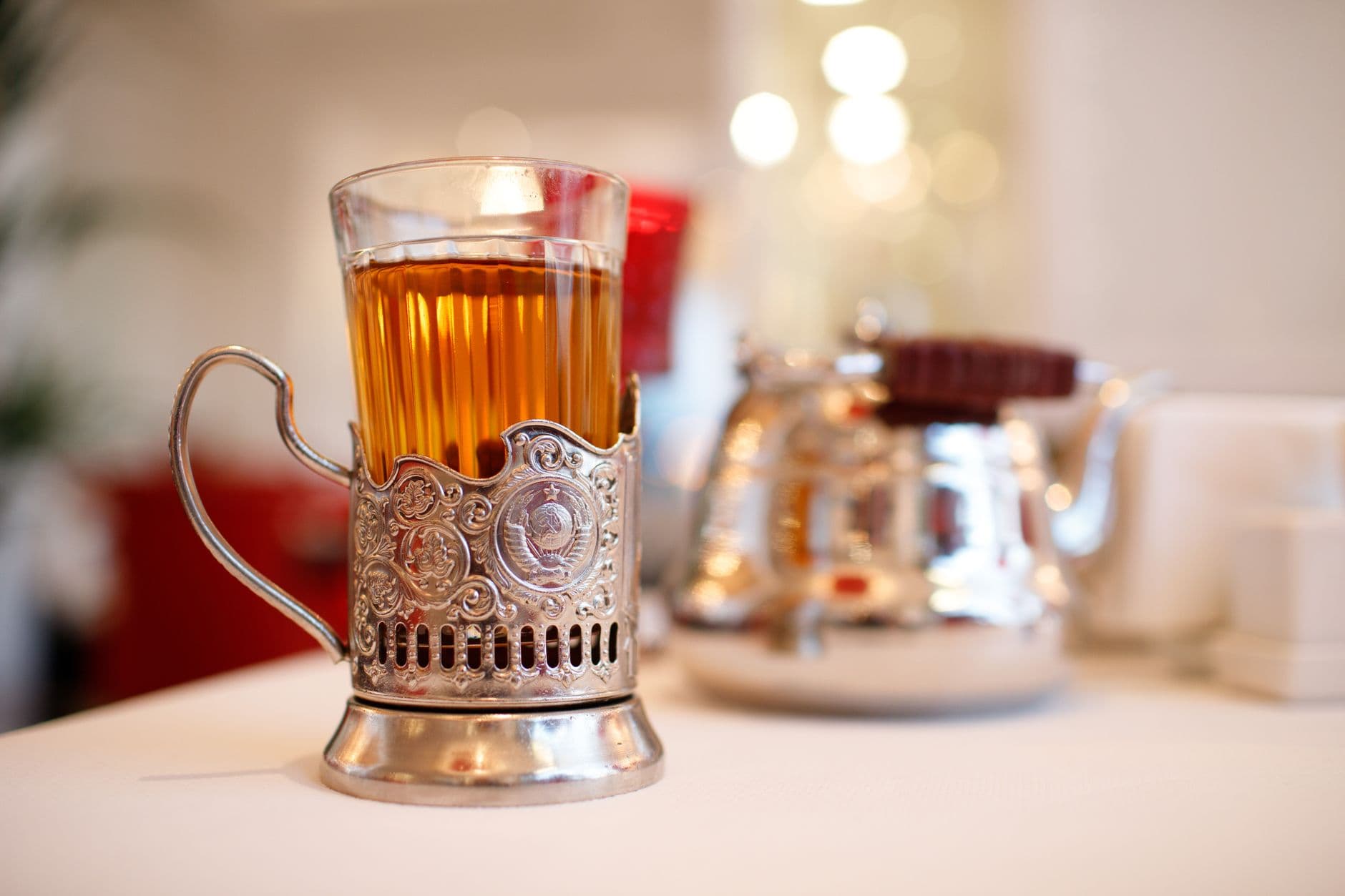
Prevarte vodu na približne 95-100°C, potom ňou zalejte hrsť bylín a lúhujte 5-7 minút, aby sa uvoľnila aróma. Táto pôvodná metóda prináša vyvážený profil, ktorý sa mnohým páčil v zime, keď záleží na teple. Výber zmesí bez kofeínu pomáha znížiť príjem kofeínu pri zachovaní bohatého, upokojujúceho zážitku.
Experimentujte s bylinami, ako sú mäta, baza, harmanček a medovka, aby ste vytvorili pôvodné nálevy. Tento prístup prináša početné chuťové profily a keď používate ľahšie tóny, môžete zlepšiť arómu bez horkosti. Pre možnosti bez kofeínu zvážte základ z harmančeka a medovky; tieto byliny zvyčajne poskytujú jemný, upokojujúci charakter.
Skladujte sušené zmesi mimo dosahu svetla a popíjajte ich počas zimných večerov. Mnohé domácnosti sa spoliehajú na tento источник tepla; tradícia si cení jednoduché byliny viac ako akúkoľvek chemickú úpravu. Používanie malých sklenených pohárov pomáha udržať arómu neporušenú a táto jednoduchosť pomáha udržiavať vôňu po celé dni.
Ako sa hovorí, zvážte varenie so základom z čistej vody plus niekoľko bylín a potom upravte podľa chuti. Môžete znížiť čas lúhovania, ak má nápoj silnú chuť, alebo zlepšiť rovnováhu pridaním štipky citrusovej kôry. Keď používate sušené listy, váš pôvodný recept môže zostať stabilný niekoľko dní v chladničke, hoci zimné teplo často podnecuje častejšiu prípravu.
Nech je to jednoduché: bez zložitých nástrojov stačí kanvica, sitko a byliny. Výsledok pomáha znížiť príjem kofeínu a dá sa vychutnať ako rituál bez kofeínu, ktorý zlepšuje náladu počas zimy. Zvážte, že zdroj chuti spočíva v bylinách, nie v prísadách; источник pre mnohé domácnosti zostáva pôvodný.
Zavarka: Praktické techniky pre tradičný ruský čaj a šalviový bylinkový čaj

Začnite s dvoma až tromi lyžicami sušenej šalvie a zmesou čiernych listov na liter v zavarke. Opláchnite hrniec horúcou vodou, aby sa zohrial, pridajte zmes, potom zalejte vodou tesne po varu. Krátko ich premiešajte, prikryte a lúhujte päť až sedem minút pre čistý a jasný nápoj.
Riziko nadmernej extrakcie sa zvyšuje, ak ho necháte príliš dlho; po uplynutí času vyberte z tepla a nalejte do vyhriatych šálok. To znižuje horkosť a chráni srdce pred drsnými tónmi. Všetko ostatné - časovanie a teplota - definuje výsledok.
Zosilňovače chuti zahŕňajú pomarančovú alebo mandarínkovú kôru, niekoľko bobúľ pre pikantnosť a pikantnosť vrbovkového medu alebo sirupu na prehĺbenie sladkosti. Možno malá štipka škorice alebo koreňa zázvoru pridáva hĺbku bez toho, aby prekrývala šalviu. Voliteľne pridajte štipku kashayam pre extra šmrnc.
Špecifická rovnováha: pre rýchlejšie povzbudenie zvýšte trochu teplo alebo upravte čas lúhovania; na rozdiel od čistej šalvie, táto zmes zostáva harmonická, keď sa podáva v zahraničí. Ako každý nálev, ochutnávajte priebežne.
Návrhy na servírovanie: vychutnajte si nálev čistý alebo s krajcom chleba na boku. Chutí jemne a pikantne, s jasným nádychom citrusov, ktorý pretrváva po dúšku. Neexistujú žiadne skratky.
Starostlivosť o zavarky: po použití opláchnite, dôkladne osušte a nechajte nádoby vyschnúť na vzduchu. Táto prax znižuje zvyšky a udržuje budúce nápoje čisté.
Tipy na skladovanie: ochlaďte a potom zvyšky uložte do chladničky v čistej nádobe až na 24 hodín; jemne zohrejte, vyhýbajte sa prevareniu, aby ste ochránili chuť.
Výber správnej čajovej kanvice a zdroja tepla pre Zavarku
Vyberte si robustný hrniec strednej veľkosti s tesným vekom a hrubým dnom, najlepšie medený alebo liatinový; spárujte ho s ovládateľným zdrojom tepla, ako je elektrická varná doska alebo kompaktný horák na uhlie, aby ste udržali nápoj pri stabilnom miernom vare pre niekoľko šálok. Táto príručka sa zameriava na praktickosť a pomáha vám vybrať nádobu, ktorá udrží silnú arómu a vyvážený extrakt.
- Materiál a konštrukcia
- Odolné kovy ako meď, mosadz alebo smaltovaná liatina udržujú teplo dlhšie a prenášajú ho rovnomerne; na rozdiel od tenkej ocele udržujú teplo lepšie a dlhšie, keď sú horúce.
- Zabezpečte priliehavé veko a širokú, rovnú základňu, aby ste zabránili strate tepla a podporili rovnomernú extrakciu; táto hlavná vlastnosť pridáva hĺbku konečnému nápoju.
- Veľkosť a kapacita
- Malé hrnce (0,5-1 l) sú vhodné pre intímne stretnutia; popularita kompaktnej možnosti rastie, keď podávate niekoľko šálok za sebou.
- Pre rodinné použitie sa zamerajte na približne 0,8-1,2 l, aby ste vyvážili pohodlie a výkon bez obmedzenia tých, ktorí chcú prídavok.
- Výber zdroja tepla
- Plynové alebo elektrické sporáky ponúkajú jemné ovládanie na zvýšenie alebo zníženie plameňa a zabránenie pripáleniu; to je hlavný dôvod, prečo mnohé domácnosti uprednostňujú tieto nastavenia.
- V vidieckych oblastiach alebo počas kempovania poskytuje ohnisko na drevo alebo uhlie jemný, dymový odtieň; tento prístup sa začal dávno a stále sa považuje za spoľahlivý v zahraničí a na chatách.
- Príchute a poznámky k vode
- Pridajte bylinky a plátky ovocia na zvýšenie arómy; mäta, citrusová kôra alebo bobule prinášajú vitamíny a jasnú kyslosť; kyslé tóny z citróna môžu zaostriť záver, ak sa používajú striedmo.
- Používajte vodu s vyváženou tvrdosťou; príliš minerálna voda môže otupiť chuť, preto v prípade potreby prefiltrujte a pred naliatím ochutnajte, aby ste sa rozhodli, aký silný by mal byť nálev pre každú šálku.
- Zachovanie arómy a textúry
- Predhrejte čajovú kanvicu, aby ste znížili stratu tepla; tento krok pomáha udržať tekutinu dlhšie horúcu a zachováva esenciálne oleje, ktoré si mnohí Rusi cenia.
- Znížte teplo, keď povrch ukazuje jemné bubliny; to zabraňuje horkým tónom a udržuje nápoj hladký pre všetkých, ktorí ho pijú.
- Údržba a starostlivosť
- Po každom použití opláchnite a úplne osušte, aby ste zabránili korózii; smaltované alebo lakované povrchy čistite mäkkou handričkou, aby ste predišli poškriabaniu.
- Skladujte na suchom mieste, aby ste predišli hrdzi a udržali kov v dobrom stave pre budúce použitie.
Najdôležitejšie je spoľahlivé nastavenie, ktoré vyhovuje vášmu priestoru a rutine; Rusko má dlhú tradíciu prispôsobovania nádob a metód ohrevu a mnohé domácnosti si cenia jednoduchú, malú možnosť, ktorú možno použiť doma alebo si ju vziať na výlety do zahraničia. Tento prístup k zavarke, ktorý je vidieť v kuchyniach v rôznych regiónoch, zdôrazňuje pevnú ruku, premyslené pridávanie bylín a ovocia a rešpektovanie hlavného účelu nápoja: dodať silné, chutné povzbudenie, ktoré zachováva vitamíny a arómu pre každého pri stole. Ak máte obavy z ekzému alebo citlivosti pokožky, udržujte obsah kofeínu mierny a vyhýbajte sa prehrievaniu hrnca; výsledok zostáva uspokojivý pre tých, ktorí hľadajú jemný, lacný rituál, ktorý sa dokáže prispôsobiť vašim potrebám, chutiam a priestoru. Stručne povedané, dobre postavený hrniec, ovládateľný zdroj tepla a premyslené prídavky premenia jednoduchý nápoj na cenený každodenný zvyk.
Odrody šalvie a získavanie kvalitných listov
Kúpte si čerstvé, celé listy šalvie od renomovaného predajcu; hľadajte pevnú textúru, živú farbu a silnú gáfrovú arómu. Vyhnite sa ochabnutým stonkám, hnedým okrajom alebo zaprášeným povrchom. Pre zavarky začnite s 2 lyžicami nasekaných listov na 4 šálky vody, varte 8-10 minút, potom premiešajte a preceďte. Použite čerstvé listy do jedného dňa od zakúpenia pre najlepšiu chuť.
- Šalvia lekárska (Salvia officinalis) - robustné, pikantné chute; listy sú veľké a pevné, ideálne pre zmesi; použite 4-6 listov na šálku nálevu pre výrazný výsledok. Sušené listy sa najlepšie skladujú vo vzduchotesných nádobách mimo dosahu svetla; dodávajú konzistentnú základňu mnohým receptom.
- Šalvia ananásová (Salvia elegans) - ľahšie, citrusovo-borovicové chute; šarlátové kvety dodávajú farbu v záhradách a ovplyvňujú arómu, keď sú čerstvé. Najlepšie je ich odtrhnúť tesne pred kvitnutím pre jemný nálev; nasekajte 1-2 listy na šálku, aby ste zmiernili štipľavosť. Niektoré kríženia môžu zmeniť arómu, preto vyberajte čisté formy, ak chcete konzistenciu.
- Šalvia biela (Salvia apiana) - silná, živicová aróma; používajte striedmo v nálevoch (1-2 listy na šálku) a vyhýbajte sa dlhému varu. V ruských kuchyniach ju niektorí používajú spolu s mätou v malých zmesiach, pretože tieto byliny vyvažujú ťažšie tóny, hoci by nikdy nemala dominovať.
- Šalvia muškátová (Salvia sclarea) - kvetinová, s nádychom ovocia; dobre sa hodí k citrusom a ľahkému koreniu; použite 1 lyžicu na 2 šálky pre jemný tón v zmesiach. Na rozdiel od bežnej šalvie sa prikláňa k arómam, ktoré povznášajú, než aby premohli.
- Ostatné kultivary - fialová šalvia, pestrofarebné šalvie a zelenolisté typy môžu pridať farbu a miernejšiu štipľavosť do zmesí; tieto byliny sa niekedy krížia, čo môže zmeniť chuť - najskôr otestujte jednu dávku. Ak sa niekto pýta, čo si vybrať, začnite s bežnou šalviou pre spoľahlivosť a rozvetvite sa s jednou z dekoratívnych odrôd, aby ste preskúmali rôzne chute.
Poznámky k získavaniu: Hľadajte organickú certifikáciu a čisté balenie; uprednostňujte rastliny pestované bez pesticídov a skontrolujte neporušené listy namiesto rozdrveného prachu. Ak kupujete sušené listy, uistite sa, že sú celé, aromatické a bez stoniek; semenné struky sa tvoria po odkvitnutí, preto zbierajte pred vytvorením strukov, aby ste predišli horkosti. Skladujte sušené listy na chladnom, tmavom mieste až 6-12 mesiacov. Pri zbere vyberajte listy bez výhonkov, ak chcete miernejší nálev; inak orežte, aby ste podporili nový rast a nechajte niektoré výhonky, aby pokračovali v produkcii listov. Na miešanie s inými bylinami skombinujte dva alebo tri druhy v zmesiach zavarkas; tieto kombinácie môžu poskytnúť rozmanitejšie chute a vylepšenú arómu.
Tradičné varenie Zavarky: metóda krok za krokom
Začnite s 2-3 lyžicami nahrubo pomletej zmesi v spodnej nádobe, potom nalejte 200-250 ml horúcej vody. tento pomer však prináša robustné telo s dobre definovanými okrajmi. rodina Koporsky z Petrohradu zachovala tento príbeh s konzistentným názvom. senovka grécka a rasca poskytujú jemné tóny, ktoré sa spájajú, keď sa nálev vyvíja. stonky v zmesi dodávajú textúru a profil si požičiava odtieň podobný oolongu z dôkladnej oxidácie.
Tí, ktorí chcú optimalizovať výsledky, používajú meraný prístup: 2-3 lyžice na 200-250 ml, čas lúhovania 5-7 minút. kedykoľvek si želáte ľahšiu silu, zrieďte ju väčším množstvom horúcej vody v šálke; úrovne chuti sa posúvajú bez toho, aby spôsobovali horkosť. prevencia proti nadmernej extrakcii spočíva v udržiavaní nálevu pod sedem minút a kontrole tepla. článok zdôrazňuje, že telo zostáva uspokojivé, zatiaľ čo kalórie na porciu zostávajú mierne; táto zmes rozvíja hĺbku, keď sa buduje aróma, čo odráža petrohradské dedičstvo a meno Koporsky.
Krok 1. Zohrejte hornú nádobu horúcou vodou, potom vložte 2-3 lyžice zmesi do spodného hrnca a pridajte 200-250 ml horúcej vody, aby ste začali extrakciu. Uistite sa, že zmiernenie tepla zachováva aromatické látky a zabraňuje radikálnej drsnosti.
Krok 2. Zakryte a lúhujte 5-7 minút bez miešania, aby ste zachovali čisté okraje; dlhší kontakt zvyšuje riziko horkosti a radikálov priateľských k horkosti pri vyšších teplotách.
Krok 3. Nalejte koncentrát do každej šálky a doplňte horúcou vodou, aby ste dosiahli požadovanú silu; tí, ktorí sa zameriavajú na plnšie telo, môžu použiť menšie riedenie, zatiaľ čo tí, ktorí hľadajú jemnosť, pridajú viac vody. Výsledky by mali zostať vyvážené, pričom zemitá chuť senovky gréckej sa stretáva s teplom rasce.
Krok 4. Jemne premiešajte, ochutnajte a podávajte; dlhšie nalievanie prehlbuje arómu, ale vyžaduje kratší počiatočný nálev, aby sa zabránilo nadmernej extrakcii. Na ochranu pred únavou pri bežnom používaní udržujte porcie mierne a vychutnajte si príbeh, ktorý sa skrýva za zmesou.
| Krok | Akcia | Čas | Poznámky |
|---|
| 1 | Zohrejte hornú nádobu; pridajte 2-3 lyžice zmesi do spodného hrnca; pridajte 200-250 ml horúcej vody | 5-7 min | predhriatie pomáha telu a okrajom; zahrňte senovku grécku a rascu |
| 2 | Zakryte a lúhujte bez miešania | 5-7 min | Zabráňte nadmernej extrakcii; zabraňuje horkým tónom |
| 3 | Nalejte koncentrát do šálok; zrieďte horúcou vodou podľa chuti | 1-2 min | lyžice merajú konzistenciu |
| 4 | Premiešajte a podávajte; upravte podľa preferencií | - | sledujte kalórie; udržujte rovnováhu |
Ideálne časy lúhovania, teploty a pomery čaju a vody
Odporúčanie: Ak sa zameriavate na dobre vyvážený silný nálev, použite 18-20 g robustnej, jemne narezanej zmesi na 1 l vody; zohrejte na 95-100 °C; lúhujte 4-5 minút, aby ste získali plnú arómu a telo; krátko nechajte odpočinúť, potom zrieďte horúcou vodou alebo mliekom v pomere 1:3-1:4 na podávanie.
Každodenná šálka: 6-8 g na 250 ml; voda 90-95 °C; 2-3 minúty; to prináša jasný, svieži základ. Kedykoľvek podávate, nalievajte, kým sa povrch ešte leskne; v blízkosti stola zaisťuje, že chute zostanú čerstvé. Ak chcete silnejšiu chuť, predĺžte na 3-4 minúty, hoci dlhšie môže spôsobiť horkosť. Ak uprednostňujete ľahšiu šálku, skráťte na 2 minúty.
Koncentrát na zdieľané podávanie: 18-22 g na liter; 4-5 minút; nechajte krátko odpočinúť, potom zrieďte podľa chuti približne 1:2 až 1:3 s horúcou vodou alebo mliekom. Tento prístup znižuje riziko nadmernej extrakcie a zachováva hlboký, jantárový odtieň, ktorý je v zime obzvlášť upokojujúci. Pochádza z okolia Baltského pobrežia, okolo Petrohradu; tieto zmesi sa vo veľkej miere vyvážajú na trhy, ktoré hľadajú teplo.
Chuťové tóny a prídavky: pomarančová kôra a dotyk šalvie dopĺňajú základy chai; tieto akcenty by mali byť obmedzené (1-2 g na liter), aby sa zabránilo prekrývaniu srdca zmesi a aby sa predišlo stresu pokožky náchylnej na ekzém. Keď sa použije, výsledok je bohatší a vrstvenejší, pričom po poslednom dúšku zanecháva na podnebí teplo krvi.
Použitie kapsúl: ak používate kapsuly, varte 2 kapsuly na 250 ml pri 90-95 °C po dobu 1-2 minút; po lúhovaní ich okamžite vyberte, aby ste predišli nadmernej extrakcii a drsnému okraju; táto metóda je vhodná na rýchle dopĺňanie v blízkosti stola, najmä počas zimných stretnutí.
Podávanie, ochutnávanie a skladovanie Zavarky a šalviového čaju doma
Začnite so silným koncentrátom zavarky vo veľkej kanvici, lúhujte čerstvo nazbierané listy šalvie a ďalšie bylinky po dobu 10-12 minút, kým aróma nie je živicová a tekutina sa neprehĺbi vo farbe.
Na podávanie nalejte odmerané množstvo koncentrátu do šálky a zrieďte horúcou vodou podľa chuti; pre výsledok v štýle latte doplňte čerstvo napareným mliekom.
Chuťové tóny sú početné: živicová šalvia, hĺbka zelených bylín a jemná sladkosť, ktorú možno zvýrazniť dotykom cukru alebo ozdobou bobúľ.
Konečná úprava: štipka soli môže zaokrúhliť záver a zvýrazniť bylinkový charakter; takáto soľná rovnováha by pomohla tlmiť horkosť.
Skladovanie a pohodlná manipulácia: preložte zvyšný koncentrát do čistej sklenenej fľaše, chráňte ho pred svetlom a silnými pachmi a uchovávajte v chladničke; spotrebujte do 3-4 dní; na dlhšie skladovanie zmrazte v malých porciách. Tento prístup je pohodlný a môže umožniť rýchlu replikáciu.
Historická poznámka: bylinky Koporsky sa objavujú v mnohých domácich zmesiach v domácnostiach; источник Koporsky poznamenáva, že tieto zmesi sa vyvážali do trhových sietí, kde boli takéto zmesi cenené pre ne každodenne. Tento článok sleduje históriu, hovorí, kde a kedy sa táto prax objavila, a opisuje, ako sa rozšírila s tým, ako ju prijalo viac domácností. Niektorí hovoria, že šalviový nálev pomáha pri ekzéme; hovorí sa, že má upokojujúce vlastnosti, hoci to nie je lekárska rada.