


Bu program Moskova'yı en hızlı şekilde gezmenin yollarını gösteriyor: metro ile başlayın ve bir Troika kartı yükleyin. Zorlu saatlerde metro trenleri her 2-3 dakikada bir çalışır; zorlu olmayan saatlerde ise her 5-7 dakikada bir. Gorki bölgesi ve diğer şehir merkezlerinde bu rota varış sürelerini dakikalarca kısaltır ve hareket halinde tutar - görünüşe göre ilk kez gelen ziyaretçiler için en basit seçenek.
Sonra, otobüsler boşlukları doldurur ve merkez hatlarından ötesine uzatır. Günlük araç aralıkları 5-10 dakikadır; bazı hatlarda gece seferleri 20-30 dakikada bir çalışır. Ana metro merkezleri, otobüs terminalleri ve duraklarla bağlantılı olan hatları aramak, aktarma sayısını azaltmak ve daha geniş bir alanı kapsamak için yararlıdır.
Alternatif ulaşım seçenekleri, özellikle yoğun yaz saatlerinde esneklik sağlar. Yerel sürücülerle yapılan seferler rahat olsa da, düşük fiyatlardan yana değil - zirve saatlerde ücretler pahalı olabilir, bu yüzden rezervasyon öncesi kontrol edin ve yakın hedefler için kısa bisiklet veya scooter yolculuğu düşünün. Şehrin kentsel düzeni gibi, bisikletler düz alanlarda ve duraklar arasında kısa mesafelerde en iyi çalışır.
Şehirde gecikmeleri önlemek için önceden plan yapın, özellikle tiyatroların yoğun varış saatlerinde. Yaz aylarında şehre geliyorsanız, sabah metro ile başlayın, ardından manzaralı rotalar için otobüslere geçin; önceden haritayı inceleyerek seçenekleri karşılaştırarak perdelerin açılmadan önce zaman kaybetmeyin.
Moskova'da Ulaşım Rehberi
Troika kartınızı ilk yolculuğunuzdan önce alın. Metro makinelerinden veya kiosklardan yüklenebilir, ardından girişte kartınızı dokunuz. Tek bir kart metro, otobüs ve tramvay seyahatlerini kapsar, karışıklığı azaltır ve aktarım sürecini hızlandırır.
Metro sabah yaklaşık 05:30'te açılır ve son trenler yaklaşık 01:00'e kadar çalışır. Zorlu saatlerde merkezi hatlarda trenler 2-3 dakikada bir gelir; akşam saatlerinde ise aralık 8-12 dakikaya çıkar. Hizmet saatlerini her zaman resmi uygulama üzerinden kontrol edin, çünkü bazı hatlar tatiller veya bakım nedeniyle hizmet saatlerini değiştirebilir.
Büyük aktarma istasyonlarında transferleri planlayın, burada iki veya daha fazla hattın kesiştiği yerlerde. Aktarma geçerlilik süresi, ilk tarama işlemi sonrası 90 dakika boyunca geçerlidir; bu süre içinde farklı hatlar arasında geçiş yapabilirsiniz ve ek ücret ödemeden yolculuğunuzu tamamlayabilirsiniz. İstasyondan çıkıp daha sonra tekrar girerseniz, zamanlayıcı sıfırlanır, bu yüzden uzun mesafeli yolculukları tek bir plan içinde gruplandırın.
Otobüs hatları, demiryolu ulaşımının yetmediği yerleri kapatır ve elektrikli otobüsler, gece saatlerinde sessiz ve temiz seçenekler sunar. Gece hizmeti birçok hattta mevcut; son kalkışlar ve alternatif rotalar için uygulamayı kontrol edin. Otobüslerin geldiğinde ön kapıdan binin; girişte Troika kartınızı dokunuz ve durak duyurularına kısa bir bakış atın.
Uluslararası merkezlere ulaşmak için, ana istasyonlardan hızlı tren hatları veya doğrudan uzun mesafe otobüslerini kullanın. Hızlı trenler ana terminallerden çalışır ve bagajla hızlı bağlantı sunar. Havalimanları için, bir merkezden başlayın ve terminal binalarına geçiş için 30-45 dakika tahmin edin, terminal karmaşıklığına göre.
Haritalar ve uygulamalar çok yardımcı olur. Resmi ulaşım uygulaması veya güvenilir harita hizmetlerini kullanarak hat renkleri, aktarma noktaları ve son trenleri doğrulayın. Çoğu istasyonun ana girişlerinde İngilizce rehberlik bulunur, personel ise kısa bir İngilizce cümle ile sorarsanız hızlı yönlendirme sağlayabilir.
Erişilebilirlik ve güvenlik: seyahat etmeden önce kartınızın yüklü olduğundan emin olun; merdivenlerde el korumalarına tutunun; platform boşluklarına ve yoğun saatlerde hareket eden kalabalıklara dikkat edin.
Metro: bilet fiyatları, abonelikler ve akıllı kart kullanımı
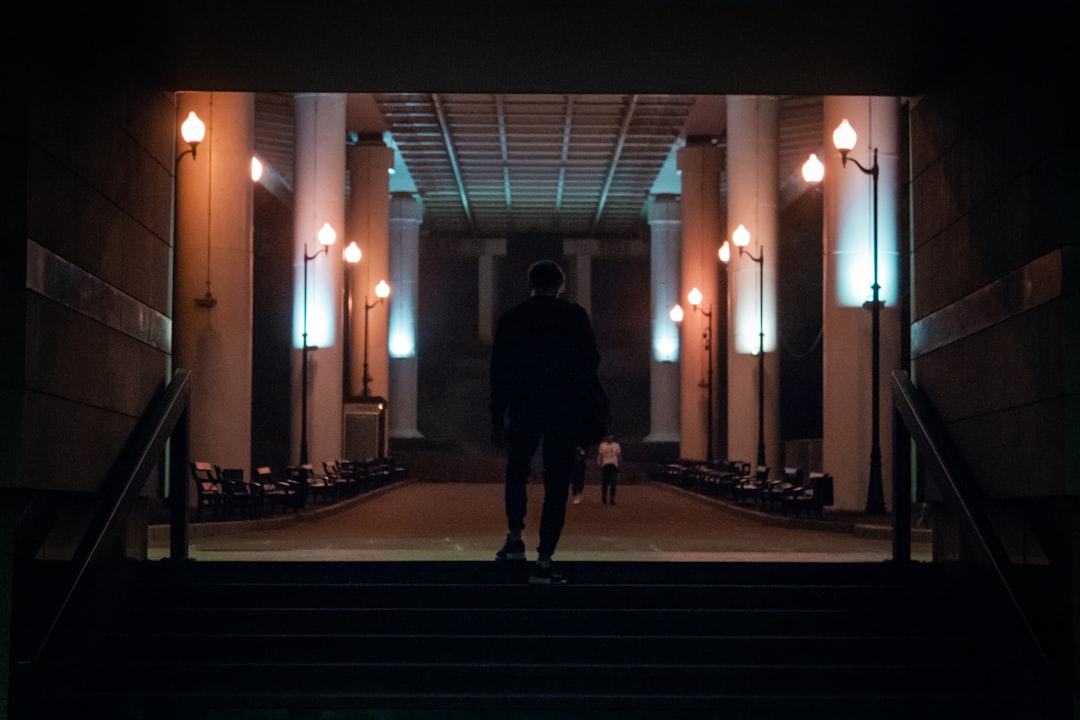
Troika kartını herhangi bir metro kasasında veya bilet satış noktasında alabilir ve binmeden önce yükleyebilirsiniz. Metro, otobüs, troleybüs ve bazı banliyö trenlerinde çalışır, bu yüzden bir kez dokunup hızlı bir şekilde turniğin geçebilirsiniz. Zor saatlerde bu hız, günlük mesafeyi kat edenler için dakikalar kazandırır.
Ücretler, tek sefer için makinelerde ve kalkış panolarında gösterilir; geçişler günlük, haftalık ve aylık seçenekler sunar, plus öğrenci ve yaşlı indirimleri. Günlük geçişler, 24 saat boyunca sınırsız yolculuk yapmanıza izin verir, bu batı ve merkez bölgelerinde birkaç sefer planlıyorsanız ideal. Uzun süreli kalışlar için, aylık bir geçiş düşük ortalama ulaşım maliyetini düşürmek ve seyahatlerinizi daha tahmin edilebilir kılmak için düşünün.
Troika kartını kullanmak için, her bir biletlikte dokunarak giriş yapın; bazı makineler bakiyenizi kontrol etmek ve yüklemek için de dokunmanıza izin verir. İstasyonlarda, resmi uygulama veya mos.ru üzerinden bir bağlanan kartla yükleyebilirsiniz. Bakiyenizi kontrol etmekten kaçırırsanız bile, makine kalan miktarı veya kalan sefer sayısını gösterir, böylece yoğun dönemlerde günün seferlerini planlamanızı sağlar.
Vnukovo'ya geldiyse, Aeroexpress'i Kievskaya'ya al ve sonra sarı Daire hattına geç. Bu hat, batı Moskova'ya gitmek veya aşağı semtlere ulaşmak için ideal. Sarı hat, daha az aktarma yaparak ana merkezleri birbirine bağlar, böylece daha kısa sürede daha fazla mesafe kat edebilir ve terminal ve şehir merkezleri arasında daha rahat seyahat edebilirsiniz. Haritaları, ana rotaları ve kullanışlı aktarma noktalarını gösterir, bu sayede Khrushchev dönemi bloklarından modern semtlere hızlı bir yol belirlemenizi sağlar.
İtemlerinizi güvenli bir şekilde saklayın ve hatlarda yapılan çalışmalar veya hizmet değişiklikleri için çıkış panolarını kontrol edin; saatler rotaya ve güne göre değiştiğinden, kısa bir kontrol gecikmeleri önlemek için yararlıdır. Gece yarısından sonraki seferler için diğer ulaşım seçenekleri mevcuttur, ancak metroda Troika kartını kullanmak genellikle para ve zaman tasarrufu sağlar, uzun bir günün ardından bile şehirde güvenilir ve hazır bir şekilde hareket etmenizi sağlar.
Metro navigasyonu: haritalar, rota planlaması ve aktarma kuralları
Resmi Moskova Metrosu haritası uygulamasıyla rotanızı planlayın: doğrudan seferleri ve aktarma imkânlarını karşılaştırın ve günün saatine göre en hızlı seçeneği seçin. Bu yöntem, ziyaretçilerin metroya güvenle hareket etmesini sağlar ve kalabalık istasyonları kaçırmanıza yardımcı olur.
Harita, pratik ve temiz bir görünüm sunar: daire şeklindeki merkez hatları, radyal dallarla kesişir; yön okları ve aktarma noktaları bir bakışta görülebilir. Komsomolskaya, hızlı hat değiştirme için ünlü bir aktarma istasyonudur. Çok sayıda istasyonda tavan detayları ve barok motifleri, yolculuk sırasında yön bulmanıza yardımcı olur. Sistemin Rusça okuyucular için açık ve net bir rehberlik sunması, demiryolu işaretleme tasarımıyla da uyumlu çalışır. Harita herkese açık ve grafik düzeni, rotaları bir bakışta karşılaştırmayı kolaylaştırır.
Geçerli bir biletle, 90 dakika içinde hatlar arasında aktarma yapabilirsiniz ve tekrar ödemenize gerek yoktur. Aktarma işaretlerini dikkate alın ve hat yönlerini ve aktarma koridorlarını gösteren işaretleri takip edin. Komsomolskaya gibi bir merkez istasyonda aktarma yapmanız gerekiyorsa, genellikle platformlar arasında kısa bir orta bölge yürüyorsunuz, bu da pratik ve hızlıdır. Doğrudan rotaları tercih eden yolcuların oranı gün içinde değişir, ancak iyi planlanan bir rota dakikalar kaydedebilir. Ziyaretçiler için birkaç dakika okumak ve takip etmek için planlanan bir rota, dolaşmaktan daha iyidir; trenler sıkça çalışır ve sistem, şehrin her yerinde hızlı ve güvenli ulaşım sunar.
Otobüs ağı: biletleme, binme ve anlık güncellemeler
Troika kartını ilk seferinizden önce alın ve online veya kiosklardan yüklenebilirsiniz; bu, kolay bir binme sağlar ve yoğun duraklarda nakit işlemlerini azaltır.
- Biletler ve ücretler Troika kartı, otobüsler, metro ve tramvaylar dahil tüm ulaşım araçlarında geçerlidir. 90 dakika içinde yapılan aktarma ile farklı ulaşım araçları arasında geçiş yapabilir, tekrar ödemeye gerek yoktur.
- Tek seferlik biletler sürücüden veya desteklenen uygulamalardaki QR kodları aracılığıyla alınabilir; okuyucu arızalıysa para kullanmaya güvenmeyin - bir yedek hazır olun.
- Yeni kullanıcılar, küçük bir iade edilebilir kart borcu yapmak zorunda kalabilir; en güncel bilgiler için resmi Moskova Metrosu sitesini kontrol edin.
- Biniş ve doğrulama Ön kapıdan girin ve Troika kartınızı okurdaya dokunuz; kartınız yoksa QR bilet isteyin veya mümkün olduğunca nakit veya temassız ödeme ile sürücüye ödeme yapın.
- Kartı hazır tutun ve duraklarda yoğun trafikte akışa yardımcı olun; yoğun rotalarda yolcular önce iner.
- Önemli merkezlerdeki istasyonlar gibi Komsomolskaya ve Mayakovskaya'da otobüsler metro hatlarıyla bağlantılıdır, böylece aktarımlar sorunsuz bir planın parçası haline gelir.
- Gerçek zamanlı güncellemeler ve araçlar Yandex Transport, Google Maps veya Mosgortrans uygulamasını kullanarak varış zamanlarını, rota değişikliklerini ve hizmet uyarılarını takip edebilirsiniz; bu veriler sendikalar ve ulaşım yetkililerince sağlanmaktadır ve her sefer için faydalı bağlamsal bilgiler sunmaktadır.
- Gerçek zamanlı veriler, geçmiş ve mevcut koşulları yansıtır ve iklimle ilgili gecikmeler veya yön değişiklikleri gösterilir ki hızlıca ayarlayabilirsiniz.
- Bazı uygulamalar, sonraki duraklar ve aktarma seçenekleri hakkında sorulara cevap vermek için alexa tabanlı ses yardımı entegre ediyor, böylece ilk kez seyahat eden yolcular için daha kolay hale geliyor.
- Praktik ipuçları Çift dilli kullanıcılar için, arayüz dil seçenekleri ve takip edilecek açık kurallar sunar, bunlar arasında en önemli kurallar gemiye binme ve aktarma işlemleri de yer alır.
- Yardlar veya duraklar yakınında otostop yapmayın; güvenli olmak ve rotanızın kaydı olsun diye resmi kanalları kullanın.
- Moskova'nın ulaşım sisteminin mimarisi, yerüstü otobüslerle yeraltı hatları arasında kolay aktarma imkânı sunar, genellikle Komsomolskaya veya Mayakovskaya istasyonlarında bağlantı sağlanır.
- Eğer özel öneriler istiyorsanız, başlangıç noktanızı paylaşmayın. Size kolay rotalar, hedefinize ulaşmak için en iyi merkezleri ve tren bağlantıları dahil olmak üzere yardımcı olabilirim.
- Bu yaklaşım, seyahat edenlere her durak için güvenilir ve zamanında bilgiler sunarak iyi bir denge sağlar; amaç, şehri sorunsuz bir şekilde gezmenizi sağlamaktır.
Havaalanı erişimi: Domodedovo, Sheremetyevo ve Vnukovo'ya en hızlı rotalar
Aeroexpress'ten Moskova'nın merkez istasyonlarından hızlıca üç havaalanına ulaşın. Domodedovo'ya Paveletskaya'dan, Sheremetyevo'ya Belorusskaya'dan veya Vnukovo'ya Kievskaya'dan binip, terminale en az sokak trafiği ile bağlanın. Bu, şehir merkezinden ve otel misafirlerinden terminale en hızlı kapıdan-terminal seçeneğidir. Bu yol onlara zamanında varmalarına yardımcı olur.
Domodedovo: Merkez ilçelerden metro ile Paveletskaya'ya yaklaşık 15-25 dakikada varabilir, ardından DME'ye giden Aeroexpress'i yaklaşık 30-40 dakikada kullanabilirsiniz. Normal koşullarda kapıdan kapıya yaklaşık 45-60 dakika planlayın; sabah saatlerinde yoğunluk varsa 15 dakika ek süreyi de ekleyebilirsiniz, ancak kısa yolculuklar ve verimli hizmetin keyfini çıkabilirsiniz.
Şeremetyevo'ya gitmek için Belorusskaya'ya gidin ve Aeroexpress ile yaklaşık 35-45 dakikada SVO'ya gidin. Kapıdan kapıya toplam süre yaklaşık 55-75 dakikadır; sabah trafiğinde 70-85 dakika tahmin edin. Belorusskaya'daki büyük demiryolu düğümü trenlerin düzenli olarak çalışmasını sağlar ve açık işaretler size yön bulmanızı kolaylaştırır.
Vnukovo: Kievskaya'ya gidin, Vnukovo Express'e binin ve yaklaşık 30-40 dakikada VKO'ya ulaşın. Kapıdan kapıya 50-65 dakika sürer; sabah saatleri 65-85 dakikaya çıkabilir. Metro ve hızlı tren gün boyunca çalışmaya devam eder, bagajlı yolcular için güvenilir seçenekler sunar.
Planlama ipuçları: Canlı zamanlar ve işaret yönleri için Yandex Haritalar'ı kullanın. Güncel saatlerden alınan bilgiler bu aralıkları gösterir. Platforma ulaştığınızda sabahleyin bir horoz olabilir, ancak kısa bekleme süreleri ve az yürüme mesafesi ile transferler verimli kalır. Akıcı bir yolculuk için kısa bir kontrol listesi takip edin: terminalinizi doğrulayın, en hızlı demiryolu seçeneğini seçin ve kapıdan terminale hızlı bir transfer için biletinizi hazır tutun.
Tramvaylar, bisikletler ve araç çağırma: son mil seçenekleri
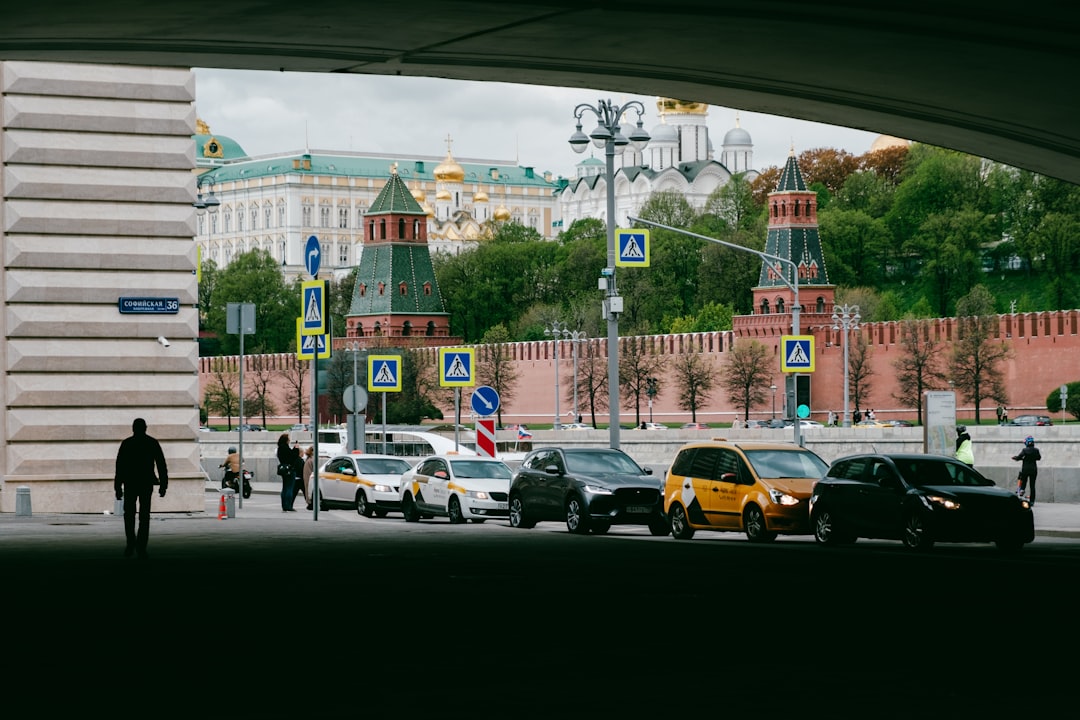
Tramvayı, metro istasyonundan çıkınca son bölümü için kullanın; merkez ilçeleri daha az trafik gördüğü semtlerle bağlar ve güvenilir bir ritimde çalışır. Veriler, gün boyu tramvayların yaklaşık her 6-10 dakikada bir, gece saatlerinde ise her 12-20 dakikada bir geldiğini gösteriyor. Uzun rotalarda yoğun duraklar var, bu yüzden bir duvar resmini ve heykelleri gördükten sonra kısa bir yürüyüşle hedefinize ulaşabilirsiniz. Bazı hatlar parklar ve müzeler yönünde gider, ve hat uzun kilometreler boyunca uzanır, hafif ve sakin bir yolculuk sunar. Durak yakınındaki bir kiosk'tan bir hatıra alabilir ve kalan yolculuğu yürüyerek devam edebilirsiniz. Bu seçenek, yoğun saatlerde otobüslere göre açık bir avantaja sahiptir.
Bisiklet paylaşım sistemi, metro çıkışlarına yakın geniş bir ağa sahiptir. Bir dakikada bisikleti açabilirsiniz; günlük veya aylık abonelikler için fiyatlar uygulamada gösterilir. Saate göre düşük bir ücretle seyahatler ekonomik kalır ve farklı seçenekler vardır; uzun vadeli planlar ile üye olunanlar daha fazla tasarruf eder. İstasyonlar, çoğu duraktan birkaç dakika yürüme mesafesinde yoğunlaşır ve bisikletler düzenli bakımdan geçer. Bazı bisikletler beyaz çerçeve ve parlak ışıklarla donatılmıştır, gece bisiklet sürüşünü kolaylaştırır.
Ride-hailing: Kapıdan kapıya rahatlık için, ride-hailing, istasyonlar ve varış noktalarını birbirine bağlayan son mil mesafesini kapatır. Uygulamada fiyatları karşılaştırabilir ve paylaşılan bir yol seçmek genellikle maliyeti düşürür. Bir otobüse beklemek yerine, şimdi rezervasyon yapabilir ve daha sonra gidebilirsiniz. Birkaç çanta ile seyahat ediyorsanız, standart bir araba iyi çalışır; hizmet gece yarısına kadar devam eder ve çoğu ilçeyi kapsar, size gerçekten esnek seçenekler sunar. Gerçekler gösteriyor ki, birçok durumda seyahat süresi, akşam saatlerinde sokak seviyesindeki rotadan daha kısa oluyor.
Pratik ipuçları: Elinizde küçük bir harita tutun ve anlık rotaları kontrol edin; ulaştığınız yerleri ve yakın merkezleri takip etmek için uygulamayı açık tutun. Büyük merkezlerde katlar arasında hareket etmek için asansörleri arayın ve durakların yakınındaki ticaret salonlarını keşfedin, burada tatlı bir lezzet veya hızlı bir kahve içebilirsiniz. Metro girişleri dışındaki açık hava kiosklarında hafif atıştırmalıklar ve beyaz rehberler size doğru platformlara yönlendirirken, birkaç dakika yürüyerek rahat kalabilirsiniz.


