Plan for a weekly budget of about $700-$900 to enjoy a comfortable 7 days in Moscow, excluding flights. This target covers mid-range lodging, meals, transit, and entry tickets for four must-see experiences. Across a well-paced week, you'll taste the city without rushing, and you'll keep options flexible as prices shift with demand. This plan made sense for travelers who want balance and predictability.
Where you stay shapes the total more than any other item. Budget hostels run roughly $15-$30 per night, while mid-range hotels hover around $60-$120, and compact apartments fall in the $70-$140 range. For a week, expect about $105-$210 in hostels or $420-$840 in a comfortable hotel or apartment. A stay just outside the historic center keeps costs down while staying within a 20-minute metro ride lets you support local businesses and visit department stores and small shops across the city. You'll enjoy a legion of cafés, galleries, and friendly storefronts across districts.
Transport is simple and affordable. A single metro ride costs about 55-65 RUB; a week of unlimited transit with a Troika card runs around 1,000-1,500 RUB (roughly $12-$18). If you add occasional taxis late at night, cap those to preserve budget. Buying tickets online for popular routes and museums helps you skip lines and stay on schedule across four or five days of sightseeing.
Daily meals can be economical if you mix cafes and markets with occasional nicer dinners. Breakfasts at bakeries run 150-250 RUB, lunches 300-600, dinners 600-1,000. Weekly food costs typically land in the RUB 7,000-12,000 range (about $70-$120). If you're afraid of overspending, start with a daily cap and track meals to stay within the budget. If you're accustomed to European capitals, you'll notice Moscow's prices are friendly to careful budgeting while still offering delightful tastes. You can also support humanity by choosing family-owned places rather than large chains, which helps businesses stay vibrant and silver linings emerge in your wallet. Some travelers have laughed at the stereotype that Moscow is always expensive, proving that careful planning pays off.
Budgeting for attractions: plan four paid entries to balance costs. Kremlin complexes and cathedral visits typically run RUB 1,000-1,500; the Tretyakov Gallery around RUB 500-1,000; contemporary art centers RUB 300-800; river cruises or observation decks RUB 600-1,200. Buying tickets online ahead of time saves time and often money. If you visit parks, streets like Arbat and Gorky Park, or take a free walking tour, you'll keep the total week affordable. You'll probably finish the week with extra funds for souvenirs or last-minute discoveries.
7-Day Moscow and Saint Petersburg Budget Guide: Estimated Costs and Practical Tips
Recommendation: Split the week as 4 days in Moscow and 3 in Saint Petersburg, pick a central, secured stay in a well-rated hostel or compact apartment, and use a metro pass to minimize transit time.
Costs are calculated on a 7-day frame and shown in the local currency, with a straightforward option for converting to USD. A typical daily mix includes lodging about 2,000 RUB, food around 2,200 RUB, transport 600 RUB, and activities 1,500 RUB. That yields roughly 6,300 RUB per day in Moscow and about 5,800 RUB per day in Saint Petersburg when you keep to cheaper alternatives, totaling around 42,600 RUB for the week. The rating on chosen hostels matters, so target those with 8.0+.
Natalya, a Moscow host, notes that bookings with free cancellation programs often save thousands of rubles. She also suggests aiming for central districts to reduce travel time, and to keep a buffer for decisions. Treat the city as a kingdom of options where you can combine free-entry days and discounted meals at local businesses.
To handle white nights period or peak demand, evaluate dates in advance and secure bookings early. Depending on your travel status and flexibility, you can adjust the lodging type to reduce costs. Policy changes on entry fees and museum tickets can shift the budget, so check before you go. Prime tips include using public transport, preferring city-run museums, and choosing a cheaper option at neighborhood restaurants and shops.
Use the table below to plan by day and city.
| Day |
City |
Accommodation (RUB) |
Food (RUB) |
Transport (RUB) |
Activities (RUB) |
Estimated Daily Total (RUB) |
| 1 | Moscow | 2,000 | 2,200 | 600 | 1,500 | 6,300 |
| 2 | Moscow | 2,000 | 2,200 | 600 | 1,500 | 6,300 |
| 3 | Moscow | 2,000 | 2,200 | 600 | 1,500 | 6,300 |
| 4 | Moscow | 2,000 | 2,200 | 600 | 1,500 | 6,300 |
| 5 | Saint Petersburg | 2,000 | 2,000 | 500 | 1,300 | 5,800 |
| 6 | Saint Petersburg | 2,000 | 2,000 | 500 | 1,300 | 5,800 |
| 7 | Saint Petersburg | 2,000 | 2,000 | 500 | 1,300 | 5,800 |
| Total for 7 days | 42,600 |
Daily Cost Snapshot: Moscow's Typical Expenses for a Full Week
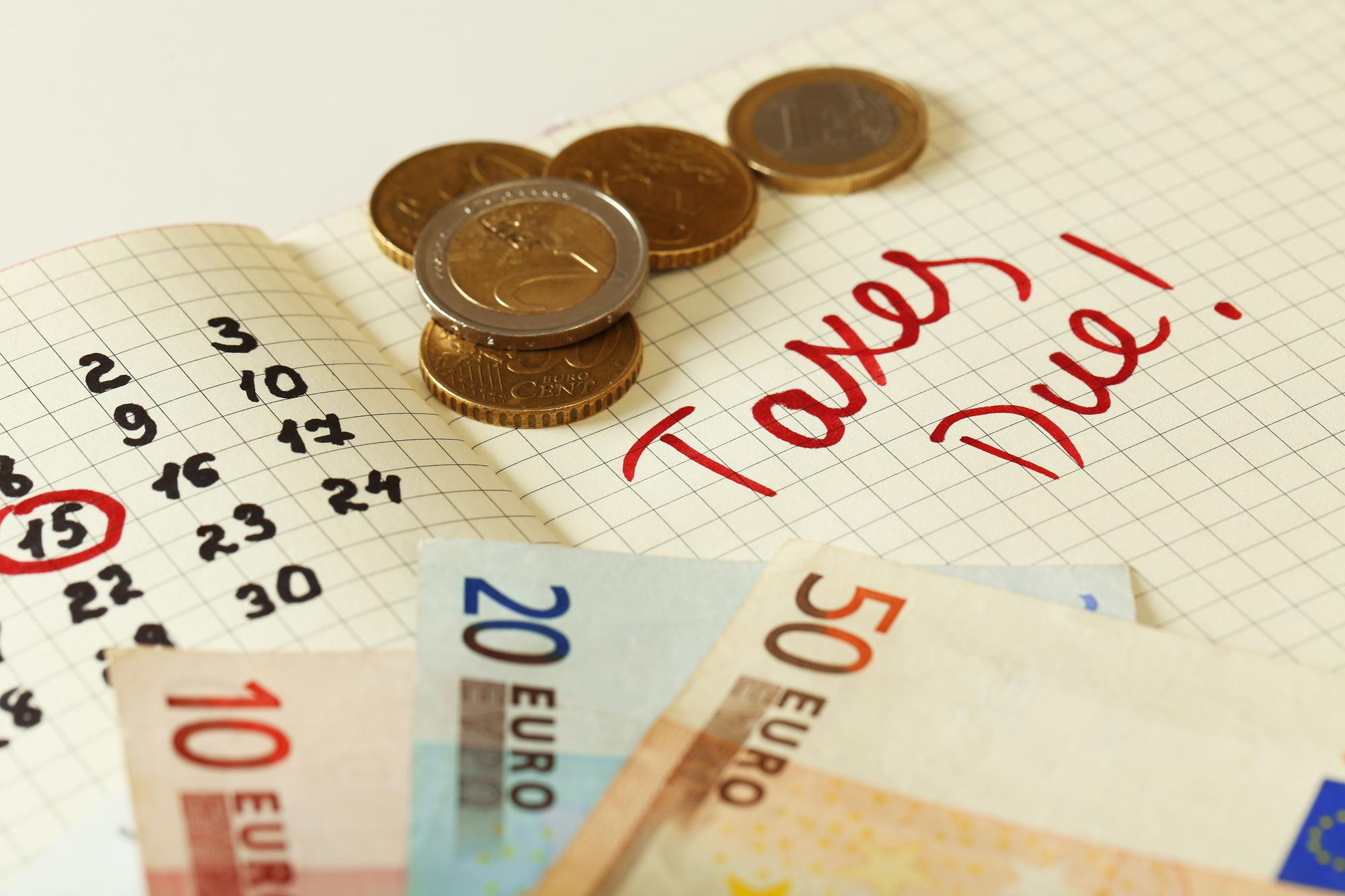
Plan for about $150 per day to cover housing, meals, and transit, totaling around $1,050 for seven days. This value-focused guideline targets mid-range comfort in the main districts while keeping costs economical and predictable for a Moscow trip.
Housing and hotels: mid-range hotels run about $70-$120 per night; weekly housing costs range $490-$840. For lower costs, target neighborhoods a bit outside the center; else you may pay a premium for proximity.
Food: daily meals include quick bites and meals at restaurants. Breakfast or coffee at a cafe costs $3-$6; lunch $7-$15; dinner at a mid-range restaurant $15-$30. A fruit stop or market buys fruit for $1-$2 can trim the daily bill.
Transit: Moscow's buses and metro cover most routes. A single ticket costs about $0.60-$1.20, depending on the zone; a 7-day pass or smart card can keep weekly transport around $25-$40. This is the main way to move quickly and cheaply.
Ticketing and experiences: entry to main museums and attractions costs $5-$15 for standard tickets; some iconic sites reach $20-$25. Plan two to three paid experiences and mix in free viewpoints for balance.
Planning tips: evaluate options on the ground, leads to better deals. alexeymosc shares experiences about choosing neighborhoods and markets; from those insights, plan your week to save. If you need a permit for a visa, factor the one-off cost; otherwise, rely on digital payments and reliable payment systems when possible.
In terms of budgeting, this snapshot helps you plan with clarity. From housing to transport to food, weekly totals typically land in the $1,000-$1,300 range depending on district choice and season. Same logic applies across districts, but prices vary. nobody pays more when you compare same services across areas; value lies in timing and venue quality, not just cost. This approach keeps costs transparent and supports a decent Moscow experience.
Budget Lodging in Moscow: Hostels, Guesthouses, and Budget Hotels

Choose a central hostel with easy metro access to save time and money. Dorm beds in Moscow hostels are usually affordable, but staying in the heart of the capital can be expensive; you can find reasonably priced options in nearby districts. Prices are quoted in roubles.
Look for a place run by a reputable company or a small operator. In Moscow, a well-managed property with professionals on staff tends to be safer and cleaner, and value often beats a large corporate chain. A leader in budget lodging, with clear policies and friendly service, can set the tone for your trip.
Facilities to expect: clean shared bathrooms, kitchens for self-catering, and in-room lockers. Drinking in dormitories is commonly restricted, while common areas stay social. The capital city's pace means you'll find reliable Wi-Fi, daily cleaning, and attentive staff who can help with transfers and day trips.
Hint: use at least three booking sites, read a recent assessment from guests, and check walking distance to the metro. A hint is to compare cancellation policies and hidden charges. If a price looks too good to be true, you might be affected by extra fees for cleaning or late check-in; choose a place with transparent terms, or else you risk surprises that blow your budget.
Money-saving strategy: pick places that include breakfast or offer self-catering, and stay near a metro hub to cut transit costs. A modest, well-run property can offer a gold standard experience in budget travel; sometimes the best choice is a smaller operator who cares about their guests. Moscow remains a vibrant city for budget travelers if you plan and book in advance.
Eating on a Budget in Moscow: Affordable Restaurants, Markets, and Snack Options
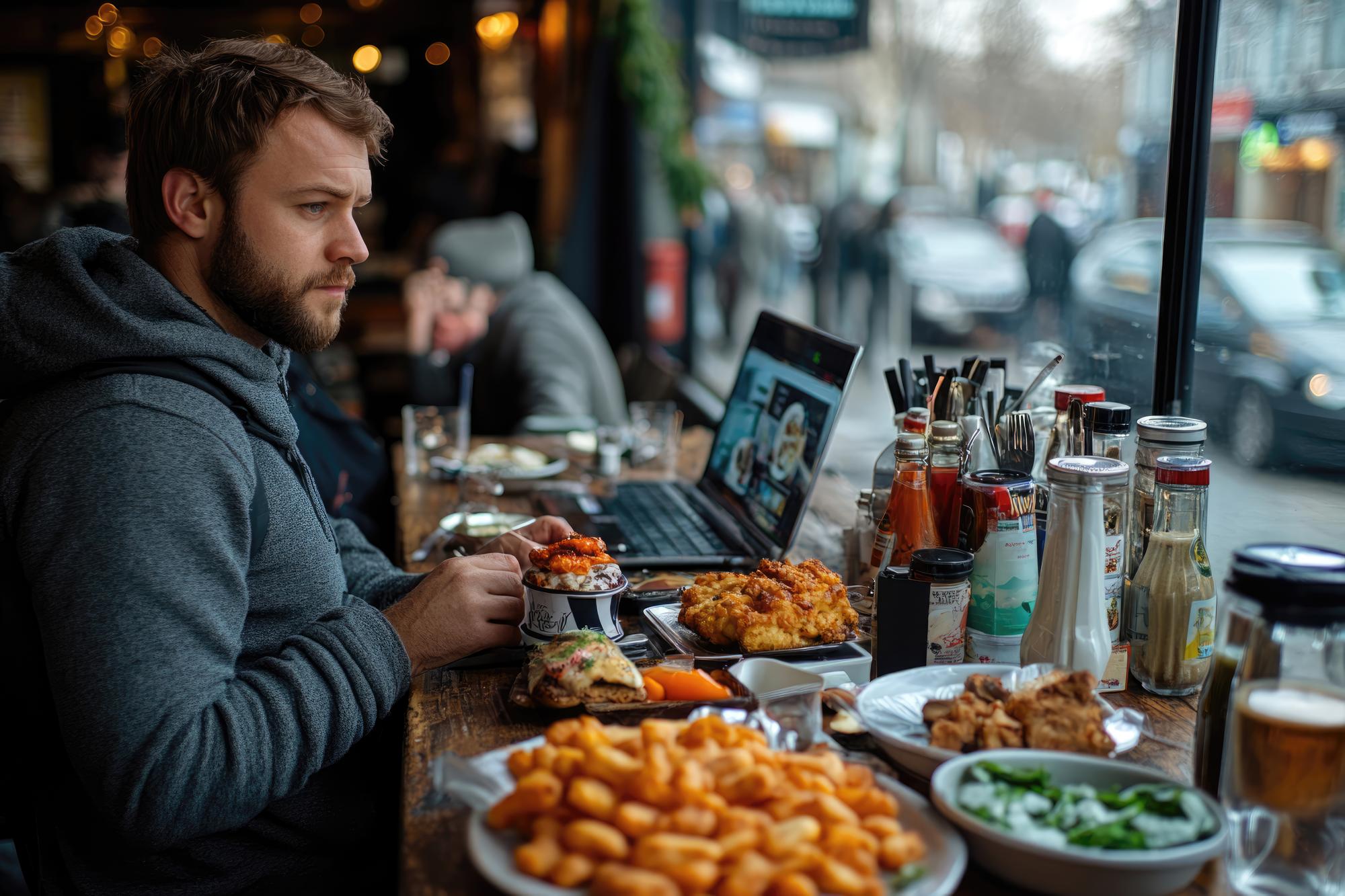
Start at Danilovsky Market for a budget-friendly lunch: dumplings (6-8 pieces) cost about 180-250 rubles, borscht or soup 150-210 rubles, pastries 60-120 rubles. The smell of fresh bread greets you at every stall, and you can sample several items to build a whole meal. This isnt fancy dining; it includes much value for a traveler who wants to stretch money. If you're with a friend, you can split a couple of dishes and still stay under budget, and you can take a quick break to Netflix later. Local vendors themselves keep the spaces lively, and you'll notice the crowd shrinks as you move between counters.
Teremok, a local chain, offers popular pelmeni, blini, and porridge with a simple, clear menu. Most meals sit around 150-250 rubles, and some combos include tea. The difference between Teremok and a sit-down cafe is price, but the quality remains consistent. There's no long wait, and you can grab something to go. Alex, who works at a Moscow Teremok location, says: theres always something for everyone, which helps you decide what to try next. If you want to try multiple items, you can take a small plate and enjoy at a nearby park or station bench.
Markets beyond Danilovsky reveal a kingdom of cheap, tasty bites. Izmailovsky Market and nearby stalls offer olives, bread, dumplings, smoked fish, and pies at gutted prices compared with central venues. There's a large variety to choose from, so you can build a large, satisfying meal without paying much. Since menus vary, read posted prices at each stall; sometimes the best value hides in a smaller counter rather than the most popular booth. One point to remember: you can sample multiple items and still stay within a slim budget; theres always something affordable if you look closely.
Smart strategies to stretch your rubles:
- Plan a route that combines a market lunch with a cheap snack later, so you get a whole day of eating for little money.
- Choose small portions first and ask for takeaway if you're still hungry; you'll avoid paying for things you dont finish, which helps prevent destruction of leftovers.
- Check the posted menus on stalls; this included approach reduces miscommunication and cuts wait times.
- Look for locals, not only travelers-local shoppers know which stalls deliver value and which are overpriced.
Snacks and quick bites to consider:
- Dumplings in a portion of 6-8 pieces from market stalls (180-250 rubles).
- Pirozhki or savory pastries (80-140 rubles each).
- Smoked fish pieces, olives, and pickles from Izmailovsky Market (a small plate can be 150-300 rubles).
- Fresh bread with butter or jam, a simple, filling starter (60-120 rubles per item).
Lastly, plan a budget with amonth in mind. With careful choices, much included in price and portions, you can enjoy amazing flavors without paying for much. If you're a fool for good food, you'll enjoy the variety at these local stalls; you'll take away a memory, and you'll probably want to return often. There're always new tastes to try, and you can do it without breaking the bank. The point is simple: mix dumplings, pies, and soups in the same stroll, and you'll walk away with a full stomach and a happy wallet.
Getting Around: Transit Costs and Intercity Travel Between Moscow and Saint Petersburg
Book the Sapsan high-speed train for Moscow-Saint Petersburg: expect 3h30m, with economy tickets around 4,500-7,000 rubles (roubles) and business class 12,000-18,000 rubles. Prices vary significantly by season, so plan 2-4 weeks ahead to lock lower rates. If your interests include a Kremlin tour or evening theatre acts, this option lets you arrive ready to explore without a long wait. For speed and reliability, the Sapsan across the corridor between Russia's two capitals remains the best option for a tight itinerary.
Buses offer a cheaper alternative: 2,000-3,500 rubles and 9-12 hours of travel. Choose a recognized name in the sector to avoid cramped seats and hidden fees; check reviews on Facebook before booking. If you have a limited budget, buses might fit, but beware of mistaken deals that mention maggots in seats. You can still make the journey comfortable by planning rest stops and meals, which helps if you are following a broader tour across Russia or beyond. Also, consider the environmental impact of options if that matters to you. Greed-driven offers and extra charges should be avoided to keep costs predictable.
Flights run roughly 6,000-15,000 rubles with flight times around 1 hour 20 minutes to 1 hour 45 minutes. Add airport transfers and possible luggage fees, bringing total to about 9,000-18,000 rubles. Booking early via major carriers helps lock lower fares; promotions appear, especially in shoulder seasons. If your itinerary includes a broader tour that touches multiple European cities, you might pair this hop with connections to italy as part of a longer travel plan.
Local transit in Moscow and Saint Petersburg stays wallet-friendly and easy to navigate. A single metro ride costs about 60-70 rubles; multi-ride passes dramatically reduce per-ride costs, ideal for Kremlin tours, theatres, and a day at the Hermitage district. Across both cities, buses, trams, and taxis work reliably and offer higher amenities, including well-lit stations and comfortable furniture. Use the Troika card in Moscow and the local equivalents in SPB to maximize value, and rely on bilingual signage to follow routes through stations. If your interests include a beach day or a jews history tour, you can weave those stops into a well-paced itinerary that uses both rail and surface transport. Then notice how easy transfers connect central sights, then enjoy a smoother day of sightseeing.
Saint Petersburg on a Budget: Museums, Tours, and Affordable Day Trips
Recommended plan: allocate three museum visits with affordable tickets, add two free or low-cost walking tours, and include two affordable day trips from Saint Petersburg. This keeps a week within reach while you soak in the city's art, streets, and stone architecture.
This report focuses on practical choices for travelers abroad who want high value without high costs. What you save on tickets you can invest in transit, meals, and small experiences with locals in the community. The truth is that you can explore grand museums and intimate galleries without blowing your budget.
Museums on a budget
- Hermitage is the star, but plan for a scaled day: consider an early or late entry and limit galleries to two blocks of time. Tickets typically range from 800 to 1,500 RUB depending on exhibitions; check the official portal for current prices and hours. There are there opportunities to see highlights with a focused plan to keep costs reasonable.
- Russian Museum and nearby galleries offer cheaper options on some days; expect general tickets in the 600-1,000 RUB range. Look for combined or timed-entry tickets to save; a single visit won't break the budget if you pick one major show and a couple of smaller exhibits.
- Smaller museums like the Erarta or the Museum of Political History present contemporary or thematic displays with entry in the 1,000-1,700 RUB bracket. If you're tight on time, you can alternate one big museum with a couple of affordable ones to balance value and variety.
- Look for free or reduced hours: some venues offer student, senior, or first-Thursday discounts. Always verify on the museum's official portal before you go to avoid surprises. If you skip one full-price day, there's still room for a couple of intimate experiences without pressure.
Budget-friendly tours and experiences
- Free walking tours are common and civic-minded guides work for tips. These let you learn the city's layout, streets, and stories without a large upfront cost; you can tip what you're able at the end of the walk.
- Actor-led or guided themed tours can add color to known sights. You'll get context in a compact time frame and often with a small group, which keeps the price per person reasonable.
- Neighborhood strolls led by locals give you a sense of the city's rhythm, from markets to coffee shops in the back streets-this is where the truth about daily life reveals itself.
- When you buy tickets, compare options on various platforms and select those with the best value for your dates. The common approach is to combine a paid title with a free session, so you get variety without paying a premium.
Affordable day trips from Saint Petersburg
- Kronstadt fortress and island day trip: ferry or hydrofoil rides can be affordable, with a day-long itinerary including the fortress and sea views. Plan for 1,000-2,000 RUB for transport and entrance fees combined, depending on choices.
- Pavlovsk or Pushkin (Tsarskoye Selo) parks and palaces: take a regional train or a bus for a modest fare, then explore the grounds and free exterior views. Palace interiors cost extra, so budget 800-1,800 RUB for a ticket if you want to go inside, or simply enjoy the park for free.
- Peterhof lower-cascade areas and fountains: public access and grounds are budget-friendly; a boat or bus ride plus a palace ticket can total around 1,000-3,000 RUB depending on what you visit.
- Alternative day trips to nearby towns can be very affordable if you ride shared taxis or regional buses. There's there value in visiting markets and historic streets, which lets you grow your knowledge without a heavy admission price.
Transit, food, and daily budgeting tips
- Transit: a 7-day transit approach helps you keep within budget. Single metro rides hover in the 60-80 RUB range; consider a multi-day pass if you'll ride often. Buses and trams supplement the metro for a well-rounded transit plan.
- Food: opt for lunch buffets or cafeteria-style places with 250-450 RUB meals; street food and bakery options can be 150-350 RUB. For evenings, choose a modest bistro or market counter to stretch your rubles further.
- Tickets and timing: buy online when possible to avoid lines and secure cheaper or timed-entry slots. If you're careful with picks, you might save enough to add another small experience during the week.
- Safety and streets: stay in well-lit, busy areas, especially when exploring at dusk. Security checks are common in crowded attractions; report anything suspicious to a staff member or local authorities. There are official safety portals and city information lines you can consult within your plan.
- Local businesses: support small cafes, bookshops, and craft stalls in the neighborhoods; you'll often find better prices and friendlier service than in larger tourist enclaves. A stranger you meet in a café may laugh at your attempts at Russian, but they'll often help you-these moments are part of the experience.
Practical planning notes
There's no need to overspend to understand Saint Petersburg's essence. Knowing the layout helps you optimize your day: combine a museum with a transit route that takes you through the stone facades and gilded domes, then end with a stroll along the Neva river embankments. There are there countless ways to experience the city without paying a premium, and this approach keeps you within a reasonable budget while you write your own story of discovery. For those who track budgets, this plan offers a realistic path to see varied art, listen to local voices, and return with memories rather than regret.
Conclusion: Saint Petersburg on a budget is achievable by balancing selective museum visits, low-cost or free tours, and thoughtful day trips. By planning around transit efficiency, you'll maximize time and minimize expense, there's there no need to chase every attraction in a single day. Within a week you can grow your knowledge, connect with the city's community, and there's there a steady way to tell your travel truth without overspending. If you're looking for a single source to start, this portal of ideas helps you map a practical, enjoyable itinerary for a budget-friendly week in Saint Petersburg.