
 简体中文
简体中文  English (UK)
  Русский
  العربية
  日本語
日本語  한국어
한국어  Magyar
  Türkçe
  Español
  Čeština
  Svenska
  Português
  Ελληνικά
  Suomi
Suomi  Nederlands
  Română
  Italiano
  Français
  Polski
  Українська
  Deutsch
  Slovenčina
 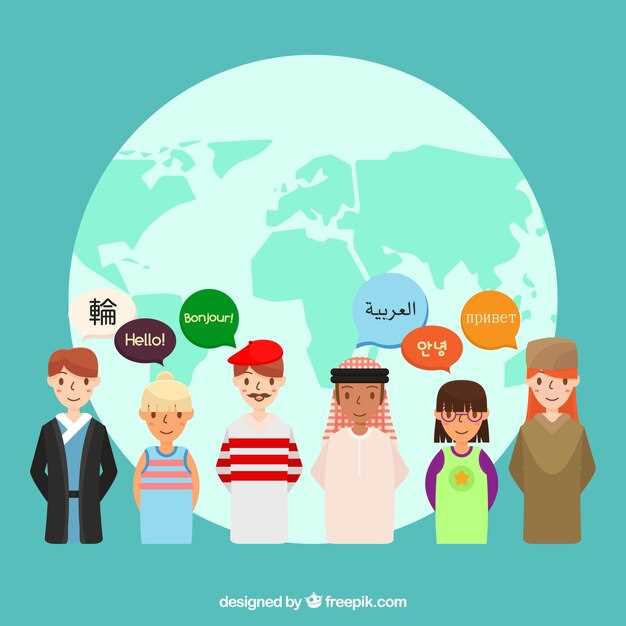 其他国家的社会规范——来自世界各地的 10 条礼仪提示">

推荐: Begin each trip by observing unwritten norms in confined spaces among locals; a respectful handshake when offered opens good conversations and sets the tone for the hours you spend abroad. These norms are highly considered by locals and backed by research, and our service helps you apply them smoothly.
1. Japan and Korea: Start with a light bow; a handshake is optional and may occur only if invited. Taking cues from locals helps you avoid missteps. In crowded spaces, keep your voice down and avoid dirty or flashy gestures; respect the unwritten rules and let conversing happen at a calm pace.
2. United States and Western Europe: A firm handshake lasting about 2-3 seconds works in most business settings; maintain steady eye contact and greet everyone in the room to set a good level of formality. If a group is conversing, wait for a natural pause rather than interrupting the flow, which is highly valued in service contexts.
3. Middle East and parts of Africa: Personal space is respected; use the right hand for greetings and avoid intrusive topics as a sign of respect. In receptions and queues, wait with patience and allow hosts to set the pace of conversations within their customary spaces.
4. Latin America: Expect warmth and occasional physical closeness; handshake or hug is common with consent, and light-handed conversation helps groups feel at ease. Keep a friendly tone and read the room so you join conversations at the right moment.
5. India and Southeast Asia: Namaste greeting, removing shoes in homes, and avoiding pointing; in conversations, maintain a calm voice and avoid any dirty or distracting gestures. Let conversations develop naturally and allow elders to set the pace, a good courtesy in hospitality settings.
6. China and Taiwan: In queues, wait your turn; avoid discussing sensitive topics in public, and keep a modest level of conversation. Avoid direct pointing and large public displays; let others take the lead in social spaces, especially in mixed groups where unwritten norms guide behavior.
7. France: Meals offer an opportunity to show restraint; keep hands on the table when appropriate and greet with a polite bonjour. Don’t rush the course and acknowledge pauses that signal a refined conversation in mixed company.
8. Germany: Punctuality matters; arriving within hours of the agreed time is seen as respectful. In business settings, a precise handshake, clear language, and a direct style are highly valued, with a focus on efficiency in service contexts.
9. Brazil and Italy: Expressiveness is welcomed, but respect personal space in new groups; use a warm tone and read social cues, avoiding intrusive questions until you receive a clear invitation to engage in deeper topics. Reading the room helps you adapt your style to local norms and social dynamics.
10. Australia and New Zealand: Be direct yet courteous; observe hosts’ timing and avoid dominating the dialogue. If unsure, ask a polite question at the right moment to join the discussion; this approach is reinforced by research and supported by our service, helping you tailor your etiquette for any audience.
10 Etiquette Tips by Country: Bowing, greetings, and punctuality mapped worldwide
Japan: In Japan, adhere to the quintessential bowing norms; a light 15-20 degree bow for casual greetings and a 30-45 degree bow for formal introductions. Shaking hands is not the default, so let the other person indicate if a handshake is welcome. When exchanging business cards, use two hands and display the card briefly so the other person can read it; this shows consideration and respect. Punctuality matters: arriving early is a basic fact of good manners and signals how seriously you take the schedule; even a half bow can suffice when the situation is informal. At events and in worship spaces, watch your body language and keep conversations open but not loud; always keep talking at a respectful pace. The hygiene and order you observe reflect the norms of the country and help you adhere to local expectations.
United States: In daily business and casual settings, offer a firm handshake with steady eye contact and a warm smile; this standard remains the baseline where trust starts. In drive-thru or service contexts, acknowledge the order clearly, keep voices calm, and show hygiene by avoiding cross-contact and using tissues as needed. Regularly arrive on time for meetings or events, and let your interest in the other person show through brief, relevant questions after the greeting; do not dominate the talking. In many workplaces, the boundary for physical contact is open, but let the other person lead. When ordering at a counter for fries or other food, say please and thank you to signal good manners. The fact remains that American etiquette favors open, direct communication and efficient interactions.
United Kingdom: A light, brief handshake with steady eye contact is common in business, while many prefer to use a respectful title and surname in formal settings. Punctuality is valued, yet social events can run late, so plan with a flexible margin and respect queues in shops and on public transport. In conversations, keep talking at a measured pace, show consideration, and listen more than you speak to convey interest; different social circles may call for different levels of informality, so watch for cues from nearby colleagues. When greeting someone you don’t know well, a nod or a soft hello is appropriate where the setting is quieter. Politeness balances practicality for both family gatherings and business discussions, making etiquette feel natural rather than rigid.
India: Begin with Namaste, palms pressed together; it’s a quintessential greeting that younger and older people alike use. Physical contact can be welcome among friends, but in many business contexts you should be cautious with the opposite sex unless invited. Address people by their title and surname during formal meetings; this shows respect and helps adherence to local norms and traditions. In religious events or worship areas, remove shoes where asked and follow local hygiene practices; during political or social events, stay considerate and avoid heated topics. In many regions, norms can differ, so be ready to adapt your approach to the context and watch hosts for cues about what is acceptable.
中国: In many business contexts, a light handshake is common, and presenting a business card with both hands is a must; place the card in front of you so it can be read and kept for a moment. Avoid public displays of emotion; instead, watch the other person’s responses and adapt. Time is treated with care: punctuality is appreciated, and discussions progress in a calm, organized way; show interest by asking open questions at the right moment. When moving in crowded spaces, keep a respectful distance and avoid loud talking that could disturb nearby colleagues. This approach reflects a blend of modern business practice and traditional norms in the country.
South Korea: Greet with a bow and a handshake, but use two hands for added respect, especially with elders or senior colleagues. In business settings, present cards with both hands and take a moment to read the card before putting it away; this shows consideration and respect for the other person. Time is important: keep meetings on schedule and respect prayer or rest times nearby; many social events have a built-in rhythm you should follow. Early introductions often involve some chatting beforehand, but avoid shouting or loud talking; maintain calm body language and show genuine interest in the conversation. If unsure, mirror the other person’s formality and scale your approach accordingly.
Germany: Punctuality and efficiency define most business interactions; arrive exactly on time and keep to the agenda. A firm, brief handshake accompanies a direct, clear conversation; language should stay formal until invited to be more casual. When in public spaces or offices, hygiene matters and personal space should be respected; avoid unnecessary physical contact in early meetings. If you are unsure about a topic, default to polite questions rather than speculative opinions; this aligns with German norms of factual, focused discussion. In nearby offices and conference rooms, maintain a calm, orderly environment to reflect respect for the process and the people involved.
巴西: Start with a warm handshake or cheek kiss with close colleagues, adjusting to how well you know the person. In both business and social events, openness and generosity matter–show interest and engage in light, friendly talk to build rapport. Time tends to be more flexible in social settings, but for formal meetings, plan to be on time and do not rush conversations. Keep a balanced distance; Brazilians appreciate physical proximity during conversations as a sign of engagement, but always read the other person’s cues. In casual dining, a relaxed atmosphere and good humor often drive the experience; this approach helps you fit in at nearby gatherings and events.
沙特阿拉伯: Handshakes may occur among men; women greet with more reserved gestures depending on the community. In business contexts, respect gender norms; if a woman offers a handshake, follow her lead or offer a light nod instead. Heed prayer times and business hours around worship schedules; opening hours can vary during religious events. Address hosts with formal titles and show patience when discussing terms; this matters as part of everyday etiquette in the country. When dining, wait for the host to signal seating and avoid rush or loud talking in mixed company; showing restraint communicates good judgment in political and social discussions alike.
France: In business, a firm handshake is common, with brief eye contact and a polite greeting. Among friends and colleagues, la bise–one to four light kisses–serves as a quintessential greeting, adjusted to the degree of familiarity. In conversations, maintain a certain level of formality at first and shift to a warmer tone with closer colleagues; watching the room and choosing the right moment to switch topics matters. Punctuality is valued in professional settings, while social events may start later; adapt accordingly and avoid blunt talking at meals. When eating, keep conversations balanced and respect the etiquette of the table; this helps you fit in across different contexts in the country.
Japan: Bowing etiquette; business-card protocol
Start every meeting with a shallow bow of about 15 degrees and present your business card with both hands, card facing the recipient so they can read it easily. This simple action communicates respect and helps foreigners adapt quickly, with much impact. Adapting to local rhythm becomes easier when this foundation is clear. This protocol is easy to apply in practice.
For formal occasions or when meeting senior executives, deepen the bow to roughly 30 degrees and keep your shoulder line straight; avoid leaning forward, which signals casualness rather than deference. This approach uniquely communicates respect and sets the tone for every subsequent discussion. Unlike some other cultures, the ritual relies on restraint rather than prolonged interaction.
Exchanging business cards follows a clear sequence: present your card with two hands, card facing up and readable, and receive similarly with two hands; study the name and title for a moment, then place the card on the table in front of you if seated or in a case if standing. Validate any uncertain readings by repeating the name once to confirm you understood correctly.
In meetings, address colleagues by surname plus san, or by their title if appropriate; keep conversations formal and focused on the terms of the discussion; avoid interrupting and give others space to speak.
At meals or parties, wine is common in many events, but some hindu attendees may refrain from alcohol; offer non-alcoholic options and wait for others to signal their preference. This approach fosters a comfortable atmosphere for all participants.
Travelers and passengers alike should respect the schedule; when you travel to japan for meetings, arrive a few minutes early; this protects the starting line of an important discussion from delays. If you need to step away briefly, apologize politely and resume with another brief bow.
To adapt, practice with a partner before travel; keep your language clean and concise, and use a calm tone–this routine fosters trust and makes etiquette easy for newcomers.
United Kingdom: Queuing etiquette; polite small-talk boundaries
Always join the end of the queue and wait your turn; extended patience makes the experience smoother for everyone in line.
The UK queue culture is a clear custom: everyone lines up, and locals expect fair play. In busy stations, shops, or cafés, a firm, respectful line reduces stress and speeds service for businesses and customers alike. When you are abroad, observe the same rules you use at home, because the culture differs by setting, yet courtesy remains universal.
Start with brief greetings and a courteous nod, then keep conversations short while waiting. If you exchanges a few words, let the chat end before your turn–exchanging words should feel natural, not intrusive. Someones space matters; avoid crowding others and maintain a comfortable distance, even in crowded queues.
While you wait, be mindful of seats and space: do not save seats for people who are not present, and let someone ahead who appears to need a seat more, such as an elderly person or a parent with a child. If someone in front of you steps aside to let a colleague or a family member pass, acknowledge the gesture with a simple thanks; this small act reinforces camaraderie and consideration.
At the counter, keep bills and change ready, and watch price tags so you know what to expect when paying. In cafés or shops, the customary tip is free to give if the service was good, but it is not obligatory; your words of thanks carry more weight than any extra money. If you’re unsure about tipping norms, follow the local staff’s lead and observe what locals spend or leave as bills.
When conversations do happen, limit topics to light, universal subjects: the weather, travel plans, or local events. Although friendly, small talk should stay brief to avoid monopolizing someone’s time. In general, reactions like a short greeting and a smile suffice to signal goodwill and keep the queue moving.
In summary, queueing in the UK blends extended patience with firm boundaries: greet briefly, exchange only a few words, respect strangers and locals alike, and keep the flow steady for everyone involved in the culture of waiting–whether you are at a shop, a station, or a business venue.
France: Formal greetings; correct use of titles
Greet with ‘Bonjour’, followed by the appropriate title and surname, and offer a handshake. Those first moments set how a meeting will unfold, so keep the gesture respectful and light.
Use the formal forms M. 或 Mme (and Mlle 在传统语境中)直到有人邀请你使用名字。在对话中,切换到 您 并用姓氏来称呼,这表明 考虑因素 好的。 thanks 并调整。 有 more 比起初次问候,更重要的是礼仪;保持你称呼他人方式的一致性。.
In 交谈 与同事,保持你的 language 专业且清晰;避免使用俚语。 条款 始终保持地址一致,并且 直接 当提出计划时,就停下来邀请他们的意见。这里有 much 在你回应时,重视倾听。这种平衡能帮助你从闲聊过渡到富有成效的讨论,且不打断他人,让每个人都感到被认可。.
准时 事项:准时到达 makes 一个好印象;如果你迟到了,打电话给主人简要解释。在正式会议中,保持在指定的 条款 和议程;避免在没有警告的情况下改变节奏。会议结束后,一份简短的 comment 或者便条可以表达善意,你应该表达 thanks 暂时。.
In 餐厅, ,通常的例行程序遵循平静、受控的 zone. 。的 指定的 服务器将处理您的表格;请保持。 cleanliness 并避免 脏 用餐空间中的区域。当 账单 到达,使用清晰的,, 直接 请求例如 ‘结账,谢谢。’. 。如果你要分享,请提出公平的分配方案,使用恰当的措辞;很多人会接受 条款 恳请。 thanks 致员工及简报 comment 在服务上。请记住:这是一个 惯例的 法国餐饮文化中表示相互尊重的习惯。.
德国:守时;直接但尊重的对话风格
准时和直接的规范要求你提早到达,准时开始,并简洁地说明结果。 对于会议,制定一份紧凑的议程,提前分享,并遵守分配的时间。 如果发生延误,请发送一份简短的通知,并附上更新后的预计到达时间。.
在对话中,保持直率而尊重。使用提示表明你已准备好发言;倾听,然后用具体的陈述回应。保持双肩端正,轻微微笑,并保持开放的姿势以显示参与。这种效率和温暖的融合是德国商业文化的核心概念。这种方法完全实用。.
在办公室里,结束讨论时要明确结论和后续步骤;许多团队依靠简短的总结来防止产生歧义。咖啡休息时间尽量减少干扰,并迅速恢复工作。如果你看到有人在记笔记或组织任务,主动提供帮助,不要拖延。用直接的陈述称呼每个人,避免点名任何人。.
在欧洲旅行需要适应当地的规则和环境。在欧洲旅行时,尊重当地规范并调整你的方法。德国人希望在讨论产品或服务时,话题有精确的顺序,价格条款有完善的记录;带上数据、价目表和时间表,并以书面形式确认决定。在某些环境中,美国人可能更随意;用简明扼要、数据支持的方案和明确的截止日期来回应。这种对比有助于防止摩擦,并保持会议效率。.
在招待会或用餐期间,保持食物的简单,分量适中;避免在谈判期间安排冗长、油腻的餐食;利用咖啡会议保持势头并集中注意力。.
| 方面 | 德国方案 | Practical action |
|---|---|---|
| 时间和结构 | 准时开始;主题顺序很重要 | 提前 24 小时分享一份简短的议程;为每个议题设定时限;指定负责人 |
| 对话风格 | 直接但尊重;简洁 | 以目标开篇;呈现数据;暂停输入。 |
| 肢体语言 | 提示引导互动;肩膀对齐;微笑 | 保持眼神交流;点头回应;避免懒散地坐着 |
| 休息 | 咖啡休息时间短暂 | 限制在5分钟内;迅速恢复。 |
| 谈判和订单条款 | 产品、价格和交付周期的清晰条款 | 提供包含数量、价格、交货日期的书面提案;确认决定 |
| 旅行与适应 | 在欧洲环境中,适应当地规则 | 携带简报;记录决策;尊重当地习俗 |
这种方法支持跨多个办公室和人员的高效协作,减少混乱,并有助于防止会议延误,无论是出差还是与德国团队合作。.
印度:合十礼问候;脱鞋及寺庙礼仪

合十礼团结同胞;双手合十于胸前,微微鞠躬。这一典型的姿势,是一种尊重行为的范例,为任何互动定下基调。.
进入住宅或寺庙前,请脱鞋;将其整齐地放置在门口,这在许多家庭中是一种习惯。如果您忘记了,请向主人或寺庙工作人员寻求指导,然后在未来遵循张贴的标志。.
在寺庙穿着要朴素:遮盖肩膀和膝盖;摘掉帽子或太阳镜;避免佩戴引人注目的珠宝;在城市环境中,遵守张贴的规则,并效仿当地人的做法。你的行为应尊重场所的神圣性和周围的虔诚氛围;如果任何规则不明确,请咨询工作人员。这与参观神圣场所时常见的礼仪一致,保持平静和尊重的氛围。.
在偶像附近通常会限制摄影;拍照前请先咨询工作人员或朝圣者。如果您收到祭品,请双手接过并轻声说“谢谢”。请勿将祭品丢弃在地上;这体现了明确的谢意并尊重仪式。.
在亚洲语境中,“合十礼”是家庭中常见的问候方式;韩国则有不同的习俗,但尊重当地习俗能带来顺畅的体验。用餐时,通常会以上菜的方式呈上许多菜肴;在城市餐馆中,餐具很常见,而一些面包和咖喱则用手拿着吃。用右手拿食物或面包,并注意主人如何分享餐桌上的菜肴。结账时,礼貌地处理账单,并感谢服务员的服务。.
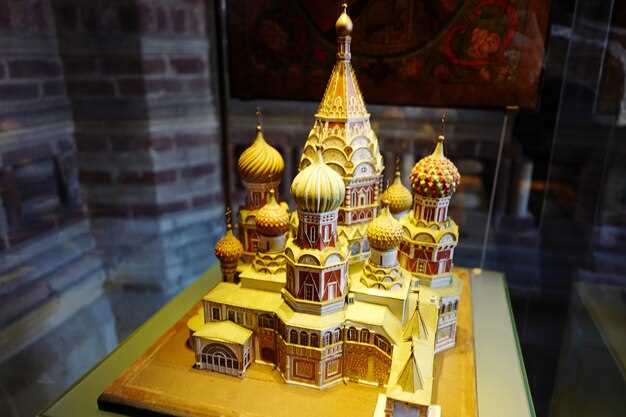 Moscow Kremlin – History, Architecture & Visiting Guide">
 2025年莫斯科当代艺术景象——主要画廊与艺术家">
 俄罗斯火车旅行指南 - 乘坐火车横跨俄罗斯">
 俄罗斯莫斯科 16 家最佳啤酒厂和精酿啤酒 - 权威指南">
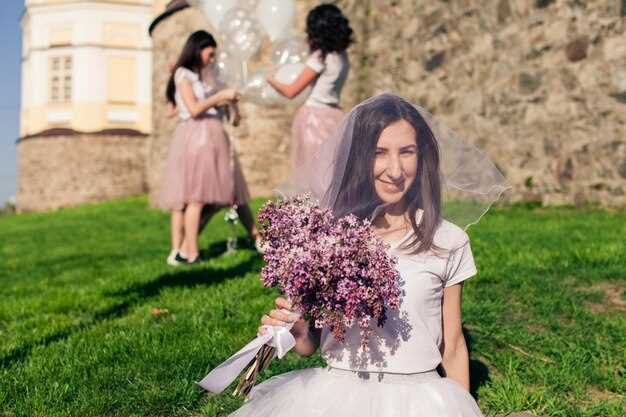 在莫斯科结婚——俄罗斯难忘的婚礼创意">
 莫斯科智慧旅游——现代旅客的应用程序和数字工具">
 莫斯科轻松周末游——公园、咖啡馆和文化的宁静指南">
 莫斯科情侣探索和联络感情的 5 大休闲约会创意">