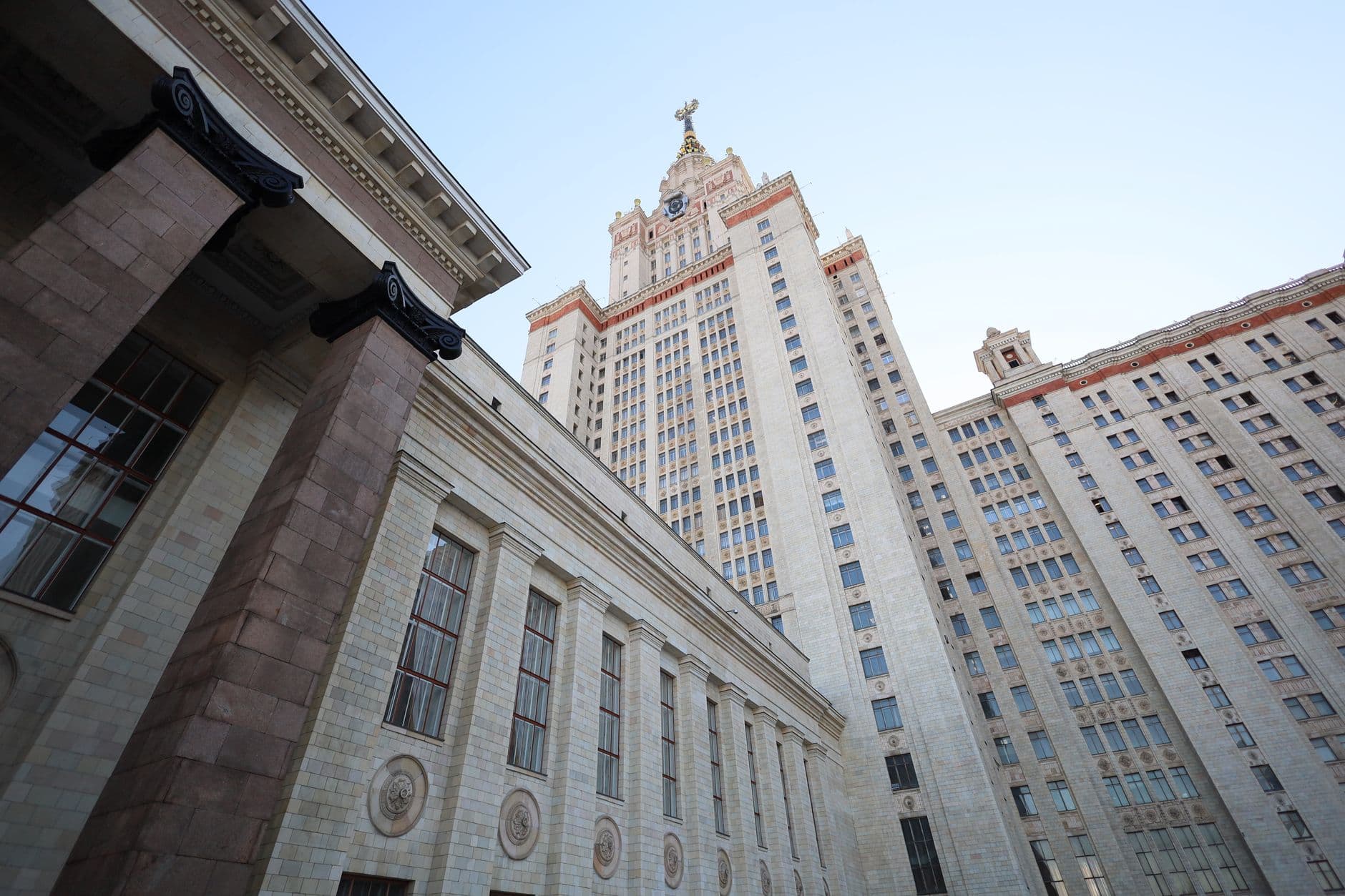
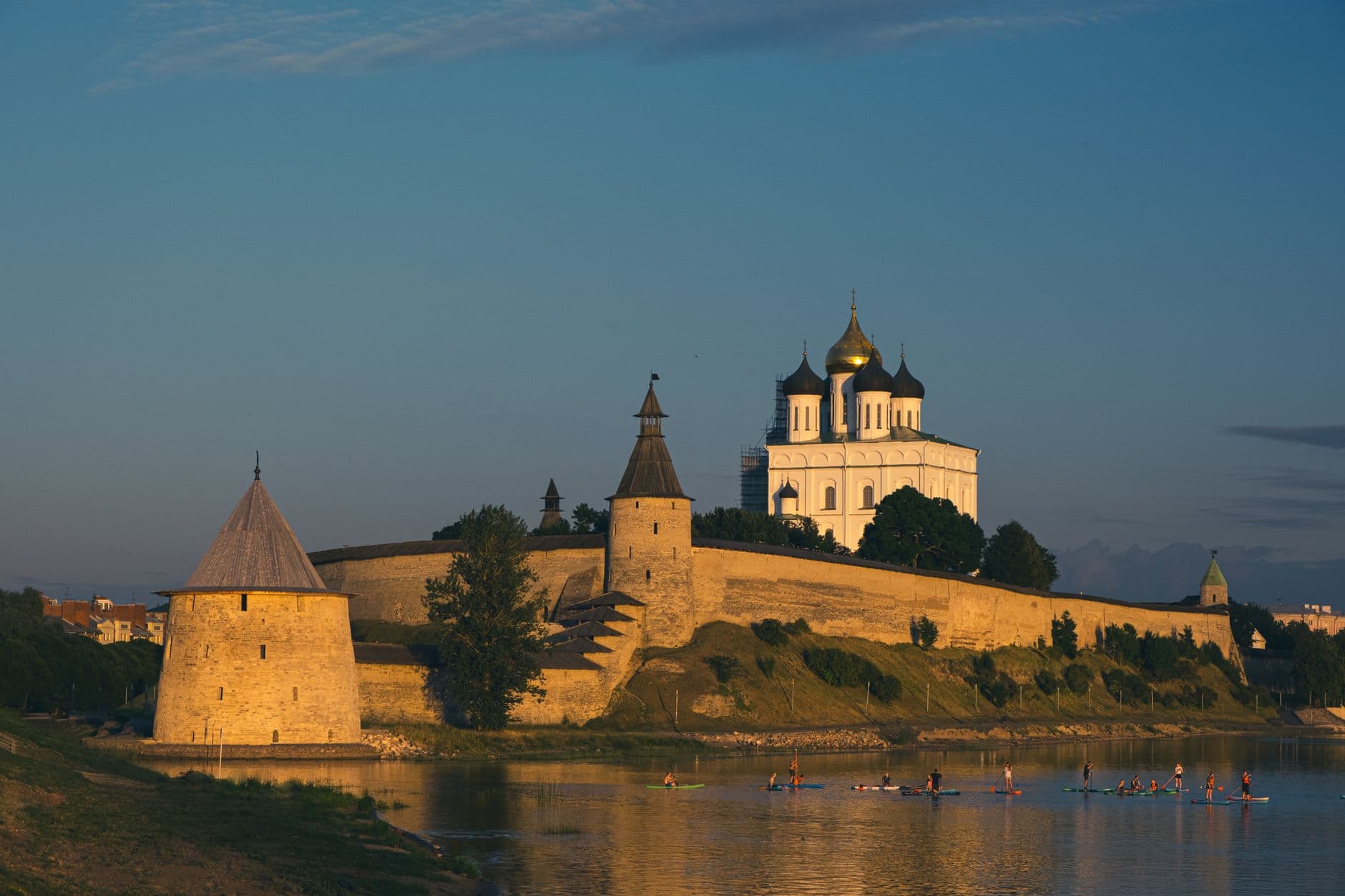
ابدأ بنزهة مصحوبة بمرشد على طول الطريق النهري بالقرب من الكتل المركزية، حيث تم رفع العديد من الأحجام الشاهقة خلال منتصف القرن العشرين لإبراز مظهر موحد.
هل تخطط لزيارة متاحف موسكو؟
دون انتظار — تذاكر وجولات إرشادية لمتاحف موسكو.
احجز جولة →تسلط مجموعة الصور هذه الضوء على عشرة هياكل بارزة من حقبة الدولة في العاصمة، كل منها تحفة فنية فريدة موصوفة بأرقام ملموسة: يتراوح عدد الطوابق من سبعة إلى اثنين وعشرين، وتشمل المواد الطوب والخرسانة والزجاج، والتصميم الذي شجع الحياة الاجتماعية في النوادي والأماكن العامة. يعتمد التصميم على أحجام شاهقة وعملية، مع جماليات صناعية وواجهة خرسانية مسلحة، وكانت النتيجة رائدة في ذلك الوقت.
لتخطيط مشاهدتك، ركز على ثلاث مجموعات تم إنشاؤها لإشراك المجتمع بالقرب من الطرق الرئيسية. عندما تقترب، لاحظ أين تتماشى المداخل الرئيسية مع طرق المشاة وكيف ترحب البهو الموجود في الطابق الأرضي بالزوار. يدعوك كل موقع إلى مقارنة كيف يحتضن التجميع الشارع ويشكل منظرًا متماسكًا للمدينة.
يمكن الوصول إلى هذه المواقع عن طريق خطوط المترو والحافلات، وتقع بالقرب من العديد من نقاط العبور وتوفر فرصًا لتصوير نسيج الطوب والزجاج والخرسانة. يسمح لك الترتيب برؤية كيف يتوافق الإيقاع الرأسي على الواجهة مع شبكة الطرق الأفقية، مما يشجع على التقدير الملموس للمظهر على نطاق واسع، وهي مناسبة لنزهة صور مركزة.
بالنسبة لأولئك الذين يستمتعون بنظرة أعمق، اختر زوجًا من المرافق التي تم تصميمها حول النوادي المدنية والغرف الثقافية؛ تتميز الطوابق الداخلية بممرات واسعة وسلالم ضخمة. يوضح هذا التباين بين الأقبية النفعية والقاعات الاحتفالية نهجًا رائدًا شكل جيلًا من الفضاء العام.
تستند المجموعة إلى الخطط الأرشيفية والدراسات الاستقصائية في الموقع، مع ملاحظات تفصيلية حول سنوات البناء والعملاء الأصليين والمكان الذي يقع فيه كل هيكل في النسيج الحضري. إنها تدعوك إلى مقارنة الأشكال عبر عدة مناطق وتقدير كيف يمكن لسياسة واحدة أن تشجع على ظهور مدينة متماسكة دون التضحية بالفردية.
دليل عملي لتصوير العمارة السوفيتية في موسكو
ابدأ بتوصية ملموسة: حدد موقعًا واحدًا، واستكشف زوايا الضوء في الساعة الذهبية، وقم بتأطير للتأكيد على الصور الظلية الشاهقة والطوابق العليا.
اختر نقاط مراقبة تقع بين الشوارع والساحات حيث يلتقي إيقاع الخطوط بالانعكاسات، بحيث يبدو المنظر راسخًا وواسعًا.
وثق المجموعات التي تعود إلى الحقبة الروسية بواجهات زجاجية وتفاصيل خرسانية مزينة، مع موازنة اللقطات المقربة والإطارات الواسعة لالتقاط الملمس والمقياس.
التقط صورًا ذات تعريض ضوئي متفاوت للاحتفاظ بالسماء والظل، واستكشف التباين العالي من وهج الشمس على الزجاج للكشف عن عمق المادة.
تشمل الأمثلة الرئيسية narkomfin و solovki، مما يوضح مرحلة رائدة بتجميع ضخم يتحدى الوظيفة البسيطة.
قم بتضمين الطلاب والزوار الذين يستكشفون المواقع، لنقل المقياس والسياق، وإظهار كيف تتفاعل الحشود مع الخطوط الكنتورية الضخمة.
ابحث عن بقعة تعكس فيها البرك الأبراج، مما يخلق صورًا ظلية عائمة ولمسة من التجريد على الأسطح الرطبة.
أعلنت الخطط التاريخية التي وضعها أليكسي وأقرانه خلال مسابقة عن هذه الكتل، مما يرسخ المزيج الأسلوبي وذاكرة المدينة.
بين المنحدرات الخارجية والزوايا الشاهقة، قم بالتصوير من منتصف الارتفاع للكشف عن التفاعل بين الخطوط عبر عدة طوابق وشرفات عمودية.
حافظ على تسميات توضيحية موجزة: لاحظ الموقع والعصر والميزات المميزة، بحيث تحكي كل لقطة بالفعل قصة مدمجة للمشاهدين الذين يستكشفون هذا التراث.
| بقعة | إرشاد |
|---|
| narkomfin | قم بتأطير الارتفاعات الطويلة بعدسة واسعة؛ استهدف ضوء الصباح الباكر لتنعيم الخرسانة وإبراز هندسة الشرفة. |
| solovki | قم بمحاذاة الأعمدة على طول محور الواجهة؛ قم بتفاوت التعريض الضوئي لموازنة الكتلة مع سماء مشرقة. |
| كتل وسط المدينة | استخدم عدسة مقربة لعزل الملمس على الزوايا المزخرفة؛ قم بالتصوير عندما تؤكد زاوية الشمس على العمق واللعب بالظل. |
زوايا وإطارات الصور المميزة معلمًا تلو الآخر
ابدأ بإزاحة 30-40 درجة من محور كل معلم للتأكيد على البرج والحفاظ على وضوح المنطقة المحيطة والتفاصيل الخارجية؛ في موسكو، تتوهج القوام الحديدية واللمسات البرونزية مع تحول الضوء على طول الواجهة.
المعلم أ: من الركن الشمالي الشرقي للساحة، قم بمحاذاة الخط بحيث يرتفع العمود الرئيسي بإمالة 25-35 درجة؛ يلتقط الزخرفة البرونزية الضوء، والعديد من الأشجار في المنطقة المحيطة تؤطر النصب التذكاري؛ تحافظ هذه الزاوية على الجزء الخارجي ثم تجعل الأضلاع الحديدية تبرز فقط.
المعلم ب: عبر الساحة، قم بالتصوير من زاوية منخفضة للسماح للبرج بالسيطرة على الأفق؛ ضع معسكرًا من الزوار في المقدمة لتحديد المقياس، واجعل كتل الفندق مرئية في المسافة للحصول على نسيج.
المعلم ج: استخدم نقطة مراقبة أعلى على طول الخط الذي يمر بجانب القاعدة؛ تم تحويله قليلاً للكشف عن الزوايا المنحنية والزنجار على البرونز؛ تجنب الفوضى في المنطقة المحيطة بينما يقف النصب التذكاري في ارتياح ضد السماء.
المعلم د: في الأحياء التي تعود إلى الحقبة السوفيتية القريبة، اعكس تناسق ترتيب الكتلة عن طريق اختيار نقطة مراقبة عبر الشارع؛ احتضن هندسة الخطوط المستقيمة والأشكال الدائرية لنقل التصميم المستوحى من المدينة الفاضلة.
المعلم هـ: ركز على تفاصيل السطح عن طريق الاقتراب والتصوير من الخارج بإمالة 50-70 درجة؛ دع العوارض الحديدية والوجه البرونزي يخلقان نسيجًا أثناء تضمين خط الرصف الذي يشبه صفًا من الأطباق في إيقاع هادئ يمكنك الاستمتاع به.
ملاحظة عامة: غالبًا ما تعمل بشكل أفضل عندما تقوم بتغيير المسافة بحيث يقدم كل إطار مزاجًا مميزًا؛ قم بتضمين أليكسي كمتعاون للحفاظ على سير العمل واضحًا والتأكد من إنشاء كل لقطة بقصد، وليس تكرارًا.
الإغلاق: من خلال احتضان هذه التحولات في المنظور، فإن المجموعة التي يتم إنشاؤها تنسج تباينات بين الشكل الضخم والنسيج الحضري، مما يخلق جولة متماسكة عبر القصة المشفرة في الحجر والمعدن والضوء.
نوافذ الإضاءة المثالية للقطات الخارجية
اختر النوافذ المواجهة للشرق في الأقسام السفلية إلى المتوسطة الارتفاع للحصول على ضوء صباحي ناعم يسلط الضوء على الملمس والتفاصيل النحتية، وتجنب الوهج القاسي في الظهيرة. ضع الهدف بحيث يلتف الضوء حول الواجهة بزاوية 30-45 درجة تقريبًا للكشف عن العمق والعظمة.
- الوقت والاتجاه: قم بالتصوير خلال الساعة الأولى بعد شروق الشمس أو الساعة الأخيرة قبل غروب الشمس للحصول على نغمات دافئة أو باردة؛ اضبط حسب الموسم؛ عندما تتعقب الشمس منخفضة، ضع الكاميرا بحيث يعبر الضوء السطح بدلاً من أن يضربه بشكل مسطح؛ وبالمثل، بالنسبة للواجهات المواجهة للغرب، خطط لنوافذ بعد الظهر لالتقاط ظلال أطول تنحت ميزات الحجر.
- جودة النافذة والمعدات: فضل الألواح الكبيرة ذات العوارض القليلة للحفاظ على وضوح الواجهة؛ إذا كانت الانعكاسات مهيمنة، فاستخدم مستقطبًا وقم بالتصوير بزاوية 16-35 مم على هيكل كامل الإطار للارتفاع الكامل أو 24-70 مم للتفاصيل المتوسطة؛ اضبط ISO 100-200 وتوقف إلى f/8-f/11 للحفاظ على نسيج السطح؛ قم بتفاوت التعريض الضوئي للمزج اللاحق للحفاظ على النسيج الأصلي.
- التأطير والإيقاع: التقط 2-3 مستويات للنافذة لإنشاء إيقاع عبر الارتفاع، مما ينقل العظمة وإيقاع التصميم؛ قم بمحاذاة الخطوط الرأسية مع الخطوط المعمارية للحفاظ على التناسق، وتأكد من أن التركيب يظل مخلصًا للموضوع بدلاً من التعويض بالتشويه؛ يمكن تحسين الزوايا التي تم تصويرها مسبقًا بتحول جانبي صغير؛ يجب أن يعكس إيقاعها الطابع الأصلي للمبنى.
- جودة الضوء والطقس: السماء الصافية تعطي تعريفًا حادًا للحافة؛ ينتج الطقس الغائم إضاءة متساوية تكشف عن ارتياح خفي؛ في الضباب، يلتف الضوء بنعومة أكبر ويزيد من الإحساس بالعمق؛ هذا النهج مفيد للكتل ذات الطابع التاريخي وتلك التي تردد المثل العليا لعصر لينين أو هندسة عصر سبوتنيك؛ في بعض الأحيان يستفيد المزاج من لوحة منخفضة التباين تؤكد على الملمس.
- التعريض الضوئي واللون وما بعده: قم بقياس النغمات المتوسطة على الواجهة لتجنب الإبرازات المتوهجة على الأفاريز؛ في RAW، حافظ على درجة حرارة اللون الأصلية التي تعكس وقت اليوم (صباح بارد مقابل غروب دافئ)؛ تجنب التشبع الشديد الذي يشوه لون الحجر؛ في المعالجة، احتفظ باللون الحقيقي للموضوع للحفاظ على المظهر الأصلي، وخاصة النغمات البيج الدافئة أو الرمادية؛ تأكد من أن قلب المادة يظل مرئيًا.
- التأكيد السياقي والتجربة: بالنسبة للمواضيع الواقعة على طول الطرق الواسعة ذات التجميع الضخم، ادفع الضوء للكشف عن المنطق الهيكلي للمبنى وأرشيف القرارات التاريخية؛ ادفع نفسك لتجربة نافذتين أو ثلاث نوافذ لكل موضوع؛ هذه فرصة لاكتشاف نتائج مذهلة من خلال الجمع بين الملمس والظل والخط - مما يخلق أحيانًا إيقاعًا منضبطًا للبحار؛ تشجع هذه الأساليب المشاهد على التواصل مع تراث الموضوع، بما في ذلك الهندسة المعمارية التي تستخدمها المؤسسات العسكرية والمكاتب النخبة، مما يعكس استراتيجيات العاصمة الشاهقة.
قم بتكييف هذه الخطوط الأساسية مع كل موقع، مع التركيز على طابعها الأصلي، والوظيفية في التصميم، والطريقة التي تتفاعل بها الواجهة مع النسيج الحضري المحيط.
قواعد الوصول العام والتصوير الداخلي
تحقق من أذونات الوصول واللافتات قبل أن تبدأ، هذا مهم. بعض المناطق داخل المنطقة مقصورة على الموظفين المصرح لهم، وقد تختلف النوافذ الزمنية للتصوير. تحقق دائمًا مما هو مسموح به وما هو غير مسموح به، خاصة بالقرب من ممرات الخدمة والأجنحة المقابلة للمجمع.
استخدم فقط الطرق المقبولة وحافظ على مستوى الصوت منخفضًا. لا تستخدم الفلاش بالقرب من الشاشات أو في المناطق الحساسة؛ ابق على المسارات المخصصة ولا تسد المخارج أو المناطق المزدحمة؛ تجنب تعطيل الأحداث؛ خطط لقطاتك للوجهة واستمتع بالتجربة.
يجب توجيه أسئلة الوصول إلى الموظفين أو أحد المطلعين، وقد تطلب نوادي الإعلام تصريحًا. يعتمد الوصول على الغرض والإذن؛ إذا لم تكن متأكدًا، فاسأل قبل التصوير واحترم الحدود المنشورة؛ قد تتطلب بعض التصميمات الداخلية مرافقة.
خطط حول الأوقات والمناطق القريبة من المحطات والمراكز الأخرى، وفكر في مراكز التسوق أو الأسواق القريبة. إذا كنت بحاجة إلى تصوير مكان في ردهة تشبه المركز التجاري أو بالقرب من محطة، فالتزم بالمناطق العامة وتجنب إعاقة التدفق؛ كن حذرًا عند وجود حشود وعندما تشير اللافتات إلى أوقات مقيدة. لاحظ أيضًا أن محلات البقالة والمشاهد اليومية الأخرى قد تحيط بك، ولكن ابق مركزًا على وجهتك.
تعتبر إرشادات المعدات مهمة للسلامة والكفاءة. يوصى باستخدام الكاميرات المحمولة؛ فكر في تجنب الحوامل ثلاثية القوائم ما لم يتم منح تصريح رسمي؛ تحقق من كابلات الطاقة وتركيبات العرض بحثًا عن المخاطر؛ حافظ على اللقطات سرية لتجنب لفت انتباه الموظفين أو المديرين - يحتفظ الرئيس بالجدول والقواعد، لذا اتبعها؛ تجنب أيضًا التظاهر بأنك قناص.
احترام الآخرين والمشاهد التي تلتقطها. لا تتعدى على المناطق المحمية؛ حافظ على احترام الموظفين وتعليماتهم؛ خطط لتسلسل يسمح للآخرين بالاستمتاع بالمكان؛ جرب الزوايا والإطارات الثابتة والإضاءة مع البقاء ضمن الحدود المسموح بها؛ لهذا السبب يمكنك إنشاء مواد مقنعة.
الممارسة المستمرة والسلامة. إذا كانت هناك أحداث جارية، فقم بتعديل جدولك لتجنب الاشتباكات؛ تظل المنطقة متاحة طالما أنك تتبع القواعد؛ عندما تكون في شك، تحقق مع موظفي المحطة أو إدارة المركز وهذا يضمن تجربة سلسة للجميع، استمتع بالرحلة والوجهة.
خطة طريق ليوم واحد لتغطية جميع المعالم العشرة
ابدأ من المحطة المركزية في موسكو في الساعة 09:00. تغطي هذه الخطة عشرة مشاهد في حوالي تسع ساعات اليوم، على ست مراحل من المشي بوتيرة ثابتة تحترم عمل عامل وراء المجموعات الكبرى والرائدة، مع تسليط الضوء على الفنون في الأماكن العامة. يتم الحفاظ على أوقات العبور ضيقة، والطريق معتمد من قبل مرشد محلي لتقليل التراجع.
يعطي ترتيب الطريق الأولوية للقرب: ابدأ بالقرب من مجموعة المحطة، ثم تحرك على طول حلقة من الكتل الرئيسية التي تهيمن عليها كل منها أشكال عمودية جريئة وساحات فناء واسعة؛ انتقل إلى مجموعة على ضفاف النهر، وانتهي بمجموعة كبرى نهائية تطل على الماء لالتقاط صور غروب الشمس.
المنطق الخاص بالموقع: تتميز المحطة الأولى بكتلة ضخمة بخطوط صارمة، وهو عنصر تصميم مستوحى من جوزيف يعكس الدفعة التي تعود إلى الحقبة السوفيتية للفن العام والحياة المدنية. غالبًا ما تكون التصميمات الداخلية مفتوحة للجمهور خلال الساعات المعتمدة؛ تتطلب بعض المساحات حجوزات أو جولات خاصة؛ تحقق من قواعد الزائرين مسبقًا. ومع ذلك، تظل بعض الغرف الداخلية مقيدة أو يمكن الوصول إليها فقط بتصاريح خاصة.
تتضمن مجموعة منتصف النهار زوجًا من المجمعات التكميلية ذات القاعات الكبيرة التي تضم أنشطة مجتمعية. تم دمج مرافق الحضانة في كتل الإسكان هنا، مما يوضح السياسة الاجتماعية والرعاية للأسر. تمثل الخطة الشاملة علامة فارقة كبرى في الهندسة والأهداف الاجتماعية، مع وجود فنون قوي في جميع الأنحاء.
تجلب حلقة ما بعد الظهر ثلاث كتل أخرى بواجهات متنوعة، مما يوفر تباينات مثيرة للاهتمام بين التجميع الضخم والزخارف الزخرفية. تظل بعض التصميمات الداخلية مغلقة أو تتطلب مرشدًا معتمدًا؛ خذ فترات راحة طويلة قدر الإمكان في الساحات العامة لاستيعاب الجو. من المهم أن تحافظ على وتيرة نفسك للاستمتاع بالمناظر والإحساس بأن المدينة جزء من اليوم.
يقدم الغداء حوالي الساعة 13:00 في ساحة عامة وجبات سريعة أو خيارات للجلوس. إذا كنت ترغب في ذلك، قم بترتيب حفلة خاصة مع مرشد للوصول إلى التصميمات الداخلية حيثما كان ذلك مسموحًا به، وإلا ابق على الطرق العامة. يؤكد هذا اليوم على المعالم العشرة كخيوط متماسكة من التصميم الذي يعود إلى الحقبة السوفيتية، كل منها تحفة فنية ودراسة في التخطيط الحضري اليوم.
التسميات التوضيحية والبيانات الوصفية وتخطيط المعرض
قدم تسميات توضيحية تكشف عن الغرض في جملة واحدة، ثم أضف سياقًا في بند ثانٍ. يجب أن يذكر السطر الافتتاحي ما هو معروض وسبب أهميته، ويجب أن تأخذ كل تسمية توضيحية المشاهد من الحاضر إلى لحظة ماضية، وتحولها إلى سرد لا يزال جديدًا اليوم؛ يجب أن يمنح الجمهور خلاصة ملموسة، وهي نظرة ثاقبة صغيرة لحملها إلى الأمام.
إرفاق بيانات وصفية منظمة: عنوان وعلامة سلسلة، سنة أو فترة، اسم الموقع مع المنطقة (المربعات) والوظيفة (المساكن، مناطق الجذب العامة). قم بتضمين إحداثيات أو مراجع الحي لعمليات التحقق المتبادل، وقم بتمييز الإدخالات بـ "عصر ستالين" و "شوخوف" أو تأثيرات ستالينسكي حيثما ينطبق ذلك. بالنسبة إلى narkomfin، لاحظ الجذور البنائية والغرض الاجتماعي. تساعد هذه التفاصيل في البحث والسياق.
يجب أن يتم تجميع التخطيط حسب العصر والمنطقة. قم بإنشاء مناطق للنواة البنائية المبكرة، ومجموعات عصر ستالين حول الساحات المركزية، والمناطق المعاد تأهيلها لاحقًا. استخدم شبكة مستجيبة تعمل على الشاشات الصغيرة والكبيرة، بهوامش متسقة وطباعة واضحة. أضف تنقلًا سريعًا حسب المناطق (المناطق القريبة من الساحات والقريبة من المساكن العامة) لمنح هؤلاء لمحة عن الأحياء المختلفة وإظهار كيف تتكشف الحياة العامة تحت كل مجموعة.
يجب أن تكون لغة التسمية التوضيحية موجزة: سطر واقعي واحد بالإضافة إلى ملاحظة بين قوسين مع المهندس المعماري والفترة والوظيفة. استخدم شوخوف وستالينسكي للإشارة إلى التأثيرات؛ اذكر المواد والمقياس - التفاصيل الصغيرة مثل أعمال الطوب أو الإطارات المعدنية مهمة. عند ذكر الاستخدام العام، لاحظ كيف استضافت المساحات أحيانًا نوادي أو تجمعات، وحيثما كان ذلك مناسبًا، كيف يتناسب الرياضيون والمرافق الرياضية مع القصة. إذا كان الإطار يظهر تصميمًا داخليًا أو فناءًا، فاذكر كيف تم تحويله من نزل إلى مساكن أو مركز جذب.
نماذج تسميات توضيحية للإطارات الرئيسية: "Narkomfin، أواخر العشرينات من القرن الماضي، مساكن عامة حول فناء مركزي؛ إيقاع الطوب والخرسانة، شبكة مستوحاة من شوخوف؛ اليوم لا يزال معلمًا بارزًا للتجميع الطموح لعصر ستالين."
نموذج تسمية توضيحية: "كتلة مستوحاة من شوخوف، حوالي عام 1930، مساحات عامة تحت كورنيش ثقيل؛ تحولت تلك المواد والأشكال إلى رمز دائم للعصر."
نموذج تسمية توضيحية: "مجموعة ستالينسكي بالقرب من ساحة؛ ساحات فناء صغيرة ومناطق عامة؛ اليوم تدعو مناطق الجذب الحشود، وحتى الرياضي يمكنه التدريب هناك."