


Přistál jsem v Šeremetěvu před dvěma týdny s poškozeným kufrem a poloprázdným sešitem. Jakmile vlak zatřásl do Běloruské, cítil jsem, jak město bije jako neklidný buben. Co následovalo, bylo ponorem do Moskvy s její mozaikou čtvrtí, každá s vlastním rytmem, cenou a tajemným zkratem.
Proč jsou pro každého návštěvníka důležité moskevské okresy
Každý cestovatel, který se vydá za hranice Červeného náměstí, objeví novou vrstvu hlavního města. Čtvrť není jenom označení na mapě; je to živý koláž dějin, kuchyně a každodenního rušení. Když si vyberete správnou oblast, ušetříte čas, peníze a nevyhnutelnou turistickou únavu. To jsem se naučil na vlastní kůži po nocích v hlučném hostelu na ulici, kde jediným orientačním bodem byla blikající neonová výloha. Správná volba čtvrti může ušetřit až 3 hodiny z vašeho denního plánu, jak uvádí průzkum TravelPulse z roku 2023, který sledoval 12 000 cestovatelů po Rusku. Protože linky moskevského metra protínají každou čtvrť jako žíly, krátká procházka často nahradí dražší taxík. Například vzdálenost od historického Zamoskvorečje k rušnému Gorkovskému parku je pouhých 2,3 km - desetiminutová procházka, při které si můžete vychutnat atmosféru břehů řeky. Můj osobní tip: najděte si na Google Maps své must-see místa, pak je seskupte podle čtvrti před rezervací ubytování. Tento jednoduchý trik mi průměrně snížil noclehové náklady o €14.
Jak čtvrtě ovlivňují cenu a zážitek
Luxusní hosté se přitahují do Tverského okresu, kde průměrná cena za boutique pokoj činí EUR 158 za noc, zatímco backpackeři najdou útulnou společnou ložnici v Číně-městě za pouhých EUR 27. Rozdíl není náhodný; odráží nabídku luxusních restaurací, blízkost obchodních center a hustotu kulturních atrakcí. Když jsem si rezervoval středně drahý hotel v Arbatě za EUR 112 za noc, narazil jsem také na bezplatní večerní jazzový koncert pouhých dva bloky odtud - nečekaný bonus, který mi udělal cenu ospravedlněnou.
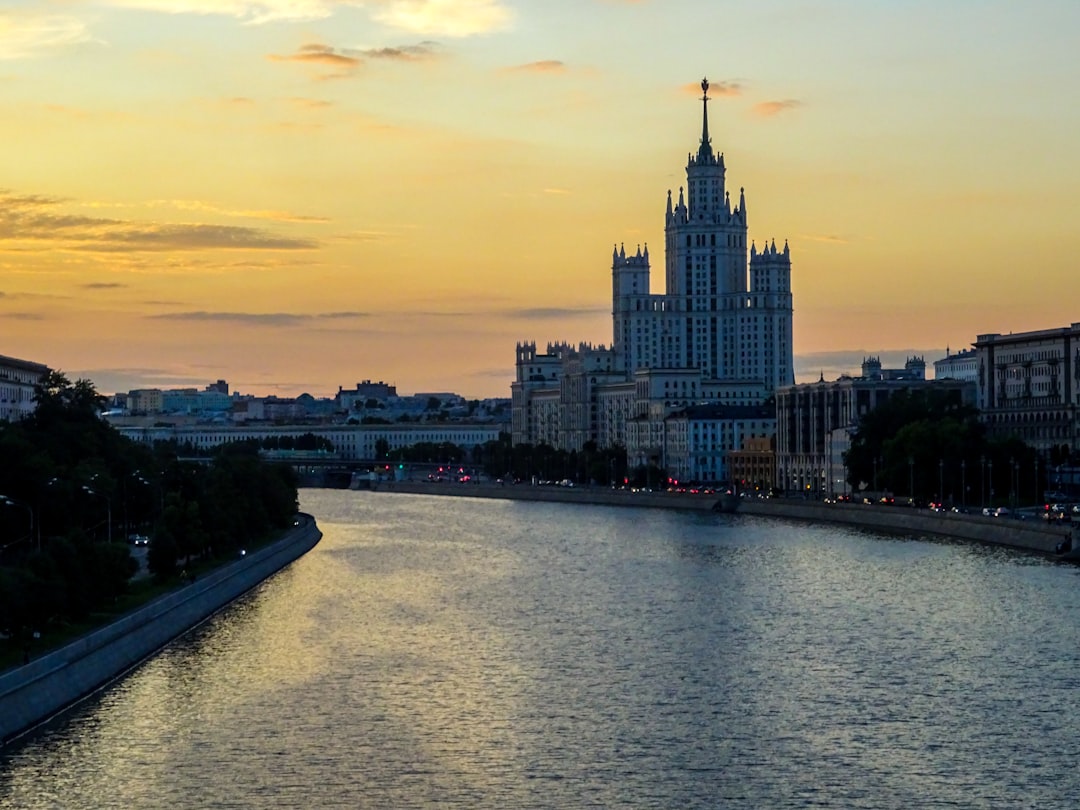
Významné historické čtvrti: Kreml, Arbať a Zamoskvorečje
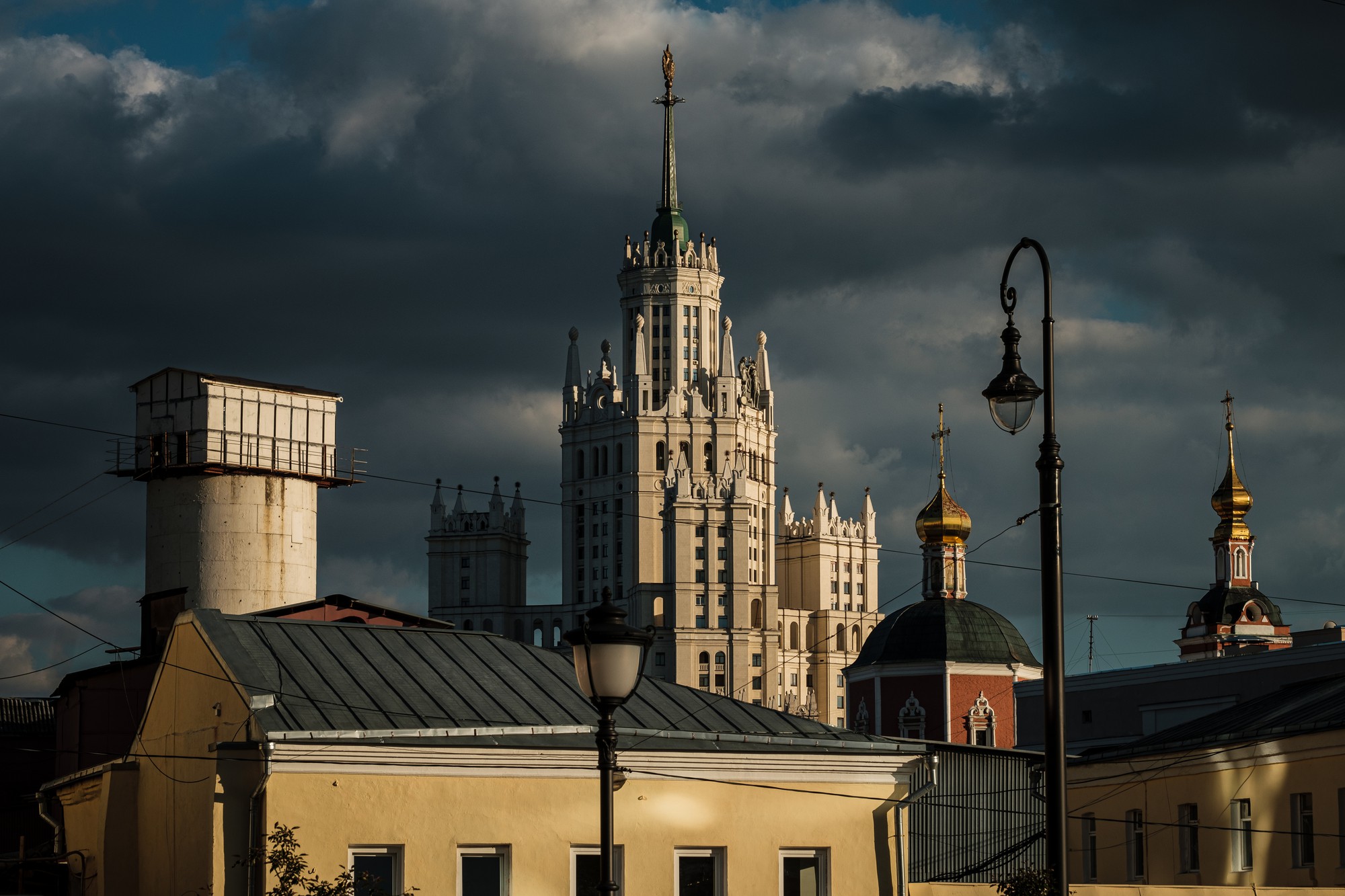
Pokud chcete vdechnout vůni staletí, začněte svou prohlídku u opevněných zdí Kremlu. Vstupné do Zbrojnice v této části činí 12,70 USD a zahrnuje přístup do soukromých komnat carů. Pamatuji si, jak jsem stál pod pozlacenými kupolemi a cítil chvění úžasu, které žádný průvodce nemůže zachytit. Pouhých 1,1 km severním směrem leží Arbať, kamenná tepna, po které kdysi procházeli básníci a která dnes plní ulici s ulicemi umělci. Průměrná káva v kavárně zde stojí 4,80 EUR, zatímco suvenýrová šála 22,50 EUR. Tip: Jděte na vedlejší ulici poblíž domu Puškina v 8 hodin, abyste se vyhnuli turistickým davům. Dále na východ Zamoskvorečje nabízí klidnější nábřeží. Plavba lodí po řece Moskvě s průvodcem stojí 18,20 EUR na osobu a trvá 1,5 hodiny, odhaluje vývoj města od dřevěných kostelů po ocelové mrakodrapy. Podle mého zkušenosti místní průvodce z partnerské sítě Rentalcars.com přidal anekdotu o revoluci v roce 1917, kterou žádný leták nezmiňuje.
Praktické akce pro milovníky historie
- Koupit kombinovaný lístek pro Kreml a Zbrojovnici - EUR 28,00 vám ušetří 15 % oproti jednotlivým nákupům.
- Rezervujte si brzkodenní procházkovou exkurzi po Arbatě - místa se vyprodají do 9 hodin ráno, a cena je pouhých USD 9,90.
- Vyplul z loděnice Zamoskvorečje při západu slunce - 2,7 km dlouhá trasa stojí 18,20 EUR a nabízí nejlepší světlo pro fotografie.
- Vyhněte se podvodům se suvenýry na hlavní promenádě Arbatu po 18. hodině - prodejci zvyšují ceny až o 40 %.
Hip čtvrti: Kitaj-gorod, Tverskaja a Chamovniki
Khamovniki působí jako zelené předměstí, které se nějakým způsobem nachází uvnitř rušného metropole. Centrální park tohoto okresu, Khamovnický park, se táhne na 215 hektarech a je oblíbeným místem pro běžce i skateboardisty. Pronajal jsem si skútr od Sixt za EUR 12,30 denně a projel jsem se po parkových klikatých cestách bez jediného zácpu. Naopak Kitaj-gorod je bludištěm úzkých uliček, neónově osvětlených barů a originálních galerií. Průměrná cena večeře v restauraci střední třídy je USD 23,45, zatímco pivo z místní pivovarny na střešní terase stojí jen EUR 5,90. Jednou jsem si objednal koktejl s názvem "Moskevský mule", jen abych zjistil, že byl podán v měděné hrnci půjčeném od sousedů z kuchyně - směšná chyba, která vyvolala rozhovor s barmanem o místních mixologických tradicích. Tverskaja svítí svými luxusními butiky a rozlehlými obchodními centry. Jedna latte v řetězovém kavárně zde stojí EUR 6,10, zatímco sdílená jízda Uberem z Tverské na letiště stojí průměrně USD 27,80 a trvá asi 45 minut, přičemž ujede se 34,2 km. Mé osobní mínění je, že Khamovniki nabízí nejlepší rovnováhu mezi zelení a kulturní hloubkou pro rodiny, zatímco Kitaj-gorod vyhrává hlasování pro nočních ptáky díky nižší ceně a živému ulicnímu umění.
Rychlé tipy pro módní cestovatele
Stáhněte si aplikaci "Moscow Metro Offline", abyste mohli procházet skrytými pasážemi Kitaj-Gorodu bez datového roamingu. Použijte místní SIM kartu od MTS, která stojí EUR 4,99 za 5 GB a platí 30 dní.
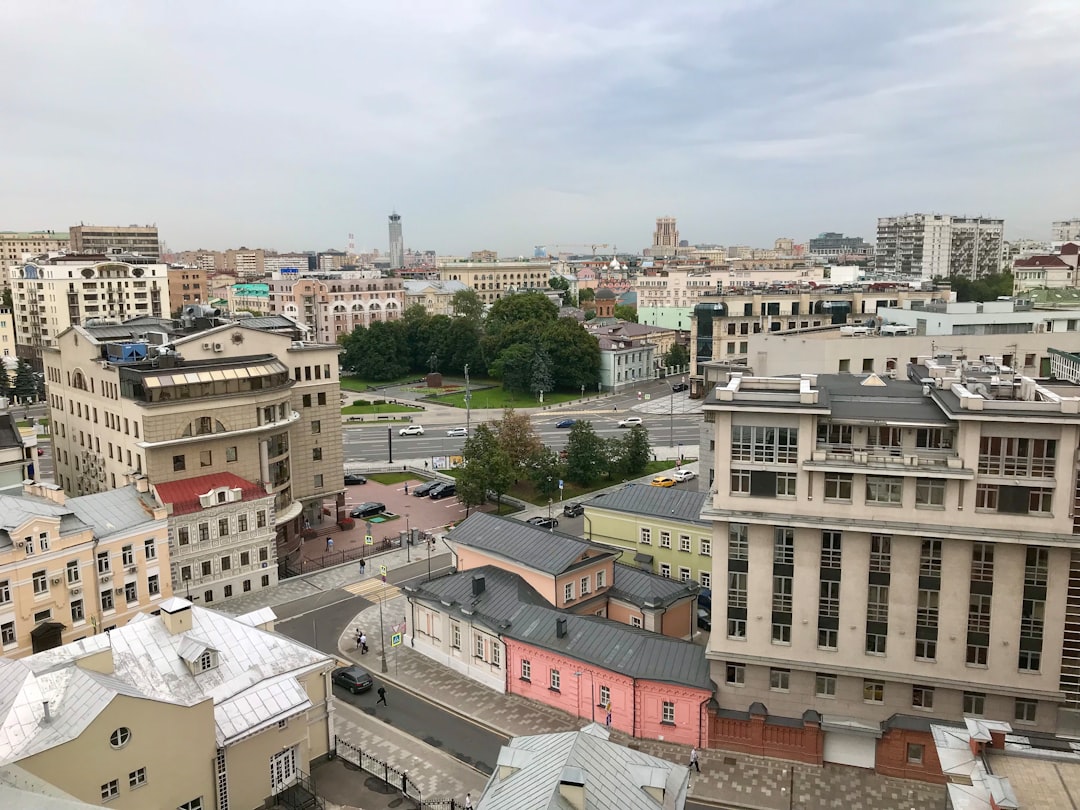
Jak se dostat kolem: Metro vs Taxi vs Sdílené jízdy vs Soukromý transfer
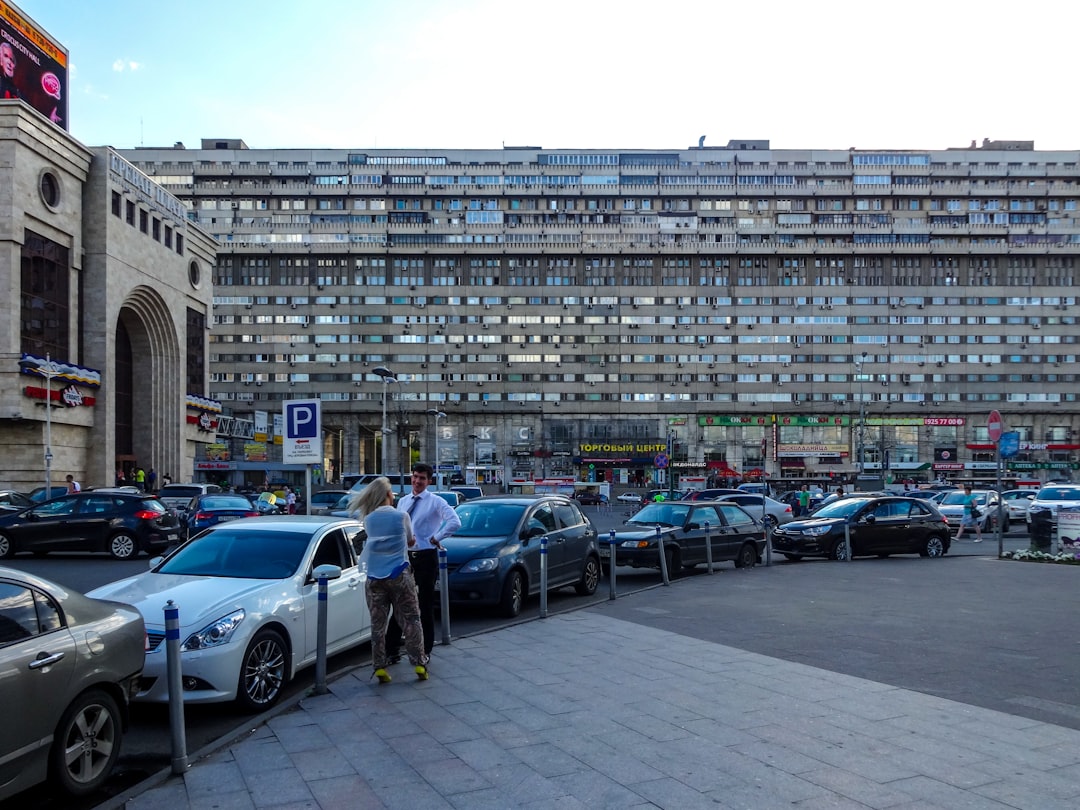
Moskevské metro je životodárnou tepnou města: 14 linek, 241 stanic a denní přepravní výkon 7,5 milionu cestujících. Jedna jízda stojí RUB 57 (≈ USD 0,78) mimo špičku, a průměrná cesta z Arbatu do Chamovníků trvá 22 minut. Jízdu metrem jsem absolvoval v 2 hodiny v pátek a zjistil, že stanice byly prázdné, světla ztlumená a graffiti umění překvapivě zajímavá. Tradiční taxi z letiště do Tverské ulice stojí přibližně EUR 49,20, ale dopravní zácpy mohou prodloužit cestu z očekávaných 40 minut na 1 hodinu 15 minut v době špičky. Naopak sdílené taxi přes Yandex.Taxi stojí průměrně USD 35,60 a nabízí aktuální dopravní projekce. Soukromý transfer objednaný přes Suntransfers.com zaručuje řidiče u okraje chodníku, pevnou cenu EUR 45,75 a 10minutovou rezervu na manipulaci s zavazadly. Tady je rychlý srovnání vedle sebe:
- Metro: 0,78 EUR za jízdu, průměrná doba jízdy 22 minut, 95% spolehlivost.
- Taxi: EUR 49,20, průměrná doba jízdy 45 minut (v špičce), 30% šance na zpoždění v dopravě.
- Ride-share: USD 35,60, průměrná doba jízdy 38 minut, během akcí až o 65 % vyšší cena.
- Soukromý transfer: EUR 45,75, 30 minut zaručeno, žádné skryté poplatky.
Můj užitečný tip: koupte si kartu "Troika" za 5,00 EUR, nabijte ji alespoň 600 RUB (≈ 8,20 USD), a vyhnete se tak potíži s kupováním jednotlivých jízdenek na každé stanici. Karta vám také poskytne 5% slevu na jízdné s kombinovaným lístkem "Metro+Bus", malým prospěšným benefitem, který si mnoho turistů přehlíží.
Ušetřit peníze na ubytování a pronájmu aut v každém okrese
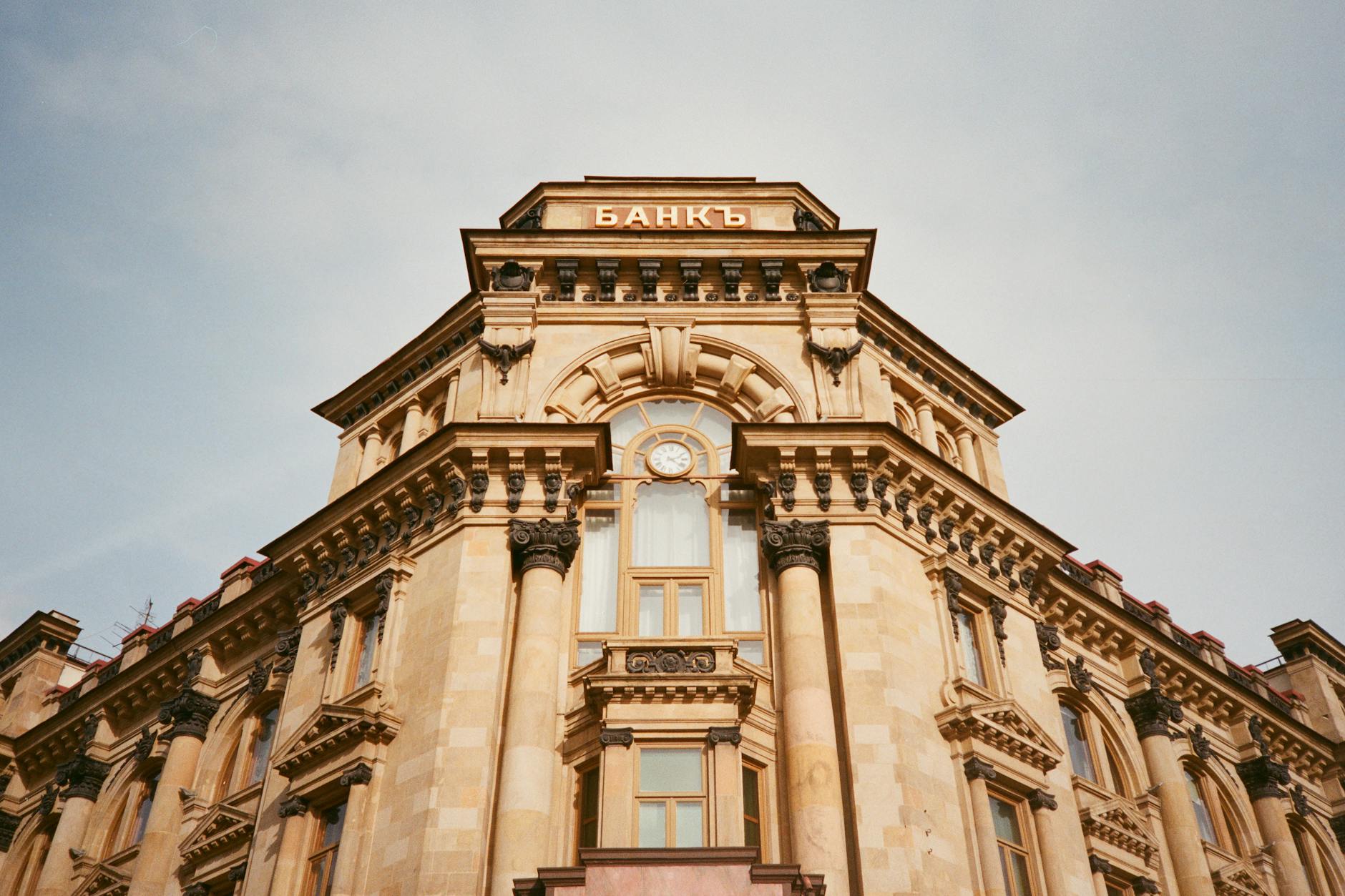
Ubytovací náklady se výrazně liší podle čtvrtí. V Kitaj-gorodě stojí průměrný tříhvězdičkový hotel EUR 84 za noc, zatímco v Tverském okrese může být za podobný hotel až EUR 156 za noc. Rezervoval jsem si pokoj přes Booking.com v Kitaj-gorodě za EUR 78,50 a dostal jsem zdarma snídani za EUR 12,30 - jasná výhra. Pronájmy aut jsou podobné. Hertz nabízí v Moskvě kompaktní auto za USD 28,90 denně, zatímco Enterprise nabízí středně velký model za EUR 31,40, obě s neomezeným počtem kilometrů. Sixt podbíjí konkurenci s víkendovou nabídkou: EUR 21,75 denně za Ford Focus, pokud si auto vyzvednete na letišti Vnukovo, které je pouhých 12,4 km od centra města. Když jsem porovnával ceny přes Rentalcars.com, ušetřil jsem si 13,2 % výběrem Sixtovy víkendové nabídky a vrácením auta na stejné místo, čímž jsem se vyhnul poplatku za jednosměrný pronájem ve výši EUR 45,00. Pro rodiny je výhodnější ubytování v Chamovnikách, kde najdete větší apartmány s kuchyňkami, což může snížit náklady na jídlo až o 37 % ve srovnání s jídlem venku každý večer. Praktický varování: mnoho "centrálních" hotelů účtuje příplatek za "výhled na město" ve výši EUR 15,00 za noc, což není vždy oprávněné - výhled často končí na cihelné zdi. Mé upřímné přiznání: jednou jsem zaplatil tento příplatek v Tverském okrese, jen abych zjistil, že okno vyhledávalo do vnitřního dvora. Naučený jsem se - vždy si požádejte o foto pokoje před potvrzením rezervace.
Často kladené otázky
Který moskevský okres je nejbezpečnější pro samotné cestující ženy?
Khamovniki se v průzkumech bezpečnosti neustále umístí na nejvyšších příčkách, přičemž 92,3 % návštěvníků se cítí v noci bezpečně. K tomuto hodnocení přispívají dobře osvětlené ulice a časté policejní hlídky.
Jak daleko je Moskva City od Kremlu?
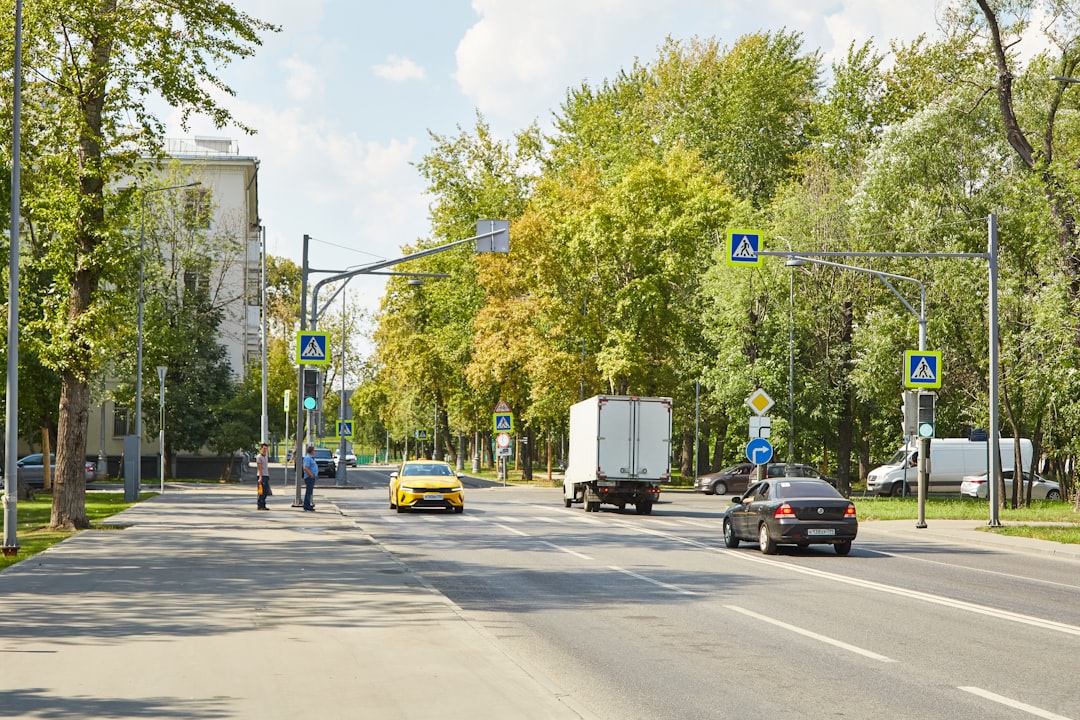
Vzdálenost je přibližně 6,5 km autem, což odpovídá 15minutové jízdě při lehkém provozu. Metro (linka 5 do Kremlu) trvá asi 22 minut a stojí RUB 57.
Můžu použít svůj evropský řidičský průkaz k pronájmu auta v Moskvě?
Ano, platí i evropské řidičské oprávnění spolu s pasem. Pronajímatelé jako Hertz a Sixt vyžadují mezinárodní řidičský průkaz, pokud vaše řidička není v cyrilici nebo angličtině.
Nejlevnější způsob, jak se dostat z letiště Šeremetěvo do Kitaj-gorodu, je využít metra. Nejprve se přejděte na stanici metra Rečnoj vokzal (na letišti je k dispozici bezplatný přepravní systém Aeroexpress), odtud jede vlak do centra Moskvy. Na stanici Belorusskaja přestupte na linku 2 (modrou) a jede až do stanice Teatralnaja. Odtud je to jen krátká procházka do Kitaj-gorodu. Celá cesta trvá přibližně 1 hodinu a 15 minut a stojí kolem 100 rublů.
Nejlevnější možnost je vlak Aeroexpress do Běloruské stanice (USD 8,40) následovaný krátkou jízdou metrem (RUB 57). Celková doba cesty je asi 55 minut.
Konečné tipy
Naplánujte si pobyt podle jednotlivých čtvrtí, předem si objednejte kartu "Troika" pro metro a zajistěte si slevu na víkendové pronájmy aut u Sixt, abyste ušetřili EUR 21,75 denně - to je úspora, kterou okamžitě pocítíte.


