


Zarezervujte si prohlídku s průvodcem kolem 11:00, abyste si udrželi klidný tempo a užili si měkčí světlo uvnitř interiérů. Dům stojí na klidné uličce a uchovává sbírky, které zahrnují díla od raných skic až po pozdní plátna, s prostory uspořádanými tak, aby podporovaly individuální pozornost.
Otevřené hodiny a vstup: areál je otevřený v 10:00-18:00 od úterý do neděle, v pondělí je zavřeno; poslední vstup je obvykle kolem 17:30. Vstupné v rublech se pohybuje obvykle mezi 700 a 1 000 pro dospělé, slevy jsou pro studenty a seniory; některé dny nabízejí zdarma vstup pro mládež nebo rodiny. Pokud cestujete ve skupině, rezervace více termínů může usnadnit návštěvu; jsou k dispozici prohlídky v angličtině a ruštině a můžete si vybrat termín, který se hodí k dalším plánům.
Jádro sbírky je zaměřeno na mistry od 18. do 20. století, s díly zahrnující krajiny, portréty a scény z každodenního života. V prostorách najdete prorocký pocit nálady té doby, jazyk, který lze číst skrze malířskou techniku, barvy a kompozici, což nabádá k velmi pečlivému studiu a osobní interpretaci.
Praktické rady pro hladší návštěvu: přijďte brzy, aby se vyhnuli davům, odpočívejte v klidných koutech a udržujte flexibilní tempo, abyste si mohli později navrátit k oblíbenému dílu. Při procházce mezi místnostmi se projděte po chodbě a představte si historii zámku; to vám pomůže spojit kontext s uměním a pochopit, proč byla tato díla považována za kulturní poklady. Pokud chcete zažít kompletní zážitek, stáhněte si mapu nebo použijte oficiální aplikaci, abyste mohli sledovat zaměřenou trasu, která spojuje sbírky a interiéry.
Po návštěvě vám rychlé shrnutí pomůže uchovat poznatky: zapište si oblíbené portréty a porovnejte je s měkčími texturami v interiéru; vaše poznámky se stanou připomínkami, které vám pomohou vytvořit paměť, která putuje dál za tento den. Pokud plánujete další aktivity ve městě, spojte zastávku s procházkou podél řeky nebo kávou v blízké uličce, abyste se zamysleli nad díly, které jste viděli.
Lístky & Rezervace: Časově omezený vstup, Slevy a Jak rezervovat
Rezervujte online alespoň dva týdny předem, abyste si zajistili časové okno pro vstup; ranní sloty se obvykle vyplní jako první. Vaše e-páska přijde po zaplacení e-mailem a může být naskenována na vašem telefonu nebo vytištěna. Představte si, jak stojíte před slavnými díly, včetně děl od Repina a Ivanova; Treťjakovova tradice přidává k tradici a rozmanitosti, kterou uvidíte v sbírkách. Spoluprace galerie s partnery pomáhá urychlit vstup a zkracuje fronty.
Jak rezervovat: navštivte stránku s rezervacemi na oficiálních webových stránkách, vyberte datum, zvolte časové okno, zadejte počet návštěvníků a dokončete platbu. Dostal jste digitální vstupenku na e-mail; předložte ji na telefonu nebo vytiskněte ji pro vstup. Pokud navštěvujete společně s dalšími, rezervujte stejný čas, aby byla vaše skupina pohromadě. Neoficiální prodejci mohou nabízet levnější vstupenky, ale hrozí neplatné vstupy; vždy používejte oficiální platformu. Pokud máte po návštěvě volný čas, nedaleký muzeon nabízí sochy a venkovní prostory, které se dobře hodí k návštěvě.
Slevy a úlevy: snížené sazby platí pro seniory, studenty se platnou legitimací a rodiny; skupiny 10 nebo více osob se mohou po potvrzení s personálem kvalifikovat na nižší sazbu. Zkontrolujte stránku plánování pro aktuální pravidla a způsobilost, protože některé expozice jsou zahrnuty ve standardním vstupném, zatímco jiné vyžadují samostatný doplněk. Program zahrnuje díla financovaná filantropickými mecenáši a doplňuje sbírky spolu s dalšími díly. Ujistěte se, že zkontrolujete přesné podmínky před nákupem, protože politiky se mohou lišit podle data a události.
Tipy na plánování dne: přijďte brzy, aby jste si užili exteriér a charakteristický tvar budovy, poté se přesuňte do hal, abyste si co nejlépe prohlédli rozmanitost expozic. Vedle slavných pláten najdete aktivity pro rodiny a studenty, včetně neoficiálních prohlídek a besed s dobrovolníky nebo spolky. Pokud vás zaujme určité období nebo umělec, naplánujte trasu, která zdůrazní Repina, Ivanova a další, které chcete vidět, a vydejte se na rychlou přestávku v blízkém okolí. Tento přístup udržuje zážitek zaměřený na vaše zájmy a pomáhá vám odejít s hlubším porozuměním sbírek.
Galerie: Křídla, Patra a Klíčové Trasy na Pohled
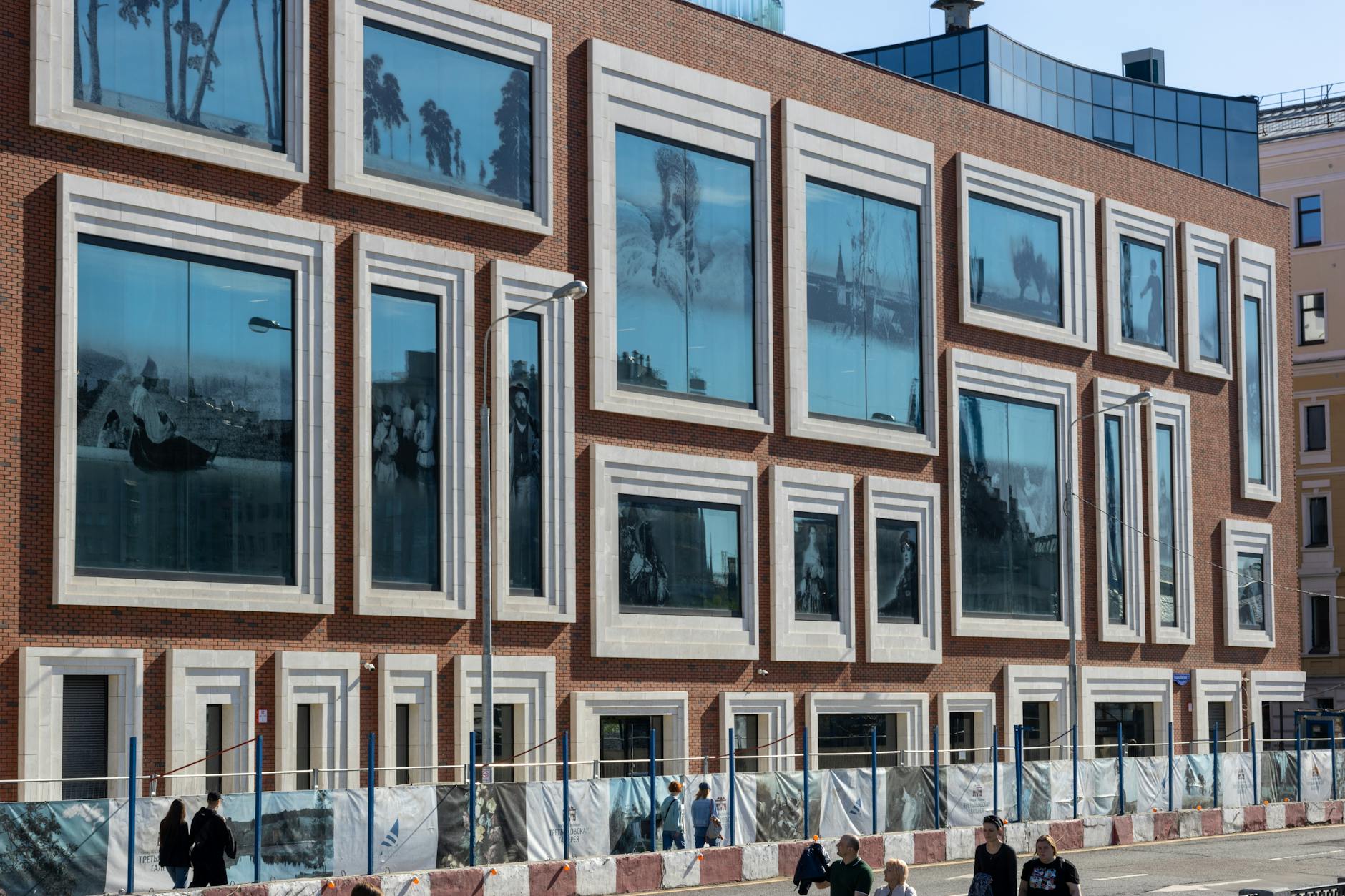
Začněte na přízemí v centrálním křídle a vystupte hlavní schodištěm na první patro, poté dokončete okruh na druhém patře, abyste viděli cenná díla Rublěva, Repina a Rodina bez nutnosti se vracet.
Komplex je organizován do čtyř křídel propojených centrálním chodníkem, přičemž každá sekce je jasně označena a zařazena do barevně kódovaného systému tras. Přestože je uspořádání jednoduché, mapy u vchodů obsahují popisy ve stylu Wikipedie, které návštěvníkům pomáhají sledovat stopy tradice přes století a sbírku umění v čtyřech galeriích. Severní křídlo nabízí městské scenérie a městské scény; východní křídlo hostí raná náboženská díla včetně Rublěva; jižní křídlo představuje sochy Rodina spolu s pozdějšími díly; západní křídlo obsahuje avantgardní sekci a několik mistrovských děl.
Přístupnost se zlepšila díky rampám, výtahům a širokým chodbám, což usnadňuje návštěvu každému hostovi, včetně rodin. Osobně mi tato úprava usnadňuje návštěvu, protože je pohodlná pro pomalejší prohlížení, přičemž design trasy vás provází několika vrcholnými exponáty bez spěchu. Informační tabule poskytují kontext k jednotlivým dílnám a pomáhají je spojit s městskými panoramaty a tradicemi.
Podlažní trasy
Ground Level obsahuje centrální hub a úvodní expozice, s jednoduchou trasou, která vás vede k prvním významným komisím. První patro ubytovává portréty a historické scény, včetně děl Rublěva, Repina a souvisejících děl. Druhé patro hostí pozdně století sochařství a díla Rodina, spojené jasnou sekundární trasou. Všechny patra jsou přístupná pomocí ramp a výtahů, aby usnadnily návštěvu s rodinou nebo společníky. Otevřeno v etapách od konce 19. století, uspořádání zvýšilo pohodlí pro návštěvníky s omezeným časem.
Výběr nejlepších míst pro rychlou návštěvu
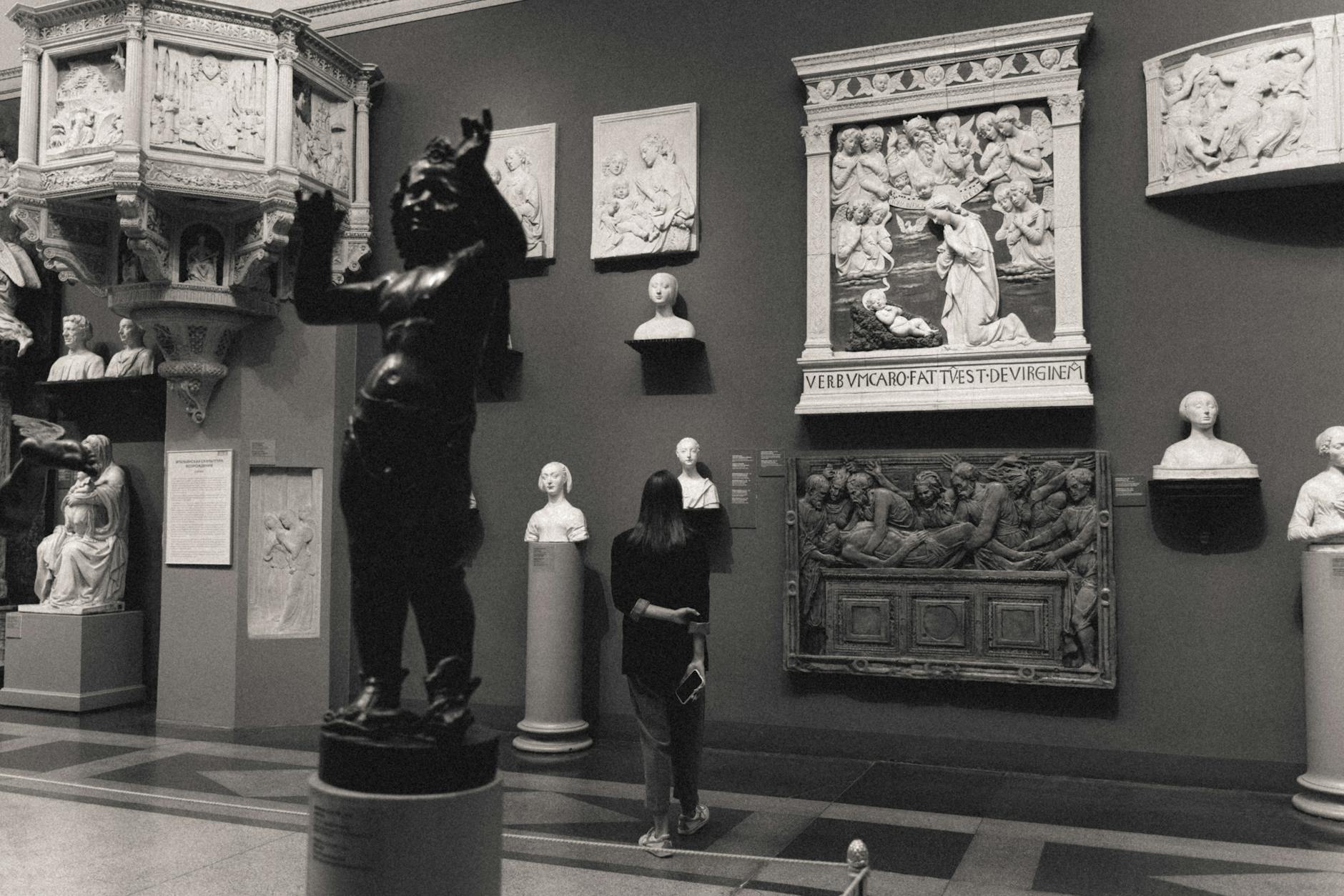
Severní křídlo nabízí městské panoramata a stopy městského života po staletí. Východní křídlo obsahuje raná náboženská umění, včetně Rublěva; jižní křídlo představuje sochy Rodina a související pozdější díla; západní křídlo spojuje avantgardní díla s dalšími ceněnými exponáty. Každé křídlo zahrnuje několik sekcí a dobré označení, takže návštěva trvající 2-3 hodiny je praktická pro návštěvníky, kteří přijedou s přáteli nebo rodinou. Pro stručnou prohlídku dbejte na Rublěva, Repinovy a Rodinovy díla při prvním kole, poté se věnujte městským panoramatům na severu a avantgardním díla na západě.
Must-See Routes: Krátké cesty k moskevským ikonám a mistrovským dílnám
Začněte u dveří označených jako Hlavní vstup a sledujte krátkou smyčku podél východního křídla; tato možnost udržuje proudy návštěvníků pod kontrolou a usnadňuje každému pokrytí hlavních exponátů. Návštěvníci a nadšenci rychle pochválili jemnější kontrasty mezi ranými skicemi a monumentálními plátny. Dále se trasy napojují na klíčové stanice s jasnými označeními a okruhy inspirované Treťjakovskou galerií vedou mnoho nadšenců. Andrej, místní nadšenec, byl nadšený, jak rychle se dostanete do centrální části; začněte zde a pokračujte podle svého uvážení, protože tato cesta má smysl pro první prohlídku.
Cesta A: Klasická kružnice
Nachází se v honosné paláci na břehu řeky, tato trasa shromažďuje slavná díla v úzkém oblouku: monumentální kompozici městských pohledů, sérii portrétů a soubor studií z dob školních, které odhalují vývoj techniky. Cesta je jasně vyznačena štítky a má přirozený postup od světlejších k bohatším tónům; každý může začít v hlavních prostorách a poté pokračovat do hlubších míst, pokud čas dovolí. Pro slevy zvažte programy v čtvrtek nebo aktualizace z novinového servisu; mnoho návštěvníků si zakoupilo kombinované vstupenky, které ušetřily peníze, a některé repiny ukazují, jak jiní efektivně navigovali.
Cesta B: Neobvyklé rohy
Výpravy do méně navštěvovaných prostor, tato stopa představuje méně známá plátna a experimentální kompozice. Očekávejte obrovská plátna, dramatické dveře a místnosti situované mimo hlavní osu. Trasa je ideální pro ty, kteří chtějí představit, jak mistři testovali hranice; tato trasa také zdůrazňuje díla umělců, kteří zemřeli předčasně. Andreyho tipy zdůrazňují rotující trasy, aby se zachytila různá světla v pozdním odpoledni. Spolupráce mezi zaměstnanci zajišťuje hladké přechody; někteří návštěvníci si po výstavách zakoupili katalogy.
| Route | Stops | Odhadovaný čas | Notes |
|---|---|---|---|
| Klasický kruh | Vstupní síň; Portrétní salon; Velký salon | 45-60 minut | Nejlepší pro první návštěvníky; značky a nápisy usnadňují orientaci. |
| Současný křížovatka | Ateliér Wing; Sál inovace; Chodba přílohy | 30-50 minut | Tichší; slevy ve čtvrtek; repiny povzbuzovány pro sdílení na sociálních sítích. |
Umělecké dílo ve světle: Klíčová díla podle období, která byste měli dát do popředí
Začněte s jasnými městskými scenériemi a studiemi z období od konce 19. do začátku 20. století, abyste vytvořili atmosféru, a poté se přesuňte k velkým plátnům z období Sovětského svazu. Tento zaměřený přístup poskytuje návštěvníkům jasnost a zvyšuje jejich zapojení. Pro sběratele a zvědavé hosty pomáhá tato posloupnost identifikovat, která díla je možné porovnávat mezi jednotlivými místy a stanicemi během jediné návštěvy.
Konec 19. - počátek 20. století: městské scenérie a portréty
Zaměřte se na čtyři mistrovská díla z každé epochy: městské scenérie, portréty a velkolepé alegorie. U každého z nich si všimněte nálady, změn ve světle a barevných odstínech. Na každém místě jsou v každé rotaci zdůrazněna pouze několik děl, proto plánujte návštěvu opakovaně, pokud je to možné. Zeptěte se personálu na stanice, kde jsou tato díla vystavena, a zvažte rezervaci prohlídky s průvodcem, abyste slyšeli názory sběratele a kurátora. Hostitelé Michail a Andrej vedou krátké přednášky, které přidávají kontext. Hledejte malířské linky, které odhalují městský život, s jasnými nebesy a krémovými akcenty, které zvedají atmosféru.
Sovětská éra, městský realismus a odraz avantgardy
Během sovětských let upřednostňujte plátna, která osvětlují pulz městského života, dělníků a kolektivních ideálů. Městské scenérie od malířů několika škol odhalují posuny v postoji a technice, přesto zachovávají živou atmosféru díky nočním tónům a žhavým zářím. Zde, odtud, týdenní rotace řídí sbírky; sledujte doporučení zaměstnanců, abyste viděli díla, která vás osloví. Rezervace prohlídky nabídne desítky hlasů od sběratelů, kurátorů a regionálních míst.
Praktické návštěvní tipy: Přístupnost, průvodci, pravidla pro fotografování a vybavení
Přijďte na otevření přes přístupný vstup na východním křídle, vezměte si plán v informační kanceláři a rezervujte si průvodcovskou prohlídku, abyste se efektivně dostali přes sedm pater.
Přístupnost, příjezd a prohlídky s průvodcem
- Přístupné trasy se táhnou celým domem, výtahy obsluhují všechny sedm pater; sedačky mezi sály usnadňují pohodlí při dlouhé procházce sbírkou.
- Požádejte zaměstnance o průkaz nebo dočasný průkaz, abyste se vyhnuli frontám; pro návštěvníky, kteří potřebují pomoc, je k dispozici specializovaná podpora.
- Prohlédněte si předem plán podlahy, abyste si určili logickou trasu hlavními sály s obrazy a jednotlivými epochami, a udrželi si půldenní plán reálný.
- Vedené programy probíhají v několika jazycích; vysvětlení zdůrazňují kontext, témata a přínos zakladatele, s odkazy na Konstantina Korovina a realistickou linii.
- Kontextové panely pomáhají sledovat politické změny, včetně děl ze stalinovské éry, takže se můžete přesouvat mezi místnostmi v souvislém pořadí.
Pravidla fotografování, štítky a zařízení
- Fotografování je povoleno v většině prostor bez blesku; žádné stativy nebo profesionální vybavení bez předchozího povolení.
- Nezobrazujte detailní záběry štítků nebo děl, kde to zákazy na štítcích zakazují, a používejte texty na stěnách, aby odpovídaly tématům a tvarům obrazů.
- Pro sociální sdílení dodržujte pravidla; repiny by měly respektovat autorská práva a nesmí zkreslovat scény nebo omezené oblasti.
- Zařízení zahrnuje šatnu, skříně a bezbariérové toalety na každém patře; k dispozici je také kavárna s sezónními nabídkami a obchod s reprodukci v dosahu.
- Sezónní slevy a možnosti průkazů existují; aktuální nabídky zkontrolujte na místě nebo online, včetně skupinových cen a občasných dnů s bezplatným vstupem pro způsobilé návštěvníky.
- Naplánujte trasu se zaměstnanci, aby jste efektivně pokryli hlavní sbírku; vyčleňte čas pro sedm křídel a přizpůsobte se, pokud vás zaujme určitá éra nebo téma.
- Návštěvníci mohou využívat rodinně přátelské mapy a klidné zóny; plánujte přestávky podle svých potřeb a zájmů.

