


Ξεκινήστε με ένα σύστημα τριών στρώσεων για κάθε κρύα εξόρμηση: μια βασική στρώση που απομακρύνει την υγρασία, μια μεσαία στρώση για ζεστασιά και ένα αντιανεμικό εξωτερικό κέλυφος για να αποκρούσετε το ψύχος του αέρα. Προσθέστε ένα γάντι λαιμού, ένα ζεστό καπέλο και ένα ζευγάρι γάντια. Να έχετε μαζί σας ένα φορτισμένο πακέτο μπαταριών για τον φακό κεφαλής σας, μια μικρή σόμπα και επιλέξτε την καλύτερη ισορροπία μεταξύ βάρους και μόνωσης. Για διανυκτερεύσεις, κρατήστε ένα εφεδρικό στρώμα ρούχων προσβάσιμο κοντά στη σκηνή για να αλλάξετε εάν αυξηθεί η υγρασία. Βεβαιωθείτε ότι η βάση του καταφυγίου σας παρέχει σταθερό έδαφος και κανονίστε την κάλυψη σε όλες τις πλευρές για να μειώσετε την απώλεια θερμότητας κατά τη διάρκεια των ριπών.
Διάταξη καταφυγίου και εξοπλισμού Επιλέξτε ένα καταφύγιο τεσσάρων εποχών ή μια σταθερή διάταξη μουσαμά με άγκυρες χιονιού. Τοποθετήστε το σε ξηρό έδαφος, μακριά από τρεχούμενα νερά και χρησιμοποιήστε ένα παχύ υπόστρωμα ύπνου για να προσθέσετε φραγή υγρασίας και μόνωση. Ασφαλίστε μια φούστα χιονιού για να ελαχιστοποιήσετε τη ροή του αέρα και τοποθετήστε ένα μικρό έλκηθρο για να μεταφέρετε τον εξοπλισμό κοντά στην πόρτα για εύκολη πρόσβαση. Συσκευάστε ένα σχέδιο κάλυψης που διατηρεί την πηγή φλόγας και τον εξοπλισμό μαγειρέματος έξω από το κύριο αποτύπωμα του καταφυγίου ενώ ετοιμάζετε τα γεύματα.
Θερμική στρατηγική Η διαχείριση της θερμοκρασίας εξαρτάται από το ψύχος του αέρα και τον έλεγχο της υγρασίας. Διατηρήστε έναν σταθερό πυρήνα στρώνοντας και αποφεύγοντας την εφίδρωση κατά τη διάρκεια της δραστηριότητας. Εάν η υγρασία διαφύγει από το δέρμα σας, μπορεί να αισθανθείτε πιο κρύα και μπορεί να παγώσετε όταν σταματήσετε. Ο ψυχρότερος αέρας αυξάνει την απώλεια θερμότητας, επομένως σχεδιάστε ανάλογα. Ο αερισμός κατά τη διάρκεια του μαγειρέματος βοηθά στη μείωση της συσσώρευσης υγρασίας και επιβραδύνει το λιώσιμο του χιονιού γύρω από το καταφύγιο. Μετά την καταπόνηση, αλλάξτε σε μια στεγνή, ζεστή τσάντα και στεγνά ρούχα. Δώστε προσοχή κατά τη διάρκεια των περιόδων ανάπαυσης καθώς οι ριπές εντείνονται.
Πλοήγηση και ετοιμότητα Να έχετε μαζί σας μια αξιόπιστη πυξίδα και έναν χάρτη. Σχεδιάστε διαδρομές μεταξύ σημαδεμένων μονοπατιών και ανοιχτού εδάφους. Ετοιμότητα σημαίνει ένα μικρό κιτ με αναπτήρα, καθρέφτη σήματος και εφεδρικό μουσαμά. Μην αφήνετε τις υποθέσεις για την κάλυψη κινητής τηλεφωνίας ανεξέλεγκτες. Ο Πέτερσον σημειώνει να δοκιμάζετε τις συσκευές πριν φύγετε. Εάν βγείτε εκτός διαδρομής, κρατήστε μια πυξίδα πρόχειρη και σημειώστε τη θέση σας για διάσωση. Μεταξύ των γευμάτων, ελέγξτε την κάλυψη του καταφυγίου και προσαρμόστε την έκθεση στον άνεμο για να παραμείνετε ζεστοί και συμπεριλάβετε ένα σχέδιο που δεν θα σας καταδικάσει να παρατείνετε τη διαμονή όταν ο άνεμος δυναμώσει.
Μαγείρεμα και ενέργεια Σχεδιάστε παράθυρα μαγειρέματος που να ευθυγραμμίζονται με τις υψηλότερες θερμοκρασίες της ημέρας για να μειώσετε τη συσσώρευση υγρασίας μέσα στον εξοπλισμό. Χρησιμοποιήστε μια μικρή σόμπα και ξηρά καύσιμα. Κρατήστε ένα μικρό κουτί ξύλου ή δοχείο καυσίμου κοντά στο καταφύγιό σας για να ελαχιστοποιήσετε τον παγετό στις κατσαρόλες. Φέρτε ένα έλκηθρο για να μεταφέρετε καύσιμα και μαγειρικά σκεύη μεταξύ της περιοχής της σόμπας και της πόρτας. Παρακολουθήστε το ψύχος του αέρα για να προσαρμόσετε τους χρόνους μαγειρέματος και να αποφύγετε την υπερθέρμανση του καυσίμου.
Λίστα ελέγχου και νοοτροπία Ετοιμάστε μια ελάχιστη λίστα εξοπλισμού που περιλαμβάνει ένα εφεδρικό πακέτο μπαταριών, μια αξιόπιστη πυξίδα, ένα ισχυρό σχέδιο κάλυψης και ένα έλκηθρο για μεταφορά. Επικεντρωθείτε στην καλύτερη ισορροπία βάρους και ζεστασιάς και κρατήστε κατά τη διάρκεια των διαλειμμάτων παρακολουθώντας τη συσσώρευση υγρασίας. Αναγνωρίστε τους παράγοντες ψύχους του αέρα και τον κίνδυνο παγώματος. Να ξέρετε πότε να υποχωρήσετε ή να αναζητήσετε καταφύγιο. Χρησιμοποιήστε τις οδηγίες του Πέτερσον για να προσαρμοστείτε στις μεταβαλλόμενες καιρικές συνθήκες και να αποφύγετε να ενεργήσετε παρορμητικά που θα μπορούσαν να σας καταδικάσουν σε επικίνδυνες επιλογές.
Ασφάλεια
Ξεκινήστε με ένα σύστημα τριών στρώσεων για τον κορμό: βασική στρώση που απομακρύνει την υγρασία, μονωτική μεσαία στρώση και αντιανεμικό εξωτερικό κέλυφος. Αερίστε για να αποτρέψετε τη συσσώρευση ιδρώτα. Προθερμάνετε τον πυρήνα σας τοποθετώντας ζεστά μπουκάλια τυλιγμένα σε ύφασμα μέσα στην τσάντα σας για τις πρώτες ώρες. Γι' αυτό αυτή η προσέγγιση λειτουργεί όταν πέφτουν οι θερμοκρασίες.
Επιλέξτε παπούτσια με σταθερή πρόσφυση και μόνωση. Κρατήστε τα στεγνά και φορέστε μάλλινες κάλτσες. Μεταξύ των στρώσεων κάλτσας προσθέστε μια λεπτή επένδυση για να ελαχιστοποιήσετε τη μεταφορά υγρασίας και να αποφύγετε τα κρύα δάχτυλα.
Ετοιμάστε γεύματα που παρέχουν ενέργεια για μεγαλύτερα ταξίδια. Συσκευάστε αντικείμενα υψηλής θερμιδικής αξίας, όπως ξηρούς καρπούς, αποξηραμένο κρέας, τυρί και αποξηραμένα φρούτα. Ενυδατωθείτε με ζεστά ροφήματα. Κρατήστε διαθέσιμα σνακ σε μια μικρή τσέπη για γρήγορη πρόσβαση.
Στρατηγική καταφυγίου: κρεμάστε έναν μουσαμά ή υφάσματα ανάμεσα σε δέντρα για να δημιουργήσετε ένα ανεμοφράκτη. Τυλίξτε μια κουβέρτα γύρω από την περιοχή ύπνου για μόνωση. Μια εγκατάσταση στην οροφή σας κρατά πάνω από το υγρό έδαφος και ενισχύει τη ροή του αέρα.
Στέγνωμα και φροντίδα εξοπλισμού: αερίστε τα εξωτερικά ρούχα πριν τα συσκευάσετε. Κρεμάστε υφάσματα για να στεγνώσουν. Κρατήστε μια εφεδρική κουβέρτα κοντά στο σώμα σας και αποθηκεύστε υλικά που απορροφούν την υγρασία σε σφραγισμένες σακούλες.
Σχεδιασμός ασφάλειας: συμβουλευτείτε το worldnomadscom για οδηγίες. Ακόμη και στις συνθήκες της Αλαμπάμα, ο άνεμος μπορεί να αλλάξει γρήγορα. Ελέγξτε την πρόγνωση, ορίστε ένα σύντομο σχέδιο και γνωρίζετε τις διαθέσιμες εξόδους. Κατά τη διάρκεια περιόδων με άνεμο, μείνετε πιο κοντά σε προστατευμένα σημεία.
Συνήθειες έκτακτης ανάγκης: να έχετε μαζί σας μια σφυρίχτρα, έναν φακό κεφαλής και ένα μικρό μπουκάλι νερού. Μην αγνοείτε ποτέ τα σημάδια κρυοπαγήματος ή υποθερμίας. Εάν αισθανθείτε ποτέ μούδιασμα ή δυσκαμψία, ενεργήστε γρήγορα. Εάν δεν προσαρμοστείτε, η έκθεση επιδεινώνεται, επομένως παρακολουθήστε την αίσθηση του πυρήνα και προσαρμόστε ανάλογα τα στρώματά σας.
Στρατηγικές στρώσεων για να παραμείνετε ζεστοί: βασική, μεσαία και εξωτερική στρώση
Πρώτα η βάση: φορέστε μια βασική στρώση που απομακρύνει την υγρασία και προσθέστε μια δεύτερη μονωτική στρώση, στη συνέχεια ένα εξωτερικό κέλυφος για να παγιδεύσετε τη θερμότητα. Προσαρμόστε με αερισμό όπως απαιτείται.
Η βασική στρώση πρέπει να είναι εφαρμοστή στο δέρμα αλλά όχι περιοριστική και κατασκευασμένη από μαλλί ή συνθετικά υψηλής απόδοσης. Επενδύστε σε ποιοτικά τοπ και παντελόνια, στοχεύοντας σε δύο σετ για σύντομα ταξίδια και τρία για μεγαλύτερες διαμονές. Το μαλλί, ειδικά το μερίνο, παραμένει ζεστό ακόμη και όταν είναι υγρό και στεγνώνει σταδιακά, ενώ τα συνθετικά στεγνώνουν γρήγορα αλλά μπορεί να αισθάνονται υγρά αν ιδρώσετε πολύ. Ένας απλός κανόνας είναι να αποφεύγετε το βαμβάκι δίπλα στο δέρμα. Κρατήστε την υποστρώση ακριβώς πάνω σας και αλλάξτε αμέσως όταν είναι υγρή για να αποφύγετε το κρύο. Εσώρουχα και κάλτσες κατασκευασμένα από μαλλί ή συνθετικά μείγματα μειώνουν την απώλεια θερμότητας κατά τη διάρκεια της κίνησης και της ανάπαυσης.
Η δεύτερη στρώση, ή μεσαία στρώση, είναι η κύρια πηγή θερμότητας κατά τη διάρκεια των διαλειμμάτων και της σταματημένης δραστηριότητας. Επιλέξτε ένα fleece ή ένα μονωμένο συνθετικό που παγιδεύει τον αέρα αλλά παραμένει αναπνεύσιμο. Για κινούμενα τμήματα, μια ελαφρύτερη μεσαία στρώση λειτουργεί καλά. Για διαλείμματα δείπνου ή διανυκτερεύσεις, ένα πιο αφράτο κομμάτι προσθέτει ισχυρή ζεστασιά. Αερίστε τα φερμουάρ όταν είστε δραστήριοι για να αποφύγετε την υπερθέρμανση και προσθέστε ή αφαιρέστε κομμάτια για να διατηρήσετε τη σωστή κατάσταση. Σε πιο σκληρά περιβάλλοντα, μια μικρή μεσαία στρώση από πούπουλα μπορεί να χρησιμεύσει ως αλλαγή στην άνεσή σας χωρίς όγκο.
Το εξωτερικό κέλυφος πρέπει να είναι αντιανεμικό και αδιάβροχο ή αδιάβροχο ενώ παραμένει αναπνεύσιμο. Ένα κέλυφος που σφραγίζει καλά γύρω από τους ώμους και τον κορμό αποτρέπει τη διαρροή θερμότητας και η χρήση γκέτας βοηθά να μην εισχωρήσει χιόνι και υγρασία κάτω από τους αστραγάλους. Οι μανσέτες και μια άνετη κουκούλα μειώνουν τα ρεύματα και βεβαιωθείτε ότι μπορείτε να κινηθείτε άνετα σε κίνηση ή σε ανάπαυση. Σε μέρη με πιο κρύες νύχτες, η εξωτερική στρώση θα πρέπει να φιλοξενεί στρώσεις του μεσαίου κομματιού χωρίς να περιορίζει την κυκλοφορία, ώστε να παραμένετε ζεστοί μέσω παρατεταμένης έκθεσης.
Πρακτικές σημειώσεις: σχεδιάστε γεύματα επειδή οι θερμίδες του δείπνου τροφοδοτούν τη θέρμανση κατά τη διάρκεια μεγαλύτερων συνεδριών. Να έχετε μαζί σας ένα απλό κιτ τουαλέτας και να γνωρίζετε τα καλύτερα μέρη για να σταματήσετε για διαλείμματα για να αποφύγετε την περιττή έκθεση. Ελέγξτε τις απαιτήσεις κανονισμών και εγγραφής για περιοχές backcountry, καθώς ορισμένες διαδρομές έχουν εκτενείς κανόνες. Να έχετε πάντα μαζί σας μια εφεδρική αλλαγή κάλτσες και εσώρουχα, ένα σωστό μέγεθος σακίδιο για τον εξοπλισμό σας και μια μικρή επιλογή θέρμανσης μόνο όπου επιτρέπεται και είναι ασφαλές. Αυτή η προσέγγιση οδηγεί στην καλύτερη ισορροπία μεταξύ κινητικότητας και ζεστασιάς, ειδικά σε κλίματα Καναδά ή Κίνας, και σας βοηθά να παραμείνετε ζεστοί όταν η κατάσταση γίνεται πιο σκληρή.
Ασφαλής εγκατάσταση καταφυγίου σε χιόνι, άνεμο και κρύο: σκηνές, τοίχοι χιονιού και ανεμοφράκτες
Ανεμοφράκτης με δεξιά όψη: προσανατολίστε την πόρτα προς τον άνεμο, ανοίξτε το καταφύγιο προς την απάνεμη πλευρά και αγκυρώστε ένα μαξιλάρι χιονιού κάτω από το πάτωμα. Κατασκευασμένη για να αντέχει σε ριπές, αυτή η εγκατάσταση λειτουργεί σε μια σειρά περιβαλλόντων και διατηρεί τη θερμότητα του σώματός σας μέσα.
Οι τοίχοι χιονιού πρέπει να έχουν ύψος 0,8-1,2 m και μήκος 3-5 m, στοιβάζονται με κλιμακωτές ραφές για να αποφευχθεί η κατάρρευση. Σκάψτε μια ρηχή είσοδο για να ελαχιστοποιήσετε τα ρεύματα και χαράξτε ένα εσωτερικό χείλος που ανακατευθύνει τον ζεστό αέρα προς το εσωτερικό της σκηνής. Υπάρχει επίσης μια μικρή προεξοχή για να αποβάλει το λιώσιμο και τη συμπύκνωση.
Προσθέστε έναν ανεμοφράκτη 4-6 m από το καταφύγιο, κατασκευασμένο από συσκευασμένα μπλοκ χιονιού ή ένα φυσικό ανάχωμα. Γωνιάστε το 30-60 μοίρες προς τον άνεμο για να δημιουργήσετε έναν προστατευμένο διάδρομο, ο οποίος επεκτείνει τον χρησιμοποιήσιμο χώρο σας χωρίς να εκθέσετε την πόρτα σε ριπές. Αυτό το απλό εμπόδιο αυξάνει το εύρος άνεσής σας και μειώνει την απώλεια θερμότητας όταν μετακινείστε μεταξύ κατασκήνωσης και εξοπλισμού.
Ο αερισμός έχει σημασία: κρατήστε τους άνω αεραγωγούς ανοιχτούς και ανοίξτε ελαφρώς την πόρτα κατά τη διάρκεια της ημέρας για να απομακρύνετε την υγρασία. Χρησιμοποιήστε μια στεγνή σακούλα για υφάσματα και κρατήστε τα υγρά αντικείμενα χωριστά από τον εξοπλισμό ύπνου. Ο αποτελεσματικός έλεγχος της υγρασίας σημαίνει λιγότερη συμπύκνωση και ένα θερμότερο μικροκλίμα μέσα στο καταφύγιό σας.
Υφάσματα και ζεστασιά: τα στεγνά υφάσματα συν μια κουβέρτα προσθέτουν αξιόπιστη μόνωση. Τα πόδια του παντελονιού σφηνωμένα σε κάλτσες ή μπότες ελαχιστοποιούν το εκτεθειμένο δέρμα και η στρώση με ήπια, αναπνεύσιμα υφάσματα βοηθά στη ρύθμιση της θερμοκρασίας χωρίς υπερθέρμανση. Ένα μικρό σύστημα ύπνου με ένα μαξιλάρι υψηλής τιμής R υποστηρίζει μεγαλύτερες νύχτες σε κρύο αέρα.
Πρώτοι έλεγχοι: αξιολογήστε την κατεύθυνση του ανέμου και την κατάσταση του καταφυγίου πριν εγκατασταθείτε. Εάν οι ριπές αλλάξουν ή οι τοίχοι χιονιού κατακαθίσουν, προσπαθήστε να στηρίξετε με επιπλέον μπλοκ και να επανατοποθετήσετε τις άγκυρες για να αποφύγετε το κούνημα ή τα κενά που αφήνουν να εισχωρήσει κρύος αέρας.
Ρεύμα και καύσιμα: εάν χρησιμοποιείτε σόμπα, κρατήστε την έξω από την περιοχή ύπνου και αερίστε μακριά από το καταφύγιο. Λιώστε το νερό μακριά από τη σκηνή και μην καίτε ποτέ καύσιμα σε εσωτερικούς χώρους. Υπάρχει πάντα κίνδυνος συσσώρευσης μονοξειδίου του άνθρακα, επομένως δημιουργήστε μια ασφαλή, καλά αεριζόμενη ζώνη για θέρμανση ή μαγείρεμα - και έχετε ένα εφεδρικό σχέδιο σε περίπτωση που ο άνεμος αυξηθεί.
Πραγματικότητες σακιδίου: τα ταξίδια όλο το χρόνο απαιτούν ένα απλό κιτ με εφεδρικά υφάσματα, μια μικρή κουβέρτα και μια αξιόπιστη πηγή καυσίμου. Προτιμήστε εξοπλισμό από αξιόπιστους κατασκευαστές και εάν ταξιδεύετε σε περιοχές με μεταβλητό καιρό ή διαδρομές δίπλα στο Μεξικό, δοκιμάστε τα αντικείμενα εκ των προτέρων για να διασφαλίσετε την ανθεκτικότητα και την αντοχή στην υγρασία. Οι απλές ρυθμίσεις και η προσεκτική συσκευασία αποτρέπουν τη συσσώρευση υγρασίας που μπορεί να καταστρέψει τη ζεστασιά και την άνεση.
Αναγνώριση των σημείων υποθερμίας και κρυοπαγήματος και βήματα ταχείας ανταπόκρισης
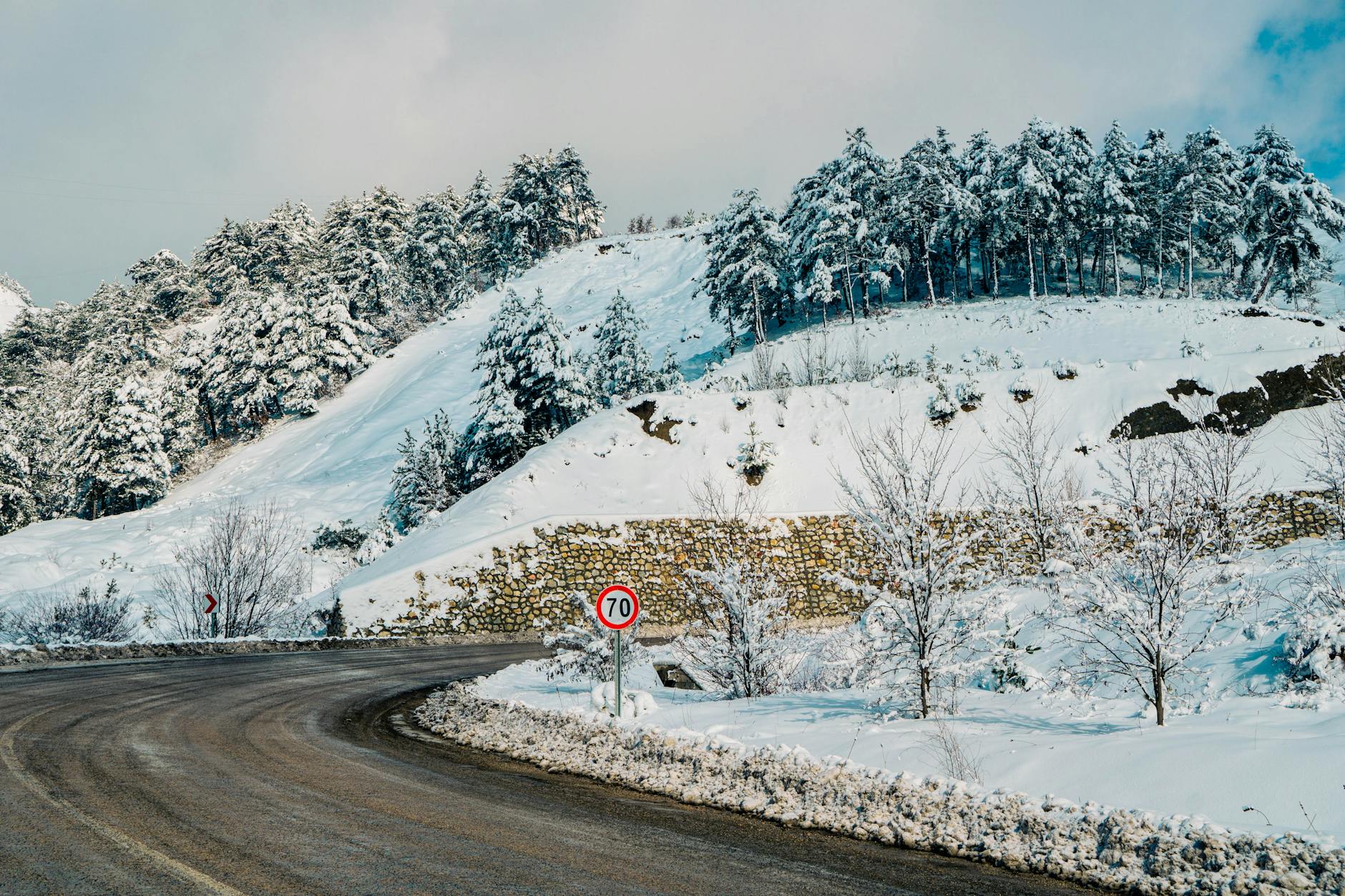
Ενεργήστε αμέσως: μεταφέρετε το άτομο σε ένα ξηρό, αντιανεμικό καταφύγιο, αφαιρέστε τα βρεγμένα εξωτερικά ρούχα και ξεκινήστε την επαναθέρμανση με ξηρά στρώματα και θερμάστρα, εάν υπάρχει.
Αναγνώριση σημείων: η υποθερμία παρουσιάζεται με ρίγος που μπορεί να σταματήσει, σύγχυση, τραυλισμό, κόπωση και αργό καρδιακό παλμό. Μια θερμοκρασία πυρήνα κάτω από 35°C (95°F) απαιτεί επείγουσα δράση. Το κρυοπάγημα εμφανίζεται ως μούδιασμα, χλωμό ή κηρώδες δέρμα και σκληρά, παγωμένα μπαλώματα σε εκτεθειμένες περιοχές όπως τα δάχτυλα, τα δάχτυλα των ποδιών, τα αυτιά και η μύτη.
Βήματα ανταπόκρισης κατά τη διάρκεια ενός περιστατικού στο πεδίο: μείνετε με το άτομο και αποφύγετε να το αφήσετε μόνο του. Μετακινηθείτε σε κάλυψη ή ανεμοφράκτη, ελέγξτε την αναπνοή και καλέστε την αρχή ή τη γραμμή έκτακτης ανάγκης εάν χρειαστεί. Αφαιρέστε τα βρεγμένα εξωτερικά ρούχα και αντικαταστήστε τα με ξηρά εξωτερικά ρούχα ή ζεστές επενδύσεις. Κρατήστε την ομάδα μαζί και χρησιμοποιήστε μια πυξίδα για προσανατολισμό εάν πρέπει να μετακινηθείτε. Να έχετε έναν φακό κεφαλής για ορατότητα και ένα συσκευασμένο σετ αντικειμένων ζεστασιάς σε κοντινή απόσταση. Προσφέρετε λιχουδιές υψηλής θερμιδικής αξίας ή ζεστά υγρά εάν το άτομο έχει τις αισθήσεις του και χρησιμοποιήστε τη θερμότητα του σώματος μοιράζοντας κουβέρτες. Μην τρίβετε το δέρμα που έχει υποστεί κρυοπάγημα και μην επαναθερμάνετε εάν υπάρχει υψηλός κίνδυνος επανακατάψυξης.
Λεπτομέρειες επαναθέρμανσης: τοποθετήστε τον ασθενή σε μια επίπεδη επιφάνεια για να μεγιστοποιήσετε τη μεταφορά θερμότητας. Για κρυοπάγημα, επαναθερμάνετε σταδιακά σε νερό περίπου 37-39°C (98-102°F) για 15-30 λεπτά όταν είναι δυνατόν, στη συνέχεια καλύψτε με στείρα επιδέσμους και κρατήστε την περιοχή πιο ζεστή. Σημειώστε ότι οι κύκλοι τήξης-επανακατάψυξης μπορούν να δημιουργήσουν ολισθηρά μπαλώματα. Μετακινηθείτε με προσοχή. Για υποθερμία, αντικαταστήστε τα βρεγμένα ρούχα με ξηρά στρώματα, μετακινηθείτε σε θερμότητα και παρακολουθήστε την αναπνοή. Εάν το επιτρέπει η συνείδηση, παρέχετε μικρές γουλιές ζεστών υγρών. Καλέστε για ιατρική βοήθεια εάν υπάρχει οποιαδήποτε αμφιβολία σχετικά με τη σοβαρότητα και σχεδιάστε τη μεταφορά σε μια εγκατάσταση.
Πρόληψη και σχεδιασμός: συσκευάστε ένα μικρό κιτ με φακό κεφαλής, γάντια, επενδύσεις και σνακ υψηλής θερμιδικής αξίας. Τα εξωτερικά ρούχα 4 εποχών και η έξυπνη στρώση διατηρούν τη θερμότητα του σώματος. Διατηρήστε τη θερμοκρασία δωματίου σταθερή και ελαχιστοποιήστε την απώλεια θερμότητας με καλύμματα. Μην αφήνετε πίσω τα πιο ευάλωτα μέλη. Εάν είναι απαραίτητη η μετακίνηση, βεβαιωθείτε ότι όλοι μένουν μαζί. Οι εκπαιδευτικές ενότητες Instructable βοηθούν μια ομάδα να εξασκήσει τις αντιδράσεις. Συντονιστείτε με την αρχή σχετικά με τις απαιτήσεις κάλυψης και εγγραφής και να έχετε μαζί σας μια πυξίδα για πλοήγηση κατά τη διάρκεια των μετακινήσεων. Σε κλίματα όπως το Μεξικό, προσαρμόστε τον ρυθμό για να αποφύγετε την ταχεία ψύξη και να εξασφαλίσετε σταθερή επαναθέρμανση. Διενεργήστε γρήγορους ελέγχους σε στάσεις ανάπαυσης για να εντοπίσετε τα σημάδια νωρίς.
Χρήση σόμπας και ασφάλεια καυσίμων: αποφυγή κινδύνων μονοξειδίου του άνθρακα και πυρκαγιάς
Να χρησιμοποιείτε πάντα τις σόμπες σε εξωτερικούς χώρους ή σε ένα καλά αεριζόμενο καταφύγιο. Μην χρησιμοποιείτε ποτέ μια σόμπα καυσίμου μέσα σε μια σκηνή ή σε κλειστό χώρο. Οι κίνδυνοι από το μονοξείδιο του άνθρακα έρχονται χωρίς μυρωδιά ή γεύση και οι περισσότεροι άνθρωποι υποτιμούν τον κίνδυνο τους κατά τη διάρκεια της νύχτας. Εάν έχετε ανιχνευτή CO, βεβαιωθείτε ότι είναι ενεργός και σε κοντινή απόσταση. Διαφορετικά, παρακολουθήστε για συμπτώματα όπως πονοκέφαλος ή ζάλη και μετακινηθείτε έξω εάν εμφανιστούν.
Εδώ είναι μια απλή, πρακτική λίστα ελέγχου που καλύπτει μέρη όπου μπορεί να εμφανιστεί αυτός ο κίνδυνος, είτε μαγειρεύετε για ένα ζευγάρι είτε μόνοι.
- Βάση και απόσταση: τοποθετήστε τη σόμπα σε μια επίπεδη, μη εύφλεκτη επιφάνεια (μεταλλικό δίσκο, βράχο ή ειδική βάση). Βεβαιωθείτε ότι υπάρχει τουλάχιστον 1 m (3 ft) ανοιχτού χώρου από τον εξοπλισμό ύπνου, το ύφασμα και τα μάλλινα στρώματα. Αυτό μειώνει τις πιθανότητες ανάφλεξης και μειώνει τους κινδύνους.
- Αερισμός: παρέχετε σταθερή ροή αέρα. Αποφύγετε τη σφράγιση του καταφυγίου. Εάν πρέπει να λειτουργήσετε κάτω από ένα θόλο ή προθάλαμο, κρατήστε την είσοδο ανοιχτή και διατηρήστε ένα σταθερό ρεύμα έτσι ώστε τα αέρια καύσης να μπορούν να διαφύγουν.
- Χειρισμός καυσίμων: χρησιμοποιήστε τον σωστό τύπο καυσίμου. Κρατήστε τα εφεδρικά δοχεία σε μια ξεχωριστή, αεριζόμενη περιοχή μακριά από πηγές θερμότητας. Κλείστε τα δοχεία μετά τη χρήση. Μην ξαναγεμίζετε ποτέ μέσα στο καταφύγιο. Ελέγξτε τους σωλήνες και τις συνδέσεις για διαρροές πριν ανάψετε.
- Ανάφλεξη και λειτουργία: χρησιμοποιήστε μακριά σκεύη. Ανάψτε μακριά από το σώμα σας. Τοποθετήστε κατσαρόλες και ένα βραστήρα σε σταθερά στηρίγματα. Κρατήστε ένα θερμός με ζεστό νερό έτοιμο για να μειώσετε τους κύκλους θέρμανσης. Μην αφήνετε μια σόμπα χωρίς επίβλεψη, ειδικά κατά τη διάρκεια της νύχτας ή κατά τη διάρκεια ενός γρήγορου διαλείμματος.
- Θερμοκρασία και ζητήματα κρύου καιρού: σε συνθήκες παγετού, τα καύσιμα μπορούν να πυκνώσουν ή η πίεση μπορεί να μειωθεί. Κρατήστε τα δοχεία ζεστά σε ένα μπουφάν ή κάλτσα, αλλά μην τα τοποθετείτε ποτέ κοντά σε άμεση φλόγα. Εάν δείτε πτώση στην απόδοση, προσαρμόστε τη θερμότητα σταδιακά αντί να αναγκάσετε το σύστημα.
- Ασφάλεια πυρκαγιάς: καθαρίστε την περιοχή από ξηρό ύφασμα, χαρτί και άλλα εύφλεκτα υλικά. Να έχετε έτοιμο νερό ή άμμο για να καταπνίξετε οποιαδήποτε λάμψη. Να γνωρίζετε πώς να διακόψετε γρήγορα την παροχή καυσίμου και να ελέγξετε για διαρροές πριν ανάψετε.
- Προσωπικός εξοπλισμός και ασφάλεια: τα γυαλιά ηλίου βοηθούν με την αντανάκλαση κατά τη μετακίνηση εξοπλισμού σε εξωτερικούς χώρους. Φορέστε κάλυμμα κεφαλής, όπως καπέλο ή φούτερ. Κρατήστε τον εξοπλισμό ύπνου, όπως υπνόσακο και μάλλινα ή fleece στρώματα σε ασφαλή απόσταση από τη φλόγα. Κρατήστε τα σκεύη και τα μαγειρικά σκεύη σε αδιάβροχα δοχεία. Αποθηκεύστε ένα θερμός με ωραίο ζεστό νερό για άνεση κατά τη διάρκεια της νύχτας.
- Μετά τη χρήση: αφήστε τη σόμπα να κρυώσει εντελώς πριν τη συσκευάσετε. Σκουπίστε τα σκεύη καθαρά. Ελέγξτε για σημάδια διαρροών ή υπολειμμάτων και βεβαιωθείτε ότι όλοι οι σωλήνες καυσίμου είναι κρύοι πριν από τη μεταφορά.
Χειμερινή πλοήγηση και ασφάλεια ταξιδιού στον πάγο: σχεδιασμός διαδρομής και σηματοδότηση
Σχεδιάστε τη διαδρομή στο φως της ημέρας με έναν τρέχοντα χάρτη και πυξίδα, καθώς και μια συσκευή GPS που έχει πλήρη μπαταρία και εφεδρική ισχύ. Δεν υπάρχει υποκατάστατο για την ενημέρωση κάποιου για το σχέδιό σας και τον έλεγχο. Τα διαθέσιμα εργαλεία βοηθούν, αλλά δεν αποτελούν αντικατάσταση της καλής κρίσης.
Η διέλευση στον πάγο απαιτεί προετοιμασία: ελέγξτε την πρόγνωση και τον άνεμο, εκτιμήστε ένα ασφαλές εύρος για διαβάσεις και ορίστε μια εναλλακτική γραμμή κατά μήκος της ακτής. Χρησιμοποιήστε έναν ανιχνευτή για να ελέγξετε το πάχος σε διαστήματα. Εάν ακούσετε κοίλους ήχους, δείτε υγρά σημεία ή ο πάγος μετατοπιστεί, υποχωρήστε. Σχεδιάστε για το όριο του πάρκου και αποφύγετε τμήματα με λάσπη ή ρωγμές.
Να έχετε μαζί σας ένα κιτ σηματοδότησης: σφυρίχτρα, μικρό καθρέφτη και δορυφορικό αγγελιοφόρο ή PLB. Στο φως της ημέρας και σε χαμηλό φωτισμό, τρεις σύντομες εκρήξεις προσελκύουν την προσοχή. Σημειώστε τη θέση σας με ένα φωτεινό πάνελ, εάν είναι δυνατόν. Ελέγχετε πάντα τη διάρκεια ζωής της μπαταρίας. Φορτίστε τις συσκευές εκ των προτέρων και να έχετε μαζί σας εφεδρικές μπαταρίες. Αυτές οι επιλογές δίνουν έναν γρήγορο τρόπο να καλέσετε βοήθεια εάν χωριστείτε.
Συσκευάστε μια μικρή σόμπα και ένα σύστημα καταφυγίου για διανυκτέρευση. Μια σόμπα διατηρεί το τσάι ζεστό και τη ζεστασιά σταθερή. Επιλέξτε ένα ζ

