
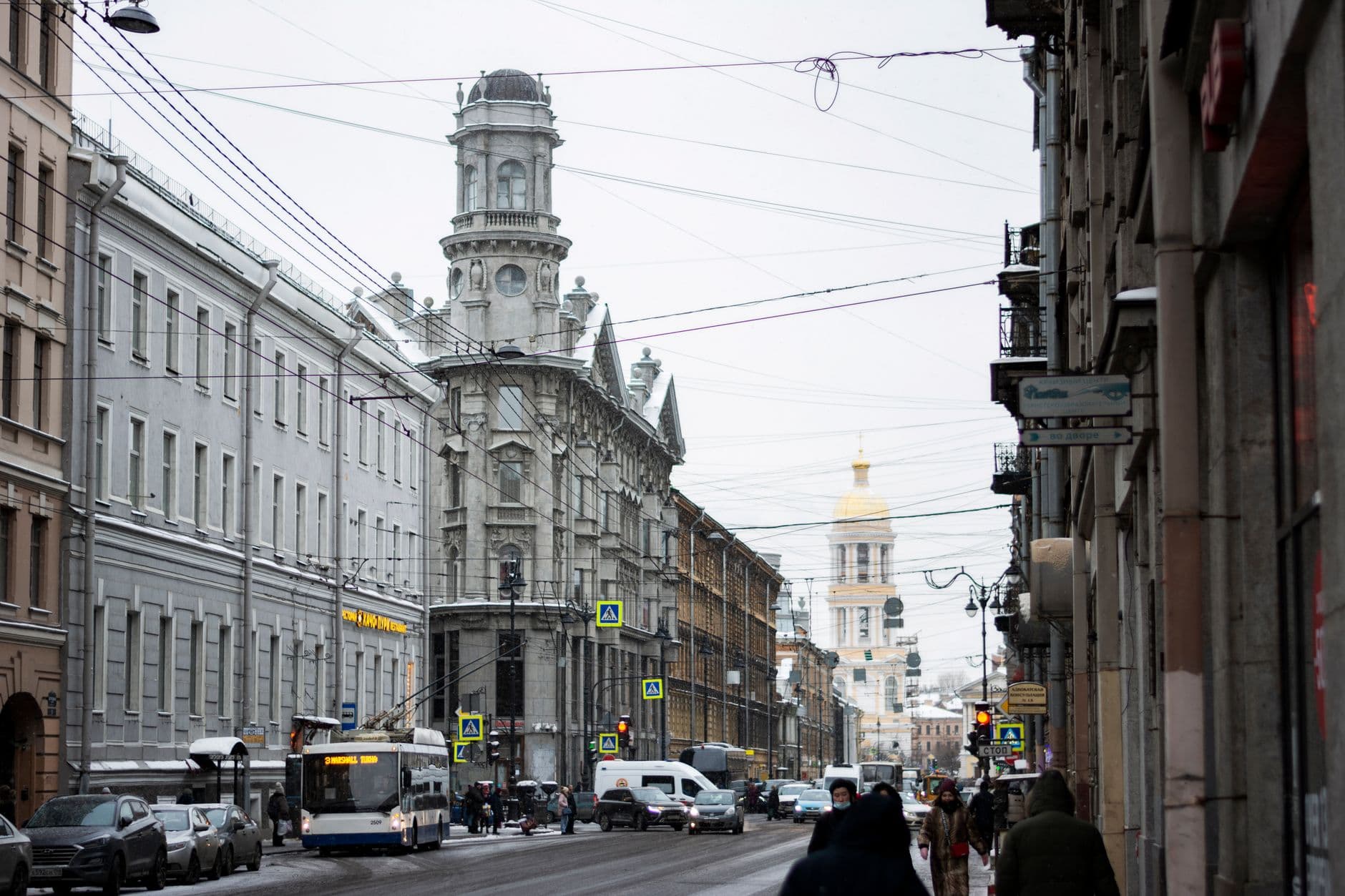

Las reservas por aplicación desbloquean los boletos más baratos y las distancias en tiempo real, por lo que planifica las rutas antes de salir de casa. Para cualquiera que visite Rusia, este enfoque acelera los viajes entre San Petersburgo y los centros regionales, manteniendo las opciones de reembolso claramente visibles. La excelente cobertura de red en las ciudades garantiza conexiones confiables.
Las distancias entre los principales centros son de aproximadamente 635 km en tren, con circuitos de alta velocidad que ofrecen un viaje de 3.5 a 4 horas. Los trenes nocturnos permiten ahorrar, mientras que las opciones diurnas permiten llegar descansado. Las plataformas basadas en aplicaciones muestran la disponibilidad en tiempo real y listan los horarios esperados, el tipo de billete y extras opcionales.
Las tarifas más económicas aparecen al reservar con anticipación, seleccionar asientos económicos o elegir compartimentos para dormir durante las temporadas intermedias. Algunas opciones implican itinerarios más largos que combinan varios tramos en un solo circuito para una experiencia más enriquecedora, especialmente a lo largo de los distritos de patrimonio ruso y los muelles. Características como los compartimentos para dormir cómodos y los vagones tranquilos pueden mejorar la comodidad en los trayectos más largos.
Las reglas de reembolso varían según el operador; potencialmente puedes cancelar dentro de las 24-48 horas para un reembolso parcial o total. Busca boletos con características reembolsables y opciones de cambio de fecha flexibles, y asegúrate de que tu billetera basada en la aplicación soporte reembolsos al método de pago original.
Más allá de las rutas de larga distancia, el transporte local en las ciudades de Rusia utiliza un sistema de billetes integrados que cubre el metro, los autobuses y los tranvías, facilitando los trayectos cortos desde las afueras hasta los centros urbanos. Los pases disponibles agilizan el recorrido por museos, mercados y edificios arquitectónicos, mientras que las alertas informan sobre retrasos o suspensiones del servicio.
Planifica con herramientas basadas en aplicaciones, compara opciones y mantén un ojo en las distancias y las características de los billetes para maximizar el valor, especialmente al visitar San Petersburgo y otros centros rusos.
Costos y métodos de pago del transporte urbano en las principales ciudades Moscú: El metro de Moscú es uno de los más grandes y eficientes del mundo. El precio de un viaje en el metro es de 60 RUB. Los billetes se pueden comprar en las taquillas o a través de la aplicación oficial. También se aceptan tarjetas de transporte como la Troika. San Petersburgo: El metro de San Petersburgo es famoso por sus estaciones decoradas. Un viaje cuesta 65 RUB. Se pueden usar tarjetas como la Podorozhnik o la troika. Kiev: El metro de Kiev tiene una red extensa. El precio de un viaje es de 8 UAH. Se aceptan tarjetas de transporte como la Kyiv Smart Card. Minsk: El metro de Minsk es moderno y accesible. Un viaje cuesta 1,10 BYN. Se pueden usar tarjetas de transporte como la Minsk Card. Varsovia: El transporte público en Varsovia incluye metro, tranvías y autobuses. El precio de un viaje es de 4,40 PLN. Se aceptan tarjetas como la Varsovianka. Berlín: El transporte público en Berlín es eficiente y cubre toda la ciudad. Un viaje en metro, tranvía o autobús cuesta 3,00 EUR. Se aceptan tarjetas como la Berlin WelcomeCard. París: El metro de París es uno de los más antiguos y extensos. Un viaje cuesta 2,15 EUR. Se aceptan tarjetas como la Navigo. Londres: El metro de Londres (Tube) es famoso por su red. Un viaje cuesta 5,60 GBP. Se aceptan tarjetas como la Oyster Card. Nueva York: El metro de Nueva York es uno de los más grandes del mundo. Un viaje cuesta 2,90 USD. Se aceptan tarjetas como la MetroCard. Tokio: El metro de Tokio es conocido por su puntualidad. Un viaje cuesta 200 JPY. Se aceptan tarjetas como la Suica o la Pasmo. Pekín: El metro de Pekín es moderno y eficiente. Un viaje cuesta 3 RMB. Se aceptan tarjetas como la Yikatong. Seúl: El metro de Seúl es extenso y bien conectado. Un viaje cuesta 1.450 KRW. Se aceptan tarjetas como la T-money. Singapur: El metro de Singapur (MRT) es rápido y eficiente. Un viaje cuesta 1,50 SGD. Se aceptan tarjetas como la EZ-Link. Dubái: El metro de Dubái es moderno y limpio. Un viaje cuesta 3 AED. Se aceptan tarjetas como la Nol Card. Ciudad de México: El metro de la Ciudad de México es uno de los más transitados. Un viaje cuesta 5 MXN. Se aceptan tarjetas como la Tarjeta DF. Buenos Aires: El subte de Buenos Aires es eficiente y económico. Un viaje cuesta 50 ARS. Se aceptan tarjetas como la SUBE. Río de Janeiro: El metro de Río de Janeiro es rápido y accesible. Un viaje cuesta 5,50 BRL. Se aceptan tarjetas como la RioCard. Santiago de Chile: El metro de Santiago es moderno y eficiente. Un viaje cuesta 850 CLP. Se aceptan tarjetas como la Bip! Lima: El metro de Lima es una opción rápida para moverse por la ciudad. Un viaje cuesta 2,50 PEN. Se aceptan tarjetas como la Tarjeta Lima. Bogotá: El metro de Bogotá es una opción eficiente. Un viaje cuesta 2.700 COP. Se aceptan tarjetas como la TuLlave. Caracas: El metro de Caracas es una opción rápida y económica. Un viaje cuesta 1,50 VEF. Se aceptan tarjetas como la Tarjeta de Pago Electrónico. La Habana: El transporte público en La Habana incluye autobuses y trenes. Un viaje en autobús cuesta 1 CUP. Se aceptan tarjetas como la Tarjeta de Transporte. Madrid: El metro de Madrid es extenso y eficiente. Un viaje cuesta 1,50 EUR. Se aceptan tarjetas como la Abono Transportes. Barcelona: El metro de Barcelona es moderno y bien conectado. Un viaje cuesta 2,40 EUR. Se aceptan tarjetas como la T-Casual. Roma: El metro de Roma es una opción rápida para moverse por la ciudad. Un viaje cuesta 1,50 EUR. Se aceptan tarjetas como la Roma Pass. Ámsterdam: El transporte público en Ámsterdam incluye metro, tranvías y autobuses. Un viaje cuesta 3,20 EUR. Se aceptan tarjetas como la OV-chipkaart. Viena: El transporte público en Viena es eficiente y cubre toda la ciudad. Un viaje cuesta 2,40 EUR. Se aceptan tarjetas como la Vienna Card. Zúrich: El transporte público en Zúrich es puntual y eficiente. Un viaje cuesta 4,40 CHF. Se aceptan tarjetas como la Zurich Card. Estocolmo: El transporte público en Estocolmo es moderno y accesible. Un viaje cuesta 36 SEK. Se aceptan tarjetas como la SL Access. Oslo: El transporte público en Oslo es eficiente y cubre toda la ciudad. Un viaje cuesta 36 NOK. Se aceptan tarjetas como la Oslo Pass. Copenhague: El transporte público en Copenhague es rápido y eficiente. Un viaje cuesta 24 DKK. Se aceptan tarjetas como la Copenhagen Card. Helsinki: El transporte público en Helsinki es moderno y accesible. Un viaje cuesta 3,50 EUR. Se aceptan tarjetas como la Helsinki Card. Atenas: El metro de Atenas es una opción rápida para moverse por la ciudad. Un viaje cuesta 1,20 EUR. Se aceptan tarjetas como la Athens Travel Card. Budapest: El transporte público en Budapest es eficiente y cubre toda la ciudad. Un viaje cuesta 450 HUF. Se aceptan tarjetas como la Budapest Card. Praga: El transporte público en Praga es moderno y accesible. Un viaje cuesta 32 CZK. Se aceptan tarjetas como la Prague Card. Viena: El transporte público en Viena es eficiente y cubre toda la ciudad. Un viaje cuesta 2,40 EUR. Se aceptan tarjetas como la Vienna Card. Lisboa: El metro de Lisboa es moderno y eficiente. Un viaje cuesta 1,50 EUR. Se aceptan tarjetas como la Viva Viagem. Lisboa: El tranvía de Lisboa es una opción turística y práctica. Un viaje cuesta 3,00 EUR. Se aceptan tarjetas como la Viva Viagem. Dublín: El transporte público en Dublín incluye autobuses y trenes. Un viaje cuesta 2,40 EUR. Se aceptan tarjetas como la Leap Card. Bruselas: El transporte público en Bruselas es eficiente y cubre toda la ciudad. Un viaje cuesta 2,10 EUR. Se aceptan tarjetas como la MOBIB Card. Múnich: El transporte público en Múnich es puntual y eficiente. Un viaje cuesta 3,40 EUR. Se aceptan tarjetas como la IsarCard. Fráncfort: El transporte público en Fráncfort es moderno y accesible. Un viaje cuesta 3,00 EUR. Se aceptan tarjetas como la Rhein-Main-Verkehrsverbund (RMV) Card. Hamburgo: El transporte público en Hamburgo es eficiente y cubre toda la ciudad. Un viaje cuesta 3,40 EUR. Se aceptan tarjetas como la Hamburg Card. Colonia: El transporte público en Colonia es moderno y accesible. Un viaje cuesta 3,40 EUR. Se aceptan tarjetas como la KölnCard. Estambul: El transporte público en Estambul es extenso y eficiente. Un viaje cuesta 10 TRY. Se aceptan tarjetas como la Istanbulkart. Ankara: El transporte público en Ankara es moderno y accesible. Un viaje cuesta 5 TRY. Se aceptan tarjetas como la AnkaraCard. Teherán: El transporte público en Teherán es eficiente y cubre toda la ciudad. Un viaje cuesta 10.000 IRR. Se aceptan tarjetas como la Tehrankart. El Cairo: El transporte público en El Cairo es extenso y económico. Un viaje cuesta 2 EGP. Se aceptan tarjetas como la Cairo Metro Card. Ciudad del Cabo: El transporte público en Ciudad del Cabo es moderno y accesible. Un viaje cuesta 15 ZAR. Se aceptan tarjetas como la MyCiTi Card. Johannesburgo: El transporte público en Johannesburgo es eficiente y cubre toda la ciudad. Un viaje cuesta 15 ZAR. Se aceptan tarjetas como la Golden Arrow Card. Nairobi: El transporte público en Nairobi es extenso y económico. Un viaje cuesta 50 KES. Se aceptan tarjetas como la M-Pesa Card. Lagos: El transporte público en Lagos es moderno y accesible. Un viaje cuesta 100 NGN. Se aceptan tarjetas como la Lagos Smart Card. Kuala Lumpur: El transporte público en Kuala Lumpur es eficiente y cubre toda la ciudad. Un viaje cuesta 2 MYR. Se aceptan tarjetas como la Touch 'n Go Card. Bangkok: El transporte público en Bangkok es extenso y económico. Un viaje cuesta 15 THB. Se aceptan tarjetas como la Rabbit Card. Yakarta: El transporte público en Yakarta es moderno y accesible. Un viaje cuesta 3.500 IDR. Se aceptan tarjetas como la Jakarta Card. Seúl: El transporte público en Seúl es eficiente y cubre toda la ciudad. Un viaje cuesta 1.450 KRW. Se aceptan tarjetas como la T-money. Taipei: El transporte público en Taipei es moderno y accesible. Un viaje cuesta 20 TWD. Se aceptan tarjetas como la EasyCard. Hong Kong: El transporte público en Hong Kong es eficiente y cubre toda la ciudad. Un viaje cuesta 10 HKD. Se aceptan tarjetas como la Octopus Card. Singapur: El transporte público en Singapur es rápido y eficiente. Un viaje cuesta 1,50 SGD. Se aceptan tarjetas como la EZ-Link. Sídney: El transporte público en Sídney es moderno y accesible. Un viaje cuesta 4,60 AUD. Se aceptan tarjetas como la Opal Card. Melbourne: El transporte público en Melbourne es eficiente y cubre toda la ciudad. Un viaje cuesta 4,60 AUD. Se aceptan tarjetas como la myki Card. Canberra: El transporte público en Canberra es moderno y accesible. Un viaje cuesta 4,60 AUD. Se aceptan tarjetas como la myki Card. Wellington: El transporte público en Wellington es eficiente y cubre toda la ciudad. Un viaje cuesta 3,50 NZD. Se aceptan tarjetas como la Snapper Card. Auckland: El transporte público en Auckland es moderno y accesible. Un viaje cuesta 3,50 NZD. Se aceptan tarjetas como la AT HOP Card. Ciudad de México: El transporte público en la Ciudad de México es extenso y económico. Un viaje cuesta 5 MXN. Se aceptan tarjetas como la Tarjeta DF. Buenos Aires: El transporte público en Buenos Aires es eficiente y cubre toda la ciudad. Un viaje cuesta 50 ARS. Se aceptan tarjetas como la SUBE. Río de Janeiro: El transporte público en Río de Janeiro es rápido y accesible. Un viaje cuesta 5,50 BRL. Se aceptan tarjetas como la RioCard. Santiago de Chile: El transporte público en Santiago es moderno y eficiente. Un viaje cuesta 850 CLP. Se aceptan tarjetas como la Bip! Lima: El transporte público en Lima es rápido y accesible. Un viaje cuesta 2,50 PEN. Se aceptan tarjetas como la Tarjeta Lima. Bogotá: El transporte público en Bogotá es eficiente y cubre toda la ciudad. Un viaje cuesta 2.700 COP. Se aceptan tarjetas como la TuLlave. Caracas: El transporte público en Caracas es rápido y económico. Un viaje cuesta 1,50 VEF. Se aceptan tarjetas como la Tarjeta de Pago Electrónico. La Habana: El transporte público en La Habana es extenso y económico. Un viaje cuesta 1 CUP. Se aceptan tarjetas como la Tarjeta de Transporte. Madrid: El transporte público en Madrid es extenso y eficiente. Un viaje cuesta 1,50 EUR. Se aceptan tarjetas como la Abono Transportes. Barcelona: El transporte público en Barcelona es moderno y accesible. Un viaje cuesta 2,
Compra un pase inteligente para toda la ciudad antes de tu primer viaje para ahorrar dinero y agilizar el embarque. Tarjetas como Troika (Moscú), Подорожник (San Petersburgo) o equivalentes regionales ofrecen recargas automáticas, seguimiento del saldo y transbordos entre Metro, autobuses y tranvías, según las normas de cada ciudad.
Captura de costos por ciudad (bandas aproximadas):
- Moscú: viaje sencillo 60-70 rublos; límite de 24 horas aproximadamente 250-300 rublos; transbordos dentro de los 90 minutos; los titulares de pases viajan más barato que pagando por viaje, lo que es una clara ventaja. El pago con tarjetas sin contacto o billeteras móviles está ampliamente soportado; los reembolsos por créditos no utilizados se procesan a través de una aplicación oficial o en las taquillas; las opciones de cancelación están disponibles en muchos casos; las zonas céntricas concurridas exigen una navegación rápida; los tranvías y autobuses amplían el acceso a los alrededores; algunos autobuses antiguos aún en uso, ofreciendo más opciones para viajes por la ciudad.
- San Petersburgo: viaje sencillo 60-70 rublos; pase diario 200-280 rublos; se acepta Podorozhnik junto con tarjetas sin contacto; el saldo se puede consultar en la aplicación; reembolsos por fondos no utilizados; los plazos de cancelación varían según el tipo de tarjeta; las rutas costeras ofrecen vistas panorámicas durante el trayecto; algunos viajes son trayectos cortos al centro o por los que pasarás junto a muchos museos.
- Kazán: billete sencillo 28-46 rublos; pase diario 150-230 rublos; tarjetas inteligentes y monederos móviles ampliamente soportados; seguimiento del saldo útil; reembolsos por viajes no utilizados; las rutas del centro pueden estar concurridas en temporada alta; la navegación en el centro ayuda a los viajeros, mientras que las afueras ofrecen opciones más económicas.
- Novosibirsk: billete sencillo 28-50 rublos; pase diario 120-200 rublos; autobuses, tranvías y una red compacta similar al metro; se aceptan pagos sin contacto; seguimiento del saldo en la app; reembolsos por las partes no utilizadas; los viajes en el centro suelen estar concurridos; pero las rutas exteriores ayudan a mantener asientos libres y una navegación fluida.
- Yekaterinburg: viaje sencillo 30-50 rublos; pase diario 150-230 rublos; sistema con tarjeta recargable y soporte para billetera móvil; reembolsos y cancelaciones a través de la aplicación; los pasillos centrales registran alta afluencia de peatones; los tranvías ofrecen vistas de los alrededores industriales.
- Sochi (resort costero): viaje sencillo 25-60 rublos; pase diario 140-220 rublos; puede aplicarse tarifas estacionales; los ajustes estacionales operan según la demanda; se aceptan pagos sin contacto y tarjetas; se puede rastrear el saldo; disponibles reembolsos; se aplican normas de etiqueta en autobuses y tranvías durante la temporada alta; muchos trayectos van acompañados de impresionantes paisajes costeros.
Métodos de pago
- Tarjetas de la ciudad: Troika, Podorozhnik y equivalentes regionales. Disponibles en estaciones de metro o quioscos oficiales; recarga en línea o en terminales; reembolsos o solicitudes de cancelación gestionados a través de la aplicación o en el mostrador; una opción inteligente para viajes frecuentes; el seguimiento del saldo te mantiene informado.
- Pagos sin contacto: paga con un toque usando Apple Pay, Google Pay o tarjetas bancarias; ampliamente aceptado en metros, tranvías y autobuses; verifica que tu dispositivo esté activado antes de subir.
- Aplicaciones móviles y opciones pretraducidas: las aplicaciones oficiales de la ciudad ofrecen recargas rápidas, seguimiento en tiempo real y opción de soporte por chat; las interfaces pretraducidas ayudan a los viajeros a gestionar la navegación y los cargos sin barreras lingüísticas.
- Aceptación de efectivo: limitada en ciertas rutas o vehículos; lleve billetes pequeños como respaldo; los métodos digitales siguen siendo más rápidos y seguros para viajes largos.
Etiqueta y consejos prácticos
- Haz cola; deja que los pasajeros salgan antes de abordar; en compartimentos concurridos, mantén los pasillos despejados y ofrece asientos a personas mayores o con movilidad reducida.
- Mantén tus pertenencias a la vista; la regla de oro es mantener los espacios cómodos para los demás; evita conversaciones ruidosas; usa auriculares para los medios.
- Navegación: utilice aplicaciones oficiales para actualizaciones en tiempo real y menús pretraducidos; el soporte de chat puede confirmar ventanas de transferencia o clases de tarifas.
- Clases de tarifas: estándar, estudiante, niño, seniors. Confirme los requisitos de identificación antes de abordar o recargar; según la ciudad, puede ser necesario presentar un carnet de estudiante o un pasaporte.
- Siente seguridad: las devoluciones y las solicitudes de cancelación deben gestionarse a través de los canales oficiales; proteja sus datos personales y nunca revele PINs o códigos.
- Tramways y viajes al centro: las condiciones de hacinamiento afectan el flujo; planifique rutas con tiempos de viaje más largos durante las horas pico; considere la distancia al centro circundante para minimizar los transbordos.
- Los viajeros pueden disfrutar de rutas impresionantes a lo largo de centros costeros como Sochi; la navegación y el soporte de chat facilitan la reserva o ajuste de viajes sobre la marcha.
Viajar en tren por el país: horarios, clases y consejos para reservar
Reserva con antelación los trenes de larga distancia a través de sistemas basados en aplicaciones para asegurar un lugar en la clase deseada y minimizar el riesgo de cancelación.
Las rutas principales conectan los principales centros; la línea Moscú-San Petersburgo cuenta con frecuentes salidas, con tiempos de alrededor de 3 horas y 40 minutos en los trenes de alta velocidad Sapsan y de 6 a 9 horas en las rutas tradicionales. La flota incluye los trenes Sapsan, Lastochka y Strizh en los corredores más transitados.
Elige entre opciones cómodas: compartimentos de primera clase, asientos de segunda clase o espacio en coches-cama; muchos trayectos ofrecen además la opción de un vagón silencioso.
Prefiere plataformas oficiales y reservas mediante aplicaciones; selecciona tarifas con flexibilidad y términos inclusivos que incluyan condiciones de cancelación y permitan cambios dentro de un plazo elegido después de la reserva.
Las rutas nocturnas black night te permiten llegar descansado; los vagones dormitorio ofrecen compartimentos con literas compactas y vistas panorámicas al paisaje, evitando el cansancio del día.
Para viajar barato, elige rutas seleccionadas fuera de las horas pico; las salidas entre semana suelen tener precios más bajos, especialmente en líneas no de alta velocidad. Una regla de oro: reserva con antelación para asegurar tarifas más económicas, solo compara opciones.
A bordo, los asientos cómodos y el soporte de chat mediante aplicación te ayudan a ajustar las opciones; los anuncios automáticos te mantienen informado mientras te mueves entre plataformas y áreas del salón. La aplicación muestra actualizaciones en vivo de retrasos.
Para la movilidad de última milla, usa conexiones de metro a los centros; el transporte bajo demanda como Uber es común en muchas ciudades, con puntos de parada designados y zonas de recogida rápida dentro de los límites urbanos. Algunas aplicaciones se vinculan con Uber para el tramo final.
Las reglas de cancelación varían según la clase tarifaria; busca políticas inclusivas que permitan reembolsos parciales después de un breve plazo en caso de cambios.
Llegue 15 minutos antes de abordar, revise los números de línea en los tableros de la estación y confíe en las alertas de la aplicación para hacer conexiones fluidas.
Guarda una foto de tu billete, por si acaso.


