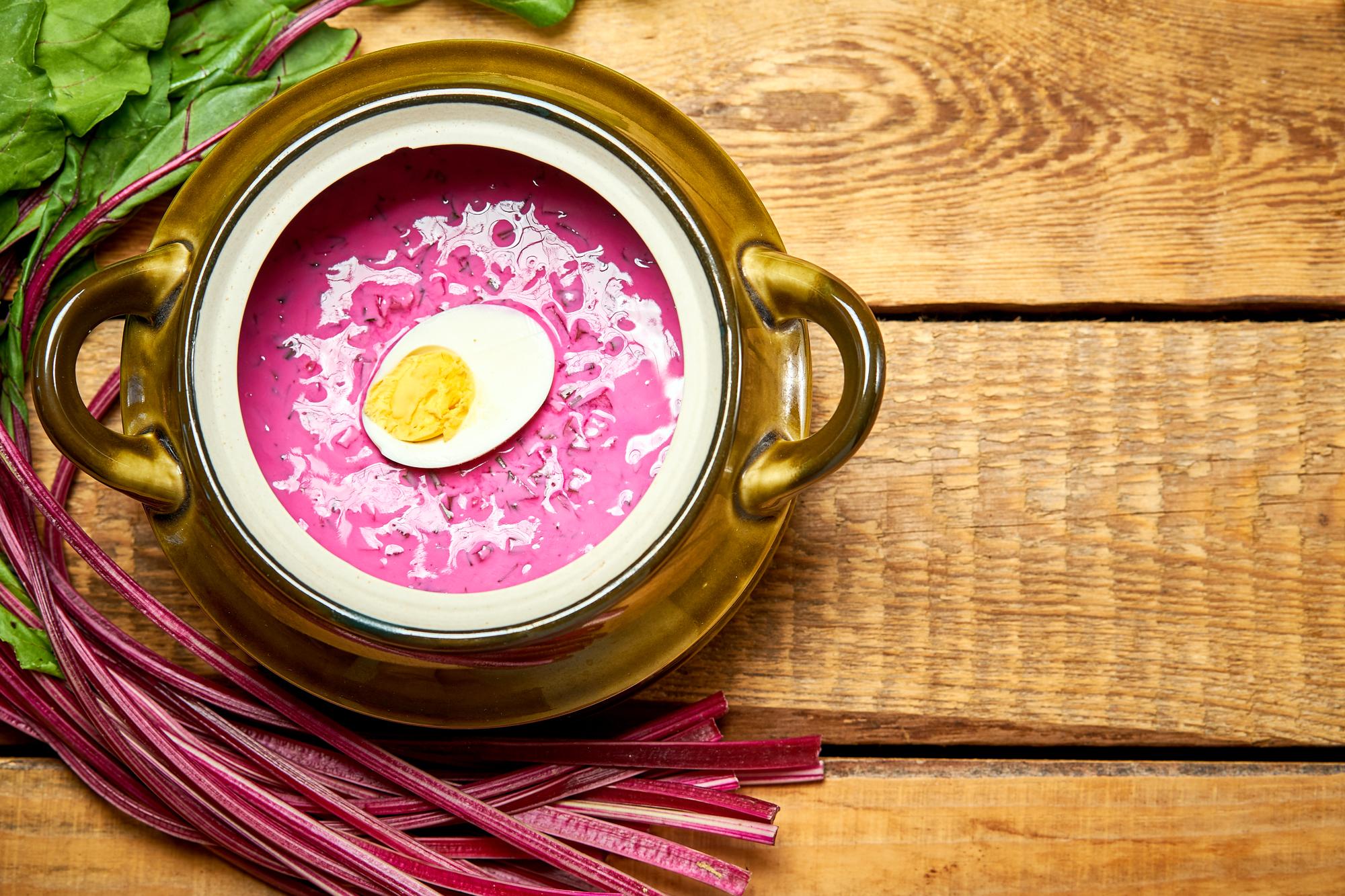
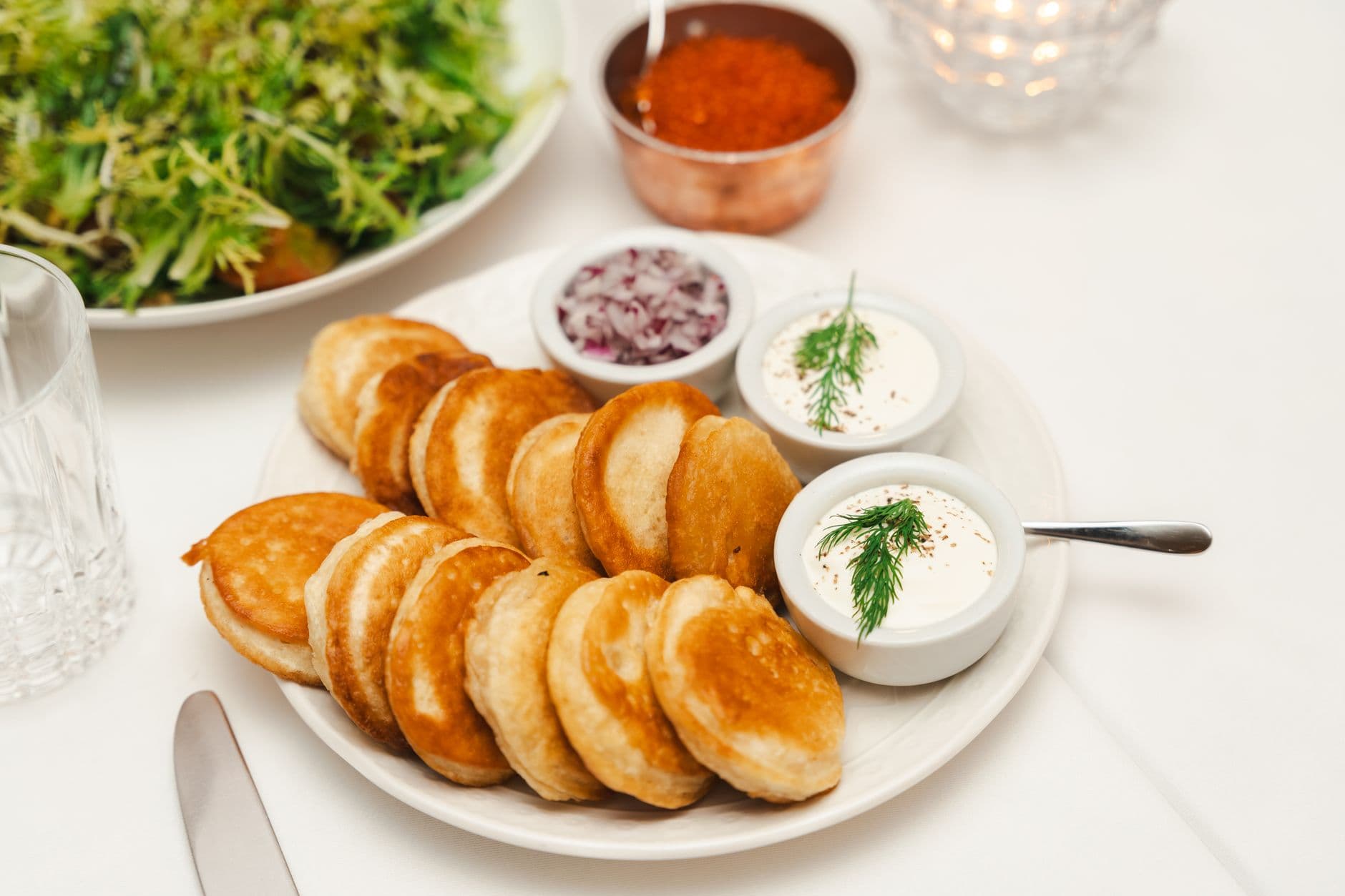
Alkaa todellisella, kuumana tarjoiltavalla punajuurikeitolla, runsaalla smetana-annoksella, ja ymmärrät jo Moskovan makua. Nämä punaiset keitot juurtavat makusi vuosisatoja vanhoihin tekniikoihin ja osoittavat, kuinka yksinkertaiset ainesosat muuttuvat tuoksuviksi, sydämellisiksi ruoiksi kaupungin kahviloissa ja markkinoilla.
Yrtitarhoista markkinatilaan nämä ainesosat alkavat pieniltä maatiloilta ja matkustavat Moskovan keittiöihin. Illan kalavaihtoehdoksi etsi tuoreita fileitä ja savustettuja lajikkeita; pieni annos savustettua kalaa ruisleivällä sopii hyvin okroshkan kanssa kesällä. Danilovskin markkinatilan kioskeilla on suolakurkkuja ja kauden vihreitä, täydellisiä kasvissyöjille.
Näissä kymmenessä ruokalajissa on borssikeitto, pelmeni, piirakit, naudan Stroganoff, okroshka, lohi karitsan alla, blini kaviaarilla tai savustetulla kalalla, shchi, golubtsy ja kulebyaka. Joissakin piirakeissa on mausteinen maku piparista ja raparperista. Jokaiselle ruokalajille on merkitty luotettava annoskoon: pelmeni 8-10 kappaletta, piirakit 1-2 henkilöä kohden, blini-pino 5-6 kappaletta ja kulebyaka noin 500 g, kun sitä jaetaan pääruoaksi. Kasvisvaihtoehtoja ovat esimerkiksi punajuurikeitto tai kasvispelmeni - ne ovat olemassa ja maistuvat vahvalta.
Suunnittele aterioiden aikataulu: ensimmäisenä päivänä keskitytään punajuurisoseihin ja nyytelimuihin; toisena päivänä tarjolla on naudan Stroganoff ja kalaruokia; kolmannen päivän päätteeksi nautitaan blinit ja kulebyakat. Tämä aikataulu auttaa mahtumaan 10 ruokalajin Moskovan vierailuun ilman kiirettä, ja aterioiden virta on sujuvaa. Joissakin keittiöissä ranskalaisia tekniikoita yhdistetään taikinaan, jolloin syntyy kevyitä maks-pastilleja, jotka täydentävät mausteisia piirakoita.
Kysy paikallisilta parhaista valtion ravintoloista ja yksityisistä ruokapaikoista; varaa pöytä ruokailun huippuaikoihin; ja tee muistiinpanoja tulevaa reittiä varten. Nämä ruokalajit paljastavat Moskovan todellisen ruokakulttuurin ja kutsuvat sinut maistamaan sen historiaa.
Moskovan ruokailu- ja matkailuohjelma
Aloita perinteinen moskovalainen kahvila aamunkoitteessa ja tilaa aamiaiseksi raejuustolla ja kauden hedelmillä täytetyt lättyjä. Tämä nopea aloitus asettaa selkeän kurssin käytännölliselle Moskovan ruoka- ja matkailuohjelmalle.
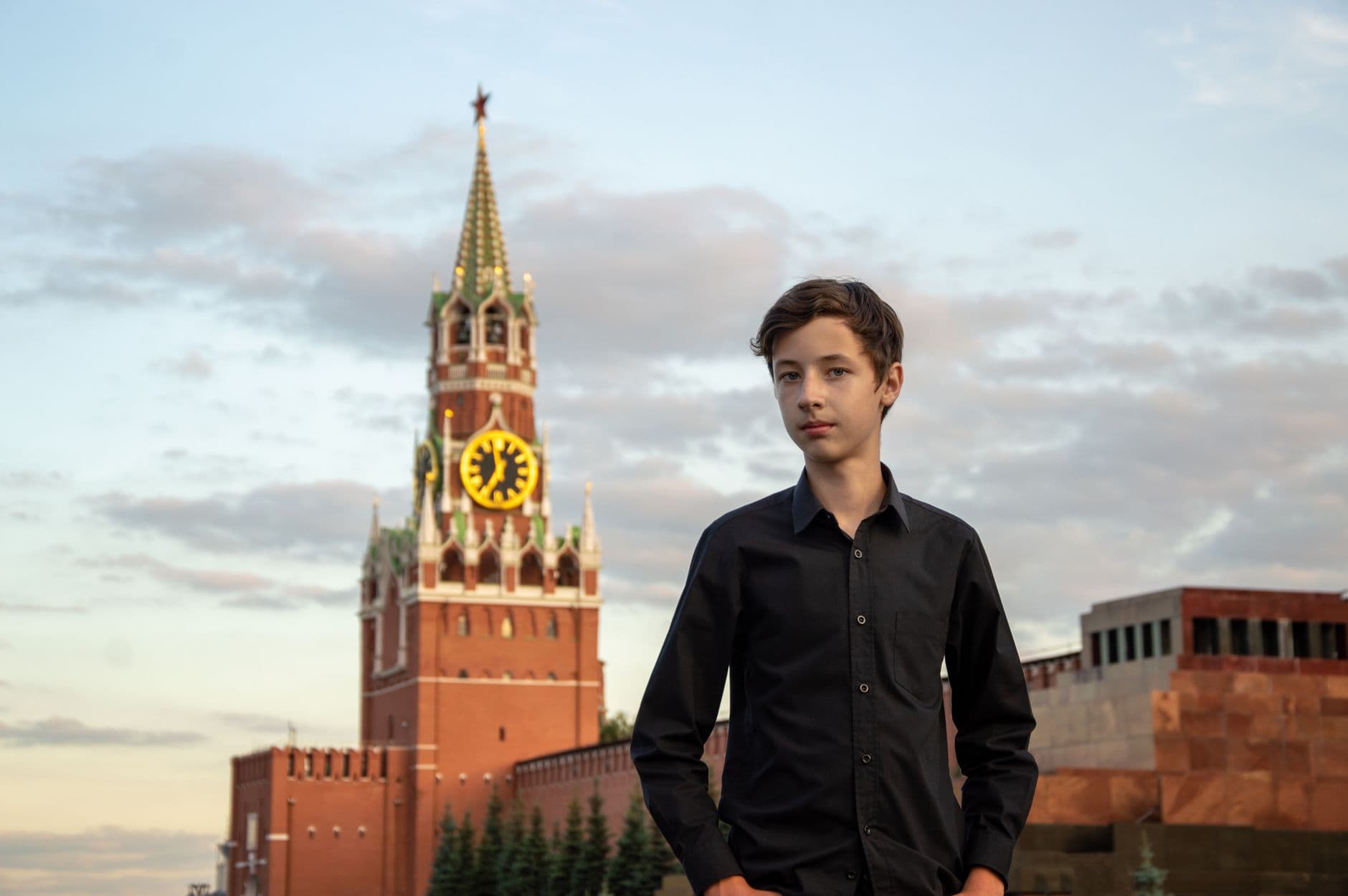
aamurata: 6 minuuttia. Aamurata: astu historialliseen keskustaan Punaisen torin läheisyyteen, kävele Kremlin muurien ja vanhojen kauppiaiden katujen välissä noin 3-4 kilometriä, ja pysähdy sitten vuosisadan vanhassa ruokasalissa borssille ja valkosipulilla maustetulle ruualle.
Lounasvaihtoehdot: koeteltavia ruokia ovat pelmeni, naudan stroganoff, Olivier-salaatti, borssi ja syrniki. Yleensä jaetaan annokset, jotta ateriat pysyvät kevyinä, kun jatkat tutustumista. Paranna paikallisia viinejä, kun ne tarjotaan. Tämä kattaa kaiken, mitä tarvitset tasapainoiseen päivään.
Iltapäivän ruokakävely: astu Izmailovskin markkinoille tai keskustan ruokahalliin maistamaan hedelmiä, tuoretta leipää ja useita valmiita ruokalajeja; useimmiten löydät jokaisesta kioskista omalaatuisia makuja ja perinteen sivistystä, ja voit vertailla muita kioskeja hinnasta.
Iltaohjelma: päästä kevyeen ateriaan joen lähellä, tilaa viinejä ja alkoholitonta vaihtoehtoa; tämä pitää energiatasapainon tasapainoisena rentouttavaa iltakävelyä varten. Jos olet paikassa, jossa on keittiö, nopea ruoanlaitto voi säästää aikaa.
Borscht ja shchi: missä maistaa aidot punajuuriskeitot Moskovassa
Käy Moskovan keskustassa sijaitsevassa Café Pushkinissa perinteisen borssin ja shchin nauttimiseksi; tämä on paikka, josta kannattaa aloittaa, jos haluat huolellisesti valmistetun punajuuriskeiton. Punajuuret tulevat paikalliselta tilalta, mikä antaa syvän värin ja luonnollisen makeuden, jota moskovilaiset odottavat. Syötilat sijaitsevat kiillotetulla lattialla, ja ikkunat avautuvat vilkkaalle kadulle, jossa väkijoukko kokoontuu illallisen ja kaupungin makujen keskustelun pariin.
Perinteisesti borssissa on punajuuria, kaalia, perunoita ja pieni lusikka smetanaa; keitto saa kirkkaan, mausteisen värin, ja kurkkujen koriste lisää raikkaan kontrastin. Mausteiden käyttö on tapauskohtainen, joten jokainen annos heijastaa kokin persoonallisuutta, mutta pysyy uskollisena reseptille, jota löytyy Moskovasta vanhoista keittiöistä. Valmistaudu hieman makeaan lopputulokseen, joka tulee tarkasta kiehumisesta ja perinteisen käytännön merkistä.
Shchi tulee runsaana rye-jauhojen paksuuntumisen ansiosta, mikä on alueellinen tekniikka, jota monet moskovilaiset arvostavat. Tällä alueella kokit sekoittavat sieniliemen syvyyden vuoksi, ja lopuksi lisätään smetanaa ja yrttejä. Se maistuu talvesta astiassa ja sopii hyvin tummaan ruisleipään. Toinen huomio: väri pysyy lämpimänä, rakenne silkkisenä ja kaalin tuoksu jää huoneeseen.
Toisen näkökulman tarjoavat esimerkiksi tohtori Živago tai Mari Vanna, joissa paikalliset keskustelevat borssista ja shchista lähdön jälkeen. Nämä ravintolat selittävät ruokien historiaan perustuvia reseptejä, ja moskovalaiset vertailevat usein, tuleeko punajuuri esiin vai jääkö se taustalle. Jos suunnittelet vierailua kiireisillä viikonloppuisin, varaa pöytä etukäteen pääruokasalin varmistamiseksi.
Tori- ja pikkukahvilat tarjoavat hetkellisesti valmistettuja keittoja, joissa käytetään lähimaiden punajuuria ja pöydällä olevia hapankaalia. Näiden kioskien lattia on yksinkertainen, ja tuoksu houkuttelee sekä paikallisia että vieraita. Nämä vaihtoehdot osoittavat, kuinka klassikot kulkeutuvat alueelta toiselle, ja voit luottaa suoraan, lohduttavaan kattilaan, joka peilaa kaupungin menneisyyttä.
Mihin mennä riippuu suunnitelmastasi: jos haluat tutustua keskustan kaduille, aloita ravintolalla Tverskajan kadulla tai Punaisen torin lähellä; muuten etsi hiljainen ruokala kaupunginosasta, joka on kaukana väkijoukoista. Timeread-vinkit auttavat sinua suunnittelemaan käynnit niin, että vältyt jonoilta, mutta sinun pitää silti odottaa vilkasta ilmapiiriä vilkasilla alueilla. Jos ostat muistoesineitä, ota mukaan matkalaukku ja varaa purkkia suolakurkkua tai muistoesineen punajuurisuolaa matkaa varten. Näin rakennat Moskovan punajuurikeitto-ohjelman, joka lasketaan todelliseksi paikalliskokemukseksi.
Venäjän keskuspankin kurssilla 15.09.2026 · powered by tutkakdoma
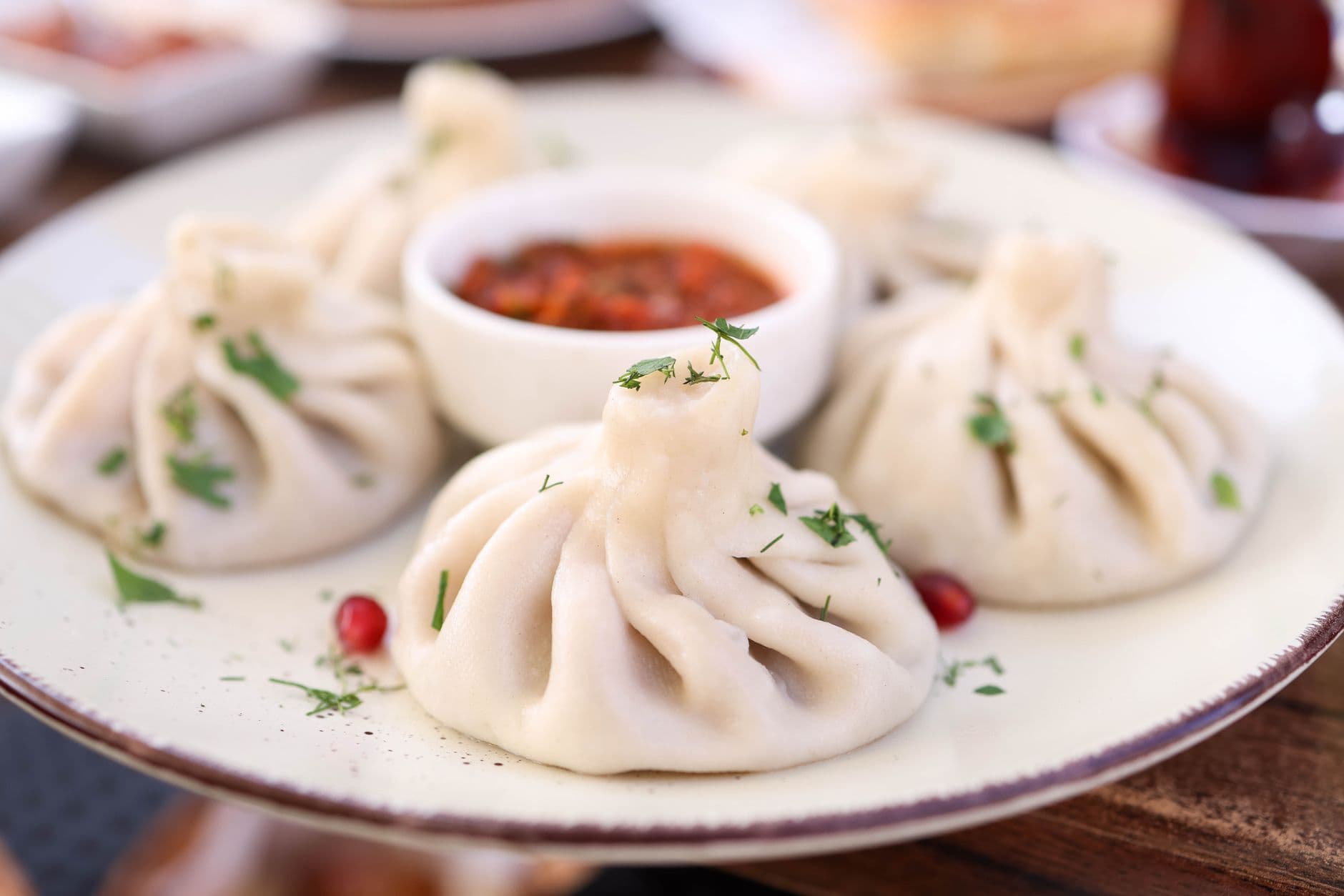
Pelmeni: täytteet, kioskit ja parhaat paikat niiden maistamiseen
Alkaa Danilovskin markkinoilta, jossa keittiömies kääntää taikinaa käsin. Markkinat ovat auki joka päivä, ja moskovalaiset tavoittelevat usein täällä nopeaa ja tyydyttävää lounasta. Rivien välissä löydät lukuisia kioskeja erilaisilla täytteillä ja keitoilla, joten lue etiketit ja vertaa tuoksuja ennen kuin päättää, mitä ensimmäiseksi maistat.
Täytteet, joita tulisi etsiä, useimmissa tapauksissa, ovat:
Lehmän- ja sianlihan sekoitus - klassinen ja tasapainoinen, yleensä luotettavan puraisun valinta; joillakin tiskillä käytetään naudanlihapihviä lihaisempaa tekstuuria varten.
Lammas ja sianliha - rikkaampia, kirkkailla yrtteillä, jotka kestävät mausteisen keiton.
Kana ja sienet - kevyempi, pehmeämpi maku, sopii hyvin lievemmäksi pariksi keittoon.
Vegetaristen vaihtoehtojen, kuten perunan ja juuston täytteiden, kaltaisia täytteitä on useissa kioskeissa, tarjoten miellyttävän vaihtelun.
Kala- tai mereneläintu-vaihtoehdot - harvinaisempia, mutta kannattaa kokeilla paikoissa, jotka korostavat alueellista mereneläinruokaa.
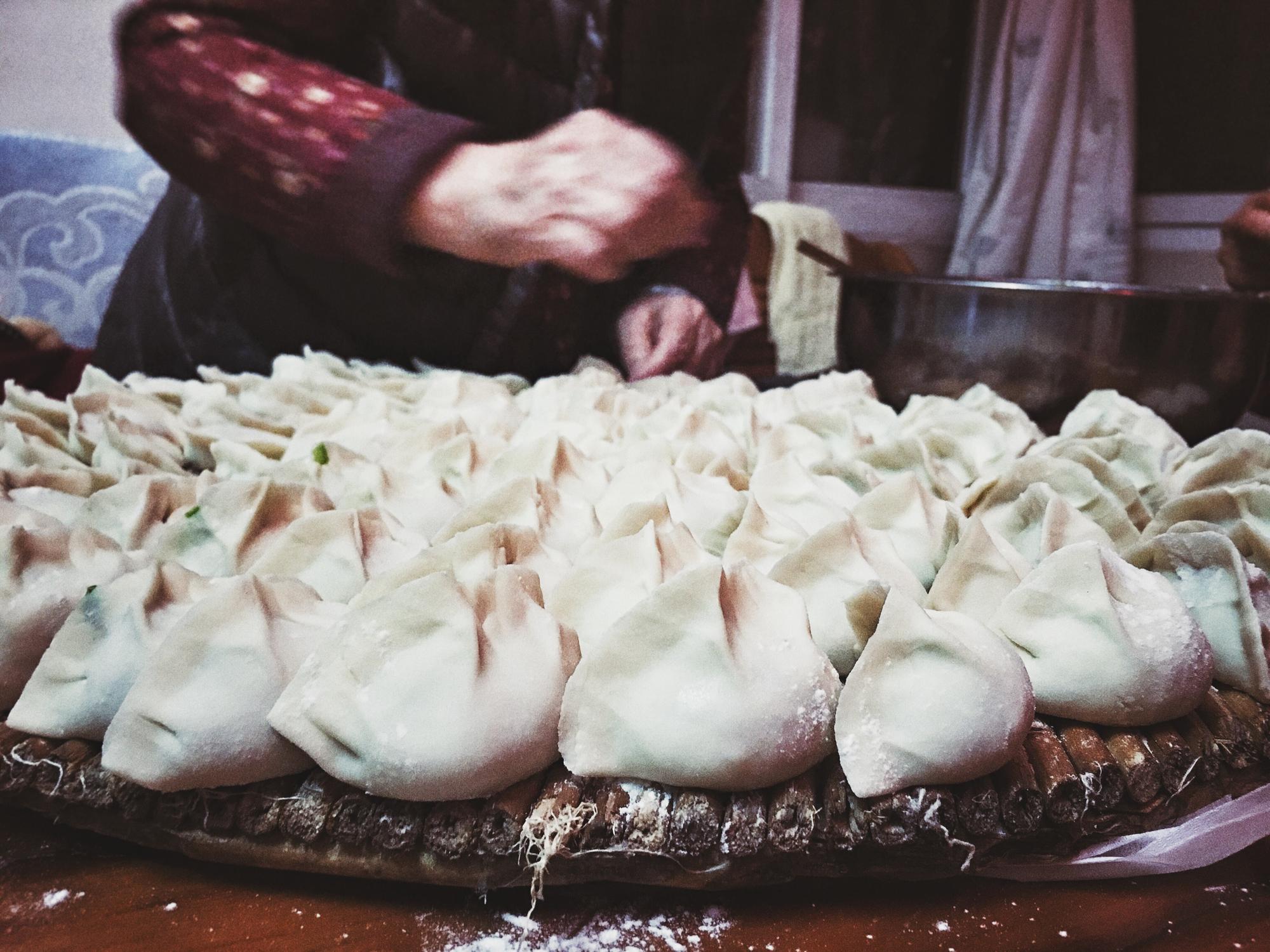
Tällainen monimuotoisuus tulee siitä, mistä myyjät hankkivat lihaa ja miten taikinaa valmistetaan. Usein taikinaa rullataan ohueksi ja venytetään niin, että kuoret lähes sulaa suussa. Täällä voit arvioida laatua: etsi läpinäkyvää kuorta, lyhyttä keittämisaikaa ja liemen, joka kuljettaa lihan makua ilman, että se peittää sen. Jos kioski korostaa keittämismenetelmää, kuulet usein heitä puhumasta kevyestä kiehumisesta tai voimakkaasta kiehumisesta, mikä muuttuu tapauskohtaisesti tekstuurin ja maun suhteen.
Tiskit valinta on yhtä tärkeää kuin täytteen valinta. Danilovskin markkinalla useat kioskit korostavat käsintehdystä taikinaa ja puhtaita etikettejä. Kysy myyjältä liemen tyypistä (selkeä vs. runsas) ja siitä, onko pelmenit keitetty vai höyrytetty hetken ennen tarjoilua. Tällaiset kysymykset antavat sinulle käsityksen huolellisuudesta ja ruoanlaittofilosofiasta, ja ne auttavat sinua valitsemaan oikean vaihtoehdon väsyneen aamun jälkeen.
Parhaat paikat niiden kokeilemiseen jakautuvat käytännössä kolmeen luokkaan. Ensimmäinen on Danilovsky Market -alueen markkinapaikka, jossa ulkoilmaympäristö ja nopea kierto pitävät pelmenit tuoreina ja maut aidosti. Toinen on perinteiset kahvilat keskustan alueilla, jotka ovat pitäneet kiinni pelmenien perinteisestä valmistustavasta vuosikymmenien ajan, usein tarjoamalla liemessä ruokalusikallisen yrttejä ja leipää lisukkeena. Kolmas on moderneja pelmeni-studioita ja informaalia ravintoloita, jotka kokeilevat täytteitä ja tarjoilua, tarjoamalla nopeaa palvelua kiireisen päivän kaupungissa. Kaikissa tapauksissa löydät monia vaihtoehtoja, ja voit suunnitella pienen kierroksen maistamaan vähintään kolme eri tyyliä yhdessä iltapäivänä.
Paritustippejä parhaaseen kokemukseen: tilaa pelmenit keitossa, jotta voit arvostaa mausteiden tasapainoa, ja harkitse vadelmajuomaa tai yksinkertaista teetä välipalana virkistääksesi makua. Jos olet nälkäinen pidemmälle maisteluun, lue valikko ja pyydä maisteluvalikoimaa; useat kioskit tarjoavat mini-maisteluvalikoiman, joka antaa sinun vertailla täytteitä ilman täyttä annosta. Kun olet valmis, huomioi, mikä alue vaikuttaa mausteisiin ja mikä keittotapa miellytti sinua eniten, sillä tällaiset havainnot tekevät tulevista vierailuista tehokkaampia ja miellyttävämpiä. Jos ihmettele kulttuurista kontekstia, pelmenit kuuluvat pitkään kotiruokaperinteeseen, joka kulkee hyvin moskovien kautta, jossa markkinat ja kahvilat pitävät tämän ajan elävänä sekä paikallisille että vieraille.
Alkuperäinen lihapihvi- ja sianlihapihvi-pelmeni on hyvä lähtökohta, ja sen jälkeen voit kokeilla lampaan- ja kanan vaihtoehtoja. Älä unohda arvioida taikinan laatua ja liemen kirkkautta. Paras kokemus saadaan käymällä useissa kioskeissa markkinan eri osissa, mutta jos aikaa ei ole, yksi hyvin valittu kioski riittää antamaan hyvän käsityksen siitä, miksi pelmeni on niin suosittu sekä moskovalaisille että vieraille.
Leikattu Stroganoff: klassinen versio ja moderneita kokeiluja Moskovan ravintoloissa
Valitse klassinen Stroganoff-pihvi, jossa on samettinen ragootti ja smetana, ja tutustu Moskovan ruokakulttuuriin aloittamalla piilossa olevista ruokaloista muodikkaan bulevardin varrelta.
Luonnollinen versio keskittyy herkälle fileeseen, joka leikataan ohuiksi nauhoiksi ja paistetaan lyhyesti säilyttääkseen mehukkuutensa. Sienet ja sipulit sekoittuvat kermaiseen raguun, joka korostuu pienen sinapin ja paprikan tuoksulla, ja päättyy hapankermaan. Perinteisesti se tarjoillaan voilla paistettujen nuudeleiden tai perunamuusin päällä, tuoreiden puutarhamausteiden yksinkertaisen lisukkeen kanssa. Tämä perinne on pohja, jonka monet ravintolat käyttävät lähtökohtana omien versioidensa luomisessa.
Huomaa, kuinka jokainen kierros muuttaa tekstuuria ja aromia, jotta voit valita version, joka sopii mielialoihisi.
Moskovan muotiravintoloissa perinteisiin resepteihin ilmestyy nykyaikaisia käänteitä. Tässä mitä kohtaat ja miten valitsee:
Luomusmenetelmä uusin kääntein: säilytä filee, mutta valmista ragoo viinipohjalla ja sienipureella, jotta maku syvenee.
Tekstuurin leikki: lisää ohut, raikas kuori tai leivonnaiskimppu päälle, jotta saadaan tulipalava visuaalinen vastakohta kermaiseen kastikkeeseen.
Viisi viiniä ruokalajin kanssa: valikoimassa on viisi viiniä, joista kaksi on valkoisia, kaksi punaisia ja yksi monipuolinen jälkiruokaviini, jotta voit vertailla, kuinka jokainen yhdistelmä muuttaa tasapainoa.
kvass ja kvas juomana: monissa paikoissa tarjotaan kvassia ei-alkoholisen vaihtoehdon ja kvasia virkistäväksi käymisjuomaksi veden sijasta.
Puutarhan koristeet: tilli, sipuli ja estragon nostaa kastikkeen makua, ja sitrushedelmien kuoren tuoksu valaisee loppuun.
Missä kokeilla: etsi kätkettyjä ruokaloita bulevardin julkisivun takana, jotka tarjoavat ainutlaatuisen valikoiman, joka pysyy uskollisena ruokakulttuurin perinteille.
Paitsi ja sivut: mausteiset piirakat tai leivonnaisten kätköt vihjaavat vanhojen Moskovan puutarhojen kotitekoiseen tunnelmaan.
Menee perinteisten rajoja pidemmälle: odota ragu-vaihtoehtoja villisien sienien, savustetun paprikan tai piparjuuren kanssa, jotka virkistävät tänään makuvalikoimaa.
Piilopaikat: etsi paikkoja, joissa on rauhallisia, puutarhamaisia sisäpihoja ja rentouttavaa palvelua, jotka kutsuvat sinua viipymään.
Blini ja syrniki: paistit ja makeat herkut, joita ei pidä jättää väliin
Kokeile viittä paksuista makeaa juustoa ja hilloa sisältävää blinia, ja päätyä sitten syrniki-kermaisilla juustokakkuilla, jotka on ripoteltu sokerilla. Tämä pari osoittaa, että Moskovan aamiaiset voivat olla sekä lohduttavia että jännittäviä, valinta, johon monet ihmiset palaavat uudelleen.
Löydät niitä Petrovskajan ja muiden katujen varrelta, kaupoista lähellä Ulitsa-katua sekä Tsumin ympäristöstä. Moskovan monissa kahviloissa tarjoillaan molempia ruokalajeja, ja historiallisten rakennusten seinillä muodostuu pitkiä jonoja. Paikkojen määrä on kasvanut; amerikkalaiset matkailijat pitävät usein annoksista ja mausta tasapainoisina. Joukkoja kerääntyy suosituille paikoille, erityisesti Tsumin ja Petrovskajan ympäristöön.
Syrnikit maistuvat parhaiten hunajan, rusinoiden tai hapankerman kanssa. Blinitä voi nauttia sekä makeana että suolaisena: kääri ne savustetun sianlihapihvin ja tillin kanssa tai tarjoa voin ja hillon kanssa. Molemmissa tapauksissa maistat lämpimän sisuksen ja paahdetun reunuksen kontrastin sekä vertailevat tekstuureja. Joillakin tiskillä on myös tarjolla maustettuja sianleikkeleitä. Kylmä olut tai tee tasapainottaa rikkauden ja toimii erinomaisena täydennyksenä.
Maksaa makua, käy myymälässä, jossa tarjolla on maisteluvalikoima: pieni lautanen blinitä ja syrnikejä tekstuurien vertailemiseksi. Puraisun välissä kysy henkilökunnalta juustosekoituksista ja mausteista; heidän suosituksensa auttavat siirtymään yksinkertaisesta makeasta rikkaampaan suolaisempaan kokemukseen. Lopullinen valinta riippuu mielialasta. Vain parhaat paikat pitävät klassikoita yksinkertaisina: pehmeät sisukset, herkät reunat ja rakenne, joka on säilytetty kevyeksi. Hinnasta odota 200-350 ruplaa annoksesta keskitasoisissa paikoissa, ja premium-vaihtoehdot ovat lähellä keskustan katuja.
Item
Missä kokeilla
Mitä tilata
Hinnat
Bliniä paksulla juustolla ja hillolla
Petrovkan alueen kahvila
Viisi blinia, hilloa, smetanaa
200-320 RUB
Syrniki hunajalla
Tsumin vieressä oleva kauppa
Syrnikit, hunaja tai smetana
250-350 RUB
Bliniä savustetulla fileellä
Ulitsa-café muurien lähellä
Blini, savustettu sianlihapala, tilli
300-420 RUB
Maukkaat pureskelut: sianleikkeleet blinillä
Katujuhlat Petrofskin kadulla
Porsaan leikkeleitä, mausteet pinossa
250-380 RUB
Olivier ja Silakka turkislakan alla: tilataan perinteisiä salaatteja ja virkistäviä herkkuja
Olivier- ja silakkasalaatti turkissa ovat perinteisiä salaatteja, joita seuraa jäähdytetty kvas. Tämä yhdistelmä on Moskovassa yleinen ruokaloissa ja kahviloissa, ja sitä rakastavat sekä paikalliset että matkailijat.
Olivier-valmisteessa korostaa perunoita ja munia, ja voit valita sianlihaa perinteisen painon vuoksi tai kanaa kevyemmän vaihtoehdon vuoksi. Ruokalajissa muodostuu hieman ragout-mainen syvyys, jossa kerrokset kohtaavat, ja hapan leivonnaiset tuovat kirkkaan kontrastin, joka pitää makua hereillä.
Sillipäällysteessä kerroksittain perunoita, porkkanoita, sipulia ja silliä, ja munat koristavat ruokaa monissa keittiöissä. Se on vanha, mukava ruoka, joka kuljettaa hyvin ruokala-astioissa kaikkialla, ja sitä tarjoillaan usein runsaissa annoksissa ruplia vastaan pöydällä.
Pyydä tomaattien tai juuston lisäkkeenä, jotta lautasen voi raikastaa välillä puremien välillä, erityisesti jos aloitat Olivier-salaatilla. Nämä lisäkkeet ovat edullisia ja saatavilla monissa kahviloissa, mikä tarjoaa yksinkertaisen tavan vaihdella tekstuureja ilman, että sinun tarvitsee jättää pöytä.
Lopeta ruokailu makealla vastapainolla, jossa on crêpejä ja vadelmahilloa. Crêpejä tarjoillaan usein kahviloissa, ja niitä voi tilata yksinkertaisina tai juustolla, pienen herkkuisen jälkiruuan jälkeen runsasta ateriasta.
Tarkat yksityiskohdat auttavat sinua nauttimaan: voit mainitaa rapua hauskana käänteenä joissakin alueellisissa salaateissa, ja usein löydät ruokaloita tarjoamassa pientä rapu-salaattia alkupalana. Jos olet tarkkana budjetista, seuraa ruplia; annokset ovat runsaita, ja arvo on erinomainen monissa paikoissa.
Kulttuuri Moskovassa alkaa yksinkertaisista ainesosista - perunoista, munista, tomaateista, juustosta - ja kehittyy mukavien, tyydyttävien salaattien sarjaksi. Voit itse tilata, osoittaa ja nauttia kahvilan rytmistä, hiljaisuudesta pöydien välillä sekä lämpimästä henkilökunnasta, joka auttaa sinua valikossa. Kielen esteet harvoin häiritsevät hymyä, jonka saat, kun salaatit tulevat pöydälle.