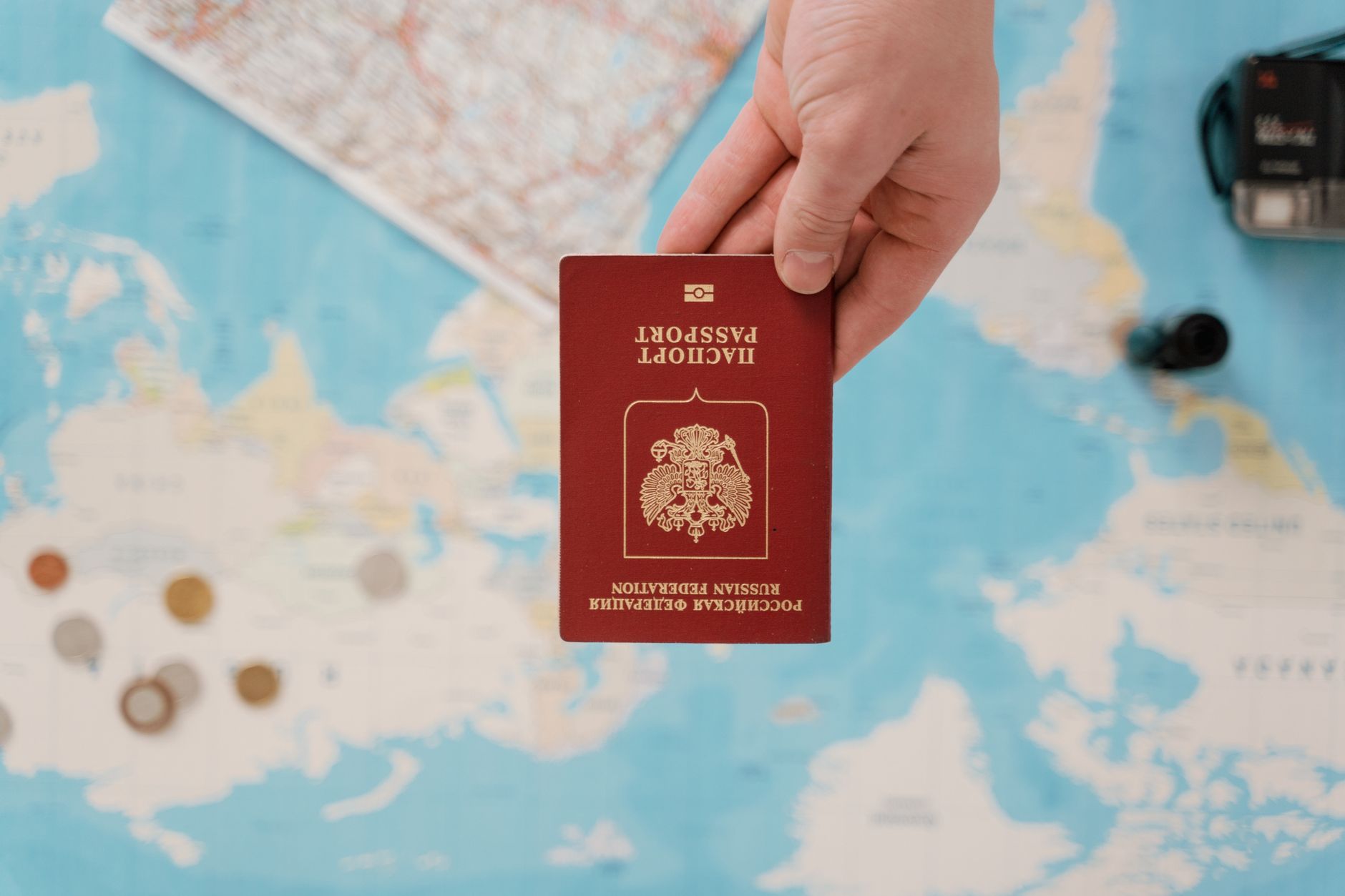
Understanding the various types of visas required for crossing the borders of Russia is an important step for any traveler. The visa application process can be complex, and having clarity on the specific requirements will allow you to make informed decisions regarding your travel plans. Each type of visa serves different purposes, whether for tourism, business, or family visits. By exploring these options in detail, you can ensure that your journey aligns with the relevant authorities’ conditions.
Obtaining a visa to Russia often involves filling out significant paperwork and making appointments. Travelers need to be ready to provide relevant documents, such as an invitation letter, insurance, and a signed application form. The process may seem daunting, especially when considering the number of hours needed for approval and the potential for issues if your application is not submitted correctly. However, understanding the right type of visa will simplify the journey, ensuring that you arrive without complications.
For instance, tourists may require a double-entry visa, while business travelers will need to adopt different protocols. Additionally, it’s vital to keep track of important dates, as visas can be issued with specific time frames and expiration conditions. Whether you are considering a trip to Saint Petersburg or exploring the far reaches of Vladivostok, research into your visa will allow for a smooth disembark upon arrival. As you prepare for your travels, take the time to investigate your options and align them with your planned itinerary.
Understanding Visa Types for Russia
When planning a trip to Russia, understanding the various visa types is crucial. Different nationalities have specific needs and regulations, so it is important to select the correct visa based on the purpose of your visit. The primary categories are tourist, business, student, and work visas. Each type has its own requirements and procedures.
For example, a single-entry tourist visa allows travelers to enter Russia once for a short duration, typically up to 30 days. This type is particularly popular among visitors from countries like Italy, Luxembourg, and Andorra who wish to discover Russia’s rich culture. Regular entries might require a multi-entry visa, which permits multiple visits within a specified time frame.
Students planning to study in Russia need to apply for a student visa, which generally covers the entirety of their course duration. If students arrive with the intention of enrolling in a Russian educational institution, they must ensure that their applications are submitted well in advance to avoid any delays.
| Visa Type | Purpose | Length of Stay | Entries |
|---|---|---|---|
| Tourist Visa | Leisure Travel | Up to 30 days | Single or Multiple |
| Business Visa | Business Activities | Up to 90 days | Single or Multiple |
| Student Visa | Educational Purposes | Duration of Study | Single |
| Work Visa | Työ | Usually up to 1 year | Single |
As indicated, the application process for each visa can vary significantly. Participants must fill out specific formularies, and documentation, including invitations or acceptance letters, must be submitted. Errors in documentation may lead to deportation or refusal at the border. It is always advisable to double-check your documents and procedures when preparing for your visa application.
Further inquiries can be directed to the Russian embassy in your country, where consular officers are able to provide guidance and information on making your application as smooth as possible. Certain forums online can also offer valuable insights from previous applicants, which may help you navigate your visa process better.
Differences Between Tourist and Business Visas
The choice between a tourist visa and a business visa for Russia primarily depends on the purpose of your visit. A tourist visa is designed for individuals traveling for leisure, while a business visa is intended for those engaging in professional activities.
Tourist visas are typically easier to acquire and generally come at a lower price than business visas. They allow for a short stay in the country, usually granting single-entry access valid for up to 30 days. In contrast, business visas can provide longer durations, with multiple-entry options available, making them suitable for individuals who need to travel frequently for work. Applicants must carefully consider their plans and choose the appropriate type based on their itinerary.
When applying for a tourist visa, individuals typically need to provide a travel itinerary, hotel accommodation details, and a travel insurance letter on letterhead. Business visa applications, however, require additional documentation such as an invitation letter from a Russian company, often signed and stamped, which must outline the purpose of the visit and the duration of stay. This letter serves to prove the legitimacy of the business purpose.
Both visa types require registering with the local authorities upon arrival in Russia if you plan to stay longer than 7 days. This registration step is crucial and should be completed immediately to avoid any legal issues. In cities with high international business activity, such as Moscow and St. Petersburg, the process may be faster, though it is essential to allow sufficient time for potential delays.
The application process for either visa can vary in complexity and processing times. For business visas, applicants might face additional scrutiny, as embassies may need to assess the legitimacy of business relationships. Tourist visa applications, while generally more straightforward, can still have points of rejection if the required documents are not properly filled out.
Once approved, both visa types may offer options for extension, but the process and conditions can differ significantly. Business visa holders often find it easier to extend their stay compared to tourists, especially if they have ongoing engagements with a host company.
In conclusion, the main differences between tourist and business visas involve the purpose of travel, duration of stay, documentation required, and the complexity of the application process. It is essential for applicants from countries such as Switzerland, Hungary, India, Italy, and Monaco to consider these factors carefully when planning their trip to Russia.
Eligibility Criteria for Various Visa Types
Understanding eligibility criteria is crucial for applicants seeking visas to Russia. Each visa type has its own specific rules that pertain to different nationalities and purposes for travel. For instance, the tourist visa typically allows individuals from countries like Luxembourg and Austria to stay for a maximum of 30 days, provided that they have a signed invitation from a registered host or a certificate from a travel agency.
Those applying for an academic visa must submit applications that include proof of enrollment in an educational institution recognized by the Federation. This may involve providing an official invitation from the host university and a copy of the academic identity card. The procedures require applicants to print and sign documents certifying their eligibility well in advance of their intended study period.
Single-entry visas typically apply to short visits rendered for tourism or business purposes. Applicants are advised to avoid expired documents during the submission process. In addition, any required payment for processing should be done promptly to avoid delays. For instance, payment confirmation must be submitted within a specified deadline, usually within ten days of the application date.
For those wishing to work in Russia, a work visa demands a different level of eligibility, including a valid job offer from a Russian employer. This requires the employer to be registered with the correct authorities and to have a certificate proving the need for foreign labor. Employers must also submit documents demonstrating compliance with local labor laws.
Visa registration is a critical step during your stay in Russia. The visa-registrationhseru process must be completed within seven days of disembarkation. Failure to do so could lead to deportation, which emphasizes the importance of adhering to specified instructions provided by consulates and regional representatives.
Lastly, specific visas related to humanitarian or women’s support require applicants to provide evidence of their activities and permissions from respective organizations. Each application must be assessed on an individual basis, so it is essential to thoroughly review all requirements before submission.
Duration of Stay for Different Visa Categories

The duration of stay in Russia varies significantly based on the type of visa held by the traveler. Understanding the specific rules associated with each category can help individuals plan their journey effectively and avoid any issues during their visit.
For a tourist visa, commonly referred to as a “regular” visa, the duration is generally limited to 30 days. Travelers should ensure they have the appropriate documents, including a valid invitation certificate, to cover their stay. However, under certain conditions, this visa may be extended, allowing guests to remain in Russia for a longer period, but approval from a local immigration officer is necessary.
Business visas can be more flexible. They are usually issued for 90 days but can be processed for longer durations, such as 6 months or even a year, depending on the needs of the holder. It is important for business representatives to check the latest rules and make sure their applications are complete to avoid cancellations due to insufficient documentation.
Student visas are also an option for those planning to study in Russia, with durations that typically match the length of the academic program. Students should be aware that they must register their residence and have the proper “dormitory” or “apartment” arrangements to maintain their legal status while residing in the country.
For individuals seeking a longer-term stay, the work visa provides options for extended durations, which can range from 3 months to 5 years. This visa is important for demonstrating a legitimate reason for long-term residence in Russia, whether for employment or other professional activities.
It is also worth noting that different regions, such as Vladivostok or cities in Slovenia, may have specific requirements regarding processing times and eligibility criteria. Travelers should always call the relevant embassy or consulate for the most current information applicable to their situation.
To summarize, the duration of stay based on visa types in Russia varies significantly. Before entering the country, it is crucial to thoroughly understand the specific requirements and prepare all necessary documents, including a recent photograph and valid invitation. This careful preparation will help avoid any dates of stay confusion or issues during immigration procedures.
Common Misconceptions About Russian Visas
When traveling to Russia, many people encounter misconceptions that can lead to confusion and stress. Understanding these common myths can help you navigate the visa application process more smoothly.
- Visa Types Are Limited: Many believe that there are only a few types of visas available. In reality, Russia offers various visa categories, including tourist, business, and academic visas. Each is tailored to specific purposes, ensuring that travelers can find the right option for their journey.
- Registration is Not Necessary: Some travelers think that once they arrive in Russia on a visa, registration is optional. However, the law stipulates that foreigners must register their visas within 7 working days of arrival. Failing to register can lead to fines and complications during your stay.
- Insurance is Optional: There is a perception that travel insurance is not required for obtaining a visa. However, the consulate often requires medical insurance that covers the duration of your stay in Russia. Without it, your visa may be denied.
- Only Hotels Can Register You: A common myth is that only hotels can handle visa registration. While hotels can assist with this process, private individuals or dormitories can also register foreign guests. It is essential to know who is responsible for completing this requirement to avoid being lost in bureaucratic procedures.
- Extension is Impossible: Some believe that visa extensions in Russia cannot be done after arrival. This is incorrect; with the proper documentation and application filled out in advance, it is possible to apply for an extension at the local Ministry of Internal Affairs.
- Need to Transfer Money for Every Application: A misconception exists that visa applications always require hefty fees or payments upfront. Prices can vary, but travelers need to confirm current fees with the responsible consulate or visa center. They may not always need to transfer large sums of money just to apply.
- No Academic Visas for Short Programs: Many people think that academic visas are only available for long-term studies. However, short-term educational programs, including summer schools, can often qualify for an academic visa, provided that the educational institution is recognized.
- Luxembourg and Andorra Have Different Rules: Travelers from Luxembourg or Andorra often believe they have different rules to follow when applying for a Russian visa. In fact, the requirements for these countries align closely with those from other EU nations, making the process similar.
- Traveling with Family is Complicated: Some participants in travel forums indicate that obtaining visas for family members is a hassle. While additional documentation may be required, the process tends to flow smoothly when all necessary paperwork is correctly prepared.
- Traveling to Saint Petersburg is Different: There are misconceptions that specific procedures apply only to those traveling to cities like Saint Petersburg. The rules for obtaining and registering visas generally apply to all regions in Russia.
By becoming informed about these misconceptions, you can better prepare for your visit to Russia. Always read the latest guidelines from official sources and ensure that all requirements are met before embarking on your journey.
Navigating the Visa Application Process
The visa application process for Russia can seem daunting, but with proper guidance, you can successfully navigate through it. First, it is important to determine the type of visa you will need. Russia offers various options, such as single-entry and double-entry visas, depending on your travel plans. Make sure you gather all necessary documents before starting the application process.
If you are already in Moscow or any other major city, you can visit a processing center or agency that specializes in visa services. They can assist you in filling the application form and ensure that everything is in order. Should you encounter any errors during this process, it is advisable to consult with a professional to avoid complications.
For e-visas, the process is usually simpler, allowing you to apply online. However, be aware that not all regions of Russia accept e-visas, so check if your destination territory permits entry with this type of visa. After submitting your application, you will receive a notice confirming the processing status. The length of processing time can vary, so be mindful of this when planning your departure.
Remember that upon arriving in Russia, you must register your visa within seven working days at a local police station. Failure to do so can result in fines or issues during your stay. The registration process involves providing necessary documents and confirming your residence, which might include your dorm or accommodation address.
If you are traveling with accompanying family members, ensure that their visas are processed separately but follow the same application guidelines. For specific inquiries about your situation, consider contacting a local visa agency or checking online forums for insights from other travelers who have navigated the process successfully.
Ultimately, taking the time to prepare and understand each step of the visa application process will help you avoid losing time and ensure a smoother arrival in Russia. Whether you are coming from Singapore, Italy, or France, being well-informed is the right approach to take on this journey.
Required Documents for Visa Application
Applying for a visa to Russia requires careful preparation and submission of specific documents. The requirements vary depending on the purpose of your visit, such as work, study, tourism, or official business. Below is a comprehensive list of the essential documents needed for various visa types.
- Completed Visa Application Form: Each applicant must fill out an application form accurately. Errors in the application can lead to delays or rejections.
- Passport: A valid passport with at least two blank pages and a minimum remaining validity of six months is required. Ensure that it has not expired and is free from any damage.
- Photographs: Recent passport-sized photos that meet official specifications must be included. The number of required photos may vary by visa type.
- Invitation Letter: For tourism and work purposes, an invitation letter from a Russian host or organization is necessary. This document officially confirms the purpose of your visit.
- Proof of Accommodation: Documentation showing your place of stay in Russia must be provided, such as hotel bookings or a housing agreement.
- Travel Insurance: Health insurance covering your stay in Russia is required. It should have coverage for medical treatment and emergencies during your time in the country.
- Financial Means: Candidates must provide evidence of sufficient funds to cover their stay. This can include bank statements or sponsorship letters.
- Certificate of Studies (for Students): If your purpose is studying, a certificate from your educational institution confirming your enrollment in a program is necessary.
- Official Documents: Depending on your visa type, further documents may include work contracts, educational enrollment confirmation, or other official letters. Ensure that each document is properly filled and signed.
- Consular Fees: Payment of the visa processing fee is mandatory. The amount may vary depending on your nationality and the visa type.
After gathering these documents, it is essential to check for any additional requirements specific to your region or visa office. Processing times can vary, so applying well in advance of your intended travel date is advisable. Making sure your application is complete and free of errors will significantly enhance the chances of a smooth entry process.
If you are applying through an agency, ensure that they are officially recognized, as submitting your application directly to the consulate often takes less time and fewer resources. Once all documents are submitted, remain updated on the status of your application; if any further information is required, the visa office will contact you.
Remember, each type of visa has specific purposes, and your application must reflect that. Whether you are entering for studies, work, or tours, clarity and completeness of your documents are key.