


Älä käy maanantaisin; Tretyakovin taidemuseo on tuolloin kiinni. Kävyminen tiistai-lauantai aamuisin vähentää väkijoukkoja ja auttaa sinua näkemään kohokohtia ilman kiirettä.
Suunnitteletko vierailua Moskovan museoihin?
Ohita jonot — liput ja opastetut kierrokset Moskovan museoihin.
Varaa kierros →Kompleksi koostuu kahdesta päärakennuksesta: historiallisesta päärakennuksesta Lavrušinskin katu 12:ssä ja toiseksi rakennuksesta Krimskin rinteellä, jossa on myöhemmin luotu venäläistä taidetta. Molempien paikkojen vierailu samana päivänä antaa mahdollisuuden vertailla vanhoja mestareita uudempiin liikkeisiin ja seurata venäläisen taiteen kehitystä.
Aukioloajat ovat 10:00-18:00, ti-su; tarkista virallinen sivusto kausittaisten muutosten varalta. Pääsymaksu on noin 700-1 000 ruplaa aikuisille, opiskelijoille, eläkeläisille ja lapsille on alennuksia; lipunmyyntipisteessä voit ostaa yhdistelmäliput molemmille kohteille.
Sisällä valtavat galleriat avautuvat jatkuvaksi kaareksi keskiaikaisista ikoneista 1800-luvun lopun realismin ja 1900-luvun alkupuolen avantgardistiseen taiteeseen. Näet sekä maalareiden muotokuvat että kuvanveistäjien teokset, ja huomaat huoneita, jotka esittelevät sotilasmuotokuvia ja univormuja. Itse asettelukin auttaa vieraita hallitsemaan tutustumistaan ja pysymään kiinnostuneina.
Kun suunnittelet reittiäsi, aloita päähallin Puškin-kauden muotokuvista, sitten siirry toiseen siipeen seuraamaan 1900-luvun alkupuolen kokeiluja. Hyvin suunniteltu reitti tekee nähtävyyksien kattamisesta helppoa ilman ylikuormitusta, ja lipunmyyntipisteen henkilökunta on mielellään antamassa ohjeita. Jos käydään lasten kanssa, etsi interaktiivisia näyttelyitä modernin osaston kohdasta.
Matkailijoille, jotka tulevat Novosibirskistä, tiedä, että lento laskeutuu Moskovaan ja metrolla pääset Krymskyn rantaan noin 30-40 minuutissa. Jos yrität nähdä molemmat kohteet samana iltapäivänä, gallerioihin on paljon väkeä, joten varaa 2-3 tuntia kullekin kohteelle, jotta pääset ihailemaan tärkeimpiä teoksia ja ymmärtämään niiden taiteilijoiden taustaa. Voit myös kuvitella, miten nämä kokoelmat vaikuttavat venäläisen taiteen tulevaisuuteen.
Tretyakovin taidemuseo Venäjän keisarikunnassa: Käytännöllinen opas vieraille
Liput voi ostaa verkossa varataksesi aikavaratun pääsyn; viimeinen pääsy on yleensä yksi tunti ennen sulkemista; hinnat vaihtelevat näyttelyn mukaan, ja joillakin ryhmillä voi olla ilmainen pääsy - tarkista virallisella sivustolla tai lipunmyynnissä ennen vierailua.
Pavel Tretyakovin kokoelma kasvoi alusta lähtien julkiseksi muistomerkiksi venäläiselle taiteelle. Perustajat esittelivät gallerian laajana teosten kokoelmana, joka oli tarkoitettu opetustarkoituksiin ja historiallisten teosten säilyttämiseen. Näyttely esitteli kaupunkikuvia, muotokuvia, ikonografiaa (pyhimyskuvien mukaan) ja arkielämän kohtauksia, paljastamalla, kuinka Venäjän kaupungit ja kulttuurit kehittyivät. Keisarillisen Venäjän aikana taideteosten näkyvyys Moskovassa ja muissa kaupungeissa vaikutti siihen, mitä vierailijat näkivät käydessään gallerioissa tai sen sivukohteissa. Tämä historiallinen painotus on edelleen nähtävissä pysyvässä kokoelmassa ja sen mukana tulevissa opetusohjelmissa. Taideteokset itse osoittavat tyylin kehityksen.
Suunnittele reittiäsi näillä käytännön vinkkeillä:
- Liput ja sisäänpääsy: varaa online varataksesi aikavälin; viimeinen sisäänpääsyikkuna mahdollistaa pidemmän oleskelun gallerioissa; hinnat ja alennukset vaihtelevat näyttelyn mukaan; on ilmaisia vaihtoehtoja oikeutetuille ryhmille - tarkista virallinen sivusto.
- Paras reitti on aloittaa pysyvän kokoelman tutustumisella, jotta ymmärrät aikakauden kehityksen, ja jatkaa sitten tilapäisnäyttelyillä, jotka korostavat tiettyjä taiteilijoita tai teemoja.
- Keskialueet, joissa on tärkeää keskittyä: kaupungsmaisemat, jotka kuvaavat Moskovaa ja muita kaupunkeja, merkittävät muotokuvat sekä suuret historialliset maalaukset, jotka kuvaavat elämää historiallisessa Venäjällä; Rodin esiintyy joskus koulutusohjelmissa tai vierailunäyttelyissä.
- Mitä Moskovan gallerioita vierailtiin keisariajan aikana? Paikalliset, virkamiehet, kauppiaat ja opiskelijat muodostivat yleisön ytimen, muuttamalla gallerian sosiaalisesti ja opetuksellisesti merkittäväksi tilaksi.
- Pushkin ja muut kulttuuriset heijastukset: odota materiaaleja, jotka yhdistävät taideteokset laajempaan muistoon, mukaan lukien viittaukset Pushkiniin ja kirjallisuuden vaikutukseen maalaukseen.
- Haara ja galleriat: kompleksiin kuuluu päärakennus ja sivukäytävä, joka isännöi lisäesittelyjä; yhdessä ne tarjoavat laajan ja ainutlaatuisen näkymän Venäjän taiteelliseen kehitykseen ja historialliseen teossarjaan.
- Mitä mukana ottaa ja mitä pukeutua: tiivis muistikirja muistiinpanoja varten, mukavat kengät pitkille käytäville, ja suunnitelma taukojen ottamiseksi tarpeen mukaan.
Vuosien varrella vierailijat ovat vetäytyneet imperiumiajan pariin taulujen kautta, jotka liittävät taideteokset kaupungin elämään ja yhteiskuntaan. Tämä lähestymistapa tekee vierailusta opettavan, ja se antaa sinulle mahdollisuuden arvostaa venäläisen taiteen kehitystä kansallisen kertomuksen kautta. Suunnittele toinen kierros, jotta voit kiinnittää huomiota mahdollisesti ohittamiisi yksityiskohtiin ja yhdistää teokset Moskovan ja muiden kaupunkien laajempaan muistiin.
Mitä nähdä: Venäjän keisariajan taiteen kohokohtia Tretjakovin taidemuseossa
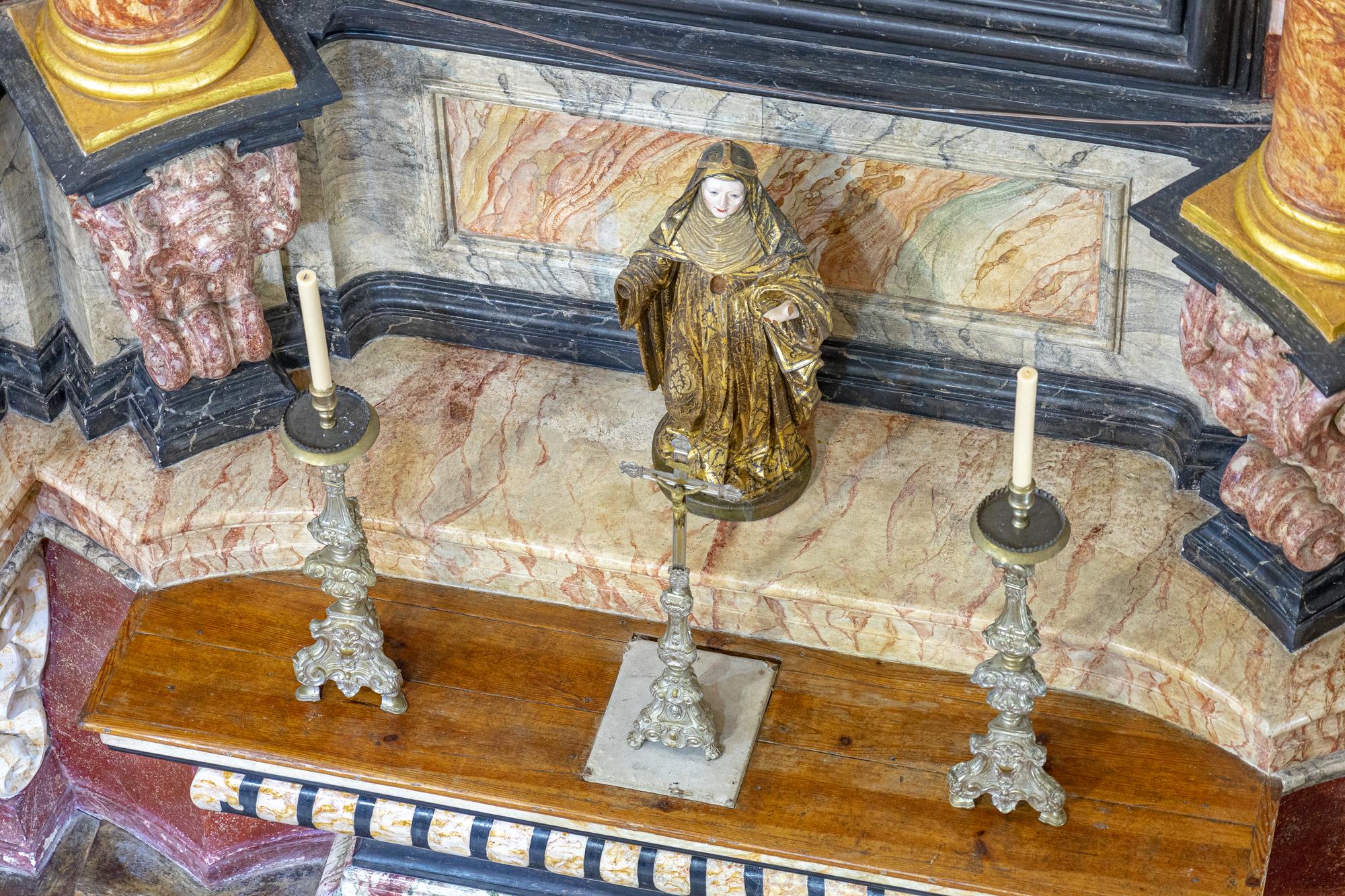
Osta lippu lipunmyyntipisteessä ja aloita seitsemällä kohokohdalla Venäjän keisarikunnan osastolla, sitten kävele gallerioiden välillä vertailemassa tyylejä. Osoite on Lavrušinski Lane 10, Moskova, ja pääovi avautuu lobbyyn, jossa kartta auttaa suunnittelemaan reittiä ennen kuin aloitat.
Kohokohta 1: Vasnetsovin Bogatyrs hallitsee korkealla seinällä 1800-luvun lopun galleriassa. Teos on graafinen, ja siinä on voimakkaita valo- ja lihaksikkaiden hahmojen kontrasteja, jotka kertovat kansanperinteestä peräisin olevasta myyttisestä tarinasta. Siirry taaksepäin, jotta näet koko koostumuksen, ja jatka sitten käytävää pitkin, jotta voit vertailla sitä läheisiin muotokuvisiin.
Highlight 2: 1800-luvun puolivälin ja lopun genre-kohtauksia ja muotokuvia kuvaavat valtakunnan arkipäivää. Taiteilijan käsialaa näkyy ilmeikäs kasvoissa ja kankaan ja tekstuurin tarkassa käsittelyssä; etsi teoksia, jotka keskittyvät työhön, perheeseen ja kaupunkielämään, pääosin lämpimissä maamaisissa sävyissä.
Kolmiulotteisuus 3: Meri- ja maisemamaalaukset osoittavat valon hallitsemisen. Etsi loistavaa vettä, persikkansävyistä auringonlaskua ja avaruuden tunnetta, joka laajenee rannan ja horisontin välillä. Nämä teokset osoittavat, kuinka väri ja ilmaisu välittävät tunnelmaa yhtä selvästi kuin aihe, erityisesti joulukuun pehmeämmässä päivänvalossa.
Korostelina 4: Uskonnolliset ja seremoniaaliset tilaukset sijaitsevat omalla alueellaan. Motiivit kantavat auktoriteettia ja rituaalin painoa, ja voit vertailla rauhallisia, monumentaalisia hahmoja läheisempiin muotokuviin, jotka paljastavat hiljaista haavoittuvuutta julkisissa hetkissä.
Highlight 5: Varhaiset kokeilut keskeisten hahmojen toimesta muodostivat venäläisen koulukunnan, joka näkyi siirtymisessä akateemisesta sävellyksestä henkilökohtaisempaan pyyhkäisytyyliin 1870- ja 1880-luvuilla. Huomaa, kuinka silmä vaihtelee muodollisista asennoista vapaammin liikkuviin osiin, jotka paljastavat yksilöllisen temperamentin.
Kohokohta 6: Näyttely yhdistää kirjallisuuden ja maalauksen, osoittaen, kuinka kirjailijat ja kohtaukset ovat vaikuttaneet kuvataiteeseen. Esimerkiksi muotokuvat ja genrekuvat heijastavat suurten kirjailijoiden ideoita; Pushkinin nimi esiintyy usein näyttelyteksteissä kulttuurisen keskustelun avainkäsitteenä, auttaen sinua ymmärtämään aikakauden kulttuurista dialogia.
Highlight 7: 21. vuosisadalla kokoelma loistaa uudella energialla. Yksinkertaiselle, rauhalliselle katselulle keskity yhteen maalaukseen tunteaksesi aikakauden uteliaisuuden; tämä hetki auttaa sinua ymmärtämään koko Tretyakovin kokoelman keisariajan taiteen kaaren.
Kävelytippu: käytä keskuskaista liikkumiseen huoneiden välillä, ja varaa aikaa tutkia valoa, joka putoaa kankaiden yli. Joulukuun vierailut tarkoittavat usein pehmeämpiä väkijoukkoja, mikä tekee helpommaksi seistä lähellä ja tarkastella harjastusta, kirjoituksia ja vuosilukuja tekijätunnisteissa. Tämä yleiskatsaus on kattava ja suunniteltu auttamaan sinua suunnittelemaan hyvin kohdennettua ja palkitsevaa kävelyä Venäjän keisarikunnan kokoelmien läpi, päähallien ja hiljaisien kulmien välillä, joissa värin kaltaiset persikat pehmentävät lämpimän iltahämärän tavoin suuren historian reunoja.
Suunnittele vierailusi: Aukioloajat, liput ja matka
Lähde kotoa aikaisin, jotta pääset Tretyakovin portille Lavrušinskin katu 12:een. Pääovi sijaitsee Lavrušinskin katu 12:lla, ja astut sisään saliin, jossa maalaukset tervehtivät hiljaisella valolla. Perinne alkoi täällä, jatkuen sukupolvien kautta, ja rauhallinen sisäänkäynti asettaa tunnelman vierailulle.
Aukioloajat: Ti-Su 10:00-18:00; viimeinen sisäänpääsy 17:30. Ma suljettu. Jos etsit pidempiä aukioloaikoja, tarkista virallinen sivu mahdollisista kausimuutoksista; naapurigalleria lisää joskus aukioloaikoja tiettyinä päivinä.
Liput ja kustannukset: Aikuiset 700-900 ruplaa; alennushinnat 350-500; alle 7-vuotiaat ilmaiseksi. Yhdistelmäliput molemmille Tretjakovin gallerioille maksavat noin 1100-1200 ruplaa. Varaus verkossa varmistaa aikapaikan ja voi säästää odottelua. Hinta sisältää pääsyn maalauksiin, piirroksiin ja graafisiin teoksiin.
Saapuminen: Lähimmät asemat ovat Tretyakovskajan asema, josta on helppo päästä kaupungin keskustasta. Asemalta kävele 6-8 minuuttia Lavrušinskin katuille; sisäänkäynti on lähellä useita bussipysäkkejä ja lyhyttä katuylitystä. Jos olet matkalla Pietari-painotteiselta reitiltä, reitti kulkee Moskovan keskustan läpi ja tuo sinut joen alueelle, sitten kohti museon sijaintipaikkaa.
Mitä nähdä ja suunnitella: kokoelmassa kohtaat 1700-luvun teoksia ja myöhemmin maalauksia Ivanovilta ja Jurilta; nämä teokset heijastavat perinnettä, joka kasvoi Moskovan ja Pietarin studiot. Grafiikkaa on vieressä kankaille, ja näet taiteilijoita, jotka kuolivat kauan sitten. Jos sinulla on vähän aikaa, aloita pääkokoelmasta ja näet tunnetuimmat teokset ensin, sitten siirry viereisiin huoneisiin Ivanovin ja Jurin muotokuvien luo. Seuraavat vinkit auttavat sinua hallitsemaan vierailusi ja maksimoimaan ajan teosten kanssa, jotka kiinnostavat sinua.
Navigoi avaruudessa: Gallerian asettelut, siivet ja pakolliset reitit

Alkaa Pysyvässä galleriassa historiallisessa Tretjakovin rakennuksessa Moskovassa, ja seuraa numeroitua karttaa, joka yhdistää siipirakennukset. Tämän suunnitelman avulla vierailija tietää, minne mennä ja mitä nähdä yhdessä vierailussa, jopa vilkkaana päivänä.
Reitti A - Historiallinen siipi: Liiku käytävää pitkin, jossa on muotokuvia ja varhaisia venäläisiä maisemia. Huoneiden välillä tunnet perinteen langan, joka yhdistää ikoneita 1900-luvun realismin. Tiiviin kierroksen ajaksi varaa noin 60-75 minuuttia; ohitat yksittäisiä muotokuvia ja rauhallisia nurkkiä, jotka ovat ihanteellisia lyhyelle tauolle. Tällä alueella muutamat muotokuvat viittaavat Vladimirin aikaan, tarjoten katseleen tuohon historialliseen hetkeen.
Reitti B - Modernin ja Neuvostoliiton äänet: Tämä siipi käsittelee 1800-luvun lopusta 1900-luvun keskivaiheille ulottuvia teoksia, joissa on sosiaalisia teemoja ja kaupunkielämän tutkimuksia. Huomaa italialaiseen vaikutukseen liittyvät yhteydet joissakin koristeellisissa tutkimuksissa, ja huomioi, kuinka taiteilijat siirtyvät intiimeistä kohtauksista laajemmiksi yhteiskunnallisiksi lausuntoiksi. Reitti päättyy julkisiin gallerioihin, joissa yksityiskokoelmien näyttelyt ja opastetut kierrokset alkavat, auttaen sinua päätämään, mitkä teokset jäävät mieleesi vierailun jälkeen.
Rodin-viittaus: Pyörivässä kulmassa näkyvä Rodin-viittaus tarjoaa tiivistelmän venäläisestä veistotaiteesta ja antaa matkalle maailmanlaajuisen ulottuvuuden.
Käytännöllisiä vinkkejä: Jos saaputte ryhmässä, varaa yksityiskierros tai liity henkilökunnan johdattamaan yleiskatsaukseen. Kiireisillä päivillä käytä sivutuloa välttääksesi jonoja. Lähellä on hotelleja lyhyen kävelymatkan päässä, mikä on kätevä yhdistää museokäynti ruokailuun tai kävelyyn Moskovan kaduilla, ja gallerian ympärillä olevat kadut pysyvät vilkkaana koko päivän. Käytä karttaa selvittääksesi, mistä voit pysähtyä levätä rauhallisessa nurkassa. Jos liikkuu siipien välillä, huomaat, kuinka tunnelma muuttuu valon ja esittelyn mukana.
Päivän kiertomatkalle aloita pysyvä kokoelma ja siirry sitten nykyaikaisiin käytäviin; tämä asettelu tekee helpoksi valita kuva, joka puhuu sinulle, ja vertailla erilaisia muotokuvia vuosisatojen läpi.
Paranna vierailusi: opastetut kiertokäynnit, ääniohjeet ja koulutustilaisuudet
Varaa opastettu kierros lipunmyyntipisteessä ennen kuin kiertäydyt salien välillä, jotta voit nopeasti suuntautua ja kartuttaa huoneiden linjaa, mukaan lukien Vrublin veistoksia ja Serovin muotokuvia.
Ohjattu kierros
Ohjattu kierros kestää 60-90 minuuttia pienissä ryhmissä ja käsittelee tärkeimpiä teoksia historiallisissa gallerioissa. Opas osoittaa korostuksia Mihailin, Serovin ja muiden mestareiden töistä, ja näet itse, kuinka kokoelma kasvoi perustajan varhaisista ostoksista nykyisen monipuoliseen näyttelyyn. Kierrokset alkavat lipunmyyntipisteen läheisyydessä, ja on mahdollisuus osallistua amerikkalaiseen versioon venäjänkielisten ulkopuolisille.
Ääniohjeet
Ääniohje on saatavilla useilla kielillä ja antaa sinun tutustua tiloihin omassa tahdissasi. Valitse reitti, joka keskittyy Vrubelin pelottavaan mutta kiehtovaan linjaan, ja vaihda sitten tarinoihin Alekseista ja Jurista takahuoneista. Amerikan englanninkielinen painos sisältää selkeät kartat ja puiston sekä sen ympärillä olevien historiallisten tilojen muistomerkki-aikajanan.
Koulutusohjelmat
Koulutustilaisuudet yhdistävät opettajat, perheet ja keräilijät käytännön toiminnan ja kuratoorien puheenvuorojen kautta. Ohjelmassa on tapahtumiin liittyviä toimintoja, joissa käytetään materiaaleja, jotka heijastavat gallerian historiallista kehitystä ja eri keräilijöiden roolia, jotka ovat rakentaneet kokoelman vuosikymmenien aikana.
| Option | Mitä kokemat sinulle tarjolla | Paras vaihtoehto | Liity Liity nyt ja nauti kaikista etuuksista! |
|---|---|---|---|
| Ohjattu kierros | 60-90 minuuttia, pienet ryhmät, kohteet Vrubelin, Serovin ja muiden salien parhaista; monikieliset opastajat | Ensimmäisellä vierailulla, perheet, taideharrastajat | Liput myyntipisteessä tai verkossa; pyydä henkilökohtaisia tai taka-alan säätöjä |
| Ääniohjeet | Taiteilijoiden huomioita, aikajanan konteksti ja taka-alan tarinoita sisältävät omatoimiset reitit | Itsenäinen tutkimus, tiukat aikataulut | Nosta infotaulusta; palauta poistumispaikassa |
| Koulutusohjelmat | Kuraattorikeskusteluja, perhetyöpajoja ja kouluohjelmia, jotka liittyvät historiallisiin aikakausiin ja tärkeisiin teoksiin | Kouluttajat, opiskelijat ja museoklubit | Rekisteröidy koulutuspisteessä tai verkkosivulla; ryhmäalennukset saatavilla |
Käytännöllinen etiketti ja saavutettavuus: valokuvaaminen, saavutettavuus ja vierailijapalvelut
Tarkista valokuvauspolitiikka sisäänkäynnissä ja noudata sitä koko vierailun ajan. Älä käytä salamaa, kolmijalkaa eikä estä ovia tai näkymää; nopea tarkistus infopisteessä välttää viivästyksiä. Johtaja ja gallerian tiimi käsittelee vierailijoiden huolenaiheita ja säätelee sääntöjä säilytyksen ja pääsyn tasapainottamiseksi vuosikymmenten ajan julkisen osallistumisen aikana.
Moskovan Zamoskvorechyen kaupunginosassa sijaitseva galleria on Lavrushinsky Lane -kadulla. Rakennus, jonka on suunnitellut tunnettu arkkitehti vanhan perinteen mukaisesti, kutsuu tutustumaan sekä suurista saleista että pienistä tutkimustiloista. Sisäänkäynti on esteetön, ja hissit yhdistävät kaikki kerrokset; pyörätuolit ovat saatavilla pyynnöstä. Englanninkieliset merkinnät ja ääniohjeet auttavat kansainvälisiä vieraita, ja kosketusnäytöt auttavat näkövammaisia vieraita. Lähistöllä sijaitsevat tärkeät liikennepaikat tekevät suunnittelusta helppoa, ja esteettömät reitit on selvästi merkitty katuvarrella.
Käyntiä helpottavat palvelut sisältävät erikoispalveluja vieraille, kuten reittiavustettuja kierroksia, mukautettua vauhtia ja koulutettua henkilökuntaa, joka on valmis auttamaan. Lisäksi standardilaitteistojen lisäksi saatavilla on suurennettuja etikettejä ja käsikäyttöinen ääniohjain englanniksi. Jos sinulla on erityisiä huolenaiheita, ota yhteyttä tiedotustiskille etukäteen; henkilökunta suunnittelee sinulle reitin tai pidentää vierailusi tarpeidesi mukaisesti.
Kävijäpalvelut tarjoavat opastettuja kierroksia useilla kielillä, perheystävällisiä resursseja, tavaratalon ja hiljaisuustiloja. Joidenkin palveluiden kustannukset sisältyvät sisäänpääsymaksuun, kun taas toiset vaativat etukäteen varauksen; englanninkielinen sivusto luettelee nykyiset vaihtoehdot ja aikavälien. Kouluille, tutkijoille tai erityisryhmille on oma haara, joka tukee yhteistyötä ja sovitettuja ohjelmia.
Läpikotaisen katselusuunnitelman avulla voit maksimoida vetovoiman: seitsemän kohdan etiketti- ja saavutettavuuslistan avulla, joka alkaa valokuvausohjeista ja jatkuu merkintöihin, reittisuunnitteluun ja kohteliaaseen käytökseen. Keskity johtavien taiteilijoiden, kuten Repinin, Chagallin ja Malevitšin teoksiin ja vertaa niitä Valentinin töihin, jotta ymmärrät tyylimuutokset vuosisadan aikana. Keskihallin mausoleumimainen ilmapiiri kutsuu mietiskelyyn, mutta se on julkinen tila, joka on rakennettu vierailijoiden vastaanottamiseksi - pidä äänesi kohtuullisena ja koske koskaan seinämiin tai teoksiin.
Galleriajohto korostaa tärkeää, sisältävää kokemusta. Johtaja valvoo politiikoita, jotka heijastavat perustajien näkemystä, ja sovittaa niitä, kun yleisö kasvaa ja tarpeet muuttuvat. Tämä pitkäaikainen lähestymistapa on kattava, ja se yhdistää kustannukset, palvelut ja saavutettavuuden yhteisön odotusten mukaisesti. Sijaiten Lavrušinskin katu 17:ssa, monimutkainen rakennus edustaa sata vuotta venäläistä taidehistoriaa ja jatkaa vierailijoiden kaikilta taustoilta pääsyn, oppimisen ja arvostuksen edistämistä.


