Kezdjünk a Klimentovszkij utcánál, amely egy történelmi kolostor és egy központi tér közelében található; ez a kompakt szakasz egy gyors, fotózásra alkalmas reggeli bejárást biztosít.
Ez az útvonal mentén egy történelmi intézet campusza áll egy múzeum ihletett épület mellett, és a sétálás tele van utcai szintű, részletesen faragott párkányokkal, színes homlokzattal, és üzletablakok tükröződéseivel, amíg az idő este felé közeledik, így a tér természetes látványponttá válik.
A guide szerzője, a kokoshkinglobal gyakorlati tanácsokat ad a időtervezésre és a fény keretelésére; van ideje megfigyelni, ahogy a fény változik a homlokzaton, és megpihenni a kolostor közelében.
Az időpont fontos: a korai reggel éles vonalakkal és hűvös árnyalatokkal jár, míg a késő délután melegebb színeket hoz egy hosszú árkádon, amely egy templom és egy múzeumkomplexum mellett vezet el; ez segít egy kompakt jelenetsor összeállításában, amely a város gyalogos történeteit meséli el.
Ez egy körutat jelent, amely közel visszaér a térhez, ahol egy kávéház-csoport élénk hangulatot teremt; ez lehetővé teszi, hogy összehasonlítsd a szögleteket és egy összefüggő kis portrét készíts a főváros sétálási útvonalairól.
Moszkva öt legnépszerűbb gyalogos utca fotókkal
Régelőtt kezdjük meg az Ó-Arbat utcán, hogy a történelmi homlokzatokat a lágy fényben lássuk, majd sétáljunk a Sztolecsnyikov-párkányon, a Nyikolszkaja utcán, a Novij Arbaton, és fejezzük be a Moszkva-parton, ahol a napnyugta és az archív fényképek, valamint a mozgóképszerű képek a város százéves történelmét és kultúráját mutatják be. Ez az útvonal a város épületeinek, a tér sarkainak és a galériák térségének világos látását biztosítja, miközben sétálsz, és egyben számos látogatót és helyi lakosokat is megragad.
- Ó-Arbat utca - történelmi sétány, amely évszázados homlokzataival és kis galériáival díszlik. A látvány festői, mintha minden ajtóról festmény lenne függesztve. A sétálás a történettel és a helyérzettel tölti meg az elmént, és a közeli üzletekben és galériákban találhatók korabeli fényképek a 20. század elején. Mikor menjen: reggel korán vagy késő este a legjobb fény és kevesebb tömeg miatt, akkor kevesebb a zaj, és az atmoszféra élénk marad, nélkülözve a déli hőség kellemetlenségét.
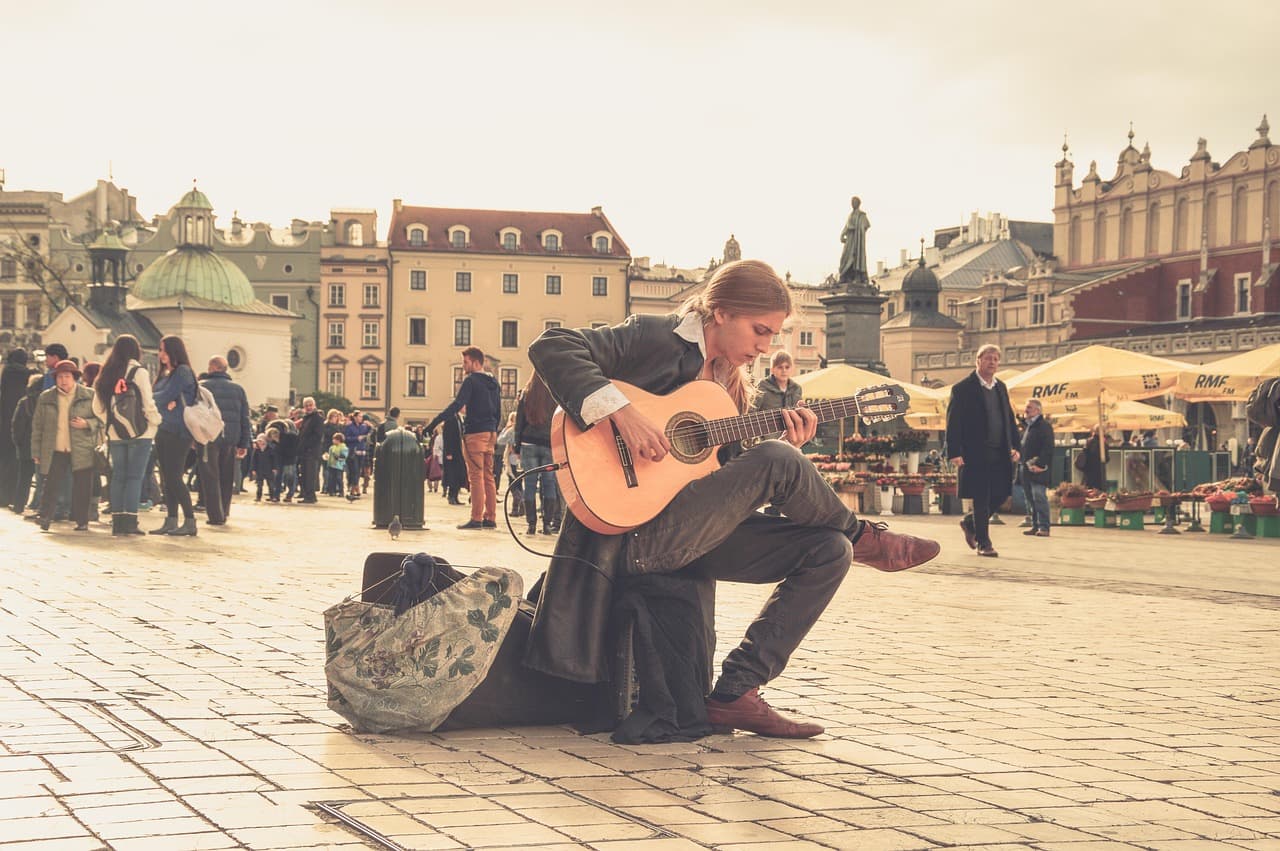
- Mit érdemes felvenni: az árkádos homlokzatokat, utcazenészeket, és a téren a utca végén; keress távoli horizontokon szilhouettekben katedrálisokat, hogy drámai látványt kapj.
- Lépj lassan, állj meg a saroknál, ahol a helyiek összegyűlnek, és hasonlítsd össze az aktuális képeket az archív felvételekkel, hogy észrevessz, hogyan változtak az épületek és a partfalak az idők folyamán.
- Stoleshnikov Lane - egy kompakt, autómentes sétány, amely galériákkal, kortárs művészek alkotásaival és kis udvarokkal teli. Még mindig visszhangzik az az idő, amikor kereskedők és festők használták. Falai élő festményként olvashatók, és össze lehet hasonlítani a modern jeleneteket az archívumok régi nyomataival. Mikor menni: késő reggel, hogy a napfény a téglákra és az üvegre fényljen; ez egy csendes szakasz, amely lassú sétálásra és gondos keretelésre ösztönöz.
- Mit kell felvenni: közeli felvételek ajtókról, kovácsoltvasról és üzletablakokról; rögzítsd a látogatók és az üzletesek kölcsönös interakcióját; ez az időpont mutatja meg a közeli gátak színeit.
- Lépjen be a belső udvarokba, ahol helyi alkotók művei állnak ki; talál ideális kompozíciókat, amelyek galériás minőségű fotókhoz tökéletesek.
- Nikolszkaja utca és a Manezsznaja tér - egy gyalogosbarát folyosó, amely összeköti a történelmi magokat a Manezs térrel, és lehetőséget nyújt arra, hogy egyidejűleg lássuk az ó- és új építészetet. Ez a terület hosszú történelmet öltött magára, és itt találkozhatunk ívekkel, múzeumos hangulatú helyekkel, valamint egy olyan tömegével, amely minden évszakban része a képnek. Mikor menjen: a napnyugta és a napnyugta utáni időpontban aranyóra és estei fények miatt; a tér világítása drámai háttérképet biztosít a fényképezéshez, és festményhez hasonló visszaverődéseket a járdán.
- Mit érdemes felvenni: a vöröstejű homlokzatokat, a tér tágas geometriáját, és a galériák ablakait, ahol a művek a utcáról is láthatóak; néha a közeli galériákban archív nyomtatványok is kiállításra kerülnek összehasonlítás céljából.
- Tipp: figyeljen a utcai előadásokra, amelyek karaktert adnak a kilátásnak, és figyeljen arra, hogy a közeli utcák mentén lévő partok, ahogyan a tér szélébe olvadnak.
- Új Arbat - egy hosszú, széles sétány, ahol kávézók és üzletek sok látogatót vonzanak. A hangulat új építészetet ötvöz az óvárosi textúrával, és összehasonlíthatod a modern jeleneteket a közeli műtermek festményeivel. Ez a szakasz modern ellentétet nyújt az öregebb folyosókhoz, de mélyen kötődik a történelemhez. Mikor menni: késő délután és este; a utcai világítás és az üzletek ablakai lágy, festőies fényt adnak a fotókhoz.
- Mit célzatt: széles sugárutak, üvegreflexiók, és a modern homlokzatokon a fény játszása a távolban látható történelmi vonalvezetéssel.
- Tipp: vegye be egy sétát a közeli partfalak mentén a folyó és a városi panoráma hosszabb megtekintéséért; talál olyan pillanatokra, amelyek kiállítást emlékeztetnek.
- Moszkva-partok - egy folyami sétány, amely több történelmi negyedet köti össze. Ez a sétány lenyűgöző kilátást nyújt a Moszkva városképére, folyamatosan sétálók áramlását, valamint egy olyan hátteret, amelyet számtalan fénykép és archívum rögzített. A sétány tele van kulturális jelzőkkel, térnyilvánulásokkal és az épületek idővel változó látványával. Mikor menni: este; a napnyugta a víz fölött csendes pillanatot teremt a fényképészet és az emlékezés számára.
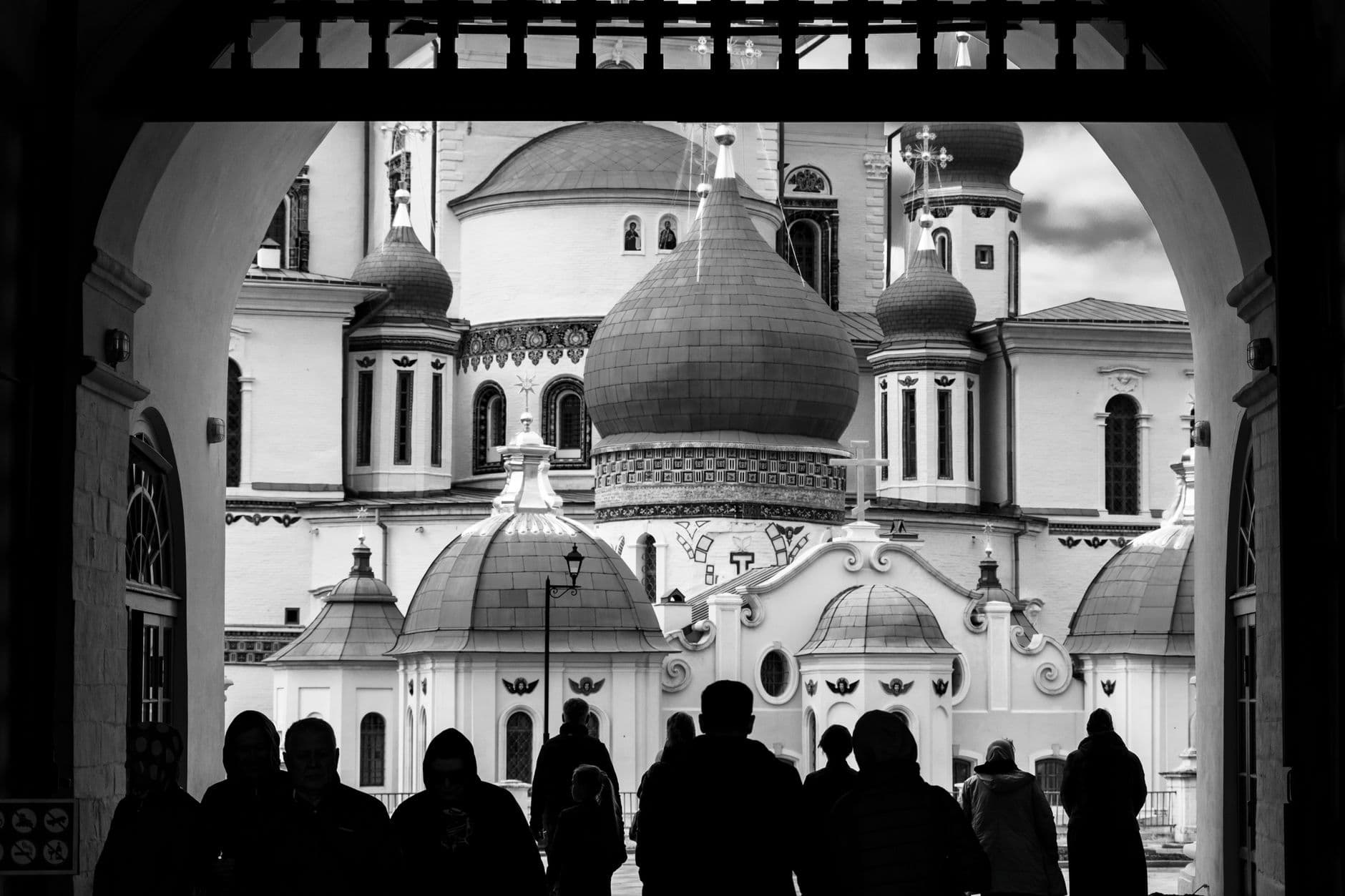
- Mit kell felvennünk: templomtorony és székesegyház tornyok sziluettek, hidak, és a folyónak a széles vonalát; keressük a vízben a tükröződéseket és a partfák sziluettek.
- Tipp: járj végig a teljes hosszúságon az egyik végétől a másikig, majd térj vissza a másik parton, hogy összehasonlíthasd a nézőpontokat; látszod, hogyan változik a nap folyamán a színpálya és a hangulat.
Fedezd fel a legjobb öt gyalogos utca legfontosabb látnoktippjeivel!
Kezdj el a Novy téren és követd a könnyen járható utakat; Tartsd szem előtt a szünetek lehetőségeit a Museon területén, templomok és kolostorok közelében, mivel a történelmi utak a nyugodt séták során bontakoznak ki. Ott egy sokaság gyalogos felfedezheti az étkezésre érdemes helyeket a Kokoshkinglobal kávézókban, amelyek gyors ebédlőket is kínálnak. Ha a hőség elviselhetetlen, válassz korai órákat, hogy még így is élvezd a látványokat, és esetleg még lovakat is láthatsz legelni a közelben.
Öt útvonal mutatja be a kultúrát az építészet és az minden napos élet keretében. A Novy tér utcái összekötik a térségeket a templom és a székesegyház csoporttal; a Museon negyed intézményeket és utcákat ad a történelmi házakkal; a Klimentovszkij zóna a százéves sugárutak középpontjában van a kolostor közelében; a kolostor szélén csendes udvarok vannak; a Kokoshkina globális folyosó modern éttermeket hoz az ókori homlokzatok mellé. Ezek az utak érdekes helyekhez is kapcsolódnak sétáláshoz, ahol megállhat, megfigyelhet, és megtudhat, melyik út illik a tempójához.
| Area | Főbb látnivalók | Hasznos tanácsok | Legjobb időpont |
|---|
| Új tér sétányok | híres házak, székesegyház, kolostor, templom, tér hangulat | Kezdj korán, viselj kényelmes cipőt, tartd a tempót, jegyzd fel egy kedvenc kávézó nevet | reggel délutánig |
| múzeumnegyed | történelmi múzeumok, utcák, közeli kulturális intézmény | Látogasson kevesebb látogatóval, rövid szüneteket vegyen a árnyékban | midday |
| Klimentovszkij zóna | százéves sugárutak, a Klimentovszkij Intézet közelében | Nézd meg a utcai táblákat, bontakozz ki a kisebb utcákban, hogy csendesebb látványokat találj. | késő délután |
| kolostor szegély | kolostorépület, templom szilett, csendes udvarok | Tiszteletben tartják a szentélyeket, maradjon a megjelölt útvonalakon, vigyen magával vizet | tavasz, ősz |
| A globális korridor | Modern éttermek az ókori homlokzatok mellett | minta helyi ételek, körbejárja a utcákat, megfigyelje az építészetet | evening |
Vörös tér és Nyikolszkaja utca: Legjobb fényképezési helyek, időpontok és tömegcsapdák
Érkezzön a hajnalban, hogy tisztán láthassa a Nyikolszkij utca mentén a Szent Vazul-székesegyházat és a tér aranyozott kapuit. A „aranyóra" nagyjából 20-40 percvel előzi meg a napnyugtat, a szezontól függően. Vegye igénybe egy kávépihenőt vagy bontsa meg egy közeli galéria, hogy frissüljön, mielőtt a következő képet készítené.
Spot 1: A kapuk közeléből a téren át a székesegyház kupoláira célzó fotó, ahol a Nikolszkaja utca mentén álló történelmi házsor ad mélységet, míg a festett textúrájú homlokzatok hangulatot.
Spot 2: A Klimentovszkij utca nyugalmasabb kereteket nyújt lámpásokkal, egy templom szilettel, és egy látvánnyal, amely a kapu irányába vezet; a késő délutáni fény meleg árnyalatokkal öltözi be a téglát és a követ.
Spot 3: A Tretyakov Galéria oldalán, a folyón túl egy előnyös helyről egy szélesebb panoráma nyílik, amely összekapcsolja a téren a négyzetes homlokzat részleteket és a távoli tornyokat egy képkeretbe, különösen amikor az világosság enyhül.
A tömegcsapdák elkerülésére célszerű a hajnal vagy késő délutánra időzni, és lassan haladni az utcákon, hogy a gyalogosok elhaladjanak, anélkül, hogy a látványt elzárnák. Keressük a lehetőségeket az utcák szélein és a kapuk közelében, ahol gyakran előfordulnak a mindennapi élet spontán pillanatai. Négy-két kép után térjenek el a Novy színes akcentusai felé a táblákon és a házak mellett lévő csendes sarokba, majd térjenek vissza a közeli intézethez a kontextusért. Hosszabb munkamenetek esetén váltogasson a fókuszhossz között, hogy kiemelje a katedrális, a festményhez hasonló homlokzatokat és a Klimentovszkij utca falazását, amely szintén csendes portrék és részletek felvételét teszi lehetővé.
Arbat utca: sétatúrák, látnivalók, és közeli kávézók
A Smolenszkaja metróállomástól indulva sétáljon az Arbat utcán a Novij Arbat irányába. Ez a kényelmes út Moszkva történelmének egy sor történelmi házát, kávéházat és üzletet mutatja be, és lehetővé teszi a moszkvai lakosoknak, hogy kávéval a kezükben sétáljanak. Tervezzen 60-75 percet egy kényelmes körútra, amely fényképezésre és a sarok temploma kilátásának élvezetére hagy időt.
Kövesd az artériát kb. 0,8 km-re a történelmi övezet széléig, majd térj vissza egy párhuzamos úton, hogy közelebb nézhess a sarkokra, amelyek meghatározzák az Arbat nevét. Az első szakaszban figyelj egy kis templomot a sarkon és egy faragott táblát, amely hosszú története miatt ma is sok látogatót vonz. Az egykori kereskedők házai mellett lévő utca tele van üzletekkel és falfestményekkel, amelyekre a moszkvai lakosok rajongnak a portrékért és a szuvenírekért. Itt keverednek az öreg mesterek munkái az új boutique-okkal, és néhány fényképet is készíthetsz a hangulat megörökítésére.
A közeli kávézók és éttermek sorakoznak a útvonal mentén: klasszikus kávéházak gyors koffeinadagozáshoz, családbarát bisztrók ebédre, és egy kolostor ihlette kávézó, amely egy legendás hangulatot hoz. A Novij Arbat végén egy híres kávézó érdemel egy megállót, míg a kisebb utcák rejtett kincseket rejtenek. Szánj időt a boltfrontok megfényképezésére az úton és élvezd a látványt, miközben a moszkvai fény a boltozatokra önti a fényét. Ha lehet, keresd a folyami völgy felé a kilátást a magasabb sarokról is.
A körutatot a Tretyakov negyedig meghosszabbítva: rövid utazás a galéria negyedbe, amely szélesebb művészeti történeti kontextust nyújt, a közeli Tretyakov Intézet és campus pedig a város kreatív szívverésének érzését adja. Ez a történelmi kitérő egy teljes napot tesz ki, összekötve az Arbat báját a múzeumok szintű kultúrával. A visszaút újra az Arbat és a Novy Arbat utcákon vezet, így a sétát kompaktra tartva azok számára, akik a moszkvai lakók gyakorlatiaságát és az öreg és új Moszkva teljes élményét értékelik.
Tipp a hatékony tempózáshoz: kezdj korán, hogy elkerüljük a tömegeket, vagy tervezd a kitérőt az ebéd után, amikor a kávéházak élénkebbek. Útközben figyelj a lovak faragott ábrázolásaira az üzletek homlokzatán vagy a vezetett kocsikban, amelyek bizonyos órákban még mindig elhaladnak. Az összefüggő útvonal összefoglalja Moszkva örökségét, a történelmi építészetet és az élő utcai életet, amely a moszkvák között élénk marad, és folyamatosan érkező látogatók keresnek kávét, kultúrát és felfedezéseket. Ha többet akarsz, rövid tervként hozzáadhatod a Tretyakov Galéria és az intézetek körzetének meglátogatását, majd visszatérhetsz az Arbat főutcához egy kielégítő befejezéshez.
Lavrushinsky és Klimentovsky utcák: Építészeti kiemelkedőbbségek, titkok és hozzáférési tippek
Kezdje meg sétáját az Arbat téren, majd forduljon be a Lavruskinszkij utcára, és folytassa útját a Klimentovszkij utcán, hogy egy történelmi homlokzatokból álló koncentráttal találkozzon. A két utca a folyó kanyarulata és a főváros kulturális magja között helyezkedik el, és összeköti a térre néző palotákat az udvarokkal, amelyek még mindig klasszikus városrendezési művekként működnek. A moszkvai lakosok az területet a nyugodt, pihenő hangulatáért ismerik, valamint az épületekért, amelyekben évszázados kereskedelmi, kulturális és archívumok nyomai találhatók. Az Arbat területén meghosszabbíthatja a sétát a Tretyakov negyed felé; a kokoshkinglobal a komplexumot réteges történelmi modellként említi.
Az építészeti kiemelkedő elemei közé tartozik a vörös téglából készült homlokzatok, a finom stukkódíszek, a párkányok és a faragott ablakkeretek. A Lavrushinsky Lane (Lavruskinszkij utca) 19. század elejéről származó városi házak homlokzatát őrzi, míg a Klimentovsky Lane (Klimenyovszkij utca) egy sor téglából és kőből készült épületet tart fenn, amelyek egykor céhek és műhelyeknek adtak otthont; a utcahálózat hűen tükrözi azt az időszaka, amikor a kisutcák a kapuk és a központi kereskedelmi központ között kapcsolódtak össze. Keressük meg a kapuegységeket és a Shkolnaya-kaput, amelyek a belső udvarokba nyílnak; néhány épület még ma is őrzi az egykori intézetek és kereskedőcsaládok vagyonának nyomait.
Rejtett sarkok: a nehéz ajtók mögött elrejtett udvarok vezetnek archívumokhoz és rejtett feliratokhoz. A kis utcák mentén érezhető a kultúra és az archívumok hatása, például helyi művészek által hagyott nevek a falakon; néhány bejárat rejtett faragott címereket, köztük a Klimentovszkij-utcai heraldikát. A terület még mindig tartogat lovakat és kis kocsistállókat; néhány bejárat kicsi galériákat rejt, és egy sarokban a KokoshkinGlobal egy ideiglenes projektet működtet.
A javasolt útvonalak megtekintéséhez induljon az Arbatról és haladjon a Lavrushinszkij felé a Klimentovszkij irányába; a legszebb látnivalókat nyugalmas sétákkal, 60-75 perc alatt fedezheti fel. Az útvonal közel fekszik a Tretyakov Galériához, és a Shkolnaya-kapu kényelmes bejáratot biztosít egy rövid körútra; a táblák cirill és angol nyelven szerepelnek, míg az archívumok térképeket tartalmaznak a megmaradt házak azonosításához. Az építészet történetébe mélyebb betekintés érdekében forduljon a helyi intézetekhez vagy kulturális hivatalokhoz. Száraz időjárásban tervezze meg a látogatást; a csúcsidőben a parkolás rendkívül nehézkes, ezért használja a közlekedési vonalakat az Arbat közelében vagy a közeli metróállomás közelében. A kokoshkinglobal egy kompakt útikalauzt tart fenn a helyszínről, ami a moszkvai lakosoknak és a látogatóknak is hasznos lehet.
Összességében ez a két kis utca páros egy intim pillanatot nyújt abba, hogyan fejlődik az építészet a mikroterekben: még mindig tele van élettel, minden kapu és homlokzat egy történelmi fejezetet mesél el, hozzájárulva egy kultúraszűkű sétához, amely élő múzeumként szolgál a városi szórakozás számára.
Shkolnaya utca: kulturális jelentősége, fényképezési szögletek és közeli múzeumok
A nyugalmas sétát tervezzen a Skolnyai utcán, hogy megkaparja a rég ódon homlokzatokon játszó lágy fényt, és láthassa, ahogy egy székesegyház emelkedik egy központi tér fölött. Az utca egy történelmi csoportban található, amely a kultúrá rétegeit tanúskodik, archívumokkal és házakkal, amelyek megőrzik a város történelmét és a múlt generációinak munkáját. A neve maga is felidézi az oktatási gyökereket, amelyek egyszer formálták a területet, létrehozva egy kapcsolatot a iskolázás, művészet és az élet mindennapjai között. Minden évszak új textúrákat mutat a téglában és a kőben.
- A kulturális jelentőség
A központban található, a Shkolnaya utca a Klimentovszkij sétány és egy történelmi tengely kereszteződésében helyezkedik el, ahol a kultúra, az archívumok és a festészet művei találkoznak. Az utca neve az iskolákra utal, amelyek egykor meghatározták a negyed hangulatát, míg a közeli házak és egy székesegyház megteremtik az élet ritmusát és a város örök történelmét. A kerület megőrzi a történelmet és a történelmi építészetet, beleértve azokat az archívumokat is, amelyek a helyi festőmesterek munkáit dokumentálják.
- Képek szögletei
Nézet a Klimentovszkij utca sarkáról, ahol egy képkockában egy sor házat, a katedrálist és a téren látható.
- A tér végéről indulva a Tretyakov folyosó irányába igazítsuk ki az épületvonalat, hogy mélységet és festőies ritmust hozzunk létre a homlokzaton.
- Alacsony szögű felvétel a járdáról, hogy hangsúlyozza a vertikális ritmust és a téglaművészet díszítő részleteit.
- Este panellal meleg ablakokkal és tükröződő járdákkal; a képet a kék órára időzze be a finom színek egyensúlya érdekében.
- A közeli múzeumok közé tartozik a Tretyakov Galéria, amely a 18. és 19. századi orosz festészet kiemelkedő gyűjteményével rendelkezik, és a Tretyakovszkij negyed közelében található, rövid sétára a utcától.
- Egy közeli szoborpark, amely szabadtéri alkotásokkal és ellentétes hangulatú környezettel várja a látogatókat a téglából és kőből épült utcákhoz képest, tökéletes széles képsávok és hangulati kontrasztok megörökítéséhez.
Voronyezszi-hegytől a Krím partig: szép séták, kilátók és napnyugtahelyek
Kezdjük a Vorobjev-hegy kilátóteraszán, ahol a Moszkva központja felett nyílik a kilátás, a katedrális kupolákkal és történelmi épületekkel. Erre lépjünk le a folyóparti ösvényre, és sétáljunk az töltéseken, a város és a víz között húzódó útvonalakat választva, és fejezzük be a Krymszkaja parton, amikor a napfény elhalványul. Ez az útvonal szórakoztatáshoz és fényképezéshez ajánlott.
A út mentén található kilátópontok a Kreml tornyait a vízen át keretezik, és drámai háttérként szolgálnak a fényképekhez. Ezek a magaslatokról figyelhető meg, ahogy az egyházi kupolák és a katedrálisok homlokzatai a utolsó fényt fogják, míg a folyó a mennyezetet tükrözi, mint egy élő festmény. Figyeljen a táblázatokra és ívekre is, amelyek a város történelmének archívumaira utalnak.
A szakasz a központon halad át, ahol klasszikus paloták, egy templom és kisebb épületek állnak egy modern intézmény épületével szemben. Ez a keverék Moszkva kultúrájáról és történelméről szól, ahogy a moszkvai lakosok nyugalmasan mozognak az időn keresztül. A Shkolnaya utca csomópontja mutatja, hogyan kapcsolódnak össze az utak a sétányok és a partfalak között. Több rövid sétával osztódik fel a út kényelmes szakaszokra.
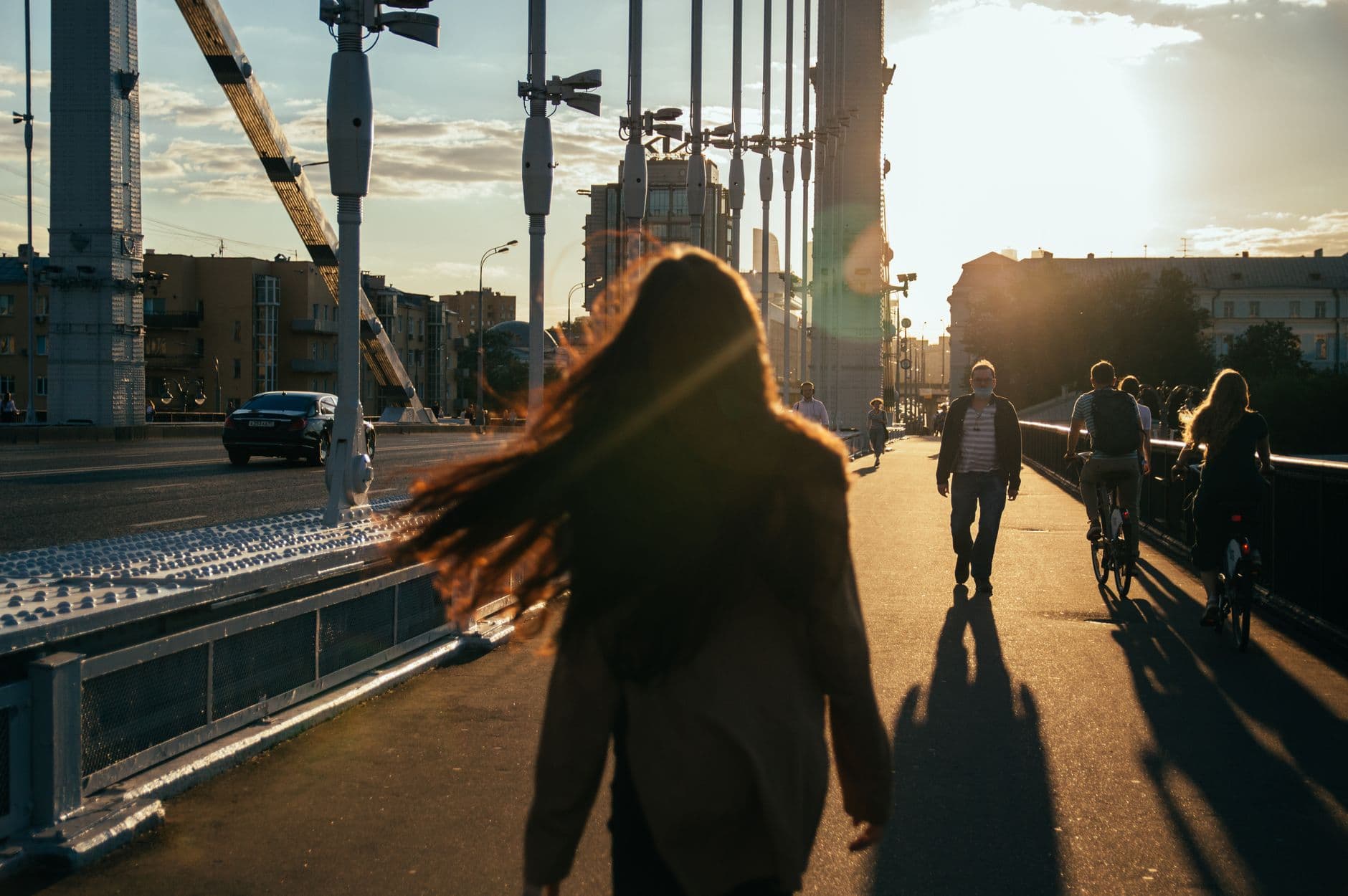
A Krím-folyó partja lenyűgöző napnyugta színpad lesz. Állj a folyó mellett és nézd, ahogy a nap a túlpart mögött süllyed, réz- és ibolyaszínű árnyalatokba festve a vizet. A lágy fény a katedrálisok sziluettere és a templom tornyokra esik, a homlokzatokat élő képbe változtatva, és egy sor fotó készítésére ösztönözve.
A sétálás körülbelül 4-5 kilométer hosszú, és egy kényelmes tempóban, fényképezéssel és rövid történelmi megjegyzésekkel együtt körülbelül 1,5 órát vesz igénybe. Szünetre több étterem is rendelkezésre áll a Krím parton, ahol teát, kávét és könnyű ebédet kaphat, így a pihenő időt meghosszabbíthatja, anélkül, hogy megszakítaná a kilátást.
A időérzékelést mélyíteni, látogasson el a közeli levéltárakba vagy a múzeumintézetbe, amelyek a város történelmét és fejlődését dokumentálják. Az útvonalon olyan épületek is találhatók, amelyek ipari és kulturális intézményeknek adtak otthont, tükrözve Moszkva gazdag kultúráját és lakóit (moszkvákat). A sétálás ideális a festményképekre méltó jelenetek megörökítéséhez későbbi megfontolásra.
A Vorobjev-hegytől a Krím partig terjedő út kilátókat, történelmi épületeket és napnyugta rituálékat ötvözi egy kényelmes sétába. Ez az útvonal mind a helyi lakosoknak, mind a vendégeknek megfelelő, és egy kompakt áttekintést nyújt Moszkva történelméről és kultúrájáról a folyó kanyarulataiban és partjai mentén.