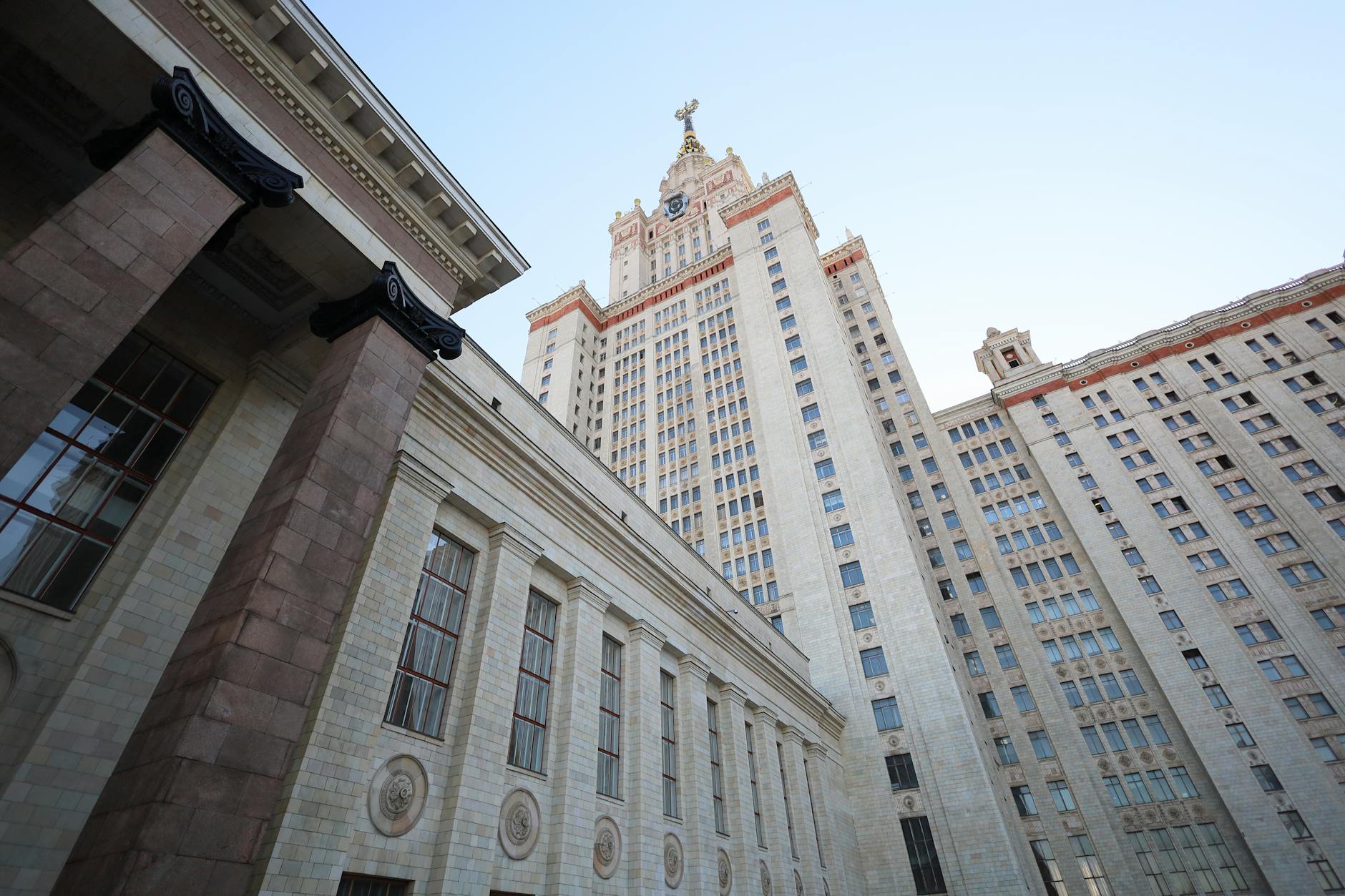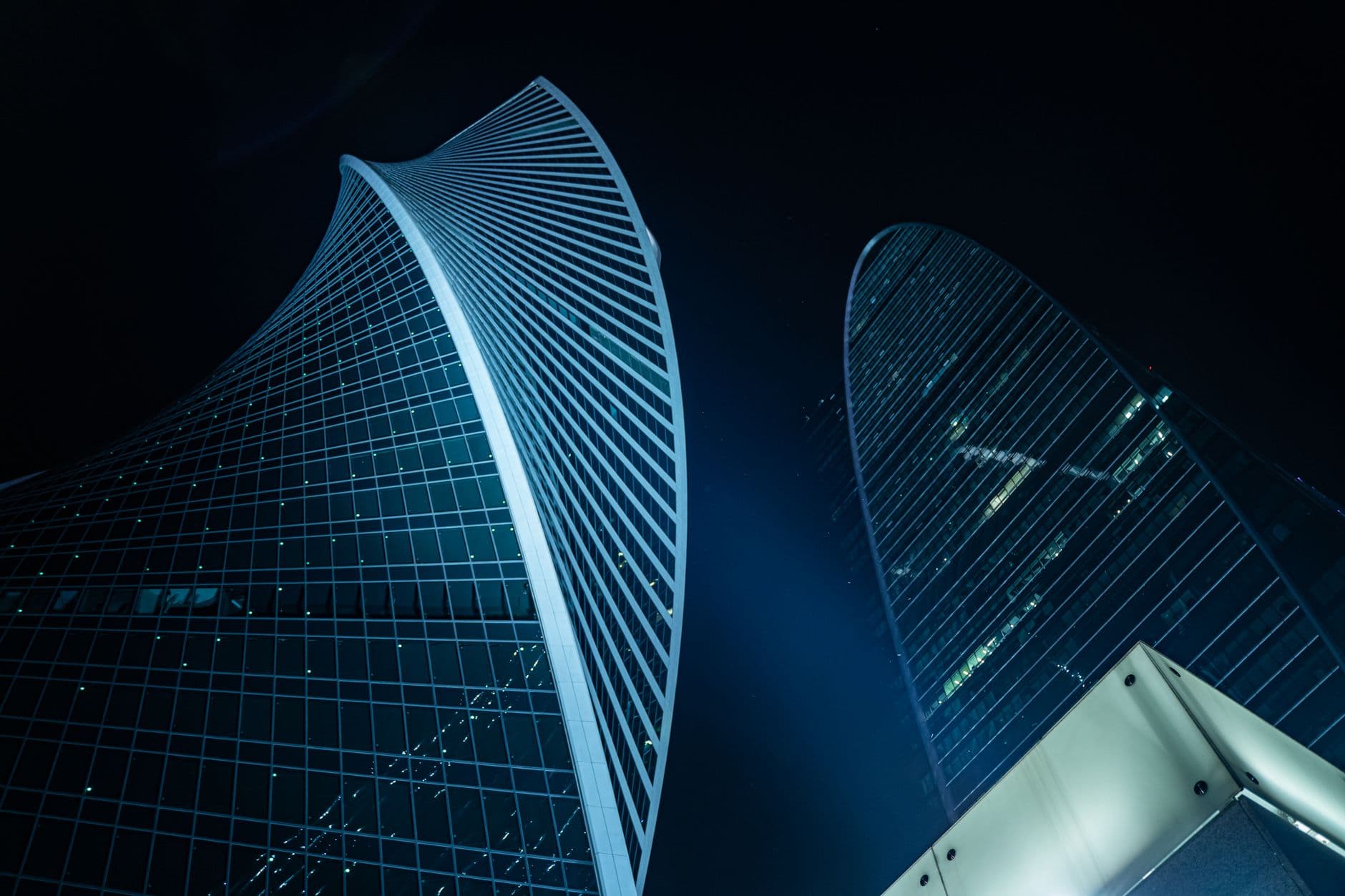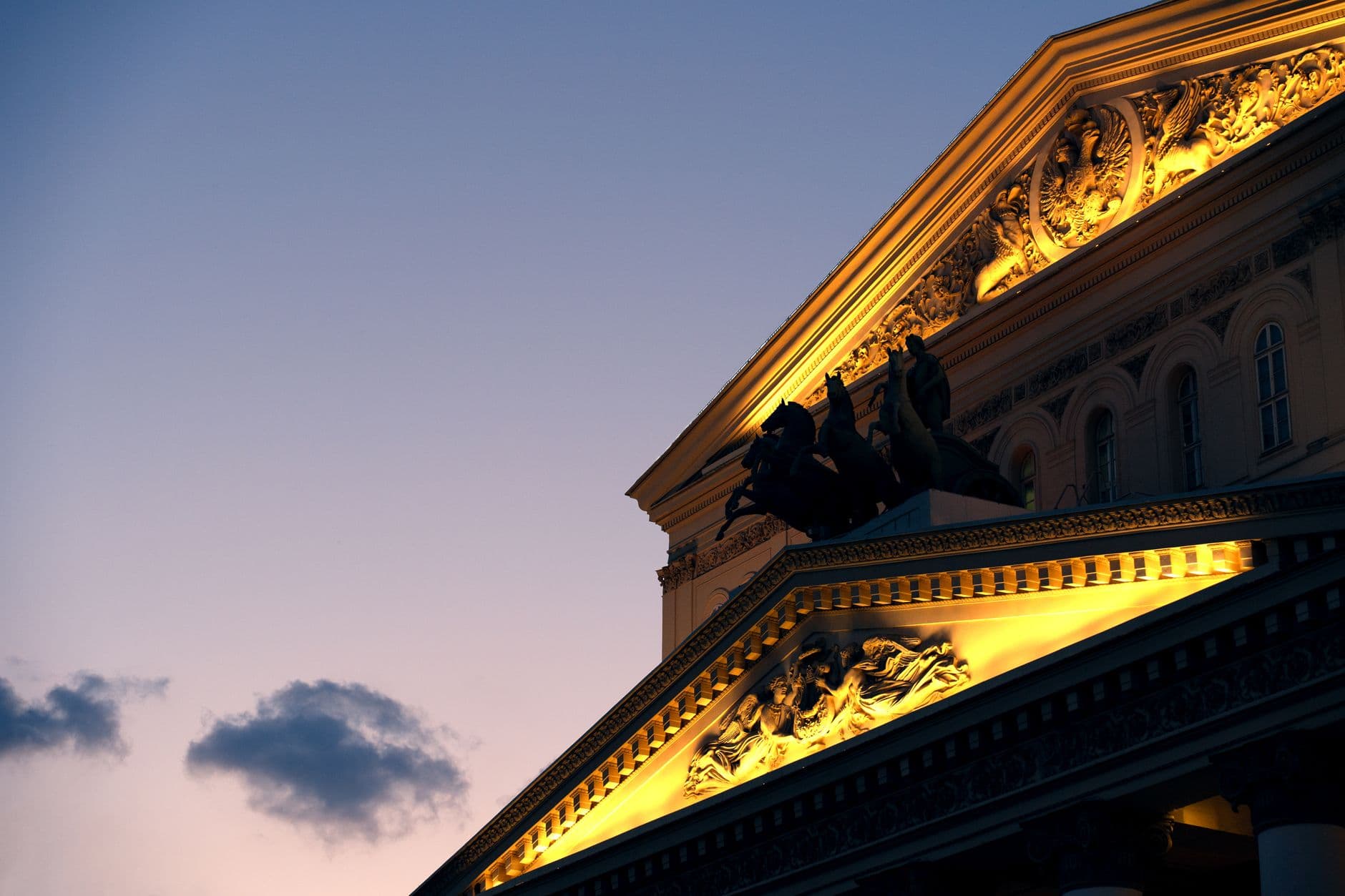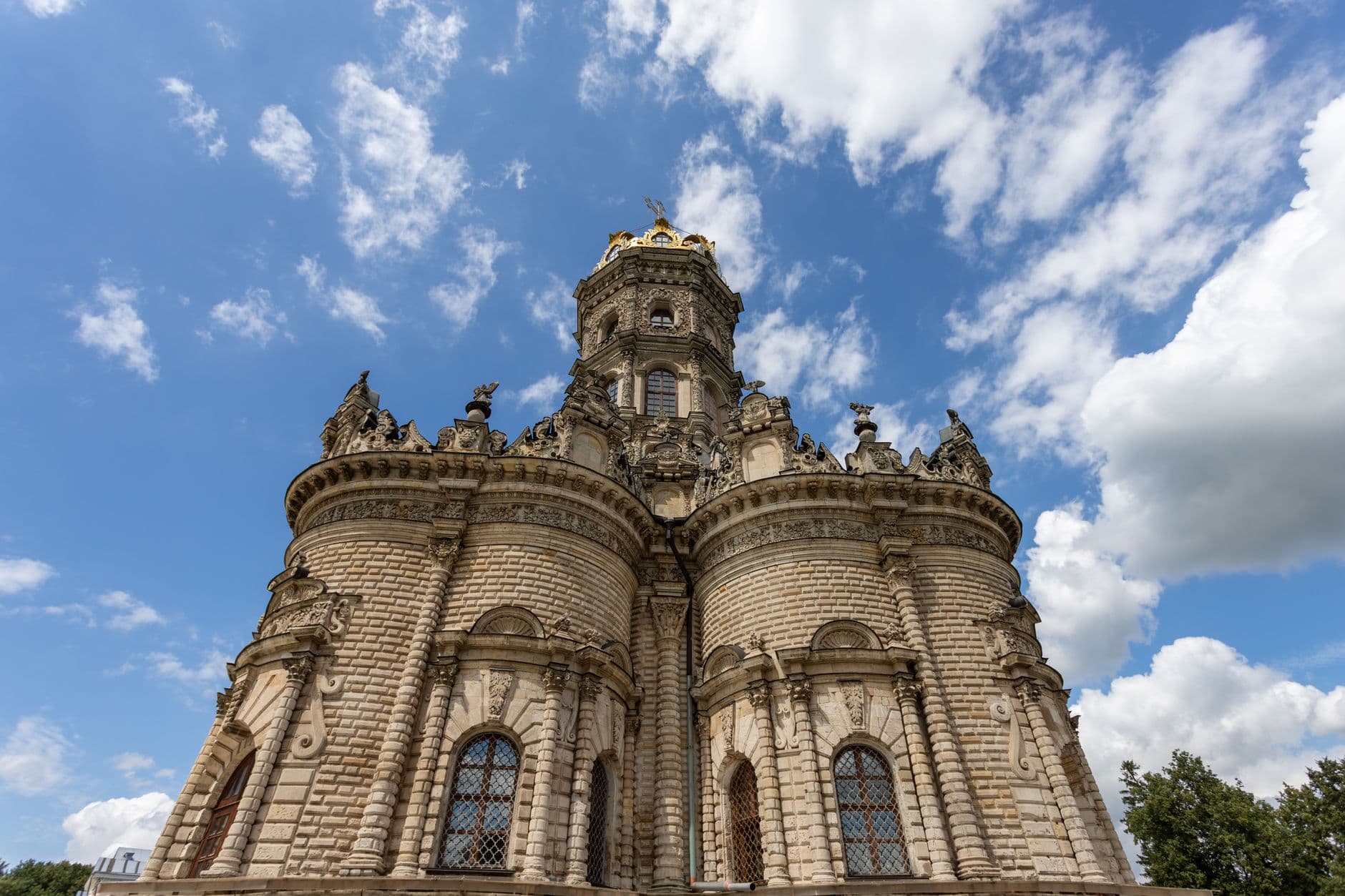

Moszkva látképét Sztálin felhőkarcolóinak lenyűgöző jelenléte határozza meg, az építészeti dominancia egy olyan konstellációja, amely a funkcionalitás és az ideológia egyedi keverékét mutatja be. Elsősorban a Moszkva folyó partján elhelyezkedő toronymagas épületek, amelyeket helyi nevén "Hét Nővér"-ként ismernek, különféle célokat szolgáltak, beleértve lakóépületeket, szállodákat és közigazgatási irodákat. U-alakú kialakításuk és az egyes épületek tetején található 5ágú csillagok egy nemzet törekvéseit szimbolizálják, miközben erősítik a város kulturális identitását.
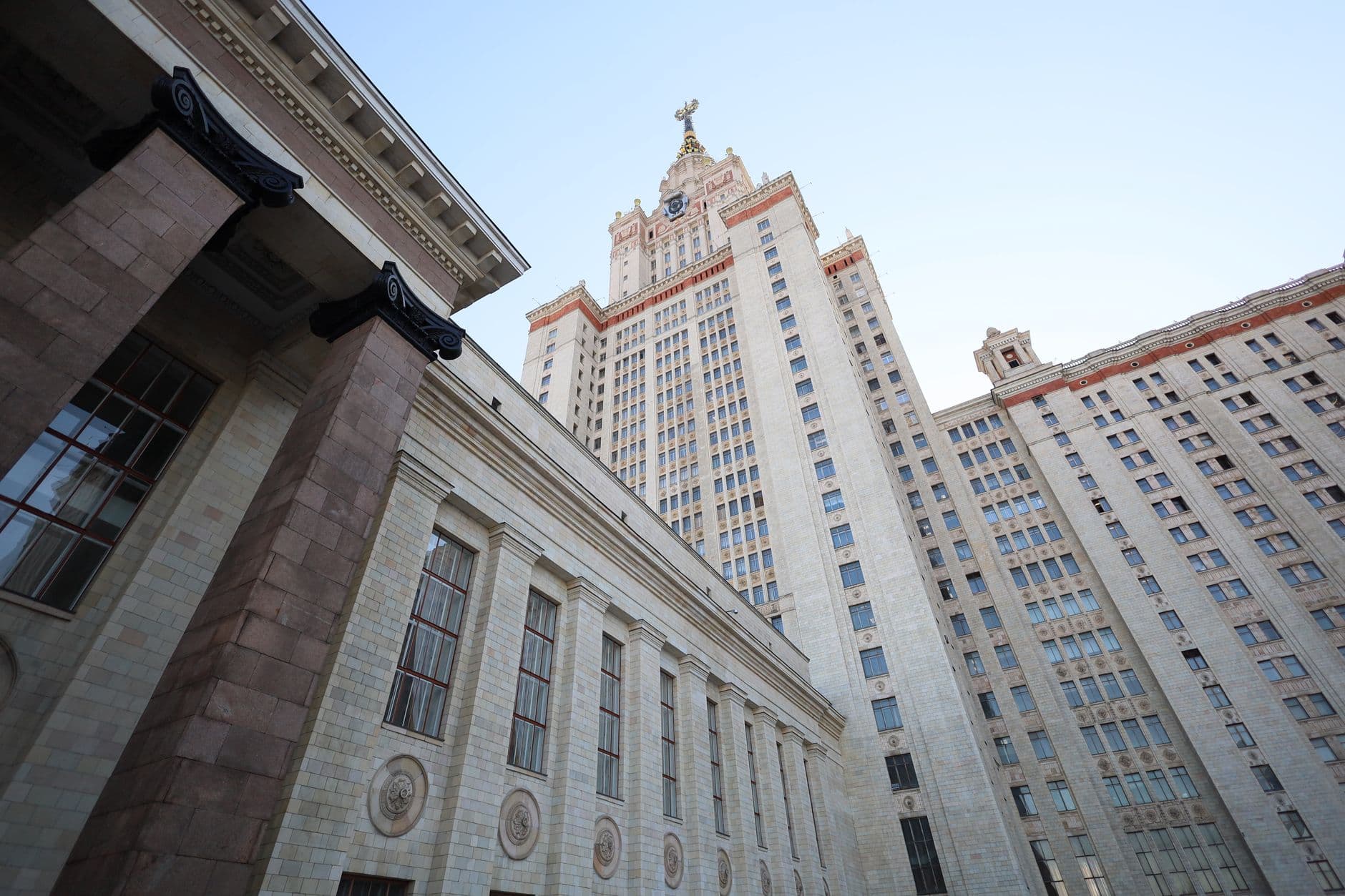
Ezek közül az ikonikus felhőkarcolók közül az egyik a Szmolenszkaja utcán található, amely - hasonlóan társaihoz - dupla homlokzattal rendelkezik, bonyolult szobrok és a korszak építészeti céljait tükröző gránitburkolat díszíti. Amikor a Rostkovszkij Akadémia diákjai először találkoztak ezekkel a lenyűgöző építményekkel, valószínűleg ámulatot éreztek, mivel mindegyik épület rengeteg felszereléssel rendelkezik különféle funkcióinak támogatására. Ezek az épületek nemcsak rendeltetésüket szolgálták, hanem vizuális tájékozódási pontokká is váltak Moszkvába látogatók számára, szemléltetve a művészet és a mérnöki tudomány keveredését.
Később felújítási projektek frissítették ezeket a felhőkarcolókat, megőrizve történelmi bájukat, lehetővé téve, hogy kiállják az idő próbáját. A Hilton szálloda, a Nővérek egyik legmagasabbika, modern kényelmi szolgáltatásokat kínál, amelyek az új generációt szolgálják ki, biztosítva, hogy relevánsak maradjanak a mai kulturális életben. Ezeknek a felhőkarcolóknak a környéke, mint például a Zaryadye Park, ingyenes teret biztosít a polgároknak és a turistáknak a sétára és az építészeti szépségek csodálatára, bemutatva a történelem és a modern városi élet harmonikus kapcsolatát.
Az égig érő óriások sorában Sztálin felhőkarcolói nem csupán épületek; egy olyan időszakot tükröznek, amikor az építészetet tartósnak szánták, hogy a hatalmat és az ígéretet jelképezze. Feltételezhetően, miközben az ember ezekkel a jelentős alkotásokkal szegélyezett utcákon sétál, nem tudja nem csodálni a kis részleteket, a hegyes tetőket és az egyes tervek mögött rejlő gondos mérlegelést. Moszkva építészeti öröksége, amely felhőkarcolóiban testesül meg, továbbra is inspirálja azokat, akik ebben a vibráló városban élnek és tartózkodnak.
Sztálin-felhőkarcolók történelmi kontextusa
Sztálin felhőkarcolóinak, amelyeket gyakran "vysotki"-nak neveznek, építése olyan időszakban valósult meg, amikor a Szovjetunió mind polgárai, mind a világ felé irányulóan igyekezett kifejezni erejét és ellenálló képességét. A 20. század elejének viharai után lábadozó nemzet törekvéseiből született, ezeket a lenyűgöző építményeket úgy tervezték, hogy Moszkva építészeti dominanciáját szimbolizálják.
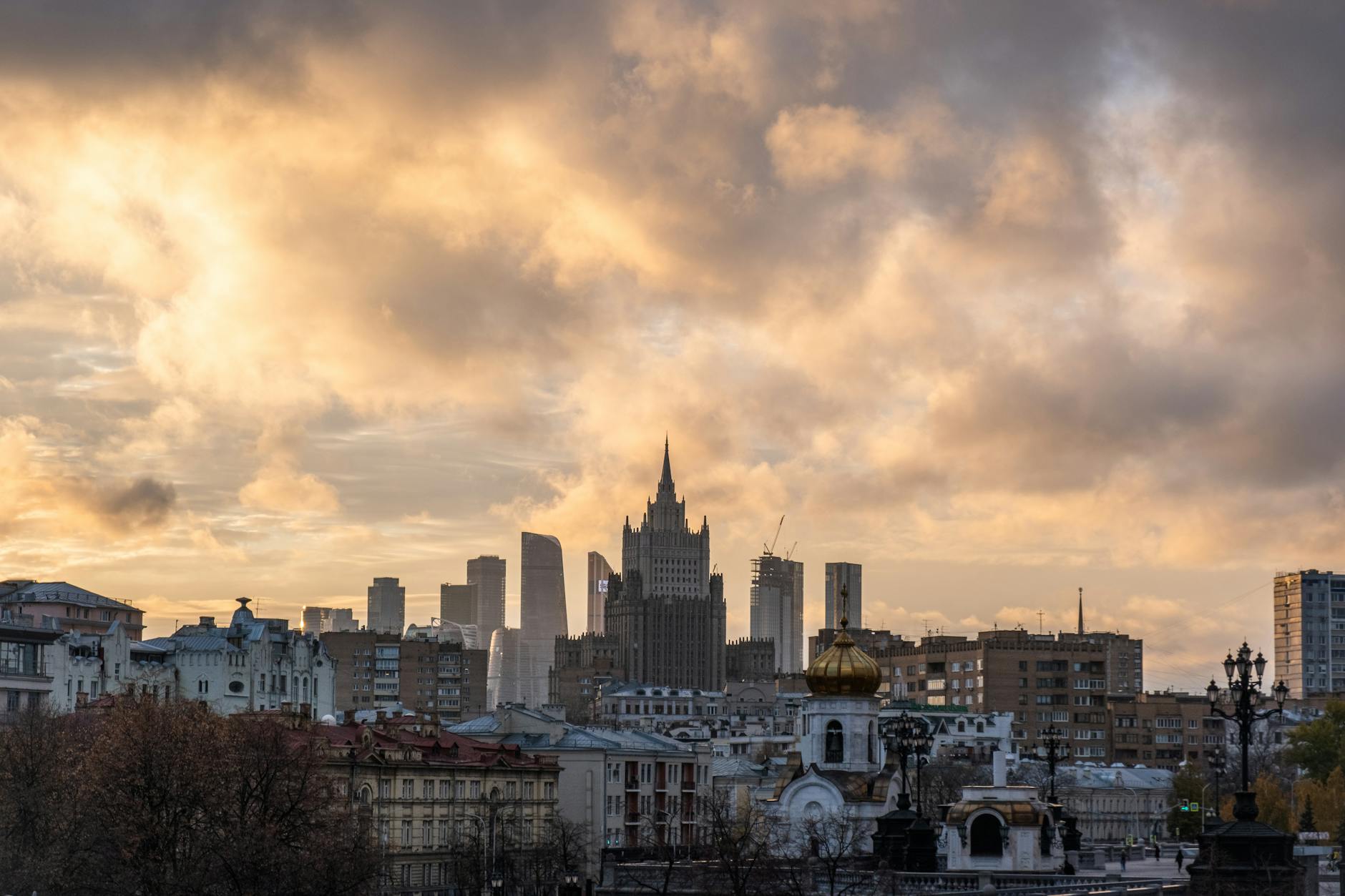
Az 1930-as években, Sztálin hatalmának növekedésével, a nemzetben béke honolt az évekig tartó felfordulás után. Az égbe nyúló felhőkarcolók egy szélesebb körű fejlesztési stratégia részeként születtek, amely magában foglalta a város infrastruktúrájának modernizálását, mint például a metró és új vasútállomások létesítése. Ezen épületek impozáns magassága, némelyikük elérte a 200 métert, arra hivatott, hogy a város legmagasabb pontjai legyenek, uralják a város látképét és a szocializmus erejét demonstrálják.
Az olyan nevek, mint a Hét Nővér, később Sztálin moszkvai víziójával váltak szinonimává. Ezen épületek építése jelentős erőfeszítést igényelt, gyakran gulag fogvatartottak munkáját felhasználva, ami súlyos terhet rótt a rezsimre, még akkor is, ha az épületeket a fejlődés szimbólumaiként pozicionálta. Figyelemre méltó példák közé tartozik a Szmolenszkaja téri épület és a Külügyminisztérium helyet adó impozáns épület, amelyet gyakran tartanak az egyik leginkább díszítettnek építészeti jellemzőit tekintve.
Az ấy skyscrapers tervezését nagymértékben befolyásolta a neoklasszikus építészet, és olyan elemeket foglalt magában, mint a hegyes tetők és a díszítő kerámia homlokzatok, amelyek a szovjet identitást ünnepelték, orosz történelemhez és kultúrához kapcsolódó dekorációkkal. Minden felhőkarcolót gondosan megterveztek; különböző intézetek építészei kutatásokat végeztek, hogy olyan szerkezeteket hozzanak létre, amelyek kiállják az idő próbáját, és globálisan is érvényesítik a város rangját.
Ahogy ezek az épületek formát öltöttek, egyben elmozdulást is jeleztek Moszkva építészeti tájképében, eltávolodva a kisebb, szerényebb építményektől. A transformáció a törekvés szélesebb témáját tükrözte, ahol a lakosok és a kormányzat egyaránt egy olyan várost képzeltek el, amely sugározza az erőt. Ugyanez az időszak tanúja volt a politikai feszültségek enyhülésének Hruscsov korszaka alatt, mégis az „ Sztálin-felhőkarcolók" megmaradtak az előző rezsim nagyszabású ambícióinak maradandó emlékműveiként.
A sztálinista felhőkarcolók aztán beépültek a polgárok mindennapi életébe, iránytűként szolgáltak Moszkva hatalmas kiterjedésében. Jelentős nagykövetségek és éttermek közelében helyezkednek el, nemcsak építészeti csodaként, hanem a városi élet szerves részeként is funkcionálnak, magukra vonva mind a helyiek, mind a turisták figyelmét, akik csodálják nagyságukat.
Összefoglalva, Sztálin felhőkarcolóinak történelmi háttere erősen összefonódik Oroszország kulturális narratívájával. Egy olyan korszakot képviselnek, amikor ambiciózus építészeti projektek bontakoztak ki egy gyors átalakuláson áteső város hátterében, lakosai és az idelátogatók figyelő tekintete alatt.
Eredet és Ideológiai Jelentőség
Sztálin felhőkarcolóinak eredete a szovjet időszak elejére vezethető vissza, amikor is elkerülhetetlenné vált a hatalom és a modernitás demonstrálása. Ezek a jelképikus épületek, amelyeket gyakran "Hét nővérként" emlegetnek, a Szovjetunió erejét és ideológiáját voltak hivatottak bemutatni Európa-szerte. Zseniális U-alakú kialakításuk erőteljes esztétikai megjelenést kölcsönzött, miközben maximalizálta a belső terek megvilágítását és helykihasználását.
Moszkva kiemelkedő helyein stratégiailag elhelyezkedő felhőkarcolók nemcsak funkcionálisak, hanem szimbolikusan is jelentősek voltak. Egy olyan kormányzati rendszert képviseltek, ahol a mezőgazdasági, honvédelmi és külügyminisztériumok kiterjesztették befolyásukat az egész városon át. Ez az építészeti dominancia hasonló volt ahhoz, amit más hatalmas országokban is megfigyeltek, például a nagy metropoliszokban található Hilton szállodaláncoknál, ahol a legjobb erőforrásokat a vendégek lenyűgözésére fordították.
Minden épületnek megvolt a maga rendeltetése, nagykövetségeket, kormányzati irodákat, sőt még lakóövezeteket is magába foglalt. Mihail Oltarzsevszkij tervei hangsúlyozták a falazatot és ötcsillagos kényelmi szolgáltatásokat építettek be, így vonzva mind a helyi, mind a nemzetközi látogatókat. Például az Usztyinszkij épület egyedi szökőkútdézsával rendelkezik, amely a vendégek találkozóhelyeként szolgál, míg mások továbbra is kiállításoknak és kulturális eseményeknek adnak otthont.
Ezek a struktúrák kissé drágábbak voltak, mint más kortárs építkezések, ami megbénította az építkezési környezetet, mivel az erőforrásokat ilyen nagyszabású projektekre csoportosították át. Ennek ellenére a végeredmény a város legnagyobb épületeinek gyűjteménye lett, mindegyik több mint 150 méter magas volt. Nemcsak az építészetben jelentettek elmozdulást, hanem a szovjet hatalom ideológiai kinyilvánítását is, ahogy egészen Ukrajnáig csodálatot váltottak ki.
Ahogy a metrórendszer bővült, ezek a felhőkarcolók olyan tereptárgyakká váltak, amelyek összekötötték a város különböző területeit, megkönnyítve mind a polgárok, mind a turisták mozgását. Ez a láthatóság és hozzáférhetőség megteremtésére irányuló szándékos erőfeszítés rávilágított a szovjet rezsim ambíciójára, hogy belsőleg és külsőleg is érvényesítse befolyását és képességeit.
Összehasonlítás a korszak nemzetközi trendjeivel
A sztálinista felhőkarcolók által fémjelzett építészeti stílus, amelyet gyakran "sztálinista gótikának" neveznek, jelentősen tükrözi a 20. század közepének uralkodó trendjeit, miközben egyedi módon eltér azoktól. Ahogy a szovjetek igyekeztek érvényesíteni dominanciájukat, ezek a struktúrák nem csupán funkcionális épületekként szolgáltak, hanem a hatalom és az ideológia nagyszerű szimbólumaiként is. Míg a nemzetközi városok a modernista terveket kísérletezték ki, Moszkva felhőkarcolóinak konstellációja a stílusok bonyolult keverékét ötvözte, amely a nagyszerűség iránti elkötelezettséget mutatta.
Ezeknek az épületeknek a feltűnő sziluettjei, mint például a Lomonoszov Egyetem és a Radisson hotel, tornyosuló toronysisakokkal és díszes párkányokkal büszkélkednek, amelyek markánsan eltérnek a bukaresti és New York-i városok minimalista trendjeitől. Itt az egyes építmények összképének minősége kiemelkedő volt; minden szintet aprólékosan megterveztek, olyan díszítőelemeket foglalva magukban, mint a tornyocskák és további díszítések. Ezeket a jellemzőket általában nem találni meg a nyugati fővárosok kortárs épületeiben, amelyek terveikben gyakran az egyszerűséget részesítették előnyben a hivalkodással szemben.
Ezzel szemben a felhőkarcolókat kísérő interaktív szökőkutak és közösségi terek ajándékként szolgálnak Moszkva lakói számára, hívogatva mind a helyieket, mind a látogatókat, hogy vegyenek részt a környezetükkel való interakcióban. Ellentétben sok nyugati épülettel abból a korszakból, amelyek gyakran leromlottak, a szovjet építészet örökségeit az állandóság érzésével hozták létre. A sztálinizmus korszakának funkcionális használhatóság és vizuális túlzások (излишеств) közötti ügyetlen egyensúlya a erő és a rugalmasság projektálására szolgált, különösen a Gulag-konfliktusok és a társadalmi nehézségek által fémjelzett időkben.
Míg a korszak nemzetközi építészeti mozgalmai az egységességet támogatták, a szovjetek a tervezésen belül a sokszínűséget részesítették előnyben, változatos elemeket építve be, amelyek a nemzeti büszkeséget tükrözték. Ennek eredményeként Moszkva építészeti tájképe a stílusok ambiciózus kölcsönhatását mutatja be, amely inspirálja a mai látogatókat. Minden felhőkarcoló továbbra is azt az elképzelést bizonyítja, hogy a dominancia a szépségen és a bonyolultságon keresztül érhető el, dinamikus égboltot hozva létre, amely továbbra is a csodálatot vonzza, méterről méterre, építészek, történészek és turisták részéről egyaránt.
A szovjet politika hatása az építészetre
Moszkva építészeti tájképét mélyen formálták a szovjet politikai erők, ami egy jellegzetes stílust eredményezett, amely tükrözte az akkori ideológiai törekvéseket. A magas felhőkarcolókat, más néven Sztálin-felhőkarcolókat, az állam hatalmának és dominanciájának bemutatására tervezték, elegáns sziluettjeik a szovjet ambíciók ikonikus képviselőivé váltak.
Ezen építmények látogatása egyedülálló betekintést nyújt a vendégeknek abba, hogyan befolyásolta a politika a városképet. Az épületeket koronázó 5-ágú csillagok a Kommunista Pártot szimbolizálták, szilárdan megalapozva helyüket a látóhatáron. Minden alkalommal, amikor új felhőkarcolót építettek, az nem csupán egy épület volt, hanem az állam ellenőrzésének és víziójának megtestesülése. Az építkezésről szóló döntést gyakran politikai szükségletek diktálták, azzal a céllal, hogy az építészeti teljesítmények legmagasabb csúcsait érjék el.
Leginkább e felhőkarcolók homlokzatait bonyolult domborművek és boltívek díszítették, amelyek növelték pompájukat. Az eredeti építők acélt és kerámiát használtak, biztosítva a tartósságot és az építészeti jelentőséget. Konkrétan a lakótelepeket a munkások elszállásolására tervezték, tükrözve a szovjet közösségi élet ideálját. A nagyszabású tervek ellenére a monumentalizmus hajszolása során elveszett némi kulturális esszencia, bizonyos részleteket a kivitelezés során lefedtek vagy egyszerűsítettek.
Ezeken a felhőkarcolókon belül a funkciók különféle intézetek és karok között oszlottak meg, példázva a lakhatás és a kulturális fejlődés sokrétű megközelítését. Vlagyimir Csecselin és más építészek elkezdték beépíteni a korábbi stílusok elemeit, ezzel megteremtve a szovjet korszak törekvéseinek diorámáját. A politikai tájhoz való mély kapcsolat biztosította, hogy ezen épületek minden sarka célt szolgált, egy kollektív ideológiát testesítve meg.
Az ebben az időszakban lefektetett alapok továbbra is hatással vannak a kortárs építészetre, bemutatva a hagyományos és modern technikák ötvözetét. Ezeknek az épületeknek az öröksége nemcsak Moszkvában szembetűnő, hanem Szentpétervár városokra is kiterjed, ahol hasonló terveket alkalmaztak. A múlt újraértelmezése, a szovjet politika építészetre gyakorolt hatása továbbra is elgondolkodtat az állami ellenőrzés és a kulturális kifejezés metszéspontjáról.
| Építészek | Főbb jellemzők | Helyszín |
|---|---|---|
| Mordvinov | Elegáns sziluettek, domborművek | Moscow |
| Csecselin | 5-ágú csillagok, acélszerkezetek | Szentpétervár |
| Építők csoportja | Kerámia homlokzatok, boltívek | Különböző helyszínek |