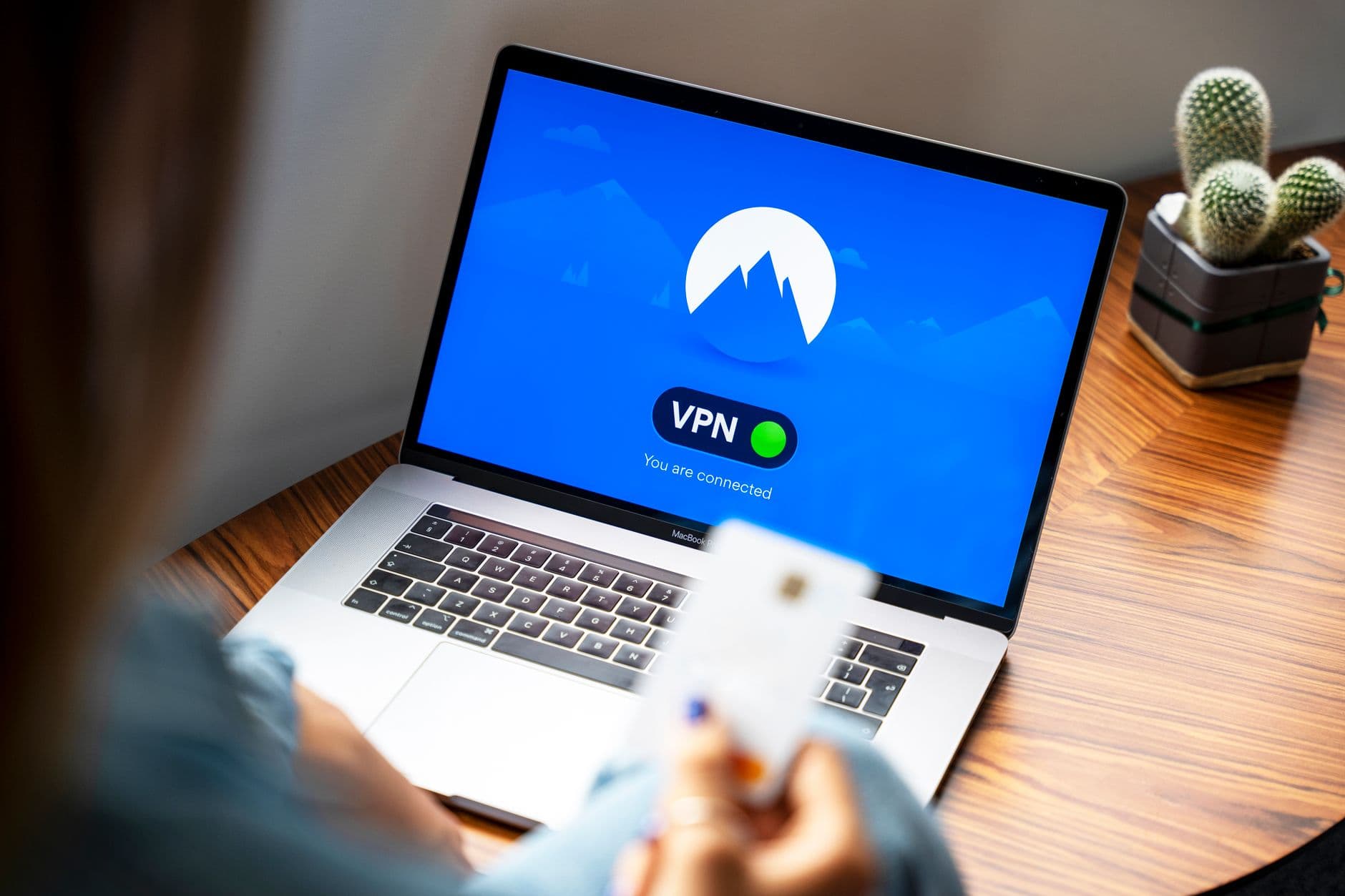
Mentre il panorama della comunicazione digitale si evolve, i cittadini in tutta la Russia cercano sempre più strumenti ideali per le videochiamate che offrano sia comodità che sicurezza. Con l'ascesa di diverse applicazioni oltre alle ben note WhatsApp e Telegram, gli utenti hanno ora l'opportunità di esplorare alternative efficaci che soddisfano le loro esigenze specifiche. Questo articolo mira a fornire preziose informazioni sulle migliori opzioni disponibili per le videoconferenze, tenendo presente le sfide poste dalle attuali restrizioni.
Dicembre 2023 ha presentato sfide uniche poiché il Governo Federale ha implementato blocchi su determinate piattaforme, esortando gli utenti a trovare applicazioni affidabili che rispettino le normative locali. Di conseguenza, alternative che consentono la crittografia end-to-end, come Signal e Viber, sono emerse come forti contendenti per gli utenti che danno priorità alla privacy e alla protezione dei dati. Queste piattaforme non solo supportano videochiamate di alta qualità ma includono anche funzionalità come registrazioni vocali e condivisione di documenti, rendendole adatte sia per riunioni ufficiali che per conversazioni personali.
Inoltre, applicazioni popolari come Discord hanno guadagnato terreno tra gli utenti più giovani, offrendo una combinazione di funzionalità tra cui webinar e riunioni di gruppo. Con la promessa di un Internet in continua evoluzione, istituzioni e aziende trarranno vantaggio dall'esplorare queste alternative come parte dei loro progetti di trasformazione digitale in corso. Secondo varie fonti, i vantaggi di queste piattaforme, quando confrontati con i loro svantaggi, suggeriscono un futuro promettente per la comunicazione online in Russia.
Valutazione delle caratteristiche di sicurezza delle app per videochiamate
Quando si sceglie un'applicazione per videochiamate, le caratteristiche di sicurezza svolgono un ruolo critico, specialmente nelle regioni in cui la libertà di internet può essere limitata. In Russia, varie applicazioni, come WhatsApp, Viber e Telegram, fungono da alternative per la comunicazione in tempo reale. Tuttavia, gli utenti devono valutare i sistemi di sicurezza configurati da queste piattaforme per garantire che la loro privacy sia protetta durante le riunioni di gruppo.
Tra le opzioni più popolari, Signal e Microsoft Teams si distinguono con le loro robuste misure di sicurezza. Signal, una piattaforma open-source, fornisce crittografia end-to-end, garantendo che solo gli utenti in una chat possano accedere alle informazioni condivise. Teams, di proprietà di Microsoft, offre funzionalità di sicurezza integrate, incluso l'accesso sicuro degli ospiti, che è essenziale per la collaborazione tra partner esterni.
Durante l'adozione di nuove applicazioni, è importante comprendere le limitazioni associate a ciascuna piattaforma. Ad esempio, alcuni servizi potrebbero avere restrizioni sul numero di partecipanti in una chiamata di gruppo o bloccare determinate funzionalità nelle regioni con normative rigorose. Quando si valutano queste opzioni, considerare se il servizio consente funzionalità a pagamento, come configurazioni di sicurezza avanzate, che potrebbero essere vantaggiose per le organizzazioni che gestiscono informazioni sensibili.
Applicazione
Caratteristiche di sicurezza
Opzioni di pagamento
Signal
Crittografia end-to-end, open-source
Gratuito
Microsoft Teams
Sicurezza integrata, accesso ospiti sicuro
Abbonamenti a pagamento disponibili
Viber
Crittografia per chat e chiamate
Gratuito con acquisti in-app
Telegram
Chat segrete con crittografia
Gratuito
In conclusione, è essenziale ricercare e confrontare le caratteristiche di sicurezza delle applicazioni per videochiamate, specialmente quando si considerano le informazioni degli utenti e le protezioni della privacy. Applicazioni come Chattti e altre potrebbero fornire alternative che si concentrano su misure di sicurezza avanzate. Per i cittadini nelle regioni in cui determinate applicazioni sono bloccate, l'utilizzo di VPN può consentire l'accesso a queste piattaforme mantenendo una connessione sicura. Assicurarsi sempre che l'applicazione scelta sia in linea con le proprie esigenze di comunicazioni sicure e non comprometta i propri dati.
Confronto dei protocolli di crittografia end-to-end
Nel panorama delle applicazioni di messaggistica, la crittografia end-to-end (E2EE) è diventata un elemento cruciale per garantire privacy e sicurezza durante le chiamate vocali e la corrispondenza testuale. Questo è particolarmente importante in paesi come la Russia, dove molti utenti cercano alternative a piattaforme popolari come WhatsApp e Telegram. Vari messenger, come Viber e Threema, hanno adottato diversi protocolli E2EE per salvaguardare i dati degli utenti.
I sistemi impiegati da ciascuna applicazione possono influenzare significativamente l'efficacia con cui proteggono le comunicazioni. Ad esempio, l'E2EE di Threema è molto apprezzato per le sue robuste caratteristiche di sicurezza e per il fatto che non richiede un numero di telefono per creare un account, offrendo così maggiore privacy agli utenti. D'altra parte, Viber, di proprietà di un'entità straniera, opera sotto diverse normative che potrebbero sollevare domande sulla sovranità e il controllo dei dati, specialmente tra gli utenti russi.
Secondo fonti ufficiali, il Ministero delle Comunicazioni russo ha sottolineato la necessità di canali di comunicazione sicuri, specialmente per il coinvolgimento dei giovani nelle attività educative. Attualmente, la federazione sta promuovendo lo sviluppo di alternative locali che possano soddisfare queste esigenze aggirando potenziali problemi federali legati ai sistemi di messaggistica esterni.
Un aspetto in cui le alternative possono eccellere è nel fornire impostazioni di autorizzazione utente e filtri per la privacy. Ad esempio, alcune applicazioni consentono agli utenti di abilitare o disabilitare selettivamente l'E2EE per riunioni o canali specifici, garantendo flessibilità mantenendo la sicurezza. Questo è importante negli ambienti comunitari, dove diversi utenti possono avere diversi gradi di comfort riguardo alla privacy.
Quando si fa una scelta, è essenziale valutare come questi protocolli gestiscono i dati e cosa significano per la propria privacy personale. Molti utenti non sono consapevoli che l'utilizzo dell'E2EE non è una garanzia di sicurezza totale; pertanto, comprendere questi sistemi in dettaglio è cruciale quando si testano nuove piattaforme. Le piattaforme meno regolamentate potrebbero affrontare problemi con l'intervento delle autorità, portando a vulnerabilità.
Le comunità e le organizzazioni devono rimanere informate su quali applicazioni servono meglio il loro scopo mantenendo intatta la privacy degli utenti. Le piattaforme popolari possono sembrare convenienti, ma le loro operazioni di background possono compromettere la fiducia degli utenti. Pertanto, rimanere consapevoli delle opzioni alternative come BessyVPN o le offerte di Yandex potrebbe fornire ambienti più sicuri per conversazioni private e riunioni virtuali.
Politiche di archiviazione e protezione dei dati
Quando si seleziona un'alternativa a WhatsApp e Telegram per le videochiamate in Russia, comprendere le politiche di archiviazione e protezione dei dati è cruciale. Molti servizi come Threema e Discord offrono varie funzionalità volte a salvaguardare le informazioni degli utenti durante le conversazioni.
La maggior parte di queste piattaforme implementa la crittografia end-to-end, garantendo che tutta la corrispondenza rimanga privata. I dati non vengono archiviati su server centralizzati, il che riduce al minimo il rischio di accesso non autorizzato. Ad esempio, servizi come Yandex danno priorità alla protezione dei dati degli utenti mantenendo politiche rigorose sulla registrazione e l'accesso ai dati.
Molte alternative utilizzano server remoti situati al di fuori della Russia, consentendo agli utenti di aggirare le normative locali.
Questi servizi di solito hanno un numero definito di limiti sull'archiviazione dei dati, garantendo la conformità con gli standard internazionali sulla privacy.
Alcune piattaforme si impegnano in funzionalità complesse per migliorare la sicurezza, inclusa l'opzione per gli utenti di autodistruggere i propri messaggi.
Inoltre, le app popolari per videochiamate e riunioni spesso forniscono funzionalità integrate per scopi educativi, consentendo agli utenti di ospitare webinar in modo efficiente. Questo aspetto è diventato sempre più importante per aziende e team che conducono riunioni nell'attuale panorama digitale.
Le piattaforme social, pur offrendo notevoli vantaggi di comunicazione, possono talvolta comportare rischi. Gli utenti dovrebbero sempre verificare la fonte del servizio che scelgono e assicurarsi che abbia pubblicato linee guida chiare riguardo alla protezione dei dati.
Al contrario, l'utilizzo di un servizio come BessyVPN può aiutare a proteggere i dati degli utenti durante i viaggi, fornendo un ulteriore livello di protezione contro il potenziale blocco da parte delle autorità federali.
Quando si confrontano varie opzioni, cercare servizi che non solo offrano funzionalità di comunicazione affidabili ma diano anche priorità alla sicurezza e all'integrità delle proprie informazioni. In questo modo, è possibile godere di un'esperienza senza interruzioni mantenendo i propri dati al sicuro.
al cambio della Banca di Russia del 01.10.2026 · powered by tutkakdoma
Controllo dell'utente sulla condivisione dei dati
Nell'era digitale odierna, il controllo dell'utente sulla condivisione dei dati è fondamentale, specialmente per organizzazioni e individui che cercano privacy durante le videochiamate. Con un alto numero di alternative alle app di messaggistica tradizionali come WhatsApp e Telegram, gli utenti possono fare scelte informate su dove vengono condivisi i loro dati e come vengono utilizzati.
Piattaforme come Yandex e Threema danno priorità alla privacy degli utenti, offrendo funzionalità che consentono il controllo sul consumo e sulle preferenze di condivisione dei dati. Questi servizi consentono agli utenti di configurare i propri account, garantendo che la comunicazione privata rimanga sicura. Anche nel contesto di chiamate in tempo reale e condivisione dello schermo, le impostazioni dell'utente possono influenzare notevolmente quali dati vengono trasmessi e archiviati sui server.
Per coloro che cercano di aggirare restrizioni e blocchi, strumenti come BessyVPN e WireGuard forniscono un ulteriore livello di sicurezza, facilitando connessioni senza interruzioni ai server internazionali. Questo non solo migliora l'esperienza dell'utente durante l'utilizzo di alternative come Zoom o Skype, ma mantiene anche la privacy durante le attività condotte tramite tali servizi.
Le organizzazioni e le istituzioni spesso affrontano sfide con la condivisione dei dati, in particolare con documenti essenziali e collaborazione virtuale. La necessità di soluzioni pratiche che bilancino il controllo dell'utente con i requisiti organizzativi è diventata sempre più importante. A questo proposito, fare la scelta giusta tra le piattaforme disponibili implica comprendere le funzionalità di privacy di ciascun servizio, i processi di installazione e i loro approcci alla gestione dei dati.
In definitiva, il potere risiede negli utenti di selezionare l'alternativa che meglio soddisfa le loro esigenze, garantendo che la loro comunicazione rimanga sicura e privata, indipendentemente dalla loro posizione. Attraverso la comprensione delle capacità e delle opzioni di questi servizi, gli utenti possono navigare nel loro panorama digitale con fiducia.
Le migliori alternative per videochiamate in Russia
Negli ultimi anni, la domanda di applicazioni per videochiamate sicure ed efficienti è aumentata in Russia. Con le autorità che impongono restrizioni su piattaforme popolari come WhatsApp e Telegram, gli utenti cercano attivamente alternative che garantiscano protezione per le loro conversazioni e attività. Questo articolo esplora diverse alternative per videochiamate che hanno guadagnato terreno tra le comunità regionali e le istituzioni aziendali.
Un'opzione degna di nota è Yandex Messenger, che è integrato con un'ampia gamma di funzionalità su misura per chiamate senza interruzioni. Yandex Messenger consente agli utenti di rimanere connessi con videochiamate di alta qualità offrendo opzioni per la condivisione dello schermo e il trasferimento di file di documenti. Secondo vari articoli e recensioni degli utenti, la sua adozione è cresciuta significativamente, rendendolo un attore di spicco nel mercato russo.
Un'altra alternativa popolare è myTeam, una piattaforma di riunioni virtuali progettata sia per uso personale che professionale. Questa applicazione vanta capacità di chiamata in tempo reale e un'interfaccia user-friendly. Inoltre, myTeam si concentra sul garantire la privacy degli utenti e la protezione dei dati, una caratteristica essenziale per coloro che sono preoccupati per i problemi di sicurezza quando utilizzano strumenti di comunicazione. Questa piattaforma consente agli utenti di registrarsi facilmente e iniziare a chiamare senza la necessità di una configurazione estesa.
Ci sono anche diverse altre applicazioni disponibili, tra cui Viber e Signal, che sono state installate da un gran numero di utenti. Viber offre un set di funzionalità robusto che include videochiamate, mentre Signal è ben noto per il suo impegno per la sicurezza e la privacy. Entrambi consentono agli utenti di creare gruppi per conversazioni e riunioni più coinvolgenti.
La storia delle applicazioni internet in Russia modella il panorama delle opzioni per videochiamate, spingendo gli utenti a cercare alternative ai servizi mainstream di proprietà di aziende straniere. Questa guida evidenzia soluzioni regionali che danno priorità alle esigenze degli utenti e forniscono strumenti di comunicazione efficaci senza compromettere la sicurezza o la qualità.
Per coloro che richiedono spesso videochiamate per riunioni aziendali, piattaforme come Zoom sono state adottate, anche se non sono prodotti nazionali. È importante valutare queste alternative in base a requisiti specifici, come capacità di condivisione di file, consumo audio-visivo e supporto alla documentazione.
In conclusione, ci sono diverse alternative valide per le videochiamate in Russia. Da Yandex Messenger alle app regionali, gli utenti hanno l'opportunità di scoprire piattaforme che si allineano alle loro esigenze garantendo al contempo che le loro conversazioni rimangano sicure e private.
Signal: comprendere le sue caratteristiche di anonimato
Signal è riconosciuto per la sua forte attenzione alla privacy e all'anonimato degli utenti, distinguendosi come scelta preferibile per gli utenti in Russia e altre regioni con accesso limitato ai servizi di comunicazione. Uno dei vantaggi critici di Signal è la sua natura open-source, che consente alle comunità di ispezionare il codice per vulnerabilità e contribuire al suo sviluppo continuo.
La capacità dell'applicazione di aggirare i meccanismi di censura, come quelli applicati da Roskomnadzor, la rende uno strumento importante per le persone che cercano di mantenere la propria privacy. Con meno restrizioni rispetto ad altre app popolari, Signal offre un'ampia gamma di funzionalità progettate per fornire agli utenti un ambiente di comunicazione sicuro.
Signal impiega il protocollo WireGuard per garantire che le connessioni siano fortificate con robusti standard di crittografia. Questa funzionalità fornisce un ulteriore livello di protezione contro la sorveglianza indesiderata, rendendola una scelta adatta per discussioni sensibili, webinar educativi e riunioni critiche. Utilizzando questo protocollo, Signal può proteggere efficacemente i dati degli utenti anche in ambienti internet difficili dove le modalità di connessione tradizionali potrebbero vacillare.
Gli utenti dovrebbero notare che mentre Signal serve come un'eccellente opzione per conversazioni private, presenta alcuni svantaggi. Ad esempio, l'applicazione richiede una connessione internet e potrebbe avere funzionalità limitate su dispositivi più vecchi, il che potrebbe limitare l'accesso per alcuni utenti. Inoltre, essendo un servizio crittografato, potrebbe spesso attirare l'attenzione da parte di entità governative che tentano di monitorare i sistemi di comunicazione.
Come evidenziato in vari articoli, inclusi quelli di Microsoft e altri siti di recensioni tecnologiche, comprendere queste sfumature può essere cruciale per gli utenti. Ad esempio, i partecipanti a una riunione video di gruppo potrebbero ancora affrontare sfide se il loro accesso ad altre piattaforme, come WhatsApp o Skype, è bloccato dalle autorità federali.
In conclusione, Signal si distingue come uno strumento potente per coloro che cercano protezioni della privacy avanzate attraverso le sue caratteristiche di anonimato avanzate. Per gli utenti nelle regioni che affrontano restrizioni, serve come alternativa vitale alle app mainstream, consentendo loro di comunicare in modo sicuro e privato.
Viber: pro e contro per la sicurezza
Viber è emerso come un'alternativa popolare per la messaggistica e le videochiamate, in particolare nelle regioni in cui altri servizi affrontano restrizioni. Uno dei suoi principali vantaggi è la funzionalità di crittografia end-to-end automatica, che protegge i messaggi e le chiamate degli utenti. Questo garantisce che solo il mittente e il destinatario possano accedere al loro contenuto, il che è cruciale per mantenere la privacy durante la comunicazione online.
Inoltre, Viber fornisce un'interfaccia user-friendly che combina varie funzionalità, come chiamate vocali, videoconferenze e messaggistica. Questo lo rende adatto sia per uso personale che per webinar professionali, dove sono necessarie interazioni di gruppo. Gli utenti possono facilmente installare Viber su più dispositivi, consentendo una comunicazione senza interruzioni durante i viaggi o il lavoro da remoto.
D'altra parte, ci sono alcuni contro relativi alla sicurezza di Viber. Mentre il servizio funziona efficacemente in molte regioni, è soggetto a blocchi o restrizioni occasionali, simili ad altre piattaforme. Gli utenti potrebbero aver bisogno di implementare soluzioni alternative come le VPN per aggirare queste limitazioni. Inoltre, la dipendenza di Viber dai numeri di telefono ufficiali per la creazione dell'account può esporre gli utenti a rischi se i loro numeri vengono pubblicati o divulgati.
Inoltre, mentre Viber protegge la privacy, esistono ancora preoccupazioni riguardo al consumo di dati e ai backup archiviati, specialmente quando si utilizza l'app per chiamate o videoconferenze di lunga durata. Alcuni utenti potrebbero trovare preoccupante che qualsiasi contenuto video o vocale, se non gestito correttamente, potrebbe essere vulnerabile all'accesso non autorizzato.
In conclusione, Viber offre solidi vantaggi in termini di sicurezza e funzionalità per gli utenti che cercano un'alternativa a servizi come WhatsApp e Telegram. Tuttavia, i potenziali utenti dovrebbero essere consapevoli delle limitazioni e dei problemi che potrebbero sorgere a causa di restrizioni regionali e della necessità di misure aggiuntive per mantenere la privacy e sbloccare il servizio quando necessario.
Jitsi Meet: vantaggi open-source per la privacy
Nel contesto delle videochiamate e delle applicazioni di messaggistica disponibili per i cittadini della Russia, Jitsi Meet si distingue come un'impressionante soluzione open-source. A differenza di molte piattaforme di proprietà aziendale, questa applicazione è progettata con la privacy degli utenti in mente.
Jitsi Meet può essere ospitato autonomamente su server, consentendo a organizzazioni e individui di controllare i propri dati. Questa capacità è particolarmente critica per gli utenti preoccupati per i problemi di privacy nel loro paese. Il sistema può essere configurato per soddisfare esigenze specifiche, rendendolo versatile per vari casi d'uso, dai webinar educativi alle riunioni di team.
Uno dei vantaggi che Jitsi Meet offre è che è gratuito da usare. Mentre alcune piattaforme, come servizi a pagamento come Threema o persino Viber, addebitano per determinate funzionalità, Jitsi elimina la necessità di costi associati alle chiamate di gruppo. Gli utenti possono condurre riunioni video senza preoccuparsi di rubli aggiuntivi spesi per funzionalità premium.
Misure di sicurezza complesse garantiscono inoltre che le chiamate Jitsi Meet siano crittografate, proteggendo le informazioni condivise durante le conversazioni. Questo fornisce un livello di sicurezza che potrebbe non essere presente in altre applicazioni di messaggistica, anche quelle gestite da grandi aziende come Google e Microsoft.
Inoltre, Jitsi Meet supporta una gamma di applicazioni su diversi sistemi operativi, inclusi Windows e ambienti virtuali, rendendolo accessibile a un vasto pubblico. Gli utenti possono semplicemente condividere link per partecipare a videochiamate o webinar, consentendo una connettività senza interruzioni.
Sebbene Jitsi Meet richieda una connessione internet stabile per prestazioni ottimali, la sua funzionalità non è limitata a telefoni o hardware di fascia alta. La piattaforma è progettata per soddisfare le esigenze degli utenti indipendentemente dalle capacità dei loro dispositivi, creando un ambiente inclusivo per tutti i partecipanti.
In conclusione, Jitsi Meet fornisce un'eccellente alternativa per coloro che cercano applicazioni per videochiamate incentrate sulla privacy. Con la sua natura open-source, gli utenti possono sentirsi sicuri sapendo che i loro dati non vengono utilizzati in modo improprio. La semplicità e l'accessibilità della piattaforma consentono ai cittadini di rimanere connessi senza temere sorveglianza o sfruttamento dei dati.