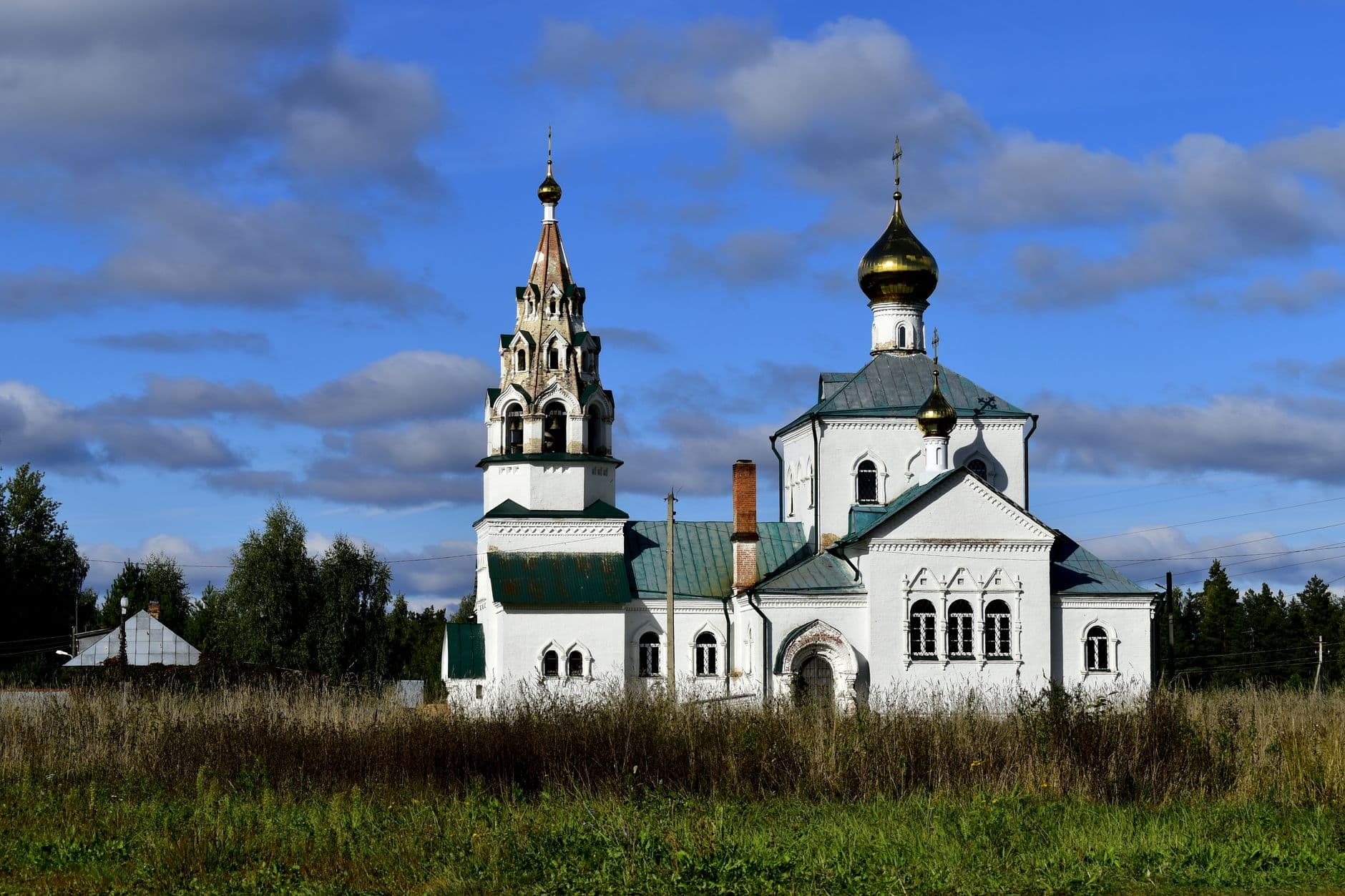
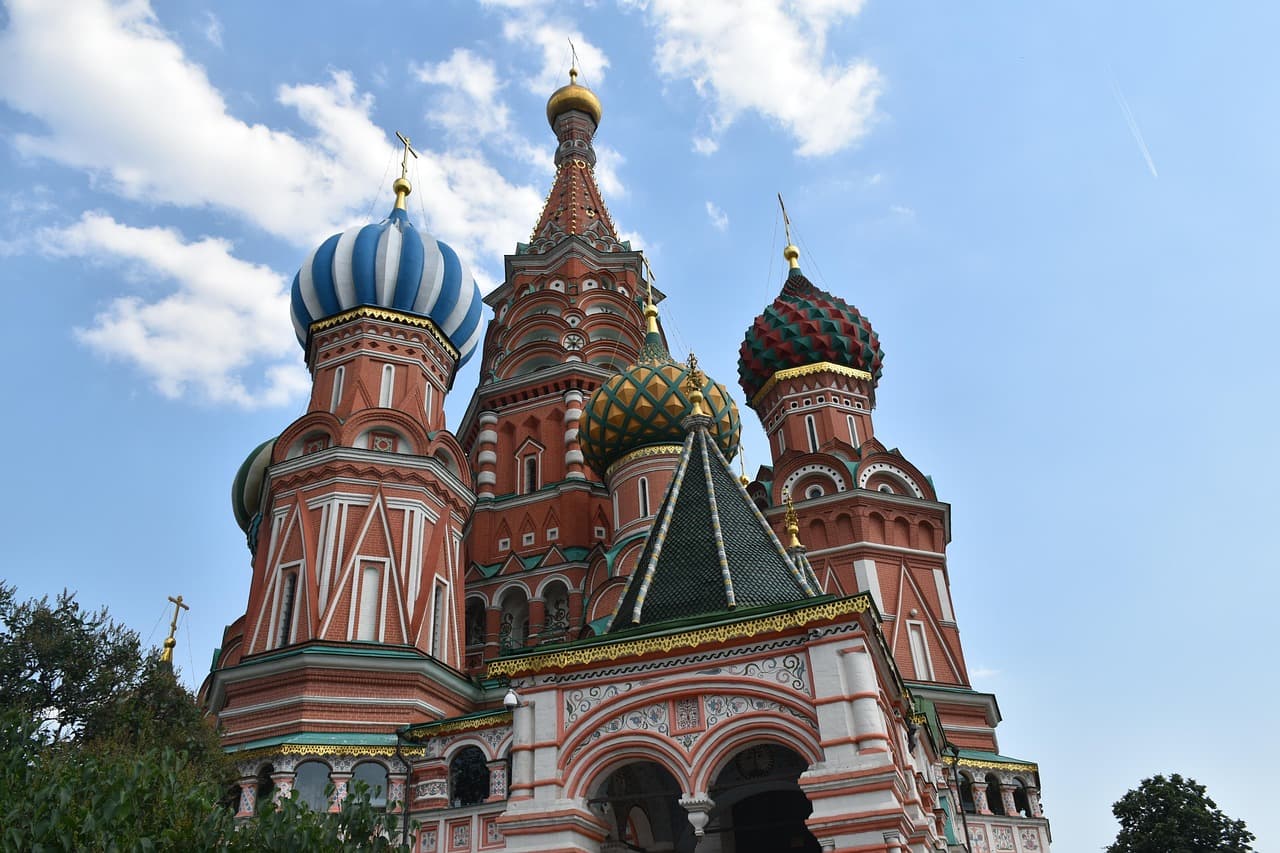
Rozpocznij o świcie od spaceru po promenadzie w Swietłogorsku; niech czyste powietrze i żywy nastrój nadadzą tempo trasie, która obejmuje przyrodę, jeziora i nadmorskie widoki.
Stamtąd skieruj się w stronę krawędzi i w głąb lądu, gdzie borealne lasy chronią dziką przyrodę i jeziora leżące pod bladym świtem.
Te trzynaście miejsc obejmuje mieszankę nadmorskich miejsc i kolejne skupisko śródlądowe; obszar harmonizuje dziedzictwo kalevalskie z barami, kawiarniami i energią turystyczną.
Ważne przypomnienie: ta trasa podkreśla zrównoważoną turystykę i siedliska na krawędzi; w regionie uralskim rozciąga się borealne wnętrze z widokami, które nagradzają cierpliwych odkrywców.
Każda część podróży okazuje się zabójcą nudy; od Swietłogorska po kalevalskie krajobrazy, podróżnicy napotykają jeziora, dziką przyrodę i kolejne wybrzeże, podczas gdy bary lśnią po zachodzie słońca, a przyroda pozostaje czysta.
Odkrywanie ukrytych cudów Rosji i jeziora Bajkał poprzez praktyczne trasy
Rekomendacja: rozpocznij od zwartego, pięciodniowego łuku wokół jeziora Bajkał: Irkuck → Listwianka → Wyspa Olchon → Ust-Barguzin, zatrzymując się w małych osadach wzdłuż brzegu, aby zmaksymalizować czas spędzony na świeżym powietrzu. Lekki sprzęt pomaga. Czasy w ruchu różnią się w zależności od promów i prędkości na drodze.
Otoczenie zmienia się wraz z porami roku: niekończąca się błękitna woda, poszarpane klify i śnieg na grzbietach zimą. Widoki obejmują Skałę Szamana, Przylądek Burchan i zatoki przypominające fiordy wzdłuż brzegu. Aby uzyskać szerszą paletę, dodaj akkurum w Ałtaju i dolinę chodra, które oferują nierówne szlaki, szanse na dostrzeżenie niedźwiedzi i wiele panoramicznych momentów. Karelia dodaje różne leśne panoramy i szlaki wodne; Kisłowodzk oferuje słoneczny południowy kontrast; dorzecze Wołgi dostarcza głównych kotwic kulturowych z różnorodnymi osadami, a Ural kształtuje nierówne tereny i obserwacje orłów. Chociaż te opcje obejmują ogromne odległości, pasują do jednej trasy nastawionej na aktywność na świeżym powietrzu i mogą być realizowane jako kilkutygodniowa pętla. Źródło wiarygodnych danych tranzytowych jest tutaj niezbędne do planowania promów i czasów pociągów. W regionie stołecznym wokół Włodzimierza można dodać ostatni rozdział historyczny.
| Dzień | Trasa / Region | Widoki | Transport | Uwagi |
|---|
| 1 | Wybrzeże Bajkału (okolice Irkucka) → Listwianka | Linia brzegowa Angary, Skała Szamana, osady poozerye | samochód / prom | zacznij wcześnie; ciesz się spacerami po linii brzegowej |
| 2 | Wyspa Olchon | Przylądek Burchan, klif Choboj, zatoki przypominające fiordy | prom + samochód | sezonowe przeprawy; czasy się różnią |
| 3 | obszar akkurum (podgórze Ałtaju) → dolina chodra | Przełęcz Akkurum, nierówne szlaki, niedźwiedzie | długi transfer drogowy | nierówny teren; zabierz wodę i ciepłe warstwy |
| 4 | Wybrzeże Karelii / Wyspa Kiży | Pogost Kiży, leśne jeziora, okolice Onegi | samolot do Pietrozawodska + prom | dni na świeżym powietrzu z lekkim chodzeniem |
| 5 | Region Włodzimierza / podejście do Uralu | historyczne osady, obserwacje orłów | pociąg + samochód | sezonowe światło dzienne; zwieńczenie szerszej pętli |
Głębokie zanurzenie w Bajkale: Najlepsze pory roku, punkty dostępu i punkty widokowe
Wybierz się od końca lipca do początku września na wędrówki, wycieczki łodzią i ciepłą wodę; od grudnia do marca oferuje lodowe widoki i śnieżne trasy.
Sezonowa równowaga sprzyja latu na zachodnim brzegu ozero Bajkał, gdzie syberyjskie lasy sosnowe spotykają się z alpejskimi szlakami, wiatry znad jeziora utrzymują rześkie powietrze, a miasta wzdłuż wybrzeża oferują stały dopływ pensjonatów. W tym oknie podróż między ostrowem Olchon a kluczowymi zatokami jest prosta, z wyraźnymi widokami na wodę, spokojnymi łodziami i długim światłem dziennym do zdjęć w punktach widokowych.
Jesienne światło łagodzi kolory, a tłumy rzedną, dzięki czemu późny wrzesień i wczesny październik są idealne na niedrogie wędrówki, wędrówki po dolinie Barguzin i fotografowanie w pobliżu białych czap śnieżnych, jeśli nadejdą wczesne przymrozki. Oczywiście ten okres wymaga warstwowego sprzętu i elastycznych tras, ponieważ pogoda może szybko zmienić się ze słonecznej na rześki deszcz.
Zima odblokowuje zupełnie inną scenerię: zamarznięte powierzchnie wody przekształcają zwykłe trasy w spacery po lodzie, obwody na rakietach śnieżnych i wspinaczkę z przewodnikiem po grzbietach za miastami. Śnieg utrzymuje się grubo na wyższych zboczach, dając alpejskie widoki, które konkurują z górami śródlądowymi, zwłaszcza z punktów widokowych wokół podnóża Uralu i łańcucha Barguzińskiego.
Punkty dostępu obejmują Irkuck jako główny węzeł lotniczy i kolejowy, a także Ułan-Ude jako północną bramę do wschodniej flanki jeziora. Z tych węzłów startowych zatrzymaj się w Listwiance lub małych miasteczkach wzdłuż zachodniego brzegu, a następnie skorzystaj z sezonowych promów lub połączeń lodowych, aby dotrzeć do ostrowu Olchon i innych północnych brzegów. Niektóre trasy obejmują przystanek w Sludianka i innych miastach kolejowych, aby przedłużyć trasy piesze wzdłuż linii brzegowych przypominających kuronian i krawędzi tundry.
Obowiązkowe punkty widokowe obejmują Skałę Szamana, Przylądek Burchan i ostrogę Choboj na wyspie Olchon - każdy oferuje unikalną panoramę ścian skalnych, białej fali i bezkresnej wody. Aby uzyskać ciaśniejszą pętlę, udaj się na północny kraniec w pobliżu Buguldejki, gdzie sosna i skała łączą się z odległymi górami, tworząc zapierający dech w piersiach widok na rozległą błękitną płaszczyznę.
Wątki kulturowe przebiegają przez legendy i motywy kalеwalskie, a miejscowi oferują pobyty, które obejmują tradycyjne przyjęcie i sesje opowiadania historii w pobliżu śnieżnych krajobrazów w stylu paanajärvi. Podróżnicy, którzy dobrze się przygotują, znajdą koszty, wybór szlaków i zakwaterowanie, które obejmuje wędrówki z przewodnikiem i trasy wspinaczkowe, a także opcje łączenia jednodniowych wędrówek z dłuższymi trasami w stylu alpejskim w pobliskich pasmach górskich i miastach.
Dolina Gejzerów na Kamczatce: Jak się tam dostać i wskazówki dotyczące bezpieczeństwa
Zaplanuj licencjonowany transfer z przewodnikiem z Pietropawłowska Kamczackiego i uzyskaj zgodę Rezerwatu Kronockiego przed wyjazdem. Dolina zwana Doliną Gejzerów znajduje się w wulkanicznym pasie Kamczatki, na wyraźnej przestrzeni, gdzie pola geotermalne tworzą rozległe pióropusze pary. Dostęp zależy od pory roku i pogody; wykwalifikowany operator organizuje transport łodzią wzdłuż rzeki Gejzer, a następnie odmierzony spacer do głównego skupiska erupcji. Letnie okna oferują najlepszą szansę na płynną podróż; sceneria jest niesamowita.
Opcje bazowe obejmują Pietropawłowsk Kamczacki lub lotnisko Jelizowo; typowe trasy trwają od dwóch do trzech dni, łącząc etap morski, przeprawę rzeczną na ostrow i ostateczną wędrówkę do punktów orientacyjnych wokół centralnego pola, które kształtują krajobraz. Pogoda w arktycznych strefach przybrzeżnych może się szybko zmienić, a fala oceaniczna może zakłócić plan, dlatego warto zorganizować konserwatywny harmonogram i dni zapasowe. Nierówne pasmo górskie wzdłuż wybrzeża zwiększa wyzwanie.
Ramy bezpieczeństwa: poruszaj się z przewodnikiem, trzymaj się oznaczonych ścieżek i szanuj otwory parowe i wrzące baseny; zachowaj bezpieczną odległość od kraterów, basenów i otworów wentylacyjnych, aby uniknąć nagłych skoków, które mogą pojawić się bez ostrzeżenia. Noś wiatroodporne, wodoodporne warstwy i solidne buty; noś ze sobą nadajnik satelitarny, wystarczającą ilość ciepła, aby przetrwać warunki nocne, i kompaktowy zestaw pierwszej pomocy. Przynajmniej poinformuj kontakt bazowy o trasie i czasie powrotu.
Gospodarka dziką przyrodą jest niezbędna; dziki krajobraz Kamczatki jest domem dla obserwacji dzikiej przyrody typowych dla serca i wybrzeża regionu, dlatego żywność musi być przechowywana w pojemnikach bezpiecznych dla niedźwiedzi, a odpady muszą być szczelnie zamknięte, aby chronić dziką przyrodę. Grzbiet meshchiora i nazwy tarkhankut pojawiają się jako lokalne punkty orientacyjne, a przewodnicy tacy jak Władimir oferują wiedzę o trasie. Legendy o motywie tygrysa na rzeźbionych kamieniach wyrastają w pobliżu niektórych skupisk drzew, przypominając, że obszar ten równoważy piękno z ostrożnością. Strumienie Leilupe zasilają łąki; błogosławione, nieskazitelne powietrze wzmacnia poczucie skarbu i piękna pośród czystej oceanicznej bryzy.
Zimą przygotowania przesuwają się w kierunku arktycznego zanurzenia: kompaktowe schronienia, warstwy termiczne, izolowane buty i chemiczne źródło ciepła pomagają utrzymać ciepło podczas długich posiedzeń; pokrywa śnieżna może wymagać podróży opartej na górach i pomocy nawigacyjnych. Na lato przygotuj siatkę wiatrochronów i kremów przeciwsłonecznych oraz spakuj nawodnienie, aparat fotograficzny, zapasowe baterie i kompaktową kuchenkę do gorących napojów. Trasa oferuje różne widoki, w których aktywność geotermalna tworzy unikalne kształty i kolory w krajobrazie, dzięki czemu podróż wydaje się żywym skarbem dla duszy i oka. Zachodnie wiatry oceaniczne Kamczatki, serce regionu i otaczające wulkany stanowią piękne, stale zmieniające się tło - warte każdego ostrożnego kroku i bezpiecznej ostrożności.
Wyspa Kiży: Jak zaplanować jednodniową wycieczkę do rosyjskiego klejnotu architektury drewnianej
Rekomendacja: Rozpocznij od świtu wodolotem z Pietrozawodska na wyspę Kiży i wróć późnym popołudniem. Zarezerwuj bilety w obie strony z wyprzedzeniem i dołącz do skoncentrowanej trasy, aby spędzić 2,5-3 godziny w kompleksie muzeum na świeżym powietrzu plus czas transferu.
Jak się tam dostać: z Moskwy lub Tweru leć do Pietrozawodska lub weź nocny pociąg, a następnie dotrzyj do molo po wodolot. Rejs na wyspę trwa około 1,5 godziny przy spokojnej pogodzie, z 15-20 minutowym spacerem od doku do Pogostu i skupiska zabytkowych drewnianych domów.
Co zobaczyć: Pogost Kiży zakotwicza wizytę w cerkwi Przemienienia Pańskiego (1714) i cerkwi Opieki Matki Bożej (1764), obie zbudowane bez gwoździ i otoczone stuletnimi domami z bali. Te struktury urzekają odwiedzających i prezentują szereg technik stolarskich, które definiują tożsamość architektoniczną tej ziemi.
Praktyczne wskazówki dotyczące zwiedzania: noś solidne buty, zabierz wodę i ubierz się na bryzę wzdłuż jeziora. Letnie harmonogramy są długie i elastyczne, ale sprawdź godziny otwarcia; złap złotą godzinę, spacerując ścieżkami nad jeziorem po przerzedzeniu się głównych tłumów. Dla entuzjastów dzikiej przyrody miej oko na brzeg: bobry, jelenie i kuny mogą pojawić się w pobliżu obrzeży lasu.
Udogodnienia na miejscu: kawiarnie w pobliżu molo oferują gorącą herbatę i wypieki; alternatywnie spakuj lekki lunch, aby zjeść go w wyznaczonych miejscach w wiosce. Jeśli chcesz czerpać inspirację, przestudiuj rzeźbione fasady i grę światła na drewnie, aby napędzać swój mózg przygodowy.
Poza wyspą rozważ krótką pętlę wokół wybrzeża Onegi, aby połączyć się z pobliskimi wioskami lub szybki przystanek w miejskim krajobrazie Pietrozawodska wzdłuż rzek. Dla podróżników zaczynających w dużych miastach, zwarty plan może obejmować poranny lot, dzień na wodzie i wieczorny balet lub kulturalny objazd z powrotem do stolicy - te chwile pokrzepiają odwiedzających i przenoszą twoją eksplorację na nowy poziom. Są one częścią szerokiego sposobu myślenia o podróżach, który łączy ląd, wodę i rzemiosło.
Uwagi sezonowe: szczytowe tłumy pojawiają się w środku lata; wiosna i jesień oferują cichsze dni i żywą przyrodę; zaplanuj lekką bryzę i chłodniejsze wieczory. Te atrybuty tworzą możliwości przygód i różnorodność możliwości fotograficznych, dzięki czemu ta wyprawa jest ziemią z długą pamięcią dla odwiedzających, którzy poświęcą czas na zwiedzanie. Dla szerszych połączeń, inne zakątki, takie jak pripyshminskiye, Kamczatka, Ałtaj, a nawet regiony Pacyfiku lub Kuronian, oferują spektrum scenerii, które mogą wzbogacić twój ślad podróży, od wycieczek po mieście po ucieczki na wieś, z których każda przyciąga unikalne serce do odkrywania.
Góry Ałtaj: Szybkie, przyjazne dla początkujących wędrówki i gdzie się zatrzymać
Plan bazowy: Zatrzymaj się w Gorno-Ałtajsku, aby mieć dostęp do miasta, a następnie rozpocznij 2-dniową pętlę Północno-Zachodniej Czuja w kierunku Aktru, która pozostaje w łatwych przyrostach wysokości i jest odpowiednia dla początkujących w regionie Ałtaju.
Dla lekkiej, przyjaznej dla początkujących opcji, obwód jeziora Manzherok to pętla o długości 6-8 km z 200-400 m wspinaczki, zwykle 3-4 godziny; krawędź lasu jest żywa latem i naturalnie słodka od polnych kwiatów. Pobyt w Manzherok pozwala naładować energię i dotrzymać kroku dnia, a późny powrót pozostawia czas na kawę, gdy kuny przekąszają wzdłuż szlaku.
W dolinie Aktru 2-3 dniowa trasa do lodowca jest odpowiednia dla początkujących poszukujących wyższej scenerii; baza w schronisku Aktru (dawna stacja badawcza) lub prosty obóz, przyrost wysokości około 600-900 m dziennie, łącznie 10-16 km; pogoda może się zmienić nawet latem; spakuj wiatrochron i czołówkę, aby poradzić sobie z nagłymi zmianami.
Inne bramy obejmują Alkhanai i wąwóz Samarskaya na korytarzu Czuja, które oferują malownicze podejścia z krótszymi jednodniowymi wędrówkami; dolina chodra zapewnia delikatne pętle łąkowe i dostęp do szlaków poprzecznych w kwadratowej łące, gdzie odpoczywają rodziny. Trasy te często łączą się z większym pierścieniem, który można ukończyć w 1-2 dni, co jest świetne dla początkujących odkrywców.
Wskazówki sezonowe: optymalne okno to lato, zwykle od czerwca do września; noś wodę ze strumieni, uważaj na psotne kuny i inne dzikie zwierzęta; ekologia Ałtaju to prawdziwa oaza pośród pustkowi, z licznymi ekosystemami i wyspami świerku położonymi nad rozległą równiną. Dotarcie tam zwykle wiąże się z krajowym skokiem z Moskwy lub innych stolic krajów, z trasami północno-zachodnimi i łatwymi połączeniami; loty lądują w Barnauł lub Nowosybirsku, a następnie autobusem lub pociągiem do Gorno-Ałtajska. Jeśli chodzi o miejsce pobytu, rozważ pensjonaty w obszarach alkhanai lub samarskaya; teren sprzyja wspinaczce i lekkim wędrówkom, nawet dla początkujących, którzy szanują pogodę. Ten zakątek jest częścią świata wysokich gór, gdzie przetrwały starożytne lodowce, a warunki szybko się zmieniają; ocean lasów sosnowych otacza wysokie łąki, wyspy świerku znajdują się nad rozległą równiną, a cały spektakl natury Ałtaju udowadnia, gdzie musisz być, jeśli pragniesz prawdziwej przygody.
Objazdy Koleją Transsyberyjską: Inteligentne przystanki, aby odkryć różnorodne krajobrazy Rosji
Rozpocznij w Czelabińsku, a następnie skręć w kierunku Zyuratkul, aby zobaczyć krawędź rozległego Uralu i jego jeziora - wydajny objazd dla poszukiwaczy różnorodności wzdłuż głównej linii.
-
Objazd z Czelabińska do Zyuratkul: kręty wjazd na południowy Ural zapewnia widoki na klify i falujące łąki, a następnie lodowcowe jeziora w okolicy Zyuratkul. Co robić: krótkie wędrówki, chwile zanurzenia w języku wiatru na wodzie i przerwa w wioskach nechkinsky na lokalne potrawy. Letnie wizyty odsłaniają plaże wzdłuż płytkich brzegów, spektakularne niebo i tempo, które odpowiada podróżnikom poszukującym fascynującego kontrastu; zaplanuj dwu- lub trzygodzinną jazdę z licznymi przystankami na zdjęcia.
-
Objazd z Zyuratkul do Vodlozero: udaj się na północ do kraju tajgi w kierunku jezior Vodlozero i lasów sosnowych. Region prezentuje ogromną ciszę i kręte trasy, które zachęcają do spędzenia czasu wśród drzew. Czego szukać: spacery nad jeziorem, małe wioski i szansa na spróbowanie kilku lokalnych zwrotów w dialektach regionu; plaże pojawiają się na brzegach jezior w ciepłych miesiącach, a ziemia wydaje się wystarczająco rozległa, aby przekroczyć oczekiwania stuletnich tras kolejowych, które nadal łączą te miejsca.
-
Objazd z Vodlozero do Buzuluksky: przejdź z lasów iglastych do otwartych pasów stepowych i krawędzi wydm. Ten segment oferuje ogromny kontrast - klify wzdłuż tarasów rzecznych, szerokie horyzonty i szansę na obserwację ewoluującej palety kolorów stepu. Co robić: odwiedź rezerwat Buzuluksky, przespaceruj się po polach wydm i jedź krętymi drogami w spokojnym tempie; najlepiej latem, kiedy światło utrzymuje się, a krajobraz otwiera się.
-
Objazd Smolny: zbliż się do Smolny, aby zbadać inny aspekt ziemi - warstwowy teren, panoramy z klifami w tle i krętą trasę, która wspina się w kierunku krawędzi lasu. Fascynujące obserwacje czekają wzdłuż starych ulic kościelnych i wiejskich targowisk; czym się delektować: regionalne potrawy, lokalne rękodzieło i szansa na przećwiczenie kilku słów z języka miejscowych. Ten odcinek dodaje spektakularny kontrapunkt do poprzednich segmentów i jest idealny do wciągającej podróży między miastami.
-
Objazd korytarzem Moskwy: z Moskwy podążaj długą, krętą ścieżką w kierunku północnego łuku i odległych wyżyn. Jazda ujawnia rozległe równiny, jeziora z możliwością dostępu do plaży i domowe poczucie przestrzeni po gęstym odcinku miejskim. Co wiedzieć: lato napędza długie dni na zwiedzanie, z przystankami w obozach nechkinsky i smolny po drodze i szansą na zmapowanie regionu - kończąc poczuciem miejsca, które pozostaje z podróżnikiem.