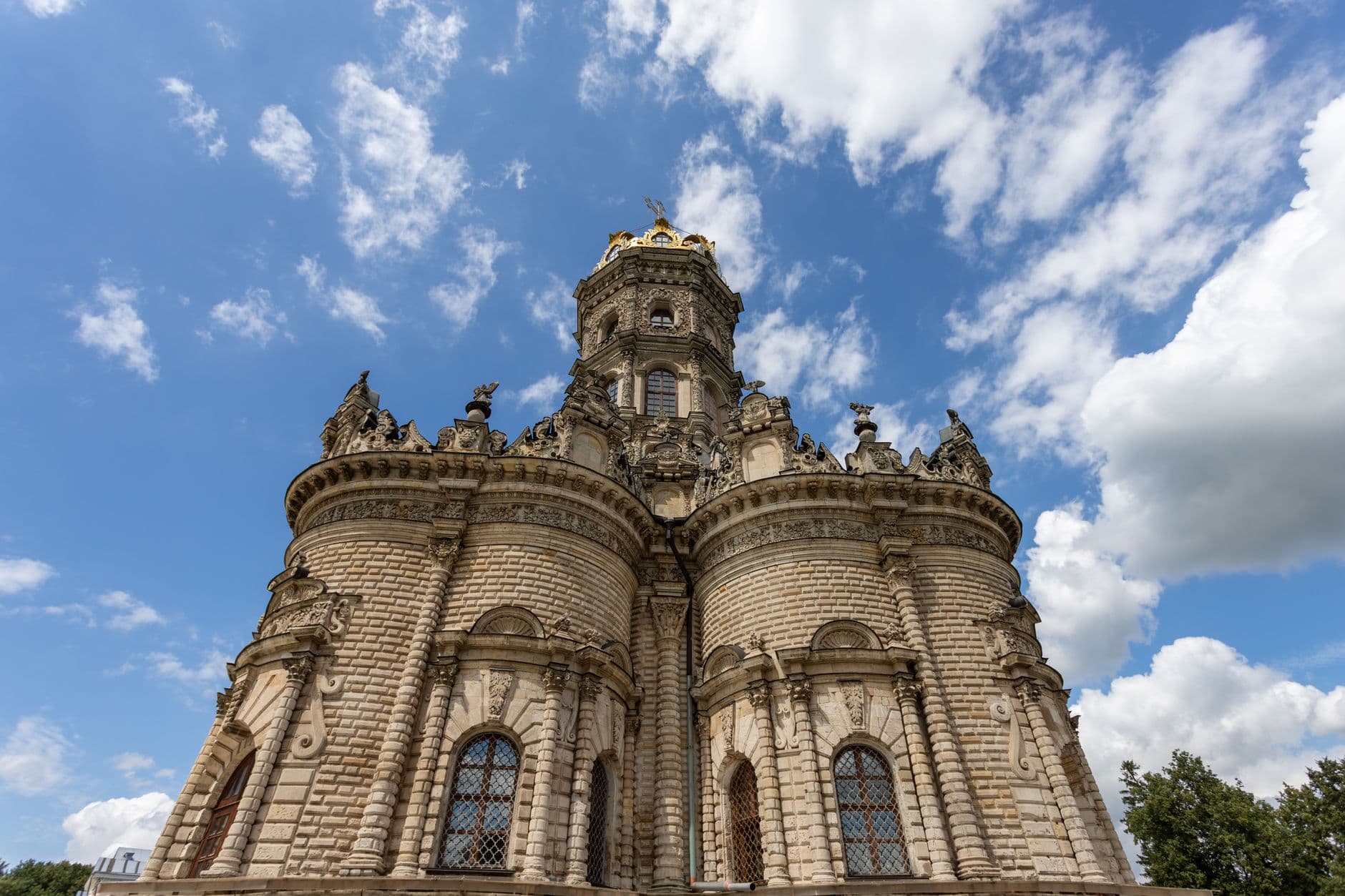
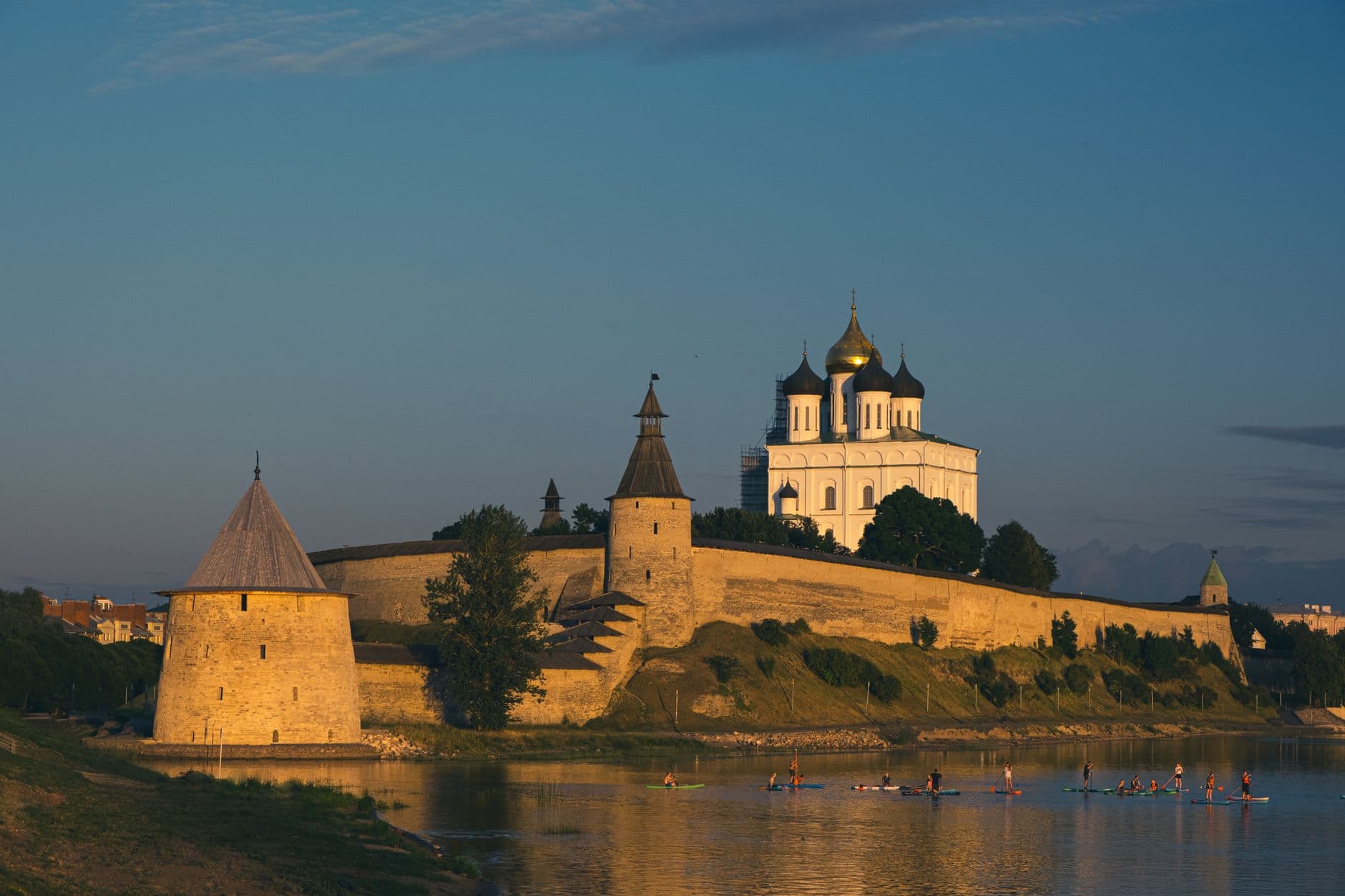
Rekomendacja: Rozpocznij poranki od godzinnej trasy zwiedzania, która koncentruje się na początkach budynku, jego sklepionym wnętrzu i komnacie ikon - zaprojektowanej tak, aby uniknąć tłumów i pozwolić na dokładne przestudiowanie detali.
Budowa rozpoczęła się w 1801 roku i została ukończona w 1811 roku, wykonana w neoklasycystycznym stylu, który definiuje zarówno zewnętrze, jak i wnętrze. Jej największa kopuła wznosi się ponad panoramę miasta, czyniąc to miejsce punktem orientacyjnym widocznym z bliska i z daleka.
Podróżni przybywający z Wołgogradu zazwyczaj korzystają z pobliskich węzłów transportowych, a następnie idą krótki dystans; zaplanuj przerwę na lunch w kawiarni w okolicznej dzielnicy, zanim będziesz kontynuować zwiedzanie.
Wewnątrz zachowane freski i centralna ikona wywołują historyczny nastrój; sale były świadkami wojny i dziesięcioleci, które nastąpiły, kształtując powód, dla którego to miejsce pozostaje centralne zarówno dla życia lokalnego, jak i dla odwiedzających.
W pobliżu, w dzielnicy dworskiej, znajduje się cicha kawiarnia; przerwa na lunch może przywrócić tempo, a para podróżnych doceni widok podniesionej kopuły. Dla tych, którzy idą naprzód, krótka trasa przez boczne kaplice oferuje zwięzłe podsumowanie przed kontynuowaniem zwiedzania.
Praktyczne wskazówki: przyjedź transportem, ubierz się skromnie i przestrzegaj podanych godzin; w letnie poranki światło na fasadzie podkreśla detale. Oferta krótkiego przeglądu pomaga przedstawić powód, dla którego warto się zatrzymać, a zachowane przestrzenie mają znaczenie dla każdego, kto buduje osobistą więź z historyczną tkanką miasta, która będzie pamiętna w przyszłości w Twoich podróżach.
Sobór Kazański
Przyjedź na otwarcie, aby z szacunkiem przejść przez zewnętrzne i wewnętrzne sale; takie podejście daje najlepsze poczucie położenia w mieście i bieżącego życia diecezji.
To miejsce jest historycznym kamieniem węgielnym w rejonie petersburskim, stworzonym, aby pomieścić ikonę Matki Bożej i służyć duchowemu życiu diecezji; jego projekt łączy neoklasycystyczne linie z uroczystym wnętrzem, odzwierciedlając katolicką tradycję uniwersalności w ramach kultu prawosławnego i zachowując historię.
W dzisiejszej praktyce wstęp dla wiernych jest bezpłatny; dla zwiedzających oferowane są oddzielne wycieczki z przewodnikiem, ponieważ dostarczają one kontekstu dotyczącego ikonografii i życia liturgicznego; ceny wycieczek zazwyczaj wahają się od skromnych datków do niewielkiej stałej opłaty, różniącej się w zależności od języka i czasu trwania, często około 500-1200 RUB za osobę. Do tego czasu grupy mogą rezerwować wycieczki z anglojęzycznymi przewodnikami; w pobliżu głównych drzwi może utworzyć się krótka kolejka przed rozpoczęciem nabożeństwa.
Wnętrze mieści historyczne ikony, w tym instrumenty ceremonialne i różnorodny zestaw przedmiotów liturgicznych, które ilustrują wieki pobożności; przestrzeń akustyczna, ikonostas i cykle fresków zachęcają do uważnej obserwacji.
Dla podróżnych lokalizacja sprzyja kompaktowemu spacerowi po centralnej części, ułatwiając połączenie z wizytą w muzeach i innych miejscach sakralnych; atmosfera jest zachęcająca, z cichymi zakątkami do refleksji i personelem dostępnym do zadawania pytań; kilka wycieczek wyrusza z pobliskich placów, z trasami ułożonymi tak, aby pasowały do półdniowego planu; w pobliżu wejścia można zauważyć pomnik marszałka.
Spaceruj samodzielnie lub dołącz do pakietu łączonego; ponieważ to miejsce pozostaje aktywne w diecezji, obowiązują zasady zachowania i ubioru, a podczas nabożeństw mogą obowiązywać ograniczenia dotyczące fotografowania; sprawdź harmonogram, kiedy fotografowanie jest dozwolone.
Jak dojechać do Soboru Kazańskiego komunikacją miejską
Jedź metrem do stacji Newski Prospekt i wyjdź na aleję. Idź wzdłuż Newskiego Prospektu przez około 6-7 minut w kierunku Kanału Gribojedowa, aż zobaczysz kościół na rogu. Ta trasa jest najlepsza dla osób odwiedzających po raz pierwszy.
Alternatywa: wsiądź do tramwaju lub trolejbusu wzdłuż Newskiego Prospektu i wysiądź na przystankach Gostiny Dvor lub Newski Prospekt; stamtąd 5-8 minut spacerem wzdłuż alei doprowadzi Cię do rogu przy kanale.
Godziny ustala diecezja. Drzwi otwierają się o 9:00 w większość dni; podczas wakacji letnich harmonogram może ulec zmianie. Karta transportowa jest niezbędna do przejazdów metrem, a bilety zakupione w kioskach mogą przyspieszyć wejście w szczycie sezonu. Aby mieć pewność, sprawdź wywieszone godziny przy wejściu lub zadzwoń do biura kościelnego. Spodziewaj się dłuższej kolejki na godzinę przed nabożeństwem; diecezja zamieszcza ważne ogłoszenia dotyczące godzin i wydarzeń.
Praktyczne uwagi: rower można zaparkować w pobliżu wyjścia; pobliska restauracja oferuje szybkie lunche; latem w pobliżu rzeki znajduje się niesamowity diabelski młyn, popularny wśród rodzin i turystów. Obszar ten jest czczony przez mieszkańców, a Gabdulla, lokalny przewodnik, mówi, że najlepsze godziny na wizytę to wczesny ranek lub późne popołudnie. Gdy w święta tłumy rosną, zaplanuj dodatkowy czas; klipy z TikToka często pokazują bezpośrednią trasę, która pomaga turystom. Diecezja zachowuje wieki kultury, a miejsce to pozostanie ważne dla odwiedzających. Wzdłuż kanału można obserwować kilka gatunków ptaków; proszę dbać o cenne przedmioty, a zakupione bilety na komunikację miejską należy trzymać w ręku. Według rusiamoskow, najprostsza trasa prowadzi przez Newski Prospekt i krótki spacer, co nadal jest popularne wśród wielu turystów; pamiątki kozie pojawiają się w pobliżu rogu. Ponieważ obszar jest ruchliwy, przyjedź wcześnie i proszę, bądź świadomy mieszkańców.
Najlepsze czasy na wizytę, aby uniknąć tłumów

Przyjedź o 9:00, kiedy drzwi się otwierają, i zostań do 11:00, aby doświadczyć wnętrza z minimalnym zgiełkiem zarówno w dni powszednie, jak i w weekendy.
Poranki w dni powszednie są spokojniejsze niż soboty czy niedziele; między 9:00 a 11:00 od wtorku do czwartku ruch jest łagodniejszy, z wyjątkiem religijnych niedziel lub wydarzeń publicznych.
Pory przejściowe (kwiecień-maj, wrzesień-październik) przynoszą mniejsze tłumy; latem, zwłaszcza podczas Białych Nocy, spodziewaj się szczytowych kolejek; w środku zimy poranki mogą być spokojne, ale dzień jest krótki, więc odpowiednio zaplanuj.
Przybywając tranzytem, celuj w stacje petersburgskaya; tłumy z pobliskiego oceanarium i grup teatralnych przybywają razem, więc staraj się być przed nimi lub poczekaj, aż przejdą; w przeciwnym razie ciesz się powolnym widokiem zewnętrznym i krótką sesją zdjęciową na placu.
Dla rodzin z dziećmi, przygotuj kompaktowy plan; towarzyszenie przewodnika lub audioprzewodnika pomaga w tempie wizyty bez pośpiechu, pozwalając im samym cieszyć się najważniejszymi atrakcjami.
Sobór Kazański stanowi wybitny, duchowy punkt orientacyjny w historycznym centrum imperialnej stolicy, nawiązujący do epoki cesarskiej; w tym świecie ciche godziny nadchodzą po tym, jak poranne tłumy się zmniejszą, a między 12:00 a 14:00 jest spokojniej w dni nieświąteczne.
Aby zmaksymalizować efektywność, odwiedź z ukierunkowanym planem: sprawdź sąsiednie stacje i zaplanuj połączenie tego przystanku z wizytą w innych pobliskich klejnotach; odpowiednio, możesz spacerować wzdłuż rzeki, zajrzeć do oceanarium, a następnie kontynuować do następnej atrakcji; takie podejście pomaga zarządzać czasem i unikać tłumów.
Dress code: co ubrać, aby okazać szacunek
Noś skromny, szanujący strój: zakryte ramiona, kolana do połowy łydki lub dłużej, i unikaj bluzek bez rękawów, przezroczystych tkanin lub głośnych logo. Preferowane są buty z zakrytymi palcami, a kapelusze należy zdejmować w pomieszczeniach.
Punkt orientacyjny znajduje się przy szerokiej alei w historycznym centrum, z pobliskimi placami pałacowymi i spokojnymi dzielnicami. Tam, obserwacje mieszkańców Wołgogradu pokazują, że odwiedzający, którzy przestrzegają dress code'u, doświadczają płynniejszego dostępu i głębszego szacunku podczas chwil cichej kontemplacji i obserwacji.
Szczegółowe wytyczne: zabierz lekki szalik na ramiona, bluzkę z rękawami lub marynarkę dla mężczyzn; długie spódnice lub spodnie wizytowe są akceptowalne dla wszystkich, natomiast szorty i mini sukienki są odradzane. Chociaż wygodne, unikaj przezroczystych tkanin. Tysiącletnia ikonografia i odrodzenie lokalnego życia rytualnego podczas Objawienia Pańskiego wpływają na te oczekiwania.
Co ubrać, aby okazać szacunek: wybierz stonowane kolory, minimalną biżuterię i matowe tkaniny. Wizerunki Matki Boskiej i inne święte symbole zasługują na cichą godność; różnorodność akceptowalnych strojów podkreśla oddanie bardziej niż blichtr. Preferowane są naturalne włókna, i unikaj jaskrawych logo lub żywych wzorów, które przyciągają uwagę.
Do zwiedzania panuje spokojna, pełna szacunku atmosfera: wzdłuż trasy znajdują się punkty obserwacyjne, godziny otwarcia są wywieszone przy wejściu, a gospodarze wraz z petersami diecezji kierują przepływem. Ten harmonogram obsługi pomaga mieszkańcom planować wizyty z wyprzedzeniem i jest zgodny z lokalnym etykietą wokół terenu świątyni.
Uprzejme zachowanie oznacza również ograniczenie fotografowania podczas formalnych momentów; podczas procesji Objawienia Pańskiego tłumy mogą być duże. Jeśli chcesz dokumentować, zachowaj dyskrecję i rozważ unikanie publikowania na TikToku w pobliżu ikon; zawsze proś o pozwolenie na zbliżenia ludzi lub świętych obrazów i wyłącz lampę błyskową.
Jeśli odwiedzasz z dziećmi, zastosuj te same skromne standardy: dodaj lekką warstwę, unikaj krótkich spodenek i ogranicz akcesoria do minimum. Takie podejście wspiera szacunek dla rosyjskiego dziedzictwa w tym miejscu i odzwierciedla etos odrodzenia dzielony przez diecezję, gospodarzy, mieszkańców i odwiedzających.
| Aspekt |
Zalecenie |
Uwagi |
| Ramiona |
Zakryj rękawami lub szalem |
Zapobiega zwracaniu uwagi i pasuje do nabożnego otoczenia |
| Długość |
Do kolan lub dłużej; spodnie są w porządku |
Szorty są odradzane dla dorosłych i dzieci |
| Obuwie |
Buty z zakrytymi palcami |
Wygodne na długie korytarze i schody |
| Akcesoria |
Minimalna biżuteria; brak kapeluszy w pomieszczeniach |
Pomaga utrzymać skupienie na nabożeństwie |
| Tkanina |
Naturalne włókna; stonowane kolory |
Unikaj logo i jaskrawych wzorów |
Zasady fotografowania wewnątrz katedry
Lampa błyskowa wyłączona, tryb cichy; wykonane prawidłowo, szanuje atmosferę religijną i wiernych.
- Chociaż większość miejsc zezwala na fotografowanie, zawsze bądź dyskretny i unikaj blokowania przejść lub drzwi.
- Używaj naturalnego światła tam, gdzie to możliwe; bez lampy błyskowej, bez statywów i bez sprzętu na kółkach w wąskich strefach, aby zapobiec tłoczeniu się.
- Zachowaj komfortową odległość od wiernych i duchowieństwa; najbliżej możesz stać co najmniej trzy metry od linii ceremonialnych, chyba że personel zaprosi cię bliżej.
- Zapytaj personel przed fotografowaniem osób; uszanuj ich życzenie, jeśli ktoś zasygnalizuje „меня", aby wskazać, że nie wyraża zgody.
- Profesjonalni fotografowie powinni skontaktować się z administracją; ceny za sesje są wywieszone w sklepie i na oficjalnej tablicy ogłoszeń; uzyskaj pozwolenie przed jakimkolwiek reportażem.
- Personel fatykh pomaga w wytycznych dotyczących kątów, oświetlenia i okresów szczytowych; przestrzeganie ich wskazówek jest kluczowe.
- Koło nie może wjeżdżać w przestrzeń w pobliżu głównej sekwencji; usuń je przed kontynuowaniem.
- Cały sprzęt powinien być nieinwazyjny; żadnych dronów, żadnych wózków na kółkach w pobliżu miejsc kultu i żadnych urządzeń skanujących, które zakłócają spokój.
- Wewnątrz fotografowanie powinno być powściągliwe i unikalne; unikaj powtarzających się ujęć i szanuj kulturę, która kształtuje doświadczenia wiernych.
- Podczas specjalnych rocznic lub wydarzeń kulturalnych, ograniczenia są zaostrzane; sprawdzaj znaki i proś o zgodę z wyprzedzeniem; spontaniczne fotografowanie jest niedozwolone.
- Szukając wytycznych, zapoznaj się z wywieszonymi zasadami przy każdym wejściu; oznakowanie jest aktualizowane w całym budynku w celu zapewnienia zgodności z zasadami katedry kazańskiej.
- W przypadku konfliktów, natychmiast postępuj zgodnie z instrukcjami personelu; ta zasada jest kluczowa dla bezpieczeństwa i szacunku.
- Ceny i dozwolony czas mogą się różnić w zależności od obszaru; zapytaj w sklepie na miejscu o możliwość przedłużonych sesji zdjęciowych w godzinach szczytu odwiedzin.
- Zawsze zachowuj uprzejmość; jeśli ktoś poprosi Cię o zaprzestanie, natychmiast się zastosuj; kultura i tradycja wymagają alternatywnego podejścia do uchwycenia chwili.
- Kolejna praktyczna wskazówka: używaj kompaktowego aparatu lub smartfona, trzymaj go nisko i unikaj lampy błyskowej w pobliżu fresków lub ikon.
- Zbudowany wieki temu, pomnik wymaga powściągliwego podejścia; uchwyć atmosferę, nie zmieniając jej.
- Takie podejście tworzy unikalny zapis Twojego doświadczenia z europejskim dziedzictwem i jest zgodne z oczekiwaniami publiczności na całym terenie.
Wycieczki, bilety i audioprzewodniki: praktyczne opcje
Kup bilet łączony z audioprzewodnikiem na poranek w dzień powszedni, aby uniknąć tłumów i dowiedzieć się więcej w krótszym czasie. Bilet obejmuje główny kompleks kościelny i jego otoczenie, z mapami prowadzącymi od kolorowego podejścia aleją do oświetlonych wnętrz, a ścieżka dźwiękowa działa przez cały czas, dzięki czemu nie przegapisz majestatycznych detali.
Formaty biletów obejmują kasy na miejscu i zakupy online; wybierz opcję combo, aby ominąć kolejki. Recenzje podróżnych często podkreślają wartość audioprzewodnika, zwłaszcza w połączeniu z trasą we własnym tempie, która pozwala zatrzymać się w ikonicznych miejscach, uczyć się we własnym tempie i fotografować obraz miejsca bez poczucia pośpiechu.
Audioprzewodniki są dostępne w kilku językach, w kompaktowym formacie, który jest łatwy w obsłudze podczas samodzielnego spaceru. Typowe ceny mieszczą się w umiarkowanym zakresie, a bilet łączony czasami zawiera przewodnik i mapę do przypominania sobie kluczowych momentów naciśnięcia przycisku. Jeśli planujesz dłuższą wizytę, możesz przedłużyć czas na urządzeniu lub przełączyć się na inną ścieżkę językową, co pomaga zachować przejrzystość na całej trasie.
Wycieczki z przewodnikiem są dostępne w dni powszednie i sporadycznie w weekendy; opcje prywatne mogą być dostosowane do małych grup. Standardowa wycieczka trwa około 60 minut i rozpoczyna się w pobliżu głównego wejścia, z wyraźnie oznaczonym miejscem spotkania. Studenci często doceniają zniżki po okazaniu legitymacji studenckiej, a format można dostosować do grup rodzinnych, zachowując komfortowe tempo.
Zasady etykiety są proste: ubieraj się skromnie (jeśli to możliwe, noś długie rękawy), mów cicho w świętych miejscach i prosimy o powstrzymanie się od fotografowania z lampą błyskową tam, gdzie jest to zabronione. Zasady fotografowania są wywieszone w pobliżu wejścia, a personel przypomni Ci, jeśli znajdziesz się w pobliżu obszarów objętych ograniczeniami .
Po głównej wizycie zaplanuj lunch na pobliskiej alei, gdzie wzdłuż ulicy pojawiają się kolorowe kawiarnie i opcje kuchni gruzińskiej. Obszar ten oferuje miejsca do spróbowania lekkich dań i sycących misek, z kofte i zupami w niektórych miejscach w zależności od dnia. W celu praktycznego planowania, sprawdź mapy pod kątem czasów spaceru i potencjalnych kolejek na lunch, a także rozważ późniejszy przystanek w innym oświetlonym zakątku, aby przyjemnie przedłużyć swój czas.
Weekendy bywają bardziej ruchliwe, ale godziny przedpołudniowe i późne popołudniowe często oferują lepszy przepływ, podczas gdy dni powszednie są ożywione i aktywne. Kompaktowy format sprawdza się dobrze, jeśli masz mało czasu, natomiast cały dzień pozwala na zobaczenie większej liczby rzeczy i zrobienie wielu przystanków na zdjęcia, w tym na straganach lub w sklepach z kozami, które znajdują się wzdłuż bloku. Jeśli chcesz porównać oferty, pisz recenzje na stronach podróżniczych i dziel się swoimi wrażeniami z innymi odkrywcami; wspomnienie może zawierać ponadczasowy obraz i stałe tempo, które odpowiada zarówno zapalonym uczniom, jak i zwykłym odwiedzającym. czas