Galeria Tretiakowska posiada definitywną kolekcję sztuki rosyjskiej, a większość turystów odwiedzających ją po raz pierwszy przechodzi ją w złej kolejności - chronologicznie, zaczynając od ikon, aż do momentu, gdy energia wyczerpie się gdzieś w okolicach 1870 roku.
Oto obrazy, wokół których warto zaplanować wizytę, gdzie wiszą i dlaczego każdy z nich przyciąga uwagę.
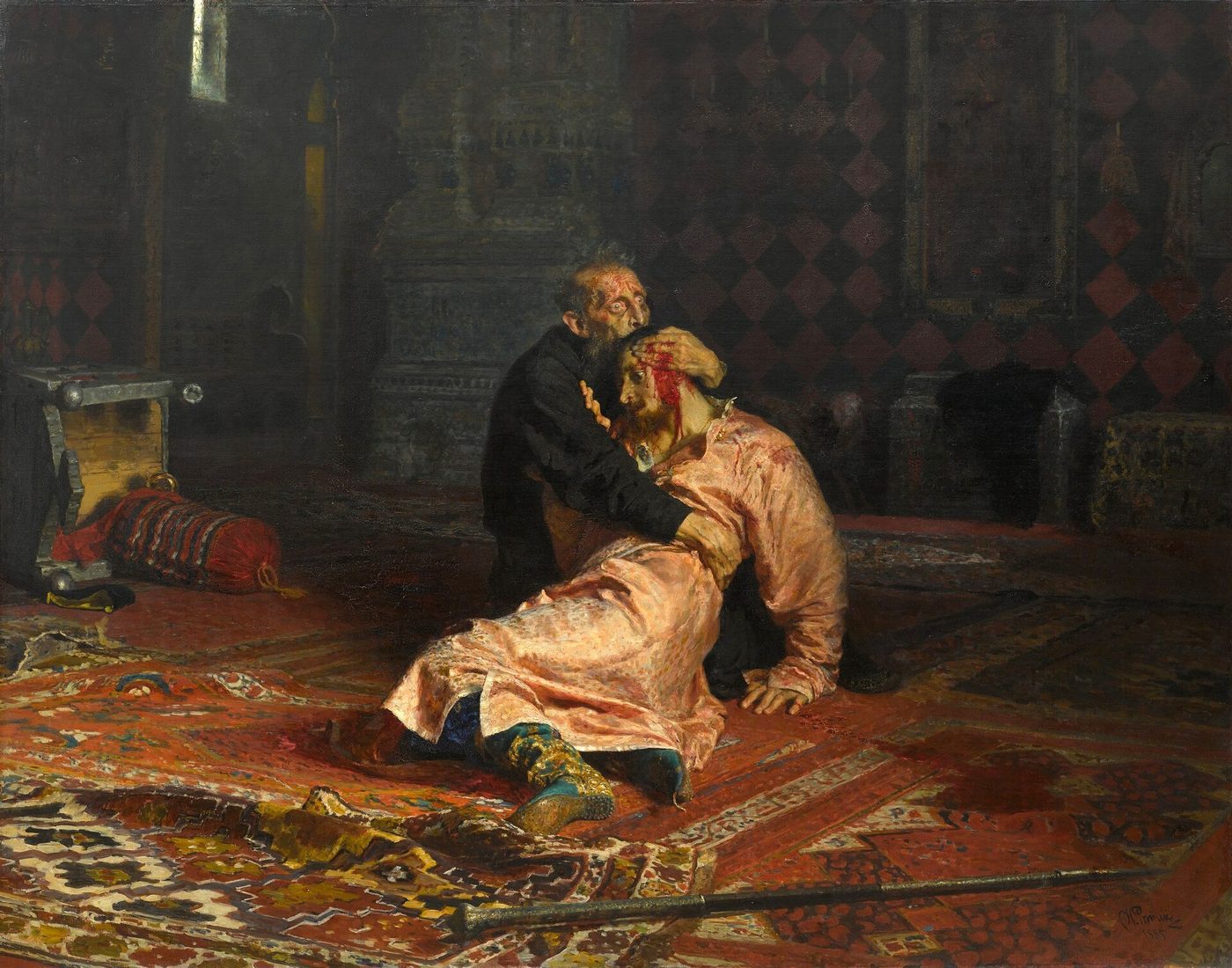
Iwan Groźny i jego syn Iwan — Ilja Repin
Najbardziej niepokojący obraz w rosyjskiej sztuce i taki, który widzowie zapamiętują najdłużej. Ojciec, który właśnie śmiertelnie uderzył swojego syna, trzyma go, rozumiejąc, co zrobił.
Działa to nie dzięki krwi, lecz oczom. Repin namalował człowieka zdającego sobie sprawę z czegoś nieodwracalnego w tej samej chwili, w której robi to widz.
Obraz został dwukrotnie uszkodzony - w 1913 i ponownie w 2018 roku - i przeszedł długotrwałą renowację. Obecnie wisi za ochronną szybą.
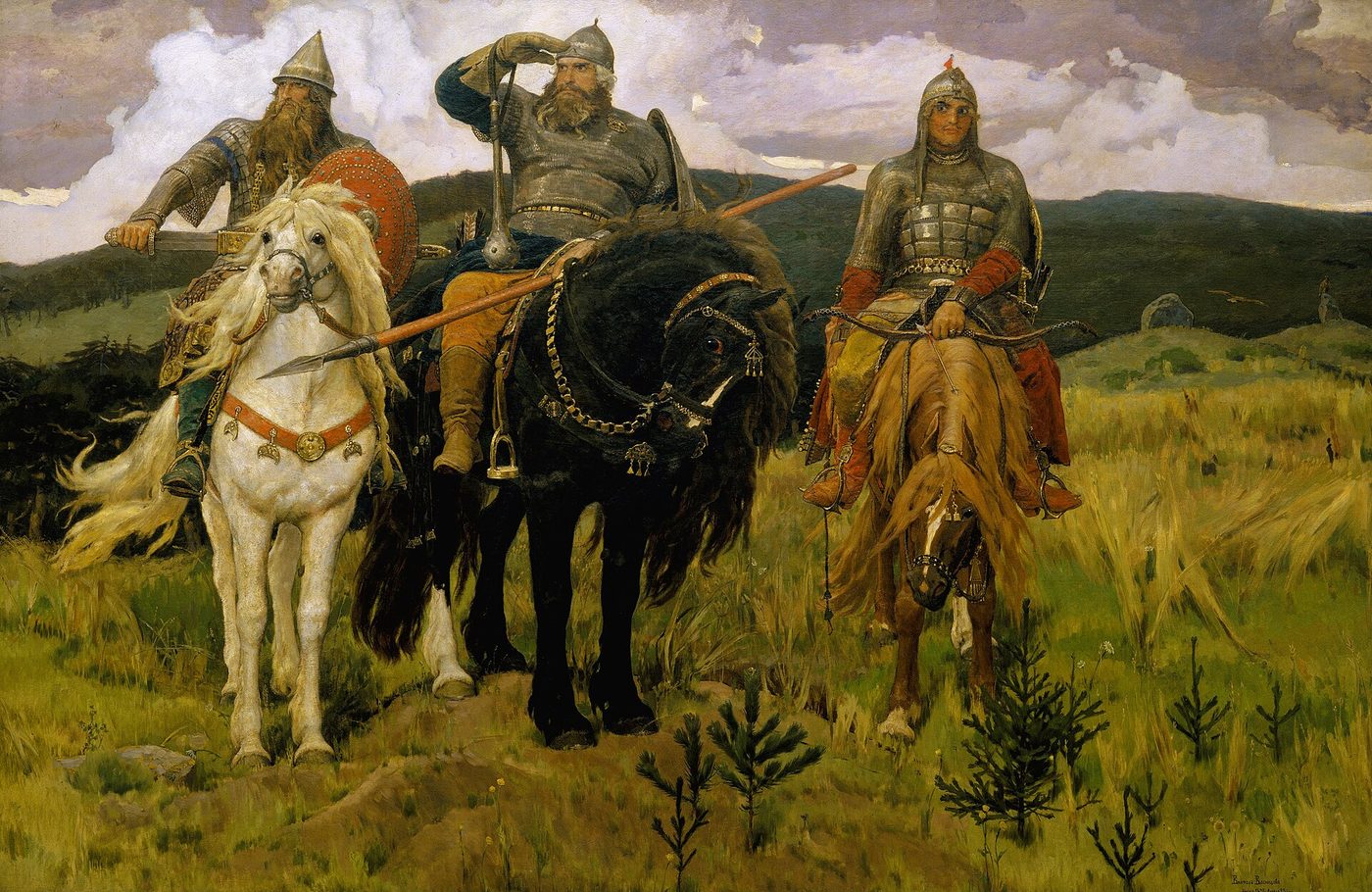
Bogatyrzy — Wiktor Wasniecow
Trzej konni wojownicy z rosyjskiego eposu ludowego, skanujący horyzont. Prawie trzy metry na cztery, i to właśnie ten rozmiar jest potrzebny: chodzi o szerokość krajobrazu, którego strzegą.
Wasniecow pracował nad nim przez dwadzieścia lat. Stań wystarczająco daleko, aby objąć całą linię horyzontu - większość ludzi tłoczy się i traci efekt.
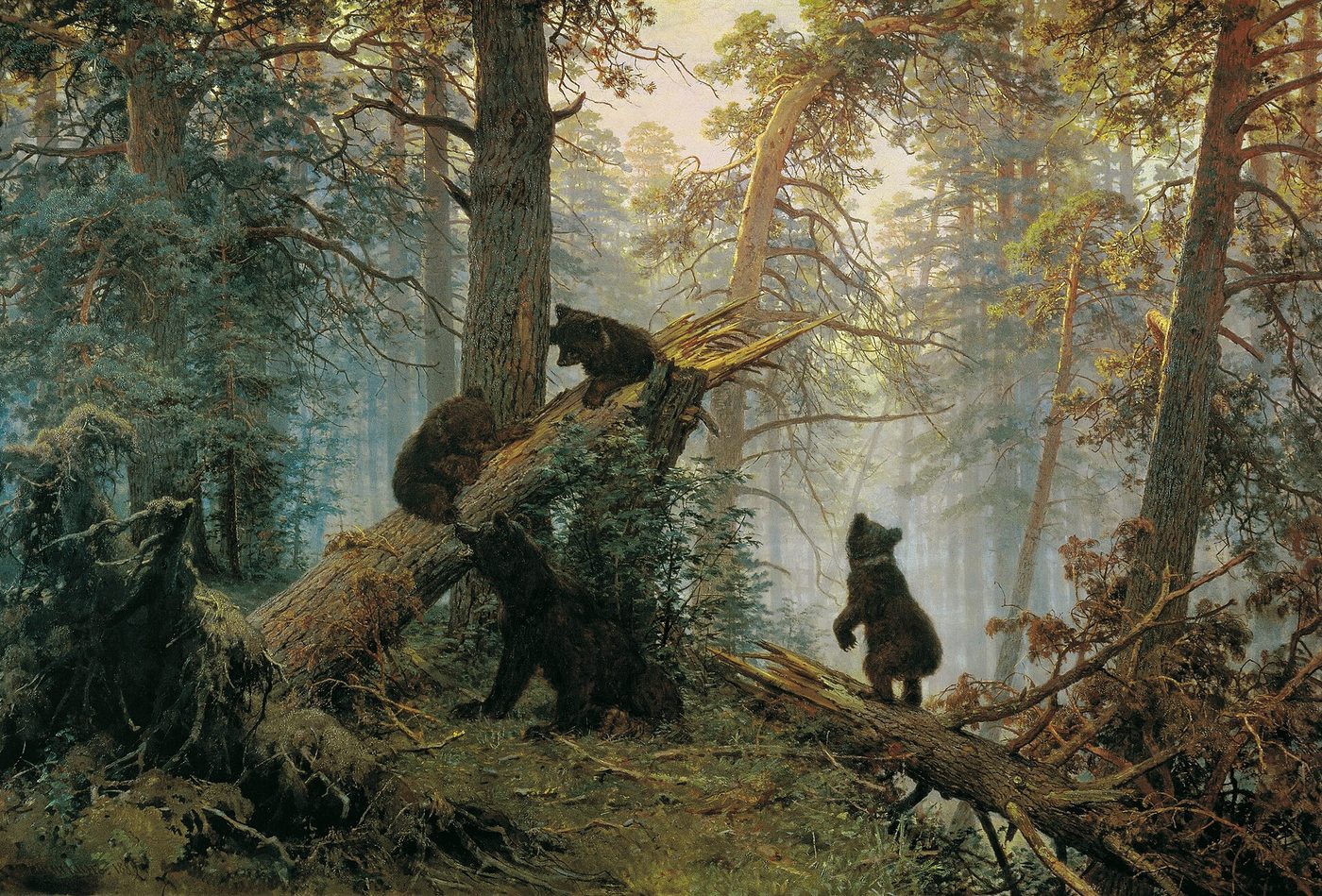
Poranek w lesie sosnowym — Iwan Szyszkin
Niedźwiadki na powalonym sosnowym drzewie. W Rosji ten obrazek znajduje się na opakowaniach czekolady od ponad wieku, co sprawia, że widok oryginału jest dziwnie poruszający.
Warto wiedzieć: las namalował Szyszkin, a niedźwiedzie namalował Konstantin Sawicki. Sawicki również go podpisał, ale dealer później usunął podpis.
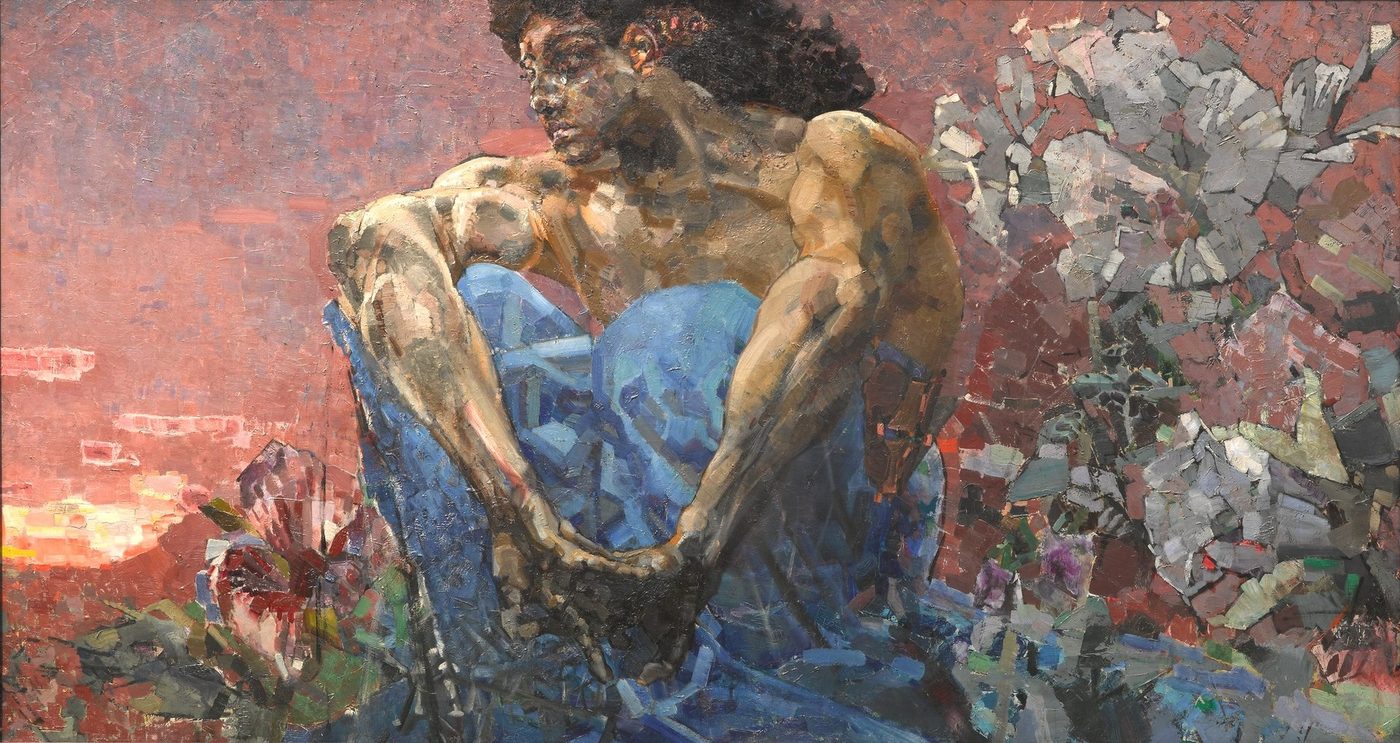
Siedzący Demon — Michaił Wrubel
Postać z ciałem młodego mężczyzny i wyrazem ogromnej, stłumionej rozpaczy, w krajobrazie kryształowych kwiatów.
Wrubał pracował nad tematem Demona latami i pochłonął go. Farba jest nałożona niemal jak mozaika, fasetami. Podejdź bliżej, żeby zobaczyć powierzchnię, a potem odsuń się.
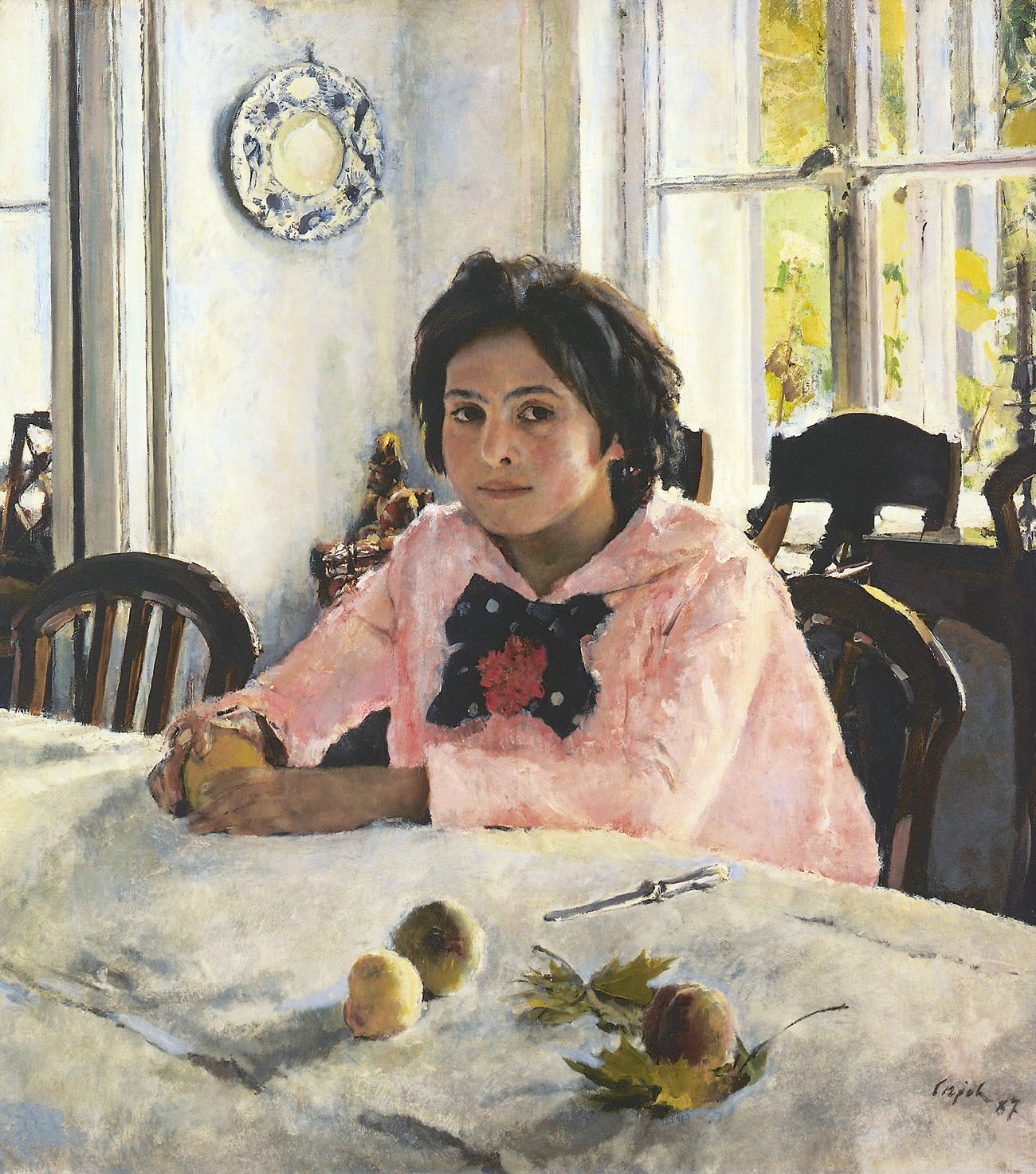
Dziewczyna z brzoskwiniami - Walentin Serow
Namalowany, gdy Serow miał dwadzieścia dwa lata, w pokoju w Abramcewie, przez całe lato. Pozującą jest Wiery Mamontowa.
Wszyscy to fotografują. Na zdjęciach brakuje światła — cała scena opowiada o popołudniowym słońcu w pokoju, a brzoskwinie są niemal przypadkowe.
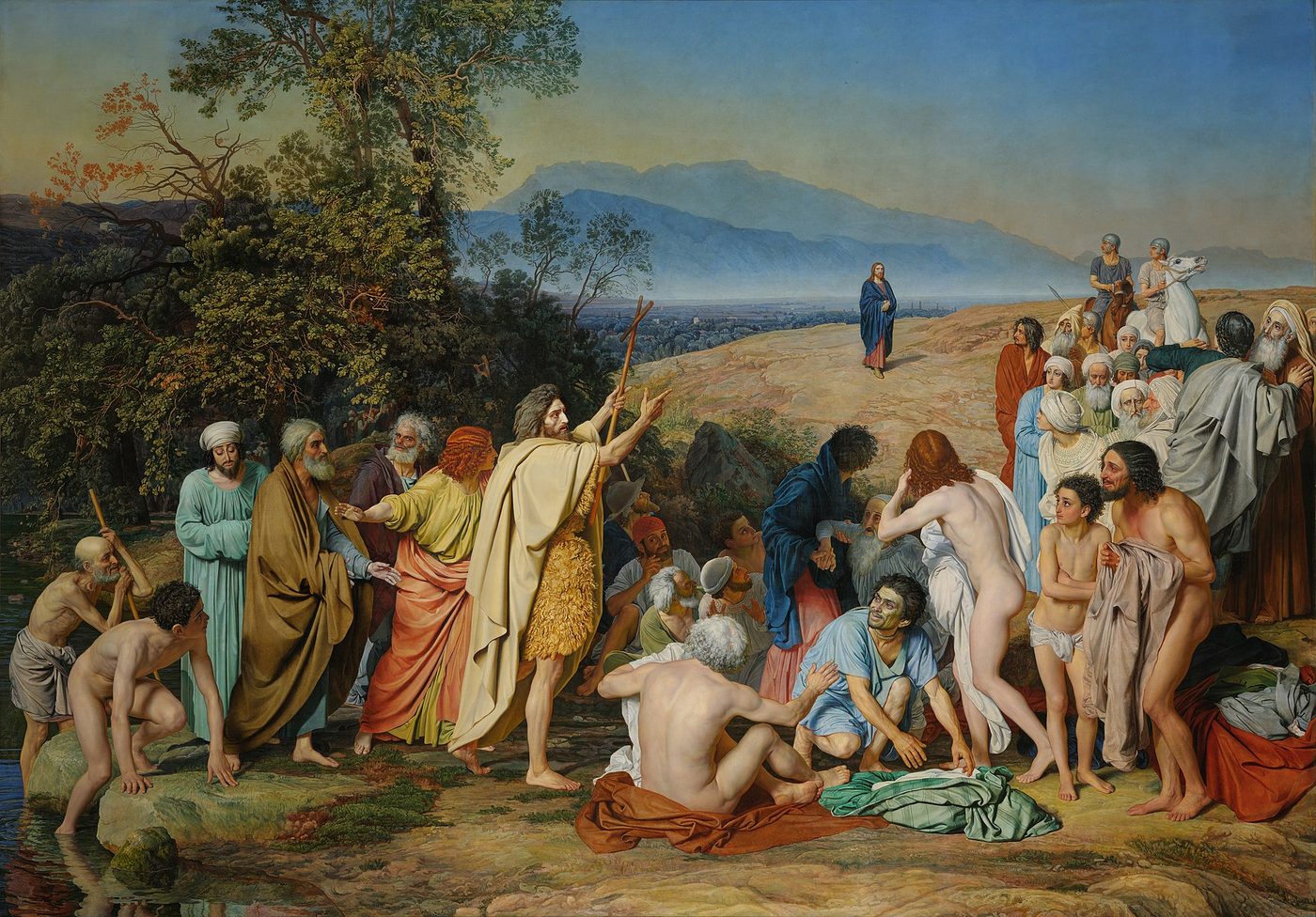
Objawienie się Chrystusa przed ludem — Aleksandr Iwanow
Dwadzieścia lat pracy i płótno tak wielkie, że ma własną salę. Iwanow wykonał do niego setki studiów, z których wiele wisi obok.
Studia są tu nagrodą. Widok głowy czy ręki opracowanej oddzielnie, a potem odnalezienie jej w gotowej kompozycji, to lepsza godzina niż większość wycieczek z przewodnikiem.
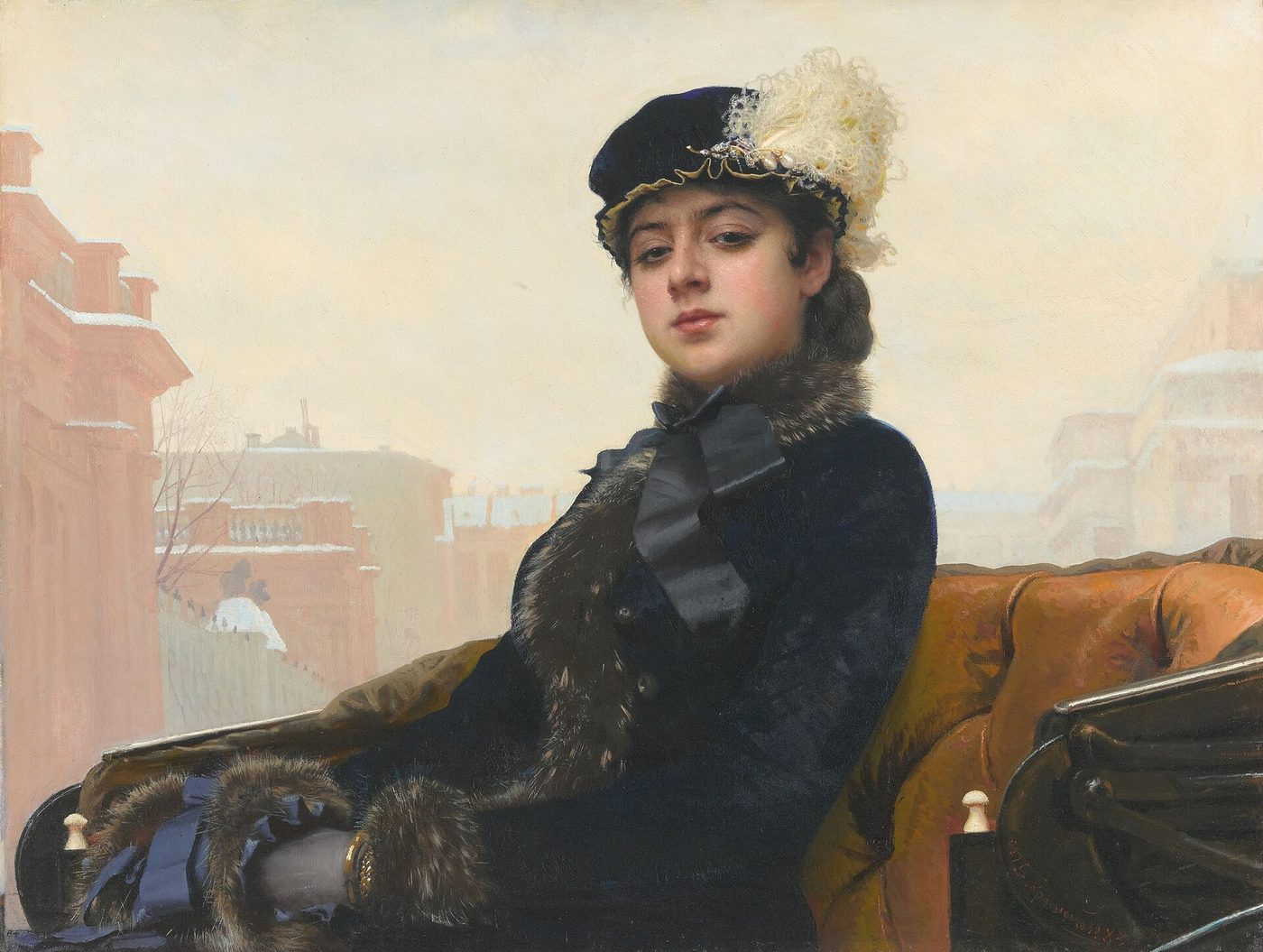
Portret nieznajomej — Iwan Kramskoj
Kobieta w karecie na Moście Aniczkowskim, spoglądająca w dół na widza z wyrazem twarzy, który budzi spory od 1883 roku. Nikt nie wie, kim była, a tytuł nigdy nie został rozstrzygnięty.
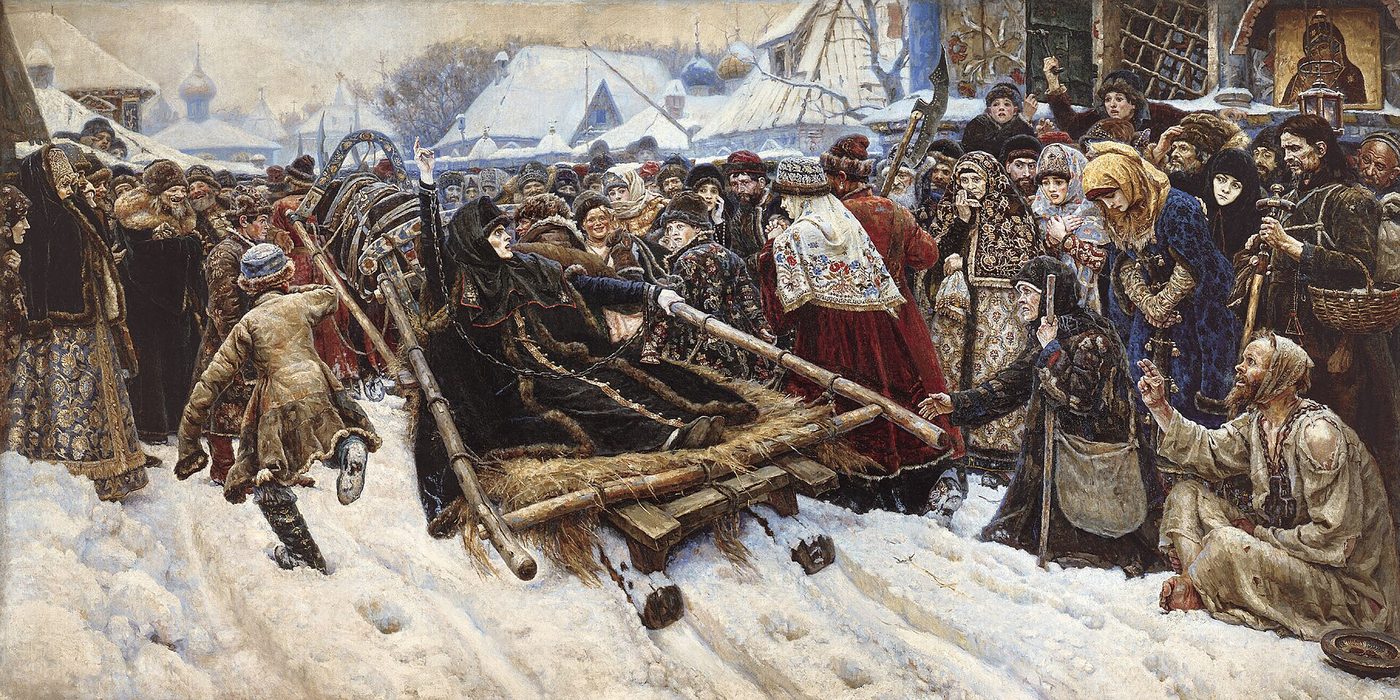
Bołarynia Morozowa — Wasilij Surikow
Ogromna zimowa scena: szlachcianka wleczońa po śniegu na sanich, z ręką uniesioną w dwoma palcami znaku starowierców, a tłum wokół niej podzielony między drwiny a żałobę.
Surikow zbudował tłum z setek indywidualnych studiów. Każda twarz jest decyzją.
po kursie Banku Rosji z 19.09.2026 · powered by tutkakdoma
Drugi budynek: Krymsky Val
Wszystko powyższe znajduje się przy ulicy Ławruszyńskiej. XX wiek mieści się w zupełnie innym budynku - Nowej Galerii Tretiakowskiej na Krymskim Wału, po drugiej stronie rzeki, obok Parku Gorkiego. To ten sam muzealny kompleks, osobny bilet i najpełniejsza w kraju stała ekspozycja rosyjskiej sztuki XX wieku.
Trzy dzieła same w sobie usprawiedliwiają przeprawę.
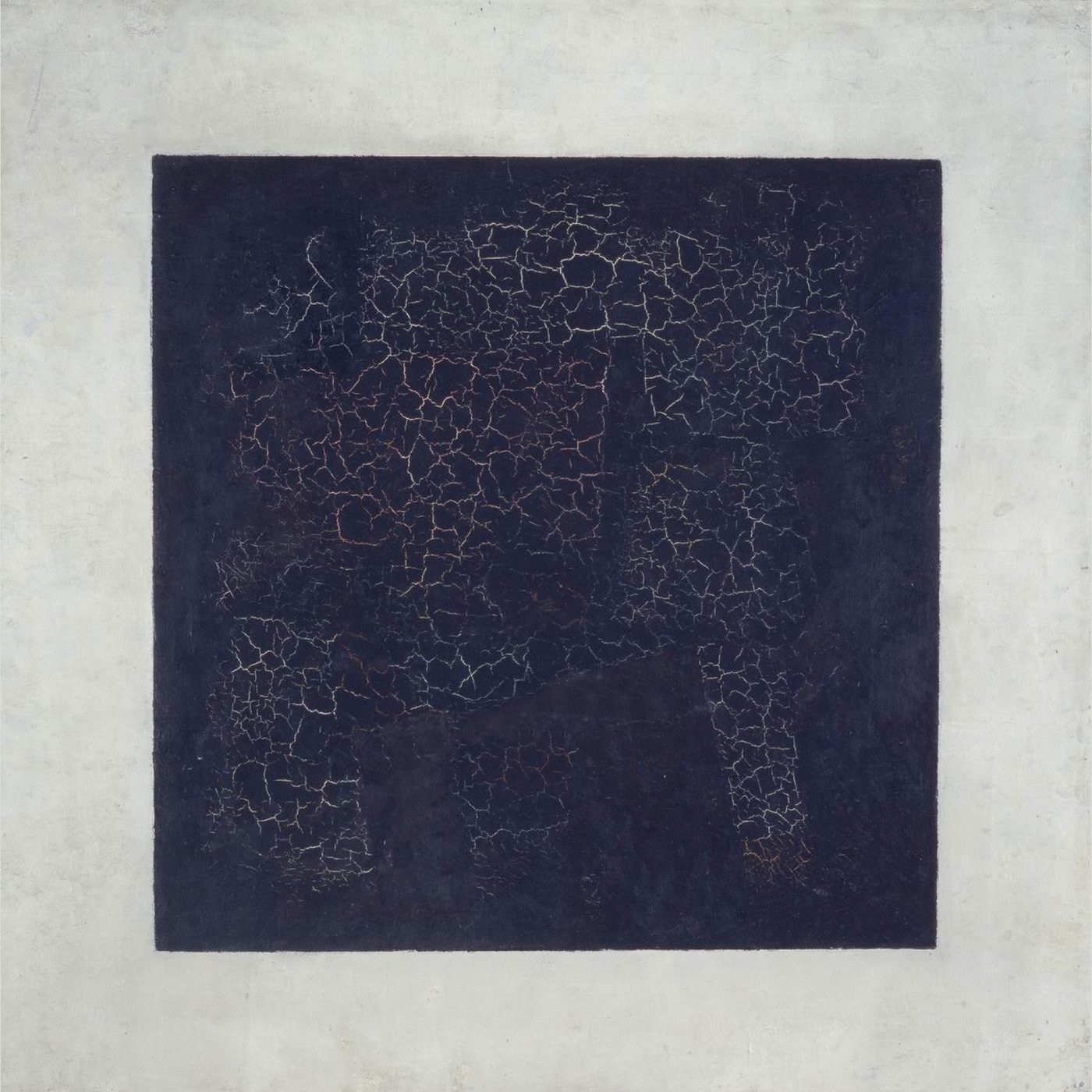
Czarny kwadrat — Kazimir Malewicz
Namalowany w 1915 roku i mniejszy niż większość ludzi się spodziewa: 79,5 centymetra kwadratowego. Reputacja jest ogromna, a obiekt skromny, i ta luka to w dużej mierze całe doświadczenie.
Liczy się to, gdzie Malevich powiesił ją po raz pierwszy. Na wystawie w Piotrogrodzie w 1915 roku umieścił ją wysoko w rogu pokoju - w miejscu, w którym rosyjskie gospodarstwo domowe przechowuje swoją ikonę. To właśnie to umiejscowienie było argumentem i wszyscy w tym pomieszczeniu to rozumieli.
Powierzchnia popękała w ciągu stulecia starzenia. Badania techniczne przeprowadzone w galerii w 2015 roku wykazały dwie wcześniejsze kompozycje pod spodem, zamalowane, a nie zeskrobane. Pod farbą odczytano również inskrypcję, choć specjaliści spierają się, czy wyszła spod ręki Malewicza.
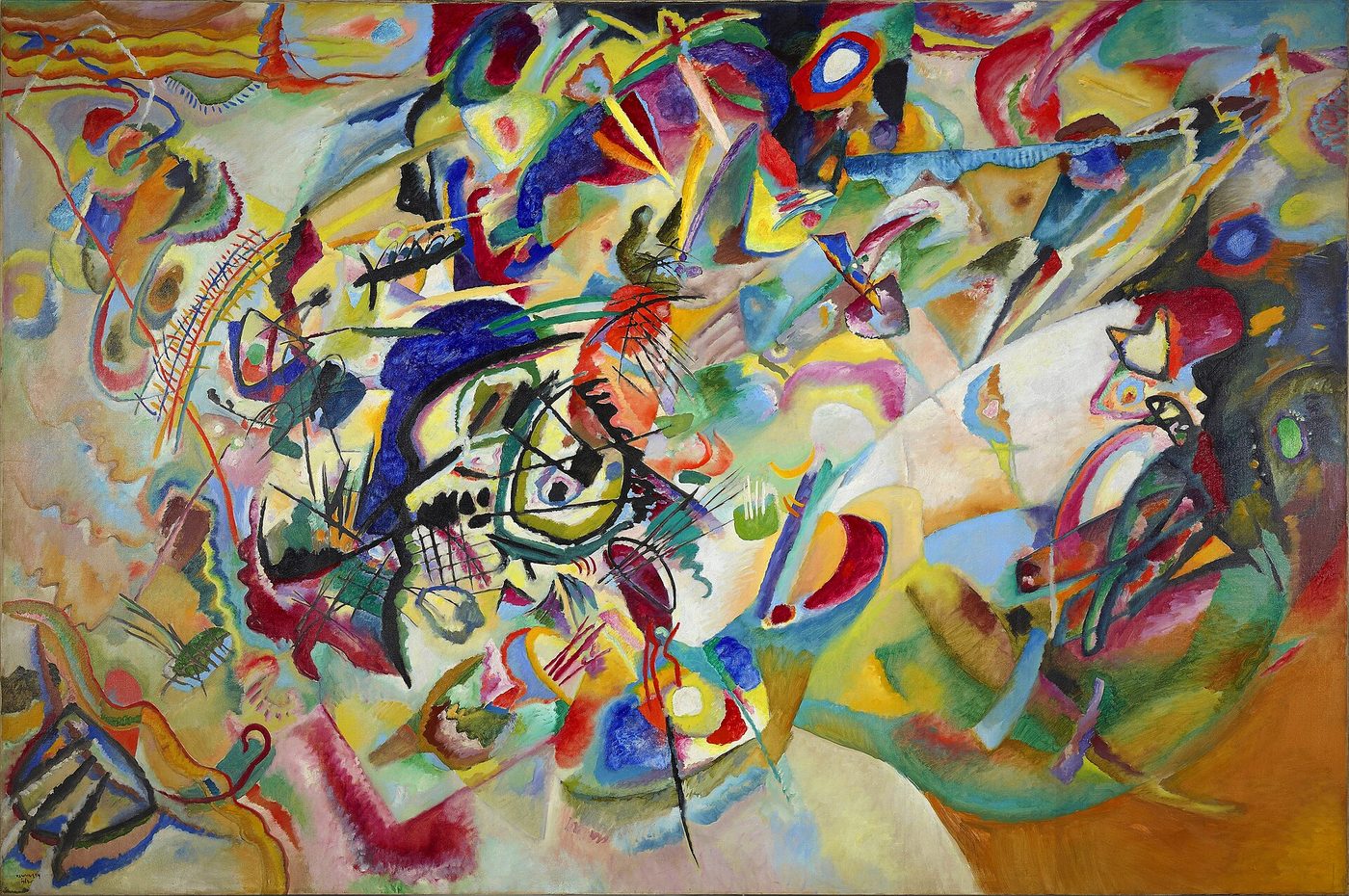
Kompozycja VII — Wasyl Kandinsky
Trzy metry szerokości, namalowany w 1913 roku i najtrudniejsze dzieło, jakiego Kandinsky podjął się przed wojną. Nad jego kompozycją pracował, wykonując ponad trzydzieści studiów przygotowawczych, zanim dotknął płótna.
Z bliska wygląda jak chaos. Cofnij się do dalekiej ściany, a wokół centrum zorganizuje się spirala. Żaden inny obraz w budynku nie nagradza tak bardzo cofania się, a sala jest wystarczająco szeroka, by to zrobić.
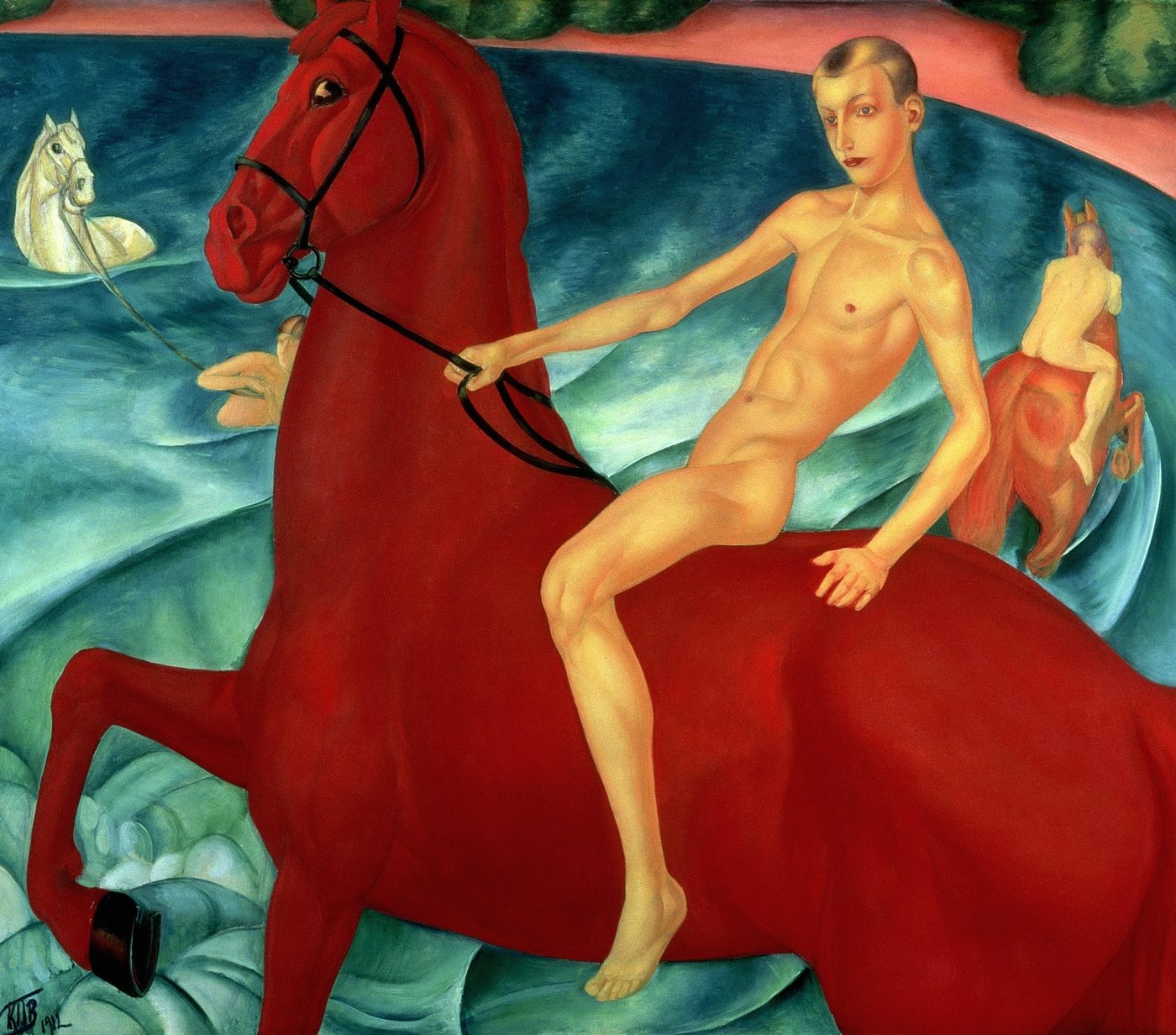
Kąpiel rumaka — Kuźma Piętrow-Wodkin
Namalowany w 1912 roku: czerwony koń wypełniający płótno, chłopiec siedzący na nim, który wyraźnie go nie kontroluje, woda pochylająca się za nimi. Widzowie od razu odczytują konia jako Rosję. Dwa lata później wybuchła wojna i ta interpretacja utrwaliła się jako proroctwo.
Petrov-Wodkin stworzył własny system perspektywy dla obrazów takich jak ten. Horyzont zakrzywia się, a ziemia opada na krawędziach, jakbyś stał na kuli. Gdy raz to zauważysz, nie możesz przestać widzieć tego w pozostałych jego pracach.
Docieranie
Krymsky Val 10. Metro „Oktyabrskaja" lub „Park Kultury", następnie spacer nad nabrzeżem.
Park rzeźb Muzeon znajduje się tuż obok i wstęp na jego teren jest bezpłatny — to właśnie tutaj po 1991 roku sprowadzono radzieckie pomniki, w tym popiersie Dzierżyńskiego, które stało przed siedzibą KGB (Łubianką).
Praktyczne uwagi
Kolekcja jest podzielona między dwa budynki i to jest najważniejsze przy planowaniu.
Ławruszyński Pierzeja — kolekcja historyczna, wszystko, co powyżej, jest tutaj. Metro „Tretiakowskaja".
Krymsky Val prezentuje sztukę XX wieku: Malewicza, Kandinskiego, malarstwo radzieckie. Inny budynek po drugiej stronie rzeki, w pobliżu Parku Gorkiego.
⚠️ Ludzie ciągle rezerwują złe miejsce. Jeśli chcesz zobaczyć obrazy Repina, Wasniecowa i Szyszkina, wybierz Prospekt Ławruszyński.
Bilety są na określoną godzinę. Popołudnia w weekendy to najgorsze godziny; poranek w dzień powszedni to zupełnie inne muzeum.
Dzieła sztuki podróżują na wystawy i udają się na renowację, a kolekcja ikon w szczególności widziała w ostatnich latach ruchy przedmiotów. Jeśli przyjeżdżasz zobaczyć jeden konkretny obraz, sprawdź, czy jest on wystawiony, zanim się udasz.
Ile czasu zająć
Dwie godziny wystarczą na zwiedzanie głównych atrakcji bez pośpiechu. Pół dnia, jeśli chcesz zobaczyć również sale z ikonami i gabinety Iwanowa.
W środku jest kawiarnia, co jest ważne — budynek jest duży i nie ma szybkiego wyjścia i powrotu.
Najczęściej zadawane pytania
Który budynek zawiera słynne obrazy? Zaułek Ławruszyński. Krymski Wał to kolekcja dwudziestowieczna.
Ile trwa wizyta? Dwie godziny na główne dzieła, pół dnia na dokładną wizytę.
Która stacja metra? «Tretiakowskaja» dla zaułka Ławruszyńskiego; budynek Krymski Wał znajduje się w pobliżu «Oktyabrskiej».
Czy bilety są na konkretną godzinę? Tak, i najpierw schodzą wejściówki na weekendy.
Czy mogę fotografować obrazy? Zazwyczaj tak, bez lampy błyskowej, ale zasady różnią się w zależności od sali i wystawy czasowej.
Czy jeden bilet jest ważny do obu budynków? Nie — są one sprzedawane osobno.
Obrazy reprodukowane z Wikimedia Commons; wszystkie znajdują się w domenie publicznej.