Transsyberyjska Kolej oferuje unikalne doświadczenie podróżnicze, łączące przygodę, kulturę i zachwycające krajobrazy. Ten przewodnik ma pomóc Ci w planowaniu podróży przez Rosję i Mongolię w 2025 roku. Czeka na Ciebie podróż, która poprowadzi Cię przez malownicze widoki, historyczne miasta i serce syberyjskiej kultury, gdzie opowieści często powtarzane są przy filiżankach wrzątku. Zanim zakupisz bilety, dowiedz się, co powinieneś wiedzieć, aby Twoja przygoda była wyjątkowa.
Kiedy rozważasz swoje opcje podróży, odkryjesz kilka segmentów wartych eksploracji, każdy z własnym urokiem i charakterem. Od fascynującego Chabarowska po unikalną atmosferę Permu, ta podróż pozwala na zapoznanie się z lokalną kulturą i ewentualnie zebranie unikalnych pamiątek. Jednak ważne jest, aby unikać typowych pułapek. Należy do tego nie zamykać się w sztywnym planie, ponieważ niektóre doświadczenia mogą być naprawdę wyjątkowe, gdy poświęcisz czas na dostosowanie swoich planów w zależności od tego, co Cię zainteresuje w trakcie podróży.
Planowanie jest kluczowe, a z zasobami takimi jak VisaHQ uzyskanie niezbędnych dokumentów staje się znacznie łatwiejsze. Odcinek Trans-Manchurski oferuje wgląd w inną kulturę, podczas gdy główna trasa dostarcza autentycznego doświadczenia rosyjskiego. Jeśli już marzyłeś o podróży w wagonie klasy spalnej, będziesz zachwycony widokami tuż za drzwiami. Pamiętaj, aby obserwować największe i najpiękniejsze krajobrazy, gdy rozwijają się przed Tobą - każdy zakręt pociągu ujawnia coś nowego i ekscytującego dla Twoich oczu.
Wybieranie swojej trasy
Kiedy planujesz swoją podróż Transsyberyjską, wybór odpowiedniej trasy jest kluczowy dla stworzenia niezapomnianego doświadczenia. Istnieje wiele sposobów podróżowania, każdy z nich oferuje coś wyjątkowego dla podróżnika. Oto jak się do tego podejść:
- Ustal swoje zainteresowania: Pomyśl, czego naprawdę chcesz doświadczyć. Od zachwycających krajobrazów po przyjazną lokalną kulturę, znając swoje preferencje, wybierzesz najodpowiedniejszą trasę.
- Podróż Transsyberyjska oferuje kilka tras. Możesz wybrać klasyczną trasę z Moskwy do Władywostoku lub opcję, taką jak Transmongolska, która prowadzi przez Ułan Bator do Pekinu.
- Ważne przystanki: Do kluczowych miast, które warto odwiedzić, należą Irkuck, słynący z bliskości Jeziora Bajkał, oraz Jekaterynburg, miasto bogate w historię. Każdy z nich oferuje muzea, targowiska pod gołym niebem i możliwość zanurzenia się w lokalnej kulturze.
Następnie, pomyśl o logistyce:
- Rezerwacja zakwaterowania: Podczas podróży pociągiem będziesz mógł wybrać różne klasy miejsc do spania - od wygodnych prywatnych kabin po bardziej ekonomiczne opcje. Dodatkowo, zastanów się, w jakich hotelach chcesz zatrzymać się podczas dłuższych postoju.
- Sprawdź rozkład jazdy: Ważne jest, aby mieć aktualny rozkład jazdy pociągów. Niektóre trasy mogą wymagać noclegów, więc planuj swój czas odpowiednio.
- Poinformuj się: Skorzystaj z książek podróżniczych i internetowych źródeł, aby poznać dostępne usługi, w tym które linie lotnicze mogą być najlepsze na początku i końcu Twojej podróży. Poznanie tego może uchronić Cię przed skomplikowanymi przesiadkami.
Przed podjęciem ostatecznej decyzji, rozważ te zalety i wady:
- Zalety: Zanurzenie w ogromie Rosji
- Dostęp do imponujących naturalnych miejsc, w tym zaszronionych śniegiem gór i jezior.
- Wady: Długie czasy podróży, które mogą być wyczerpujące
- Ograniczona znajomość języka angielskiego poza większymi miastami, co może być mylące dla samotnych podróżników.
W podsumowaniu, Twoja trasa określi ton całej podróży. Poświęć czas na analizę tego, co pasuje do Twojego stylu podróżowania - czy preferujesz wycieczki piesze, odwiedzanie miejsc kulturalnych, czy po prostu relaksowanie się, obserwując świat, który przemija za oknem kabiny. Bez względu na to, co wybierzesz, pamiętaj, że to doświadczenie może być prawdziwym ratunkiem w zrozumieniu fascynującego wzoru Rosji, zarówno współczesnej, jak i historycznej.
Kluczowe miejsca wzdłuż Transsyberyjskiej
Transsyberyjska Kolej jest podróżą, która obejmuje zróżnicowane krajobrazy, kultury i bogate tradycje. Oto niektóre kluczowe miejsca wzdłuż tej ikonicznej trasy kolejowej:
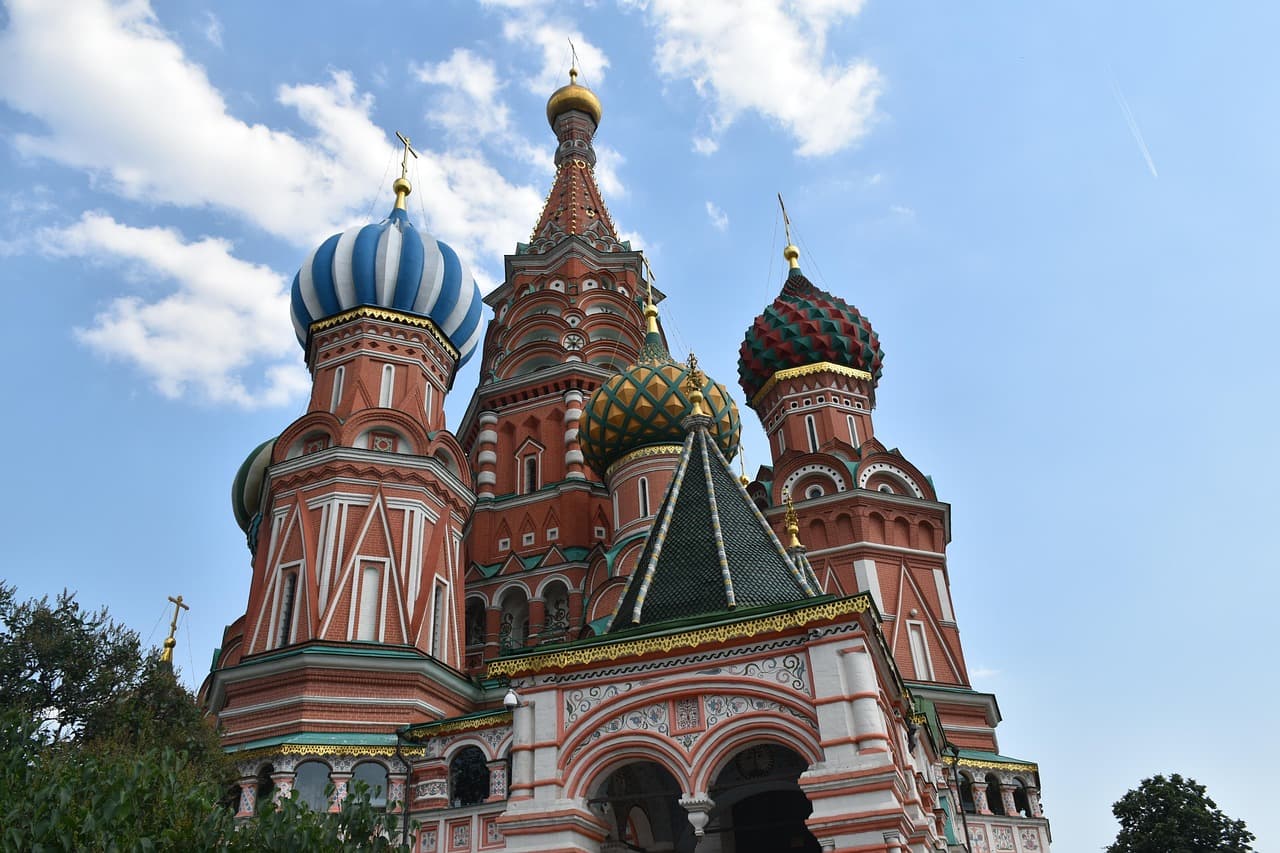
- Moskwa: Punkt wyjścia Twojej przygody, Moskwa to miasto, które dominuje w dziedzictwie kulturowym Rosji. Musisz zobaczyć Czerwony Plac, Kreml i innowacyjne muzea. Życie nocne jest tu pełne energii, a znajdziesz wiele restauracji, w których podawane są tradycyjne potrawy takie jak barszcz i pierogi, wraz z szklanką lokalnej wódki.
- Kazan: Dawniej stolica Chanatu Tatarów, Kazan jest bogaty w historię i różnorodne dziedzictwo. Kreml kazański prezentuje zachwycającą architekturę, a miasto słynie z kulturalnych festiwali. Spędź trochę czasu z mieszkańcami, często widzianymi pijącymi herbatę z samowaru, i dowiedz się o połączeniu tradycji rosyjskich i tatarskich.
- Ulan-Ude: To miejsce słynie z unikalnego mieszanka kulturowego, z wpływami różnych narodów, w tym Buryatów. Olbrzymia statua Lenina jest oczywistym punktem orientacyjnym, a trekking w pobliskich parkach narodowych oferuje zachwycające widoki. Rozważ zamieszkanie w Airbnb, aby zanurzyć się w życiu lokalnym.
- Jezioro Bajkał: Uznane za najgłębsze słodkowodne jezioro na świecie, Bajkał jest wpisany na listę światowego dziedzictwa UNESCO. Cieszyć się można nieograniczonymi możliwościami trekkingu, a także szansą na obserwację miejscowej fauny. Zimą jezioro zamarza, tworząc piękny, prawie pozaziemski krajobraz, który wielu podróżników chciało uchwycić na filmie.
- Irkuck: Jednym z głównych przystanków na trasie jest Irkuck, często nazywany "Paryżem Syberii". Miasto słynie z luksusowej drewnianej architektury i stanowi wygodną bazę do zwiedzania jeziora Bajkał. Lokalne targi i babusie sprzedające tradycyjne wyroby ręczne pozwolą poznać życie syberyjskie.
- Władwostok: Położony nad brzegiem morza, Władwostok jest bramą do Pacyfiku. Ta żywa portowa miejscowość słynie z pełnego statków portu i doskonałej sceny kulinarnej, która oferuje świeże owoce morza. Spędź czas na eksplorowaniu tętniącego życiem centrum, które sprawia wrażenie, jakbyś weszła w zupełnie inny świat.
Podróżując z Moskwy do Pekinu, doświadczysz unikalnych krajobrazów i kultur, jakie oferują poszczególne miejsca docelowe. Od luksusowych udogodnień w komfortowych przedziałach pociągu po prostsze wygody znalezione w lokalnych zakwaterowaniach, podróż przez te ogromne przestrzenie nigdy nie będzie nudna. Z dobrze zaplanowanym harmonogramem i przygotowanymi zapasami, Twoja podróż Transsyberyjską będzie niezapomniana.
Porównanie trasy Transsyberyjskiej, Transmongolskiej i Transmandżurskiej
Trasa Transsyberyjska to najdłuższy na świecie rejs pociągiem, łączący Moskwa z Władywostokiem. Dla podróżnych oferuje wgląd w ogromne krajobrazy Rosji, przejeżdżając przez lasy, jeziora i nawet Góry Uralskie. Większość trasy przebiega przez płaskie tereny, co pozwala podziwiać piękne widoki północnych regionów. Rozklad jazdy jest zazwyczaj stały, ale mogą wystąpić opóźnienia, dlatego zaleca się cierpliwość. Czas trwania może się różnić, ale zwykle trwa około siedmiu dni, dając wystarczająco dużo czasu na eksplorację brzegów wzdłuż trasy.
W porównaniu, trasa Transmongolska odbiega od Transsyberyjskiej, prezentując podróżnym imponujące Góry Ałtajskie i rozległe stepy Mongolii. Wjeżdżając do Mongolii, pociąg przecina pagórkowate tereny i oferuje unikalny wgląd w życie lokalne. Wycieczki w Mongolii często skupiają się na eksploracji tradycyjnych jurt, gdzie goście mogą doświadczyć lokalnej kultury. Podróż jest krótsza niż Transsyberyjska, trwając około sześciu dni, ale krajobrazy i interakcje kulturowe sprawiają, że warto poświęcić na nią czas.
Trasa Transmandżurska oferuje zupełnie inną perspektywę, gdy pociąg przejeżdża przez północno-wschodnie Chiny przed dotarciem do Moskwy. Jest to mniej popularna trasa, która daje możliwość zobaczenia części Chin, która często jest pomijana. Z kilkoma dużymi miastami wzdłuż trasy zapewnia zróżnicowane doświadczenie podróżne, łącząc ważne miejsca kulturowe i lokalne społeczności. Podróżujący mogą uznać ją za mniej skomplikowaną niż Trasa Transmongolska, która wymaga więcej przejść granic i zmian w rozkładzie jazdy.
Dla tych, którzy rozważają te opcje, każda trasa ma swoje unikalne cechy. Transsyberyjski jest idealny dla tych, którzy chcą doświadczyć pełnego rosyjskiego doświadczenia, podczas gdy Transmongolski jest idealny dla osób pragnących zanurzyć się w kulturze Mongolii. Transmandżurski przyciąga podróżników poszukujących mniej zatłoczonych doświadczeń i szybszego dostępu do ośrodków miejskich. Bez względu na wybraną trasę, przygotuj się na podróż pełną historii, kultury i niepowtarzalnej urody krajobrazów, które będą widoczne z okna.
Określanie idealnego czasu trwania Twojej podróży
Kiedy planujesz swoją przygodę na Transsyberyjskim ekspresie, określenie idealnego czasu trwania jest kluczowe dla satysfakcjonującego doświadczenia. Trasa pokonuje ogromne odległości, a z różnymi dostępnymi trasami, w tym słynną linią transmandżurską, warto dokładnie rozważyć swoje opcje. Większość podróżników spędza od tygodnia do miesiąca na eksplorowaniu tego wspaniałego regionu, ale dokładny czas może znacznie się różnić w zależności od indywidualnych preferencji i zainteresowań.
Standardowa trasa często obejmuje wielkie miasta takie jak Moskwa, Irkuck i Włodzimierz, ale nie bagatelizuj uroków mniej znanych miejsc, takich jak Buryacja czy Tatarstan. Każde miasto ma swój własny charakter, historię i atrakcje, oferując mnóstwo okazji do eksploracji. Jeśli jesteś turystą plecakowym, ograniczenie podróży do jednego tygodnia może wydawać się pośpieszne, ponieważ spędzisz dużo czasu w przedziałach i czekając na kolejny pociąg.
Dla tych, którzy nie mają dużo czasu, praktycznym planem jest przeznaczyć co najmniej dwa tygodnie. Pozwoli to cieszyć się podróżą, jednocześnie włączając w nią wycieczki do lokalnych kawiarni, muzeów i malowniczych miejsc bez pośpiechu. Wycieczki z przewodnikiem mogą być również świetnym rozwiązaniem dla turystów, którzy preferują zorganizowany plan i chcą maksymalnie wykorzystać każdą godzinę dnia.
Dodatkowo należy wziąć pod uwagę czas spędzony na oczekiwaniu na loty lub połączenia. To, co wydaje się tanim biletem, może zniszczyć starannie zaplanowane plany z powodu długich przesiadek lub ograniczonych rozkładów jazdy. Dlatego zapewnienie pewnego buforu czasu jest kluczowe; pozwala to dostosować się do nieprzewidzianych zakłóceń.
Mieszkania wahają się od luksusowych opcji zakwaterowania po tanie hostele, dlatego warto zaplanować pobyt zgodnie z własnymi preferencjami komfortu. Dobrym pomysłem jest połączenie kilku nocy w hotelach z dniami spędzonymi w przedziałach pociągów, aby zrównoważyć luksus z praktycznością i dostosować się do budżetu.
Włącz do swoich wyborów gastronomicznych; znalezienie lokalnych, przystępnych posiłków może dodać wartości do Twojej podróży, jednocześnie pozwalając na degustację autentycznych smaków. Niezależnie od tego, czy preferujesz luksusowe restauracje, czy szybkie przekąski u ulicznych sprzedawców, kulinaria są nieodłącznym elementem podróży.
W idealnym przypadku czas trwania Twojej podróży Transsyberyjską zależy od wielu czynników, takich jak wybrana trasa, miasta, które chcesz poznać, oraz Twój styl podróżowania. Nie spiesz się z przygodą; zamiast tego pozwól jej rozwijać się w tempie, które pozwoli Ci naprawdę docenić piękno i historię tego wyjątkowego regionu. Planowanie z wyprzedzeniem może uchronić Cię przed ewentualnymi wadami, zapewniając, że Twoja podróż stanie się wyjątkową częścią Twojego życia.
Rezerwowanie biletów
Planując podróż wzdłuż ikonicznej trasy z Moskwy do Władywostoku, rezerwacja biletów jest kluczowym krokiem. Większość podróżnych korzysta z autoryzowanych stron internetowych, aby zarezerwować swoje miejsca, co ułatwia podróż przez malownicze krajobrazy Syberii.
Przed rozpoczęciem podróży warto dokładnie sprawdzić dostępne terminy podróży. Okresy szczytowe mogą wpływać na ceny biletów i ich dostępność, zwłaszcza w kwietniu, kiedy wielu podróżnych fascynuje się pięknem nadjeziornych wiosek i zabytków, takich jak Suzdal i Kazań. Przed wyjazdem wydrukuj bilety lub przygotuj ich cyfrowe kopie, ponieważ niektóre stacje mogą żądać potwierdzenia zakupu.
Rozważ rodzaj doświadczenia pociągowego, jakiego pragniesz. Niektórzy wolą komfort wagonu z posiłkami, podczas gdy inni mogą wybrać wolniejszą przygodę. Dla rodzin rezerwacja przedziału może zapewnić bardziej prywatne doświadczenie, pozwalając na relaks z kilkoma samowarami herbaty i tradycyjną rosyjską wódką.
Podróżując przez Tatarstan i zatrzymując się w miastach bogatych w dziedzictwo kulturowe, takich jak Kazań, oraz w miejscowościach z historycznymi budynkami, jak te widoczne na pracach Surikowa, będziesz musiał być elastyczny w planowaniu trasy. Sprawdź aktualizacje dotyczące połączeń kolejowych, aby uniknąć nieoczekiwanych zmian, które mogłyby wpłynąć na Twoje plany.
Jeśli jesteś międzynarodowym podróżnikiem, upewnij się, że Twoje obywatelstwo spełnia wymagania wizowe. Strony takie jak VisaHQ mogą dostarczyć informacji w czasie rzeczywistym i pomocy w przygotowaniu niezbędnych dokumentów. Po ich ukończeniu aplikowanie o bilety będzie płynnym procesem.
Dla tych, którzy martwią się o opcje, różne platformy oferują różne klasy pociągów, więc możesz wybrać tę, która spełnia Twoje potrzeby, bez ryzyka podjęcia złych decyzji. Pamiętaj, że wielu podróżników już pomyślnie odkryło tę trasę, a z odpowiednim planowaniem Twój dzień podróżujący może być przyjemną podróżą pełną wspomnień, lokalnych interakcji i unikalnych pamiątek w drodze.
Zrozumienie różnych klas opcji podróży
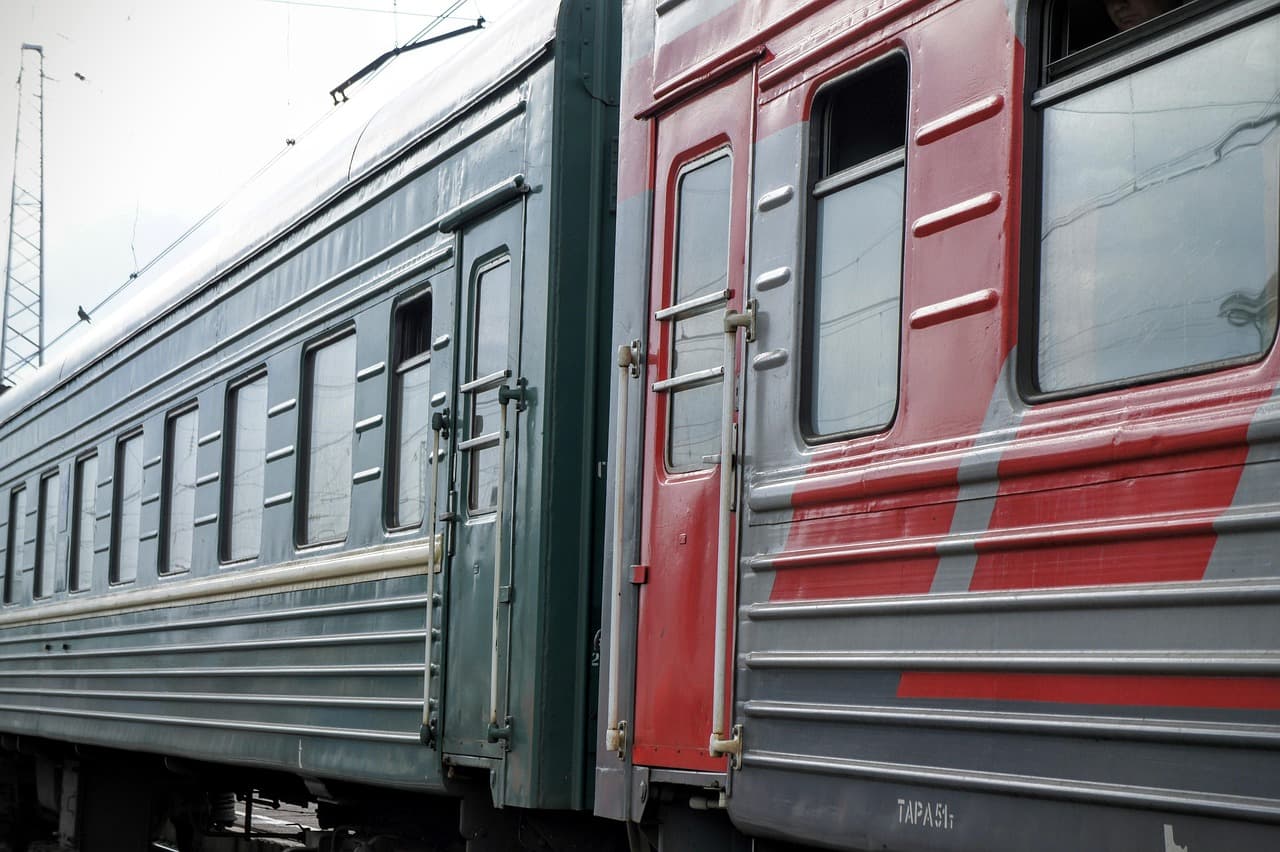
Podróżowanie Transsyberyjską Koleją Państwową oferuje odwiedzającym unikalną okazję do poznawania rozległych krajobrazów Rosji, od Moskwy po Władywostok. W zależności od Twojego budżetu i preferencji, możesz wybrać spośród różnych klas podróży, każda z nich dostosowana do różnych poziomów komfortu i doświadczenia.
| Class |
Opis |
Nadawany do |
| Pierwsza Klasa |
Charakteryzuje się przestronnymi sypialniami z własną łazienką. Idealny dla podróżników, którzy szukają komfortu i prywatności, jednocześnie ciesząc się pięknymi widokami z okien. |
Starszy podróżnik, rodziny i osoby poszukujące luksusowego doświadczenia. |
| Drugi klasa |
Oferuje dobrze utrzymane przedziały z leżankami. Ta klasa łączy komfort z przystępnością cenową, co czyni ją popularnym wyborem dla wielu. |
Młodzi przygodośnicy, podróżnicy na budżet i ci, którzy chcą doświadczenia społecznego bez zbyt dużej rezygnacji z komfortu. |
| Trzecia klasa |
Znany jako "platskart", ten otwarty wagon zapewnia bardziej wspólnotowe środowisko. Podróżnicy dzielą się przestrzenią i opowieściami, ciesząc się lokalną kuchnią i tradycjami. |
Podróżnicy z plecakami i turyści społeczni, którzy chcą zanurzyć się w rosyjskiej kulturze i poznać miejscowych. |
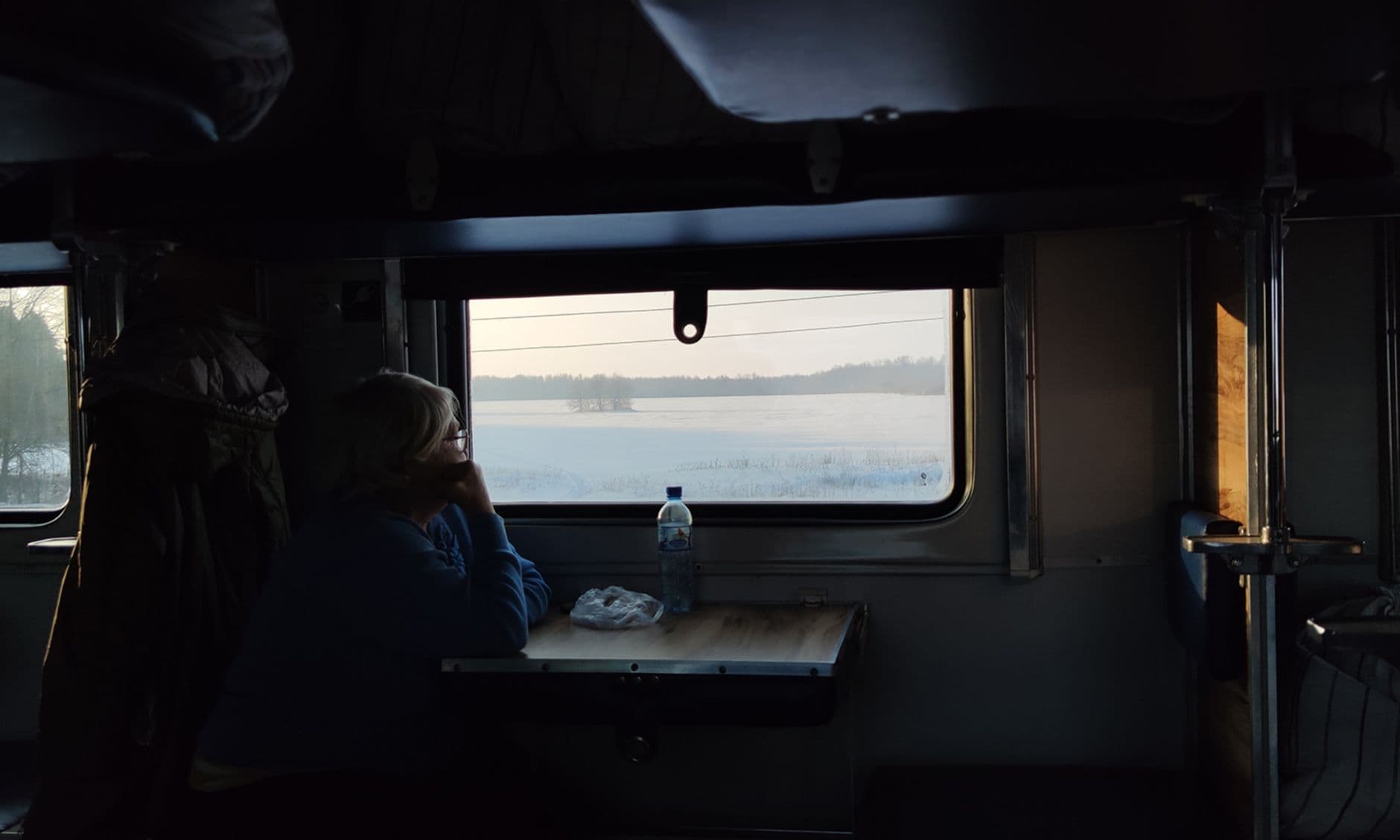
Każda klasa pociągu Transsyberyjskiego oferuje swoje własne zalety, w zależności od Twojego stylu podróży i doświadczeń, które chcesz poznać. Na przykład, kompartamenty pierwszej klasy zapewniają cichą atmosferę do czytania lub relaksu podczas długich zimowych nocy, podczas gdy opcje drugiej i trzeciej klasy umożliwiają większą interakcję z innymi pasażerami, dając wgląd w codzienne życie Rosjan.
Nie zapomnij pomyśleć o posiłkach; lokalne targowiska przy stacjach często sprzedają pyszne potrawy przypominające obfite ziemniaki i inne tradycyjne dania. Wycieczki można zorganizować na różnych przystankach, na przykład nad jeziorem Bajkał na wyspie Olchon, gdzie można podziwiać zachwycające pejzaże, zwłaszcza przed zmierzchem.
Twój wybór klasy nie tylko kształtuje Twoją podróż, ale także wpływa na Twoje doświadczenia. Niezależnie od tego, czy wybierzesz przecięcie północnej przestrzeni Rosji, czy poruszasz się wzdłuż południowej trasy w kierunku Mongolii, posiadanie jasnych danych na temat różnych klas jest kluczowe dla zaplanowania idealnej wyprawy.
Jak kupować bilety online: krok po kroku
Kupowanie biletów na Transsyberyjską Kolej Żelazną online jest niezbędnym elementem planowania podróży, szczególnie dla backpackerów i tych, którzy szukają idealnej przygody. Postępuj zgodnie z tym szczegółowym przewodnikiem, aby efektywnie poruszać się po systemie biletowym.
Najpierw zdecyduj o terminach podróży. Pamiętaj, że najlepszy czas na zakup biletów to zazwyczaj kilka miesięcy wcześniej; na przykład wielu podróżników rozpoczyna planowanie w kwietniu w celu podróży letnich. To zapewnia, że dostaniesz klasę i połączenia, jakich oczekujesz.
Następnie odwiedź zarejestrowane biura podróży lub oficjalne strony kolejowe. Strony takie jak Fortuna ułatwiają porównywanie cen biletów i klas. Poświęć trochę czasu na eksplorowanie opcji, ponieważ każde połączenie może obejmować różne klasy z różnym poziomem komfortu. Przeglądając dostępne bilety, zwróć uwagę na wyróżnione trasy, które prowadzą przez widoczne zabytki, takie jak historyczne budynki w Tobolsku lub wspaniałe groby znanych postaci w Buriacji.
Znajdź odpowiednią opcję i kliknij w nią, aby przejść na stronę rezerwacji. Tutaj będziesz musiał/a podać dane podróżnych. Ważne jest poinformowanie systemu, czy rezerwujesz dla pary lub większej grupy, ponieważ może to wpłynąć na rozmieszczenie miejsc.
Sprawdź swoje wybory. Upewnij się, że wybrałeś odpowiednie daty, kursy i konkretne pociągi. Najlepiej wrócić do poprzedniej strony, jeśli musisz wprowadzić jakieś zmiany. Po potwierdzeniu, że wszystko jest poprawne, przejdź do płatności. Zazwyczaj będziesz musiał podać dane swojej karty kredytowej. Upewnij się, że korzystasz z bezpiecznego połączenia podczas tego kroku, aby chronić swoje pieniądze.
Po dokonaniu płatności otrzymasz potwierdzenie na adres e-mail. Jest to bardzo ważne. Zapisz je, ponieważ może zawierać Twój bilet i niezbędne informacje dotyczące podróży. Zaleca się wydrukować bilety lub mieć ich cyfrową kopię na smartfonie. Ramen wipes mogą się przydać podczas posiłków w pociągu, więc rozważ zabranie ich ze sobą!
Ostatnio, jeśli potrzebujesz dodatkowych wskazówek, wiele forów i blogów, w tym opinie podróżników jak Katie, oferuje unikalne porady i doświadczenia osób, które już podróżowały. Zawsze skup się na tym, co sprawi, że Twoja podróż będzie przyjemna, niezależnie od tego, czy jesteś w klasie standardowej, czy w wyższej kategorii.