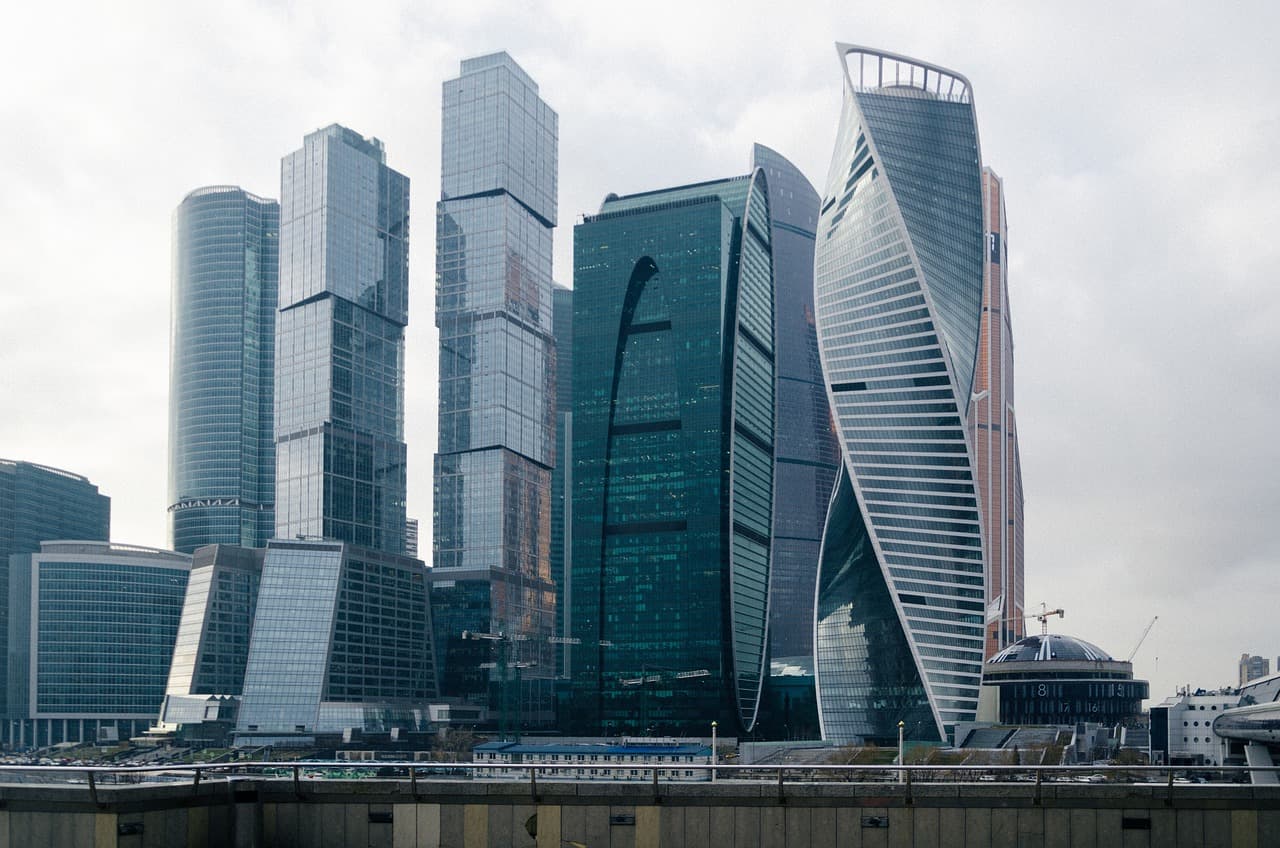
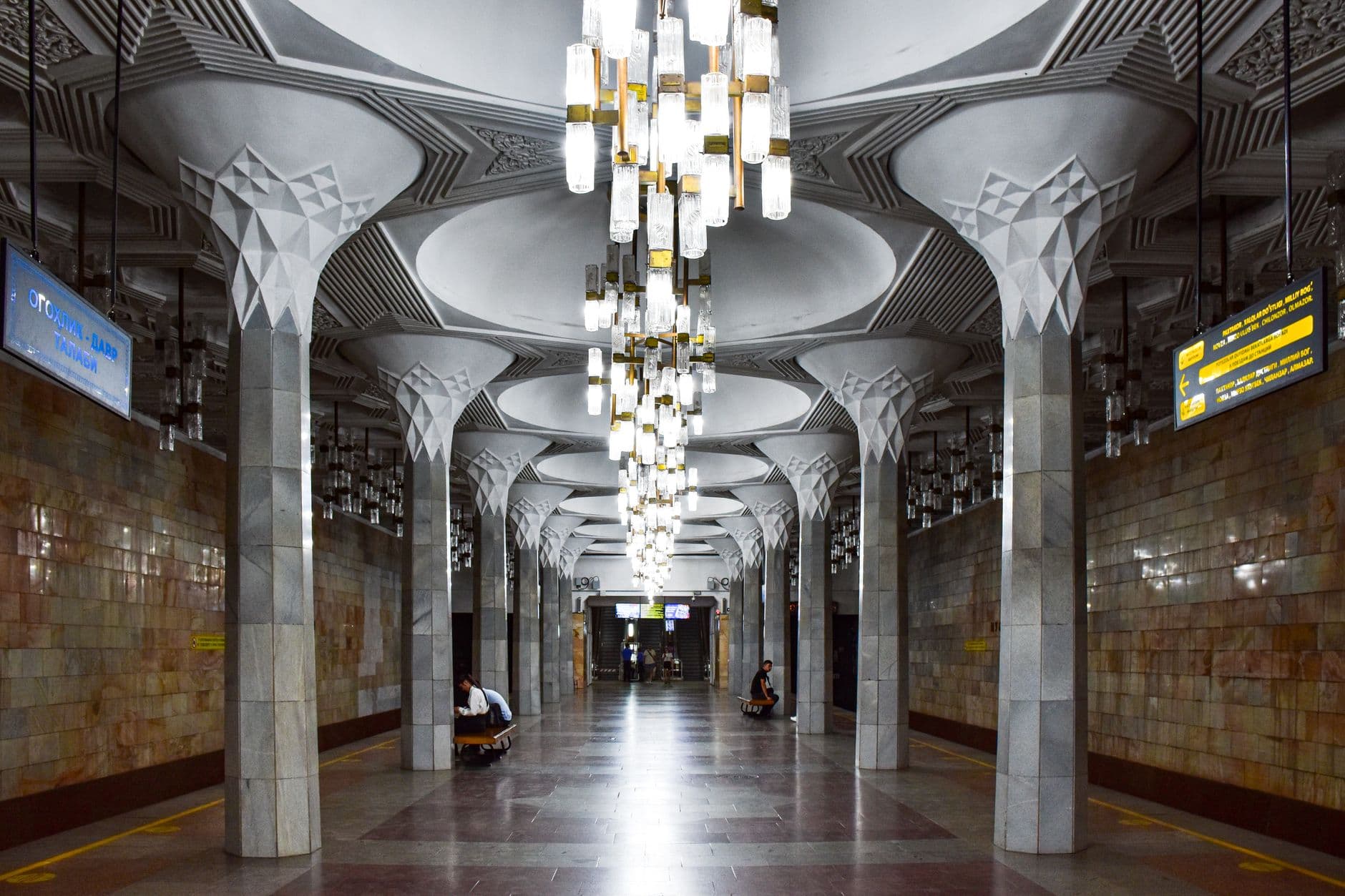
Comece online: localize escritórios com atendimento presencial; balcões de destino; filas de atendimento para trens; verifique os painéis de informações; anote os horários de inverno.
Idiomas disponíveis nos balcões variam; consulte os idiomas impressos nas placas; os funcionários falam várias línguas; em caso de dúvida, procure por pictogramas; sempre que possível, recursos são usados para confirmar as linhas da plataforma; a lista de centros perto de grandes hubs ajuda no planejamento de rotas.
Horários de inverno alteram os tempos; sempre confirme os horários por meio de portais oficiais online; escritórios com funcionários publicam horários regulares; antes de sair, verifique as regras postadas sobre ingressos, transferências e bagagens; procure por bandeiras no teto indicando corredores de transferência; centros dentro do terminal abrigam funcionários multilíngues; balcões de caixa processam pagamentos em moeda local; às vezes passes móveis substituem bilhetes de papel.
Sempre verifique as informações no centro de informações nas paredes; os trens circulam em intervalos regulares; os horários online são atualizados em tempo real; consulte os nomes dos destinos nos sinais em vários idiomas; viajar leve ajuda a manter o ritmo; essa abordagem é útil ao pegar várias conexões; seguir um cronograma reduz o risco de atrasos; se precisar de espaço, os funcionários podem direcioná-lo para corredores mais tranquilos.
Fique atento: siga as regras postadas; as condições de inverno exigem roupas mais quentes; fique de olho nos ícones de bandeiras que indicam zonas restritas; mantenha dinheiro ou cartão à mão nos balcões de pagamento; verifique atualizações regulares online antes de se deslocar entre terminais; ao planejar com antecedência, você reduz os riscos; viaje com segurança pelos principais hubs.
Navegue com Confiança: Mapas para Transporte e Aeroportos
Instale um aplicativo móvel com dados de transporte offline, sugestões de rotas rápidas e atualizações em tempo real; isso mantém você em movimento enquanto as traduções de placas locais aparecem. Use vários aplicativos se necessário.
Escolha aplicativos que suportam vários modos de transporte: metrô, ônibus, bondes, marshrutki, táxis; selecione rotas adequadas.
Durante o inverno, consulte os horários com antecedência; os centros de atendimento fornecem horários impressos durante as férias.
Leve dinheiro vivo para conseguir táxis mais baratos; os marshrutki podem exigir pagamento em dinheiro; os postos de ajuda da polícia nos principais terminais orientam os viajantes.
Primeiro, calcule uma rota que equilibre tempo, custo e confiabilidade; depois, embarque no transporte escolhido. Essa configuração pode permitir uma reorientação rápida em caso de atrasos.
Os dados provenientes de feeds de cidades são cruciais; utilize um método confiável e verifique em intervalos regulares.
Use recursos de tradução para alternar idiomas em placas; alertas no celular mantêm você informado sobre atrasos, alterações de portão e mudanças de plataforma.
Veja as posições ao vivo dos transportes públicos acessíveis; transferências equilibradas, tempos minimizados, usados por locais para manter os horários previsíveis.
Ao pegar múltiplos trechos, escolha pontos de conexão com transferências tranquilas, rápidas e com balcões de atendimento; mantenha dinheiro à mão para lidar com mudanças rápidas.
As estações influenciam os horários; tempestades de inverno atrasam o serviço, picos de verão aumentam a lotação; planeje margens de tempo conforme.
Sempre cumpra as regras locais; se houver supervisão policial visível, siga as orientações; relate atividades suspeitas usando os números oficiais de ajuda.
Navegue com confiança pelos terminais e nós de transporte usando as opções de visualização; verifique os horários, mantenha um equilíbrio entre velocidade e custo.
Escolhendo o Mapa de Transporte Certo para a Sua Rota
Comece com um mapa unificado e centralizado que mostra quais linhas se conectam nos principais pontos de transferência; esse método equilibra detalhes e legibilidade, ajudando você a aceitar uma rota mais rápida.
Considere as seções do rio: verifique as travessias e as transições de margem para garantir uma mudança rápida de caminho, se uma ponte bloquear um caminho preferido. O diagrama deve marcar os espaços entre as linhas para evitar aglomerações na tela. Enquanto você revisa, verifique se os caminhos indicados permanecem acessíveis.
Possíveis opções incluem trem, bonde e táxis como acesso de última milha; no centro, as opções aumentam, mas a melhor escolha mantém as mudanças mínimas e as rotas por corredores movimentados eficientes.
Se a linha chamada Tverskaya existir, comece por ela para minimizar o retrocesso e para mantê-lo próximo aos principais hubs.
Quando planejar, mantenha o bloqueio e as regras em mente, ajuste os planos quando eventos ou manutenções ocorrerem e aceite desvios quando um caminho mais rápido surgir. Apenas quando equilibrar velocidade com confiabilidade é que se obtêm resultados consistentes.
| Factor | Recomendação |
|---|
| Comprimento da rota | Exibe a duração e um percurso com transferências mínimas |
| Transfers | Destaque os pontos de transferência confiáveis; marque claramente onde trocar de linha. |
| Modes | Inclui trem, bonde e táxis; sinais de acessibilidade perto do centro |
| Atravessamentos de rios | Indica pontes e ligações às margens do rio; ajuda a evitar desvios. |
| Avenida Tverskaya | A linha chamada Tverskaya; verifique paragens perto de pontos de interesse |
| Bloqueio e regras | Marca eventos de bloqueio; lista regras locais; planeja caminhos alternativos. |
| Frequência de atualização | Atualizações regulares; aceite as alterações quando as multidões mudarem |
Mapas dos Terminais do Aeroporto: Localize Portões, Reclamação de Bagagem e Serviços
Abra o plano do terminal no seu celular imediatamente; veja os portões por zona; se estiver em dúvida, consulte o leitor no balcão de informações; o primeiro passo é verificar os números válidos dos portões; estime o tempo de caminhada; pode ser necessário ajustar conforme o nível de aglomeração.
Siga as placas do terminal até o local de retirada de bagagens; os números dos carrosséis aparecem no painel público próximo às chegadas; é muito conveniente localizar sua mala; caixas de pagamento; casas de câmbio; lojas; serviços estão agrupados ao longo do corredor principal; use os indicadores de plataforma para confirmar as chegadas atuais; dê uma olhada nas estações de carregamento antes que as filas fiquem longas.
Em zonas de trabalho de terminais, os viajantes observam os rótulos de status; verifique os quiosques de informações para mapas de andares, banheiros, salas de espera, assistência médica; as lojas aceitam dinheiro em espécie; paradas públicas do lado de fora das chegadas conectam-se a uma rede mais ampla; filas de táxi mostram preços fixos; um equilíbrio justo entre caminhar e paradas ajuda a manter o ritmo e a energia para viajar.
Do aeroporto de Vnukovo, siga as placas em direção ao terminal principal; utilize as rotas pedestres para a plataforma de conexões; você está procurando chegar à rua Tverskaya, um táxi do ponto público é o mais rápido; ruas próximas conectam-se a estações de metrô; acompanhe os horários atuais nas estações ou via feed móvel para evitar interrupções; esta primeira ação ajuda os viajantes a equilibrar caminhadas com paradas na rede; dinheiro ou um cartão válido devem estar prontos antes de embarcar; você está pronto para navegar no hub com confiança.
Roteamento Offline: Esquemas Urbanos e Terminais Grab para Viagens
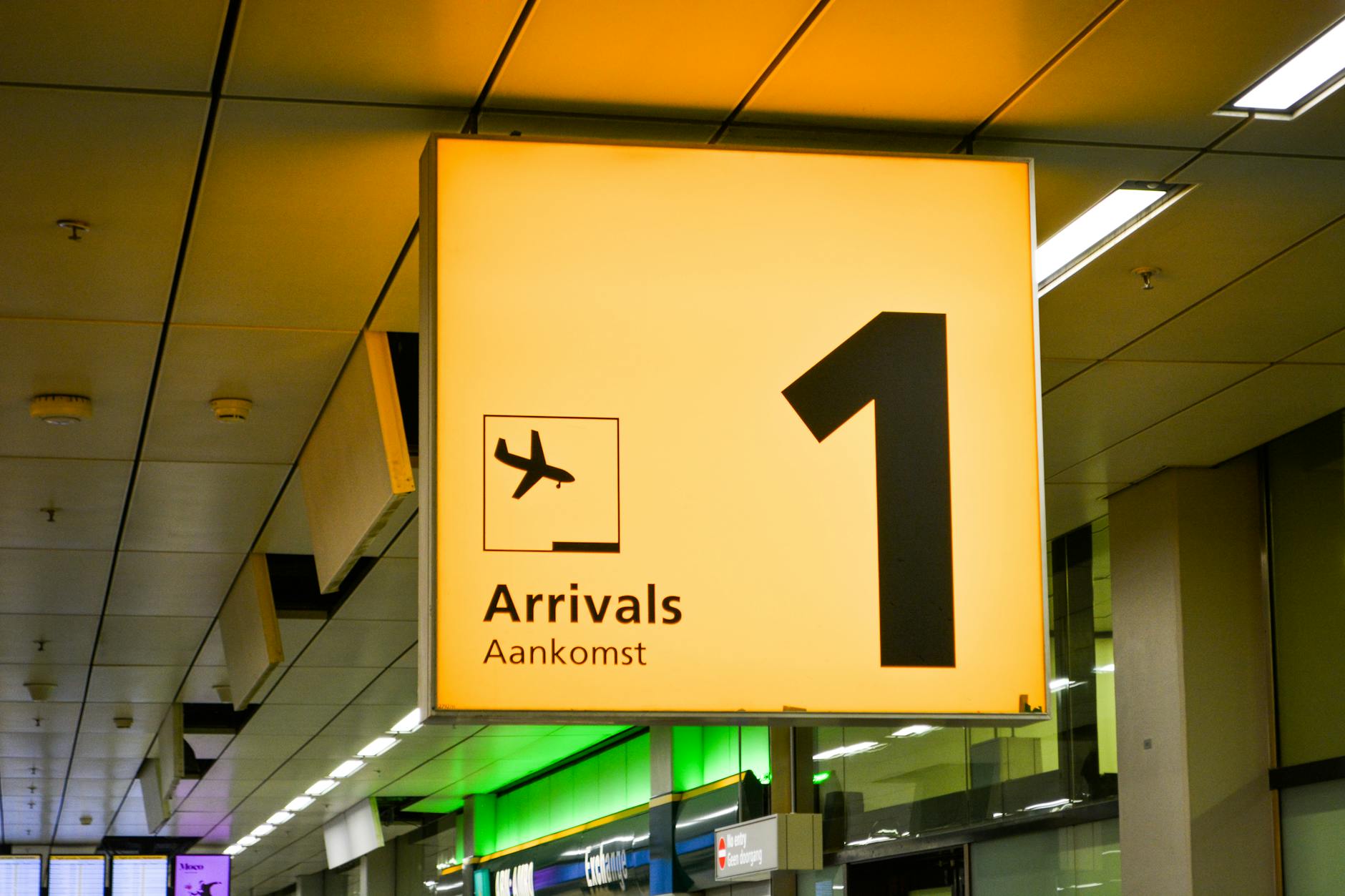
Baixe um pacote offline que inclui diagramas de terminais de grandes hubs aéreos. Os mapas das cidades cobrem as margens dos rios, os distritos centrais e as zonas suburbanas. Ative o modo offline no seu dispositivo Huawei antes da partida. Essa configuração torna a navegação mais rápida durante as escalas; você estará pronto para explorar sem custos de roaming.
- Dados incluem portais oficiais de transporte; aplicativos confiáveis; exportações offline. Cobertura inclui paradas; linhas de transporte; grade de ruas; rotas fluviais; uso de troikas; layout do terminal do Aeroporto Sheremetyevo; regiões de Moscou; bairros da cidade; distritos das cidades.
- Estimativa do tamanho de armazenamento; os pacotes típicos variam de 300 MB a 2 GB, dependendo da cobertura. Selecione conjuntos compactos se a memória for limitada; também equilibre a capacidade com a utilidade.
- Instale nas configurações do dispositivo; ative o download de dados offline; selecione os hubs aeroportuários; selecione as áreas da cidade; garanta armazenamento em cartões; isso apoia o processo de tornar a navegação confiável.
- Abra o aplicativo; localize diagramas de terminais; pesquise por cidades; veja paradas; verifique ônibus; inspecione linhas de bonde; alterne para o modo transporte; você está pronto para se mover mais rápido sem dados online.
- Há um rio na região de Moscou; o aeroporto Sheremetyevo fica perto; o centro da cidade é acessível por transporte público; as paradas Troika mostram o preço; o saldo do cartão aparece offline; as multidões reduzem os riscos; você está calmo.
- Planejamento de emergência: dados offline ajudam a localizar serviços de ambulância, se necessário; memorize endereços; multidões perto de margens de rios são comuns; mantenha um cartão com os números à mão.
- Dica de manutenção: os ciclos de atualização ocorrem periodicamente; baixe pacotes recentes durante o horário comercial; o processo é simples; podem ocorrer tempos de download longos; você pode reutilizar os dados até que as alterações apareçam.
Aqui está uma dica útil: guarde locais críticos em um cartão; mantenha uma lista curta na memória; isso aumenta a independência durante dias longos de viagem. O equilíbrio entre acesso rápido e limites de armazenamento continua sendo essencial; você está pronto em qualquer lugar onde não houver rede.
Ferramentas de Navegação ao Vivo: Atualizações em Tempo Real, Atrasos e Reroteamento
Ative atualizações em tempo real no seu dispositivo antes de sair do centro. Leia os alertas rapidamente para identificar onde ocorrem atrasos; quais linhas estão afetadas; quando o próximo bonde chega à plataforma. Planejar com antecedência ajuda; evite filas lotadas perto dos guichês de bilhetes; mantenha-se seguro sobre a rota principal enquanto permanece flexível.
Em uma situação lotada, confie em várias fontes de dados de links confiáveis. Essas fontes apresentam claramente direções, tempos estimados, rotas válidas e alertas. Um trio realmente útil de entradas inclui feeds oficiais de transporte, mensagens de status colaborativas e aplicativos parceiros. Defina os idiomas para várias opções para ler a mesma atualização rapidamente; viajar fica mais suave onde quer que você esteja.
Ajustes sazonais podem afetar as transições de edifícios; verifique as conexões perto de cada hub. Ao passar por um hub, examine os tempos de transferência; considere tarifas justas, opções de pagamento em dinheiro; siga as regras afixadas para garantir uma viagem segura. Manter um plano de reserva entre um trio de rotas evita surpresas.
Sugestões de reencaminhamento em tempo real aparecem no sistema; escolha uma alternativa rápida, verifique os novos tempos de viagem e depois prossiga. Se uma linha de bonde estiver suspensa, mude para uma linha adjacente ou para o metrô próximo; verifique as novas direções através do visor central. Se estiver viajando com pouco dinheiro, selecione uma opção de embarque que corresponda à tarifa disponível; as regras continuam justas para os viajantes.
Durante a planificação ao longo das estações, guarde várias rotas mini no mesmo ecrã; isso ajuda quando se viaja, alternando entre opções ali sem perder o ritmo. Na plataforma, mantenha os dispositivos carregados; olhares rápidos para as linhas de estado fornecem direções do mundo real de forma clara. Este sistema apoia-o ali, fornecendo atualizações válidas; pode confiar nele mesmo quando a sua viagem cruza longos links entre estações.
Números de Emergência: Acesso Rápido por País e Como Salvar Favoritos
Salve os números de emergência como favoritos de três toques; rotule as entradas em inglês e nos idiomas locais; mantenha uma cópia offline no dispositivo; teste o acesso antes da chegada.
Dicas de economia: use uma plataforma dedicada para listas de países; adicione números de emergência como contatos regulares; inclua uma nota com o que dizer; armazene um backup como um QR code legível; mantenha as entradas online e offline; seguir esses passos simplifica o armazenamento delas; capture respostas rápidas testando a lista; plano e chegada muito mais rápidos.
Estados Unidos: disque 911; cobertura nacional; salve como rótulo em inglês; adicione uma segunda entrada em um idioma local para viajantes que falam outras línguas; em estadias em ilhas, verifique o sinal; use um escritório ou delegacia de polícia próxima como contato; o backup preferencial é um diretório online; a chegada fica mais suave com uma lista pré-carregada.
Reino Unido: discar 999; 112 disponível; salvar como rótulo em inglês; incluir idioma local se disponível; verificar status de roaming; usar uma plataforma com atualizações regulares; rota típica é delegacia de polícia ou contato de emergência.
Canadá: disque 911; o serviço cobre as províncias; salve como rótulo em inglês; adicione rótulo em francês ou outros idiomas como backup; cópia offline ajuda em regiões remotas; as maiores cidades incluem Toronto, Montreal e Vancouver; escolha fontes bilíngues ao planejar chegadas.
Alemanha: 112 universal; 110 polícia; etiquetas em inglês e alemão; o idioma local pode aparecer em placas; mantenha uma lista online; em viagens de carro, configure contatos amigáveis no painel.
França: 112; 18 bombeiros; 17 polícia; etiquetas em inglês e língua regional; use um diretório online; mantenha um backup como um código amigável para leitura; planeje a rota evitando paradas.
Austrália: 000 emergência, 112 para celulares; salve como preferir; inclua inglês e idioma local; luz verde no dispositivo ajuda no acesso rápido; verifique roaming; plataforma suporta roaming; presença de aeroportos em locais remotos; saltos entre cidades exigem acesso rápido.
Japão: 119 para bombeiros/ambulância; 110 para a polícia; salve ambos os números; entrada rotulada em inglês e japonês; alguns aeroportos exibem placas bilíngues; qual número ligar depende do incidente; consulte o escritório da polícia para orientação.
Índia: discar 112 redireciona para os serviços de emergência; 100 polícia, 101 bombeiros, 102 ambulância; salve como rótulo em inglês junto com idiomas locais como o Hindi; portais online listam cidades como Mumbai, Delhi; planeje os horários de chegada sem estresse; comunidades ciganas frequentemente dependem de redes locais.
Singapura: 999 polícia, 995 ambulância; 112 também funciona; salve em inglês e chinês; funcionários podem ajudar; plataforma garante acesso rápido.
México: 911; uso do espanhol comum; salve inglês e espanhol; backup offline; muitos aeroportos oferecem quiosques com números; qual opção escolher; siga as instruções do leitor.
Emirados Árabes Unidos: 999 polícia, 998 ambulância; 112 suportado; salve com etiquetas em árabe e inglês; use um diretório online; negocie um plano de roaming para taxas mais baixas; coloque o número no carro; carros amigáveis para alcançar; escritórios perto de aeroportos oferecem orientação.
Diferenças nas cidades: em cidades como Gorky, as placas podem variar; hubs de ilhas envolvem pontos de coleta separados; a chegada fica mais suave com linhas pré-carregadas; seguir as dicas mantém você preparado; placas verdes na plataforma guiam para a linha correta; escritórios perto de aeroportos oferecem orientação local.
Checklist do leitor: plano com inglês e idiomas locais; carregue um cartão de leitor; coloque números perto das principais entradas de locais; em torno dos principais hubs, os sinais das plataformas indicam a linha correta; os viajantes geralmente confiam nos canais regulares; aceite o serviço que se mostrar melhor; esse foco mantém os passageiros seguros enquanto pulam entre cidades; saltos entre ilhas.