Recomendação: escolha um parceiro com onboarding remoto para clientes estrangeiros e verifique as opções de idioma por meio do seu escritório internacional. Entre em contato com eles para confirmar documentos, prazos e etapas de verificação. Além disso, certifique-se de que o provedor ofereça um portal móvel para acessar atualizações.
Estes são os documentos essenciais: passaporte, cartão de migração, número de contribuinte, documentos de registro da empresa e comprovante de residência. Os scans devem ser de alta resolução e claros; envie-os preferencialmente por meio de um aplicativo móvel. O processo geralmente é concluído em 2-5 dias úteis, mas os custos podem incluir taxas de verificação e de serviço que variam conforme o provedor.
Para financiar o relacionamento, inicie uma transferência bancária ou pagamento com cartão; entenda os custos, prazos e limites. Para empreendimentos de empreendedores, busque um pacote alternativo que suporte capacidades de múltiplas moedas, métodos de verificação flexíveis e fácil navegação no portal online. Essas opções permitem que você acesse fundos rapidamente em condições favoráveis.
Se opera a partir de Moscou ou deseja suporte presencial, um contato local perto da rua Myasnitskaya pode agilizar a coleta de documentos. Marque uma breve reunião perto da passagem Prudy para revisar os termos, assinar acordos ou concluir verificações de identidade. Utilize transferência bancária apenas por canais oficiais e mantenha cópias físicas e informações de contato à mão.
Documentos necessários para abrir uma conta na Rússia:
1. Passaporte válido (com visto, se aplicável).
2. Registro de residência na Rússia (se for um cidadão estrangeiro).
3. Número de Identificação Fiscal (INN) - se for um cidadão russo.
4. Número de Seguro Social (SNI) - se for um cidadão russo.
5. Comprovante de endereço (conta de luz, água, gás, etc.).
6. Documento de identificação emitido pelo governo (como um passaporte ou carteira de identidade).
7. Formulário de solicitação preenchido (fornecido pelo banco).
8. Em alguns casos, pode ser necessário um comprovante de renda ou emprego.
Os requisitos podem variar dependendo do banco e do tipo de conta. Recomenda-se entrar em contato com o banco específico para obter informações atualizadas.
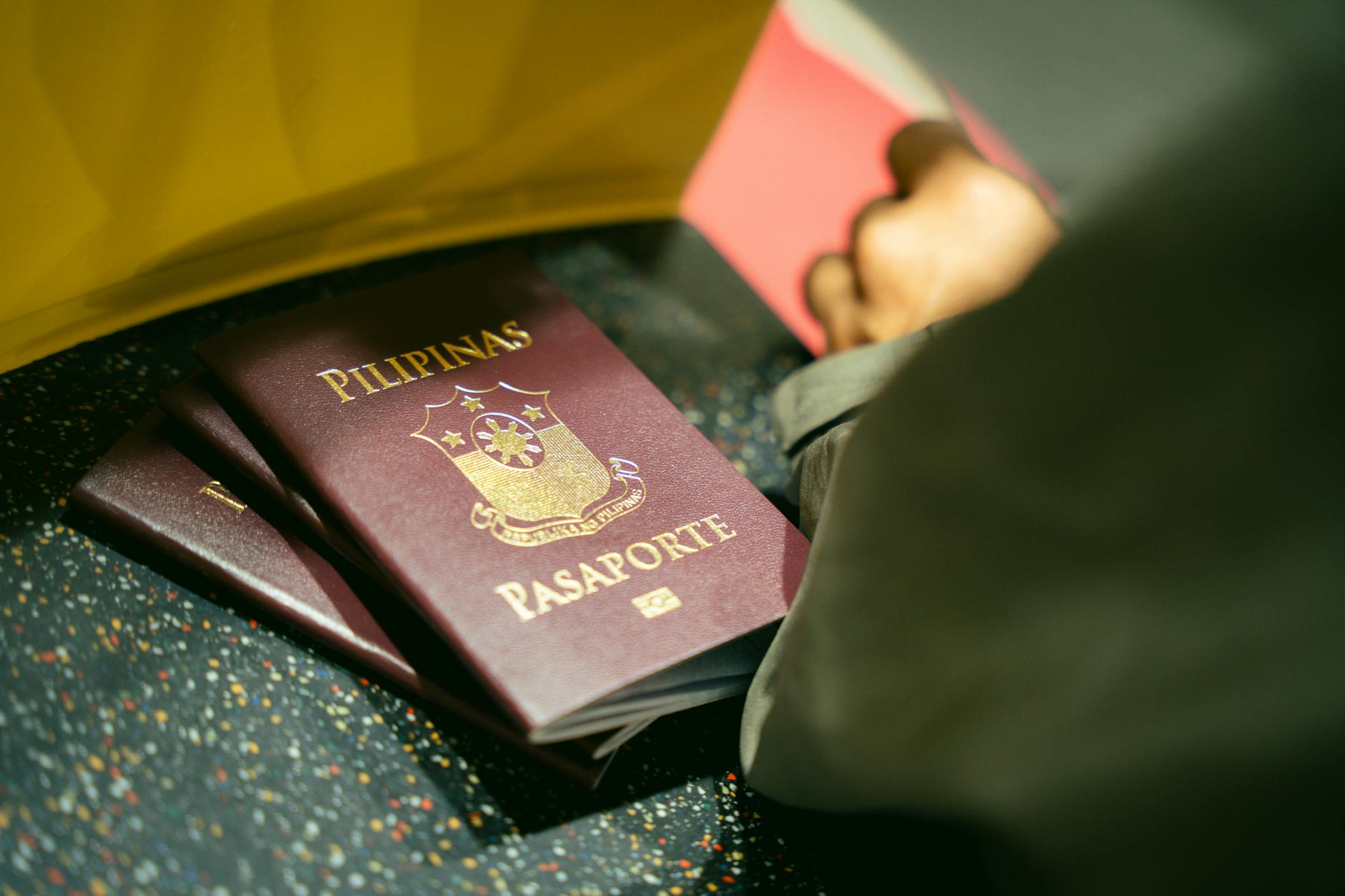
Prepare um pacote de documentos completo com antecedência, incluindo originais e cópias traduzidas, e anote quaisquer itens adicionais solicitados pelo credor. Mantenha tudo organizado durante visitas a agências ou submissões online.
Passaporte e visto: passaporte válido com pelo menos seis meses antes do vencimento, além de visto ou permissão de residência, se necessário; não residentes devem apresentar o cartão de migração da entrada, e pode ser solicitada uma foto do passaporte.
Comprovante de endereço: forneça prova de sua estadia, como contrato de aluguel, registro de hotel ou registro temporário (propiska), se aplicável; para residentes em campus, uma carta de moradia universitária pode ser suficiente, juntamente com o endereço de seu cadastro.
Identidade e status: traga um documento de identificação adicional, se disponível (como um documento de identificação nacional ou carteira de motorista), e certifique-se de que os nomes coincidem em todos os documentos.
Documentos fiscais e de renda: carta de emprego ou confirmação de bolsa de estudos para estudantes; holerites dos últimos 1 a 3 meses ajudam, e INN/NIF, se você tiver; alguns credores para não residentes podem não exigir, mas ter ajuda.
Fonte dos fundos e pagamento inicial: demonstre os fundos ou o histórico de transferência; pode ser necessário comprovar um valor que cubra as taxas de início de serviço ou um saldo mínimo; um extrato bancário ou uma carta do seu patrocinador podem ajudar.
Formulário de candidatura e opções online: você preencherá um formulário na agência ou completará um envio online; muitas instituições financeiras oferecem verificação remota e identificação por vídeo, permitindo um processamento rápido.
Estudantes no campus devem anexar a confirmação de matrícula, uma carta de moradia no campus e uma carta da universidade indicando a duração do seu programa; isso geralmente agiliza a revisão.
Suporte especializado: se o seu status for incomum ou internacional, solicite uma consulta com um especialista; eles verificarão os requisitos, sugerirão itens adicionais e fornecerão uma lista de verificação personalizada; você pode encontrar orientações oferecidas na filial ou no site oficial.
Aqui está a tradução:
Peça sobre o valor do pagamento inicial, pois alguns provedores exigem um depósito mínimo para ativar os serviços; certifique-se de que as traduções estejam devidamente certificadas, se necessário; traga todas as cópias para facilitar o processamento; outra observação é verificar os métodos de pagamento e o tempo de emissão do cartão.
Conclusão: após a submissão e verificação, você receberá confirmação e acesso online às suas ferramentas de pagamento; planeje onde retirar seu cartão e como ativar os serviços; manter o número de referência à mão ajuda a resolver qualquer item ausente rapidamente.
Escolhendo entre abertura de conta em agência ou online

Recomendação: comece com o fluxo online para agilizar o acesso e reduzir taxas; se precisar de cópias autenticadas ou verificação presencial, finalize no banco com orientação dos funcionários. Essa abordagem é adequada para muitos perfis.
Para decidir, pesquise a variedade de ofertas, as taxas prováveis e os documentos necessários. Para statuses russos e estrangeiros, os passos de conformidade podem diferir e dependem de provas como uma conta de serviços públicos ou cartas autenticadas. Prepare-se para preencher formulários com cuidado, reunir provas de identidade e endereço, e considere consultar um advogado quando o status for complexo. Você pode acompanhar o progresso pelo portal e pode enviar materiais adicionais conforme necessário; isso ajuda a evitar atrasos e mantém o processo no caminho certo, com o neil fornecendo orientação quando surgirem perguntas.
Caminho na agência
O atendimento presencial oferece verificação em tempo real de documentos, potencial notariado no local e assistência direta com preenchimentos e assinaturas. Os funcionários podem verificar o comprovante de residência usando uma conta de serviços públicos e ajudar na escolha entre uma variedade de produtos para atender às suas necessidades. Para trabalhadores estrangeiros ou funcionários de empresas, a sessão no local geralmente agiliza a aprovação final e esclarece quaisquer dúvidas sobre conformidade; você será informado sobre as taxas aplicáveis e como realizar transferências futuras ou a emissão de cartões.
Caminho online
Configuração online permite o envio rápido de formulários, assinaturas digitais e o envio de scans de documentos de comprovação e de endereço. Você pode acompanhar o status, receber alertas e gerenciar um histórico digital em crescimento; a maioria dos planos suporta uma ampla gama de serviços com taxas mais baixas do que a via presencial. No entanto, alguns casos ainda exigem cópias autenticadas ou originais enviadas por correio, o que pode estender os prazos para o destino. Se você tem status estrangeiro, consulte um advogado ou a equipe de conformidade; o neil pode detalhar os passos exatos e quais documentos são necessários. Certifique-se de preencher todos os campos com precisão e esteja preparado para fornecer documentos adicionais, se solicitados; o caminho online é ideal para quem valoriza rapidez e conveniência.
Diferentes tipos de depósito para residentes vs. não residentes

Recomendação: os residentes devem selecionar um produto de depósito pessoal com acesso a escritórios locais e integração com folha de pagamento, permitindo processamento mais rápido presencial; os não residentes devem confiar em opções ativadas remotamente com suporte transfronteiriço, incluindo links para formulários oficiais e verificações de conformidade claras. Esta abordagem tende a ser mais estável para uso a longo prazo do que opções genéricas.
Elegibilidade, documentação necessária e prática básica
- O que conta como elegibilidade básica: comprovante de residência, registro de endereço local e, quando aplicável, comprovante de emprego ou de estudante; depois prepare o pacote padrão de documentos.
- Os documentos geralmente necessários incluem um passaporte, um cartão de registro local e dados de contato atualizados; não residentes também podem apresentar uma página de visto e um cartão de migração.
- Escritório vs online: os residentes podem concluir a verificação em um escritório local, enquanto muitos não residentes têm a opção de fazer verificações remotas por meio de links seguros e chamadas de vídeo; a revisão de conformidade é padrão em ambos os processos.
- Links para formulários oficiais devem ser usados exclusivamente para evitar fraudes; podem ser compartilhados com os dados pessoais do solicitante para envio.
- A verificação pode ser concluída em alguns dias na prática; após a revisão bem-sucedida, a ativação está disponível e os alertas podem ser enviados para o seu e-mail ou telefone.
- O Neil, da equipe de gestão de conformidade, lida com a verificação de casos complexos durante as verificações presenciais.
- A verificação presencial pode ocorrer em um escritório local ou em postos de serviço (estações) se o solicitante preferir verificações físicas.
Ativação, recursos e gestão contínua
- Ativação: após a verificação, o serviço é ativado; você pode receber as credenciais de login ou um cartão no escritório ou por correio, dependendo do status e da região.
- Oportunidades: perfis de residentes geralmente permitem integração salarial, uso básico de cartão e transferências locais; não residentes geralmente têm capacidades limitadas de transferência transfronteiriça e manipulação de moedas.
- A equipe do escritório e a equipe de conformidade revisam os dados; entre em contato com o escritório se precisar de atualizações ou alterações no seu status; você também pode revisar as opções através do site oficial.
- Não residentes devem avaliar o que é possível fazer remotamente, como ativar o serviço do exterior, enquanto os residentes podem usar assistência rápida presencial na sua estação local.
- Para permanecer alinhado com os requisitos, verifique regularmente os avisos de conformidade e mantenha os documentos atualizados; isso ajuda a evitar interrupções no serviço.
- Quando terminar, ative todas as funcionalidades vinculadas e configure proteções adequadas ao risco, como alertas e autenticação em dois fatores.
- Links para as páginas oficiais e opções de contato estão disponíveis para respostas rápidas; em seguida, você pode gerenciar o produto de forma eficaz com a ajuda da equipe de gestão e do time de suporte.
Visão geral das taxas, limites e opções de cartão

Recomendação: ter um cartão sem taxa anual, com taxas baixas em transações internacionais e suporte em inglês ajuda visitantes estrangeiros a gerenciar pagamentos diários e controlar gastos. Para lidar com transações e transferências, compare opções no mercado antes da chegada e verifique a cobertura de caixas eletrônicos em grandes cidades. Certifique-se de que o emissor forneça a tradução dos termos e que os canais de suporte estejam disponíveis; isso mantém as operações fluídas e minimiza riscos. O ganho é clareza nos termos, melhor segurança e ajuda confiável para visitantes, não apenas para pagamentos de contas, mas também em emergências.
Chaves e taxas a verificar incluem limites diários de saque em dinheiro, limites por transação, limites mensais de gastos e quaisquer taxas de pagamento de contas. Muitos emissores publicam limites escalonados por nível de verificação; documentos necessários podem desbloquear limites mais altos. Para perfis de estrangeiros, alguns produtos restringem o uso estrangeiro ou exigem um cartão temporário; outros oferecem acesso total com recursos de segurança padrão, como proteção por PIN, gerenciamento online e controles de cartão por meio de aplicativos móveis. Verifique também se há suporte para tradução de termos e extratos.
Em vez de dinheiro, um cartão com ampla aceitação por comerciantes oferece mais flexibilidade. Os padrões de segurança e operação variam; leia o contrato, ative alertas e mantenha um plano de contingência. A tradução dos termos pode ajudar a entender os limites e as faturas; peça um extrato de exemplo para confirmar o que é cobrado e quando. As informações das linhas de suporte e do chat online podem economizar tempo durante a estadia, e a gestão do seu perfil deve ser atualizada para manter o acesso.
Opção de cartão| Network | Taxas (anuais/manutenção) | Limite de saque no caixa eletrônico (por dia) | Limite de transação (por dia) | Taxa de transação internacional | Disponibilidade para estrangeiros/visitantes | Características de segurança-chave |
| Carteira Visa Classic de Emissor Privado |
Visa |
0-1.500 RUB/ano |
15.000-50.000 RUB |
50.000-300.000 RUB |
0-3% |
Amplamente disponível para estrangeiros com passaporte |
Chip, PIN, 3D Secure, controles online |
| Opção B: MIR Clássico (rede doméstica) |
MIR |
0 RUB/ano |
10.000-25.000 RUB |
20.000-150.000 RUB |
0-1,5% (dependente do emissor) |
Frequentemente limitado para visitantes estrangeiros; alguns emissores permitem |
Chip, PIN, segurança básica, controles online limitados |
| Carteira de Viagem Pré-Paga Global (Visa/Mastercard) |
Visa/Mastercard |
0-1.000 RUB antecipadamente ou anualmente |
20.000-40.000 RUB |
40.000-100.000 RUB |
0-1,5% para uso estrangeiro |
Projetado para visitantes; fácil de pré-carregar |
Chip, PIN, controles online, bloqueio instantâneo |
Solicite a versão em inglês ou no seu idioma de termos e um exemplo de declaração para verificar datas de cobrança e taxas; muitos emissores oferecem suporte em vários idiomas para ajudar com informações e diferenças de mercado.
Como ativar o banco móvel e recursos de segurança

Ative a autenticação em dois fatores no aplicativo móvel assim que você se registrar. Isso adiciona uma segunda camada de credenciais e deve ser sua primeira proteção contra acessos não autorizados.
Escolha uma senha forte e única e ative o login biométrico; armazene as credenciais de forma segura e evite reutilizá-las em diferentes serviços. Aplique proteções básicas desde o início.
Vincule o dispositivo ao sistema central ativando a verificação do dispositivo e exigindo um PIN para iniciar o aplicativo; armazene os tokens localmente para reduzir a exposição. Esta configuração central é um requisito básico para sessões seguras.
Defina limites de transação na seção de segurança (por exemplo, limites diários de transferência e limites de recebimento de moeda estrangeira) para reduzir riscos e proteger-se.
Ative alertas em tempo real para recebimentos, pagamentos e tentativas de login; verifique se as notificações vêm do aplicativo oficial e não de canais falsificados.
Reveja as sessões ativas e revogue o acesso para quaisquer dispositivos que você não utilize mais; certifique-se de que as credenciais não sejam compartilhadas e que apenas seus dispositivos registrados possam acessar o aplicativo.
Explore os produtos de segurança dentro da plataforma, como bloqueio de aplicativos, timeouts e verificação multicanal; essas funcionalidades devem ser ativadas para se proteger de vetores de fraude comuns.
Se você também lida com transferências internacionais ou recebe fundos do exterior, ative etapas adicionais de verificação e revise os limites dessas operações; acompanhe cada transação concluída.
Na Europa, ajuste as opções de privacidade regionais e garanta que o processamento de dados esteja alinhado com as regras locais; prefira soluções hospedadas localmente quando disponíveis para maior controle.
conclusão: uma abordagem em camadas que combina proteção de credenciais, controles de dispositivos e monitoramento em tempo real torna a segurança confiável e prática.
Dicas práticas e verificações
Verifique a origem do aplicativo nas lojas oficiais e desative a instalação de fontes desconhecidas; certifique-se de que está utilizando um produto legítimo do emissor.
Mantenha o seu dispositivo atualizado, ative os patches de segurança automáticos e evite Wi-Fi público para ações sensíveis a fim de reduzir a exposição.
Revise regularmente a lista de dispositivos registrados e faça logout de sessões desconhecidas; atualize suas credenciais se suspeitar de exposição.