


Comece a sua exploração com uma mesa num café local ao longo de ruas estreitas; o khachapuri serve como ponte entre a massa folhada; o queijo derretido do forno aquece o centro da mordida; observe a água a vaporizar de tigelas, pequenos cogumelos coroando sopas rústicas.
Das margens do Volga às ruas de Moscou; a outros lugares, cidades, sabores viajam amplamente; em bairros comerciais, mercados brilham cedo; anotações de tempo revelam o significado por trás de caldos simples, saladas de beterraba, peixes defumados; viajantes encontram surpresa em como ervas, pães de centeio, água, cogumelos transformam refeições sem molhos pesados.
Em cafés locais, serve-se kvass e mors gelados; os visitantes escolhem uma cesta de pão, nata azeda e pepinos em conserva; as bebidas acompanham as refeições, sinalizando um ritmo mais lento de vida à mesa; o sentido está no tempo social passado entre estranhos, que gradualmente os transforma em frequentadores.
Para planejar uma rota memorável, comece no bairro do Kremlin, visite mercados, cozinhas-modelo e tavernas ao longo de praças espaçosas; inclua-se no ritmo provando sopa de feijão, caldo de carne, pelmeni e pães de centeio; você perceberá como histórias locais surgem entre paradas de metrô, mesas de cafés e apresentações de rua; isto não é um espetáculo, mas uma mesa viva onde a comida carrega a memória coletiva.
Culinária Russa em Moscou: de Teremok a Café Púchkin - Pratos Tradicionais, Sabores e Património Gastronómico
Comece no Metropol, onde a decoração elegante, a vista pela janela e o salão panorâmico emolduram um cardápio com esturjão sob casaco de pele; opções de carne de boi, cordeiro e arroz espalhadas pelos pratos; localizado ao lado da Praça da Revolução, os humores urbanos encontram toques de alta classe.
Nos corredores do Arbat, o Café Pushkin oferece serviço de alto padrão, um salão refinado; chefs criam pratos com raízes de Odessa, notas ácidas em molhos, azeitonas, variações de salada; lá, sobremesas de bolo ecoam um significado cosmopolita para moradores e visitantes.
reserve uma mesa junto à janela no Café Púchkin para apreciar o pôr do sol sobre a metrópole; o estabelecimento oferece uma lista de bebidas selecionadas; as opções incluem compota de cereja azeda e suco de frutas vermelhas; este local foi inaugurado há décadas; continua sendo uma loja principal.
Teremok, com lojas abertas em distritos centrais, oferece diversas variações de blinis; os mais populares incluem recheios de carne, queijo, batata; lá, os viajantes pegam um lanche rápido durante sua estadia ou trânsito; a sinalização das lojas combina com um ritmo prático.
O rastro de Odessa surge em saladas de arenque, azeitonas, tigelas de arroz; entre inúmeras receitas, um significado claro se revela: conforto através de texturas familiares, notas ácidas em molhos; o cardápio visa principalmente os apetites urbanos; sopas sazonais, vegetais-raiz completam a oferta.
Os sites oferecem dicas práticas: verifique os cardápios, horários de cursos sazonais, faixas de preço; dentro da metrópole, este trio de restaurantes oferece uma visão panorâmica do paladar urbano de Moscou; lá, um copo de suco de frutas se torna uma opção de bebida leve.
Terceiro prato favorito são sopas substanciais; este trio de lugares demonstra orgulho regional.
Guia Prático de Gastronomia de Moscou: Do Teremok ao Café Púchkin
Comece no Teremok na Mokhovaya para um lanche rápido e barato; pelmenis, blinis e pepinos em conserva saciam a fome antes de um passeio mais longo.
A zona central abriga centenas de estabelecimentos; redes de franquias ficam ao lado de cafés modestos ao longo da Mokhovaya. Seu ritmo muda conforme você se desloca de um café econômico para um local grandioso; de lanches leves a menus de degustação, a culinária reflete as nacionalidades de toda a cidade.
O Café Pushkin está localizado em um edifício histórico no centro; interiores fotogênicos, cadeiras de veludo, madeira entalhada, mapas antigos. Opções de degustação: caviar beluga com blinis; vinaigrette com beterraba; doces peti; além de excelente chá.
O balcão Savva perto do Bolshoi oferece pratinhos, verduras sazonais e toques regionais; no verão, há saladas vibrantes, vinagrete e texturas de bulba. Uma foto do canto mostra caviar beluga em colheres de porcelana.
Estabelecimentos ao longo do corredor oferecem centenas de cozinhas; seus papilas gustativas encontram uma mistura de nacionalidades; de locais centrais a becos laterais, as tendências culinárias mudam com a sazonalidade; o verão traz pratos mais leves, limonada e noites mais longas para passeios dignos de foto.
Definitivamente um must para visitantes que buscam uma rota de degustação breve e bem equilibrada.
Com dezenas de locais no estilo de cafés no centro de Moscou, o caminho do Teremok ao Café Púchkin revela como os gostos mudam entre centenas de estabelecimentos próximos, especialmente no verão.
- Teremok, Mokhovaya - lanches rápidos; bulba; acessível; localização central.
- Savva perto do Bolshoi - pratinhos; verduras sazonais; toques regionais; vibes fotogênicas.
- Café Pushkin - caviar beluga com blinis; vinaigrette; interior fotogênico; atmosfera refinada.
- Bolshoi district cafe cluster - culinária diversa; opções acessíveis; cardápios de verão.
Pratos imperdíveis que você deve pedir em Moscou
Comece com borscht em um café central perto do Metropol; os preços variam entre 400 e 700 rublos, uma tigela quente que sinaliza o pulso da cidade.
O stroganoff de carne é destaque em muitos cardápios; um molho cremoso de cogumelos envolve a carne macia; purê de batatas oferece um contraste suave.
Bulba aparece como comida de rua reconfortante; pequenos bolinhos de batata oferecem crocância rústica.
Blinis com peixe defumado, creme azedo ou caviar aparecem como um prato inicial flexível; barracas centrais perto do metrô recebem lanches rápidos.
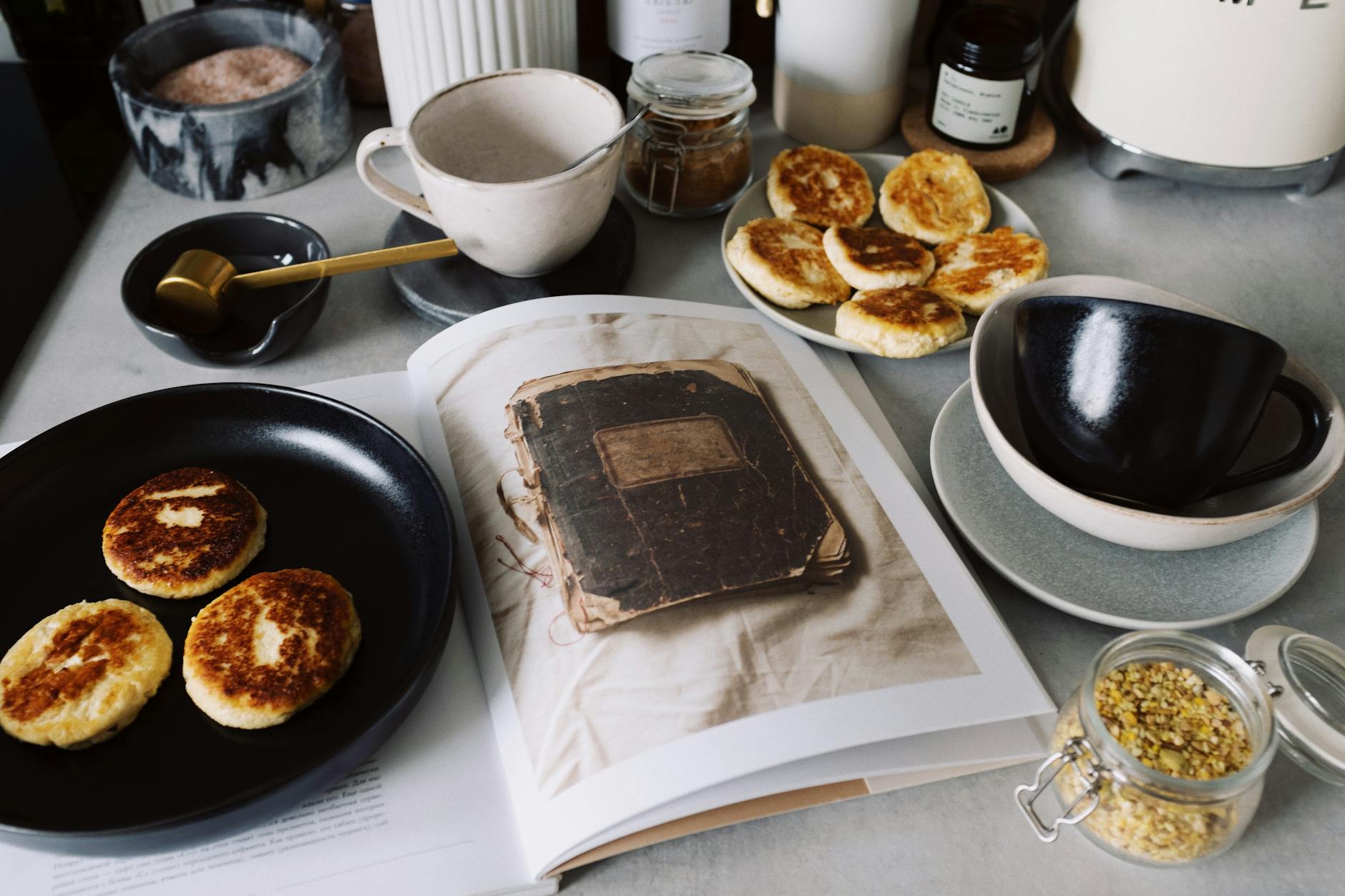
Destaque da sobremesa: sirniki com mel, frutas vermelhas e leite encerram com doçura.
As opções de peixe variam desde salmão defumado até bacalhau; a frescura é importante.
Opções vegetarianas incluem salada de beterraba, sopa de cogumelos, folhas de cenoura, pepinos em conserva.
Cafés destacam receitas de países da região; onde você deseja um tour compacto, os preços permanecem razoáveis, quando você retorna.
Primeira preferência: borscht no café da manhã, blinis como lanche, kroshka para um doce pequeno.
Água e leite são servidos com as refeições.
A influência de York aparece nas seções de pastelaria; os padeiros preferem coalhadas leves, cobertura e chantilly.
Teremok vs Café Pushkin: lanches rápidos versus jantar clássico
Escolha o Café Pushkin para uma refeição refinada, sentada; o Teremok serve refeições rápidas e de bom valor em espaços organizados.
O Teremok mantém filas curtas; pelmenis cozidos, blinis e dumplings saciam necessidades rapidamente; sua qualidade permanece confiável, sempre alcançando conforto em opções acessíveis; os locais estão espalhados por cidades, entre as quais o serviço é consistente, com cardápios regularmente atualizados, mas ainda autênticos; esse modelo deve agradar a viajantes; seja uma fuga rápida ou um lanche nutritivo entre compromissos; algo memorável, o Teremok entrega.
O Café Pushkin oferece um ritmo medido: interiores acolhedores, ingredientes cuidadosamente selecionados, um cardápio que celebra refeições com um toque de herança; chá preto, café de toffee, seleção de bolos e doces sazonais encerram a experiência com estilo sereno; a decoração inspirada em Zhivago ecoa a literatura, dando significado à atmosfera; algumas receitas fazem referência às influências russo-judaicas; os clientes adoraram o ritual, embora o ritmo seja mais lento em comparação com o Teremok.
Entre os dois, é preciso notar o ritmo, o tamanho das porções e o ambiente; o McDonald's continua sendo um ponto de referência para a velocidade; visitas regulares revelam o que torna cada lugar especial; consequentemente, um guia sobre sabor, textura e atmosfera ajuda os leitores a decidir; entre as refeições, os cardápios revelam o significado dos ingredientes regionais; portanto, os clientes provavelmente escolhem entre conveniência rápida ou um ambiente acolhedor; bolos, khachapuri, chá preto e ingredientes ancoram ambas as experiências.
Pratos e sabores explicados: borscht, pelmeni, blini e beef stroganoff.
Comece com a borscht: uma sopa quente de beterraba que traz um toque ácido graças ao creme azedo, com batatas aparecendo em algumas tigelas; essa base terrosa se destaca, criando um excelente contraste com o pão de centeio. Para os turistas, este prato icônico é encontrado em ambientes de stolovaya, onde um balcão espaçoso com sopas prontas para servir cria um clima aconchegante; são fáceis de apreciar, geralmente servidas bem quentes, o que facilita a valorização de cada ingrediente. Um copo de kvass complementa a experiência.
Pelmeni: massas recheadas com carne de porco, carne de boi ou uma mistura; são fervidas até flutuarem, servidas em caldo claro ou com um pouco de creme azedo; a massa permanece fina, o recheio é suculento, às vezes batatas acompanham; este clássico é encontrado em refeitório, bistrôs modernos, agradando tanto locais quanto turistas.
Blini: panquecas finas e elegantes; são cobertas com caviar, salmão defumado ou compotas doces; os blinis, delicados, combinam com creme azedo para um toque salgado. Esta preparação simples se destaca quando os convidados os adoram, especialmente grupos de turistas em busca de lanches leves e refinados.
Beef stroganoff: fatias de carne em um molho cremoso de cogumelos; geralmente servido com batatas, macarrão ou arroz; a harmonia entre cogumelos e creme resulta em um prato elegante e reconfortante; quase universal entre viajantes, finalize com um fio de creme azedo para um toque brilhante.
| Elementos essenciais | Acompanhamentos típicos | |
|---|---|---|
| Borscht | Beterraba, repolho, endro; final ácido; pode incluir batata | Nata, pão de centeio, pepinos em conserva |
| Pelmeni | Pelmenis recheados com porco, carne de vaca ou misto; massa fina | Caldo, creme azedo, batatas à parte |
| Blini | Panquecas finas; coberturas: caviar, salmão defumado, geleia | Nata, caviar, peixe defumado, compotas |
| Bife Stroganoff | Carne de vaca fatiada; molho cremoso de cogumelos | Batatas, macarrão, arroz; finalizado com creme azedo |
Roteiros de degustação de culinária tradicional de Moscou
Comece com uma caminhada de duas horas pela Praça Smolenskaya, concentrando-se em sopas, petiscos, pastéis recheados, ovos cozidos no forno e salmão defumado em pão de centeio.
Os preços giram em torno de 350 a 650 rublos por item; o custo de um prato varia conforme o vendedor.
A rota continua por um quarteirão histórico em volta do Kitay-Gorod, depois para um café à beira-rio em Zamoskvorechye.
Barracas inspiradas em Odessa oferecem peixe em conserva, pão de centeio e petiscos de batata; os preços variam de 280 a 520 rublos.
Os temperos do Uzbequistão aparecem no plov servido com vegetais marinados; uma refeição rápida custa cerca de 450 rublos.
Um bagel de York com queijo cremoso, salmão defumado e fatias de pepino oferece uma mordida crocante.
Sopas, ovos, produtos assados e pastéis recheados aparecem amplamente ao meio-dia, especialmente.
Abertas barracas ao redor do mercado de Taganskaya apresentam uma seleção bem cuidada; um site lista cardápios, horários e listas de preços.
Pessoas viajam de toda Moscou em direção a três bairros: Arbat, Tverskaya, Donskoy; cada quarteirão oferece especialidades, cardápios limitados e aromas apimentados.
O percurso passa por pátios bem iluminados, uma procissão de fachadas de edifícios históricos, barracas portáteis, conversas animadas; limonadas geladas disponíveis.
Ofertas de Páscoa surgem principalmente em mercados de primavera; doces com cobertura de açúcar, sopa quente com endro, biscoitos em forma de ovos.
Custos para um circuito completo provavelmente em torno de 1800-3200 rublos, dependendo das escolhas; o site ajuda a planejar com mapas, horários de funcionamento e avaliações.
A influência de Odessa aparece em várias barracas ao longo do percurso.
As especiarias do Uzbequistão são um ingrediente fundamental no plov.
produtos assados de york aparecem em um quiosque dedicado, doces, biscoitos de centeio, torcidos de sésamo.

