


Planeje sua visita para a manhã e reserve pelo menos duas horas para experimentar a Torre Spasskaya e seu mecanismo de relógio. A torre ergue-se cerca de 71 metros acima do solo, e os mostradores do relógio têm cerca de 6 metros de diâmetro, então os ponteiros permanecem legíveis enquanto o sol sobe sobre a Praça Vermelha.
A Torre Spasskaya foi construída em 1491 pelo mestre italiano Pietro Solari; ela serve de âncora ao muro do Kremlin e dá para a praça. Em 1937, a águia bicéfala no topo foi substituída por uma estrela vermelha, e o símbolo foi erguido sobre o topo. O relógio funciona através de várias estações de engrenagens, e o mecanismo opera praticamente inalterado, fornecendo badaladas confiáveis durante eventos importantes. Houve rumores de explodir o relógio, mas a segurança impediu qualquer dano.
O acesso começa nos portões: os visitantes entram pelos portões para o recinto do Kremlin, depois seguem um percurso marcado em direção à praça do relógio. Uma plataforma de observação surgiu perto do muro oferece uma visão detalhada do mostrador e dos ponteiros; você notará o alinhamento cuidadoso dos números e dos marcadores.
Durante as cerimônias, os badalos acompanham o hino. Anos como aqueles em que o país sofria, lembram os visitantes de que o tempo avança enquanto a história perdura. Uma pequena escultura perto da base inclina a cabeça em direção ao amanhecer, convidando os fotógrafos a enquadrar o mostrador com a Praça Vermelha ao fundo.
Verifique o horário do Kremlin com antecedência, chegue cedo para evitar filas e considere um tour guiado para aprender sobre as origens da torre e a manutenção contínua. Para fotos dramáticas, tire-as ao amanhecer ou no final da tarde, quando o sol banha os tijolos e os mostradores do relógio, e use uma lente grande angular para capturar a altura da torre - cerca de 71 metros - contra o céu.
Torre Spasskaya e Relógio do Kremlin de Moscou: Uma Visão Prática
Planeje sua visita para ouvir os badalos horários do relógio da Torre Spasskaya e fotografar os quatro mostradores quando a luz bate na Praça Vermelha da maneira certa.
- A estrutura e a história A Torre Spasskaya faz parte da fortaleza do Kremlin e atinge cerca de 71 metros. A construção começou no século XV como peça central das defesas do Kremlin, com atualizações posteriores para acomodar o relógio.
- Design e com mostrador Cada mostrador tem cerca de 6 metros de diâmetro, e há quatro faces que exibem os números (цифр) usando algarismos romanos I-XII. Os ponteiros são ornamentados, tornando o relógio reconhecível de qualquer ponto da praça.
- O mecanismo e a confiabilidade O mecanismo do relógio data da década de 1850 e continua em uso regular até hoje. Restaurações periódicas tratam da deterioração e do desgaste, preservando o ritmo do tempo sem comprometer a atmosfera da fortaleza.
- A restauração começou muito antes dos tempos modernos, com atualizações do século XVII moldando sua aparência atual. A exposição reflete uma tradição russa, moscovita, que liga a Torre Spasskaya à identidade da cidade.
- A melhor vista e fotografia são obtidas da Praça Vermelha e ao longo das muralhas do Kremlin, perto da área da Ponte Okhotny. Desses pontos, é possível enquadrar as estátuas ao longo da linha inferior da fortaleza e o relógio contra o céu noturno.
- Acesso ao interior da Savior Tower é limitado; a fotografia externa é comum, mas respeite a segurança e as multidões. Se quiser um momento tranquilo, chegue cedo ou fique após o pôr do sol para apreciar o brilho da fachada sem reflexos no mostrador.
- Por que isso importa A torre encarna uma mistura de construção e cerimônia: é um elo tangível com o planejamento do Kremlin do século XVII e com um relógio que marcou o tempo através de guerras, revoluções e restaurações, ou, como os locais diriam, milagrosamente mantendo o ritmo em meio a mudanças ao redor.
- Agende sua visita com tempo suficiente para caminhar pelo Pátio dos Canhões e observar a Torre Spasskaya de vários ângulos; isso ajuda a captar a escala do relógio e a arquitetura ao redor.
- Vista-se para o clima de Moscou e leve uma lente versátil; os quatro rostos são melhor fotografados com um teleobjetivo modesto para isolar os algarismos (цифр) contra a noite ou o dia claro.
- Observe as atualizações de manutenção: o mecanismo recebe cuidados rotineiros para evitar paradas de sinalização, garantindo que você experimente o relógio como um relíquio vivo, e não como um monumento estático.
Origens: fundação e história inicial do Kremlin
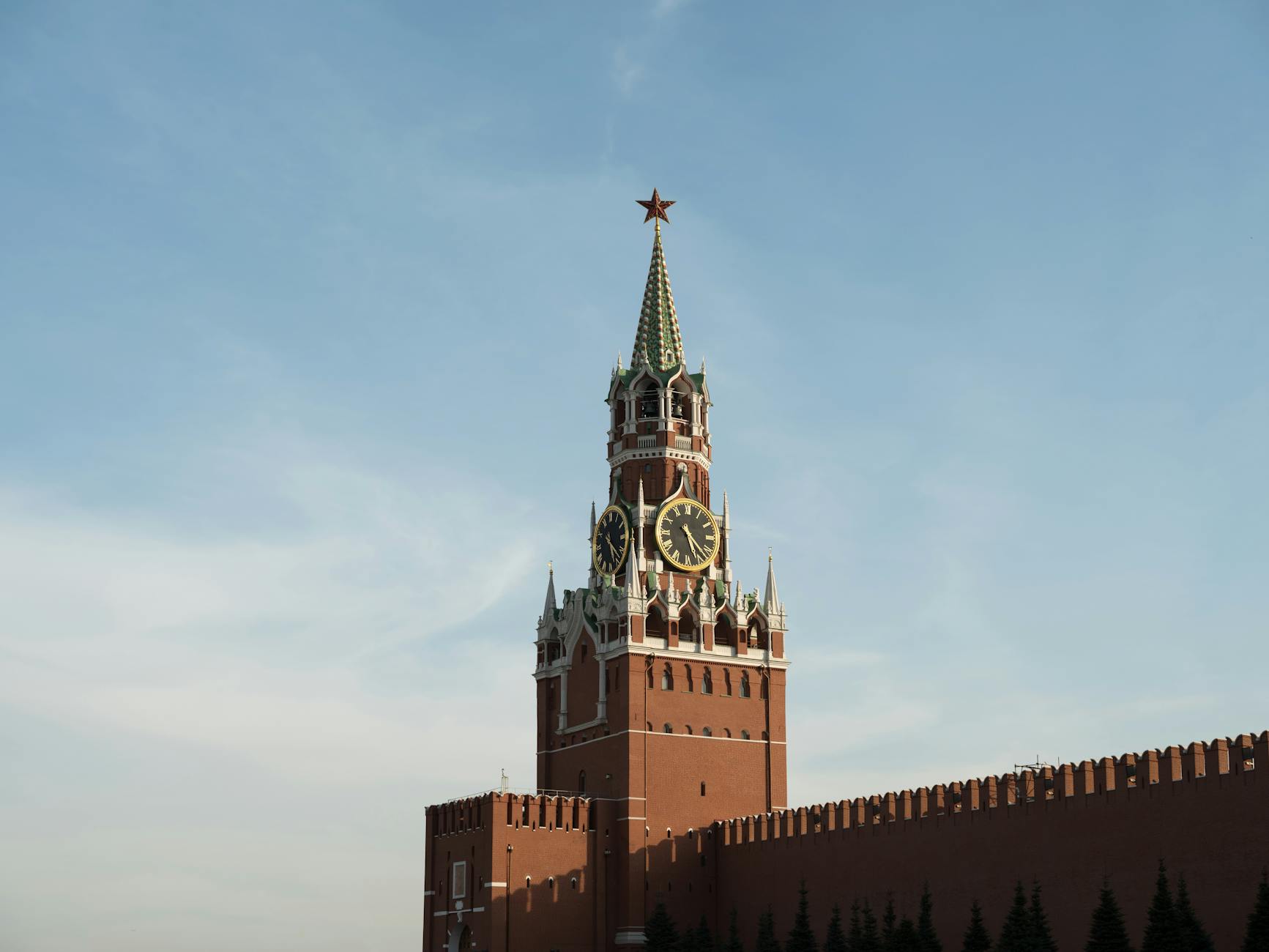
Comece com a fortificação do século XII de Yuri Dolgoruky no rio Moskva e siga o surgimento de Moscou através dos muros do Kremlin. A fortaleza de madeira cedeu lugar a muros de tijolos nos séculos XIV-XV, como descrevem as crônicas russas, quando Moscou cresceu como sede de tsares e príncipes. Ivan III ordenou uma reconstrução decisiva, através da qual o Kremlin se tornou uma fortaleza de tijolos vermelhos em frente a Moscou, moldando o poder estatal russo ao longo dos séculos e criando uma bela silhueta da cidade.
No final do século XV, mestres italianos moldaram o plano; a base octogonal (восьмерик) da Torre Spasskaya ergueu-se no flanco oriental do Kremlin. O relógio apareceu com um mostrador (циферблатом), cujos algarismos (цифр) avançavam com as horas. Um motivo solar (солнца) decora a coroa do relógio, adicionando um brilho sutil. A torre fica defronte da Praça Vermelha (Красной площади), ligando o Kremlin a Moscou.
Uma pedra fundamental traz uma inscrição registrando a data e os construtores. Uma placa posterior menciona Михайловича como um mestre artesão. O Kremlin abrigou cerimônias solenes e estátuas comemorando eventos. A fortaleza sofreu com cercos e batalhas, enquanto relevos posteriores dourados iluminaram as coroas.
Estas origens estabeleceram o Kremlin como um centro de poder e um farol cultural; as restaurações modernas utilizam aço inoxidável para as fixações, preservando o perfil.
Características arquitetônicas e o mecanismo do relógio
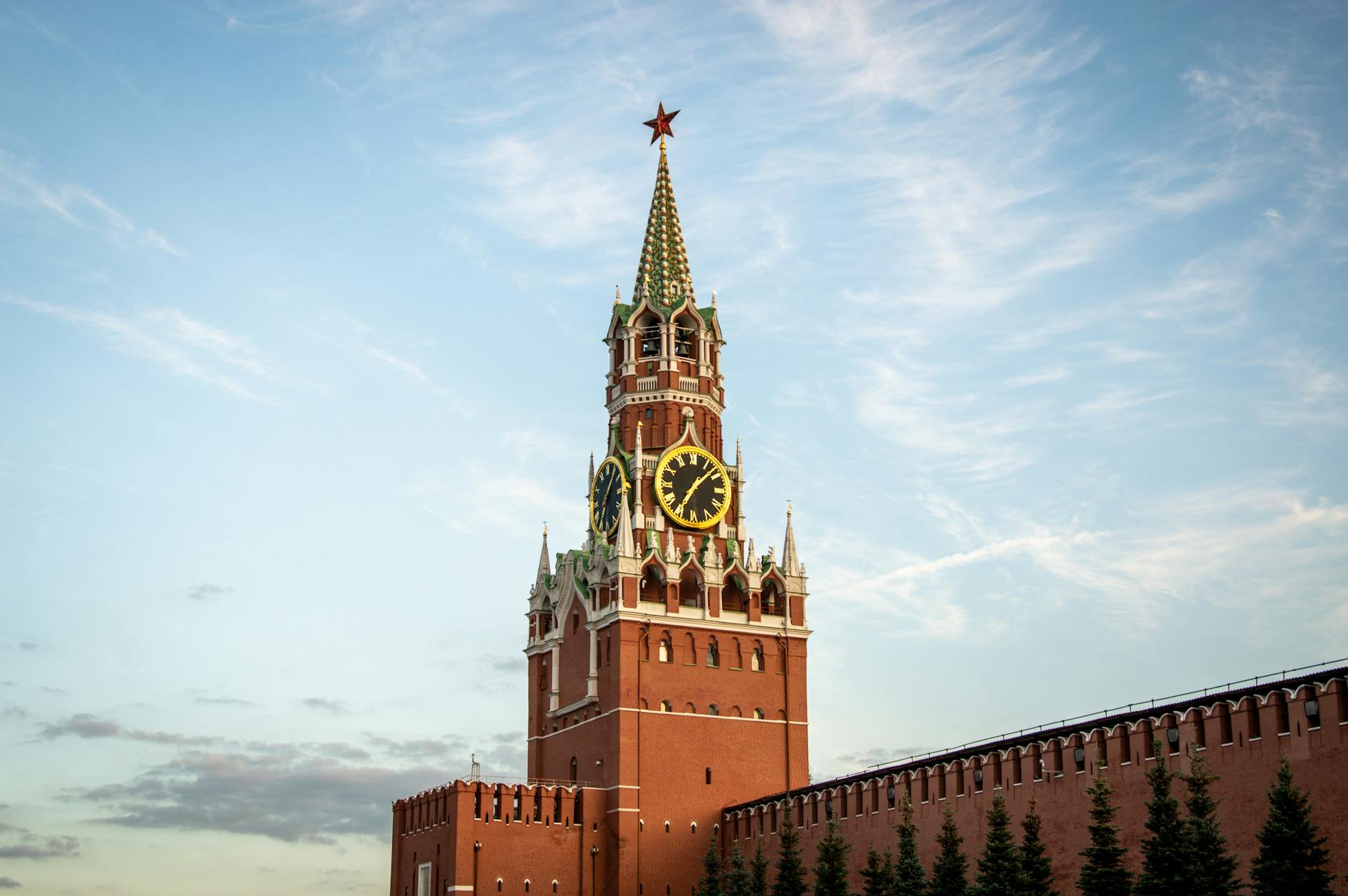
Comece com uma inspeção guiada do mecanismo interno do relógio para entender como o mecanismo aciona o mostrador e marca as horas com batidas precisas e audíveis, que se sincronizam com as melodias diárias. Na câmara interna, um sistema de pesos transmite o movimento através das engrenagens para os ponteiros, garantindo a precisão do tempo ao longo do dia.
Externamente, a Torre Spasskaya apresenta características típicas das fortificações do Kremlin, com detalhes em pedra branca na base e uma abóbada que se eleva acima do pináculo. As quatro faces exibem um mostrador de relógio, permitindo que o tempo seja lido de diferentes ângulos, enquanto o perfil geral enfatiza o caráter de fortaleza, enquanto o mecanismo interno confirma silenciosamente o ritmo dos sinos. O funcionamento do relógio está ligado aos sinos da Torre Spasskaya que marcam as horas.
A história começou sob o comando do czar para equipar o Kremlin com um relógio confiável. Mestres estrangeiros e arquitetos elaboraram o plano inicial, inspirando-se em motivos de pedra da Frolovsky. Uma atualização posterior surgiu sob a direção de Cristoforo, e a reforma foi concluída no século XIX, quando um mecanismo de escape moderno e sinos maiores intensificaram as melodias.
Quando planejar uma visita, ouça as melodias que acompanham os grandes sinos e enchem a praça com som. As quatro faces no mostrador garantem que o tempo seja legível de vários ângulos, e o mecanismo interno de peso mantém o ritmo com cada tic. Se quiser dar uma olhada mais de perto no mecanismo interno, participe de um tour guiado durante os horários autorizados; os guias apontam para a escapamenta, a alavanca que ajusta a velocidade, e o trem de engrenagens dentro da câmara. A borda do mostrador tem marcas a um metro de distância, fazendo o ritmo parecer tangível enquanto os ponteiros se movem. Essa fusão de drama arquitetônico e clareza mecânica torna a Torre Spasskaya um marco vivo da arte e do planejamento russo, onde cada tic se traduz em um claro toque de sino e uma melodia que ressoa pela praça.
Funções culturais e cerimoniais da torre
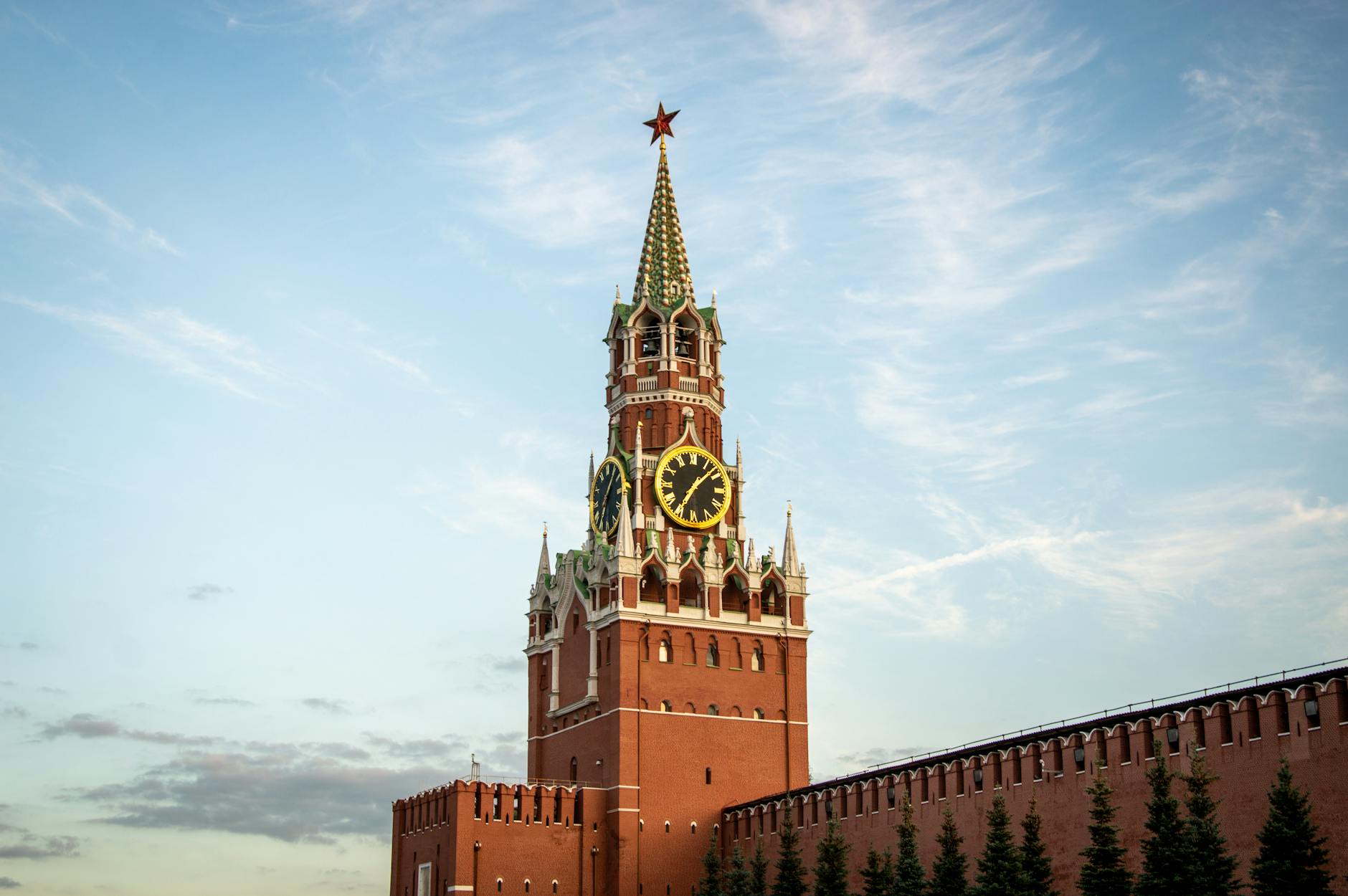
Use a Torre Spasskaya como ponto central cerimonial em Moscou, alinhando eventos de Estado para que o sino toque com os relógios e os sinais da Spasskaya varram a Praça Vermelha como um claro sinal de ritmo nacional. A torre é famosa por sua altura dramática e seus grandes sinos, destacando-se entre outras torres na espinha do Kremlin. Seus relógios oferecem profundidade arquitetônica enquanto o mecanismo funciona com precisão, tornando a torre uma presença constante no horizonte.
Durante desfiles e comemorações, os funcionários coordenam do centro da Praça Vermelha, dirigindo os eventos para os lados da praça. Se um momento exige precisão, os técnicos ajustam o mecanismo manualmente. Mesmo em períodos de inoperância, a torre permanece um sinal firme que liga a memória à vida atual. A memória do bombardeio de Moscou durante as guerras lembra os visitantes de que a marcação do tempo pode se tornar um símbolo unificador. Nas comemorações de aniversários revolucionários, os sinos de Spasskaya se juntam ao sino em um ritmo sincronizado—momentos interessantes para os espectadores—enquanto a grande altura do relógio embeleza a apresentação. Os sinos solares e os grandes sinos trabalham com os relógios para marcar cada hora, e os observadores de Moscou e além reconhecem como a torre ancoram o tempo entre as torres vizinhas e outros marcos. Pode-se agendar uma visita guiada para ver as engrenagens internas e ouvir os badalos de perto.
Dicas para visitantes: melhores horários para ver o relógio e acessar as zonas
Visite de manhã cedo (9:30-10:30) ou no final da tarde (15:30-17:00) para ver o relógio da Torre Spasskaya com menos aglomeração. Fique do lado da Praça Vermelha para ter uma visão clara do relógio alto na fachada do Kremlin, e observe como o sol destaca o contorno da torre enquanto a cidade acorda ou se prepara para o fim do dia.
As zonas de acesso concentram-se na Praça Vermelha e no perímetro externo do Kremlin. Para maior proximidade com a torre, junte-se a um tour pelos terrenos do Kremlin, que oferece acesso às zonas perto da Torre Frólovskaya e a pontos de vista ao longo das linhas do parapeito inferior. Espere aberturas limitadas em dias movimentados e planeje reservar com antecedência através da fonte oficial para confirmar as regras de acesso atuais.
O relógio em si é uma maravilha moderna dentro de uma estrutura centenária. Durante a reparação e substituição de peças, você pode ver pausas breves, então verifique o cronograma com antecedência. O relógio possui números grandes e inscrições ao redor do mostrador, tornando a hora legível do outro lado da praça mesmo quando o crepúsculo se aprofunda. Sua altura domina a vista, reforçando a Torre Spasskaya como o ponto central do horizonte do Kremlin.
Nas noites de Ano Novo e em períodos festivos, visitantes estrangeiros acorrem à Praça Vermelha para ouvir os badalos do relógio na contagem regressiva. Chegue pelo menos 30 minutos antes do momento que deseja presenciar os badalos, pois as multidões aumentam e as verificações de segurança alongam as filas. Amanhã ou nos próximos dias, verifique os horários exatos com a fonte oficial e planeje seu trajeto para permanecer dentro das zonas permitidas, mantendo boas linhas de visão para o brasão de duas cabeças e o brilho do relógio.
Preservação e restauração: manutenção do património da torre
Inicie com um levantamento detalhado e pesquisa arquivística antes de qualquer intervenção, e coordene com as autoridades locais em Moscou para alinhar com as políticas de patrimônio da cidade. A Torre Spasskaya eleva-se a cerca de setenta metros de altura, ancorando o perfil do Kremlin para Moscou e marcando a identidade cultural de Moscou há séculos. Desde os registros do século XVIII, a masonry da torre, os elementos de madeira e o mecanismo do relógio formam um todo coerente que deve ser preservado sem apagar a história.
Adote um plano que priorize a restauração com reversibilidade e documentação minuciosa. Utilize levantamentos não invasivos, varreduras a laser 3D e imagem infravermelha para mapear fissuras, umidade e composição do argamassa, garantindo que os materiais originais—argamassa e pedra—permaneçam como referência. Preserve os detalhes dourados no quadro e no mostrador do relógio e aplique revestimentos de proteção que possam ser removidos no futuro. Em vez disso, uma tela de proteção pode ser colocada para minimizar o contato acidental, permitindo que os observadores apreciem o perfil da torre sem comprometer sua integridade.
Envolve um especialista italiano, Христофор, que lidera a restauração do mecanismo de relógio e os detalhes superiores do pináculo. Sua equipe testa misturas de cal inspiradas em лори e acabamentos de séculos passados, alinhando-se com as técnicas do século XVIII descritas nos хода da época. O projeto mantém a aura царской intacta, respeitando proporção, linha e textura na башню, enquanto garante que qualquer trabalho novo seja claramente distinguível do original por meio de tratamentos reversíveis. O objetivo é preservar a essência da torre para as gerações futuras, sem causar danos à sua estrutura ou revestimento.
A inscrição no alvenaria inferior apareceu durante restaurações anteriores, e o trabalho atual consolida-a cuidadosamente sem apagar sua importância histórica. A documentação registra os anos de instalação, vinculando-os aos primeiros anos de serviço ativo da torre. Essa abordagem preserva significados em camadas - o registro histórico, o patrimônio artesanal e o uso moderno - para que os visitantes compreendam não apenas o que veem, mas como chegou a ser assim.
Durante as estações festivas, a iluminação de Ano Novo realça a praça em torno da área da Galoveya, mantendo as linhas da torre legíveis. O design enfatiza a moderação: luz quente nos acentos dourados da torre e sombras suaves que revelam a alvenaria sem ofuscamento. Este equilíbrio respeita a dignidade imperial da torre e o tecido urbano circundante, convidando moradores e turistas a interagir com a história em um cenário contemporâneo. A inclusão da Galoveya no plano de iluminação reforça a narrativa pública do relógio mais icônico de Moscou.
Vigilância e proteção formam a base do regime de manutenção. Regras rigorosas proíbem qualquer ação que possa explodir ou danificar a estrutura. A equipe de restauração coordena-se com a polícia e a segurança da cidade para dissuadir vandalismo e garantir que o acesso à torre permaneça controlado e seguro para artesãos, guias e visitantes. Essas medidas protegem não apenas a alvenaria e o mecanismo, mas também a memória cultural embutida em cada detalhe da torre.
O programa de manutenção inclui várias tarefas recorrentes: revisões anuais de condição, gestão de umidade, repintura ou re-douramento de elementos dourados com vernizes reversíveis e monitoramento cuidadoso das vibrações provenientes do tráfego próximo. O trabalho reconhece o papel da paisagem urbana viva de Moscou na saúde da torre e utiliza planejamento responsivo para se adaptar aos padrões climáticos anuais e às necessidades arquitetônicas. Ao tratar a Torre Spasskaya como um monumento vivo, Moscou preserva seu passado enquanto permite que o futuro leia a mesma história em tempo real.
| Marca | Focus | Parceiros | Notes |
|---|---|---|---|
| 2010-2012 | Inquérito de estado | as autoridades de Moscou; os conservadores | varreduras 3D; pesquisa em arquivos |
| 2015 | Detalhes dourados | O mestre italiano Cristóvão | revestimentos reversíveis |
| 2018-2020 | Mecanismo do relógio | especialistas em relojoaria; oficinas locais | restauração de precisão; confiabilidade aprimorada |
| 2021-2023 | Iluminação pública | serviços municipais; arquitetos | lealdade de fim de ano; praça Galovey |


