


Comece nas Colinas dos Pardais ao amanhecer, capturando o brilho enquanto a cidade acorda e o rio espelha a primeira luz; o momento em que a luz se torna mais vívida normalmente acontece nos primeiros 30 minutos após o nascer do sol. Em clima calmo, as exposições aumentam quando os ângulos do sol roçam as cúpulas, e o quadro grande angular captura perfeitamente um amplo horizonte. O acesso é simples através de uma rede de rotas de pedestres, com um salão e plataformas de observação que atraem participantes em busca de silhuetas limpas. Seu kit deve incluir um ND graduado se você fotografar em dias claros, e um tripé pode ajudar a estabilizar longas sombras.
Da Torre de TV Ostankino, pegue o elevador até o deck de observação; o topo é acessível aos visitantes e oferece uma varredura fotogênica que alcança o eixo central da capital e além. Os padrões climáticos relacionados são importantes: em dias claros, você pode aumentar as exposições por mais tempo, e a cidade representada nos corredores de vidro oferece um forte material de vídeo. Planeje uma janela em torno do nascer ou pôr do sol, quando as cores saturam, e verifique os horários dos ingressos com antecedência para garantir a acessibilidade.
Outra vantagem clássica é o mirante acima do rio, onde o terreno se inclina suavemente e várias trilhas delineiam rotas até a borda do calçadão do parque, semelhante a um salão. As cores florescem e a cena parece fotogênica à distância, com igrejas pontilhando o horizonte e o rio serpenteando pelo quadro. Quando você alinha a lente com um vento calmo, os reflexos se tornam um espelho natural, e suas fotos grande angulares podem capturar a cidade em uma única composição compacta que representa a cena perfeitamente.
Ao longo das margens centrais, a silhueta da cidade muda com o clima; planeje várias rotas para comparar como as camadas de torres são representadas em luzes variadas. A paleta de cores muda de azul aço para dourado quente, e uma noite calma produz reflexos mais claros na água. Traga uma câmera compacta para videoclipes e um smartphone para fotos rápidas; as exposições de igrejas e torres de catedrais se tornam símbolos vivos do brilho da capital.
Obrigado.
Principais Mirantes Panorâmicos em Moscou
Comece nas Colinas dos Pardais ao amanhecer; isso produz o panorama mais amplo da cidade hoje, com as cúpulas do Kremlin capturando a primeira luz e o rio Moskva ampliando o quadro.
Vorobyovy Gory oferece um promontório de 261 metros com uma ampla área de visualização que se estende sobre o vale do rio; deste ponto, você cobre os distritos centrais e a silhueta do Kremlin, e o local permanece acessível sem um ingresso.
A Torre de TV Ostankino oferece um ponto de vista mais alto, de 340 metros, que se estende por toda Moscou. O deck de observação oferece um panorama de 360 graus da capital e da paisagem circundante; os horários geralmente vão do final da manhã até a noite, e os ingressos variam em centenas de rublos.
As torres Moscow City OKO oferecem um panorama superior de 360 graus da área de visualização da Torre Leste no 89º andar, cerca de 375 metros de altura. O deck tem uma вместимость limitada, acomodando algumas dezenas de visitantes por rotação; o acesso ao elevador é rápido e o saguão na base abriga cafés e bilheterias.
O Parque Kolomenskoye, na colina perto da Igreja da Ascensão, oferece um panorama aterrado sobre os distritos do sul e a curva do rio; o local fica perto de museus e um enclave histórico de mosteiros, apresentando contexto após sua foto.
O Cais Bolotnaya e os arredores do Mosteiro Novodevichy fornecem outro ângulo sobre as cúpulas e pontes centrais; esta rota é adequada para uma sessão matinal mais calma e se conecta com um passeio pela área.
A área de Sokolniki oferece uma opção compacta e acessível com uma colina suave e caminhos de parque; participe de uma visualização matinal, informe suas necessidades e planeje uma rota que se estenda além da área do saguão onde os mapas são exibidos.
Colinas dos Pardais (Vorobyovy Gory): melhores mirantes e rotas para fotos do nascer e pôr do sol
Dirija-se ao terraço de observação superior em vorobyovy gory ao nascer do sol; este ponto de vista produz o brilho sobre o rio e palácios distantes, enquanto a cidade acorda em luz pálida.
Os pontos de acesso mais próximos são as estações Universitet e Frunzenskaya, com uma subida constante ao longo da borda da colina até o mirante principal.
De Universitet, uma longa escadaria passa por entre as árvores e pela academia, chegando a uma plataforma semelhante a um salão onde às vezes ocorrem eventos especiais. Esta rota cria silhuetas de mosteiros perto do rio e cúpulas de igrejas na margem oposta, proporcionando um vislumbre claro da piscina abaixo.
As manhãs de novembro trazem ar pálido; o brilho do amanhecer pousa nas curvas do rio enquanto a cordilheira gory ao longo de vorobyovy gory permanece uma silhueta reconhecível. Se você estiver mapeando a área, هذا الاسم aparece em guias e mapas locais perto dos caminhos principais.
O pôr do sol no flanco oeste dá tons mais quentes; fique perto do corrimão direito para receber vistas panorâmicas e um brilho dramático da cidade refletido na água. A luz do crepúsculo tende a ser mais rica quando o ar está seco, tornando a foto especial.
Notas práticas: carregue um tripé, comece com uma lente grande angular para enquadrar a curva do rio e, em seguida, mude para uma distância focal mais longa para isolar as torres perto dos mosteiros. Se você é novo neste local, considere uma orientação rápida de fotógrafos locais ou empresas de fotografia que operam perto da academia.
Além disso, esteja atento às multidões durante os eventos nos terrenos do circo próximos; o acesso permanece conveniente a partir das estações mais próximas, e os desenvolvimentos circundantes ao longo do rio oferecem muitos pontos de vista para explorar. источник: guias locais enfatizam que o amanhecer e o crepúsculo de novembro fornecem o brilho mais forte, com ensaios e eventos da cidade moldando o ritmo da multidão.
Melhores horários para fotos do horizonte de Moscou: hora dourada, hora azul e dicas sobre o clima
Recomendação: Fotografe a silhueta da cidade durante a hora dourada da Colina Poklonnaya ou das Colinas dos Pardais para maximizar a cor e a profundidade. As cúpulas distantes e as linhas do rio criam um panorama variado que se destaca em um único quadro.
Janelas de tempo: a hora dourada dura cerca de 60 minutos ao redor do pôr do sol; a hora azul segue aproximadamente 20–40 minutos após o pôr do sol, dependendo da estação. No final da primavera, os pores do sol ocorrem por volta das 21:00–21:30; no inverno, por volta das 16:15–16:45. Em dias excelentes, o ângulo da luz varre suavemente mansões e bairros históricos, produzindo gradientes sutis em todo o panorama.
Notas sobre o clima: o ar fresco produz bordas nítidas; céus claros oferecem silhuetas ousadas, enquanto uma leve névoa adiciona um brilho nadador quando a umidade é moderada. Dias poluídos criam tons mais quentes perto do rio, enquanto noites ventosas podem abalar a estabilidade do tripé; nesse caso, use uma configuração mais pesada. Se as nuvens mantiverem tons rosados após o pôr do sol, espere alguns minutos para que a hora azul se intensifique, especialmente perto dos pontos de observação do rio.
Dicas de equipamento: use um tripé, obturador remoto ou temporizador e fotografe em RAW; faça bracketing de exposições para capturar detalhes no céu e na cidade; comece com ISO 100–200, abertura em torno de f/8–f/11; varie a distância focal de grande a média para enfatizar um ângulo, incluindo elementos distantes. Proteja as lentes de qualquer respingo, mantendo uma manga ou microfibra à mão.
Rotas a pé ao longo do rio oferecem pontos de vista variados; esta opção permite comparar ângulos. No domingo, a Academia arseny oferece caminhadas fotográficas guiadas, realizadas regularmente; aqueles que se atrevem a experimentar novos ângulos ganharão oportunidades de observação, e você pode seguir o caminho do rio em direção a um panorama que inclui mansões históricas e torres modernas. Se você quiser aprimorar suas habilidades, essas sessões ajudam.
Durante sessões lotadas, mantenha-se nos caminhos marcados, mantenha distância das pessoas e proteja o equipamento; sempre carregue uma garrafa de água. Se você passear pelos calçadões, respeite as regras e diretrizes de segurança afixadas e observe as linhas delicadas criadas por postes de luz e silhuetas distantes.
Ângulos e composições: enquadrando o horizonte a partir de margens de rios, pontes e topos de colinas
Posicione-se na margem do rio na hora dourada, use uma lente grande angular e fixe uma foto reflexiva que inclua água e céu, proporcionando um quadro dramático.
- Enquadramento da margem do rio: escolha um ângulo baixo ao longo do cais, deixe os reflexos da água preencherem o terço inferior, mantenha as silhuetas dos edifícios no meio-termo e observe como a luz muda ao longo das fachadas. Exposições curtas congelam ondulações; mude para uma exposição mais longa durante a hora azul para realçar o brilho. Traga um tripé compacto; esta boa configuração ajuda na estabilidade ao vento e mantém você pronto para alternar entre as composições. Esta tradição requer paciência.
- Vantagem da ponte: procure ângulos onde os arcos da ponte enquadrem o horizonte; alinhe as linhas dos corrimãos em direção às torres mais altas; fotografe em orientação vertical para enfatizar a altura; incluir alguns barcos ou pedestres adiciona escala humana. Eles permanecem pacientes até que a multidão diminua; evite tolos lotando o trilho; vale a pena notar quando o sol mergulha atrás das torres.
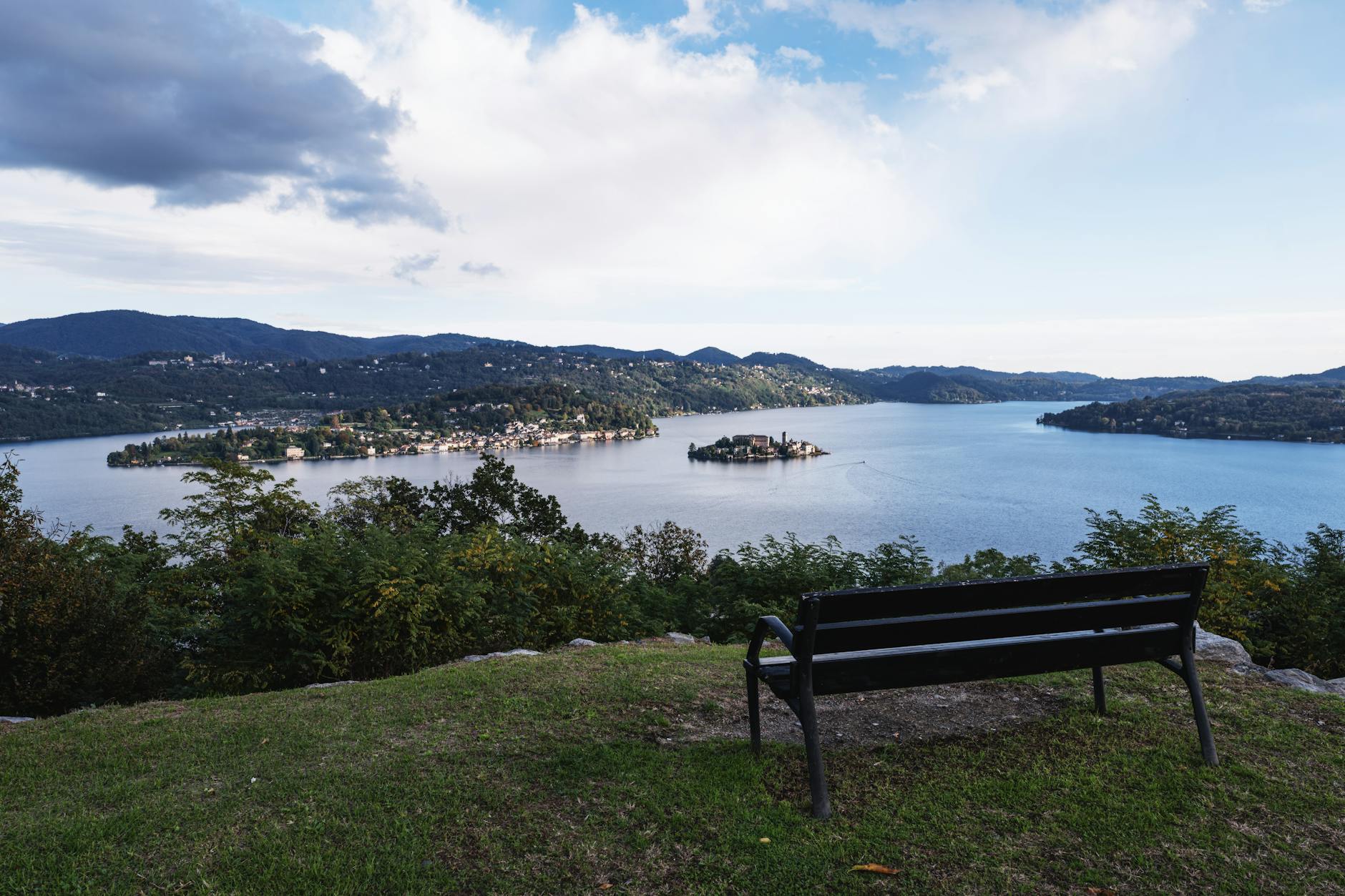
- Estratégia do topo da colina: de um topo de colina você ganha um primeiro plano natural; inclua linhas de árvores ou um banco para adicionar profundidade; aponte para f/8–f/11 para manter os elementos próximos e distantes nítidos; use uma abertura menor para manter as torres distantes; esta posição recompensa sua atenção ao camadas e ritmo espacial.
Ritmo de composição: siga alguns princípios específicos, mas permaneça flexível. Use linhas de liderança de margens de rios ou vãos de pontes; enquadre um edifício como uma âncora vertical; considere um quadro dentro de um quadro usando janelas ou arcos. Eles ajudam a enfatizar a forma enquanto os arredores fornecem contexto, incluindo a área de palmira, blocos residenciais e outros detalhes que dão escala.
Luz e tempo: a hora azul ou a hora dourada proporcionam humor e cor. Planeje várias execuções, pois a luz muda rapidamente. Fotos multicamadas com múltiplas exposições ajudam a capturar faixas dinâmicas; isso é útil quando você compartilha material na internet ou em galerias aconchegantes. Pequenos ajustes durante a filmagem mantêm você no controle; perca um momento, você pode se recuperar na pós-produção, mas procure capturar o humor central ao vivo.
Dicas práticas: trazer um tripé leve, uma pequena bolsa e uma bateria reserva garante que você permaneça ligado; mova-se entre os pontos para comparar perspectivas – margens de rios, pontes e topos de colinas. Você pode desfrutar de uma pequena série que demonstra diferentes ângulos; isso pode se tornar um bom material em um perfil de área ou um recurso online. Traga para si mesmo uma sensação de ritmo e paz – uma vibração musical de rua por perto pode adicionar atmosfera sem distrair da linha e da luz; estar ciente dos arredores ajuda você a ser respeitoso com os outros, incluindo moradores e visitantes.
Moscow City e Torre OKO: acesso, horários e dicas de segurança para panoramas no terraço
Deve reservar um horário matinal online e chegar 15 minutos antes para garantir a melhor posição e enquadramento limpo, maximizando a luz e minimizando as multidões; esse é um começo prático e define o ritmo da visita.
O acesso começa no saguão do complexo Moscow City; a triagem de segurança precede o passeio por elevadores de alta velocidade até o pódio de observação da Torre OKO; um bilhete ou passe válido é necessário para chegar ao deck, sem o qual a entrada para no saguão.
Os horários e as janelas de acesso variam de acordo com a estação; no ano de 2025, eles geralmente funcionam das 10:00 às 22:00, com a última subida por volta das 21:30; verifique a página oficial para confirmar a programação atual. Se você deseja visitar novamente, as manhãs permanecem o horário mais confortável.
Dicas de segurança: use sapatos confortáveis, vista-se para o vento, traga uma jaqueta leve e água, mantenha as mãos visíveis, segure seu equipamento; durante rajadas, fique atrás dos corrimãos e evite se inclinar sobre o vidro; a fotografia com tripés pode ser restrita; as crianças devem ser supervisionadas; as bolsas podem ser verificadas. O deck oferece linhas de visão claras e controles de segurança confiáveis.
Dicas de fotografia e enquadramento: procure incluir a silhueta de Moscow City e OKO em sua foto; vários pontos de vista existem no deck e pavilhões próximos podem adicionar profundidade; se você deseja documentar as mudanças urbanas, pode acompanhar os desenvolvimentos à medida que se desenrolam; pesquisadores de universidades russas costumam analisar panoramas, e os estúdios palmira contribuíram para o layout da sinalização para guiar a atenção de alguma forma; inclua edifícios próximos para transmitir escala.
Atenção: os ventos na altura podem surpreender; o horizonte apresenta uma silhueta semelhante a um foguete no OKO; algumas fachadas próximas foram destruídas em tempestades passadas; sempre siga as instruções afixadas e permaneça dentro das barreiras; se as condições piorarem, as seções podem fechar temporariamente; algumas placas comemoram marcos da cidade.
Comemore e pesquise: esta vantagem apoia a atenção aos marcos da cidade; universidades e pesquisadores russos estudam o crescimento urbano de vários ângulos, enriquecendo as visitas com contexto e dados.
Parque Zaryadye e margem do rio Kremlin: pontos práticos e ideias de composição
Visite o terraço à beira do rio do Parque Zaryadye à primeira luz para garantir uma vista ampla e dramática que combine a corrente do rio com as silhuetas do Kremlin. Este movimento constrói para si mesmo um vocabulário inicial sólido em estudos de paisagens urbanas e produz uma linha de base impressionante que suporta fotos posteriores.
Da borda do parque, você ganha uma ampla vantagem sobre o rio e o centro histórico. A iluminação da hora dourada arredonda o aterro de pedra e adiciona cor às torres de tijolo.
Planeje um circuito compacto que ligue Zaryadye e a margem do rio com uma extensão opcional a Kolomenskoye para comparar escalas. Vários tópicos, incluindo arquitetura, textura da água, vida de rua e reflexos, podem ser rastreados enquanto você caminha.
Ideias de composição: alinhe o rio diagonalmente usando uma lente ampla; mantenha o horizonte no terço superior; coloque paredes de pedra ou silhuetas de árvores em primeiro plano. Vire com o rio para transmitir movimento; ouse fotografar de ângulos mais baixos para revelar o contraste entre a pedra antiga e o vidro moderno. Quando a luz mudar, ajuste o ISO e o obturador para manter a textura, e você ficará satisfeito com um conjunto variado de fotos.
Se desejar, reserve uma breve sessão com um fotógrafo local para discutir tópicos, ritmo e composição; agradará os participantes e renderá fotos prontas para serem compartilhadas online via internet.
Recomenda-se planejar sua rota em torno de alguns pontos práticos na margem do rio: comece no terraço do Parque Zaryadye, depois passeie ao longo do cais de pedra em direção à margem do Kremlin e, finalmente, faça um loop pelo aterro perto dos quiosques de culinária de rua para cenas espontâneas e quadros de escala humana.
| Área | Ideia de composição | Luz ideal | Notas |
| Terraço do Parque Zaryadye | Borda do corrimão para enquadrar a linha do rio com o Kremlin atrás; texturas de primeiro plano dos painéis de pedra e vidro | Hora dourada ou hora azul | Carregue uma lente compacta; monitore as multidões que podem contornar a borda |
| Aterro da margem do rio Kremlin (perto da Ponte Bolshoy Kamenny) | Linhas de liderança diagonais do rio; inclua cais de pedra e barcos ocasionais para escala | Hora azul ou início da manhã | Esteja atento aos pedestres; defina o ritmo de suas fotos para capturar reflexos |
| Vantagem de Kolomenskoye (opção de distância) | Panorama de longo alcance com o rio como linha de liderança; comprima torres através da água usando uma teleobjetiva | Brilho do pôr do sol | Planeje um dia com transporte público; compare tópicos em todas as escalas |
| Margem do rio perto de quiosques de culinária e cozinha | Movimento de pessoas e participantes espontâneos ao longo do cais; aplique um obturador mais lento para transmitir movimento | Brilho de néon da noite | Procure oportunidade para editar no local; observe a capacidade da multidão |


