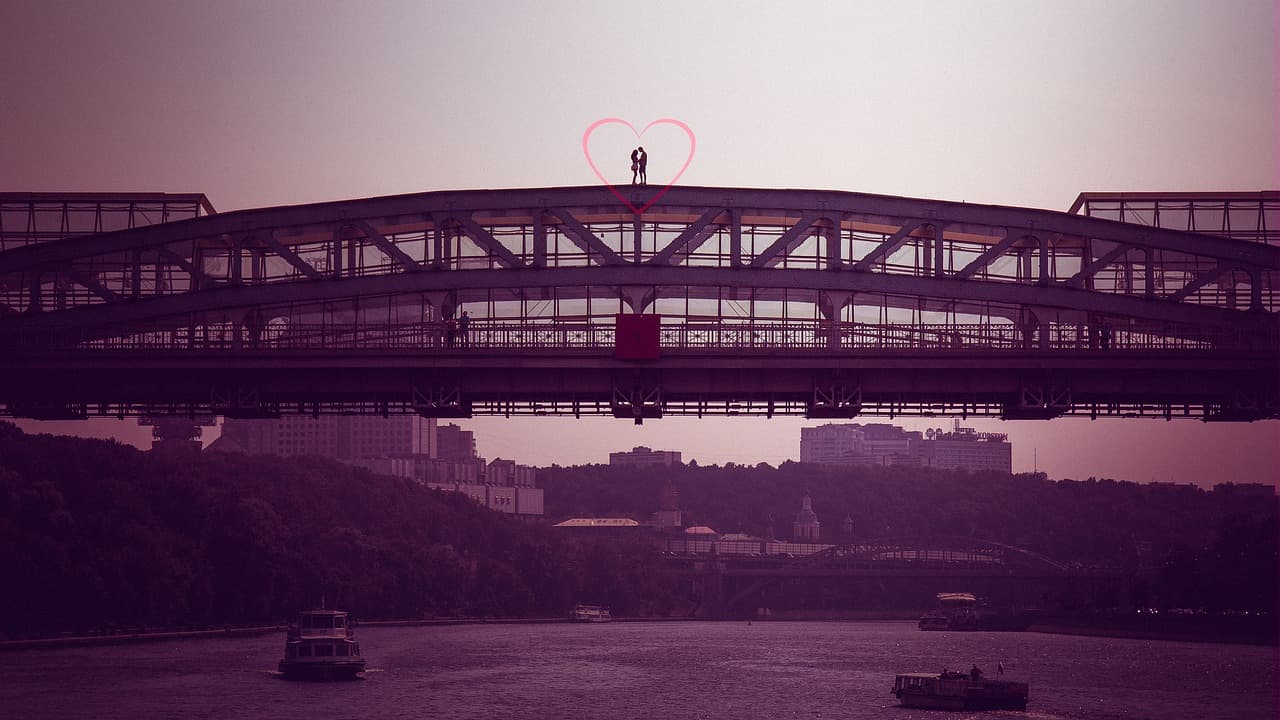
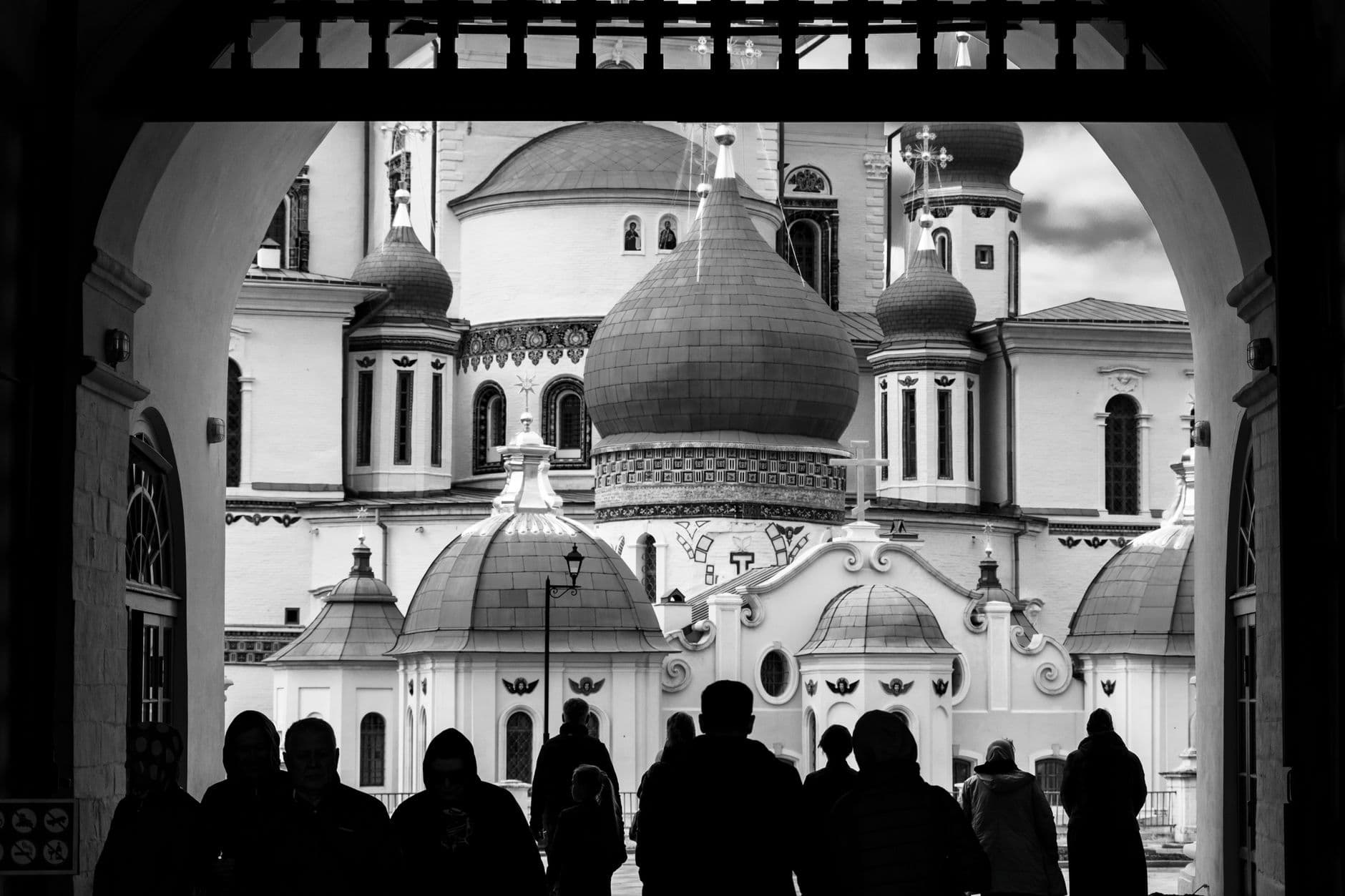
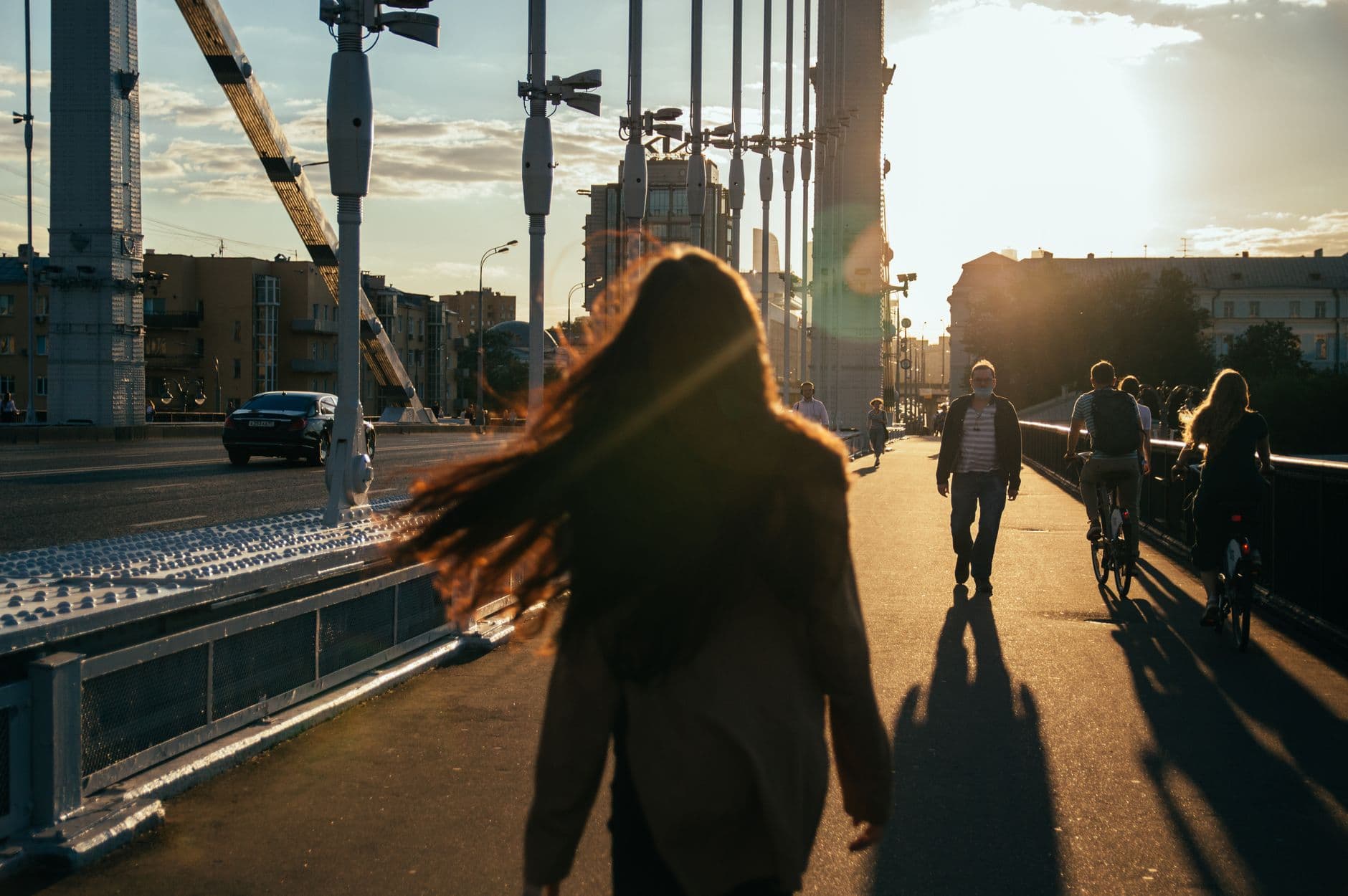
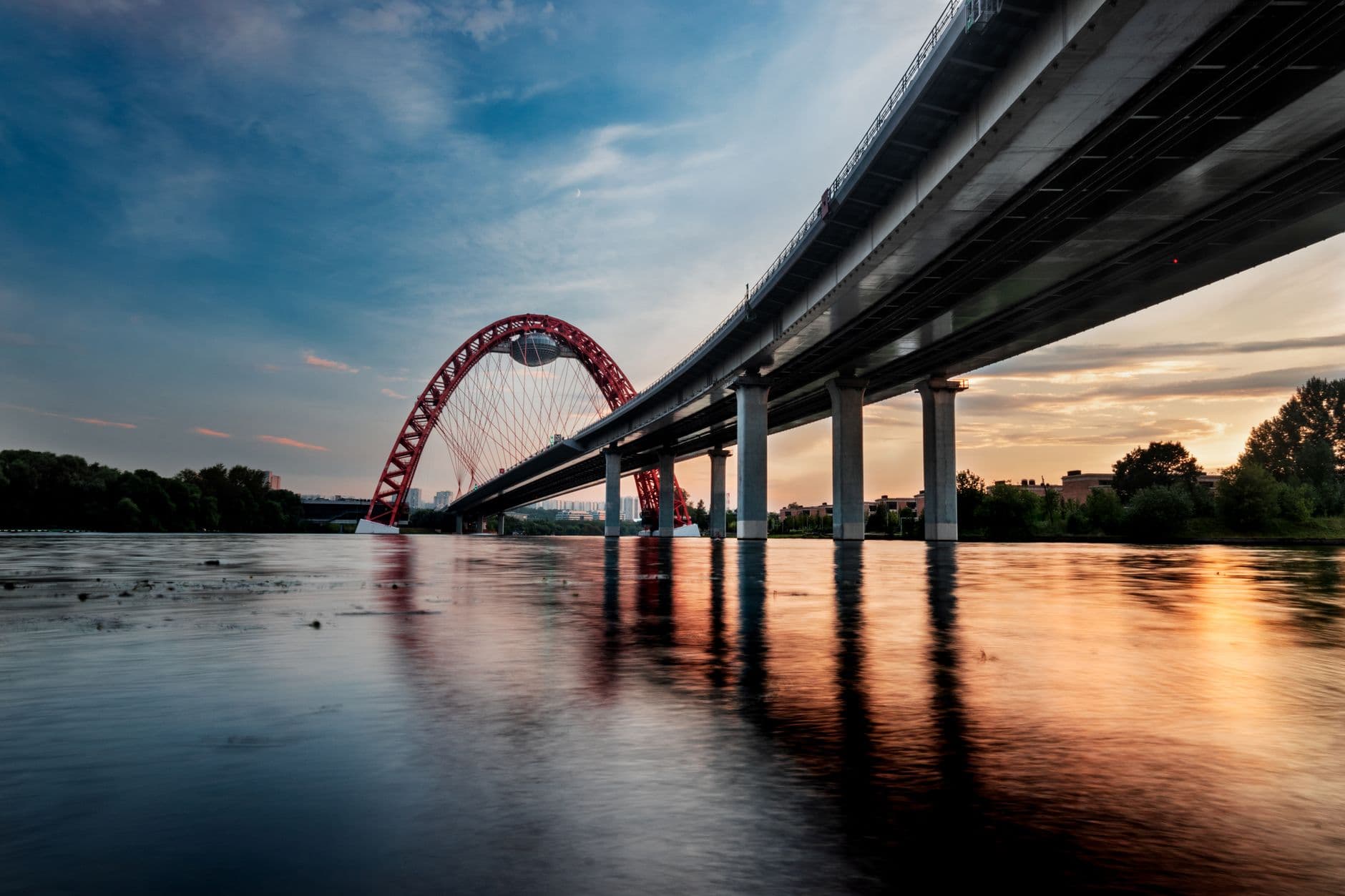
Grupăți ruta pe ere și scop: începeți cu centre civice care au servit odată ca sedii centrale, apoi treceți prin săli elegante și curți verzi liniștite, unde texturile din cărămidă, piatră și sticlă creează o textură variată care încadrează un peisaj urban grandios.
Note pentru fotografi: amplasarea ferestrelor și ritmul coloanelor ghides privirea; fotografierea în primele ore ale dimineții sau seara târziu, folosind lumina moale, ajută la redarea adevărată a culorilor și evidențiază detaliile luminoase.
Influențat de epoci de la imperial la modern, unele clădiri poartă simetrie militară și o scară monumentală, în timp ce altele au ornamente florale care par tinere în spirit și introduc motive care înmoaie linia.
Planificați oprirea în apropierea spațiilor verzi, capturați din mai multe unghiuri prin scări și coridoare deschise pentru a evidenția textura și interacțiunea luminii; folosiți un stativ când este posibil pentru a păstra linii clare și adâncime.
Această selecție se concentrează în mare parte asupra istoriilor din spatele fiecărei clădiri: efortul colectiv al arhitecților, senzația de loc, și textura materialelor; notele aici au ca scop să ghideze un ochi de expert și vizite practice.
Ghid practic pentru bijuteriile arhitecturale ale Moscovei
În centrul Moscovei, numeroase bijuterii arhitecturale se întind pe zone compacte, invitănd la o observare atentă și la o planificare eficientă.
Aceste structuri, care au supraviețuit secolelor de tulburări, dezvăluie istoria în fiecare linie. Amestecul de stiluri arată cum schimbările sociale, progresele tehnologice și politica urbană au lăsat urme vizibile pe fațade și contururi.
Aceste locații oferă o gamă de forme, de la volume curbe până la blocuri monumentale, cu puncte de reper precum cupole în formă de ceapă, turnuri înalte și arcade elegante care definesc caracterul orașului.
Înainte de a vizita, planifică trasee prin curți și spații publice; acestea sunt folosite pentru expoziții, memorialuri și evenimente sezoniere. Această abordare te ajută să evitezi punctele orb și să captezi perspective variate.
Comunicarea este foarte importantă: purtați o hartă simplă, folosiți indicatoare bilingve când este posibil și planificați transferurile; a patra stație de metrou pe linii majore adesea ancorează un cluster cu mai multe atracții.
Monumentele memoriale sunt prezente în plăci comemorative și scene dedicate; efectul asupra spectatorilor provine din contrasturile materiale, interacțiunea cu lumina și schimbările în funcție de ora zilei, conferind un sentiment mai puternic al spațiului și al calității.
Observații orientate către public: motive ornamentale și ornamente arhitecturale apar în curțile și portale selectate, oferind o lectură distinctă a limbajului de design și a utilizării spațiului.
Văzute din mai multe unghiuri de către public, motivele arhitecturale își dezvăluie modelarea. Plantele sunt integrale în multe curți; vei observa că vasele și vegetația înmoaie piatra, oferind accentuări de culoare subtile care echilibrează masa monumentală.
| Segment | Area | Cel mai bun moment pentru a viziona | Caracteristică notabilă | Sfaturi practice |
|---|
| Centru: zona Pieței Roșii | Moscova Centrală | Răsăritul sau ora de aur | Cupole colorate, fațade ceremoniale, centru istoric | Urmăriți perimetrul pentru linii exterioare; evitați aglomerațiile de vârf. |
| GUM și arcadele adiacente | Tverskoy/Kitay-Gorod | Seară târziu | Acoperiș de sticlă arcuit, fațade neoclasice rafinate | Intră în galerii interioare pentru liniște; fii atent la lumina sezonieră |
| Șapte surori (silueta) | Malul râului Moscova | Dusk | Masivitate verticală cu coroane și terase curbe | Făcute pe mal pentru cadrele de siluetă; aduceți un stativ pentru noapte. |
| Vicinătatea dealului Vrabilor & masa universitară | Vest de centru oraș | Sunset | Masele mari și punctele de vedere publice | Verifică accesul; urcă pe scările publice pentru panorame |
| Ambarcațiunea Kotelnicheskaya | Malul central al fluviului | Morning | Rezistând simetrii, zidărie înaltă și forme trepte | Bună dimineața lumină; evitați mulțimile mari în apropierea râului |
Aici este traducerea în română:
Recomandarea este să urmezi linia roșie până la Okhotny Ryad, să treci la Teatralnaya, apoi să mergi 6-8 minute până la Piața Roșie și la Catedrala Sfântul Vasile de la Piața Roșie, 1.
Catedrala Sfântul Vasile - Piața Roșie, 1, Moscova 109012. Transport: Okhotny Ryad, Teatralnaya, Ploshchad Revolyutsii. De la marginea pieței, scările de-a lungul străzii Nikolskaya duc la intrare; cupolele arată reflexe furioase pe elementele cu apă la răsărit. Construită în secolul al XVI-lea, unghiile sale în sus și accentele de sticlă pe cadru creează un inel de siluete impresionant împotriva cerului.
Teatrul Bolșoi - Strada Bolșaya Dmitrovka, 2, Moscova 125009. Transport: Teatralnaya, Okhotny Ryad, Chistye Prudy. Construcția acestui simbol a început la începutul secolului al XIX-lea; fațada prezintă fațade unghiulare cu terase care se retrag spre cornișă. Lanternele de sticlă aproape de intrare și porticul grandios marchează numele său în domeniul cultural al orașului.
GUM Department Store - Piața Roșie, 3, Moscova 109012. Transport: Okhotny Ryad, Teatralnaya, Piața Revoluției. Acoperișul arcadei este o învelitoare de sticlă peste un coridor lung; renovările post-sovietice au păstrat inelul de pavilioane și terasele ridicate care se deschid spre piață. Construcția combină cărămida cu elemente moderne de sticlă, iar istoria epocii post-revoluționare este înscrisă în postul de la intrare și în sălile interioare.
Mausoleul lui Lenin - Piața Roșie, 1, Moscova 109012. Transport: Ploshchad Revolyutsii, Okhotny Ryad. Blocul de granit se află în inima pieței, cu unghiuri aspre și o scară apropiată care duce la intrare. Locul a devenit un punct focal al perioadei post-revoluționare, iar elementele de apă din jur și reflexiile adaugă o atmosferă solenă și durabilă în jurul inelelor de monumente istorice.
Catedrala Mântuitorului Hristos - Strada Volhonka, 15, Moscova 119019. Transport: Kropotkinskaya, Park Kultury, Slavyansky Bulvar. Construită pe malul apei deasupra curbei fluviului, structura prezintă cărămizi masive și un tambur cu panouri de sticlă proeminente; ascensiunea construcției este completată de terase și o scară largă care oferă vederi ridicate peste câmpul de mai jos.
Galeria Tretyakov - Lavrușinski, 12, Moscova 119017. Transport: Tretyakovskaia. Clădirea principală, finalizată în secolul al XIX-lea, prezintă un câmp cu coloane și o scară monumentală; acoperișul și lanternele folosesc sticlă care prinde lumina în orice moment. Accesul include o scară lungă și o linie de unghiuri care conduc vizitatorii în spațiile galeriei.
Muzeul de Stat al Artei Frumoase Pushkin - Strada Volkhonka, 12, Moscova 119019. Transport: Kropotkinskaya, Park Kultury. Fațada neoclasică de pe Volkhonka se potrivește cu o intrare cu rotundă de sticlă; construit la începutul secolului al XX-lea, adăpostește copii ale operelor clasice și o sală interioară largă care se deschide spre o curte cu sculpturi și terase de-a lungul malului râului.
Muzeul Politehnic - Strada Vozdvizhenka, 3, Moscova 119019. Transport: Okhotny Ryad, Teatralnaya. Fațada combină cărămida cu panouri de sticlă; construit la sfârșitul secolului al XIX-lea, formează un câmp compact de pavilioane și curți. Unghiurile clădirii și coridoarele în formă de inel conduc vizitatorii printr-o gamă de dispozitive și experimente care reflectă spiritul politehnic.
Clădirea principală a Universității de Stat din Moscova - Leninskie Gori, 1, Moscova 119991. Transport: stația Universitet (Universitetskaya). Acest zgârie-nor a definit orizontul orașului; construit în 1953, folosește terase trepte și platforme ridicate care se ridică de-a lungul coloanei centrale. De pe Dealul Vârstnicilor, rutele de transport converg aici, iar steaua de pe vârf devine un reper pentru călători și scriitori, un simbol al ascensiunii postbelice a orașului.
Stile arhitecturale și elemente distinctive
Comparează fața fiecărui monument, concentrându-te pe sticlare, alinierea panourilor și modul în care clemele fixează pielea; acest lucru dezvăluie strategia concurențială și abordarea revoluționară; creează o față puternică și recunoscută.
Stilele arhitecturale variază de la masivitatea neoclasică la geometria constructivistă și ansamblurile staliniste impozante; în mai multe cazuri, câmpul vizual este organizat pentru a evidenția axe, intrări monumentale și frizoane decorative care apar ca reliefuri narrative și marchează un moment semnificativ în istoria designului.
Elementele distinctive ale designului includ un dialog clar între formă și lumină: sisteme de geamuri, capsule asemănătoare capsulelor și frize decorative; clemele fixă panouri mari, în timp ce alegerea materialelor - de la granit la cărămidă până la sticlă - creează un contrast robust și texturi tactile.
Motive memoriale apar în fațade și interioare, subliniind memoria colectivă; mai multe proiecte trebuie să echilibreze intenția comemorativă cu funcția zilnică, rezultând spații care invită la plimbare și servesc ca ancore publice; unele structuri au supraviețuit furtunii schimbării și rămân citibile astăzi.
Studierea strategiilor distinctive ale zonei de la etajul doi, curților închise și a siluetelor lungi ale turnurilor; observați în principal cum se prezintă elementele sub diferite unghiuri și iluminare; acordați prioritate celor cu iconografie clară și materiale durabile; această metodă ajută la compararea eficientă a numeroase monumente.
Cele mai bune unghiuri și tehnici de cadrare pentru fotografii exterioare
Poziționează camera la o înălțime mai mică de-a lungul promenadei, realizează o compoziție în trei sferturi și expune pentru fațada albă pentru a păstra luminozitatea. Astfel, structura pare monumentală și se evidențiază textura cărămizilor într-un singur cadru; controlul expunerii devine esențial atunci când lumina se schimbă peste ferestre și bannere. Pregătește mai multe cadre pentru a compara unghiurile și a alege cel mai puternic cadru ca fotografie finală.
- Unghi și perspectivă: Utilizați un zoom larg până la standard (14-35 mm pe full frame; 10-22 mm pe APS-C) pentru a include context în timp ce păstrați verticalele drepte. Aliniați verticalele principale cu marginile cadrelor și înclinați ușor spre partea de trei sferturi pentru a adăuga adâncime și o senzație de scară.
- Puneți elementele de peisaj în prim plan pe promenadă, cum ar fi stâlpii de iluminat, unde trei becuri se aliniază spre fațadă, pentru a crea o introducere naturală către zidăria și modelele de ferestre.
- Lucrări de cărămidă și textură: vizarea colțurilor sau a elementelor decorative din cărămidă, și filmarea cu lumină laterală pentru a evidenția granița și textura; numeroase detalii de textură apar atunci când lumina trece pe suprafață.
- Expoziție și aspecte de evidențiat: mențineți expunerea între -1/3 și -2/3 stopuri atunci când suprafețele albe predomină; observați pentru lumini tăiate pe geamuri și accesorii cromate; puteți face bracketing pentru mai multe cadre și le puteți combina mai târziu dacă este necesar.
- Compoziție și cadrare: Aplicați regula treimilor și introduceți un cadru conceptual care sugerează transformarea urbană; evitați simetria plată ajustând ușor unghiul camerei cu câteva grade pentru a dezvălui adâncimea arhitecturală și viața din împrejurimi, inclusiv elemente de construcție și schele dacă sunt prezente.
- Un trecător tânăr sau un mic grup pentru a transmite scala fără a domina scena; poziționați figuri în afara centrului pentru a păstra monumentalitatea fațadei.
- Timingul și culoarea luminii: Planificați sesiunile de fotografiat în timpul orei de aur sau a orei albastră pentru a maximiza contrastul de culoare între fațadele albastre și zidăria de cărămidă; lămpile oferă accentuări calde care separă straturile și îmbunătățesc adâncimea.
- Ajustări rapide și ritm de fotografiere: Utilizați bracketing rapid pentru a captura mai multe expuneri; nu depind de modul automat; învățați să evaluați histogramele și să ajustați balanța de alb pe furiș pentru consistență în cadrul unei serii de cadre.
- Echipament și stabilitate: Un trepied ușor stabilizează lucrările cu viteză de închidere lentă la amurg sau la răsărit; folosește corecția perspectivei sau tehnici de tilt-shift pentru a menține liniile corecte și a reduce efectele de deformare pe fațade înalte.
- Negocierea și accesul: Înainte de a intra în alei private sau curți interzise, obțineți permisiunea prin negocieri; accesul deschide adesea unghiuri care dezvăluie contextul mai larg și mediul de construcție înconjurător, îmbogățind fotografia finală.
În practică, comparați mai multe cadre pentru a aprecia cum mici deplasări în unghi mai jos, distanță și cadrare modifică viziunea. Mențineți lumina naturală și textura, și evitați prea multă prelucrare, astfel încât rezultatul să comunice un simț coerent al locului, nu o iluzie stilizată.
Ore de vizită, bilete și detalii privind accesibilitatea
Rezervă online cu anticipație pentru a obține o intrare la oră și verifică programul oficial; ferestrele tipice ale zilei sunt între 10:00 și 18:00, cu unele centre care oferă deschideri târzii în weekend și ore prelungite pentru expoziții speciale. Sosește cu 15 minute înainte pentru a trece prin securitate și a ridica orice ghiduri audio rezervate anterior, apoi urmează traseele principale pentru a evita aglomerația în secțiunile populare de la etajul doi.
Biletele includ opțiuni pentru adulți, studenți și seniori, cu reduceri pentru familii și grupuri; cumpărările online reduc așteptarea la fața locului și includ adesea un bilet de acces rapid sau acces combinat la mai multe centre din Moscova. Pase combinate pentru mai multe monumente sunt disponibile, iar prețurile variază în general între 500 și 1.200 RUB în funcție de locație; orele de închidere și orice suplimente sezoniere sunt publicate pe site-ul oficial și în actualizările Tass.
Accesibilitatea include intrări accesibile cu rampe, lifturi către zonele de la etajul al doilea și toalete adaptate; personalul oferă asistență în orele de vârf, iar scaunele cu rotile sunt disponibile la cerere la ghiseele de bilete. Unele interioare necesită scări, așadar planificați traseele pe lifturi și rețineți că există semne tactile și hărți în format mare la locațiile cheie. Dacă aveți nevoie de asistență, sunați înainte sau adresați-vă birourilor de informații pentru a organiza suportul de mobilitate.
Rutele planificate evidențiază interioare reconstruite cu detalii de decorațiuni și texturi care reflectă planificarea istorică; strălucirea din ferestrele de acoperiș și fațadele de sticlă poate afecta liniile de vedere, așa că vizitați în zile înnorate sau evitați lumina directă a soarelui. Sezonul de zăpadă poate afecta semnele exterioare și accesibilitatea, așa că păstrați hainele de iarnă la îndemână și folosiți conexiunile interioare când este posibil. Hărțile online rapide arată coridoare accesibile și căi fără trepte, cu instrucțiuni pentru a rămâne pe traseele desemnate și a minimiza aglomerația.
În centrele Moscovei, galerii de la etajul al doilea sunt adesea conectate prin lifturi; planificatorii Pereslegin, Skuratov și Sherwood au contribuit la amplasament și ambianță, echilibrând elemente de patrimoniu cu standarde moderne de siguranță. Anunțurile TASS oferă modificări de program obișnuite în timpul sărbătorilor, așa că verificați cele mai recente date înainte de a merge. Planificarea în avans vă ajută să respectați intervalele de timp și să vă bucurați de monumente la un ritm constant, evitând înghesuieli pe segmentele aglomerate.
Contexte istoric: date de construcție și semnificație
Acest cadru arată cum cultura orașului s-a dezvoltat, cu cele mai vechi structuri datând din secolul al XV-lea, când zidurile fortificate și funcțiile ceremoniale au început să modeleze orizontul, producând siluete cu cupole și fațade dense.
Cele mai vechi structuri reflectă planificarea medievală, unde un consiliu avea autoritate asupra unei configurații compacte. Ferestrele devin un ritm în curțile de colț, în timp ce punctele piețelor publice subliniază trecerea de la cetate la palat la biserică într-un singur gest.
În secolele al XVII-lea și al XVIII-lea, fațadele de piatră și detaliile sculpturale s-au dezvoltat pe măsură ce comerțul agricol a alimentat viața culturală. Zona Sofia a dobândit o mai mare scală ceremonială; arhitecții și mecenii, posibil influențați de scheme inspirate de Konstantin și Borisov, au experimentat simetriile, echilibrul și modul de a manipula lumina.
Extinderile din secolul al XIX-lea legate de rețelele de cale ferată și tramvai, cu noi coridoare de transport care au extins accesul și au influențat deciziile de planificare. Ansamblurile civice s-au dezvoltat spre exterior, clădirile principale fiind amplasate de-a lungul unor bulevarde mai lungi, iar ornamentația în formă de floare de pe fațade a consolidat identitatea locală. Răspunsurile de planificare ar trebui să echilibreze grandiozitatea cu accesibilitatea.
Secolul al XX-lea a adus planificări transformatoare: forme monumentale în era lui Stalin și mai târziu reutilizări adaptate după distrugerile de război. Reflecțiile din această perioadă evidențiază tensiunea dintre hub-uri de transport monumentale și păstrarea perspectivelor intime ale străzilor; consiliul și dezvoltatorii au lucrat pentru a menține orașul clar pentru locuitori și vizitatori în egală măsură.
Conservarea și restaurarea din ultimele decenii pun accent pe autenticitate: potrivirea materialelor cele mai vechi, validarea punctelor de planificare originale și asigurarea faptului că ferestrele și fațadele rămân vizibile în lumina de vară. Acest lucru oferă reflexii pentru vizitatori care doresc să înțeleagă arhitectura dincolo de strălucire, cu elemente de evidențiat care dezvăluie straturile istorice adânci ale acestui peisaj urban. Trebuie alese tehnici potrivite pentru a proteja integritatea materială și perspectivele pe termen lung.