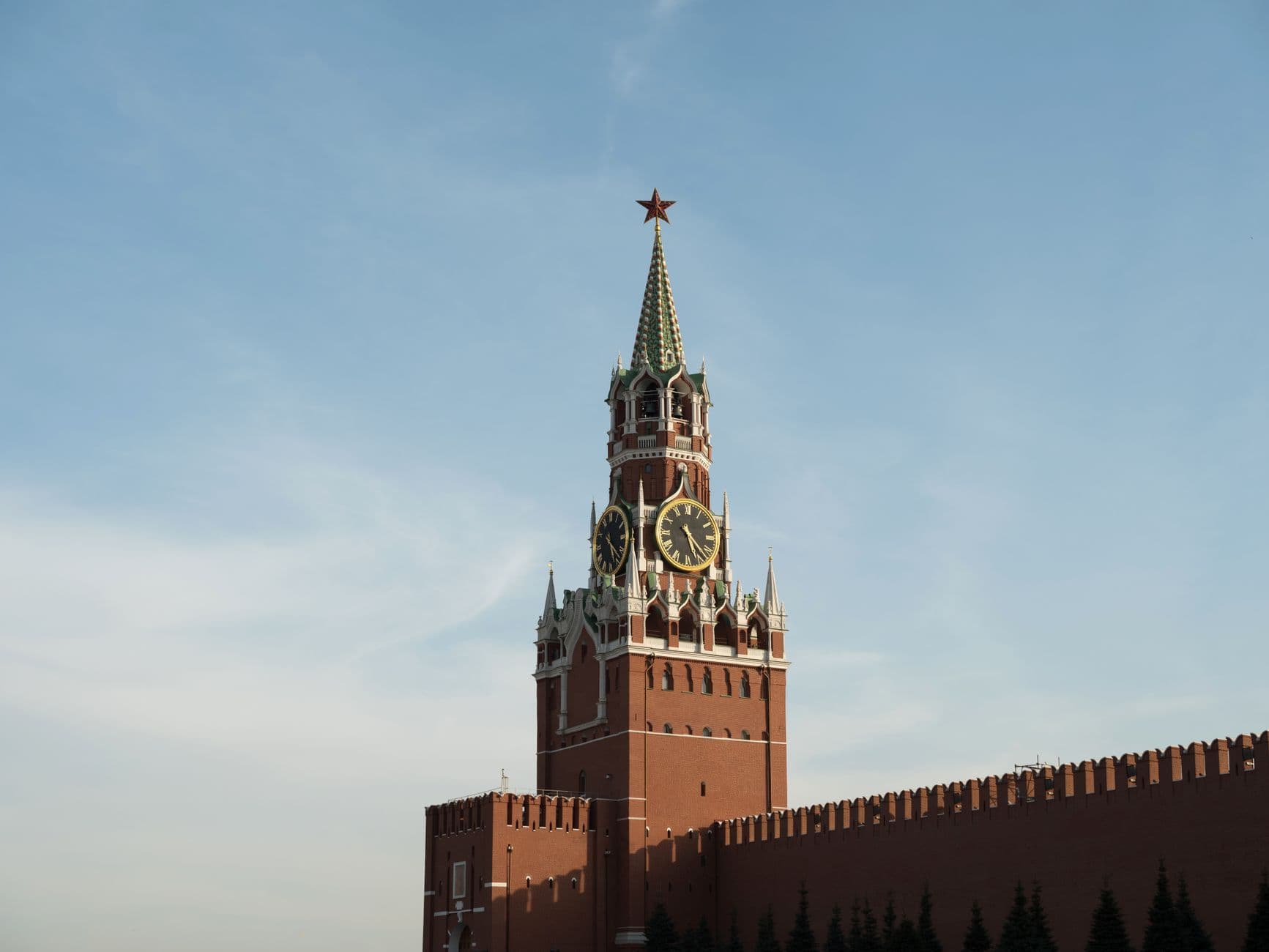
Recomandarea: Mai este cea mai bună lună pentru a vizita Rusia pentru vremea cea mai confortabilă, temperaturi blânde și mulțimi mai puține. În mai sau septembrie, căldura din timpul zilei permite o explorare ușoară a orașelor, de la Piața Roșie până la malurile Volgăi, cu temperaturi de obicei în jur de 18-22°C și seara răcoroase.
Folosește un sistem de trei straturi: un strat de bază respirabil, un strat intermediar cald și un strat exterior rezistent la vânt și apă. Păstrează un set de paltoane pentru seara sau pentru excursii în sezonul târziu; evită volumul excesiv alegând opțiuni ușoare. Această abordare oferă moaleală și flexibilitate, adăugând confort în timpul zilelor lungi la muzee și plimbărilor pe malul râului.
Există modele distincte pe anotimpuri: iarna (decembrie-februarie) necesită îmbrăcăminte exterioară groasă; temperatura scade adesea la -10 până la -15°C în multe orașe; adăugați mănuși, pălărie și cizme impermeabile. Primăvara (martie-mai) este o perioadă de tranziție, crescând de la aproape 0°C la 15-20°C până în mai. Vara (iunie-august) este de obicei 20-25°C în Rusia centrală, mai caldă în sud, cu ocazional perioade ploioase. Toamna (septembrie-noiembrie) se răcește de la 15°C la cifre cu un singur digit, cu mai multă ploaie în octombrie. Dacă călătorești cu prieteni dintr-o climă tropicală, opțiunile în straturi îți permit să te adaptezi rapid de la zile calde la seara mai rece.
Pentru a rămâne confortabil zilnic, planifică cel puțin două perechi de încălțăminte cu aderență bună și rezistență la apă. Hidratarea este importantă: poartă o sticlă de apă și alege țesături care absoarbă umiditatea pentru a evita supraîncălzirea în zilele mai soarele.
Ghidul nostru de ambalare include echipament și sfaturi care oferă căldură și mobilitate fiabile. Vă oferim sfaturi rapide de ajustare pentru diferite orașe, de la Moscova și Sankt Petersburg până la Kazan și Soci, astfel încât tu și prietenii tăi să puteți planifica eficient și să evitați supraîncărcarea. Aduceți echipamentul potrivit vă economisește timp și vă asigură că vă bucurați de muzee, parcuri și plimbări pe malul apei fără neplăceri legate de vreme.
Sezoane de înflorire după regiune: Moscova, Sankt Petersburg și Siberia Ferestre de temperatură
Alege mai sau septembrie - cele mai ideale perioade - pentru Moscova și Sankt Petersburg pentru a profita de zile mai blânde, ploi controlabile și seara mai lungă.
Moscova & Sankt Petersburg: Ferestre de temperatură și stilizare
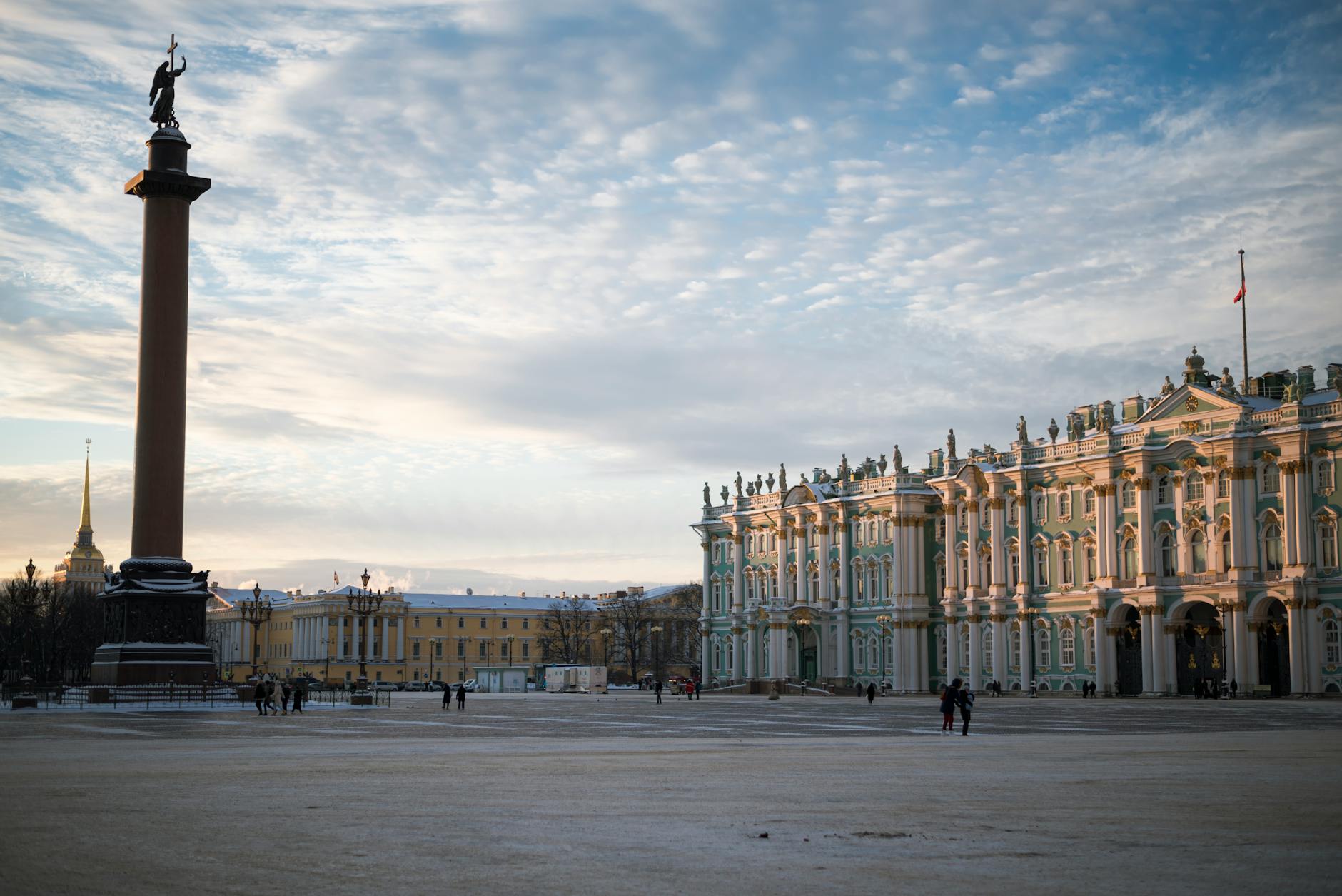
Aflat în vestul Rusiei, Moscova trece de la frigul devreme primăverii la căldura mijlociului verii. Martie poate fi mai rece, cu temperaturi între -5 și 5°C; în mai se observă 12-20°C; iulie-august cresc până la 23-28°C; septembrie se răcește la 12-20°C. Sankt Petersburg este puțin mai rece și mai vântos, cu temperaturi în iulie-august între 20 și 25°C și frecvente perioade de ploaie. În ambele orașe apar zile ploioase, așa că este bine să ai un strat ușor impermeabil pentru a evita să rămâi în interior. Serile luminoase din timpul Noților Albe din Sankt Petersburg - de la sfârșitul lui mai până la mijlocul lui iulie - invită la căutarea de evenimente în aer liber și la plimbări lungi de-a lungul canalelor.
Ce să poți purta: creează seturi de îmbrăcăminte pe care le poți amesteca pe parcursul zilei. Pentru luni de trecere, un trench modern, un pulover cald și o eșarfă funcționează bine; include și mâneci scurte pentru căldura de la amiază. Pentru călătorii cu trenul sau plimbări lungi, poartă o jachetă de ploaie compactă și o pereche de pantofi confortabili de mers; adaugă un strat suplimentar pentru seara rece. În iulie și august, bluze respirabile combinate cu scurte sau o fustă se potrivesc bine, în timp ce o singură opțiune formală poate fi păstrată pentru serile de damă în centrele orașelor. Poți cu siguranță crea aspecte stilate și practice, iar stilizarea se va dovedi ușor de adaptat, căutând echilibrul între căldură și respirabilitate. Căldura din iulie poate crește, așa că planifică opțiuni care rămân confortabile cu soarele.
Siberia: Ferestre de temperatură și echipament
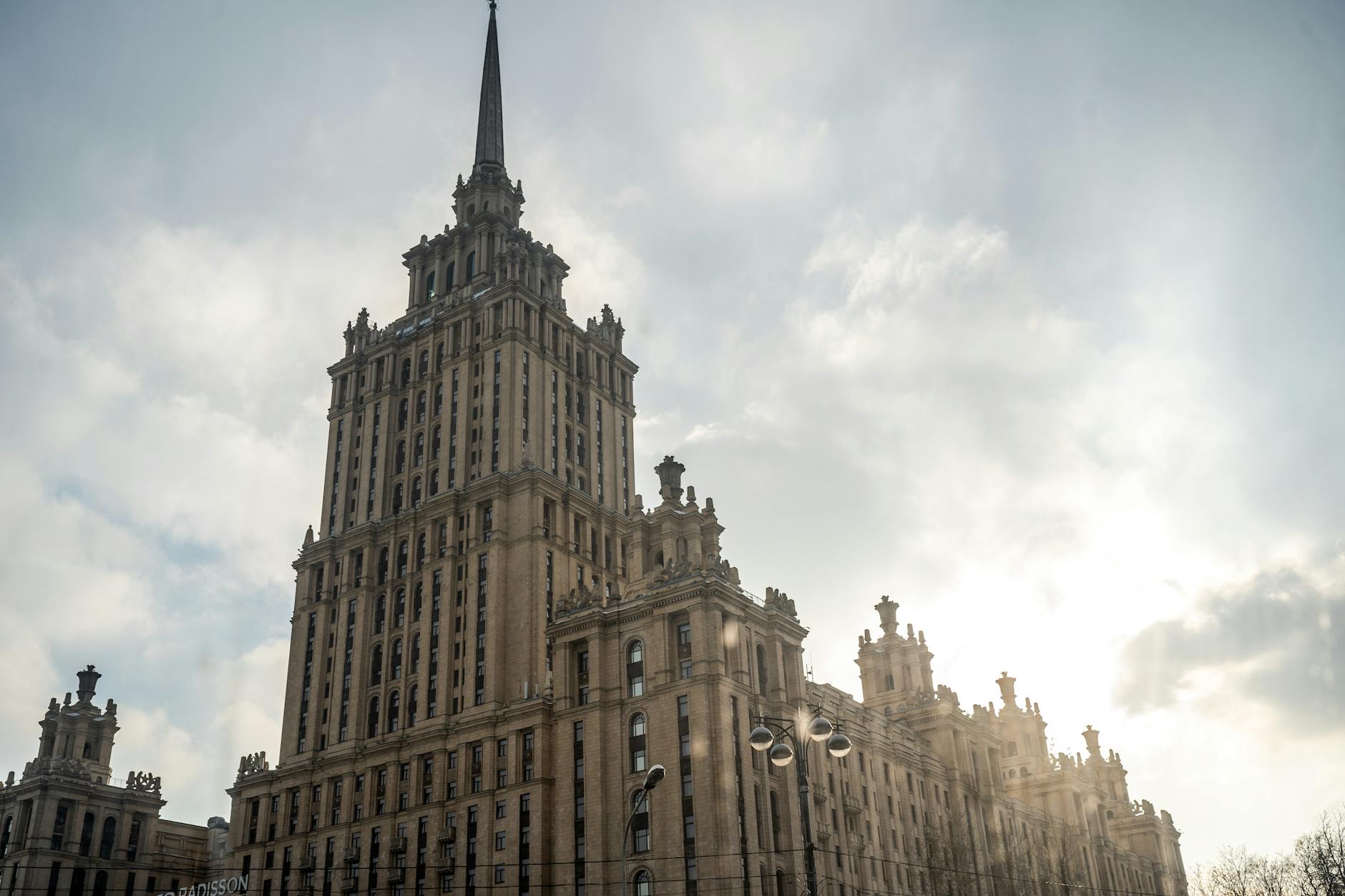
Siberia acoperă distanțe imense, așa că fereastra de călătorie variază în funcție de locație. În iarnă, orașele din nord pot ajunge la -40°C sau mai jos, în timp ce zonele din sud înregistrează -15 până la -25°C în zilele mai reci. Perioada cea mai caldă este iulie-august, cu temperaturi zilnice de aproximativ 20-25°C; nopțile rămân destul de răcoroase pentru a necesita un strat cald. Augustul urmează adesea iulie cu temperaturi similare, așa că planificați în consecință pentru zile fierbinți și seara răcoroasă. Cea mai fiabilă perioadă pentru călătorii lungi este iulie-august, când întâlniți mai puține extreme de temperatură și un confort mai mare pentru explorarea în aer liber.
Plan de echipament: ambalează haine groase, în straturi, din țesături sintetice pentru izolare și controlul umidității. Include o paltonă caldă sau o jachetă izolată, o căciulă sau o pălărie caldă, mănuși și eșarfe pentru seara târziu, precum și lenjerie de corp lungă pentru căldură suplimentară în trenuri lungi sau când altitudinea crește. Pentru explorări în timpul zilei, aduce tricouri ușoare, o jachetă respirabilă și o pereche de încălțăminte rezistentă pentru mers pe jos. Deoarece ploaia poate apărea, o jachetă de ploaie compactă și cizme impermeabile te vor menține cald și uscat în timpul călătoriilor cu trenul sau a plimbărilor în aer liber. Asigură-te că ai câteva bazice versatile și creează combinații de haine care să combine perechea de pulovere cu o piesă exterioară strălucitoare pentru un efect maxim. Vremea predominantă poate bloca unele zile, așa că evitarea blocării în interior cu alerte meteorologice ajută la menținerea călătoriilor la bază și relaxante. Serile din august pot aduce încă căldură în zonele sudice, în timp ce căldura din iulie tinde să ceară straturi mai ușoare.
Strategie de stratificare: stratul de bază, stratul intermediar și stratul exterior pentru confort
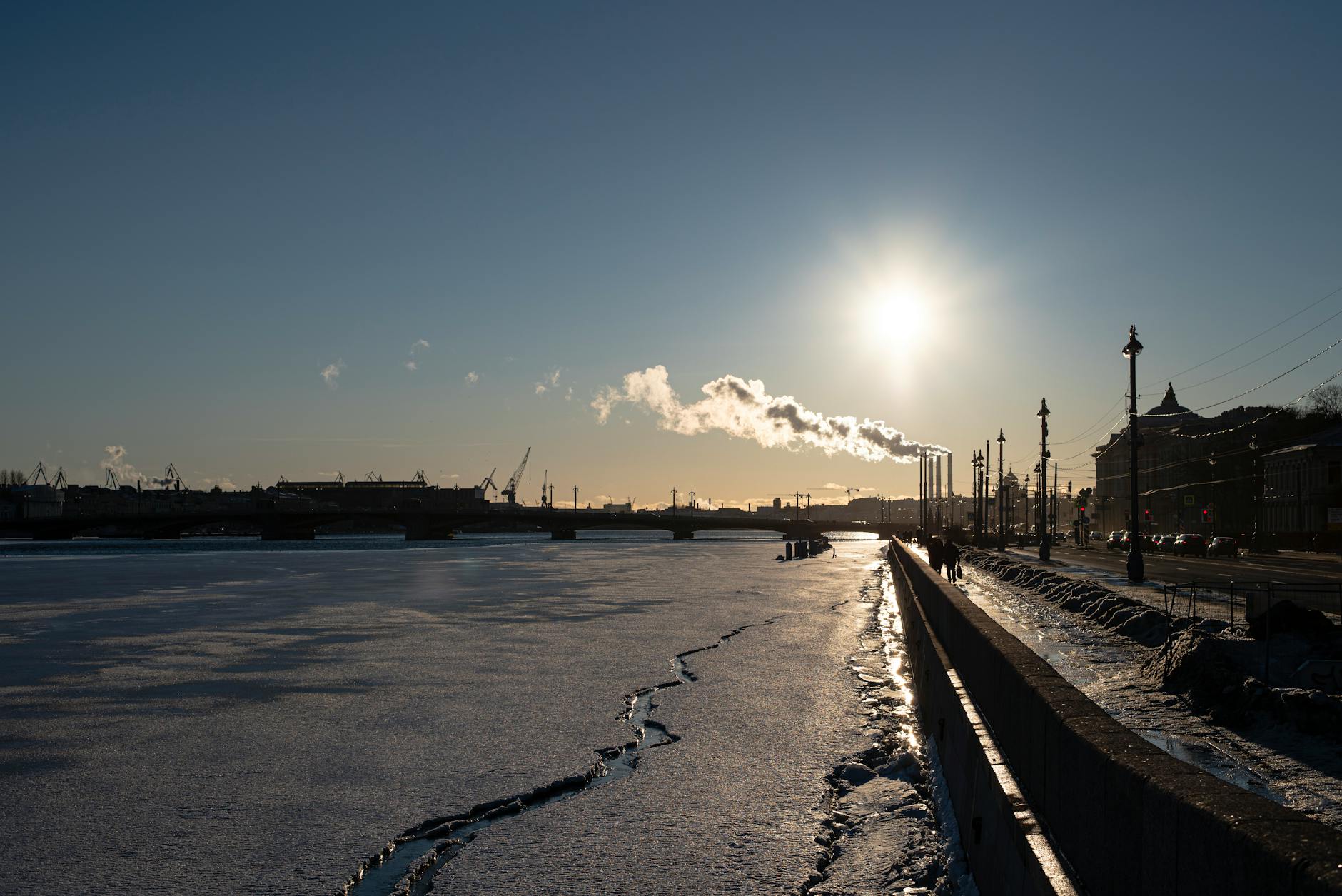
Începe cu un strat de bază respirabil din lână merino moale sau sintetice performante care absoarbă umiditatea și se usucă rapid. Pentru ianuarie, vizează 150-200 g/m² pentru a rămâne confortabil atunci când treci de la străzile înzăpezite la camerele încălzite din orașele din țară. Un strat de bază solid menține pielea uscată când ieși afară după o masă la restaurant și formează baza pentru restul îmbrăcăminții.
Adaugă un strat intermediar cu izolație care se potrivește strâns peste baza, dar sub coajă. Alege vată sau pene comprimabile în intervalul de 200-300 g/m². Vata moale păstrează căldura în vânturi puternice, dar rămâne flexibilă pentru excursii lungi și deplasări zilnice. Materialele și țesăturile trebuie să permită stratificarea ușoară, iar stratul intermediar să se comprime pentru călătorie fără a adăuga volum.
Coaja exterioară trebuie să fie impermeabilă, rezistentă la vânt și respirabilă, cu cusături etanșe și o membrană durabilă. Caută opțiuni de ventilație precum zip-uri axilare, căciuli ajustabile și manșete care se închid împotriva zăpezii. O coajă în stil de trencă este ideală pentru zile mai blânde și umede în orașele de coastă; pentru ierni mai aspre, o jachetă robustă cu căciulă rezistentă la vreme este mai bună. Coaja se poartă peste stratul de bază și cel intermediar, menținându-te uscat fie pe o stradă din oraș aici, fie pe o șosea vântoasă undeva altundeva.
Sfaturi practice pentru purtare: această abordare în trei straturi îți oferă posibilitatea să rămâi mai mult în afară, fie că te deplasezi prin piețe și muzee sau ieși pentru o fotografie rapidă. Ține ochelarii de soare la îndemână pentru strălucirea puternică a zăpezii, și ia un strat de bază suplimentar pentru excursii care se prelungesc până la sfârșitul lui ianuarie sau șederi mai lungi. Poți să te adaptezi la căldura din interiorul restaurantelor locale și al vehiculelor de transport în comun, fără să transpire prea mult, deschizând ventilațiile sau îndepărtând stratul intermediu când este necesar.
În orașele cu climă variabilă, acest sistem funcționează atât pentru iernile de acasă, cât și pentru călătoriile mai lungi prin țară. Stratul de bază gestionează umiditatea, stratul intermediar adaugă izolație moale, iar stratul exterior oferă protecție exagerată în zilele cu vânt puternic. Se dovedește a fi o abordare plus accesibilă care îți oferă confort, mobilitate și șansa de a profita la maximum de fiecare oportunitate în condiții de iarnă.
Pantaloni și potrivire: De ce pantaloni largi înving jeans strâmți în ceea ce privește izolația
Pentru iernile din Moscova, alegeți pantaloni cu tăietură largă ca piesă centrală a echipamentului de căldură. Un sistem cu trei straturi - strat de bază, strat izolant și strat exterior impermeabil - te menține cald pe tot parcursul zilei. Alege țesături care captează aerul și absoarbă umiditatea, precum amestecuri de lână sau bumbac lustruit. O tăietură largă în mijloc, cu spațiu la capete, permite ușor purtarea șosetelor groase și a inserțiilor, protejând picioarele și călcâiele pe drumurile înghețate, călătoriile cu trenul și deplasările pline de ploaie. Această combinație se potrivește atât pentru excursii de cumpărături, cât și pentru plimbări prin oraș, rămânând confortabilă chiar și după ore petrecute în aer liber.
În practică, pantaloni cu tăietură largă depășesc jeans-urile strâmți, deoarece bulele de aer dintre straturi reduc pierderea de căldură și împiedică senzația de picioare umede. Spațiul suplimentar permite să îți introduci un pulover sau un fleece ușor fără să te simți restricționat, astfel încât poți să te bucuri de explorări lungi în oraș fără să te supraîncălzești. Dacă cineva caută căldură fiabilă, această abordare te menține confortabil în vânturi și te ajută să rămâi în mișcare de la răsărit până la apus în lunile reci și umede ale Moscovei.
Cum să alegi pantaloni largi potriviți
- Potrivire și tăiere: larg la mijloc cu o ușoară îngustare la capete; astfel, păstrează căldura în jurul picioarelor, în timp ce evită volumul care te încetinește în magazine aglomerate în timpul cumpărăturilor.
- Tesături: prioritizați amestecuri de lână, amestecuri de bumbac cu interior vărgat sau izolație sintetică care rămâne izolantă chiar și când este udă de ploaie sau zăpadă.
- Sistem cu trei straturi: asigură-te că stratul de bază se așază plat, stratul intermediar adaugă căldură fără volum, iar stratul exterior blochează vântul și ploaia, în timp ce permite evacuarea umidității.
- Caracteristici practice: buzunarele adânci, butoanele acoperite și manșetele reglabile ajută la păstrarea căldurii și la menținerea umidității în afară atunci când ieși pe trotuarul ud sau intră într-un adăpost în timpul unei zile ploioase.
- Opțiuni de stratificare: un pulover subtr-un cămașă cu căciulă oferă o bună protecție; această combinație este deosebit de versatilă pentru luni cu vreme schimbătoare.
- Îngrijire și durabilitate: alege țesături care păstrează forma după spălare și rezistă la formarea pilului, astfel încât să poți purta aceleași seturi de mai multe sezoane fără înlocuiri frecvente.
Idei de îmbrăcăminte pentru luni în Moscova
- Stil urban clasic: pantaloni largi cu un pulover gros, o vestă cu capucă și pantofi robusti. Combinați cu șosete groase și o eșarfă; rămâi cald și mobil pe străzile aglomerate, picioarele protejate de ploaie și de zăpadă topită.
- Set de călătorie: coajă exterioară, strat intermediar de fleece, strat termic de bază; adăugați o jachetă cu căciulă și păstrați mânecile curate cu manșete care se închid la încheieturi.
- Seara caldă: treceți la un material mai gros și adăugați o eșarfă în stil de pătură; sistemul cu trei straturi rămâne, cu căldură reținută aproape de corp pentru călătoria de întoarcere de la tren sau metrou.
Încălcăminte și accesorii pentru condiții reci, umede și înzăpezite
Alege cizme izolate, impermeabile cu tija înaltă și cu un talp antiderapant, multidirecțional pentru a face față gheții și noroii pe străzile Moscovei, Sankt Petersburgului și a altor orașe importante. O cizmă cu membrană impermeabilă, cum ar fi Gore-Tex sau un strat similar, menține picioarele uscate în vreme umedă și pe străzile cu noroi. Caută o căptușeală caldă și o greutate potrivită sezonului; pentru majoritatea săptămânilor de iarnă, o umplutură de greutate medie între 200-400 de grame este ideală; pentru frigul intens, este necesară o căldură mai groasă, cu o greutate de 600 de grame.
Materialele contează: prioritizați o membrană impermeabilă și cusături etanșe, o suprafață robustă (piele sau sintetică) cu vârful întărit și un model de talp cu 4-6 mm adâncime pentru aderentă pe suprafețe înghețate. În zilele de iarnă umede, evitați opțiunile neimpermeabile. Asociați încălțămintea cu șosete care absoarbă umiditatea și mențin căldura: începeți cu o șosetă subțire de lină sintetică, apoi o șosetă mai groasă din amestec de lână merino. Nu purtați bumbac direct pe piele, deoarece pierde căldură când se umezește.
Gaiterele oferă protecție împotriva zăpezii care se infiltrează în guler. Alegeți nyloni ușoare cu închidere rapidă, dimensionate pentru înălțimea cizmelor tale. Te ajută să rămâi uscat când întâlnești zăpadă adâncă sau mânji, iar acestea funcționează bine la plimbări lungi sau la urcarea scărilor în condiții de iarnă.
Mănuși sau mănușe: alegeți opțiuni izolate, impermeabile, cu o manșetă strânsă și o palmă antiderapantă. Mănușele oferă în general mai multă căldură, dar mănușile cu degete permit mai multă dexteritate pentru ajustarea fermoarelor sau utilizarea unui telefon cu ecran tactil. Folosiți un strat subțire interior din fibră sintetică pentru a adăuga căldură fără volum, și evitați stratul interior din bumbac care reduce căldura. Pentru majoritatea zilelor, un strat de căldură între -15 și -20°C este suficient cu stratificarea corespunzătoare; pentru nopți vântosii în zone expuse, alegeți o mănușă exterioară antivânt cu o manșetă strânsă la încheietură.
Protecție pentru față și cap: un bonet strâns sau o balaclavă pentru a izola de vânt, plus o eșarfă pentru gât și o protecție pentru bărbie. Un vizor ușor ajută dimineața rece, iar o căptușeală moale pe obraji adaugă căldură în timpul așteptărilor lungi în aer liber. Dacă planificați să stați afară pentru perioade îndelungate, o strată cu căciulă și protecții pentru urechi completează echipamentul.
Îngrijire și întreținere: uscați cizmele după utilizare, scoateți tălpii pentru a le aerisi și păstrați cizmele într-un loc ventilat. Folosiți un balm pentru piele pe nubuck sau pe piele și reaplicați spray-ul impermeabil după sezon pentru a menține rezistența la apă. Lăsați cizmele să se usuce departe de căldura directă și păstrați-le în poziție verticală pentru a menține forma. Nu le lăsați umede în pungă, deoarece aceasta poate deteriora materialul.
Tracțiune și siguranță: pe străzile înghețate, purtați microspini sau cleme de tracțiune care se potrivesc peste talpa cizmelor și testați-le în interior înainte de a le purta în exterior. Verificați că nu alunecă la gleznă și că puteți merge în siguranță pe trotuarul lustruit. Exerciți-vă mersul cu ajutoare de tracțiune într-un spațiu confortabil înainte de a le folosi în exterior în condiții de frig.
Practic de ambalare: păstrează o pereche suplimentară de șosete ușoare și o pereche de mănuși compacte și pliabile în geanta ta de zi; când vremea se îmbunătățește, poți schimba rapid pentru a ține picioarele calde și uscate. Pentru ieșiri zilnice pe un piață sau la un muzeu, un umbrelă compactă sau o haină rezistentă la vreme poate fi utilă, dar ambalează ușor pentru a evita supraîncărcarea.
Sfaturi pentru vară: țesături ușoare, hidratare și protecție împotriva ploii
Începe cu un strat exterior ușor care respiră și absoarbe umiditatea, apoi adaugă un strat interior confortabil și straturi versatile pentru îmbrăcămintea ta. Această abordare este cunoscută printre ruși și călători din întreaga lume, care apreciază îmbrăcămintea care se adaptează de la căldură la ploaie.
Hidratarea contează în fiecare zi. Bea în mod regulat și poartă o sticlă compactă, țintind la aproximativ 2-3 litri, în funcție de activitate și de căldura de 86 de grade Fahrenheit. Dacă te-ai simțit amețit sau obosit, nu aștepta să faci o pauză; căută umbră și bea apă. Tabletele de electroliți pot ajuta în timpul plimbărilor lungi sau a tururilor în oraș.
Alegerea țesăturilor îmbunătățește confortul în soare și ploaie. Alege țesături cu elasticitate și proprietăți de evacuare a transpirației: amestecuri de in, bumbac ușor și sintetice moderne. Un raport despre aceste tendințe menționează că amestecul lor este preferat pentru destinații calde, echilibrând stilul cu performanța. În opinie, materialele confortabile înving țesăturile rigide oricând. Un punct de atracție este un blazer ușor care se potrivește cu jeans sau șorturi, iar averea a câteva straturi versatile menține aspectul elegant fără volum, aceasta este ideea.
Când plouă, păstrează o jachetă impermeabilă pliabilă la îndemână. Un strat exterior respirabil blochează ploaia fără a reține căldura și se potrivește cu interiorul pentru stratificare ușoară. Concentrează-te pe un set convenabil: pachetează o jachetă compactă care se pliază într-un buzunar și alege o jachetă ușoară care se adaptează atât străzilor orașului, cât și planurilor de seară. Evită echipamentul care reține căldură sau umiditate; optează pentru piese care se ventilează bine.
Pentru încălțăminte, alege pantofi confortabili cu o bună aderență și șosete care absoarbă umiditatea. Dacă programul tău include drumeții sau chiar schi în munți, du-te cu un set de schimb ușor, care include un strat interior și unul exterior rezistent la vânt. În zilele calde, treci la haine mai ușoare; în funcție de situație, poți ajusta cu straturi. Astfel, ești pregătit atât pentru soare și umbră, temperaturi ridicate, cât și pentru ploi bruște.